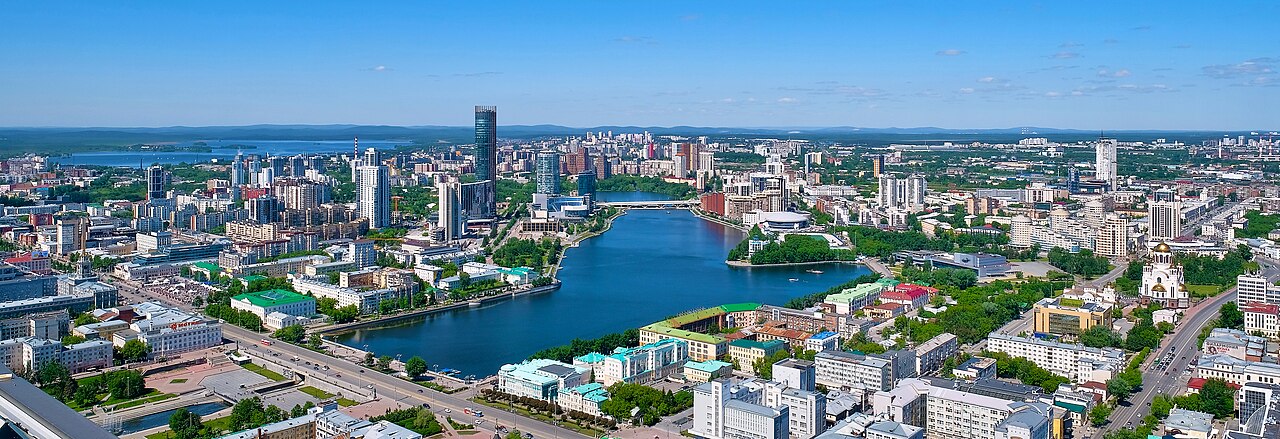
Yekaterinburg
City in Russia
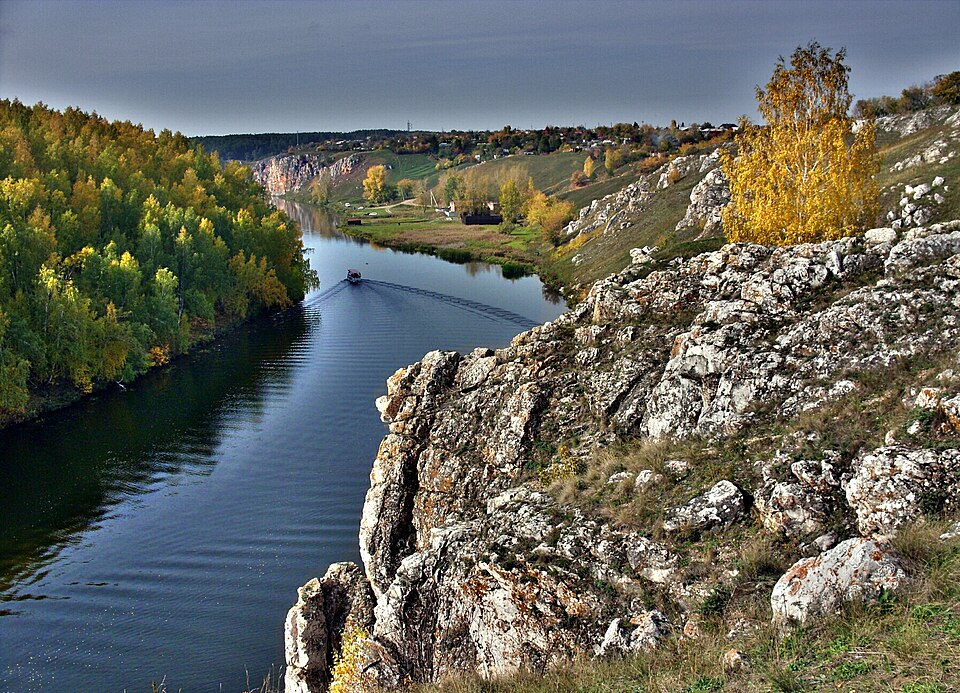
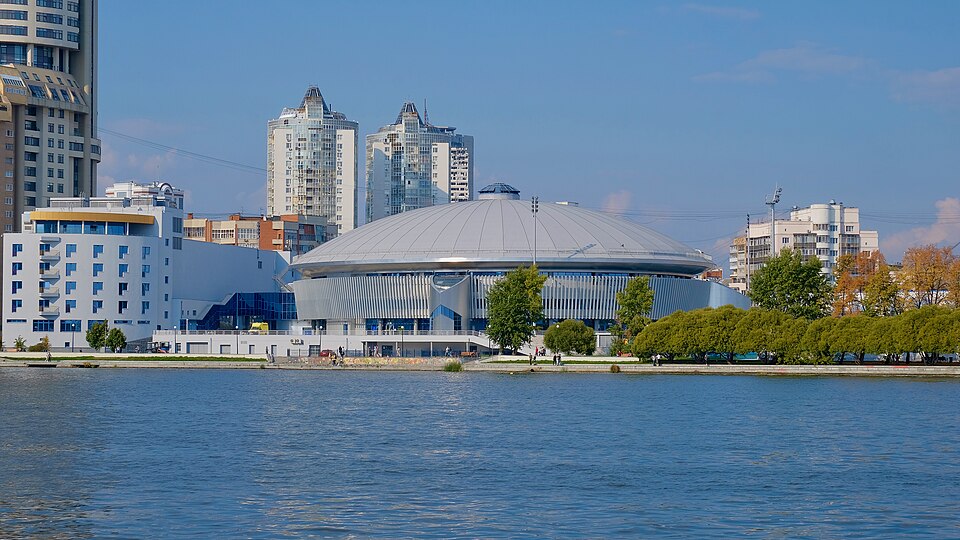
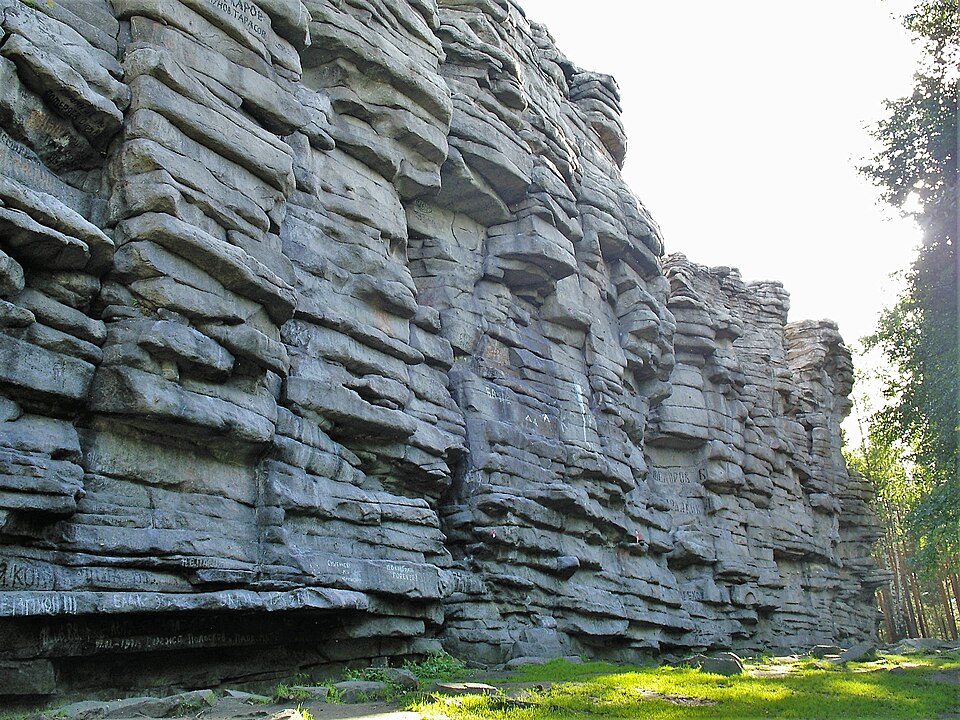
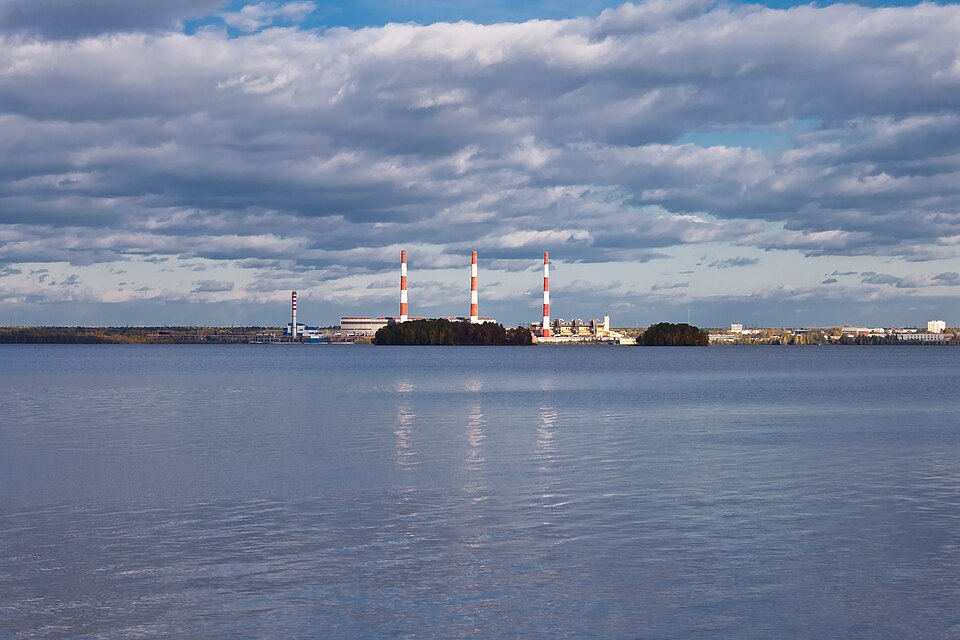
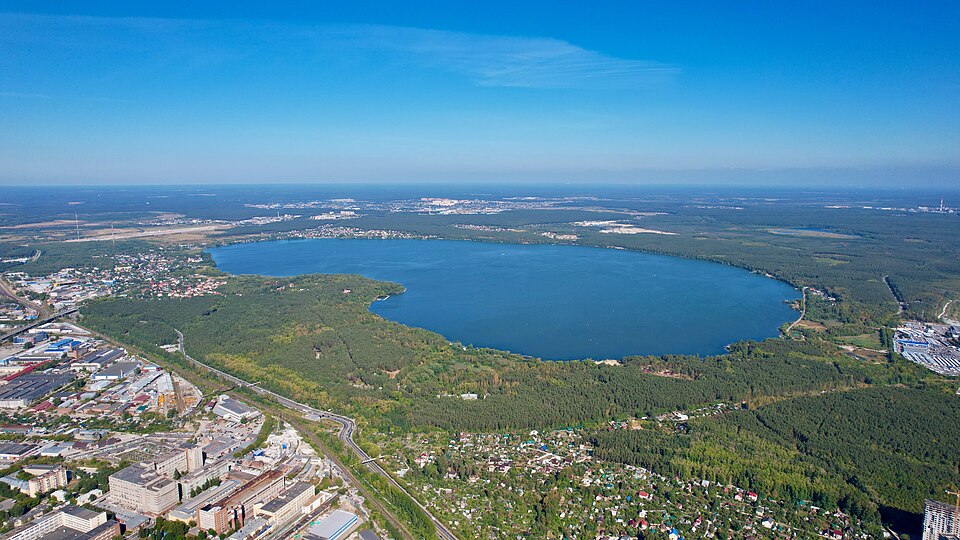
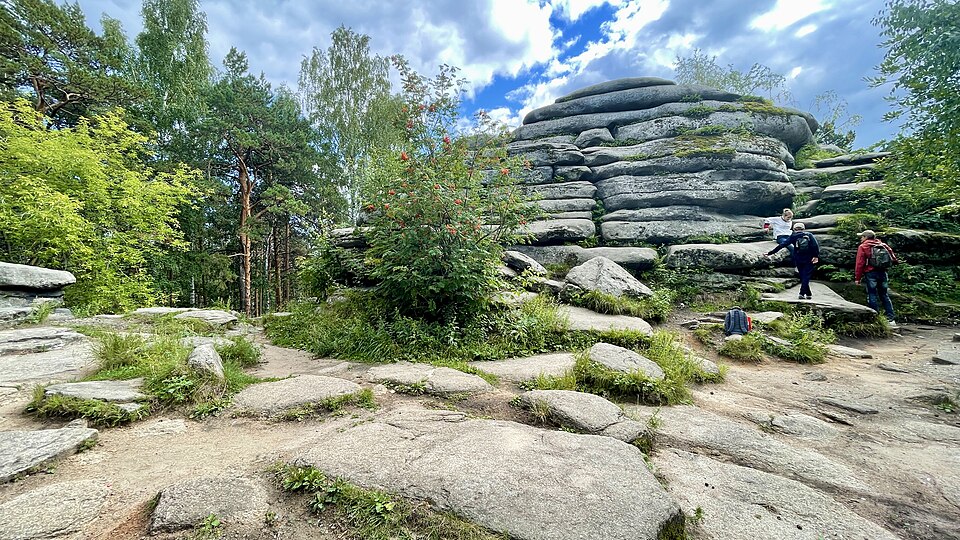
Within 30 km of the centre of Yekaterinburg, the nature places people read about most are Iset, Sports palace Jekaterinburg, Chertovo Gorodishche Rocks and Lake Iset, and marked walks close to the city include тропа им. разведчика Н. И. Кузнецова.
People have shared 168,053 wildlife records within 50 km of Yekaterinburg in the last ten years. The wild animals recorded most often are the great tit, the fieldfare, the hooded crow, the Eurasian magpie and the mallard. Since the 1980s the area has become about 0.6 °C warmer.
- Country
- Russia
- Population
- 1.5 million
- Area
- 468 km²
- Elevation
- 237 m
- Currency
- Russian ruble
- Daylight
- 7 to 18 hours
Figures from Wikidata; population 2018.
Yekaterinburg on the map
- Iset
- Sports palace Jekaterinburg
- Chertovo Gorodishche Rocks
- Lake Iset
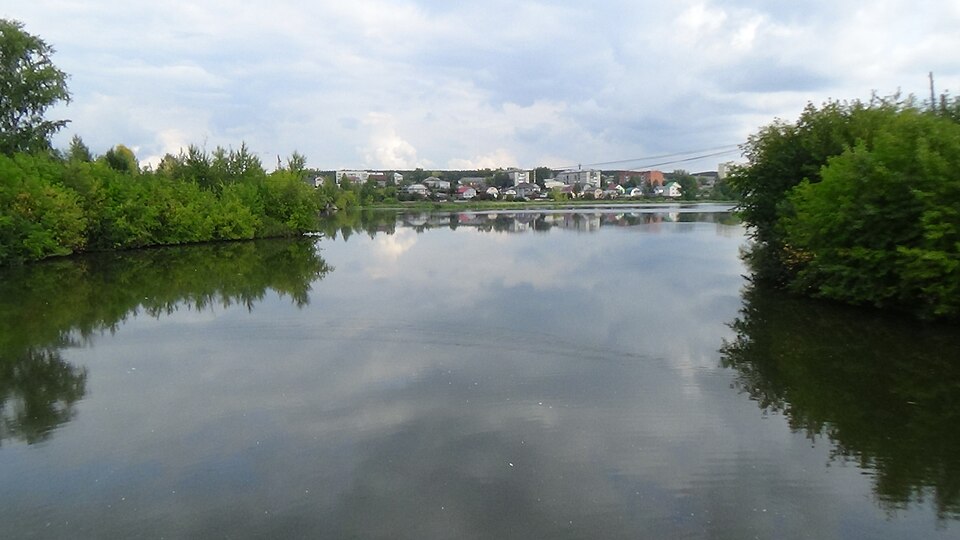
- Pyshma
- Shartash Lake
- Shilovka
- Shartash Stone Tents Rocks
- Reshyotka
Nature close to Yekaterinburg
The places people read most about, from the centre outwards.
- Pyshma River · 13 km
- Shilovka River · 11 km
- Reshyotka River · 14 km
- Istok River · 17 km
- Shitovsky Istok River · 25 km
- Baltym River · 13 km
- Mochalovka River · 25 km
Marked walks
- тропа им. разведчика Н. И. Кузнецова5.9 km · 10 km from the centre
Long-distance trails through the area: Большая уральская тропа (2,357 km).
Routes from OpenStreetMap via Waymarked Trails. Not checked by 4Planet: follow local signs and conditions.
Wildlife around Yekaterinburg
The wild animals people record most within 50 km, 2016–2025. Tick the ones you have seen to build your own list.


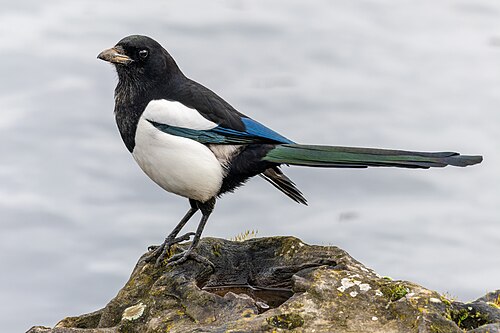

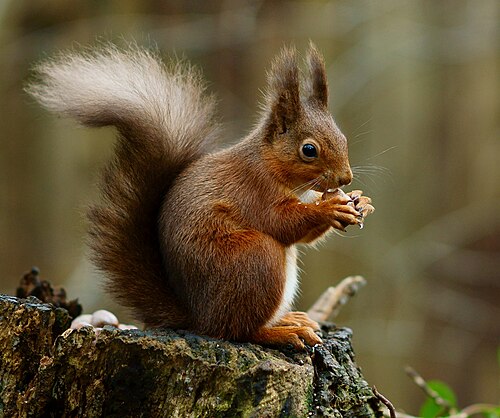
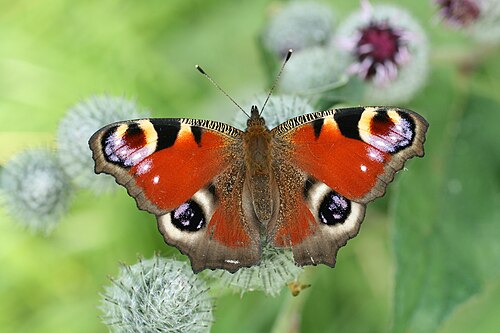
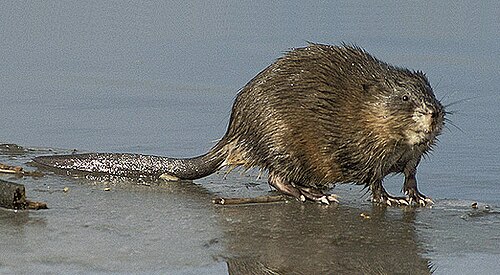
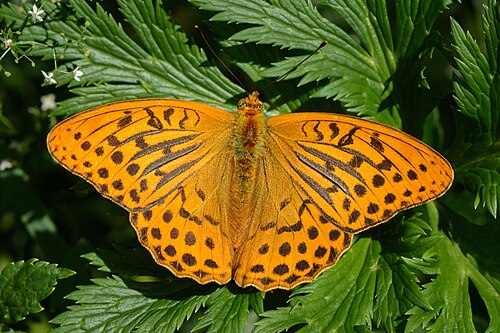
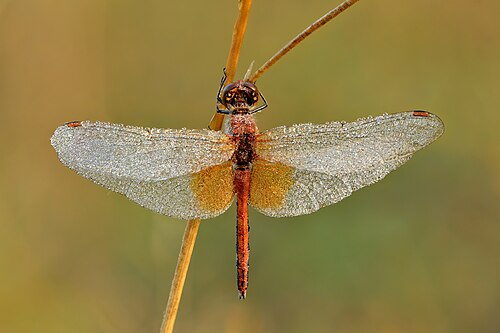


Seen in the last 30 days
What can you see near Yekaterinburg now?
Month by month, from 168,053 records people shared within 50 km, 2016–2025.
At their peak in January

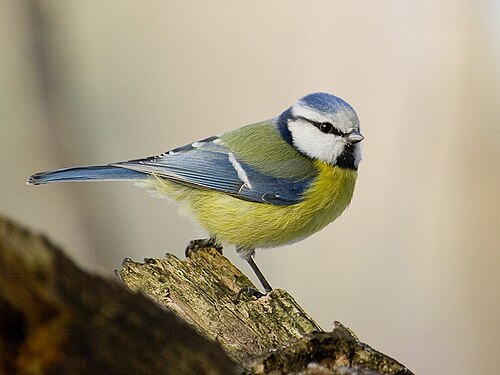


Most seen in January

12,405 animal records in January.
At their peak in February

Most seen in February
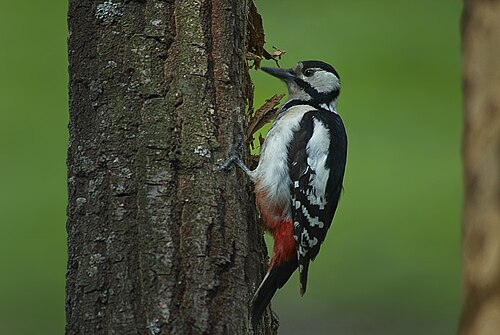
9,682 animal records in February.
At their peak in March


Most seen in March
11,449 animal records in March.
At their peak in April


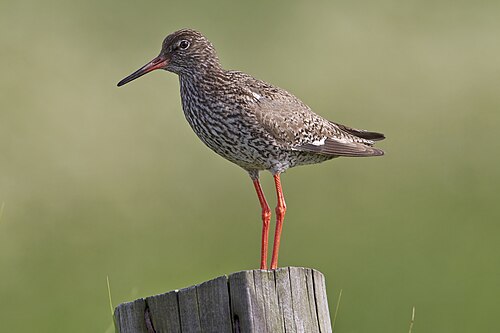

Most seen in April


Plants and fungi at their peak in April
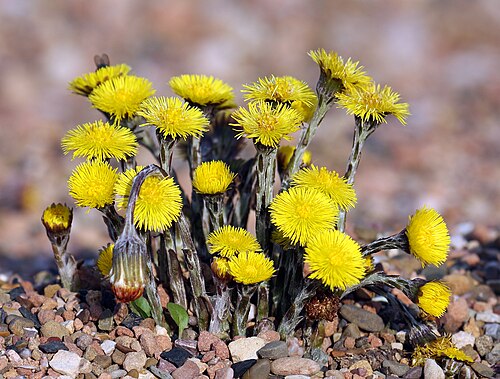


26,331 animal records in April.
At their peak in May
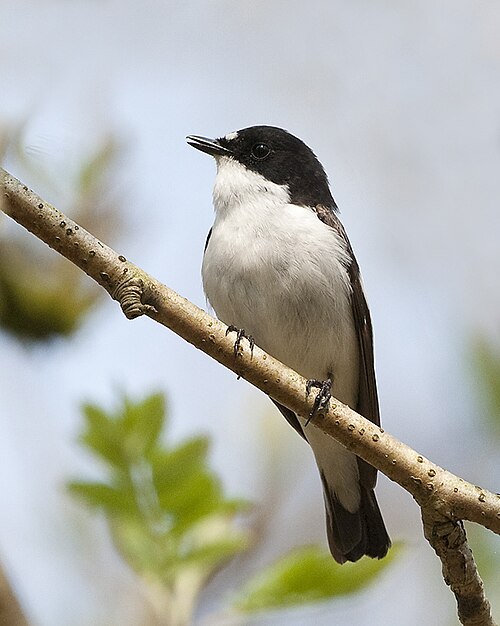

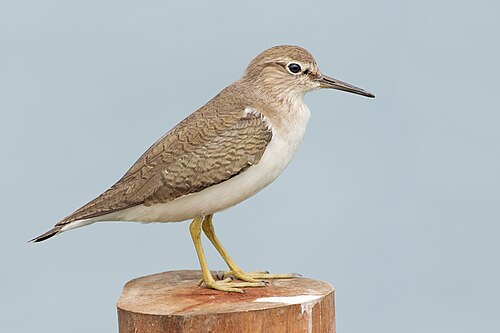

Most seen in May
Plants and fungi at their peak in May


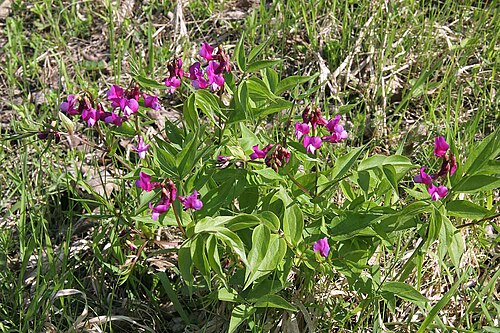
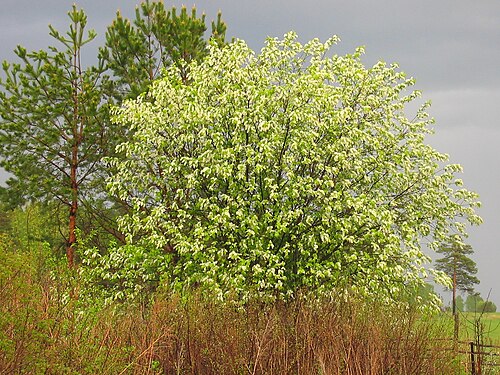
29,643 animal records in May.
At their peak in June


Most seen in June
Plants and fungi at their peak in June
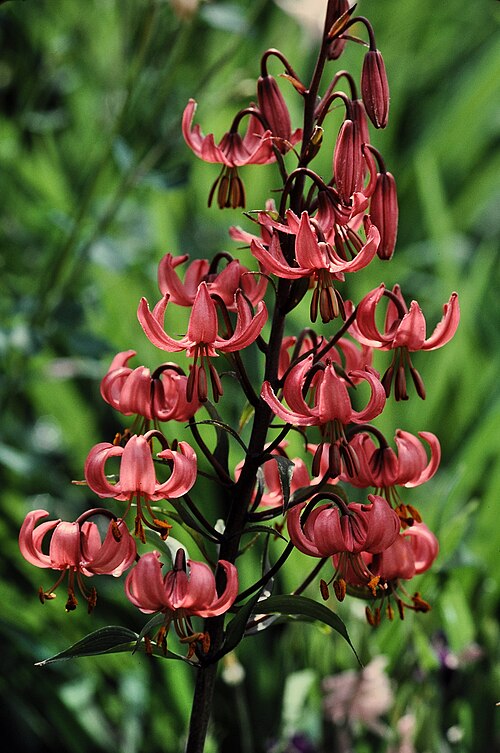
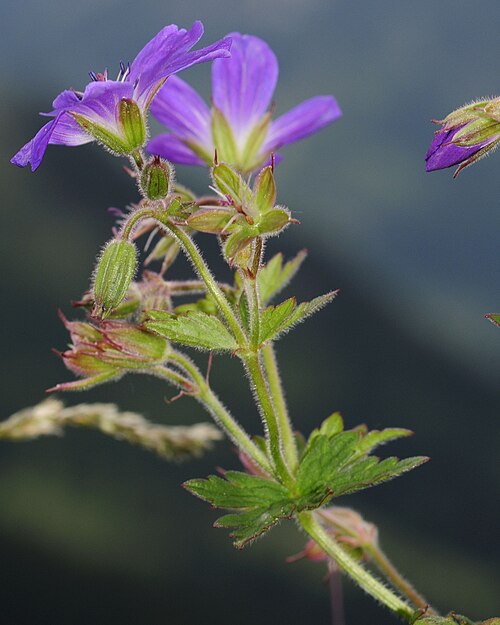
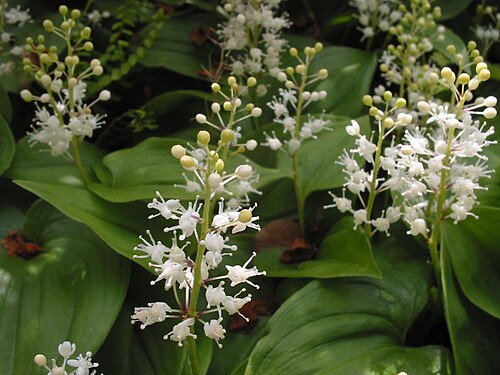
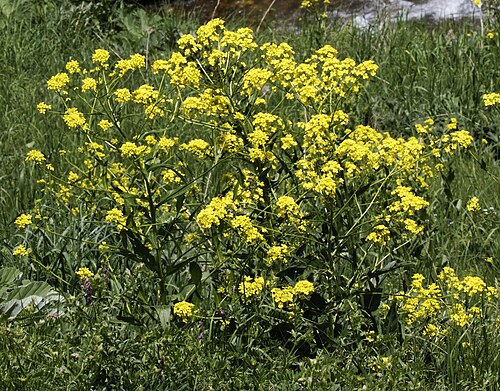
24,433 animal records in June.
At their peak in July

Most seen in July

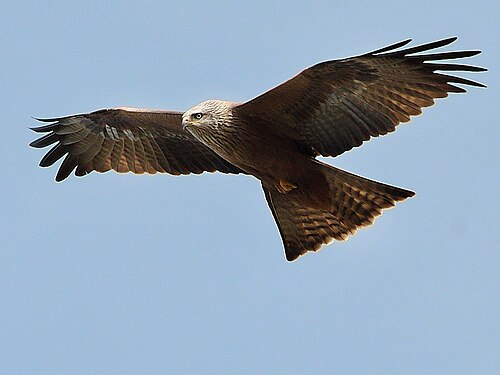
Plants and fungi at their peak in July
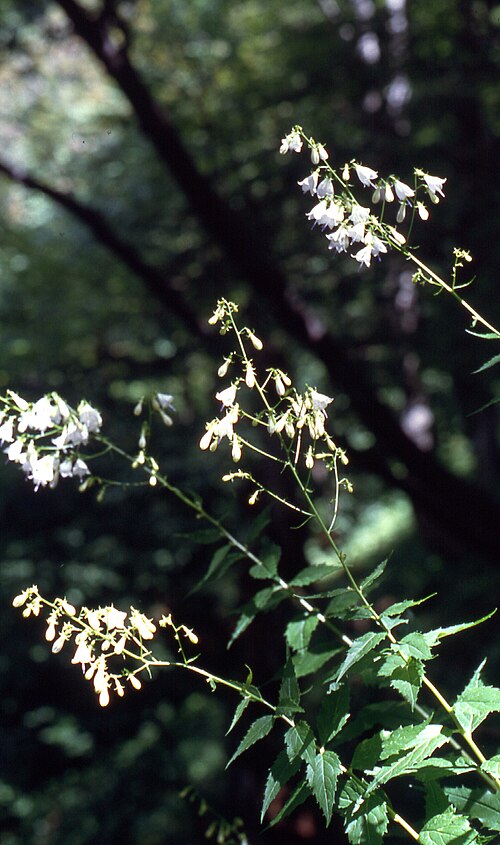

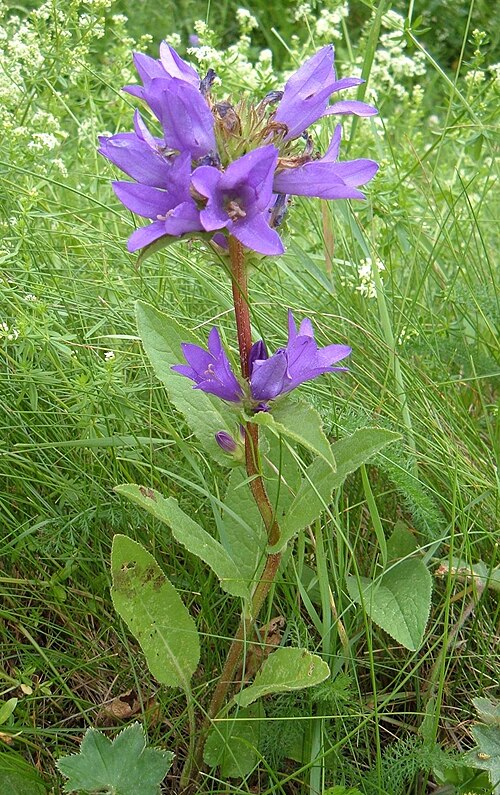
13,084 animal records in July.
At their peak in August
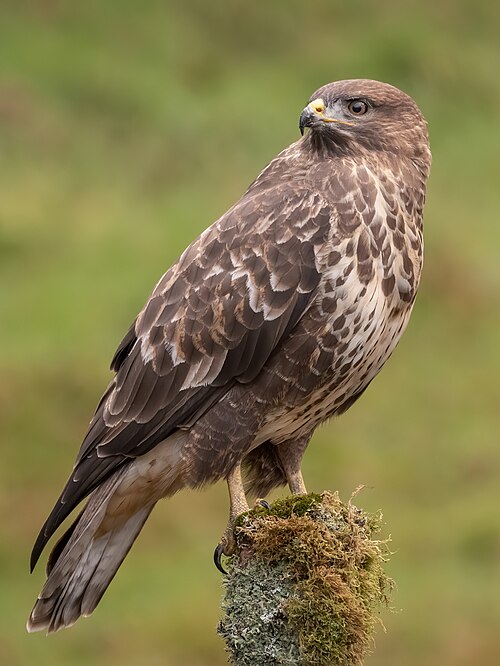
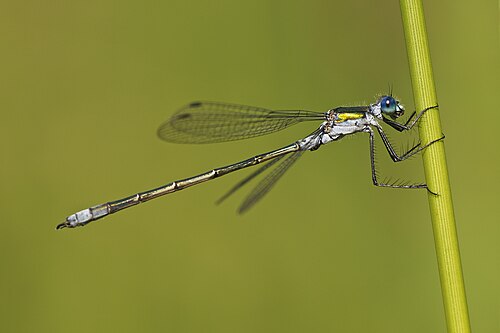
Most seen in August
Plants and fungi at their peak in August

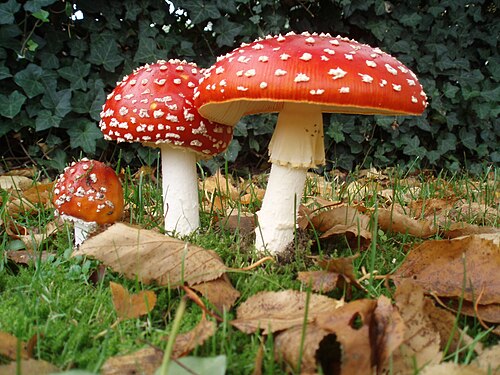
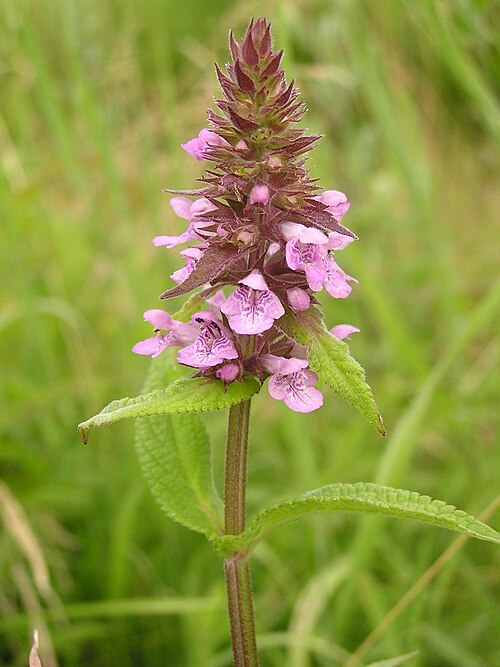

8,477 animal records in August.
At their peak in September


Most seen in September
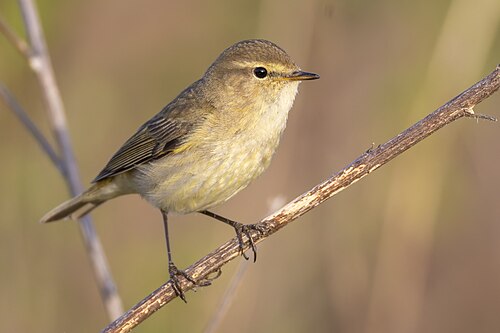
Plants and fungi at their peak in September
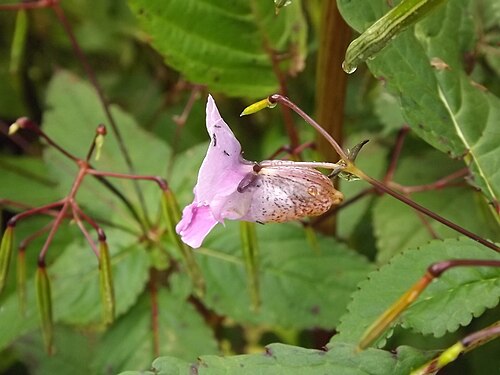
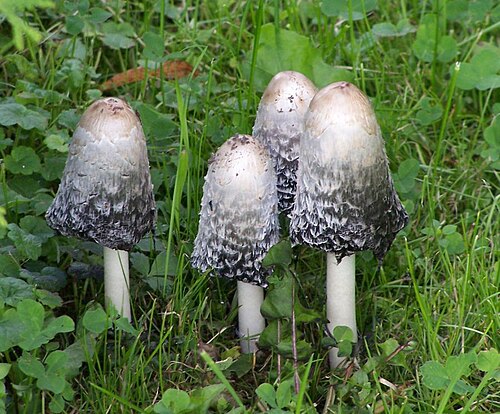
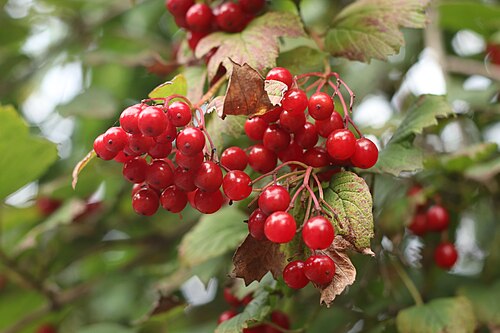
7,291 animal records in September.
At their peak in October
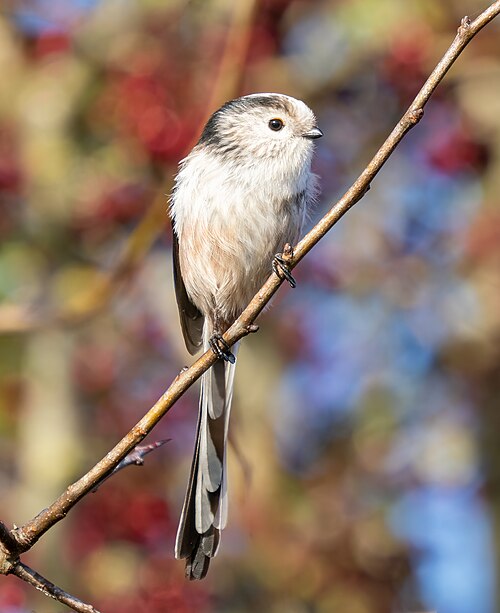
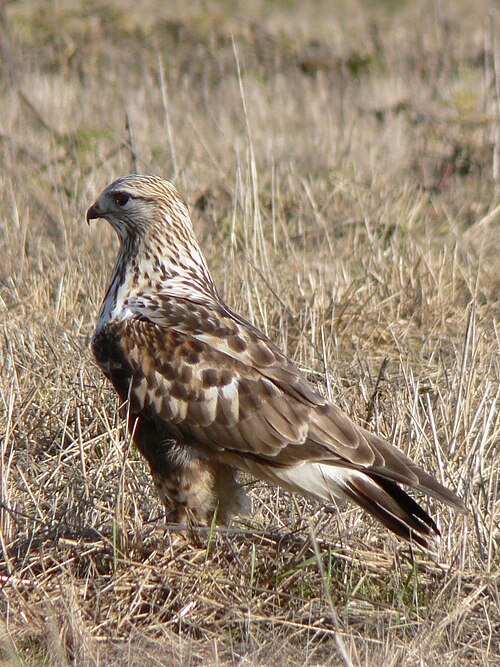
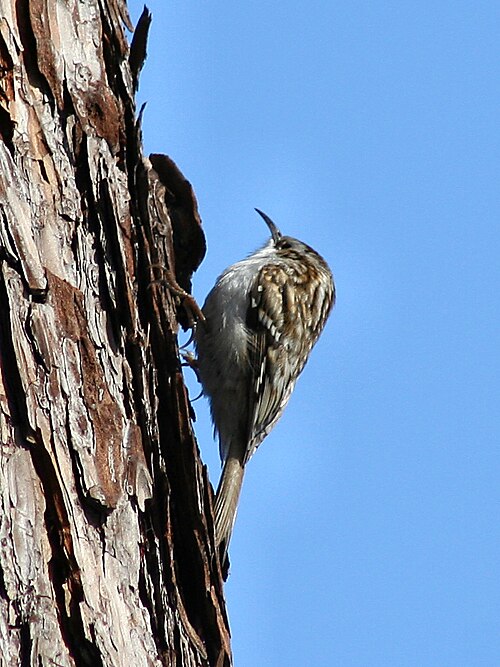
Most seen in October
Plants and fungi at their peak in October

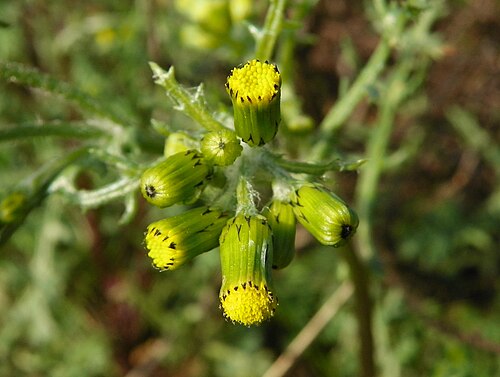
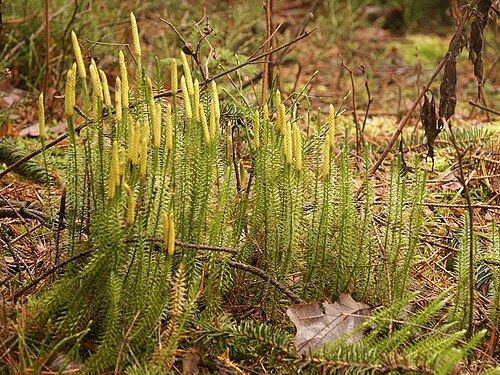
9,172 animal records in October.
At their peak in November

Most seen in November

8,303 animal records in November.
At their peak in December
Most seen in December
7,783 animal records in December.
Yekaterinburg is getting warmer
+0.6 °CAverage temperature around Yekaterinburg in 2016–2025, compared with 1981–1990.
Daylight: about 7 hours in December and 18 in June.
Seen something near Yekaterinburg?
Share a photo of it on iNaturalist. Other naturalists help name it, and confirmed records go to GBIF, where scientists use them. That is where the lists on this page come from.
Explore next
What puts Yekaterinburg under pressure, what helps, and who works on it.
Yekaterinburg on the living planet
More places near Yekaterinburg
Sources and photo credits
- Wikidata · Yekaterinburg (Q887), facts and nature places
- Wikipedia page views · how well known each nature place is
- OpenStreetMap contributors via Waymarked Trails · marked walking routes (ODbL)
- GBIF · human observations within 50 km, 2016–2025 (168,053 animal records)
- NASA POWER · yearly temperature from satellite and model data (MERRA-2)
- MET Norway · weather now (shown live)
- Yekaterinburg, Russia: Vyacheslav Bukharov, CC BY-SA 4.0
- Iset, Yekaterinburg: Башин Денис Анатольевич, CC BY-SA 4.0
- Sports palace Jekaterinburg, Yekaterinburg: Vyacheslav Bukharov, CC BY-SA 4.0
- Chertovo Gorodishche Rocks, Yekaterinburg: const_st, CC BY-SA 3.0
- Lake Iset, Yekaterinburg: xap3a, CC BY-SA 3.0
- Shartash Lake, Yekaterinburg: Vyacheslav Bukharov, CC BY-SA 4.0
- Shartash Stone Tents Rocks, Yekaterinburg: Vyacheslav Bukharov, CC BY-SA 4.0
- Aramilka, Yekaterinburg: Podavon, CC BY-SA 4.0
- Great tit: Frank Vassen from Brussels, Belgium, CC BY 2.0
- Fieldfare: Frankie Fouganthin, CC BY-SA 4.0
- Hooded crow: Donald Hobern from Copenhagen, Denmark, CC BY 2.0
- Eurasian magpie: Alexis Lours, CC BY 4.0
- Mallard: Rolf Dietrich Brecher from Germany, CC BY 2.0
- Eurasian red squirrel: Peter Trimming, CC BY 2.0
- Peacock: Korall, CC BY-SA 3.0
- Muskrat: David Menke, Public domain
- Silver-washed fritillary: Uoaei1, CC BY-SA 4.0
- Yellow-winged darter: Ivar Leidus, CC BY-SA 4.0
- Vagrant darter: Jörg Hempel, CC BY-SA 3.0 de
- Marsh frog: Charles J. Sharp, CC BY-SA 4.0
- Eurasian bullfinch: Francis Franklin, CC BY-SA 3.0
- Willow tit: keith gallie from Warrington, UK, CC BY 2.0
- Eurasian blue tit: Sławek Staszczuk, CC BY-SA 3.0
- Redpoll: Jyrki Salmi from Finland, CC BY-SA 2.0
- Coal tit: soumyajit nandy from Kolkata, India, CC BY-SA 2.0
- Great spotted woodpecker: Плешков Алексей, CC BY-SA 3.0
- Bohemian waxwing: Frank Vassen from Brussels, Belgium, CC BY 2.0
- Red crossbill: Luiz Lapa from Oeiras, Portugal, CC BY 2.0
- Rook: Brian Snelson from Hockley, Essex, England, CC BY 2.0
- Eurasian chaffinch: Gilles San Martin from Namur, Belgium, CC BY-SA 2.0
- White wagtail: Jac. Janssen from BAARLO LB, NL, CC BY 2.0
- European greenfinch: Estormiz, CC0
- Reed bunting: MPF, CC BY-SA 4.0
- Common redshank: Andreas Trepte, CC BY-SA 2.5
- Green sandpiper: peterichman, CC BY-SA 2.0
- Coltsfoot: Andreas Trepte, CC BY-SA 2.5
- Common dandelion: Walther Otto Müller, Public domain
- Ashleaf maple: Matt Lavin from Bozeman, Montana, USA, CC BY-SA 2.0
- Woolly burdock: AnRo0002, CC0
- European pied flycatcher: Mark Medcalf, CC BY 2.0
- Willow warbler: Andreas Trepte, CC BY-SA 2.5
- Common sandpiper: JJ Harrison (https://www.jjharrison.com.au/), CC BY 3.0
- Common rosefinch: Adam Kumiszcza, CC BY-SA 3.0
- Ground ivy: AnRo0002, CC0
- European globeflower: Ivar Leidus, CC BY-SA 4.0
- Spring pea: Prazak, CC BY-SA 3.0
- Bird cherry: Игоревич, Public domain
- Blyth’s reed warbler: Tisha Mukherjee, CC BY-SA 4.0
- Common swift: Alexis Lours, CC BY 4.0
- Greenish warbler: Dibyendu Ash, CC BY-SA 3.0
- Martagon lily: Schnobby, CC BY-SA 3.0
- Woodland geranium: Philipp Weigell, CC BY 3.0
- May lily: Bouba at French Wikipedia, CC BY-SA 3.0
- Warty cabbage: Zeynel Cebeci, CC BY-SA 4.0
- Siberian stonechat: J.M.Garg, CC BY-SA 3.0
- Black kite: Thomas Kraft (ThKraft), CC BY-SA 2.5
- Common tern: Alexis Lours, CC BY 4.0
- Lilyleaf ladybells: The original uploader was Berwianr at German Wikipedia., CC BY-SA 3.0
- Large-flowered hemp-nettle: Ivar Leidus, CC BY-SA 4.0
- Clustered bellflower: Dag Lindgren, CC BY-SA 3.0
- Common buzzard: caroline legg, CC BY 2.0
- Common spreadwing: Jörg Hempel, CC BY-SA 3.0 de
- Autumn hawkbit: Danny Steven S., CC BY-SA 3.0
- Fly agaric: Onderwijsgek, CC BY-SA 3.0 nl
- Marsh woundwort: Michael Becker, CC BY-SA 3.0
- Devil's-bit: Stefan.lefnaer, CC BY-SA 4.0
- Common chiffchaff: Alexis Lours, CC BY 4.0
- Common redstart: Aconcagua (talk), CC BY-SA 3.0
- Song thrush: Charles J. Sharp, CC BY-SA 4.0
- Brambling: mmlolek, CC BY 2.0
- Himalayan balsam: Guptaele, CC BY-SA 4.0
- Lawyer's wig: A. Uciechowska, CC BY-SA 3.0
- Guelder rose: Waitblock, CC BY-SA 4.0
- Long-tailed tit: Rhododendrites, CC BY-SA 4.0
- Rough-legged buzzard: Walter Siegmund (talk), CC BY 2.5
- Eurasian treecreeper: Paweł Kuźniar (Jojo_1, Jojo), CC BY-SA 3.0
- Common sowthistle: T.Voekler, CC BY-SA 3.0
- Common groundsel: Peter O'Connor aka anemoneprojectors from Stevenage, United Kingdom, CC BY-SA 2.0
- Stiff clubmoss: Bernd Haynold, CC BY 2.5
- Eurasian nuthatch: Chme82, CC BY-SA 4.0
- Western jackdaw: Darkone, CC BY-SA 2.5


Wildlife records show where people have seen and shared plants and animals, not everything that lives here; some places and months are recorded more than others. Sensitive species are never shown with a month or as seen recently. Routes come from OpenStreetMap and are not checked by 4Planet: follow local signs and conditions. Climate figures are NASA estimates for the area around Yekaterinburg, not a single weather station.
Checked 2026-11-27.