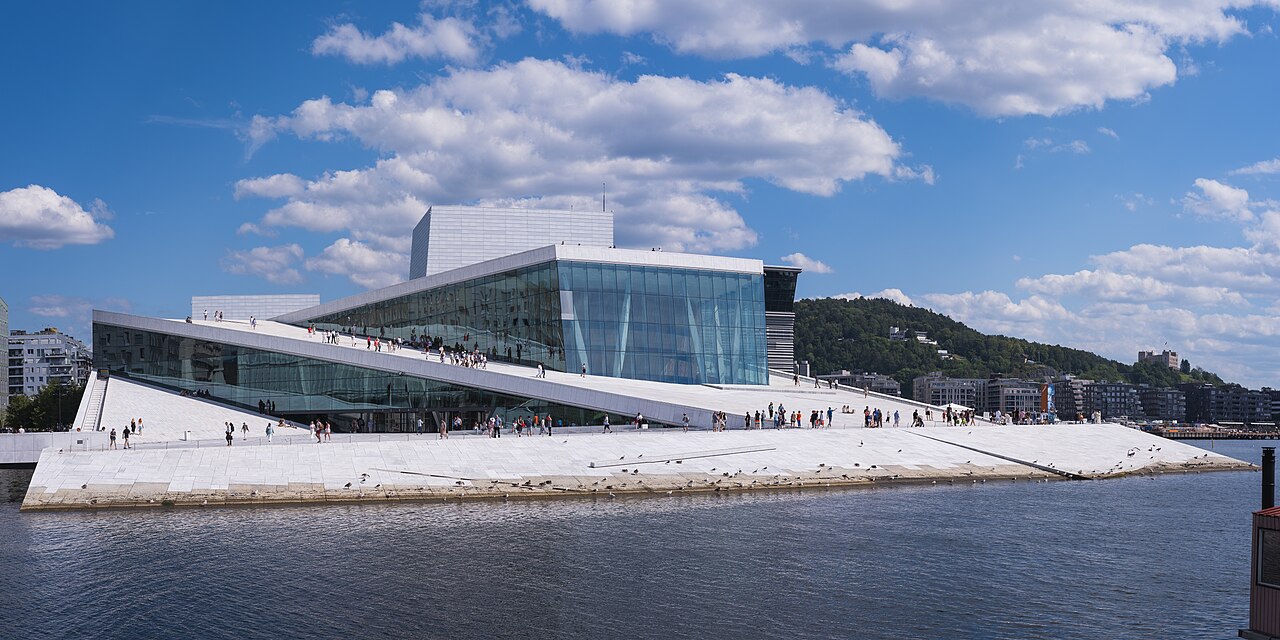
Oslo
Capital of Norway, at the head of the Oslofjord
Oslo sits where the Oslofjord ends and the forest begins. The city is ringed by Marka, the woods, hills and lakes on its northern, eastern and western edges, which the Marka Act of 2009 largely protects from building. From the centre, the metro reaches forest lakes like Sognsvann in about twenty minutes, and small ferries cross to the islands of the inner fjord.
This page shows what people have actually seen near Oslo, month by month, from wildlife records shared through GBIF, along with green places close to the city, national parks within a day's trip and what the climate has done since the 1980s. Oslo was European Green Capital in 2019.
Of the 93 cities on Atlas, Oslo has the 16th most marked walks and the 17th most wildlife records shared within 50 km.
- Country
- Norway
- Population
- 717,710
- Area
- 454 km²
- Elevation
- 23 m
- Languages
- Norwegian (Bokmål and Nynorsk), Sámi
- Currency
- Norwegian krone
- Time zone
- UTC+1 (UTC+2 in summer)
- Daylight
- 6 to 19 hours
Figures from Wikidata; population 2024.
Oslo on the map
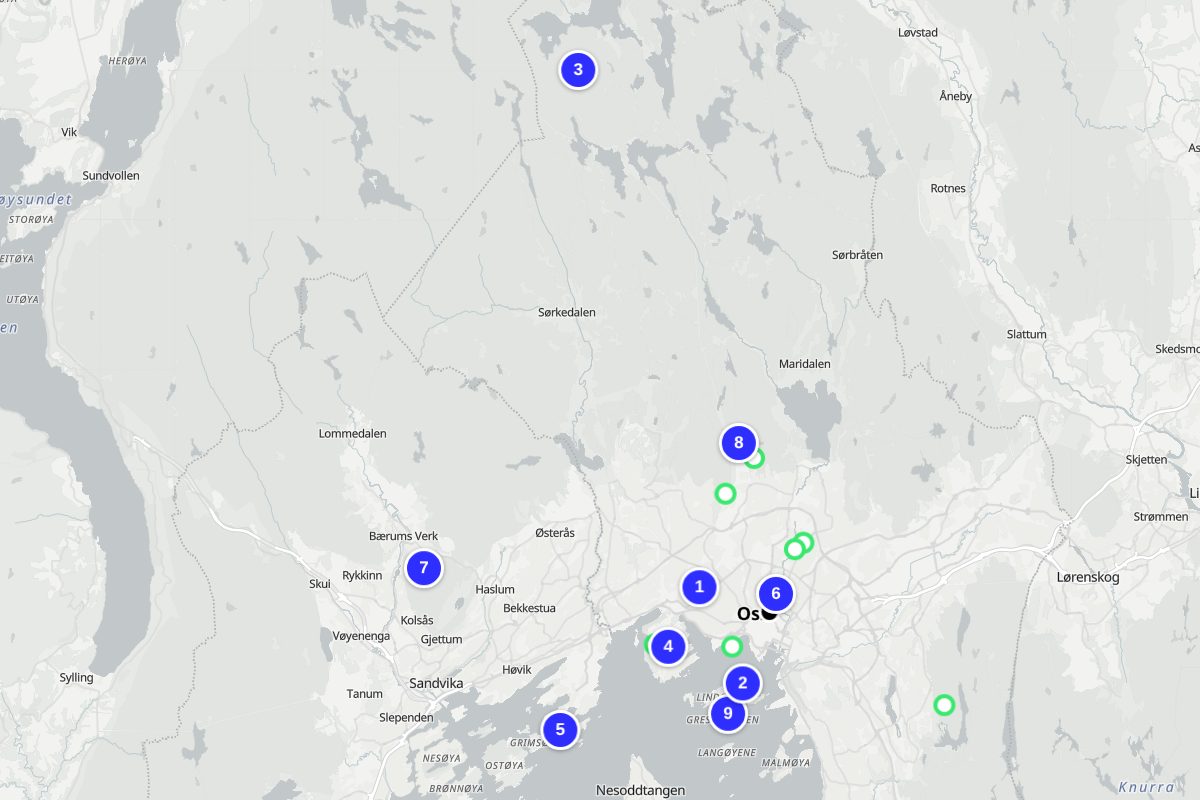
Numbers match the places below. Map: © OpenStreetMap contributors, OpenFreeMap.
- Frogner Park
- Hovedøya
- Nordmarka
- Bygdøy
- Snarøya
- Akerselva
- Kolsås
- Sognsvann
- Gressholmen
Nature close to Oslo
The places people read most about, from the centre outwards.

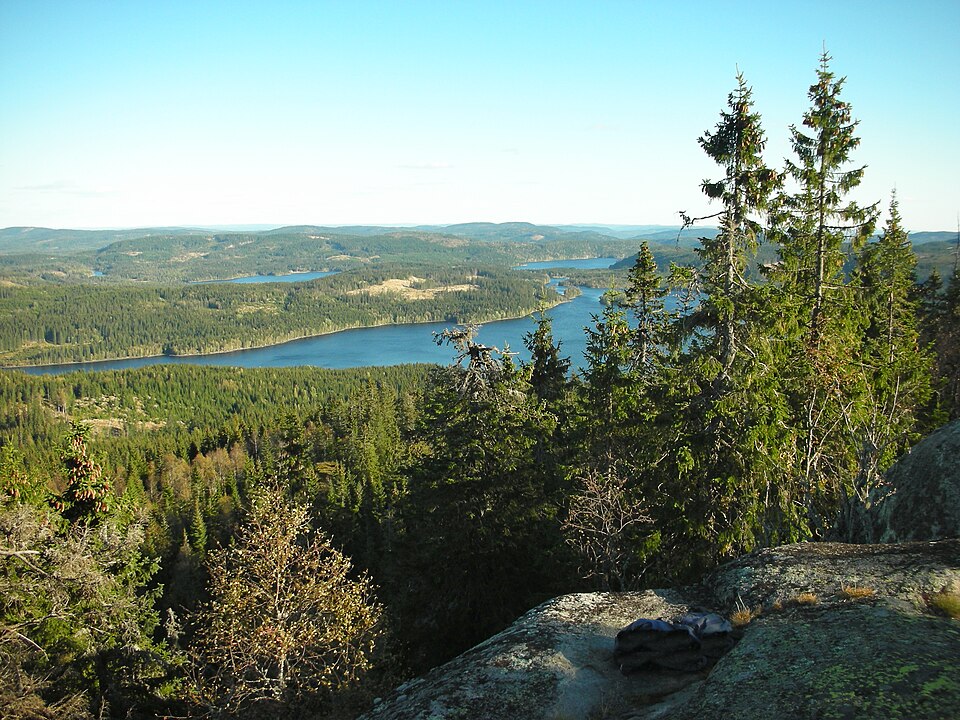


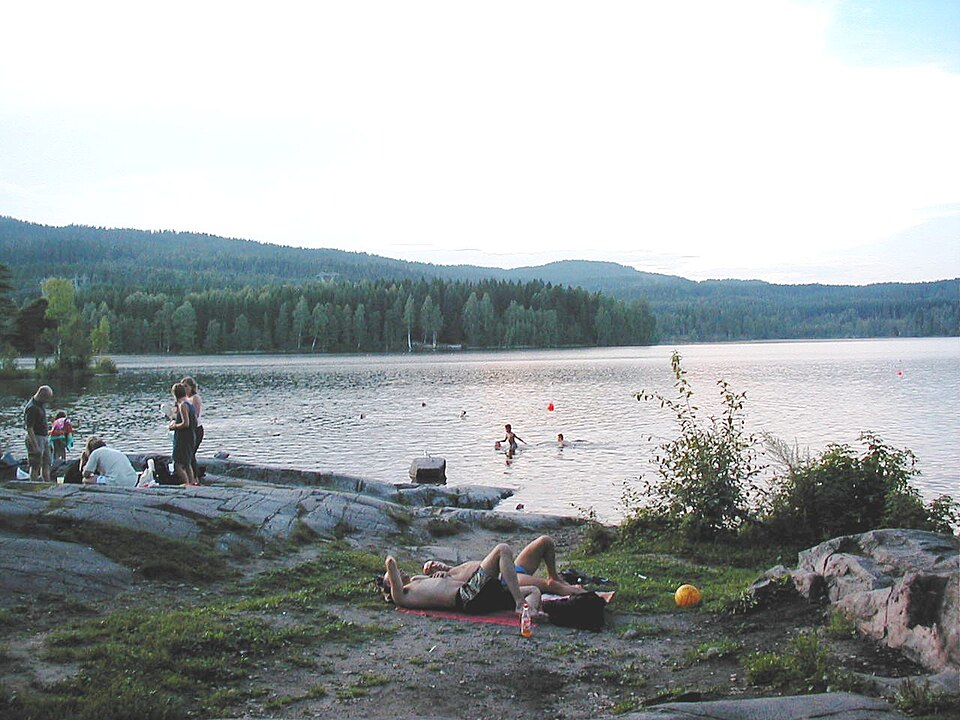


Marked walks
- Havnepromenaden Fjordbyen Oslo8.8 km · at Frogner Park · 2 km from the centre · marked by Oslo kommune Bymiljøetaten
- Turvei langs Akerselva9 km · at Akerselva · 3 km from the centre · marked by Oslo kommune Bymiljøetaten
- Jotunheimstien (Oslo - Maridalsvannet)7.6 km · at Akerselva · 3 km from the centre · marked by Den Norske Turistforening
- Kyststien i Oslo13 km · 4 km from the centre
- Geologistien3.2 km · at Sognsvann · 5 km from the centre · marked by Geologisk institutt, UiO
- Sognsvann natursti2 km round trip · at Sognsvann · 6 km from the centre · marked by Oslo kommune Bymiljøetaten
- Ulsrudvann rundt1.7 km round trip · 7 km from the centre · marked by DNT Oslo og Omegn
- Fottur Mosseveien - Ingjerstrand14.7 km · at Ekeberg · 8 km from the centre
Long-distance trails through the area: Nordsøstien (4,571 km), Pilegrimsleden (3,284 km), Rondanestien (440 km).
Routes from OpenStreetMap via Waymarked Trails. Not checked by 4Planet: follow local signs and conditions.
Wildlife around Oslo
The wild animals people record most within 50 km, 2016–2025. Tick the ones you have seen to build your own list.

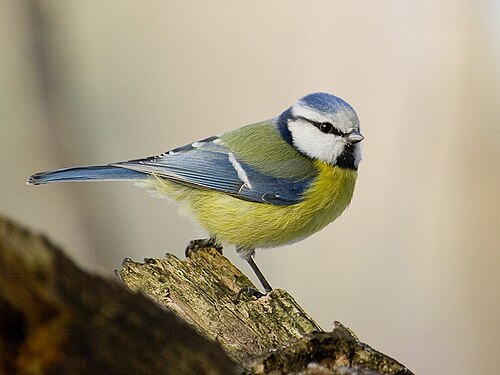
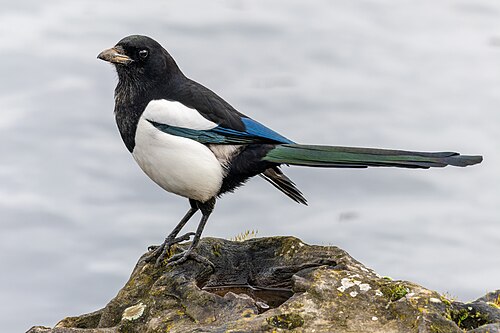


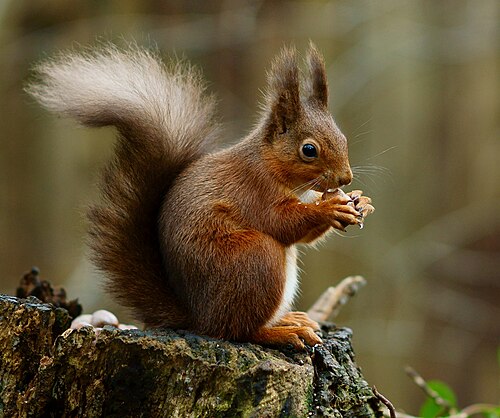


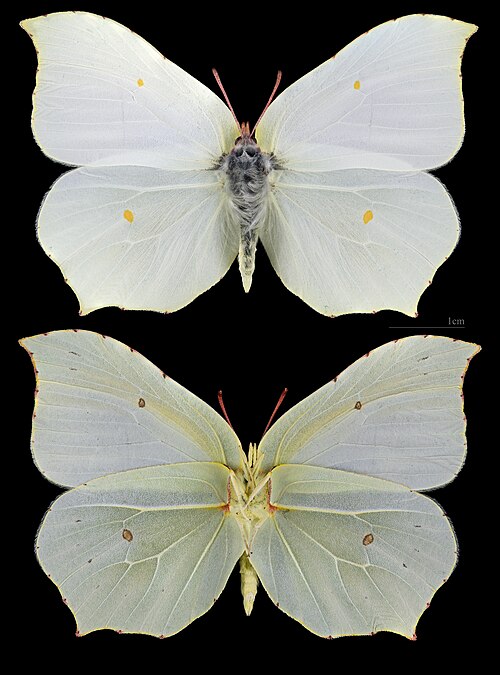


Seen in the last 30 days
What can you see near Oslo now?
Month by month, from 2,850,203 records people shared within 50 km, 2016–2025.
At their peak in January


Most seen in January

307,934 animal records in January.
At their peak in February


Most seen in February

133,777 animal records in February.
At their peak in March


Most seen in March


242,597 animal records in March.
At their peak in April


Most seen in April

Plants and fungi at their peak in April

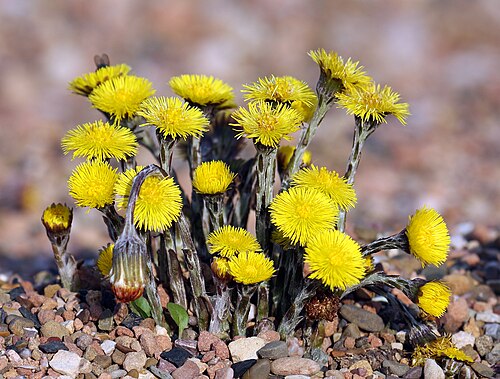
411,016 animal records in April.
At their peak in May

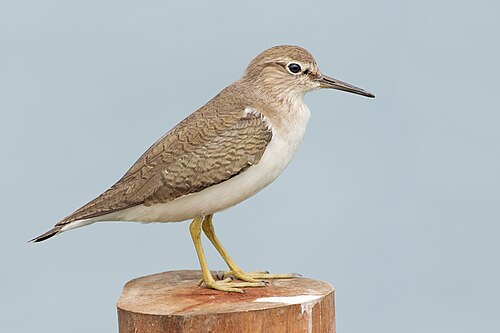
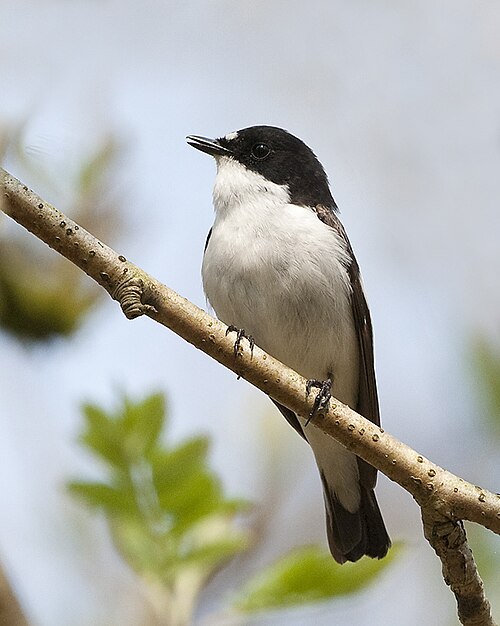

Most seen in May

Plants and fungi at their peak in May
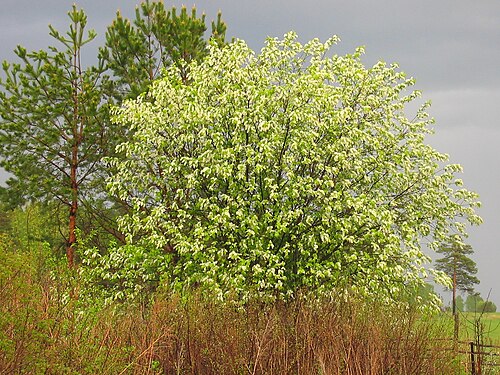
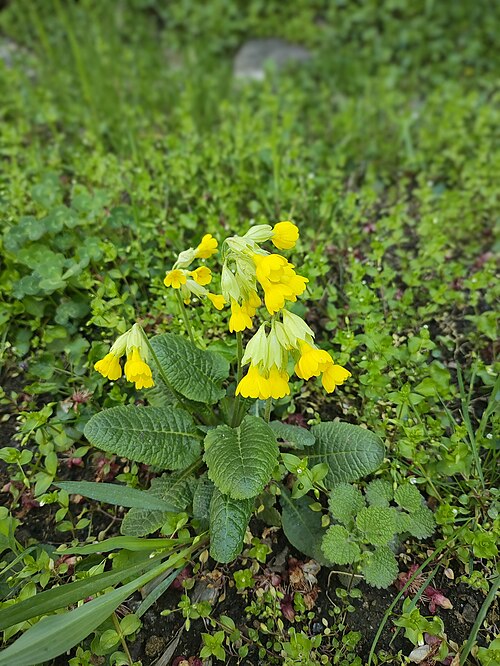

423,544 animal records in May.
At their peak in June


Most seen in June

Plants and fungi at their peak in June


265,591 animal records in June.
At their peak in July


Most seen in July
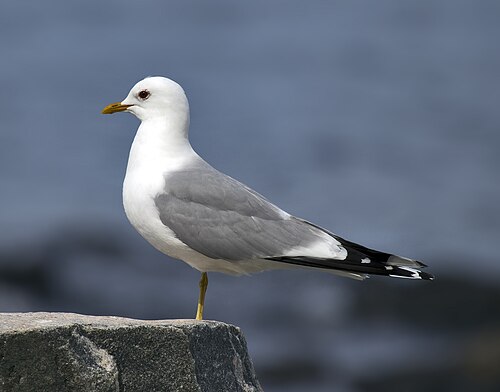
Plants and fungi at their peak in July
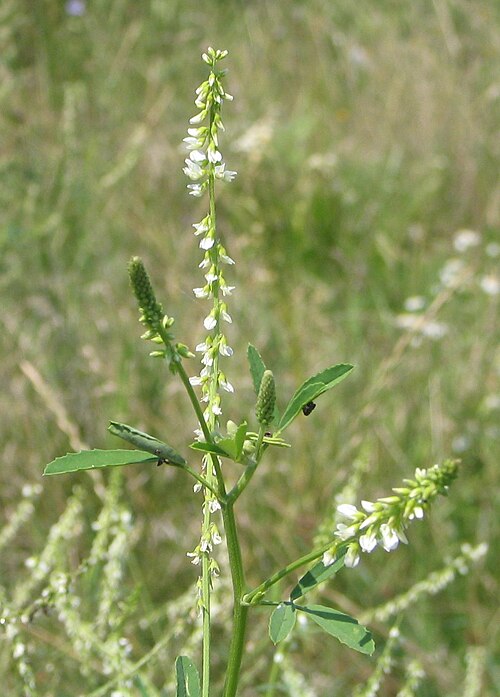

223,715 animal records in July.
At their peak in August


Most seen in August
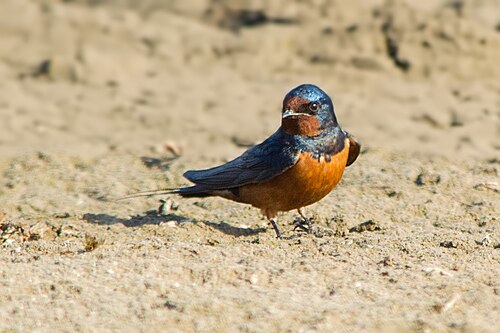
Plants and fungi at their peak in August

234,555 animal records in August.
At their peak in September
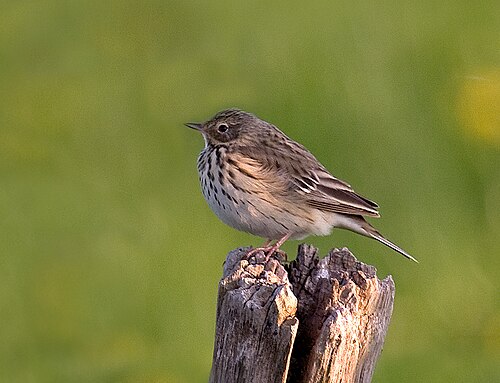
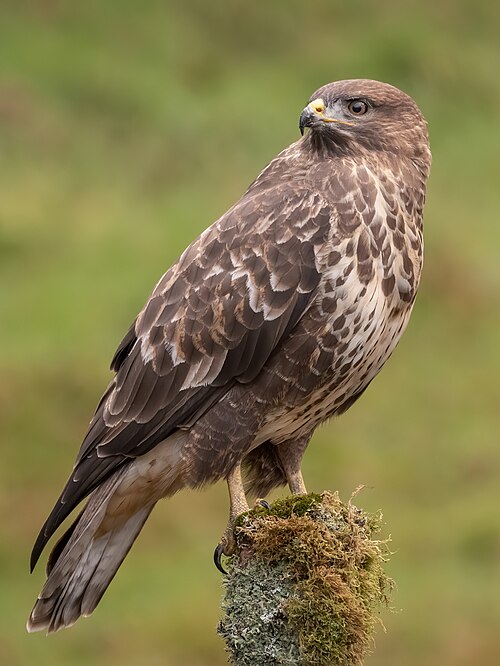
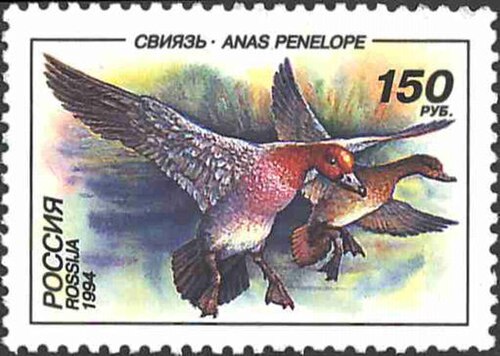
Most seen in September
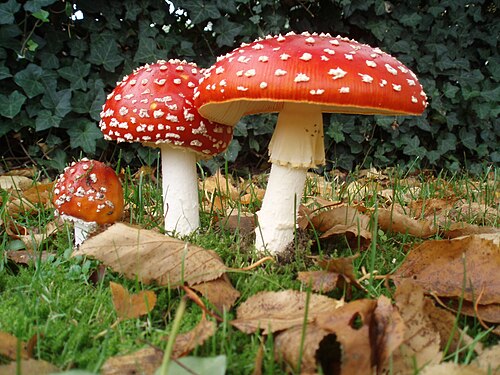
Plants and fungi at their peak in September
204,251 animal records in September.
At their peak in October
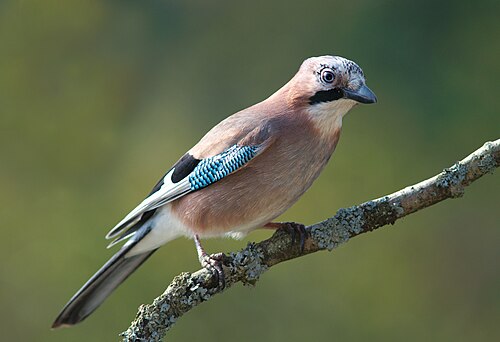


Most seen in October
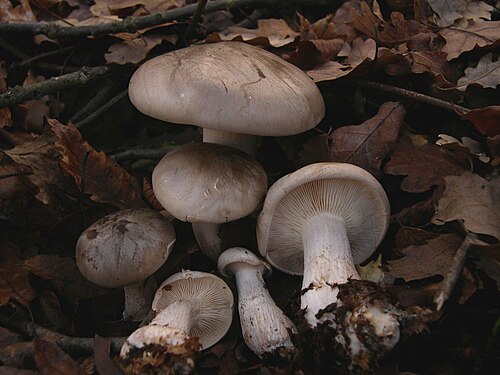
Plants and fungi at their peak in October


183,645 animal records in October.
At their peak in November


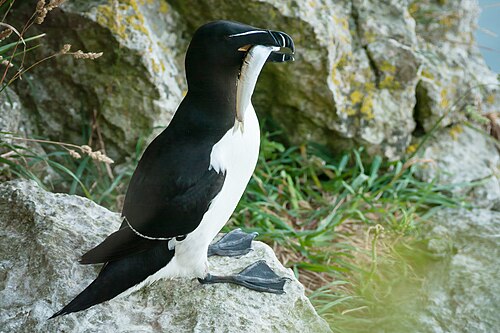
Most seen in November
122,571 animal records in November.
At their peak in December

Most seen in December
97,007 animal records in December.
Oslo is getting warmer
+1.3 °CAverage temperature around Oslo in 2016–2025, compared with 1981–1990.
Daylight: about 6 hours in December and 19 in June.
What is putting pressure on nature here?
The inner Oslofjord is in poor condition. Nitrogen from farms, towns and wastewater feeds algae and lowers the oxygen in deep water, and coastal cod in the fjord are at very low levels. In 2021 the government adopted a five-year action plan to restore the fjord. On land, the main pressure on nature is the city growing at its edges.
Seen something near Oslo?
Share a photo of it on iNaturalist. Other naturalists help name it, and confirmed records go to GBIF, where scientists use them. That is where the lists on this page come from.
Explore next
What puts Oslo under pressure, what helps, and who works on it.
Oslo on the living planet
More places near Oslo
Sources and photo credits
- Wikidata · Oslo (Q585), facts and nature places
- Norwegian Government · Action plan for a clean and rich Oslofjord (2021)
- Norwegian Environment Agency · The Oslofjord
- Lovdata · The Marka Act (2009)
- European Commission · Oslo, European Green Capital 2019
- Wikipedia page views · how well known each nature place is
- OpenStreetMap contributors via Waymarked Trails · marked walking routes (ODbL)
- GBIF · human observations within 50 km, 2016–2025 (2,850,203 animal records)
- NASA POWER · yearly temperature from satellite and model data (MERRA-2)
- MET Norway · weather now (shown live)
- Natural Earth · populated place 1159151281, public domain
- The Oslo Opera House on the edge of the Oslofjord: Christian David, CC BY-SA 4.0
- Frogner Park, Oslo: Godot13, CC BY-SA 4.0
- Nordmarka, Oslo: Sondrekv, Public domain
- Bygdøy, Oslo: Mahlum, Public domain
- Snarøya, Oslo: Jan Fredrik Breivik, CC BY-SA 3.0
- Kolsås, Oslo: C. Hill, CC BY 2.5
- Sognsvann, Oslo: Sean Hayford O'Leary (Seansie), CC BY 2.0
- Gressholmen, Oslo: Tommy Gildseth, CC BY-SA 4.0
- Østmarka, Oslo: Kjetil Ree, CC BY-SA 3.0
- Great tit: Frank Vassen from Brussels, Belgium, CC BY 2.0
- Eurasian blue tit: Sławek Staszczuk, CC BY-SA 3.0
- Eurasian magpie: Alexis Lours, CC BY 4.0
- Mallard: Rolf Dietrich Brecher from Germany, CC BY 2.0
- Common blackbird: Hobbyfotowiki, CC0
- Eurasian red squirrel: Peter Trimming, CC BY 2.0
- Roe deer: Jerzystrzelecki, CC BY 3.0
- Small tortoiseshell: Didier Descouens, CC BY-SA 4.0
- Brimstone: Didier Descouens, CC BY-SA 4.0
- Harbor seal: Andreas Trepte, CC BY-SA 2.5
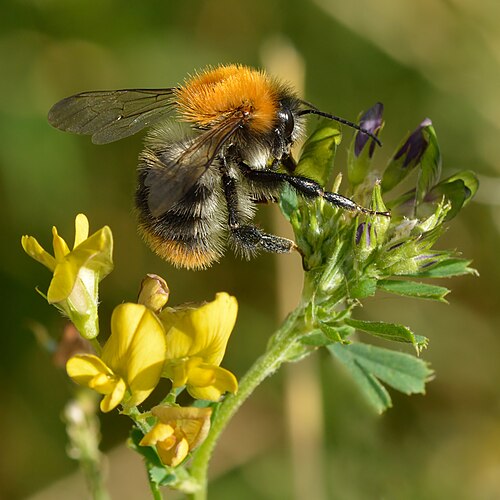
- Common carder bee: Ivar Leidus, CC BY-SA 4.0
- Smooth newt: Piet Spaans Viridiflavus 21:50, 10 April 2007 (UTC), CC BY-SA 2.5
- Eurasian nuthatch: Chme82, CC BY-SA 4.0
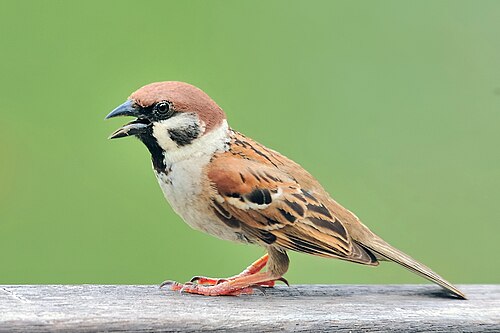
- Eurasian tree sparrow: Yiwenyiwen, CC BY-SA 4.0
- Eurasian bullfinch: Francis Franklin, CC BY-SA 3.0
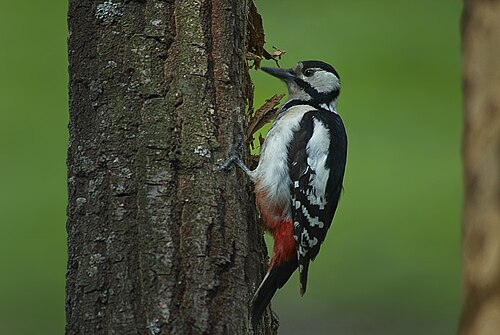
- Great spotted woodpecker: Плешков Алексей, CC BY-SA 3.0
- House sparrow: Rhododendrites, CC BY-SA 4.0
- Hooded crow: Donald Hobern from Copenhagen, Denmark, CC BY 2.0
- Redpoll: Jyrki Salmi from Finland, CC BY-SA 2.0
- Coal tit: soumyajit nandy from Kolkata, India, CC BY-SA 2.0
- Velvet scoter: Vince, CC BY 2.0
- Common wood pigeon: Don Loarie, CC BY 4.0
- Greylag goose: W. Bulach, CC BY-SA 4.0
- Whooper swan: Pascal Aleixandre, CC BY-SA 3.0
- Eurasian skylark: El Golli Mohamed, CC BY-SA 4.0
- Eurasian oystercatcher: Andreas Trepte, CC BY-SA 2.5
- Pink-footed goose: MPF, CC BY-SA 4.0
- Eurasian chaffinch: Gilles San Martin from Namur, Belgium, CC BY-SA 2.0
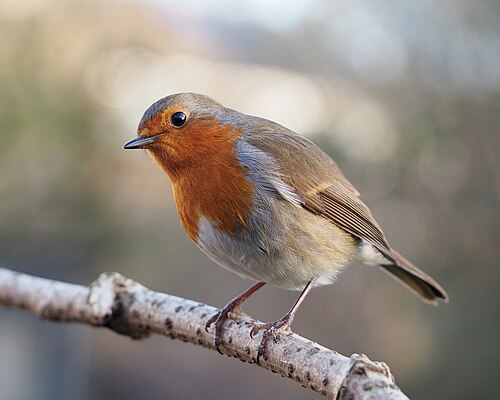
- European robin: Francis C. Franklin, CC BY-SA 3.0
- Redwing: Andreas Trepte, CC BY-SA 2.5
- Northern lapwing: Andreas Trepte, CC BY-SA 2.5
- Song thrush: Charles J. Sharp, CC BY-SA 4.0
- Common crane: Andreas Eichler, CC BY-SA 4.0
- Wood anemone: W. Bulach, CC BY-SA 4.0
- Coltsfoot: Andreas Trepte, CC BY-SA 2.5
- Willow warbler: Andreas Trepte, CC BY-SA 2.5
- Eurasian blackcap: Ron Knight from Seaford, East Sussex, United Kingdom, CC BY 2.0
- Common sandpiper: JJ Harrison (https://www.jjharrison.com.au/), CC BY 3.0
- European pied flycatcher: Mark Medcalf, CC BY 2.0
- Lesser whitethroat: User:Aelwyn, CC BY-SA 3.0
- Bird cherry: Игоревич, Public domain
- Cowslip: Avetisyan Ani, CC BY-SA 4.0
- Common dog-violet: Kristian Peters -- Fabelfroh 08:22, 7 July 2006 (UTC), CC BY-SA 3.0
- White wagtail: Jac. Janssen from BAARLO LB, NL, CC BY 2.0
- Marsh warbler: Аимаина хикари, CC0
- Common swift: Alexis Lours, CC BY 4.0
- Garden warbler: Biillyboy, CC BY 2.0
- Dropwort: Didier Descouens, CC BY-SA 4.0
- Hyssop-leaved dragonhead: Ivar Leidus, CC BY-SA 3.0
- Hairy rockcress: Ivar Leidus, CC BY-SA 4.0
- Green strawberry: Ivar Leidus, CC BY-SA 4.0
- Common gull: Andreas Trepte, CC BY-SA 2.5
- Common tern: Alexis Lours, CC BY 4.0
- Common house martin: MPF, CC BY 2.5
- Ringlet: Didier Descouens, CC BY-SA 4.0
- White melilot: No machine-readable author provided. Bogdan assumed (based on copyright claims)., CC BY-SA 3.0
- Small cow-wheat: Konrad Lackerbeck, CC BY-SA 2.5
- Barn swallow: Morhaf Aljanee, CC BY-SA 3.0
- Common greenshank: JJ Harrison (https://www.jjharrison.com.au/), CC BY-SA 3.0
- Northern nutcracker: Jyrki Salmi from Finland, CC BY-SA 2.0
- Osprey: El Golli Mohamed, CC BY-SA 4.0
- Western yellow wagtail: Kathy2408, CC BY-SA 4.0
- American willowherb: Didier Descouens, CC BY-SA 4.0
- Meadow pipit: Andreas Trepte, CC BY-SA 2.5
- Common buzzard: caroline legg, CC BY 2.0
- Eurasian wigeon: Почта России, Public domain
- Fly agaric: Onderwijsgek, CC BY-SA 3.0 nl
- Eurasian jay: Luc Viatour, CC BY-SA 3.0
- Common murre: Charles J. Sharp, CC BY-SA 4.0
- Brambling: mmlolek, CC BY 2.0
- Lemon-coloured antrodiella: Olli Manninen, CC BY-SA 4.0
- Tripe fungus: Auricularia_mesenterica_Jymm.jpg: Jymm derivative work: Ak ccm (talk), CC BY-SA 3.0
- Clouded funnel: Archenzo, CC BY-SA 3.0
- Great cormorant: MPF, CC BY-SA 4.0
- Bohemian waxwing: Frank Vassen from Brussels, Belgium, CC BY 2.0
- Razorbill: neekoh.fi, CC BY 2.0
- Willow tit: keith gallie from Warrington, UK, CC BY 2.0


Wildlife records show where people have seen and shared plants and animals, not everything that lives here; some places and months are recorded more than others. Sensitive species are never shown with a month or as seen recently. Routes come from OpenStreetMap and are not checked by 4Planet: follow local signs and conditions. Climate figures are NASA estimates for the area around Oslo, not a single weather station.
Checked 2026-11-19.