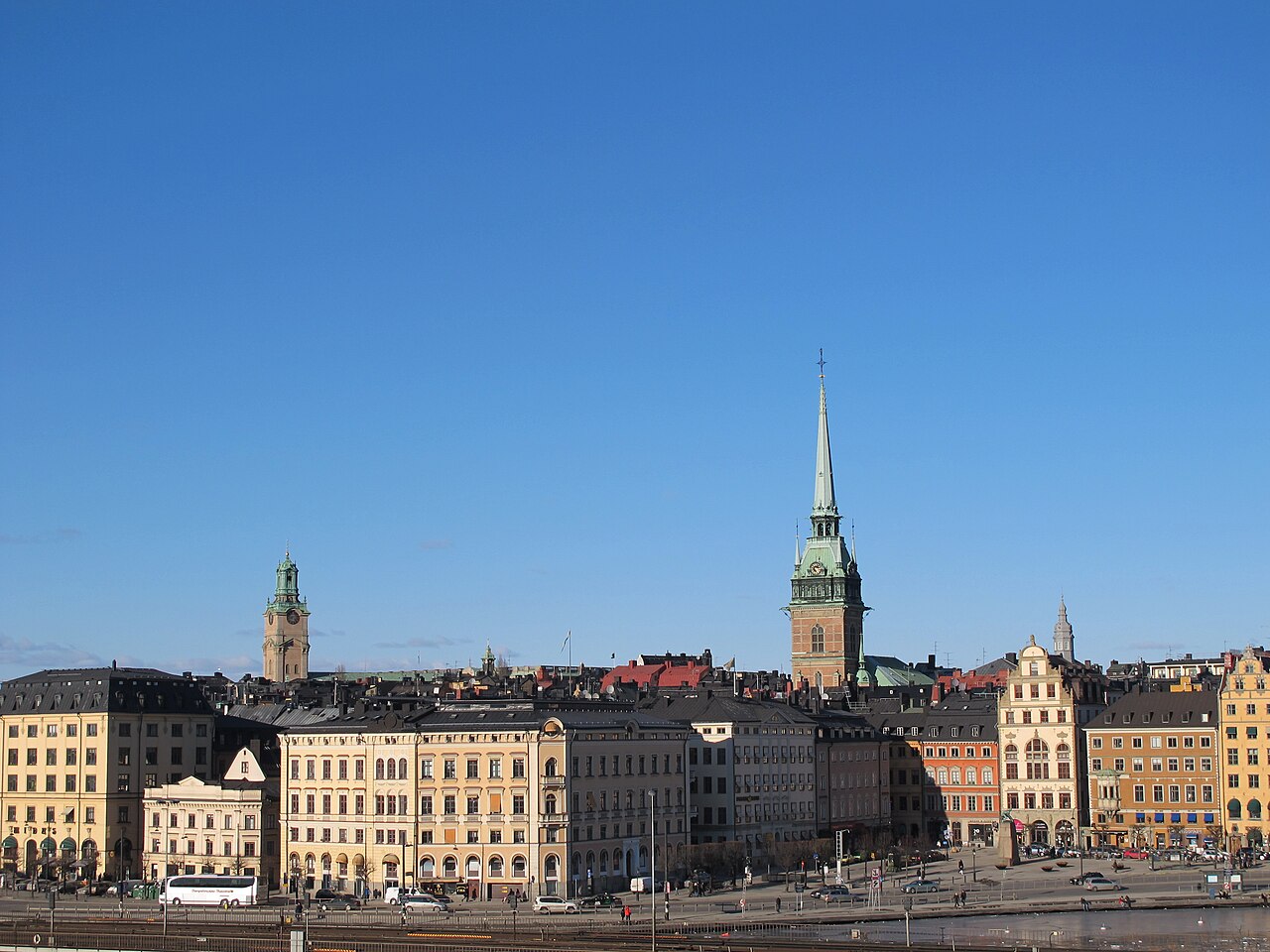
Stockholm
Capital and largest city of Sweden
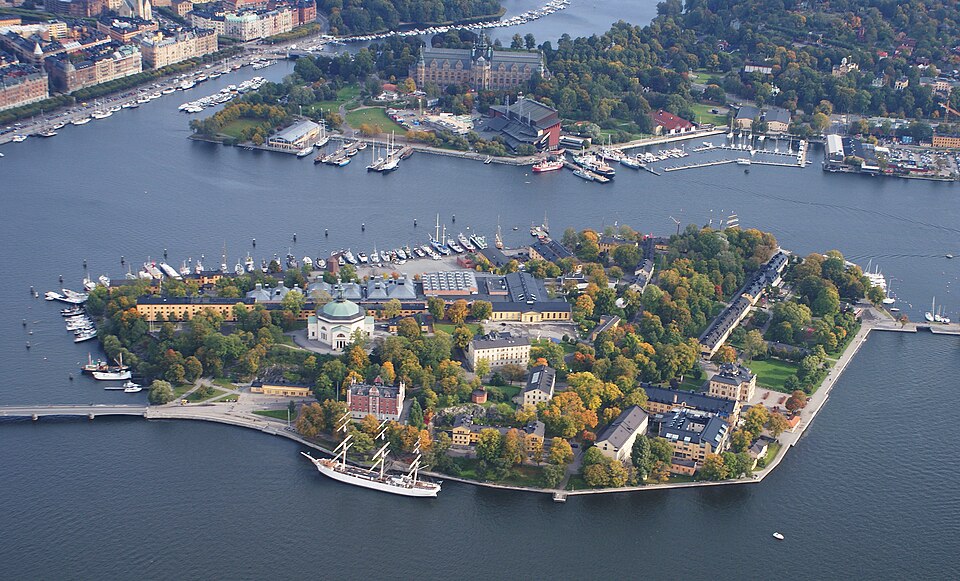
Within 30 km of the centre of Stockholm, the nature places people read about most are Djurgården, Kungsträdgården, Riddarholmen and Kungsholmen, and marked walks close to the city include Djurgårdsstråket, Akallastråket and Elfviksleden.
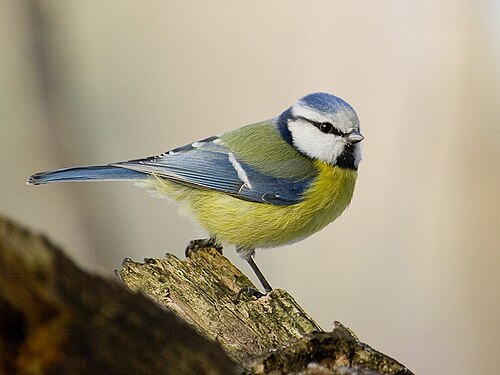
People have shared 5,165,775 wildlife records within 50 km of Stockholm in the last ten years. The wild animals recorded most often are the great tit, the common blackbird, the Eurasian blue tit, the mallard and the common wood pigeon. Since the 1980s the area has become about 1.8 °C warmer.
Of the 93 cities on Atlas, Stockholm has the 10th most wildlife records shared within 50 km and the 13th strongest warming since the 1980s. Among the animals people record most around Stockholm, the soprano pipistrelle appears on no other city page here.
- Country
- Sweden
- Population
- 984,748
- Area
- 187 km²
- Currency
- Swedish krona
- Daylight
- 6 to 19 hours
Figures from Wikidata; population 2022.
Stockholm on the map
- Djurgården
- Kungsträdgården
- Riddarholmen
- Kungsholmen
- Södertörn
- Skeppsholmen
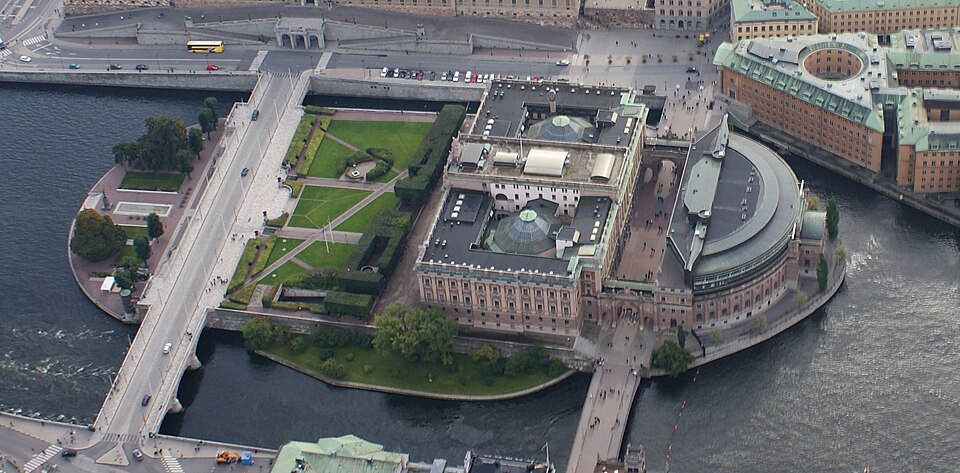
- Helgeandsholmen
- Helgö
- Stadsholmen
Nature close to Stockholm
The places people read most about, from the centre outwards.




- Södertörn Peninsula · 22 km
Marked walks
- Djurgårdsstråket7.8 km · 3 km from the centre
- Akallastråket16.9 km · 6 km from the centre
- Elfviksleden9 km · 6 km from the centre
- Bosön - Södergarn 5 km3.5 km round trip · 6 km from the centre
- Bosön 2.7 km2.8 km round trip · 6 km from the centre
- Bosön 1 km1.3 km round trip · 6 km from the centre
- Altorp motionsspår (gul, långa)6.6 km round trip · 7 km from the centre
- Björkhagsspåret3.5 km round trip · 7 km from the centre
Long-distance trails through the area: European long distance path E6 (5,657 km), Sörmlandsleden (1,031 km), Dalkarlsvägen (384 km).
Routes from OpenStreetMap via Waymarked Trails. Not checked by 4Planet: follow local signs and conditions.
Wildlife around Stockholm
The wild animals people record most within 50 km, 2016–2025. Tick the ones you have seen to build your own list.




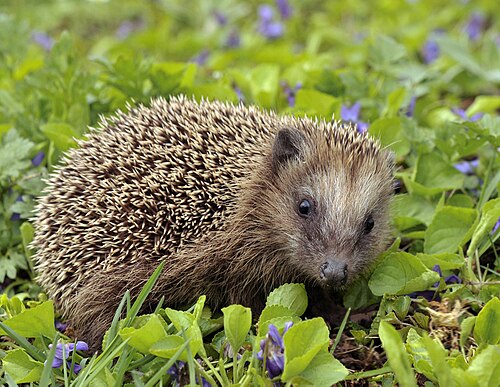

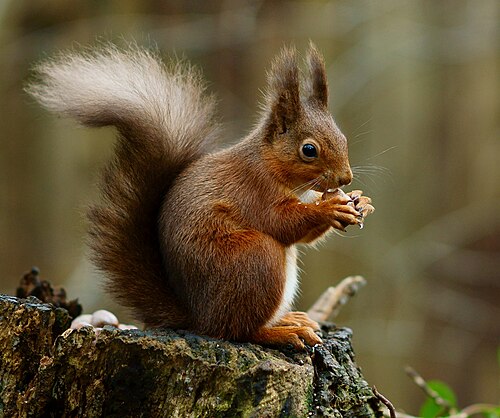
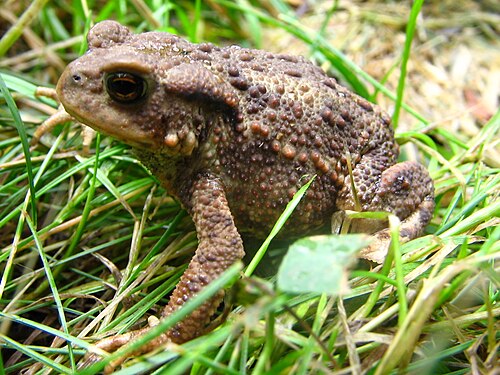


Seen in the last 30 days
What can you see near Stockholm now?
Month by month, from 5,165,775 records people shared within 50 km, 2016–2025.
At their peak in January


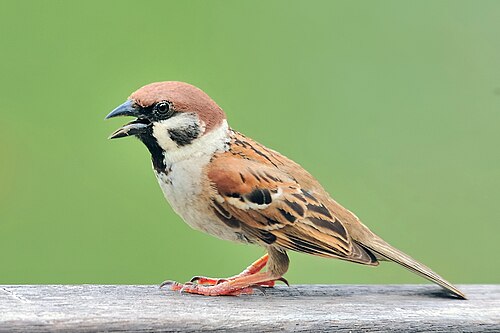

Most seen in January

382,919 animal records in January.
At their peak in February

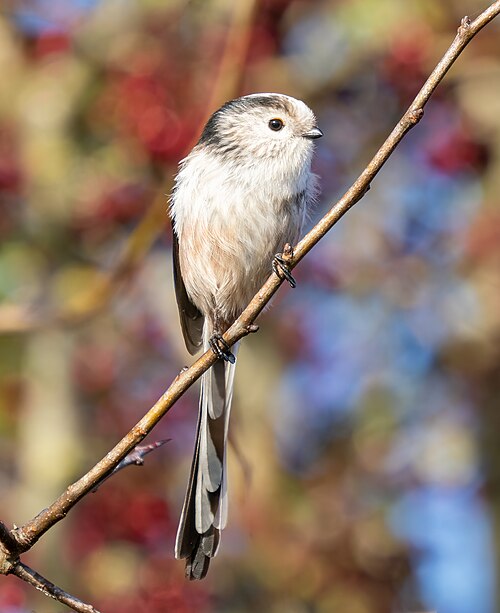

Most seen in February
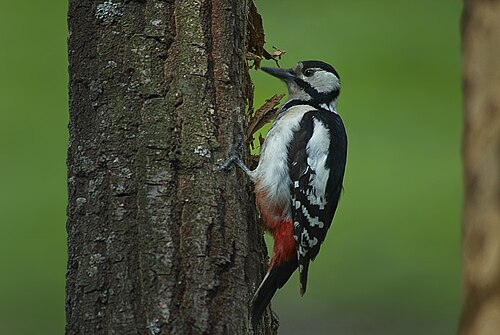
267,937 animal records in February.
At their peak in March


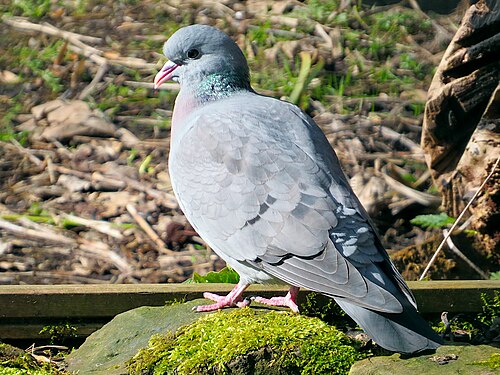
Most seen in March


Plants and fungi at their peak in March
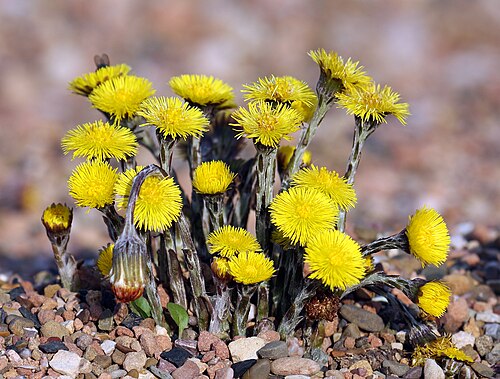


521,105 animal records in March.
At their peak in April


Most seen in April
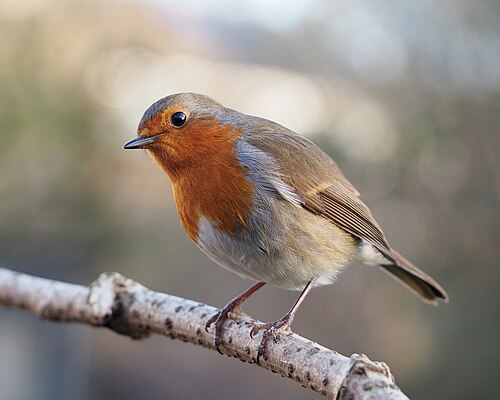


Plants and fungi at their peak in April


790,721 animal records in April.
At their peak in May


Most seen in May
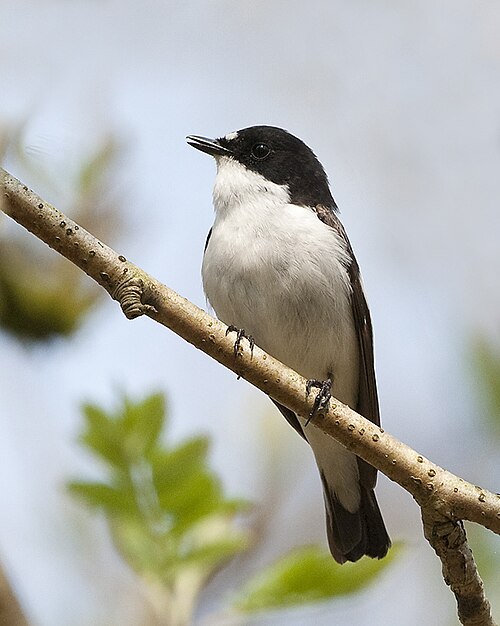


Plants and fungi at their peak in May
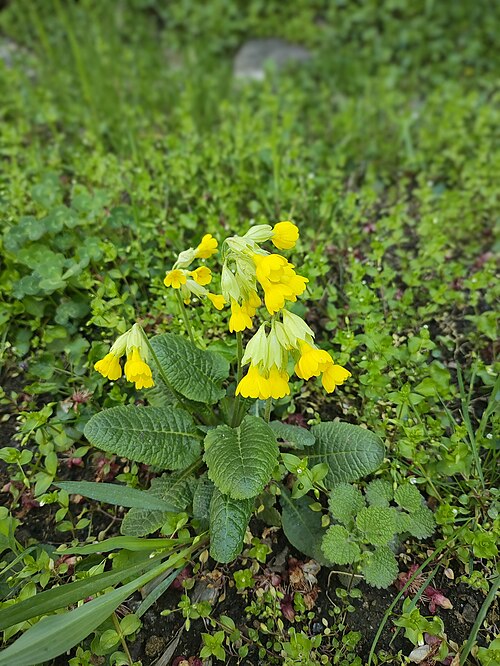


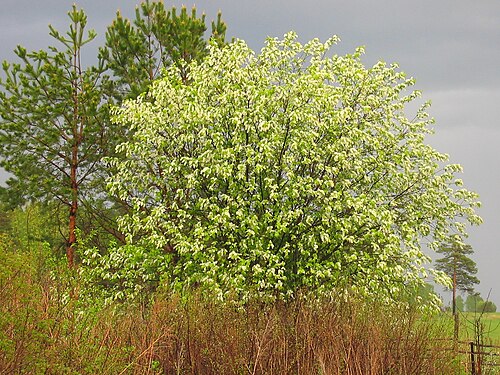
856,157 animal records in May.
At their peak in June


Most seen in June
Plants and fungi at their peak in June


515,159 animal records in June.
At their peak in July


Most seen in July
Plants and fungi at their peak in July
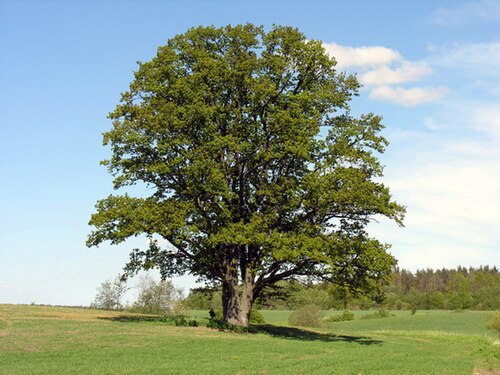
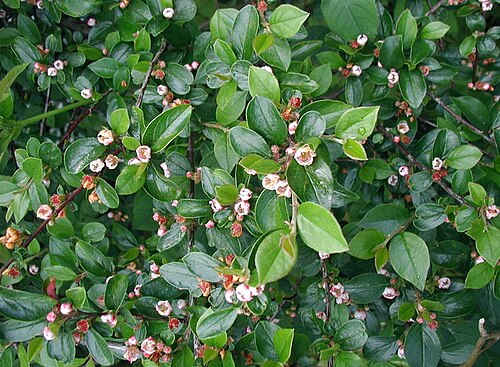

375,032 animal records in July.
At their peak in August


Most seen in August
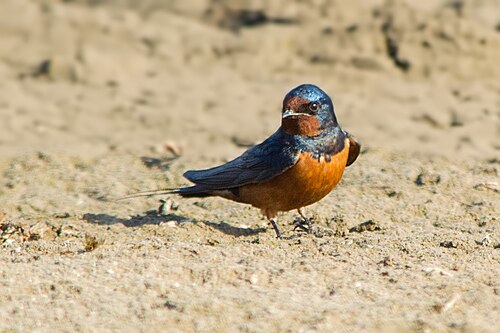
Plants and fungi at their peak in August


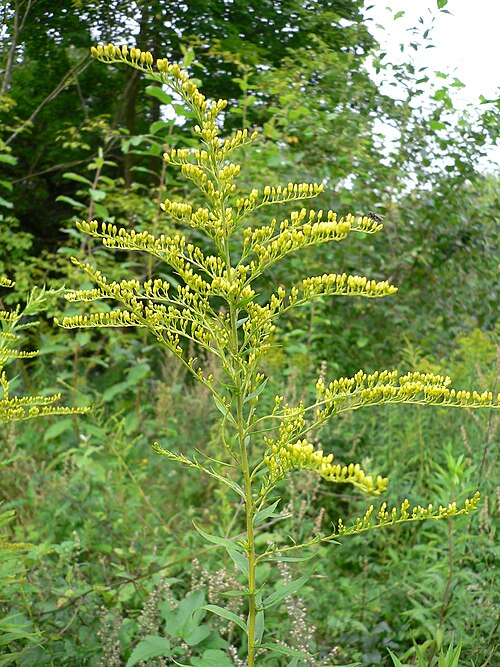

377,771 animal records in August.
At their peak in September
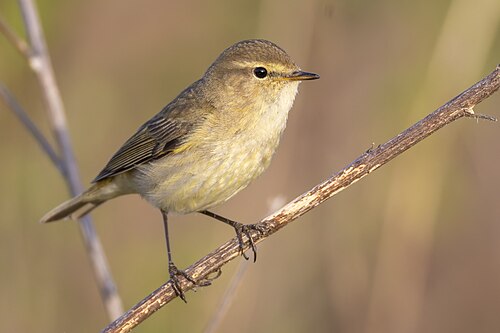
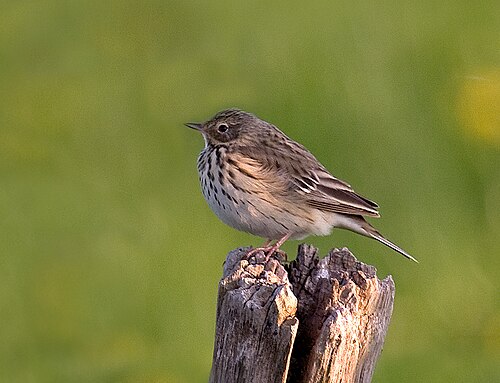
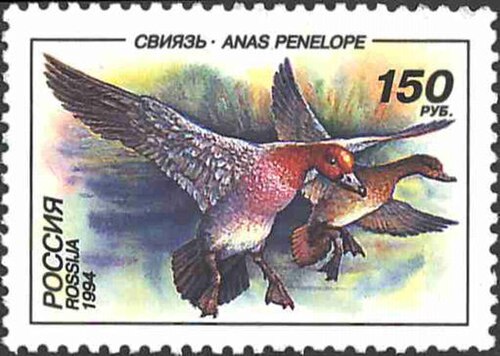
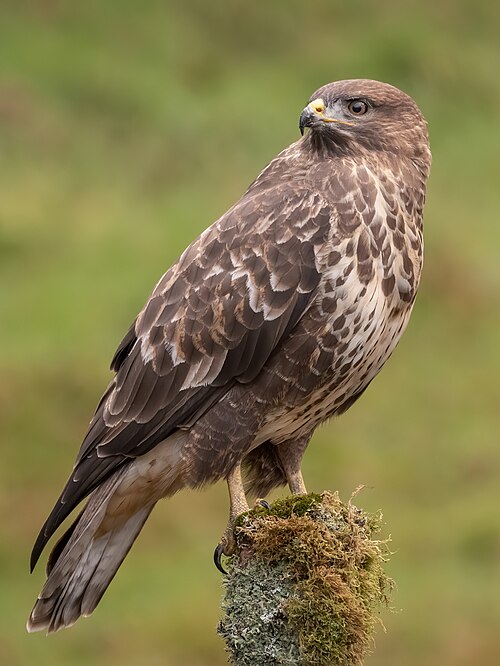
Most seen in September

Plants and fungi at their peak in September


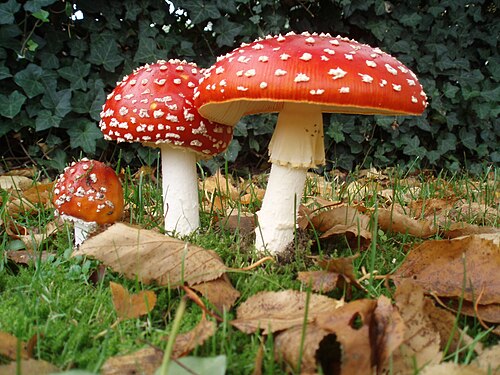
349,272 animal records in September.
At their peak in October


Most seen in October
Plants and fungi at their peak in October
299,701 animal records in October.
At their peak in November

Most seen in November
Plants and fungi at their peak in November
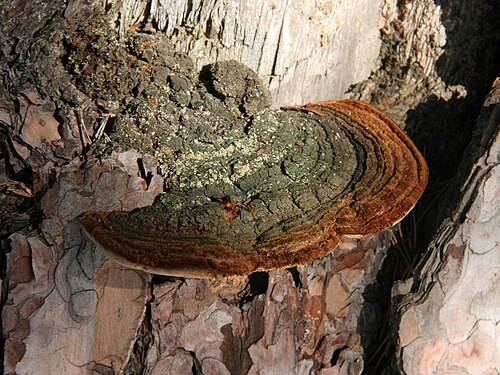


231,857 animal records in November.
At their peak in December
Most seen in December
198,144 animal records in December.
Stockholm is getting warmer
+1.8 °CAverage temperature around Stockholm in 2016–2025, compared with 1981–1990.
Daylight: about 6 hours in December and 19 in June.
Seen something near Stockholm?
Share a photo of it on iNaturalist. Other naturalists help name it, and confirmed records go to GBIF, where scientists use them. That is where the lists on this page come from.
Stockholm on the living planet
More places near Stockholm
Sources and photo credits
- Wikidata · Stockholm (Q1754), facts and nature places
- Wikipedia page views · how well known each nature place is
- OpenStreetMap contributors via Waymarked Trails · marked walking routes (ODbL)
- GBIF · human observations within 50 km, 2016–2025 (5,165,775 animal records)
- NASA POWER · yearly temperature from satellite and model data (MERRA-2)
- MET Norway · weather now (shown live)
- Natural Earth · populated place 1159151507, public domain
- Stockholm, Sweden: Acediscovery, CC BY 4.0
- Djurgården, Stockholm: Holger.Ellgaard, CC BY-SA 3.0
- Kungsträdgården, Stockholm: Holger.Ellgaard, CC BY-SA 3.0
- Riddarholmen, Stockholm: Benoît Derrier from Stockholm, Sweden, CC BY-SA 2.0
- Kungsholmen, Stockholm: Holger.Ellgaard, CC BY-SA 3.0
- Skeppsholmen, Stockholm: Jan Ainali, CC BY-SA 3.0
- Helgeandsholmen, Stockholm: Jan Ainali, CC BY-SA 3.0
- Helgö, Stockholm: Holger.Ellgaard, CC BY-SA 3.0
- Stadsholmen, Stockholm: Arild Vågen, CC BY-SA 3.0
- Great tit: Frank Vassen from Brussels, Belgium, CC BY 2.0
- Common blackbird: Hobbyfotowiki, CC0
- Eurasian blue tit: Sławek Staszczuk, CC BY-SA 3.0
- Mallard: Rolf Dietrich Brecher from Germany, CC BY 2.0
- Common wood pigeon: Don Loarie, CC BY 4.0
- Soprano pipistrelle: Magne Flåten, CC BY-SA 3.0
- European hedgehog: Michael Gäbler, CC BY-SA 3.0
- Roe deer: Jerzystrzelecki, CC BY 3.0
- Eurasian red squirrel: Peter Trimming, CC BY 2.0
- Common toad: Taka, CC BY-SA 3.0
- Smooth newt: Kristian Peters, CC BY-SA 3.0
- Grass snake: Andreas Eichler, CC BY-SA 4.0
- Eurasian nuthatch: Chme82, CC BY-SA 4.0
- Fieldfare: Frankie Fouganthin, CC BY-SA 4.0
- Eurasian bullfinch: Francis Franklin, CC BY-SA 3.0
- Eurasian tree sparrow: Yiwenyiwen, CC BY-SA 4.0
- House sparrow: Rhododendrites, CC BY-SA 4.0
- Great spotted woodpecker: Плешков Алексей, CC BY-SA 3.0
- Eurasian siskin: Sławek Staszczuk (photoss [AT] hotmail.co.uk), CC BY-SA 3.0
- Long-tailed tit: Rhododendrites, CC BY-SA 4.0
- Coal tit: soumyajit nandy from Kolkata, India, CC BY-SA 2.0
- Greylag goose: Imran Shah from Islamabad, Pakistan, CC BY-SA 2.0
- Whooper swan: Pascal Aleixandre, CC BY-SA 3.0
- Northern lapwing: Andreas Trepte, CC BY-SA 2.5
- Common crane: Andreas Eichler, CC BY-SA 4.0
- Eurasian skylark: El Golli Mohamed, CC BY-SA 4.0
- Stock dove: MPF, CC BY-SA 4.0
- Coltsfoot: Andreas Trepte, CC BY-SA 2.5
- Scots pine: Hello, I am Bruce on Flickr, CC BY-SA 2.0
- Winter aconite: Afanasovich, CC BY-SA 4.0
- European robin: Francis C. Franklin, CC BY-SA 3.0
- White wagtail: Jac. Janssen from BAARLO LB, NL, CC BY 2.0
- Eurasian chaffinch: Gilles San Martin from Namur, Belgium, CC BY-SA 2.0
- Song thrush: Charles J. Sharp, CC BY-SA 4.0
- Green sandpiper: peterichman, CC BY-SA 2.0
- Redwing: Andreas Trepte, CC BY-SA 2.5
- Northern shoveler: Andreas Trepte, CC BY-SA 2.5
- European ash: Willow, CC BY 2.5
- Wood anemone: W. Bulach, CC BY-SA 4.0
- Mezereon: Ivar Leidus, CC BY-SA 4.0
- European pied flycatcher: Mark Medcalf, CC BY 2.0
- Eurasian blackcap: Ron Knight from Seaford, East Sussex, United Kingdom, CC BY 2.0
- Willow warbler: Andreas Trepte, CC BY-SA 2.5
- Thrush nightingale: cheloVechek / talk, CC BY-SA 4.0
- Common tern: Alexis Lours, CC BY 4.0
- Lesser whitethroat: User:Aelwyn, CC BY-SA 3.0
- Garden warbler: Biillyboy, CC BY 2.0
- Cowslip: Avetisyan Ani, CC BY-SA 4.0
- Pasqueflower: Per A.J. Andersson, CC BY-SA 3.0
- Garlic mustard: O. Pichard, CC BY-SA 3.0
- Bird cherry: Игоревич, Public domain
- Common swift: Alexis Lours, CC BY 4.0
- Common whitethroat: Steve Garvie from Dunfermline, Fife, Scotland, CC BY-SA 2.0
- Witch's moneybags: Bernd Haynold, CC BY 2.5
- Lady's bedstraw: Bjoertvedt, CC BY-SA 3.0
- Wood sandpiper: Koshy Koshy from Faridabad, Haryana, India, CC BY 2.0
- Common greenshank: JJ Harrison (https://www.jjharrison.com.au/), CC BY-SA 3.0
- Pedunculate oak: Algirdas at Lithuanian Wikipedia, Public domain
- Spreading cotoneaster: Original uploader was Sten Porse at da.wikipedia, CC BY-SA 3.0
- Giant hogweed: anastasiiamerkulova, CC BY 4.0
- Barn swallow: Morhaf Aljanee, CC BY-SA 3.0
- Red-backed shrike: Zeynel Cebeci, CC BY-SA 4.0
- Osprey: El Golli Mohamed, CC BY-SA 4.0
- Eurasian hobby: Imran Shah from Islamabad, Pakistan, CC BY-SA 2.0
- Rigid hornwort: Javier martin, Public domain
- Yellow water-lily: Hans Hillewaert, CC BY-SA 3.0
- Canada goldenrod: Georg Slickers, CC BY-SA 4.0
- Field gentian: Hectonichus, CC BY-SA 3.0
- Common buzzard: caroline legg, CC BY 2.0
- Eurasian sparrowhawk: Meneer Zjeroen, CC BY 2.0
- Common chiffchaff: Alexis Lours, CC BY 4.0
- Meadow pipit: Andreas Trepte, CC BY-SA 2.5
- Eurasian wigeon: Почта России, Public domain
- Scaly tooth: Enrico Tomschke, CC BY 4.0
- Mealy tooth: amadej trnkoczy (amadej), CC BY-SA 3.0
- Scaly tooth: Holger Krisp, CC BY 3.0
- Fly agaric: Onderwijsgek, CC BY-SA 3.0 nl
- Redpoll: Jyrki Salmi from Finland, CC BY-SA 2.0
- Bohemian waxwing: Frank Vassen from Brussels, Belgium, CC BY 2.0
- European crested tit: Carlos Delgado, CC BY-SA 4.0
- Pine bracket: caspar s, CC BY 2.0
- Lesser rattlesnake plantain: Hans Hillewaert, CC BY-SA 3.0
- Tube lichen: Jerzy Opioła, CC BY-SA 4.0


Wildlife records show where people have seen and shared plants and animals, not everything that lives here; some places and months are recorded more than others. Sensitive species are never shown with a month or as seen recently. Routes come from OpenStreetMap and are not checked by 4Planet: follow local signs and conditions. Climate figures are NASA estimates for the area around Stockholm, not a single weather station.
Checked 2026-11-21.