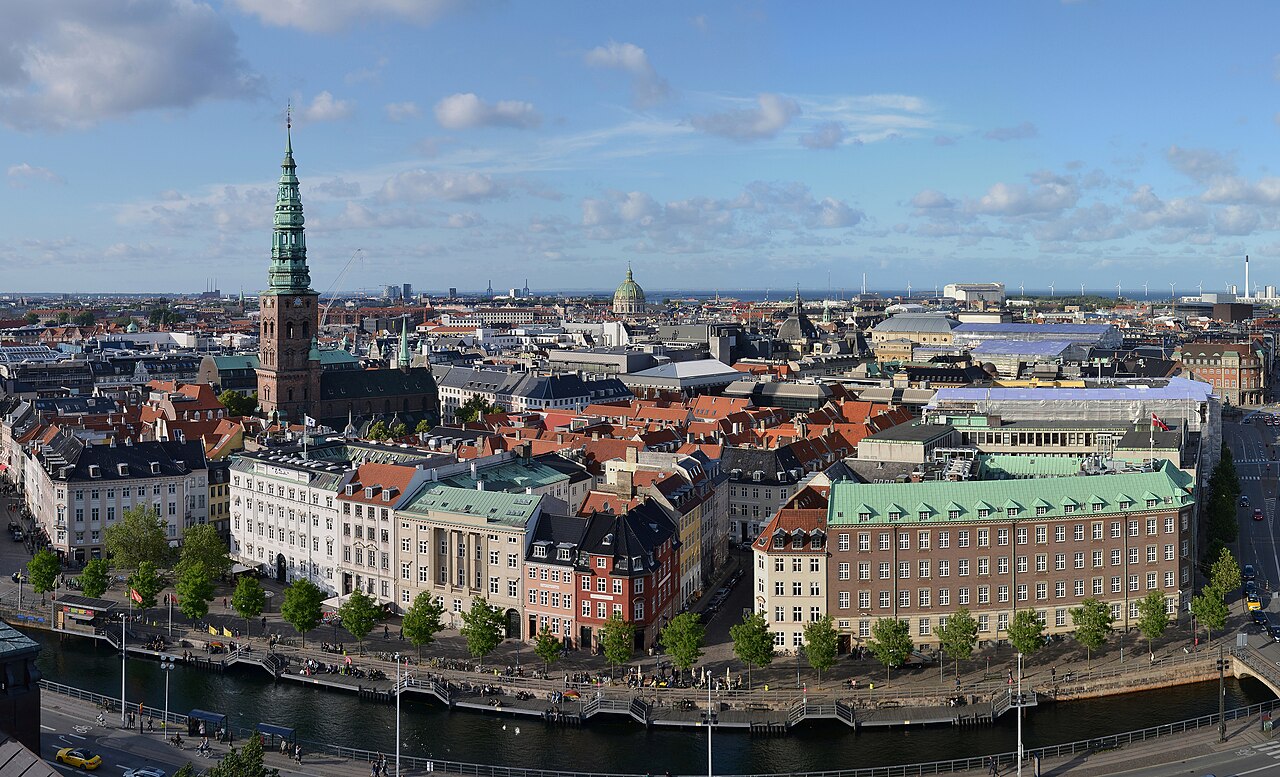
Copenhagen
Capital and largest city of Denmark
Within 30 km of the centre of Copenhagen, the nature places people read about most are Malmö, Øresund, Nyhavn and Amager, and marked walks close to the city include 3'eren, Strøget and Havneringen.
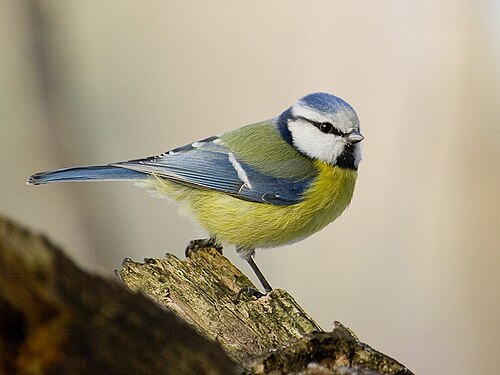
People have shared 8,385,395 wildlife records within 50 km of Copenhagen in the last ten years. The wild animals recorded most often are the common wood pigeon, the Eurasian blue tit, the greylag goose, the mallard and the great tit. Since the 1980s the area has become about 1.8 °C warmer.
Of the 93 cities on Atlas, Copenhagen has the 6th most wildlife records shared within 50 km and the 10th most marked walks. Among the animals people record most around Copenhagen, the pool frog appears on no other city page here.
- Country
- Denmark
- Population
- 667,099
- Area
- 91 km²
- Elevation
- 14 m
- Currency
- Danish krone
- Daylight
- 7 to 18 hours
Figures from Wikidata; population 2025.
Copenhagen on the map
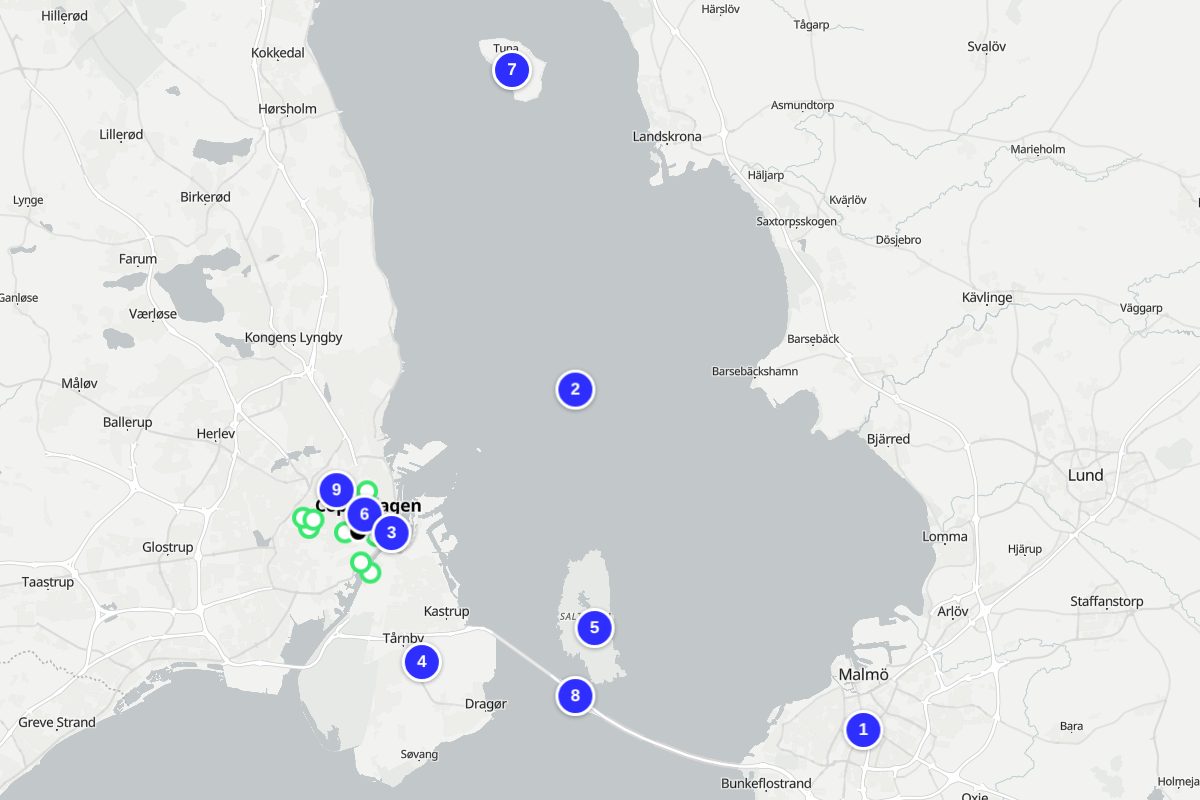
Numbers match the places below. Map: © OpenStreetMap contributors, OpenFreeMap.
- Malmö
- Øresund
- Nyhavn
- Amager
- Saltholm
- The Lakes, Copenhagen
- Ven
- Peberholm
- Superkilen
Nature close to Copenhagen
The places people read most about, from the centre outwards.


- Øresund Strait · 14 km
- Amager Island · 8 km
- The Lakes, Copenhagen Reservoir · 1 km
- Peberholm Island · 15 km
- Langelinie Park · 3 km
Marked walks
- 3'eren3.1 km · 1 km from the centre
- Strøget1.3 km · 1 km from the centre
- Havneringen13.1 km · 2 km from the centre · marked by København Kommune
- Det Grønne Strøg1.9 km · 2 km from the centre
- Fælledparken Parkrun1.7 km · 2 km from the centre
- 10'eren9.9 km · 3 km from the centre
- Grøndalen Hjertesti2.8 km · 3 km from the centre
- Hjertesti Frederiksberg Hospital2.8 km · 3 km from the centre
Long-distance trails through the area: European long distance path E6 (5,657 km), Nordsøstien (4,571 km), Den danske Pilgrimsrute - Nordsjælland (110 km).
Routes from OpenStreetMap via Waymarked Trails. Not checked by 4Planet: follow local signs and conditions.
Wildlife around Copenhagen
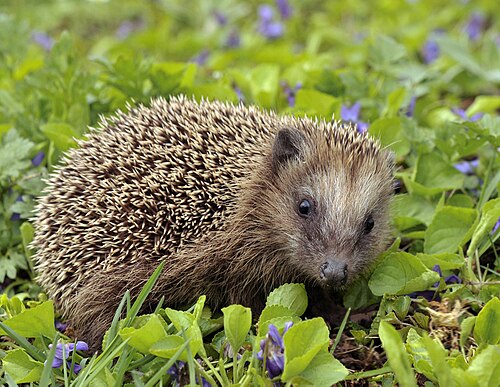
The wild animals people record most within 50 km, 2016–2025. Tick the ones you have seen to build your own list.






Seen in the last 30 days
What can you see near Copenhagen now?
Month by month, from 8,385,395 records people shared within 50 km, 2016–2025.
At their peak in January


Most seen in January

621,743 animal records in January.
At their peak in February

Most seen in February
538,306 animal records in February.
At their peak in March


Most seen in March
788,191 animal records in March.
At their peak in April


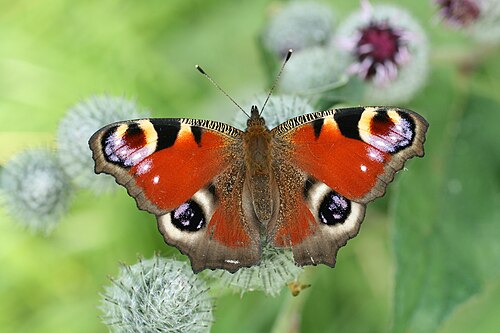

Most seen in April
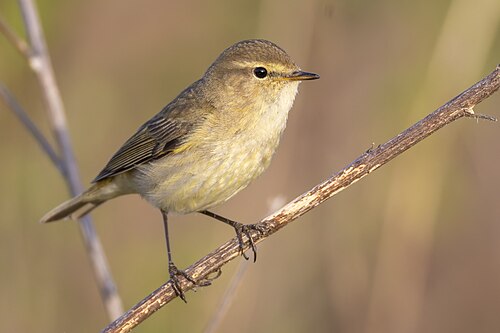
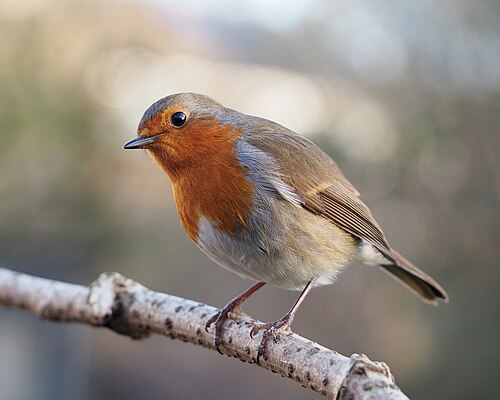
Plants and fungi at their peak in April


920,658 animal records in April.
At their peak in May


Most seen in May


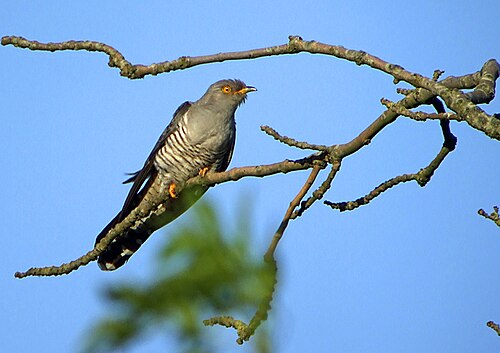
Plants and fungi at their peak in May
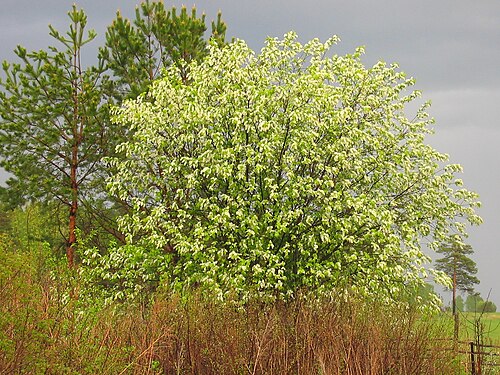


961,369 animal records in May.
At their peak in June

Most seen in June

Plants and fungi at their peak in June


687,702 animal records in June.
At their peak in July


Most seen in July
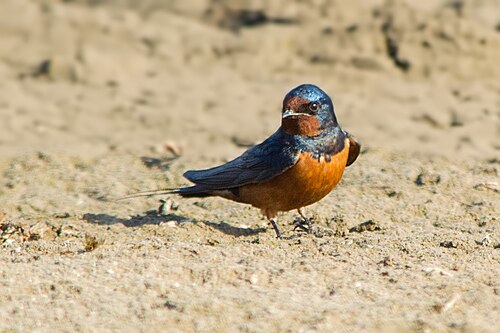
682,920 animal records in July.
At their peak in August

Most seen in August

787,815 animal records in August.
At their peak in September
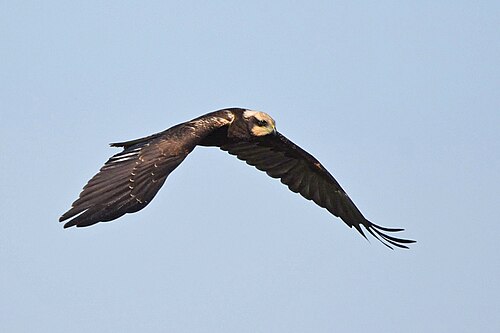
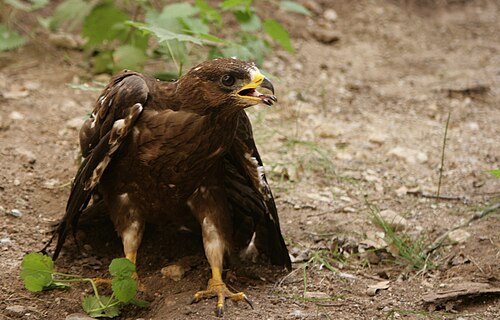
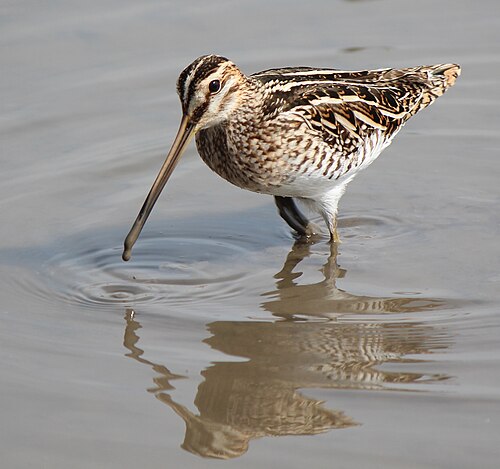
Most seen in September

Plants and fungi at their peak in September


822,445 animal records in September.
At their peak in October
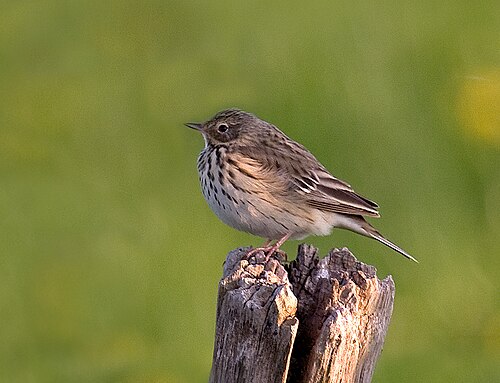


Most seen in October

Plants and fungi at their peak in October
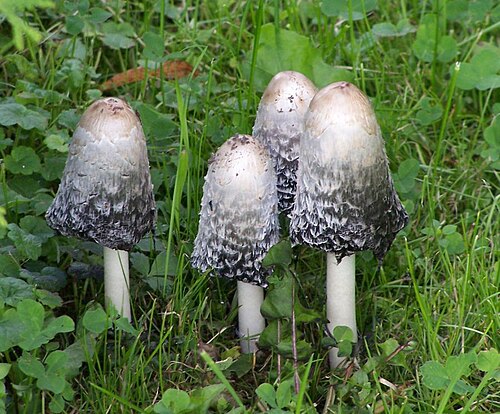
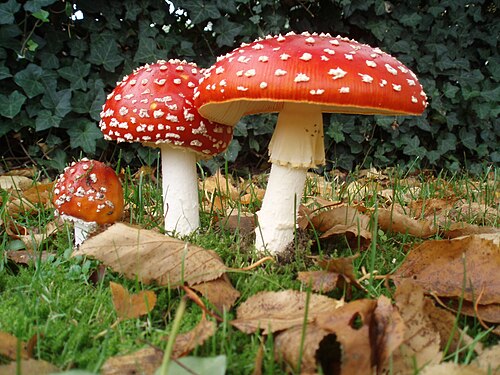
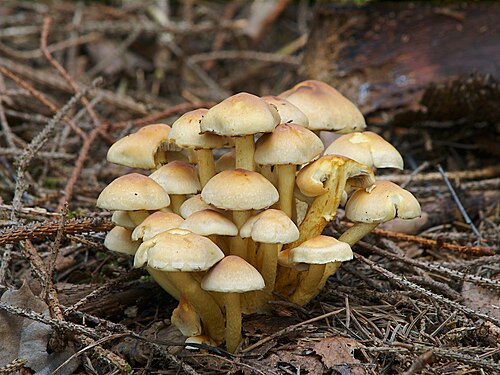
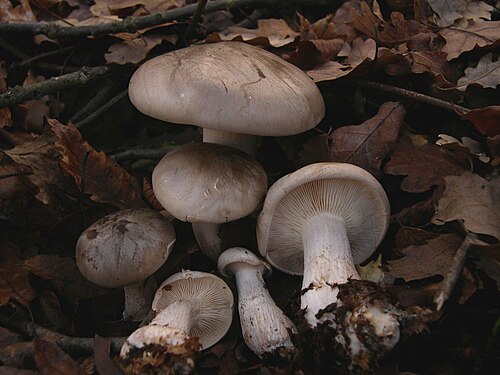
707,516 animal records in October.
At their peak in November

Most seen in November
Plants and fungi at their peak in November


456,192 animal records in November.
At their peak in December
Most seen in December

410,538 animal records in December.
Copenhagen is getting warmer
+1.8 °CAverage temperature around Copenhagen in 2016–2025, compared with 1981–1990.
Daylight: about 7 hours in December and 18 in June.
Seen something near Copenhagen?
Share a photo of it on iNaturalist. Other naturalists help name it, and confirmed records go to GBIF, where scientists use them. That is where the lists on this page come from.
Copenhagen on the living planet
More places near Copenhagen
Sources and photo credits
- Wikidata · Copenhagen (Q1748), facts and nature places
- Wikipedia page views · how well known each nature place is
- OpenStreetMap contributors via Waymarked Trails · marked walking routes (ODbL)
- GBIF · human observations within 50 km, 2016–2025 (8,385,395 animal records)
- NASA POWER · yearly temperature from satellite and model data (MERRA-2)
- MET Norway · weather now (shown live)
- Natural Earth · populated place 1159151437, public domain
- Copenhagen, Denmark: Pudelek, CC BY-SA 4.0
- Malmö, Copenhagen: Johan Jönsson (Julle), CC BY-SA 4.0
- Nyhavn, Copenhagen: kallerna, CC BY-SA 4.0
- Saltholm, Copenhagen: Holger.Ellgaard, CC BY-SA 3.0
- Ven, Copenhagen: Bjørn Christian Tørrissen, CC BY-SA 4.0
- Superkilen, Copenhagen: Emily, CC BY 2.0
- Refshaleøen, Copenhagen: Karen Mardahl, CC BY-SA 2.0
- Slotsholmen, Copenhagen: Mik Hartwell from Copenhagen, Denmark, CC BY 2.0
- Rosenborg Castle Gardens, Copenhagen: Christian Bickel, CC BY-SA 2.0 de
- Common wood pigeon: Don Loarie, CC BY 4.0
- Eurasian blue tit: Sławek Staszczuk, CC BY-SA 3.0
- Greylag goose: W. Bulach, CC BY-SA 4.0
- Mallard: Rolf Dietrich Brecher from Germany, CC BY 2.0
- Great tit: Frank Vassen from Brussels, Belgium, CC BY 2.0
- European hedgehog: Michael Gäbler, CC BY-SA 3.0
- Roe deer: Jerzystrzelecki, CC BY 3.0
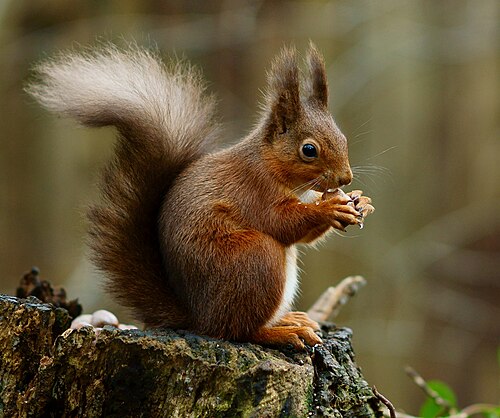
- Eurasian red squirrel: Peter Trimming, CC BY 2.0
- Red admiral: Toni Wöhrl, CC BY-SA 4.0
- Small tortoiseshell: Didier Descouens, CC BY-SA 4.0
- Pool frog: Christian Fischer, CC BY-SA 3.0
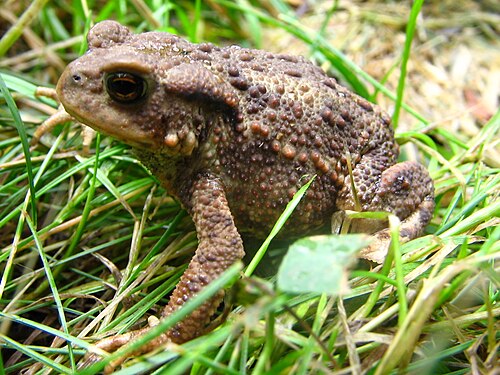
- Common toad: Taka, CC BY-SA 3.0
- Common blackbird: Hobbyfotowiki, CC0
- Fieldfare: Frankie Fouganthin, CC BY-SA 4.0
- Common merganser: Frank Schulenburg, CC BY-SA 3.0
- Whooper swan: Pascal Aleixandre, CC BY-SA 3.0
- Smew: MPF, CC BY-SA 3.0
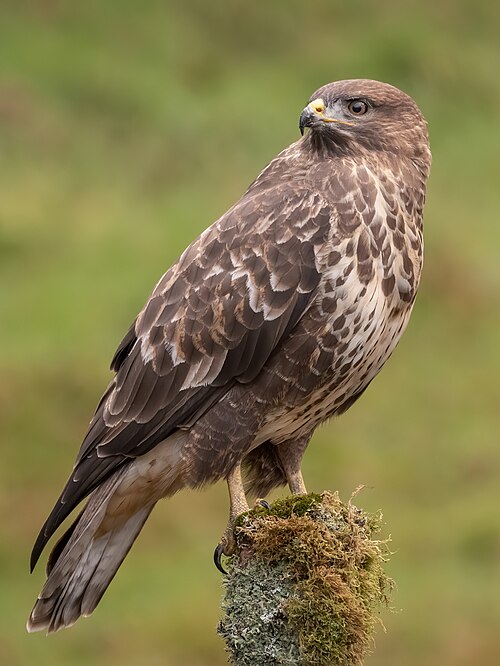
- Common buzzard: caroline legg, CC BY 2.0
- Eurasian bullfinch: Francis Franklin, CC BY-SA 3.0
- Common crane: Andreas Eichler, CC BY-SA 4.0
- Greater white-fronted goose: MPF, CC BY-SA 3.0
- Mistle thrush: Alun Williams333, CC BY-SA 4.0
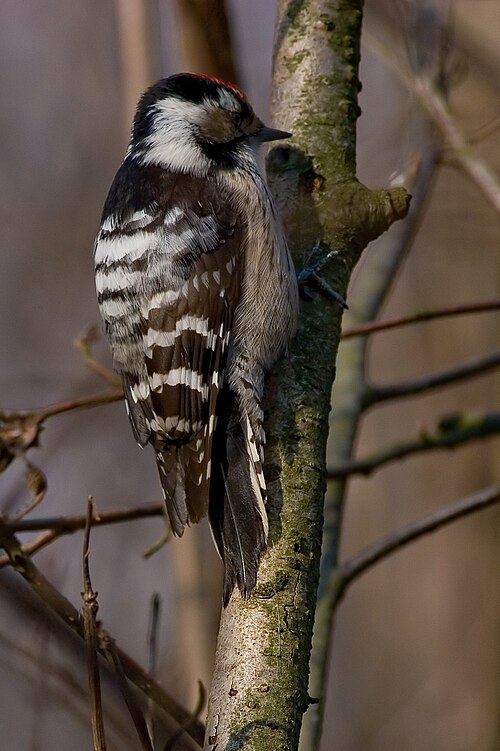
- Lesser spotted woodpecker: Thermos, CC BY-SA 2.5
- Common chiffchaff: Alexis Lours, CC BY 4.0
- European robin: Francis C. Franklin, CC BY-SA 3.0
- Song thrush: Charles J. Sharp, CC BY-SA 4.0
- Red-necked grebe: Donald Hobern from Copenhagen, Denmark, CC BY 2.0
- Peacock: Korall, CC BY-SA 3.0
- Garganey: Ferran Pestaña from Barcelona, España, CC BY-SA 2.0
- Lesser celandine: AnRo0002, CC0
- Wood anemone: W. Bulach, CC BY-SA 4.0
- Garlic mustard: O. Pichard, CC BY-SA 3.0
- Red dead-nettle: Daniel J. Layton, CC BY-SA 4.0
- Willow warbler: Andreas Trepte, CC BY-SA 2.5
- Eurasian blackcap: Ron Knight from Seaford, East Sussex, United Kingdom, CC BY 2.0
- Common cuckoo: GabrielBuissart, CC BY-SA 3.0
- Common whitethroat: Steve Garvie from Dunfermline, Fife, Scotland, CC BY-SA 2.0
- Common redstart: Aconcagua (talk), CC BY-SA 3.0
- Lesser whitethroat: User:Aelwyn, CC BY-SA 3.0
- Thrush nightingale: cheloVechek / talk, CC BY-SA 4.0
- Bird cherry: Игоревич, Public domain
- Greater stitchwort: iNaturalist.org (spoonbilling), CC BY 4.0
- Wild chervil: Asaspor, CC BY-SA 3.0
- Common swift: Alexis Lours, CC BY 4.0
- Marsh warbler: Аимаина хикари, CC0
- Blueweed: Giuseppe Frizzi, Public domain
- Soft brome: Rasbak, CC BY-SA 3.0
- Suckling clover: Kenraiz, CC BY-SA 3.0
- Barn swallow: Morhaf Aljanee, CC BY-SA 3.0
- Dunlin: Mdf, edited by Fir0002, CC BY-SA 3.0
- Common greenshank: JJ Harrison (https://www.jjharrison.com.au/), CC BY-SA 3.0
- Eurasian reed warbler: Ron Knight, CC BY 2.0
- Wood sandpiper: Koshy Koshy from Faridabad, Haryana, India, CC BY 2.0
- Grey heron: Bengt Nyman from Vaxholm, Sweden, CC BY 2.0
- Western yellow wagtail: Kathy2408, CC BY-SA 4.0
- Eurasian sparrowhawk: Meneer Zjeroen, CC BY 2.0
- Western marsh harrier: Pierre-Marie Epiney, CC BY-SA 2.0
- European honey buzzard: Sillerkiil, CC BY-SA 4.0
- Common snipe: Alpsdake, CC BY-SA 3.0
- False deathcap: Jean-Marc Pascolo, CC BY-SA 4.0
- Giant polypore: voir ci-dessous / see below, CC BY 3.0
- Goldcrest: Missy Osborn from New Forest, England, CC BY-SA 2.0
- Meadow pipit: Andreas Trepte, CC BY-SA 2.5
- Redwing: Andreas Trepte, CC BY-SA 2.5
- Hen harrier: Александр Чегодаев, CC0
- Brambling: mmlolek, CC BY 2.0
- Lawyer's wig: A. Uciechowska, CC BY-SA 3.0
- Fly agaric: Onderwijsgek, CC BY-SA 3.0 nl
- Sulphur tuft: Jörg Hempel, CC BY-SA 2.0 de
- Clouded funnel: Archenzo, CC BY-SA 3.0
- Redpoll: Jyrki Salmi from Finland, CC BY-SA 2.0
- Elegant camouflage lichen: Jerzy Opioła, CC BY-SA 4.0
- Norway spruce: Ivar Leidus, CC BY-SA 3.0 ee
- Hooded crow: Donald Hobern from Copenhagen, Denmark, CC BY 2.0


Wildlife records show where people have seen and shared plants and animals, not everything that lives here; some places and months are recorded more than others. Sensitive species are never shown with a month or as seen recently. Routes come from OpenStreetMap and are not checked by 4Planet: follow local signs and conditions. Climate figures are NASA estimates for the area around Copenhagen, not a single weather station.
Checked 2026-11-20.