 Polar bearUrsus maritimus
Russia
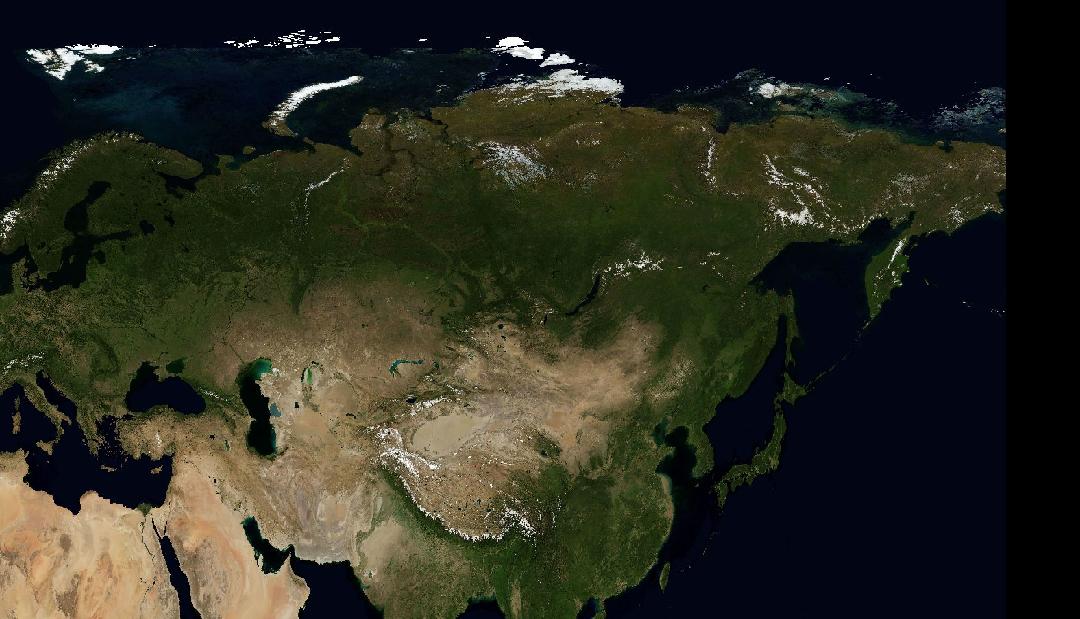
The largest country in the world, across northern Europe and Asia.
Image: NASA Blue Marble. Borders: Natural Earth.
Russia spans eleven time zones, from the Baltic Sea to the Pacific. Most of it is covered by the taiga, the largest forest on Earth, with tundra along the Arctic coast and Lake Baikal, the deepest and oldest lake in the world, in Siberia.
Amur tigers and Amur leopards live in the forests of the Far East, polar bears hunt along the Arctic coast, and huge colonies of seabirds and walruses gather on its northern shores. Its rivers hold some of the largest salmon runs on Earth.
By area it is the largest of the 194 countries on Atlas. 121 of the 174 species with a page on Species have been recorded here, the 5th most of any country. It is the only country page here that features the walrus.
Russia
- Capital
- Moscow
- Population
- 146 million
- Area
- 17,098,246 km²
- Continent
- Europe, Asia, Eurasia
- Highest point
- Mount Elbrus, 5,642 m
- Languages
- Russian, Abaza, Adyghe, Southern Altai
- Currency
- Russian ruble
- Time zone
- 2 time zones
Figures from Wikidata; population 2025.
Russia in pictures


Which animals live in Russia?
Among the animals recorded in Russia are the polar bear, the tiger, the walrus, the gray wolf and the humpback whale. These are wildlife records shared through GBIF, not a full list of the animals that live here.
Polar bearUrsus maritimus TigerPanthera tigris
 WalrusOdobenus rosmarus
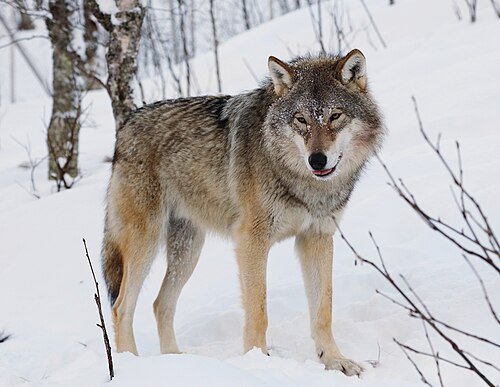 Gray wolfCanis lupus
 Humpback whaleMegaptera novaeangliae
Where can you see them?
- Yugyd Va National ParkEstablished 1994 · 18,917 km²
- Russian Arctic National ParkEstablished 2009 · 14,260 km²
- Bashkiria National ParkEstablished 1986 · 823 km²
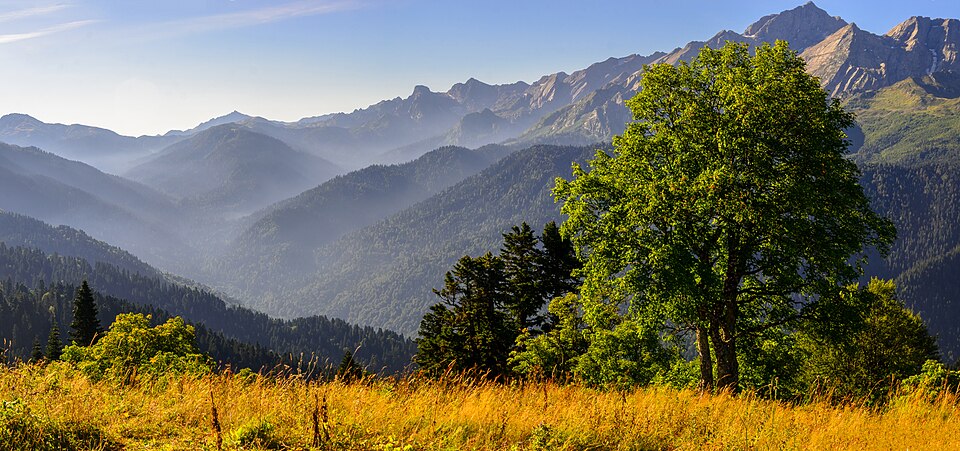
- Sochi National ParkEstablished 1983 · 2,086 km²
- Tübän Kama National ParkEstablished 1991 · 266 km²
- Kenozyorsky National ParkEstablished 1991 · 1,397 km²
What is putting pressure on nature here?
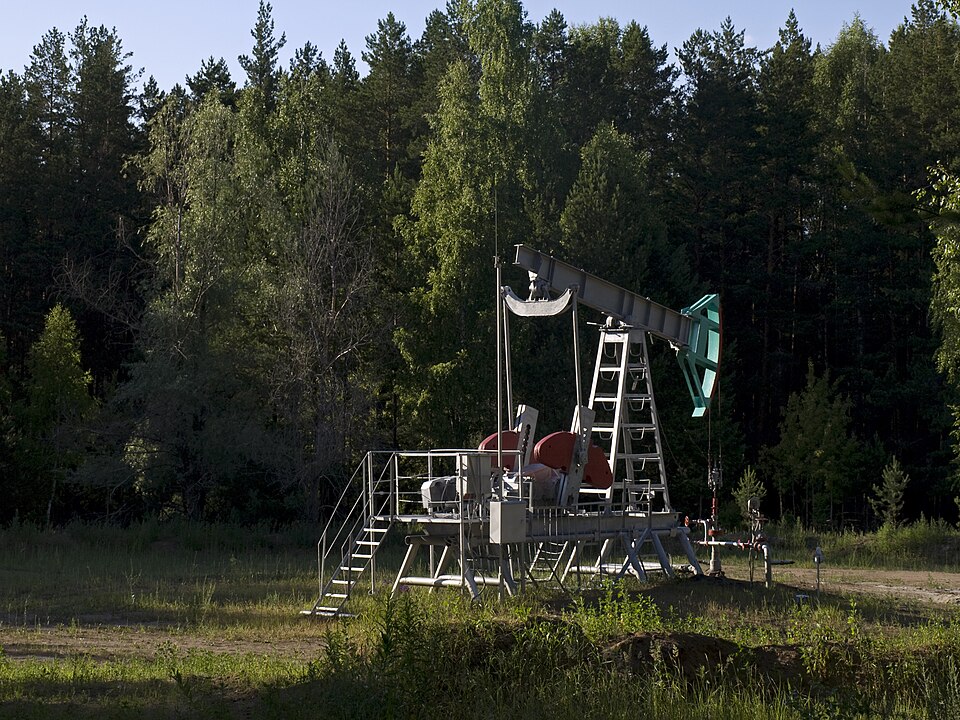
Logging, oil and gas extraction, mining and wildfires affect vast areas of forest and tundra. Poaching threatens tigers, sturgeon and other species, and the Arctic is warming much faster than the rest of the world, thawing the permafrost.
Learn more about Russia
Explore next
What puts Russia under pressure, what helps, and who works on it.
Russia on the living planet
Keep exploring from Russia
Cities in Russia
Species pages with records from Russia
Great titMallardHooded crowFieldfareEurasian tree sparrowWhite wagtailRock doveEurasian chaffinchGreat spotted woodpeckerEurasian magpieEurasian bullfinchEurasian blue tit
Countries nearby
Sources and photo credits
- Wikidata · Russia (Q159), facts and national parks
- Convention on Biological Diversity · Russia country profile
- GBIF · human observations in Russia, used to choose the species
- Natural Earth · country borders, public domain
- NASA GIBS · Blue Marble imagery, public domain
- Yugyd Va National Park, Russia: ugraland [1] from Moscow, Russia, CC BY 2.0
- Russian Arctic National Park, Russia: Timinilya, CC BY-SA 4.0
- Bashkiria National Park, Russia: Alexey Shockov from Moscow, Russia, CC BY-SA 2.0
- Sochi National Park, Russia: Илья Бунин, CC BY-SA 4.0
- Tübän Kama National Park, Russia: Yaroslav Blanter, CC BY-SA 3.0
- Polar bear: Alan Wilson, CC BY-SA 3.0
- Tiger: Seemaleena, CC BY-SA 4.0
- Walrus: Nixette, CC BY-SA 4.0
- Gray wolf: User:Mas3cf, CC BY-SA 4.0
- Humpback whale: Dr. Louis M. Herman., Public domain


Borders and the capital show where Russia is. Wildlife records show where people have seen animals, not where they all live today.
Checked 2026-11-19.