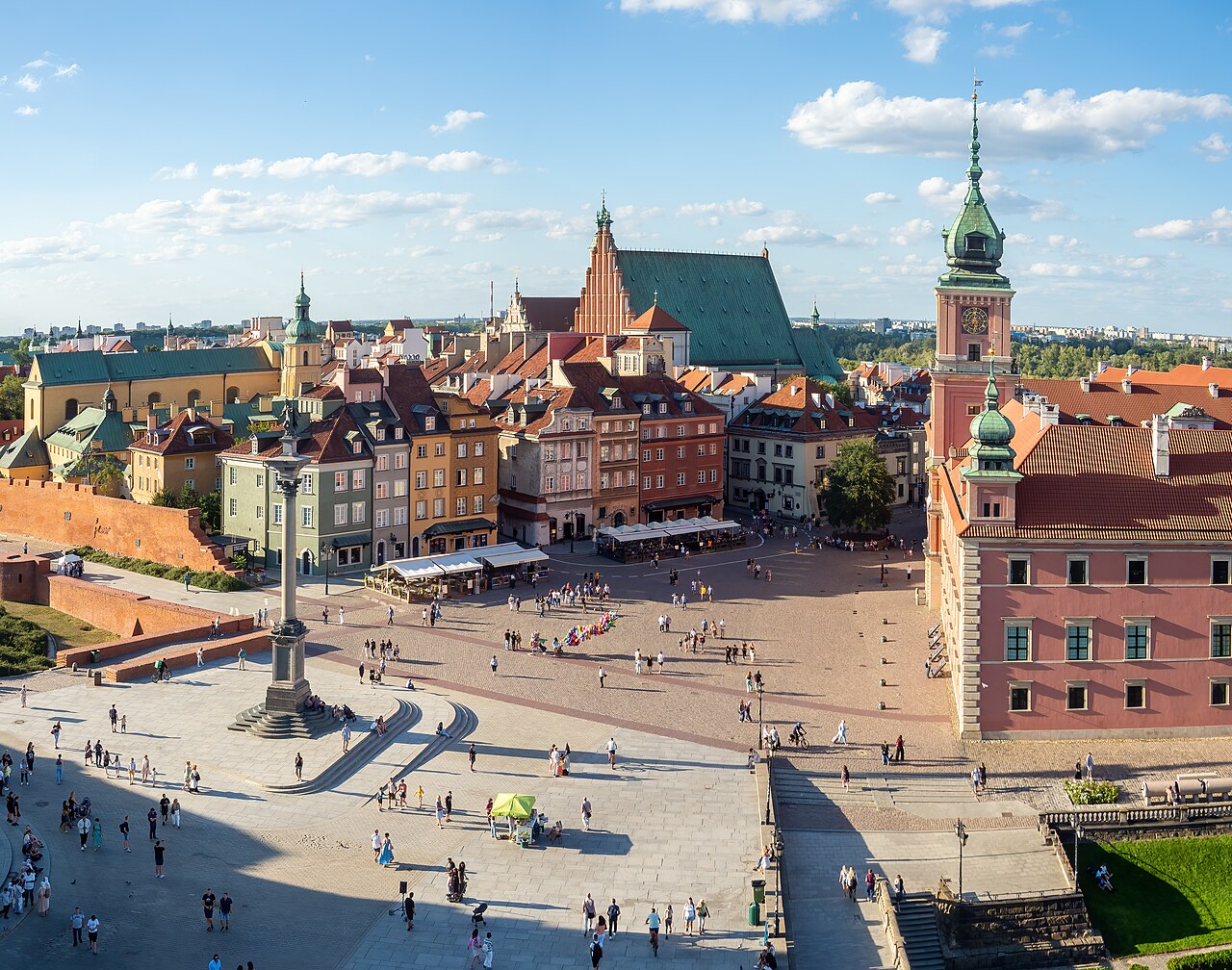
Warsaw
Capital and largest city of Poland
Within 30 km of the centre of Warsaw, the nature places people read about most are Western Bug, Łazienki Park, Narew and Saxon Garden, and marked walks close to the city include Trasa Kusocińskiego, Bielańskim szlakiem and Ścieżka spacerowa.
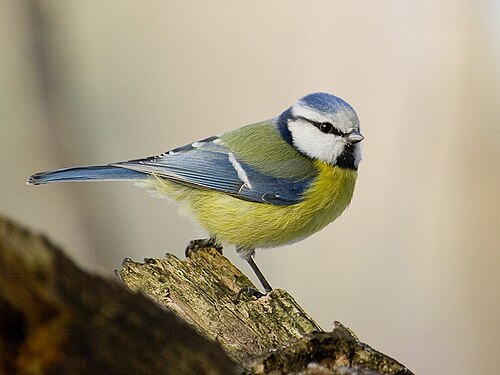
People have shared 361,796 wildlife records within 50 km of Warsaw in the last ten years. The wild animals recorded most often are the hooded crow, the great tit, the mallard, the Eurasian blue tit and the black-headed gull. Since the 1980s the area has become about 1.8 °C warmer.
Of the 93 cities on Atlas, Warsaw has the 16th strongest warming since the 1980s.
- Country
- Poland
- Population
- 1.9 million
- Area
- 517 km²
- Elevation
- 118 m
- Currency
- Złoty
- Daylight
- 8 to 17 hours
Figures from Wikidata; population 2024.
Warsaw on the map
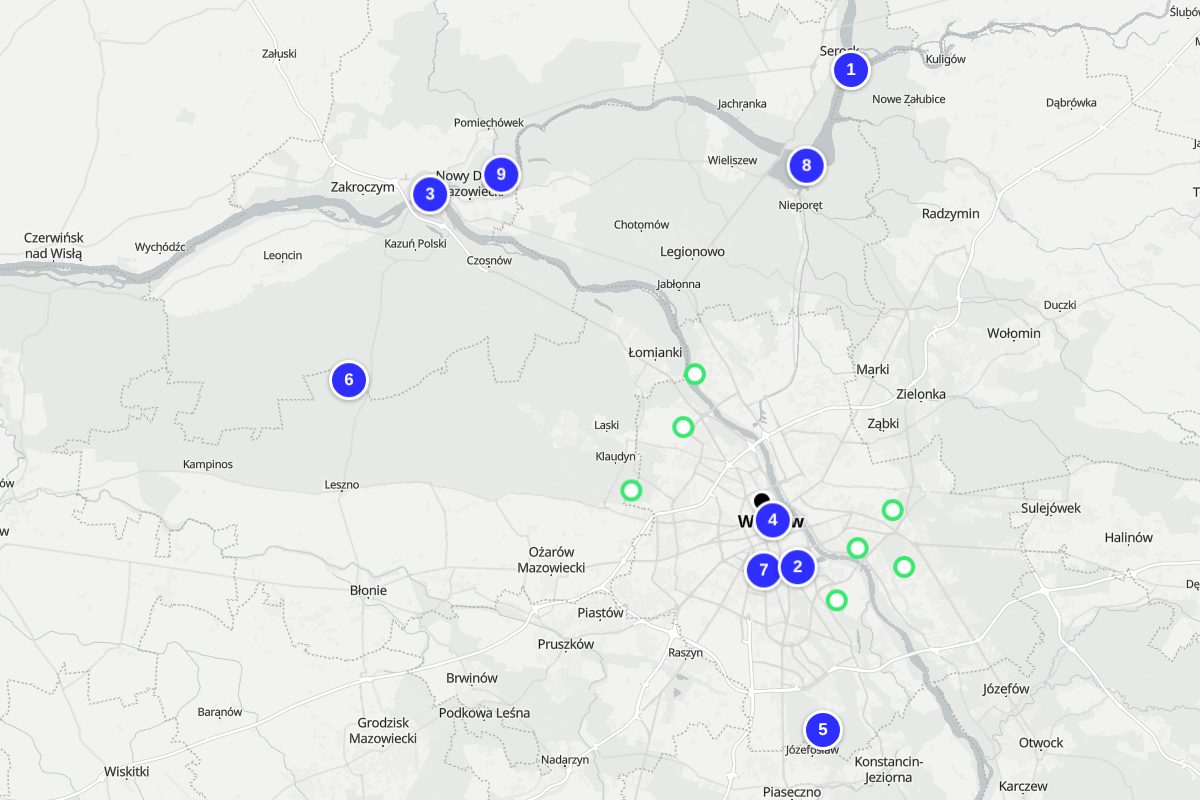
Numbers match the places below. Map: © OpenStreetMap contributors, OpenFreeMap.
- Western Bug
- Łazienki Park
- Narew
- Saxon Garden
- Stefan Starzynski Nature reserve Kabacki forest
- Kampinos Forest
- Mokotów Field
- Zegrze Reservoir
- Wkra
Nature close to Warsaw
The places people read most about, from the centre outwards.


- Western Bug River · 29 km
- Kampinos Forest Nature reserve · 28 km
- Zegrze Reservoir Reservoir · 22 km
- Wkra River · 27 km
- Skaryszewski Park Park · 4 km
Marked walks
- Trasa Kusocińskiego4.8 km round trip · 5 km from the centre · marked by Łazienki Królewskie
- Bielańskim szlakiem13.7 km · 7 km from the centre · marked by PTTK
- Ścieżka spacerowa7.3 km round trip · 7 km from the centre
- Ścieżka dla Jeziorka Czerniakowskiego4.3 km round trip · 8 km from the centre
- Śladami Radiostacji Transatlantyckiej6.9 km · 9 km from the centre
- Szlak spacerowy3.9 km · 9 km from the centre
- Ścieżka przyrodnicza "Z biegiem Wisły"2.7 km · 9 km from the centre · marked by Dzielnica Białołęka m.St.Warszawy
- Ścieżka biegowa "Lucerny"1.1 km round trip · 10 km from the centre · marked by Urząd Dzielnicy Wawer miasta stołecznego Warszawy
Long-distance trails through the area: Podlaska Droga św. Jakuba (469 km), Warszawska Droga św. Jakuba (384 km), Świętokrzyska Droga św. Jakuba (309 km).
Routes from OpenStreetMap via Waymarked Trails. Not checked by 4Planet: follow local signs and conditions.
Wildlife around Warsaw
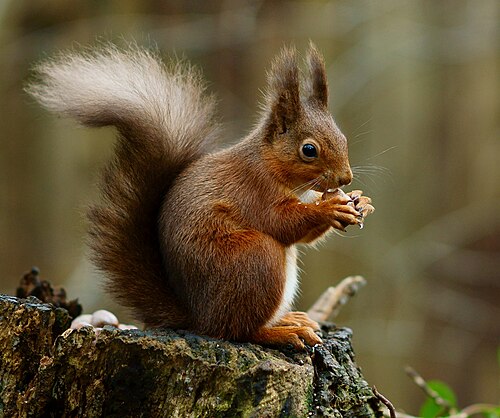
The wild animals people record most within 50 km, 2016–2025. Tick the ones you have seen to build your own list.







Seen in the last 30 days
What can you see near Warsaw now?
Month by month, from 361,796 records people shared within 50 km, 2016–2025.
At their peak in January



Most seen in January
25,042 animal records in January.
At their peak in February

Most seen in February
18,420 animal records in February.
At their peak in March


Most seen in March
Plants and fungi at their peak in March

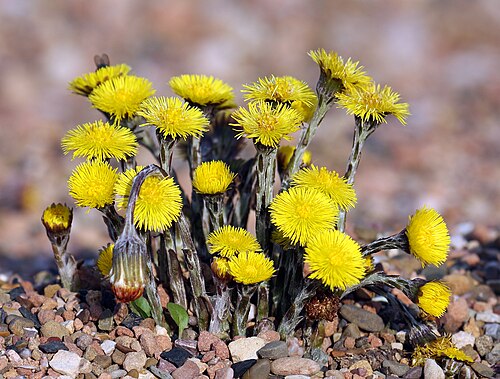

32,730 animal records in March.
At their peak in April


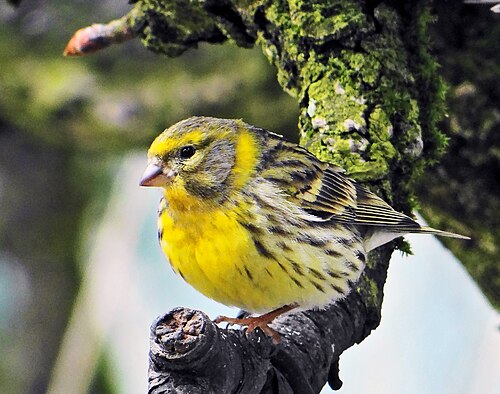
Most seen in April

Plants and fungi at their peak in April


49,938 animal records in April.
At their peak in May


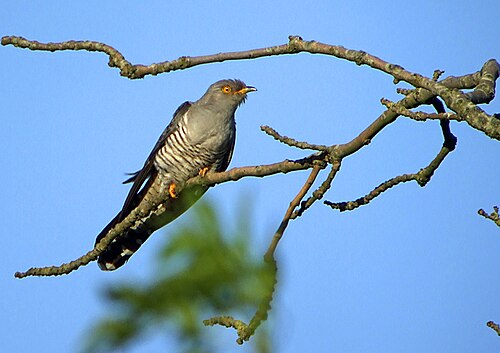

Most seen in May
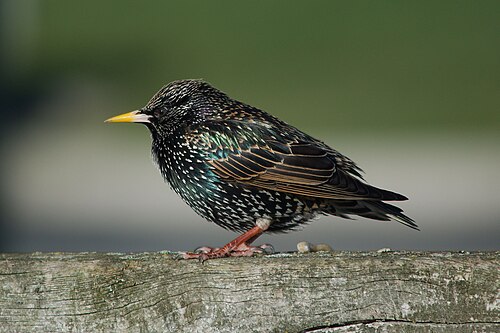
Plants and fungi at their peak in May
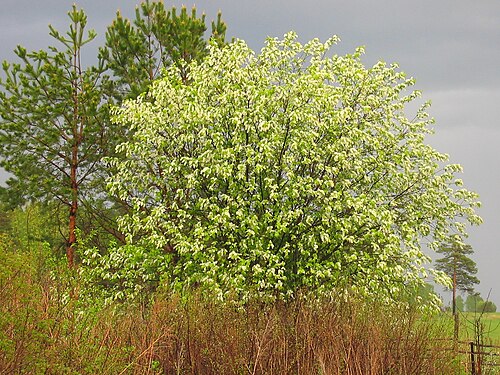
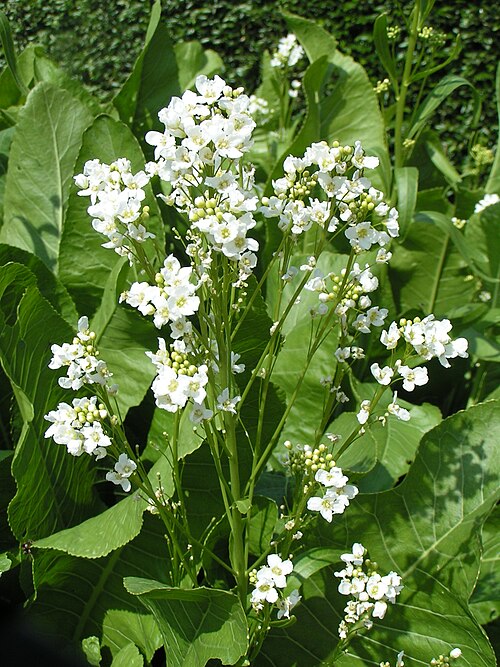
59,495 animal records in May.
At their peak in June

Most seen in June


Plants and fungi at their peak in June
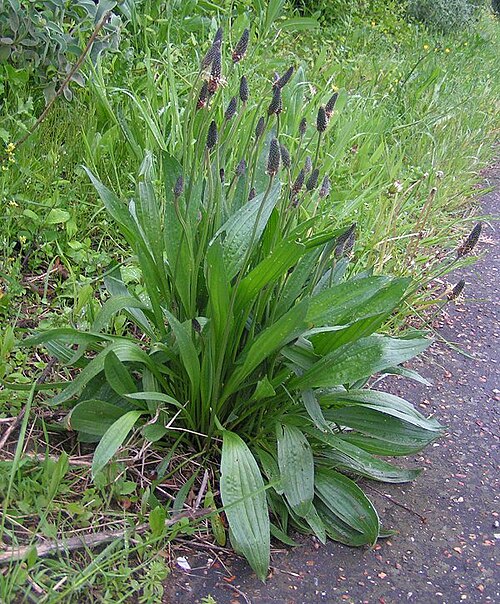


32,417 animal records in June.
At their peak in July


Most seen in July
Plants and fungi at their peak in July


26,578 animal records in July.
At their peak in August
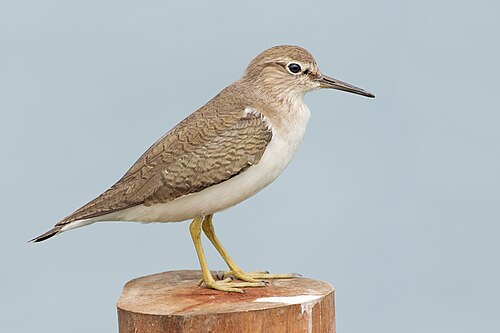

Most seen in August

Plants and fungi at their peak in August


27,605 animal records in August.
At their peak in September

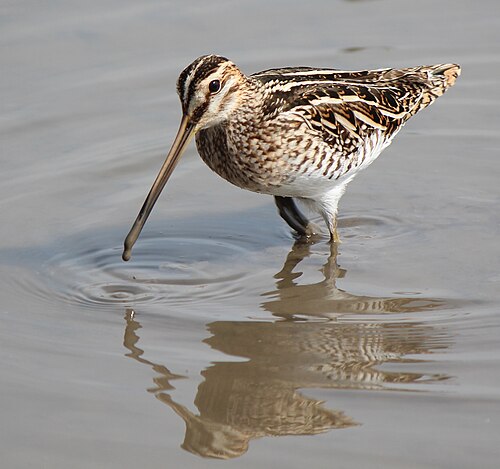

Most seen in September
Plants and fungi at their peak in September


25,897 animal records in September.
At their peak in October


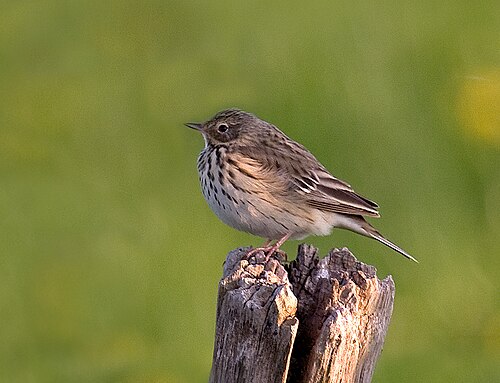

Most seen in October
Plants and fungi at their peak in October


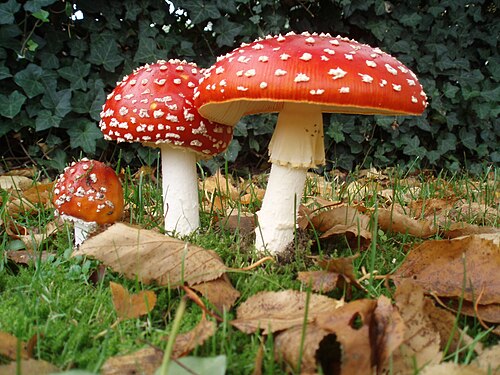

26,060 animal records in October.
At their peak in November


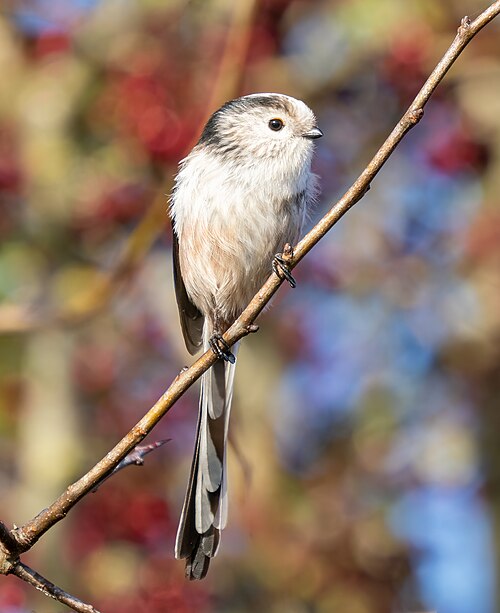
Most seen in November
Plants and fungi at their peak in November

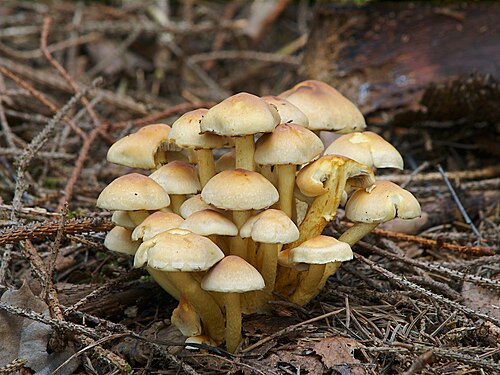

19,641 animal records in November.
At their peak in December
Most seen in December
17,973 animal records in December.
Warsaw is getting warmer
+1.8 °CAverage temperature around Warsaw in 2016–2025, compared with 1981–1990.
Daylight: about 8 hours in December and 17 in June.
Seen something near Warsaw?
Share a photo of it on iNaturalist. Other naturalists help name it, and confirmed records go to GBIF, where scientists use them. That is where the lists on this page come from.
Warsaw on the living planet
More places near Warsaw
Sources and photo credits
- Wikidata · Warsaw (Q270), facts and nature places
- Wikipedia page views · how well known each nature place is
- OpenStreetMap contributors via Waymarked Trails · marked walking routes (ODbL)
- GBIF · human observations within 50 km, 2016–2025 (361,796 animal records)
- NASA POWER · yearly temperature from satellite and model data (MERRA-2)
- MET Norway · weather now (shown live)
- Natural Earth · populated place 1159151299, public domain
- Warsaw, Poland: Rhododendrites, CC BY-SA 4.0
- Łazienki Park, Warsaw: Fred Romero from Paris, France, CC BY 2.0
- Narew, Warsaw: Henryk Kotowski, CC BY-SA 4.0
- Saxon Garden, Warsaw: Marcin Białek, CC BY-SA 3.0
- Stefan Starzynski Nature reserve Kabacki forest, Warsaw: Adrian Grycuk, CC BY-SA 3.0 pl
- Mokotów Field, Warsaw: Emptywords, CC BY-SA 4.0
- Vistulan Boulevards in Warsaw, Warsaw: Adrian Grycuk, CC BY-SA 3.0 pl
- Krasiński Garden, Warsaw: Matpol222, CC BY-SA 4.0
- Generation Park, Warsaw: Adrian Grycuk, CC BY-SA 3.0 pl
- Hooded crow: Donald Hobern from Copenhagen, Denmark, CC BY 2.0
- Great tit: Frank Vassen from Brussels, Belgium, CC BY 2.0
- Mallard: Rolf Dietrich Brecher from Germany, CC BY 2.0
- Eurasian blue tit: Sławek Staszczuk, CC BY-SA 3.0
- Black-headed gull: Diliff, CC BY-SA 3.0
- Eurasian red squirrel: Peter Trimming, CC BY 2.0
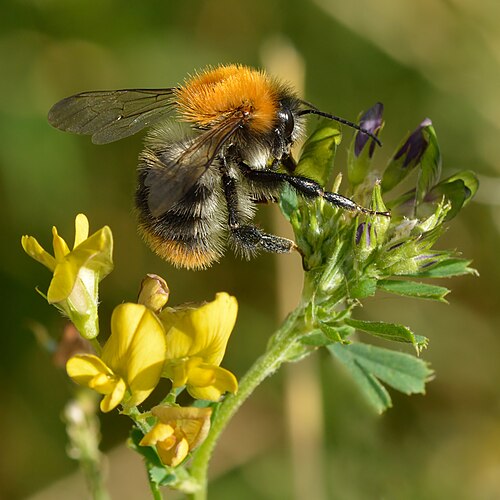
- Common carder bee: Ivar Leidus, CC BY-SA 4.0
- Grove snail: A. Abrahami, CC BY-SA 3.0
- Firebug: hedera.baltica from Wrocław, Poland, CC BY-SA 2.0
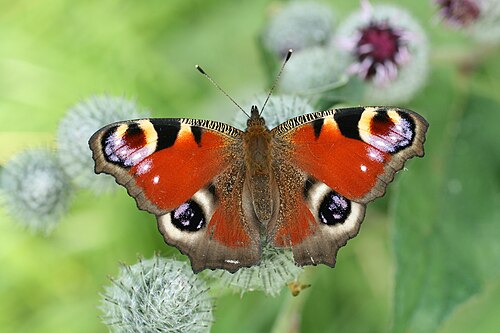
- Peacock: Korall, CC BY-SA 3.0
- Common blue: Charles J. Sharp, CC BY-SA 4.0
- Roe deer: Jerzystrzelecki, CC BY 3.0
- Rook: Brian Snelson from Hockley, Essex, England, CC BY 2.0
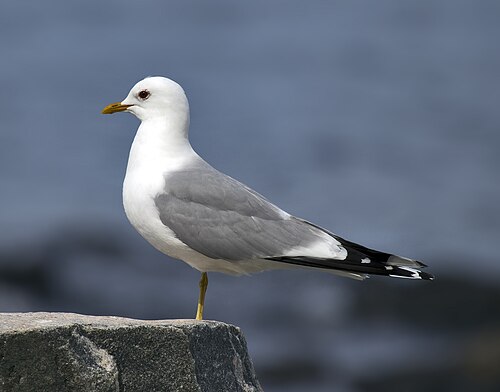
- Common gull: Andreas Trepte, CC BY-SA 2.5
- Common merganser: Frank Schulenburg, CC BY-SA 3.0
- Eurasian siskin: Sławek Staszczuk (photoss [AT] hotmail.co.uk), CC BY-SA 3.0
- Common crane: Andreas Eichler, CC BY-SA 4.0
- Eurasian skylark: El Golli Mohamed, CC BY-SA 4.0
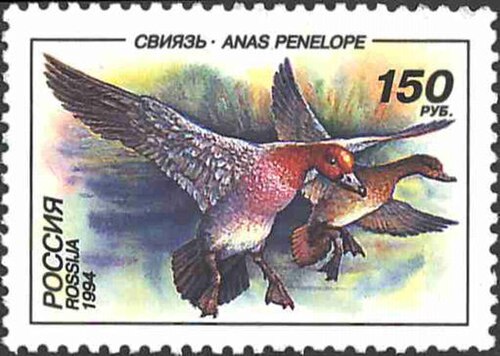
- Eurasian wigeon: Почта России, Public domain
- Garganey: Ferran Pestaña from Barcelona, España, CC BY-SA 2.0
- Wood anemone: W. Bulach, CC BY-SA 4.0
- Coltsfoot: Andreas Trepte, CC BY-SA 2.5
- Yellow anemone: Bogdan, CC BY-SA 3.0
- Common wood pigeon: Don Loarie, CC BY 4.0
- Willow warbler: Andreas Trepte, CC BY-SA 2.5
- Northern shoveler: Andreas Trepte, CC BY-SA 2.5
- European serin: Ghislain38, CC BY-SA 3.0
- Garlic mustard: O. Pichard, CC BY-SA 3.0
- Lesser periwinkle: AnRo0002, CC0
- Ground ivy: AnRo0002, CC0
- Common starling: marsupium photography, CC BY-SA 2.0
- Common swift: Alexis Lours, CC BY 4.0
- Common tern: Alexis Lours, CC BY 4.0
- Common cuckoo: GabrielBuissart, CC BY-SA 3.0
- Common whitethroat: Steve Garvie from Dunfermline, Fife, Scotland, CC BY-SA 2.0
- Bird cherry: Игоревич, Public domain
- Horseradish: Pethan, CC BY-SA 3.0
- Common blackbird: Hobbyfotowiki, CC0
- Eurasian blackcap: Ron Knight from Seaford, East Sussex, United Kingdom, CC BY 2.0
- Eurasian golden oriole: Michel Idre from Plaisance du Touch, France, CC BY 2.0
- English plantain: sannse, CC BY-SA 3.0
- Blueweed: Giuseppe Frizzi, Public domain
- Field bindweed: W. Bulach, CC BY-SA 4.0
- Biting stonecrop: Ivar Leidus, CC BY-SA 4.0
- Common house martin: MPF, CC BY 2.5
- Common greenshank: JJ Harrison (https://www.jjharrison.com.au/), CC BY-SA 3.0
- Red-backed shrike: Zeynel Cebeci, CC BY-SA 4.0
- Garden yellow loosestrife: Kristian Peters -- Fabelfroh 15:11, 26 September 2005 (UTC), CC BY-SA 3.0
- Soapwort: Img, Public domain
- Hare's-foot clover: Michael Becker, CC BY-SA 3.0
- Grey heron: Bengt Nyman from Vaxholm, Sweden, CC BY 2.0
- Common sandpiper: JJ Harrison (https://www.jjharrison.com.au/), CC BY 3.0
- Wood sandpiper: Koshy Koshy from Faridabad, Haryana, India, CC BY 2.0
- Canadian fleabane: Andrey Zharkikh from Salt Lake City, USA, CC BY 2.0
- Common dandelion: Walther Otto Müller, Public domain
- Perennial rye-grass: Rasbak, CC BY-SA 3.0
- Purple loosestrife: Ivar Leidus, CC BY-SA 3.0
- Tree pipit: MPF, CC BY-SA 3.0
- Common snipe: Alpsdake, CC BY-SA 3.0
- Dunlin: Mdf, edited by Fir0002, CC BY-SA 3.0
- Hop: No machine-readable author provided. Rasbak assumed (based on copyright claims)., CC BY-SA 3.0
- Jimsonweed: No machine-readable author provided. Taka assumed (based on copyright claims)., CC BY-SA 3.0
- Black nightshade: Giuseppe Frizzi, Public domain
- Goldcrest: Missy Osborn from New Forest, England, CC BY-SA 2.0
- Eurasian sparrowhawk: Meneer Zjeroen, CC BY 2.0
- Meadow pipit: Andreas Trepte, CC BY-SA 2.5
- Brambling: mmlolek, CC BY 2.0
- Norway maple: Dmitry Makeev, CC BY-SA 4.0
- European spindletree: AnRo0002, CC0
- Fly agaric: Onderwijsgek, CC BY-SA 3.0 nl
- European privet: Victor M. Vicente Selvas, CC BY-SA 3.0
- Winter wren: Alpsdake, CC BY-SA 3.0
- Eurasian bullfinch: Francis Franklin, CC BY-SA 3.0
- Long-tailed tit: Rhododendrites, CC BY-SA 4.0
- Blunt feather-moss: HermannSchachner, Public domain
- Sulphur tuft: Jörg Hempel, CC BY-SA 2.0 de
- Scots pine: Hello, I am Bruce on Flickr, CC BY-SA 2.0


Wildlife records show where people have seen and shared plants and animals, not everything that lives here; some places and months are recorded more than others. Sensitive species are never shown with a month or as seen recently. Routes come from OpenStreetMap and are not checked by 4Planet: follow local signs and conditions. Climate figures are NASA estimates for the area around Warsaw, not a single weather station.
Checked 2026-11-20.