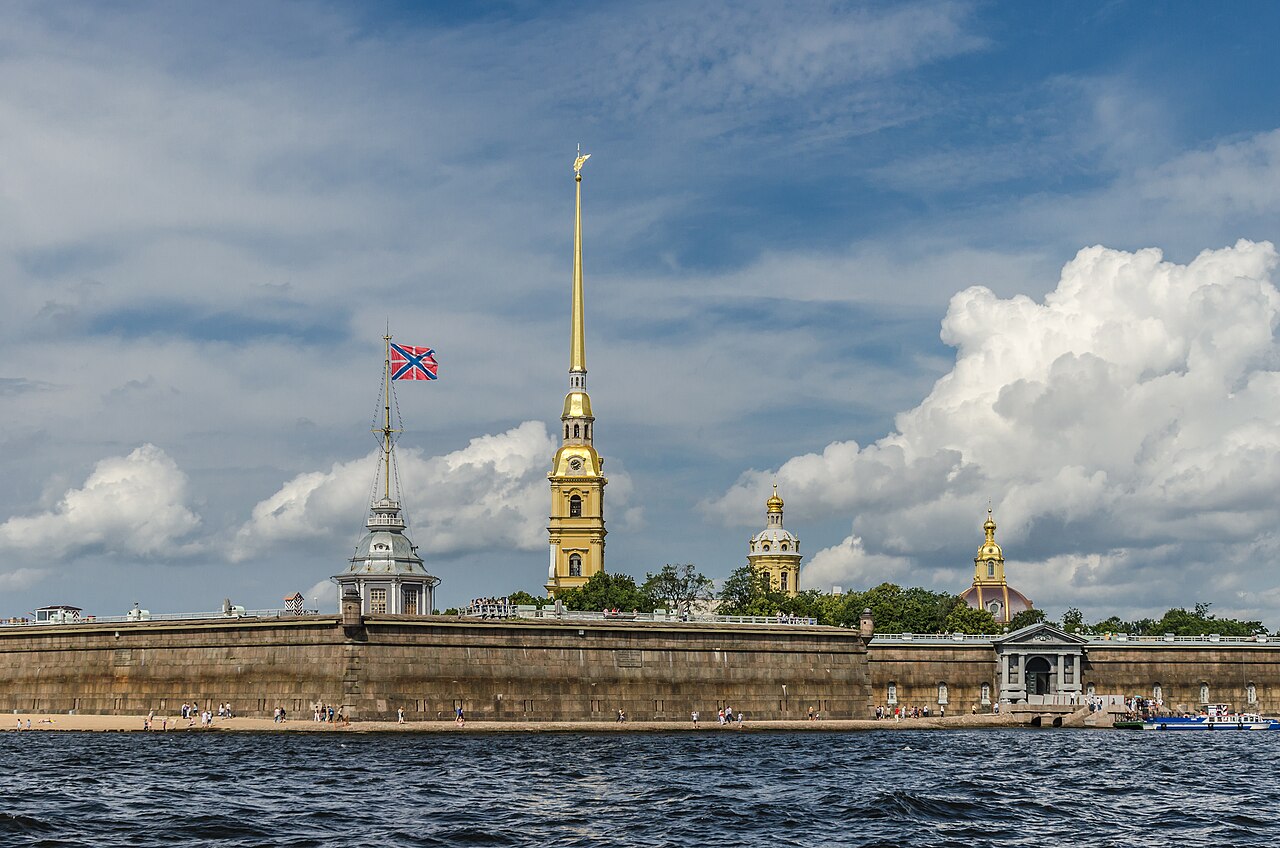
Saint Petersburg
City in Russia
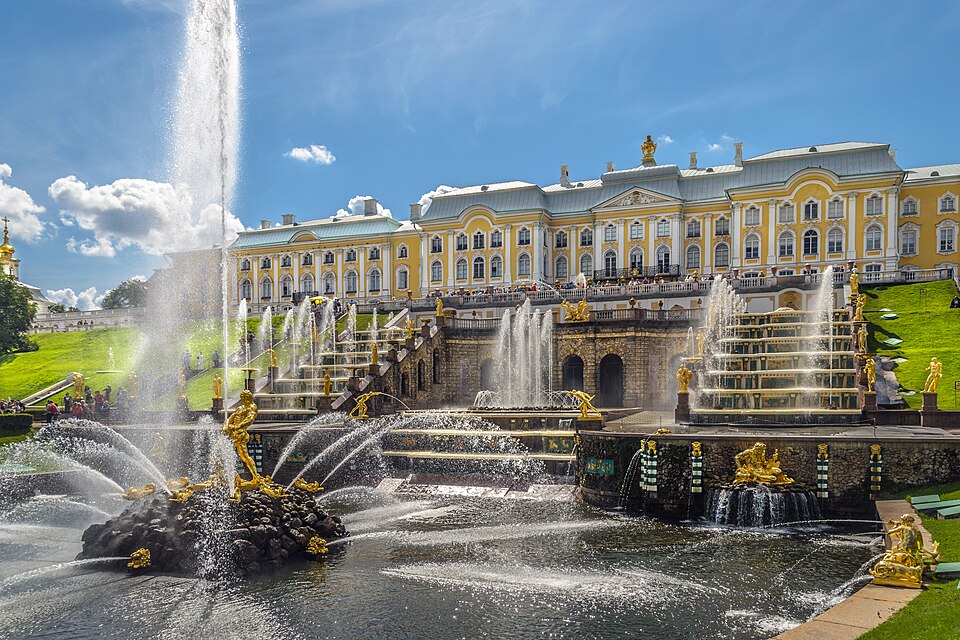
Within 30 km of the centre of Saint Petersburg, the nature places people read about most are Peterhof Palaces and complex, Neva, Volga–Baltic Waterway and Summer Garden.
People have shared 415,903 wildlife records within 50 km of Saint Petersburg in the last ten years. The wild animals recorded most often are the hooded crow, the mallard, the great tit, the rock dove and the black-headed gull. Since the 1980s the area has become about 1.4 °C warmer.
- Country
- Russia
- Population
- 5.7 million
- Area
- 1,439 km²
- Elevation
- 3 m
- Currency
- Russian ruble
- Daylight
- 6 to 19 hours
Figures from Wikidata; population 2025.
Saint Petersburg on the map
- Peterhof Palaces and complex
- Neva
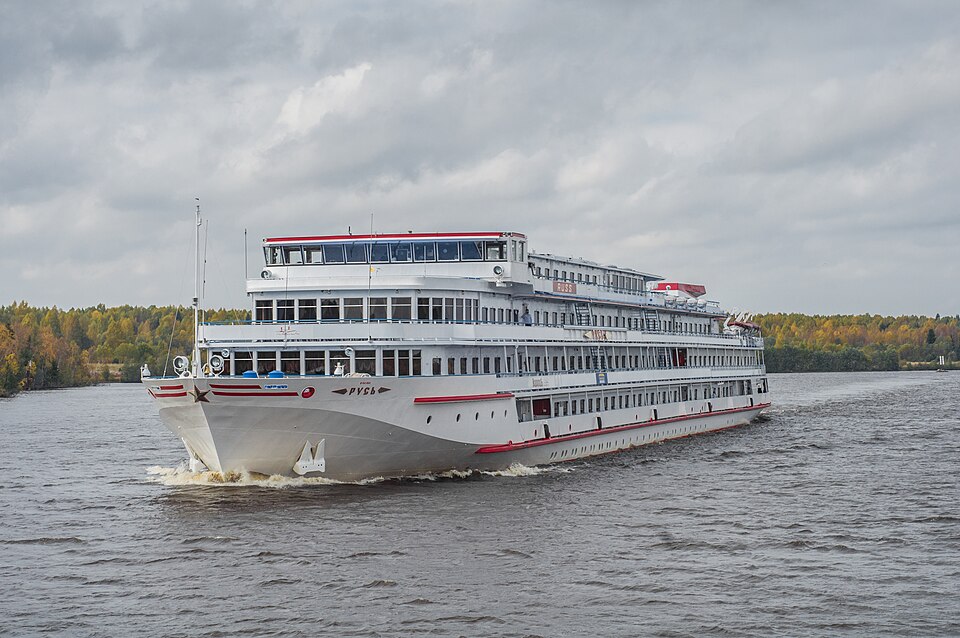
- Volga–Baltic Waterway
- Summer Garden
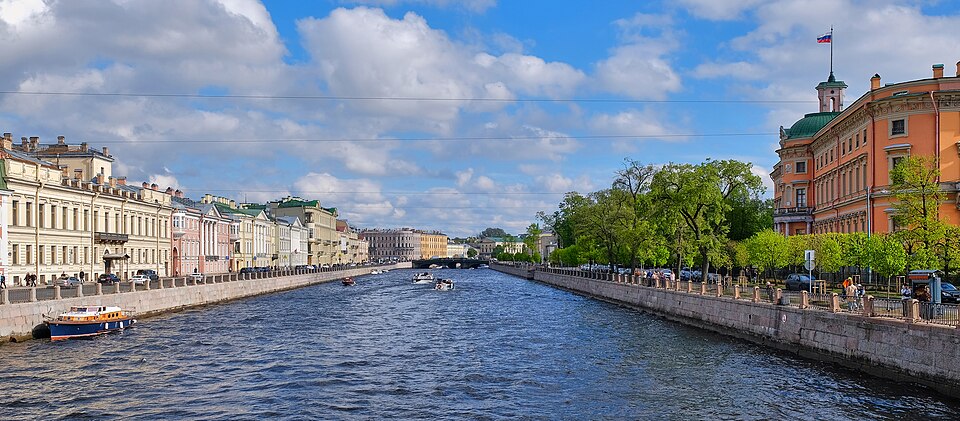
- Fontanka
- New Holland Island
- Moyka River
- Krestovsky Island
- Peter the Great Botanical Garden
Nature close to Saint Petersburg
The places people read most about, from the centre outwards.
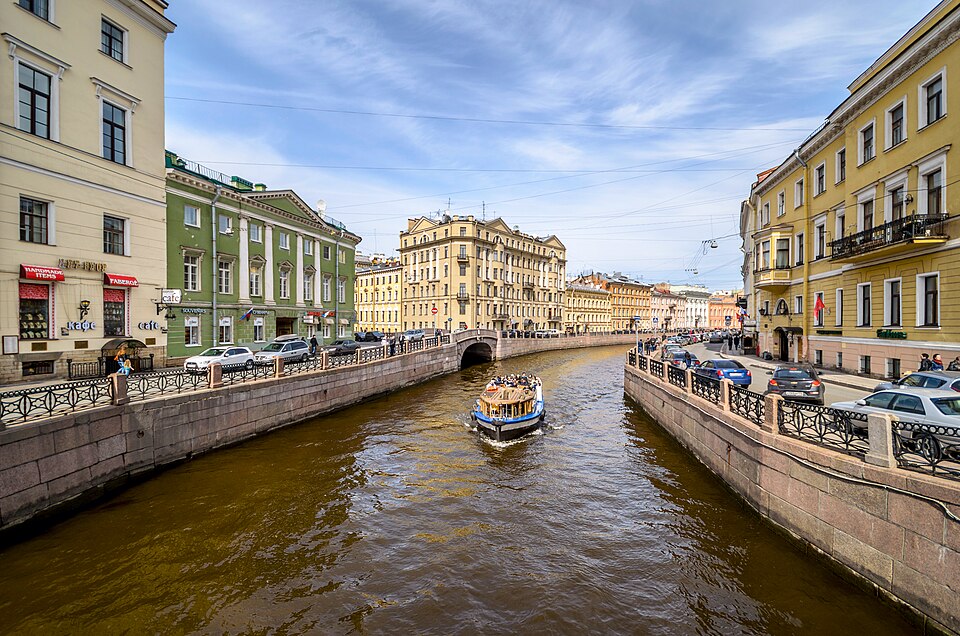
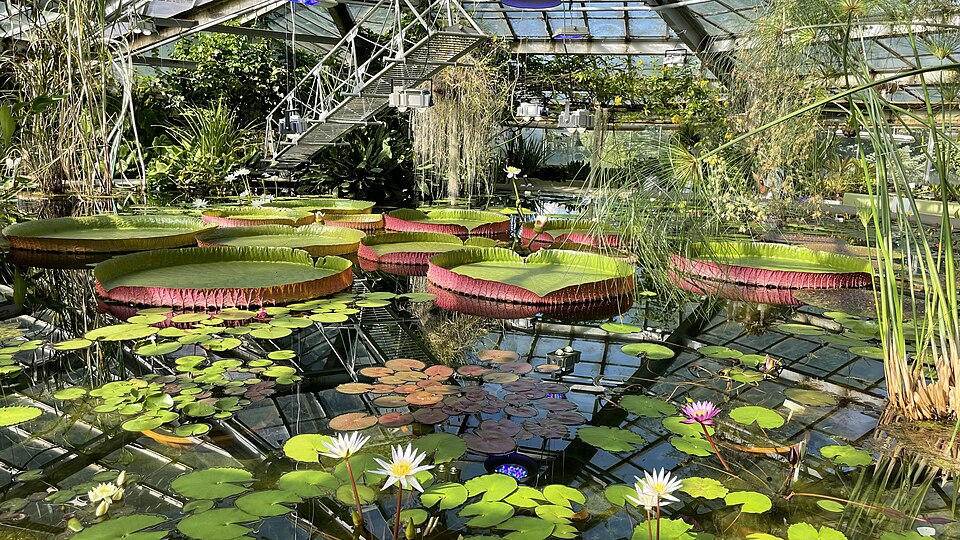
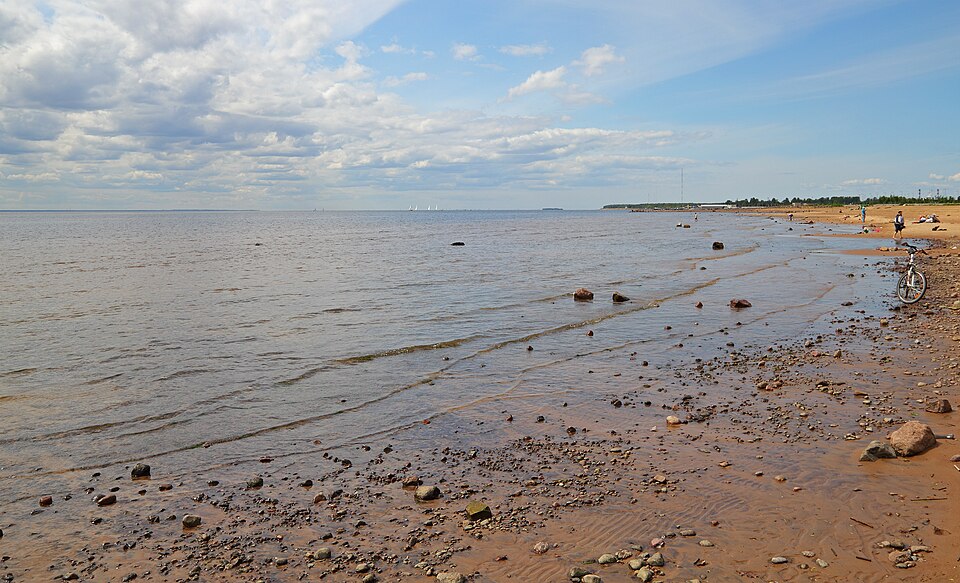
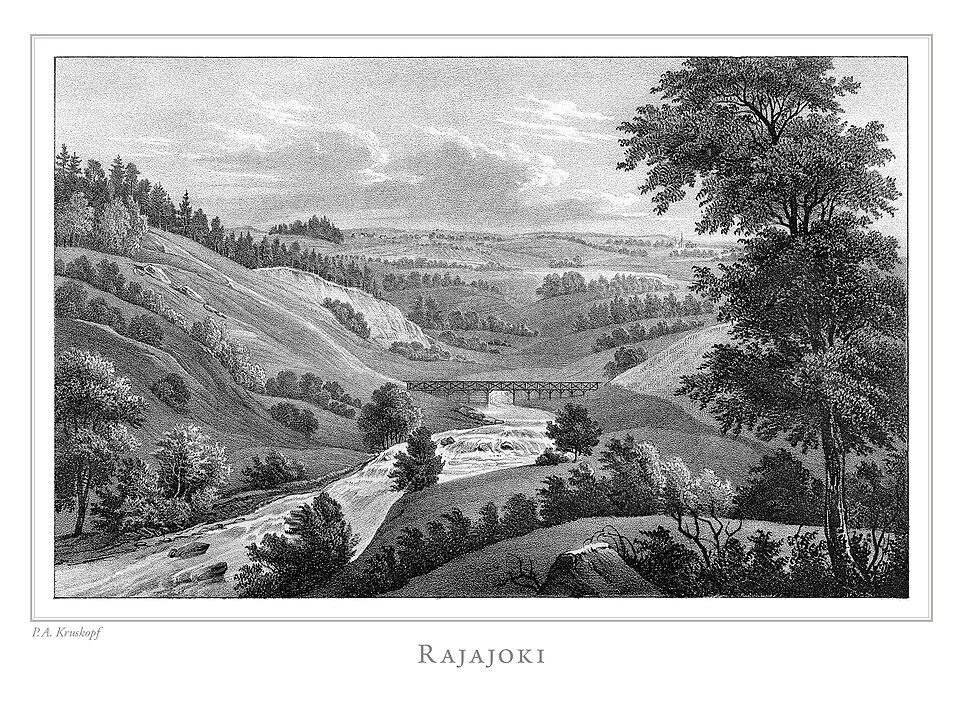
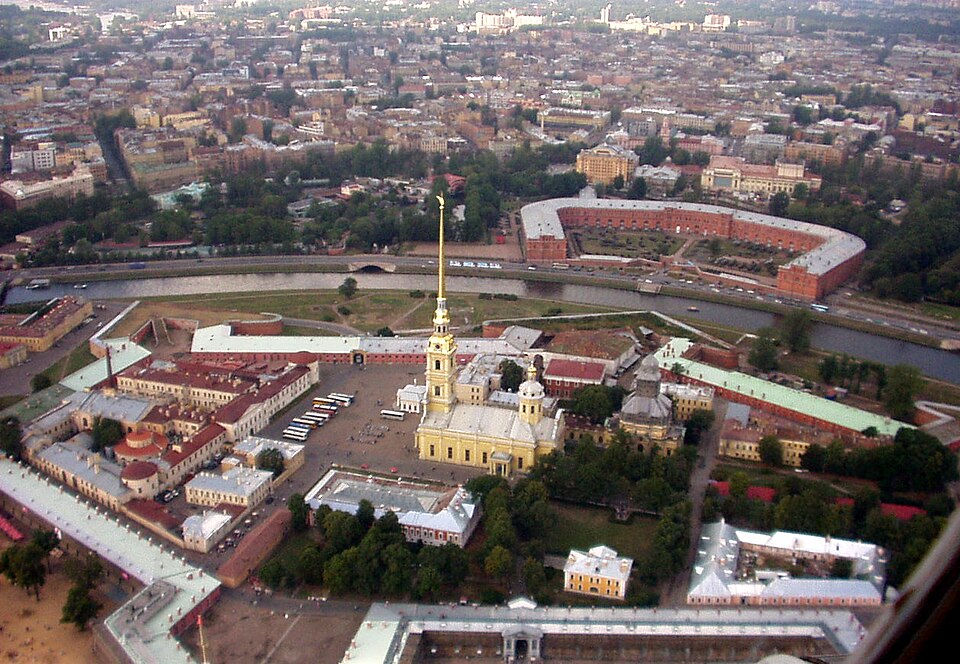
- Neva River · 1 km
- Summer Garden Park · 1 km
- New Holland Island Island · 3 km
- Krestovsky Island Island · 4 km
- Griboyedov Canal Canal · 2 km
Routes from OpenStreetMap via Waymarked Trails. Not checked by 4Planet: follow local signs and conditions.
Wildlife around Saint Petersburg
The wild animals people record most within 50 km, 2016–2025. Tick the ones you have seen to build your own list.


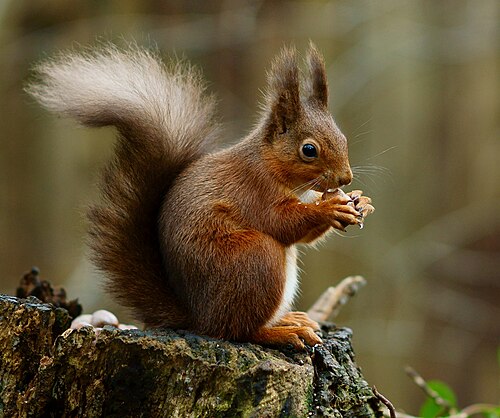

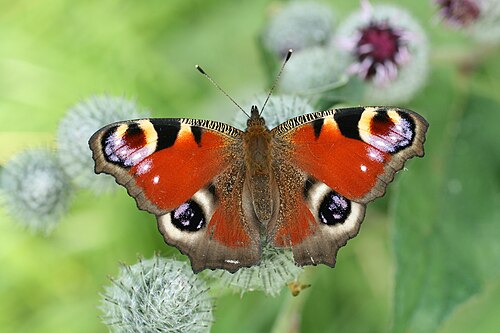
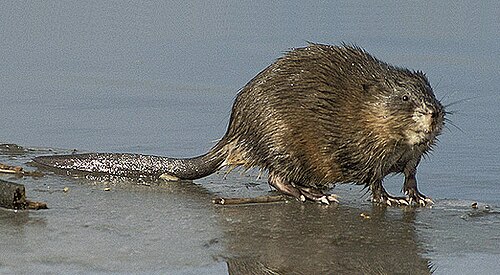


Seen in the last 30 days
What can you see near Saint Petersburg now?
Month by month, from 415,903 records people shared within 50 km, 2016–2025.
At their peak in January

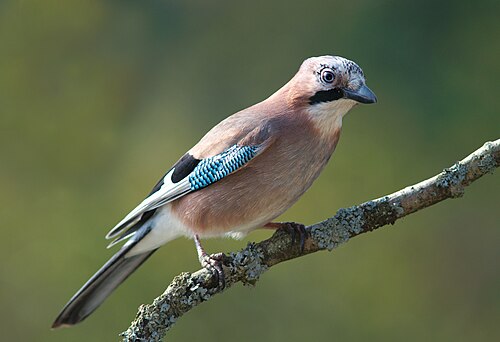


Most seen in January
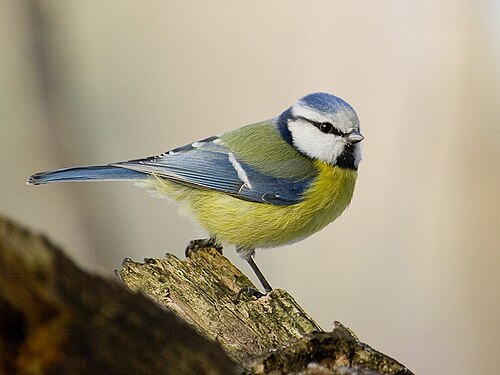
21,304 animal records in January.
At their peak in February
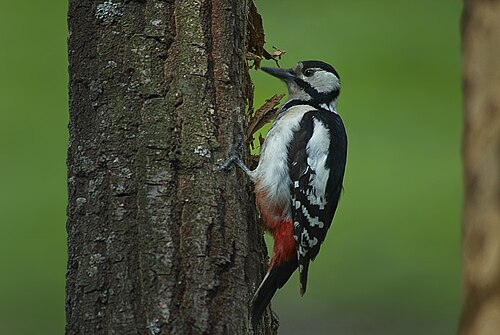

Most seen in February
21,701 animal records in February.
At their peak in March


Most seen in March
25,332 animal records in March.
At their peak in April

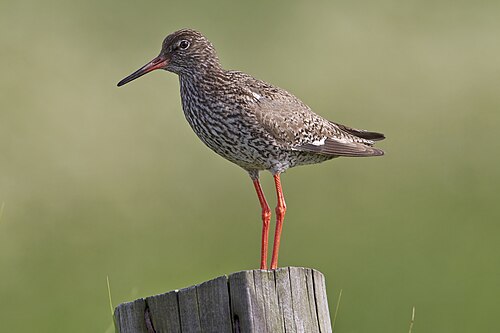


Most seen in April

Plants and fungi at their peak in April
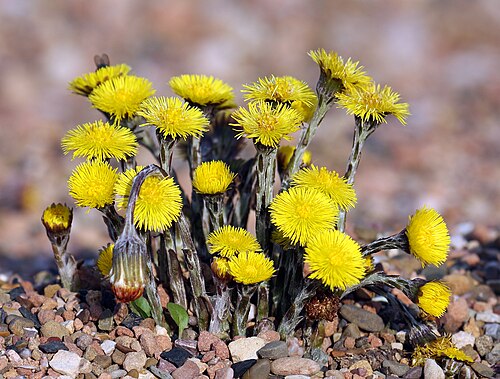


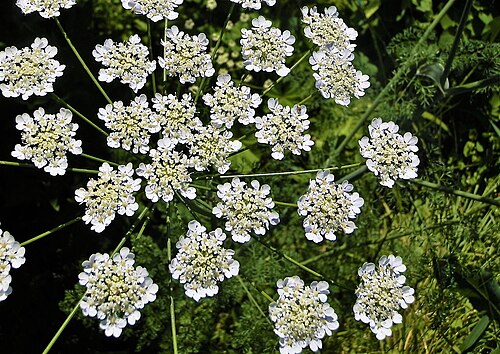
57,763 animal records in April.
At their peak in May

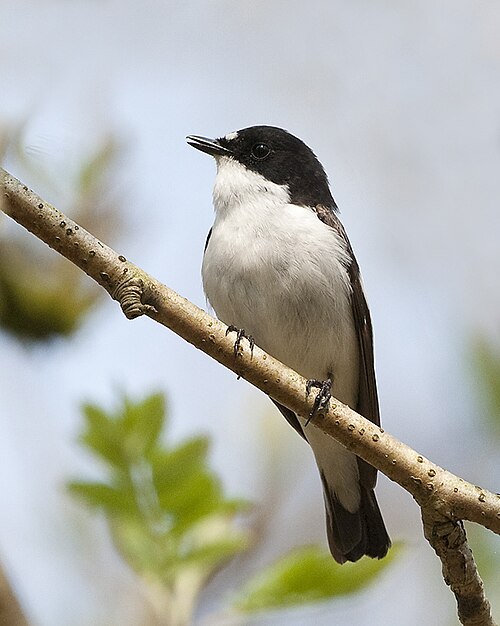


Most seen in May
Plants and fungi at their peak in May


72,541 animal records in May.
At their peak in June


Most seen in June

Plants and fungi at their peak in June
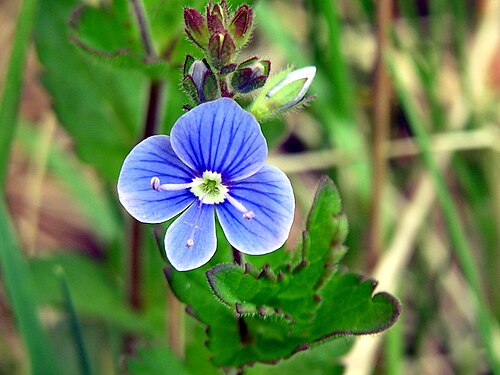


53,762 animal records in June.
At their peak in July


Most seen in July
Plants and fungi at their peak in July


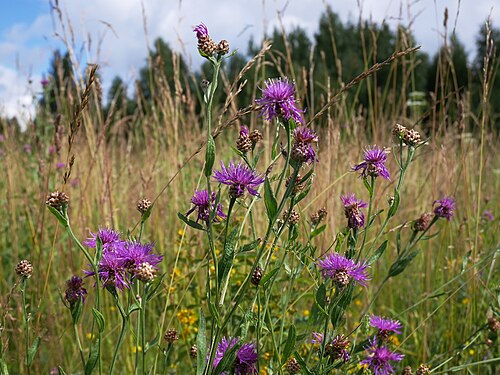
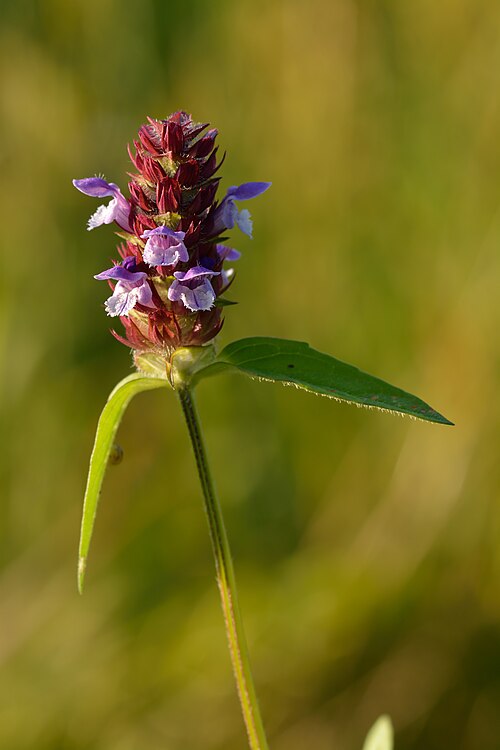
37,917 animal records in July.
At their peak in August

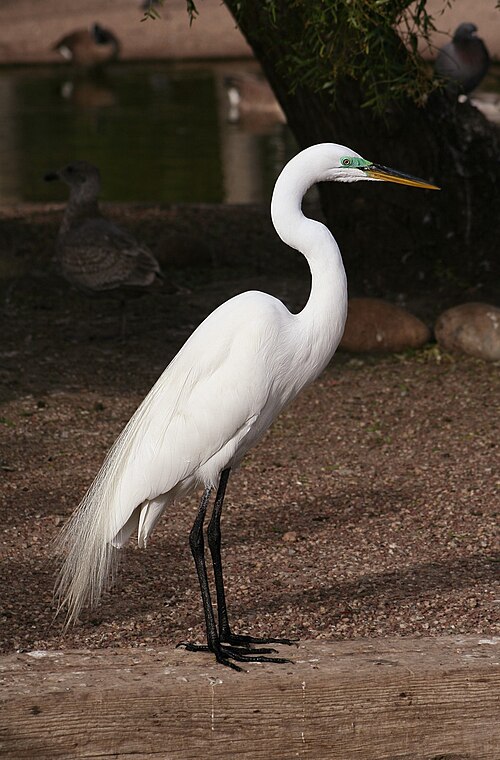

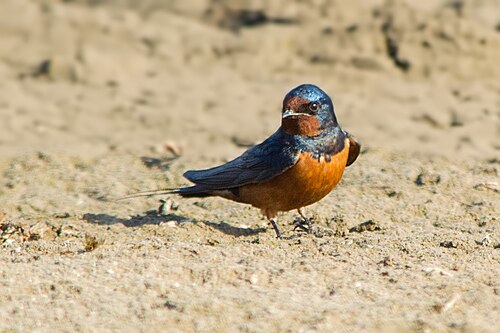
Most seen in August

Plants and fungi at their peak in August

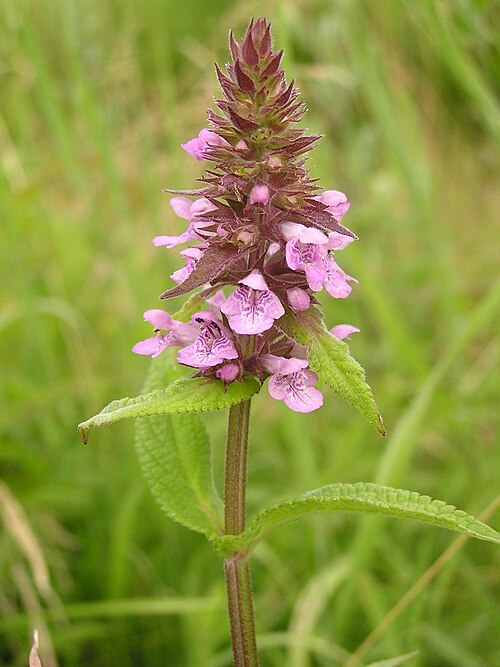
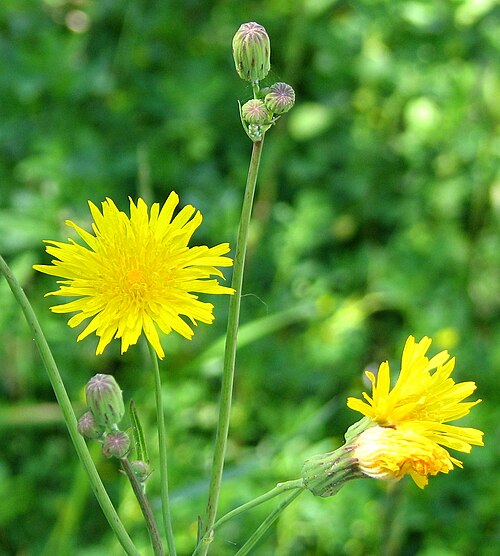
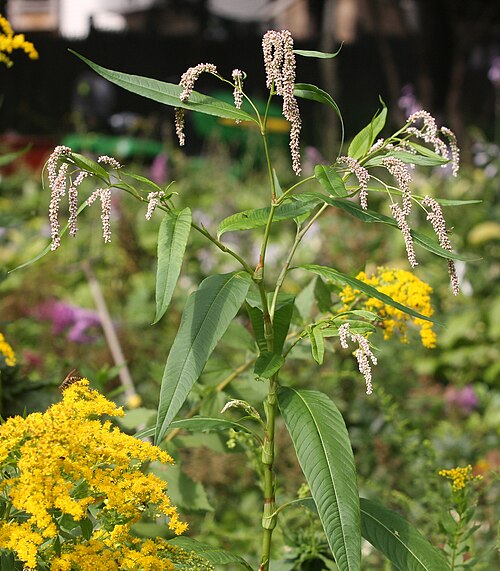
28,897 animal records in August.
At their peak in September

Most seen in September
Plants and fungi at their peak in September
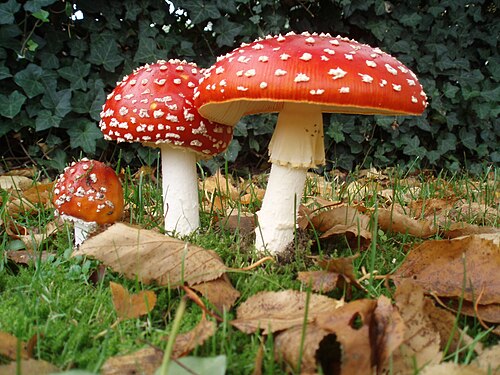
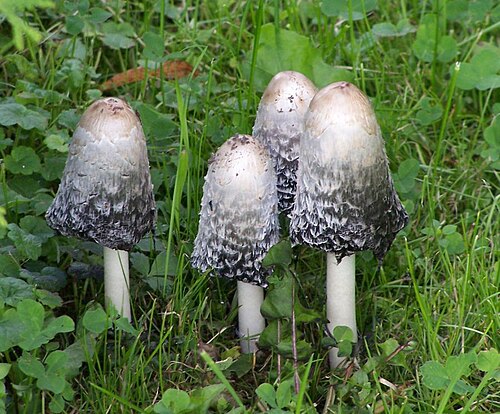
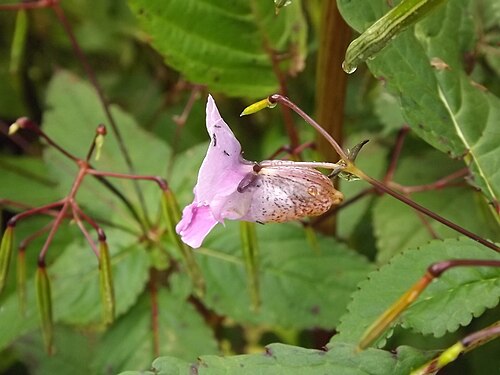
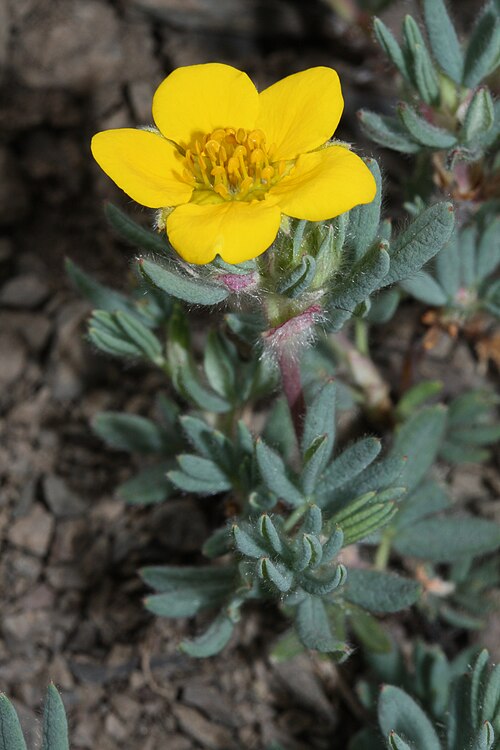
31,153 animal records in September.
At their peak in October
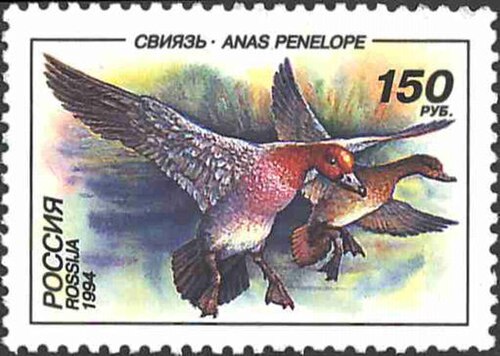
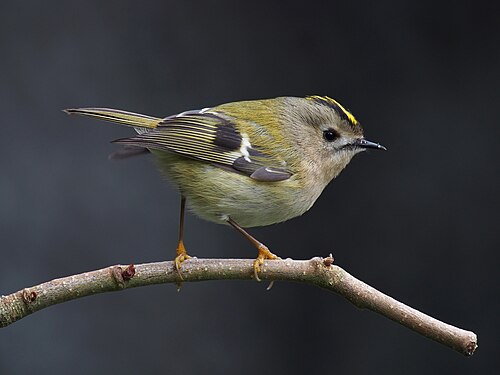
Most seen in October
Plants and fungi at their peak in October
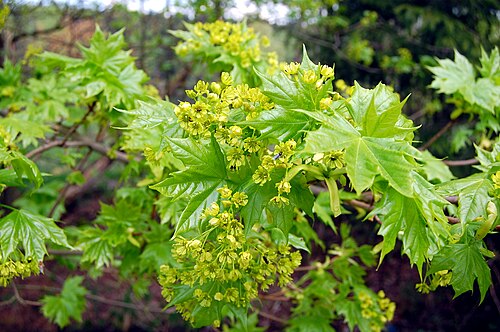
27,697 animal records in October.
At their peak in November
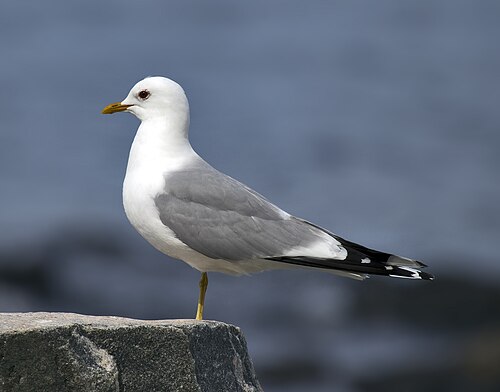


Most seen in November
21,397 animal records in November.
At their peak in December
Most seen in December
16,439 animal records in December.
Saint Petersburg is getting warmer
+1.4 °CAverage temperature around Saint Petersburg in 2016–2025, compared with 1981–1990.
Daylight: about 6 hours in December and 19 in June.
Seen something near Saint Petersburg?
Share a photo of it on iNaturalist. Other naturalists help name it, and confirmed records go to GBIF, where scientists use them. That is where the lists on this page come from.
Explore next
What puts Saint Petersburg under pressure, what helps, and who works on it.
Saint Petersburg on the living planet
More places near Saint Petersburg
Sources and photo credits
- Wikidata · Saint Petersburg (Q656), facts and nature places
- Wikipedia page views · how well known each nature place is
- OpenStreetMap contributors via Waymarked Trails · marked walking routes (ODbL)
- GBIF · human observations within 50 km, 2016–2025 (415,903 animal records)
- NASA POWER · yearly temperature from satellite and model data (MERRA-2)
- MET Norway · weather now (shown live)
- Saint Petersburg, Russia: Florstein (Telegram:WikiPhoto.Space), CC BY-SA 4.0
- Peterhof Palaces and complex, Saint Petersburg: Florstein (Telegram:WikiPhoto.Space), CC BY-SA 4.0
- Volga–Baltic Waterway, Saint Petersburg: Алексей Задонский, CC BY-SA 4.0
- Fontanka, Saint Petersburg: Vyacheslav Bukharov, CC BY-SA 4.0
- Moyka River, Saint Petersburg: Florstein (Telegram:WikiPhoto.Space), CC BY-SA 4.0
- Peter the Great Botanical Garden, Saint Petersburg: Afanasovich, CC BY-SA 4.0
- Neva Bay, Saint Petersburg: A.Savin, CC BY-SA 3.0
- Sestra, Saint Petersburg: Pehr Adolf Kruskopf, Public domain
- Zayachy Island, Saint Petersburg: Ssr, Public domain
- Hooded crow: Donald Hobern from Copenhagen, Denmark, CC BY 2.0
- Mallard: Rolf Dietrich Brecher from Germany, CC BY 2.0
- Great tit: Frank Vassen from Brussels, Belgium, CC BY 2.0
- Rock dove: william_stephens, CC BY 4.0
- Black-headed gull: Diliff, CC BY-SA 3.0
- Eurasian red squirrel: Peter Trimming, CC BY 2.0
- Small tortoiseshell: Bff, CC BY-SA 3.0
- Peacock: Korall, CC BY-SA 3.0
- Muskrat: David Menke, Public domain
- Common frog: Richard Bartz, Munich aka Makro Freak Image:MFB.jpg, CC BY-SA 2.5
- Vagrant darter: Jörg Hempel, CC BY-SA 3.0 de
- Azure damselfly: Charles J. Sharp, CC BY-SA 4.0
- Eurasian blue tit: Sławek Staszczuk, CC BY-SA 3.0
- Eurasian bullfinch: Francis Franklin, CC BY-SA 3.0
- Eurasian jay: Luc Viatour, CC BY-SA 3.0
- Eurasian nuthatch: Chme82, CC BY-SA 4.0
- Eurasian treecreeper: Ekytza, CC BY-SA 4.0
- Great spotted woodpecker: Плешков Алексей, CC BY-SA 3.0
- European greenfinch: Estormiz, CC0
- Redpoll: Jyrki Salmi from Finland, CC BY-SA 2.0
- Rook: Brian Snelson from Hockley, Essex, England, CC BY 2.0
- Eurasian chaffinch: Gilles San Martin from Namur, Belgium, CC BY-SA 2.0
- Redwing: Andreas Trepte, CC BY-SA 2.5
- Common redshank: Andreas Trepte, CC BY-SA 2.5
- Eurasian skylark: El Golli Mohamed, CC BY-SA 4.0
- Greater white-fronted goose: MPF, CC BY-SA 3.0
- Coltsfoot: Andreas Trepte, CC BY-SA 2.5
- Common dandelion: Walther Otto Müller, Public domain
- Wood anemone: W. Bulach, CC BY-SA 4.0
- Goutweed: Beko, CC BY-SA 4.0
- Willow warbler: Andreas Trepte, CC BY-SA 2.5
- European pied flycatcher: Mark Medcalf, CC BY 2.0
- Western yellow wagtail: Kathy2408, CC BY-SA 4.0
- Thrush nightingale: cheloVechek / talk, CC BY-SA 4.0
- Ground ivy: AnRo0002, CC0
- Marsh marigold: W. Bulach, CC BY-SA 4.0
- White wagtail: Jac. Janssen from BAARLO LB, NL, CC BY 2.0
- Common whitethroat: Steve Garvie from Dunfermline, Fife, Scotland, CC BY-SA 2.0
- Common swift: Alexis Lours, CC BY 4.0
- Sedge warbler: Billy Lindblom from Hallsberg, Sweden, CC BY 2.0
- Germander speedwell: Algirdas at Lithuanian Wikipedia, CC BY-SA 3.0
- Yellow flag: Jean-Jacques MILAN, CC BY-SA 3.0
- Garden lupin: W. Bulach, CC BY-SA 4.0
- Common tern: Alexis Lours, CC BY 4.0
- Whinchat: Artur Mikołajewski, CC BY 2.5
- Garden yellow loosestrife: Kristian Peters -- Fabelfroh 15:11, 26 September 2005 (UTC), CC BY-SA 3.0
- Chicory: Zeynel Cebeci, CC BY-SA 4.0
- Brown knapweed: cheloVechek / talk, CC BY-SA 4.0
- Heal-all: Ivar Leidus, CC BY-SA 3.0
- Great crested grebe: caroline legg, CC BY 2.0
- Grey heron: Bengt Nyman from Vaxholm, Sweden, CC BY 2.0
- Great egret: Calibas, CC BY-SA 3.0
- Great cormorant: Mathew Schwartz, CC BY 3.0
- Barn swallow: Morhaf Aljanee, CC BY-SA 3.0
- Purple loosestrife: Ivar Leidus, CC BY-SA 3.0
- Marsh woundwort: Michael Becker, CC BY-SA 3.0
- Umbellate hawkweed: D. Gordon E. Robertson, CC BY-SA 3.0
- Curlytop knotweed: Hardyplants at English Wikipedia, Public domain
- Common ringed plover: óskar elías sigurðsson, CC BY 2.0
- Fly agaric: Onderwijsgek, CC BY-SA 3.0 nl
- Lawyer's wig: A. Uciechowska, CC BY-SA 3.0
- Himalayan balsam: Guptaele, CC BY-SA 4.0
- Shrubby cinquefoil: Walter Siegmund (talk), CC BY-SA 3.0
- Eurasian wigeon: Почта России, Public domain
- Goldcrest: Francis C. Franklin, CC BY-SA 3.0
- Norway maple: Rabensteiner, CC BY 3.0
- Common gull: Andreas Trepte, CC BY-SA 2.5
- Willow tit: keith gallie from Warrington, UK, CC BY 2.0
- Black-throated loon: Robert Bergman, Public domain
- Bohemian waxwing: Frank Vassen from Brussels, Belgium, CC BY 2.0


Wildlife records show where people have seen and shared plants and animals, not everything that lives here; some places and months are recorded more than others. Sensitive species are never shown with a month or as seen recently. Routes come from OpenStreetMap and are not checked by 4Planet: follow local signs and conditions. Climate figures are NASA estimates for the area around Saint Petersburg, not a single weather station.
Checked 2026-11-24.