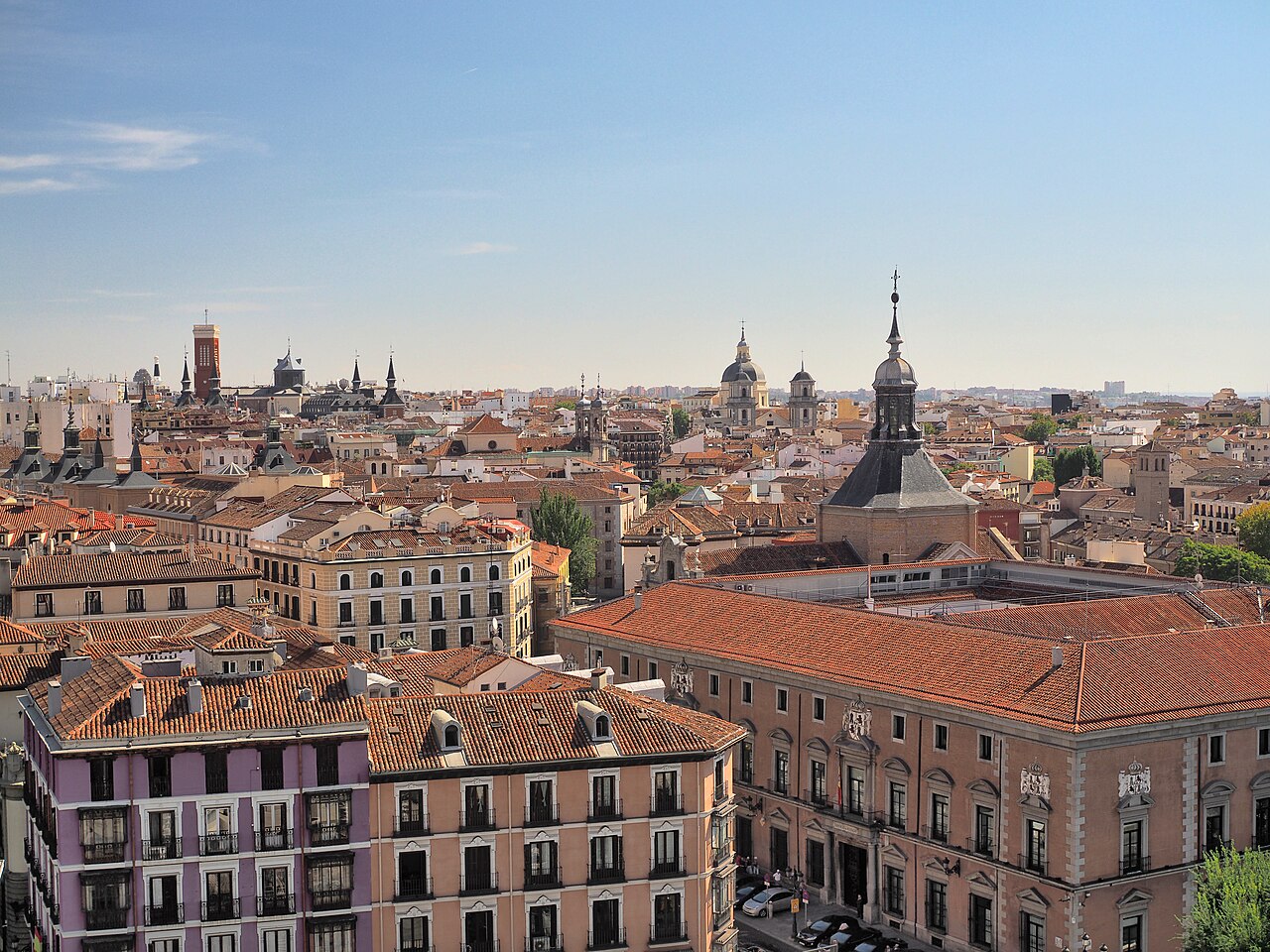
Madrid
Capital of Spain
Within 30 km of the centre of Madrid, the nature places people read about most are Meseta, Manzanares, Casa de Campo Park and Cerro de los Ángeles, and marked walks close to the city include Senda de las Esculturas, Ruta Saludable 13 - Fuencarral and Senda del Espartal.
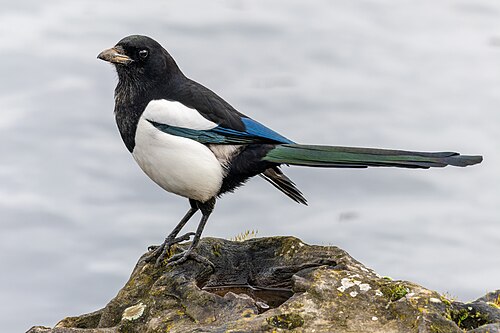
People have shared 3,244,719 wildlife records within 50 km of Madrid in the last ten years. The wild animals recorded most often are the Eurasian magpie, the common wood pigeon, the common blackbird, the house sparrow and the spotless starling. Since the 1980s the area has become about 1.2 °C warmer.
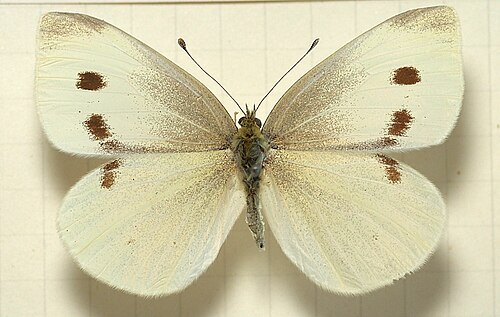
Of the 93 cities on Atlas, Madrid has the 14th most wildlife records shared within 50 km. Among the animals people record most around Madrid, the small copper and the natterjack toad appear on no other city page here.
- Country
- Spain
- Population
- 3.5 million
- Area
- 604 km²
- Elevation
- 663 m
- Currency
- Euro
- Daylight
- 9 to 15 hours
Figures from Wikidata; population 2025.
Madrid on the map
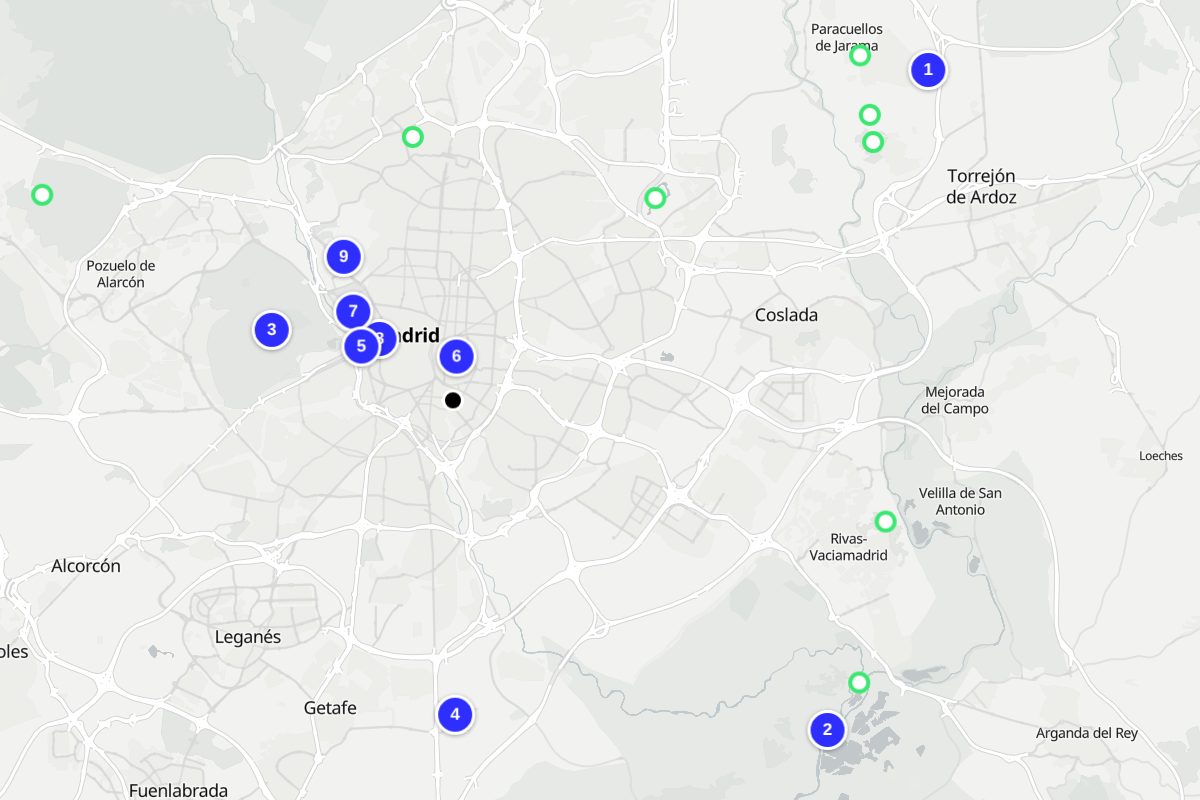
Numbers match the places below. Map: © OpenStreetMap contributors, OpenFreeMap.
- Meseta
- Manzanares
- Casa de Campo Park
- Cerro de los Ángeles
- Madrid Río
- El Retiro Park
- Parque del Oeste
- Sabatini Gardens
- University City of Madrid
Nature close to Madrid
The places people read most about, from the centre outwards.


- Cerro de los Ángeles Outlier · 10 km
- University City of Madrid Historic ensemble · 6 km
- Monte de El Pardo Natura 2000 site · 18 km
Marked walks
- Senda de las Esculturas10.4 km round trip · 9 km from the centre
- Ruta Saludable 13 - Fuencarral4.7 km · 9 km from the centre · marked by Ayuntamiento de Madrid
- Senda del Espartal3.5 km round trip · 15 km from the centre
- Senda Botánica del Aroyo de Vagrande1.7 km round trip · 15 km from the centre · marked by Ayntamient de Majadahonda
- Senda del Soto de las Juntas4.3 km round trip · 16 km from the centre
- El Pinar de Los Berrocales3.5 km round trip · 16 km from the centre · marked by FMM
- Los Valles y Las Peñuelas7.2 km round trip · 17 km from the centre · marked by FMM
- Circular de Paracuellos de Jarama19 km round trip · 18 km from the centre · marked by FMM
Long-distance trails through the area: Ruta Jacobea Madrileña (319 km), Camino Santiaguista de Uclés (137 km).
Routes from OpenStreetMap via Waymarked Trails. Not checked by 4Planet: follow local signs and conditions.
Wildlife around Madrid
The wild animals people record most within 50 km, 2016–2025. Tick the ones you have seen to build your own list.





Seen in the last 30 days
What can you see near Madrid now?
Month by month, from 3,244,719 records people shared within 50 km, 2016–2025.
At their peak in January


Most seen in January
262,046 animal records in January.
At their peak in February

Most seen in February
Plants and fungi at their peak in February
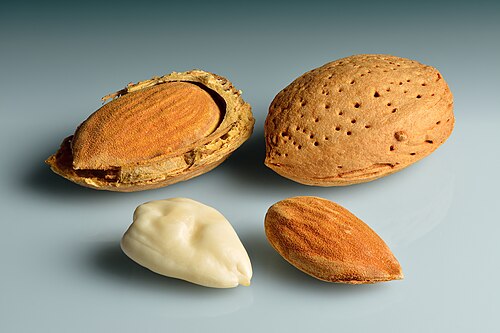
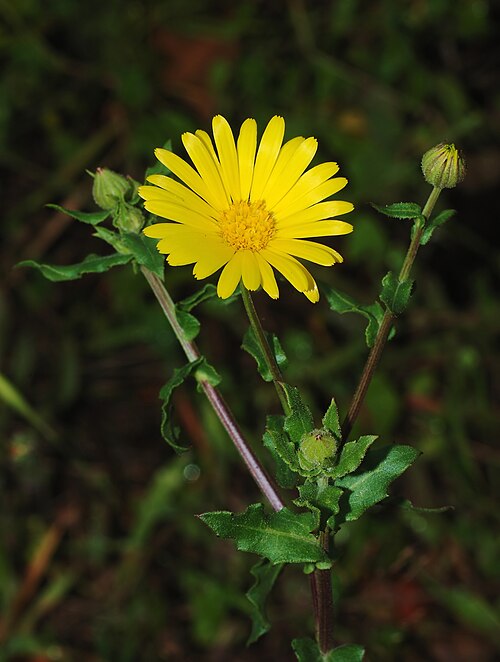

285,376 animal records in February.
At their peak in March

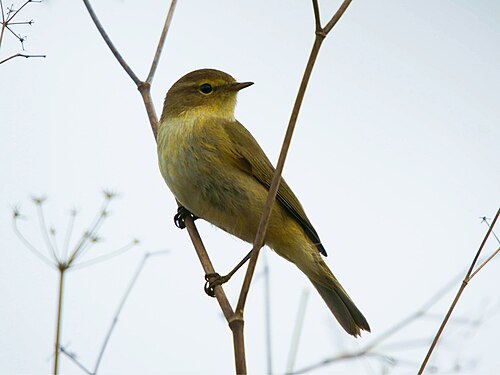


Most seen in March
Plants and fungi at their peak in March


336,262 animal records in March.
At their peak in April

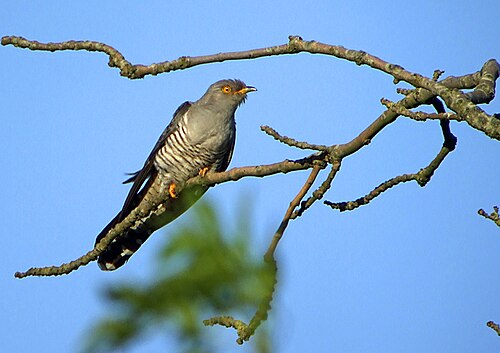
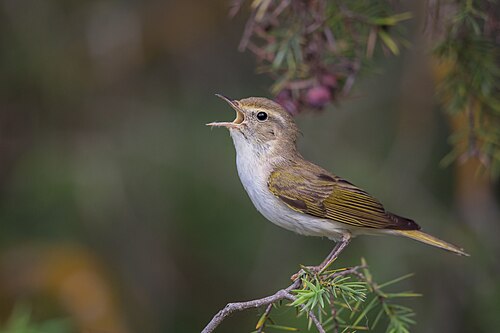
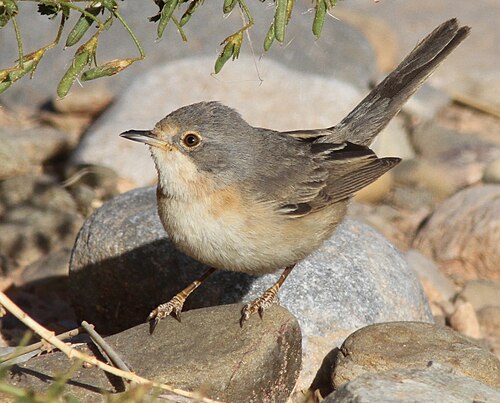
Most seen in April
Plants and fungi at their peak in April

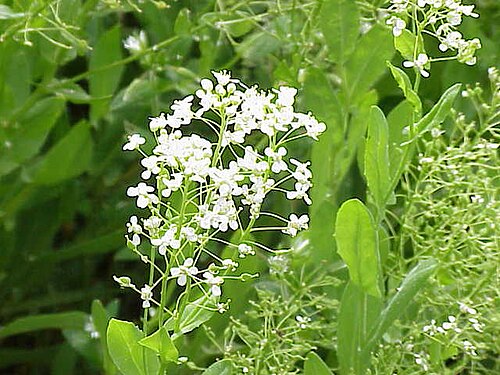


394,126 animal records in April.
At their peak in May


Most seen in May
Plants and fungi at their peak in May

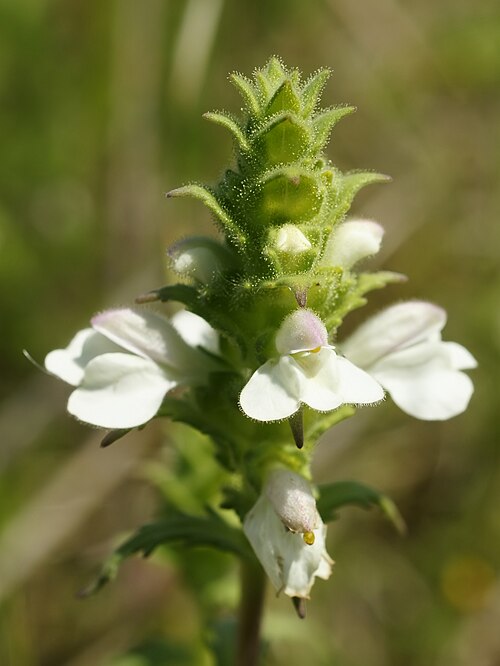


365,531 animal records in May.
At their peak in June
Most seen in June
Plants and fungi at their peak in June


247,496 animal records in June.
At their peak in July


Most seen in July
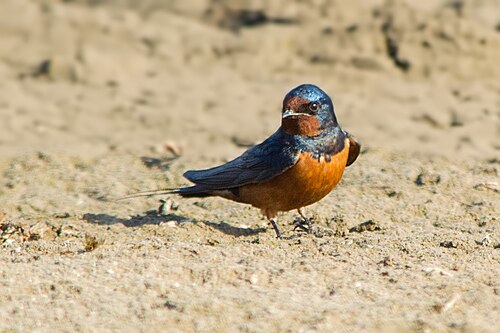
Plants and fungi at their peak in July


184,422 animal records in July.
At their peak in August

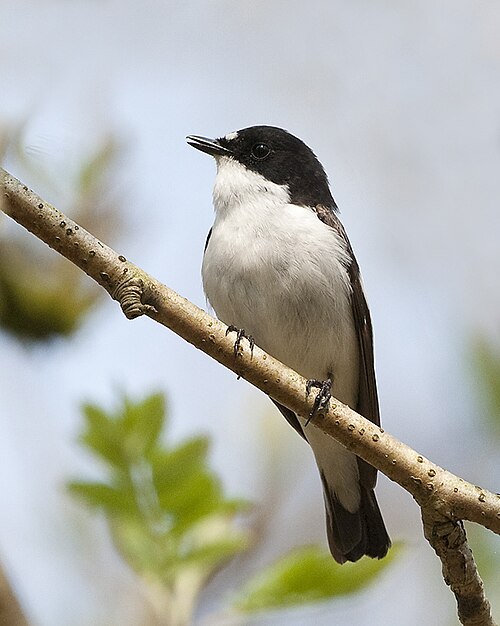

Most seen in August
Plants and fungi at their peak in August


184,027 animal records in August.
At their peak in September

Most seen in September
Plants and fungi at their peak in September


248,377 animal records in September.
At their peak in October


Most seen in October
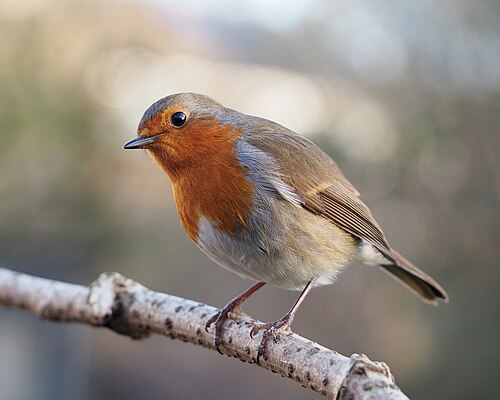
Plants and fungi at their peak in October
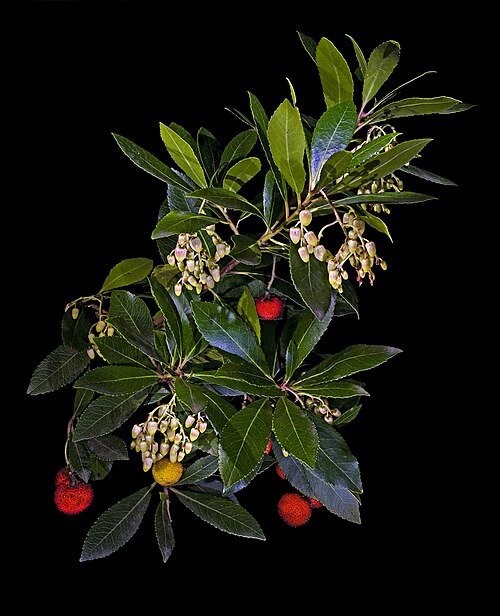
237,536 animal records in October.
At their peak in November
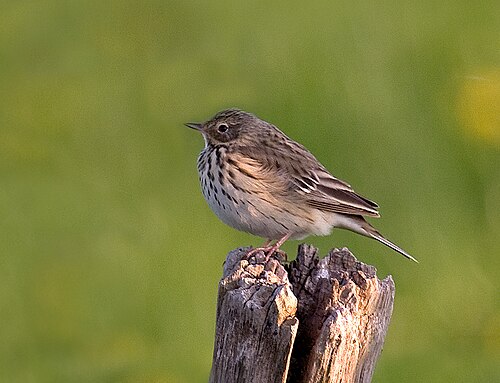

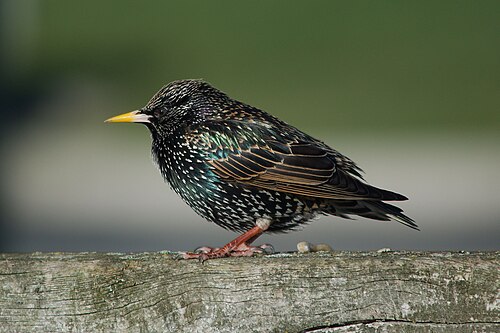
Most seen in November
Plants and fungi at their peak in November


243,166 animal records in November.
At their peak in December
Most seen in December
Plants and fungi at their peak in December


256,354 animal records in December.
Madrid is getting warmer
+1.2 °CAverage temperature around Madrid in 2016–2025, compared with 1981–1990.
Daylight: about 9 hours in December and 15 in June.
Seen something near Madrid?
Share a photo of it on iNaturalist. Other naturalists help name it, and confirmed records go to GBIF, where scientists use them. That is where the lists on this page come from.
Madrid on the living planet
More places near Madrid
Sources and photo credits
- Wikidata · Madrid (Q2807), facts and nature places
- Wikipedia page views · how well known each nature place is
- OpenStreetMap contributors via Waymarked Trails · marked walking routes (ODbL)
- GBIF · human observations within 50 km, 2016–2025 (3,244,719 animal records)
- NASA POWER · yearly temperature from satellite and model data (MERRA-2)
- MET Norway · weather now (shown live)
- Natural Earth · populated place 1159151503, public domain
- Madrid, Spain: Dmitry Dzhus from London, CC BY 2.0
- Meseta, Madrid: Rastrojo (D•ES), CC BY-SA 3.0
- Manzanares, Madrid: Jorge Tomé Hernando from Manzanares El Real, Spain, CC BY-SA 2.0
- Casa de Campo Park, Madrid: Håkan Svensson Xauxa, CC BY 2.5
- Madrid Río, Madrid: Nicolas Vigier, CC0
- El Retiro Park, Madrid: pictures Jettcom, CC BY 3.0
- Parque del Oeste, Madrid: Manuel Martín Vicente, CC BY 2.0
- Sabatini Gardens, Madrid: r0x sm, CC BY-SA 2.0
- Campo del Moro, Madrid: Bjaglin from Sweden, CC BY 2.0
- Eurasian magpie: Alexis Lours, CC BY 4.0
- Common wood pigeon: Don Loarie, CC BY 4.0
- Common blackbird: Hobbyfotowiki, CC0
- House sparrow: Rhododendrites, CC BY-SA 4.0
- Spotless starling: Peterwchen, CC BY-SA 4.0
- European rabbit: JJ Harrison, CC BY-SA 3.0
- Small copper: Judy Gallagher, CC BY 2.0
- Small white: Sarefo, CC BY-SA 3.0
- Natterjack toad: Christian Fischer, CC BY-SA 3.0
- Moorish gecko: Bernard DUPONT from FRANCE, CC BY-SA 2.0
- Large psammodromus: Júlio Reis, CC BY-SA 3.0
- Perez's frog: David Perez, CC BY 3.0
- Black-headed gull: Diliff, CC BY-SA 3.0
- Reed bunting: MPF, CC BY-SA 4.0
- Redwing: Andreas Trepte, CC BY-SA 2.5
- Tufted duck: Alexis Lours, CC BY 4.0
- Common crane: Andreas Eichler, CC BY-SA 4.0
- Almond: Ivar Leidus, CC BY-SA 4.0
- Field marigold: Alvesgaspar, CC BY-SA 3.0
- Alfilaria: Ivar Leidus, CC BY-SA 4.0
- Great spotted cuckoo: Yathin S Krishnappa, CC BY-SA 3.0
- Iberian chiffchaff: ferran pestaña, CC BY-SA 2.0
- Garganey: Ferran Pestaña from Barcelona, España, CC BY-SA 2.0
- Northern pintail: Frank Schulenburg, CC BY-SA 4.0
- Sun spurge: Kızıl, CC BY-SA 4.0
- Angel's-tears: flickr-user spacepleb (Dave Gough), CC BY 2.0
- Common nightingale: Արարատ Թրվանց, CC BY-SA 4.0
- Common cuckoo: GabrielBuissart, CC BY-SA 3.0
- Western Bonelli's warbler: Kookaburra 81, CC BY-SA 4.0
- Western subalpine warbler: Gary L. Clark, CC BY-SA 4.0
- Early-purple orchid: Ivar Leidus, CC BY-SA 4.0
- Hoary cress: Kurt Stüber [1], CC BY-SA 3.0
- Blue lupine: Giuseppe Frizzi, Public domain
- Pink-butterfly orchid: Hans Hillewaert, CC BY-SA 3.0
- Common swift: Alexis Lours, CC BY 4.0
- Eurasian golden oriole: Michel Idre from Plaisance du Touch, France, CC BY 2.0
- Melodious warbler: Alexis Lours, CC BY 4.0
- Opium poppy: tanja niggendijker from apeldoorn, the netherlands, CC BY 2.0
- Mediterranean lineseed: Hans Hillewaert, CC BY-SA 3.0
- Common andryala: Javier martin, Public domain
- Corn poppy: Jörg Hempel, CC BY-SA 2.5
- Golden thistle: Riad Salih, CC BY 4.0
- Hare's-foot plantain: Hans Hillewaert, CC BY-SA 3.0
- Field bindweed: W. Bulach, CC BY-SA 4.0
- Hoary mullein: Didier Descouens, CC BY-SA 4.0
- Barn swallow: Morhaf Aljanee, CC BY-SA 3.0
- Common house martin: MPF, CC BY 2.5
- European bee-eater: Петро Катеринич, CC BY 4.0
- Field eryngo: Bernd Haynold, CC BY-SA 2.5
- Oleander: Alvesgaspar, CC BY 2.5
- European heliotrope: Magnus Manske, CC BY-SA 3.0
- Eurasian reed warbler: Ron Knight, CC BY 2.0
- European pied flycatcher: Mark Medcalf, CC BY 2.0
- Willow warbler: Andreas Trepte, CC BY-SA 2.5
- Italian stone pine: Livioandronico2013, CC BY-SA 4.0
- Narrow-leaved ash: Luis Fernández García, CC BY-SA 4.0
- Tree of heaven: Darkone (talk · contribs), CC BY-SA 2.5
- Western yellow wagtail: Kathy2408, CC BY-SA 4.0
- False yellowhead: Javier martin, Public domain
- Squirting cucumber: Giuseppe Frizzi, Public domain
- European robin: Francis C. Franklin, CC BY-SA 3.0
- Eurasian blackcap: Ron Knight from Seaford, East Sussex, United Kingdom, CC BY 2.0
- Vestal: Joan Carles Hinojosa Galisteo, CC BY-SA 3.0
- Strawberry tree: Didier Descouens, CC BY-SA 4.0
- Meadow pipit: Andreas Trepte, CC BY-SA 2.5
- Eurasian siskin: Sławek Staszczuk (photoss [AT] hotmail.co.uk), CC BY-SA 3.0
- Common starling: marsupium photography, CC BY-SA 2.0
- Common orange lichen: Holger Krisp, CC BY 3.0
- Dwarf nettle: H. Zell, CC BY-SA 3.0
- Holm oak: Por los caminos de Málaga, CC BY 2.0
- Common gum cistus: Taken by Carsten Niehaus (user:Lumbar)., CC BY-SA 3.0
- Wild asparagus: Krzysztof Ziarnek, Kenraiz, CC BY-SA 4.0


Wildlife records show where people have seen and shared plants and animals, not everything that lives here; some places and months are recorded more than others. Sensitive species are never shown with a month or as seen recently. Routes come from OpenStreetMap and are not checked by 4Planet: follow local signs and conditions. Climate figures are NASA estimates for the area around Madrid, not a single weather station.
Checked 2026-11-20.