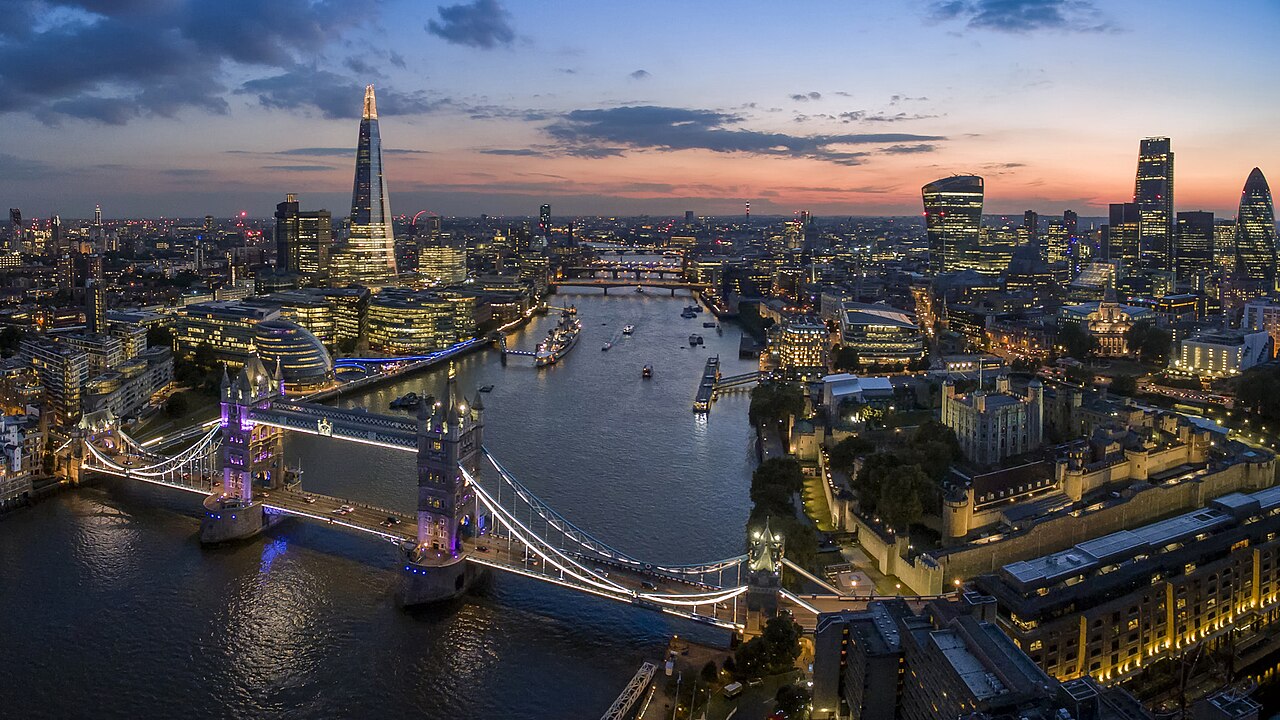
London
Capital and largest city of England and the United Kingdom
London: capital and largest city of England and the United Kingdom. Within 30 km of the centre, the nature places people read about most are Hyde Park, Kew Gardens, Hampstead Heath and Regent's Park, and marked walks close to the city include City of London Pedways, Diana Princess of Wales Memorial Walk and Belsize Walk.
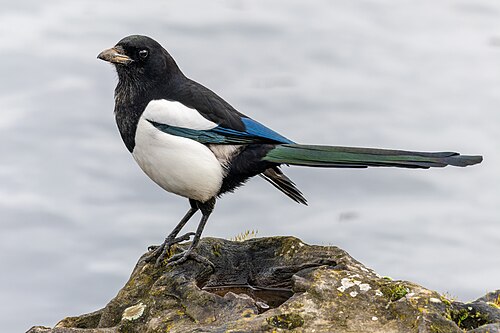
People have shared 8,922,229 wildlife records within 50 km of London in the last ten years. The wild animals recorded most often are the red fox, the common wood pigeon, the Eurasian magpie, the carrion crow and the European robin. Since the 1980s the area has become about 1.3 °C warmer.
Of the 93 cities on Atlas, London has the 4th most wildlife records shared within 50 km and the 14th most marked walks.
- Country
- United Kingdom
- Population
- 8.8 million
- Area
- 1,572 km²
- Elevation
- 4 m
- Currency
- Pound sterling
- Daylight
- 8 to 17 hours
Figures from Wikidata; population 2021.
London on the map
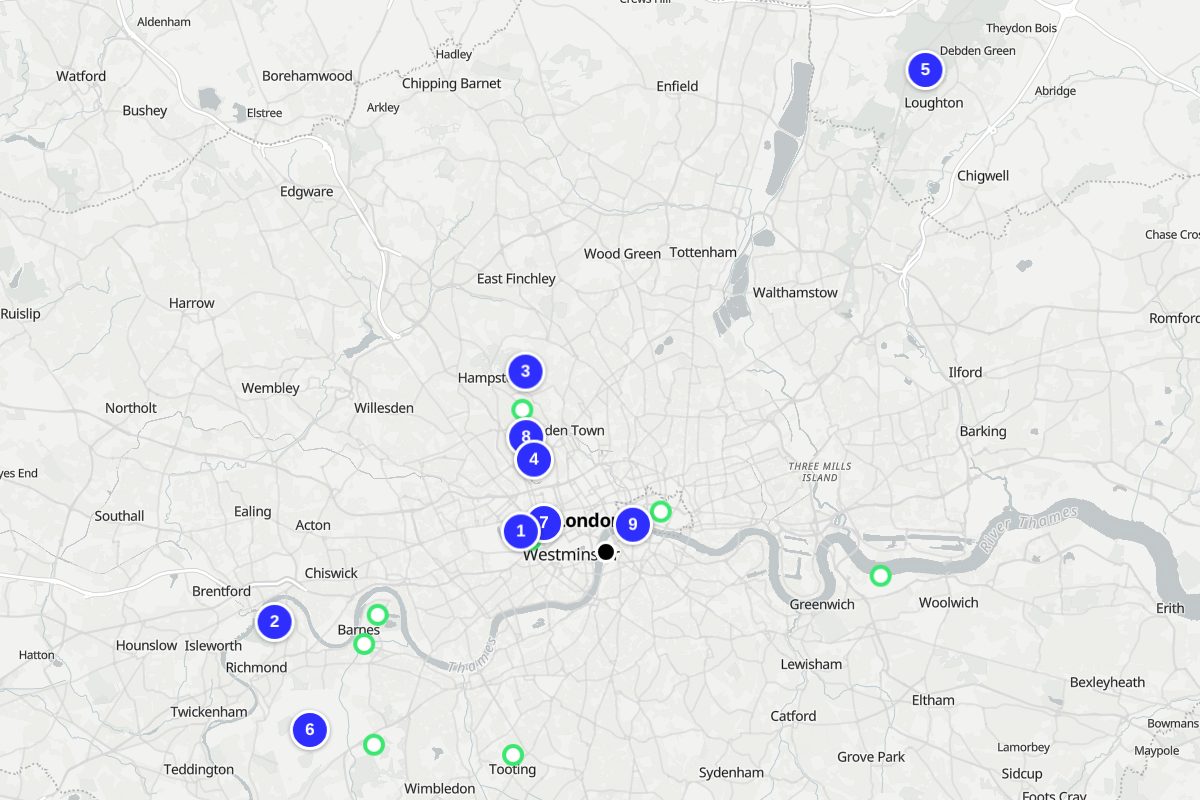
Numbers match the places below. Map: © OpenStreetMap contributors, OpenFreeMap.
- Hyde Park
- Kew Gardens
- Hampstead Heath
- Regent's Park
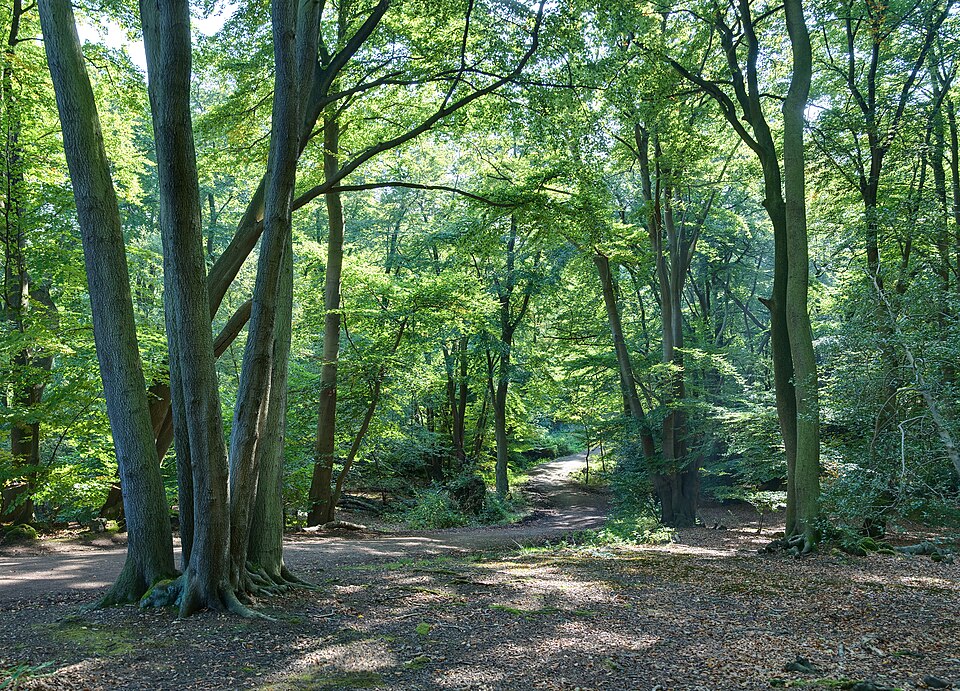
- Epping Forest
- Richmond Park
- Grosvenor Square
- Primrose Hill
- River Fleet
Nature close to London
The places people read most about, from the centre outwards.




Marked walks
- City of London Pedways6.8 km · 2 km from the centre · marked by City of London
- Diana Princess of Wales Memorial Walk11.4 km round trip · 3 km from the centre
- Belsize Walk4.5 km · 6 km from the centre
- Capital Ring (Section 05)8.9 km · 8 km from the centre · marked by London Borough of Lambeth;London Borough of Wandsworth;London Borough of Merton
- Barnes Trail Extension5.1 km round trip · 9 km from the centre
- Barnes Trail3.6 km round trip · 9 km from the centre
- Jubilee Greenway9.2 km · 10 km from the centre · marked by Greenwich Council
- Beverley Brook Walk11.6 km · 11 km from the centre
Long-distance trails through the area: England Coast Path (2,408 km), Greenwich Meridian Trail (396 km), Thames Path (316 km).
Routes from OpenStreetMap via Waymarked Trails. Not checked by 4Planet: follow local signs and conditions.
Wildlife around London
The wild animals people record most within 50 km, 2016–2025. Tick the ones you have seen to build your own list.



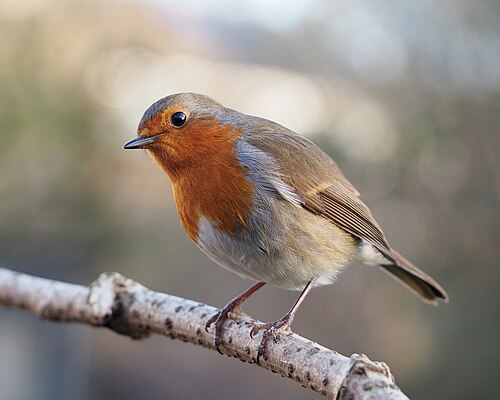
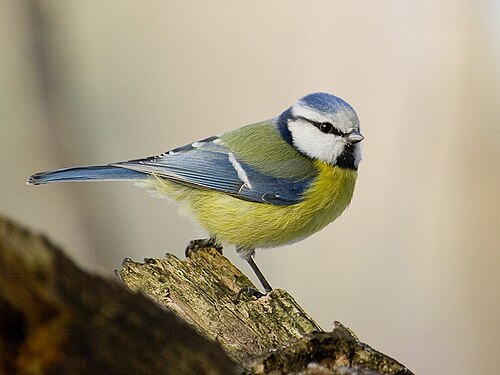

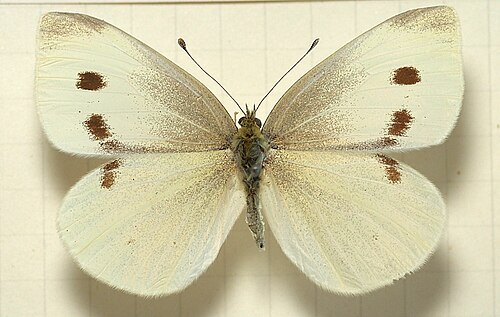
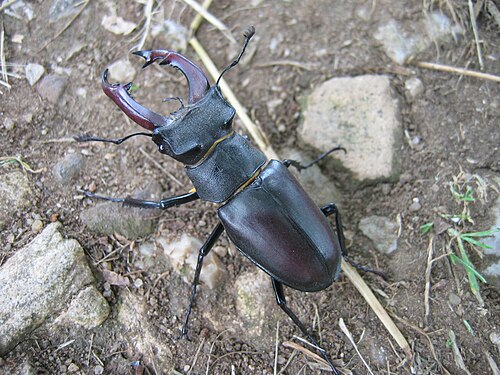

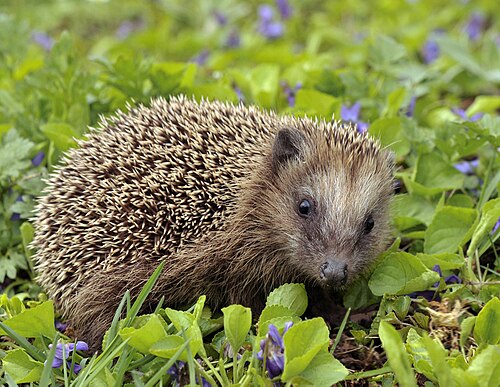
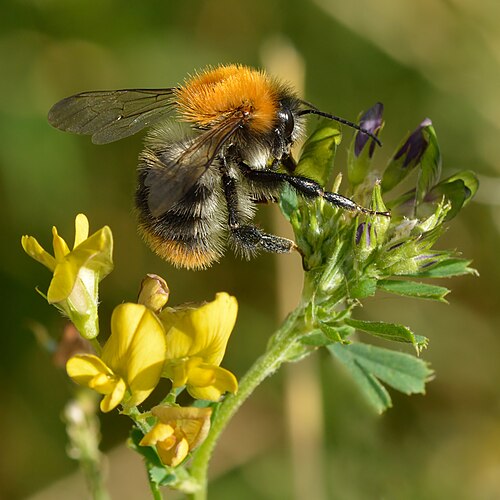
Seen in the last 30 days
What can you see near London now?
Month by month, from 8,922,229 records people shared within 50 km, 2016–2025.
At their peak in January

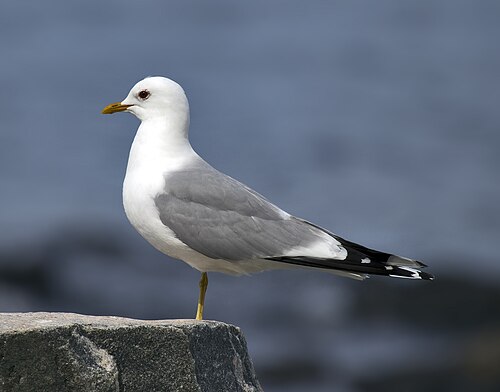

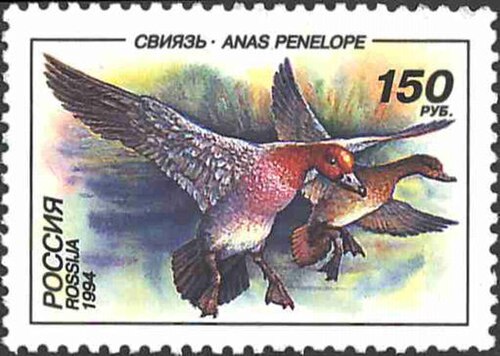
Most seen in January
Plants and fungi at their peak in January


607,506 animal records in January.
At their peak in February

Most seen in February
Plants and fungi at their peak in February


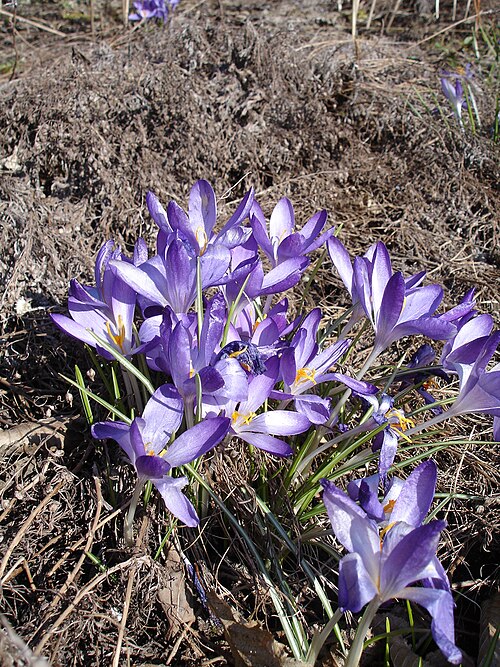
511,362 animal records in February.
At their peak in March


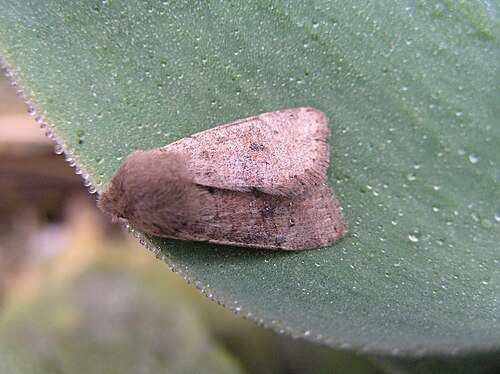
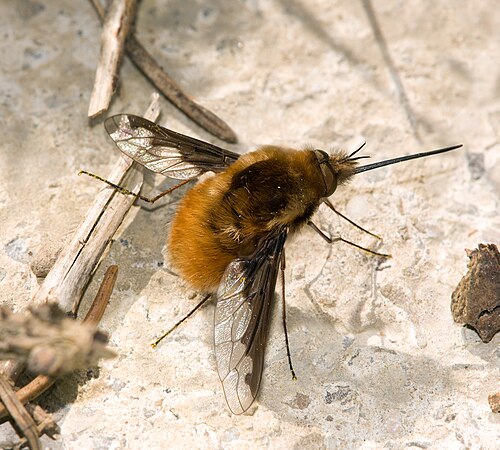
Most seen in March
Plants and fungi at their peak in March

697,398 animal records in March.
At their peak in April
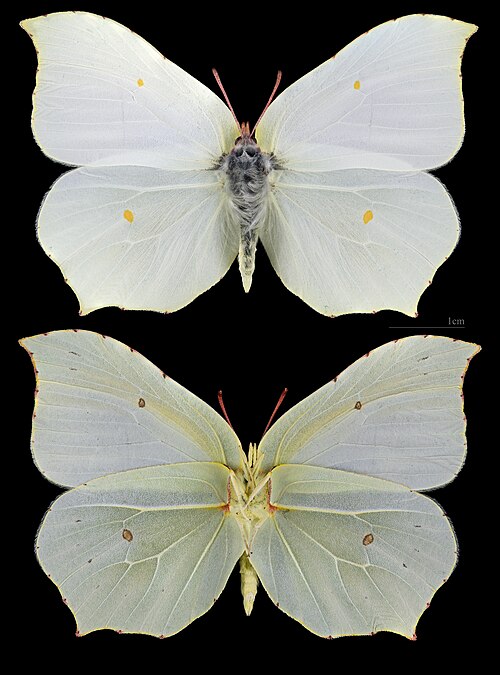

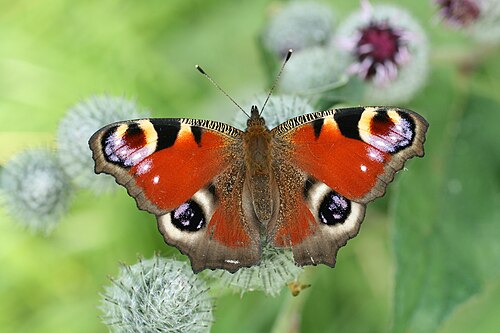
Most seen in April
Plants and fungi at their peak in April


939,520 animal records in April.
At their peak in May


Most seen in May
Plants and fungi at their peak in May
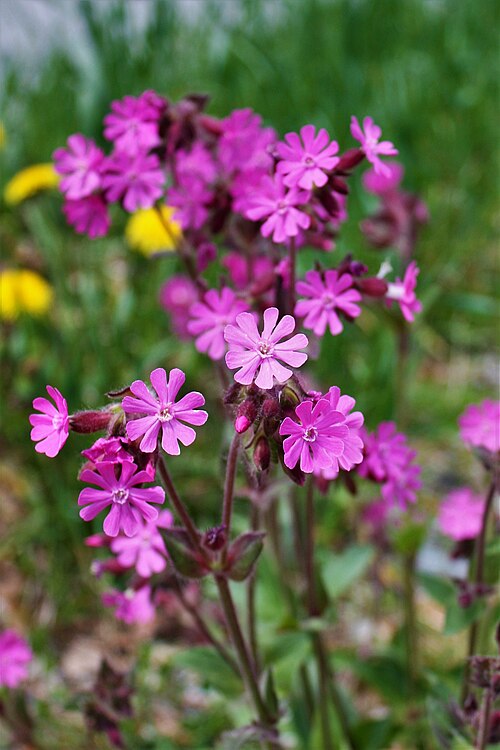


977,282 animal records in May.
At their peak in June


Most seen in June
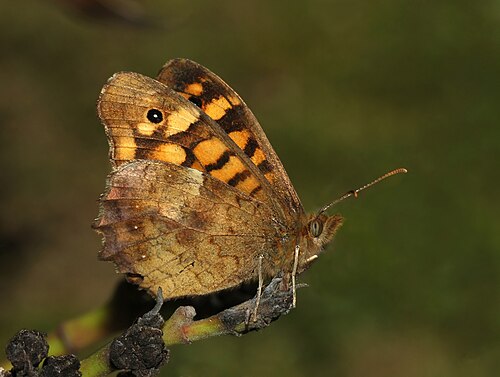
Plants and fungi at their peak in June

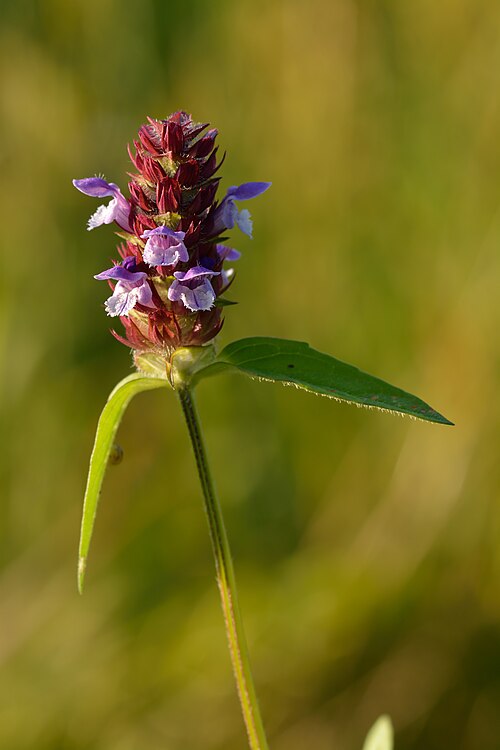

923,957 animal records in June.
At their peak in July


Most seen in July


Plants and fungi at their peak in July

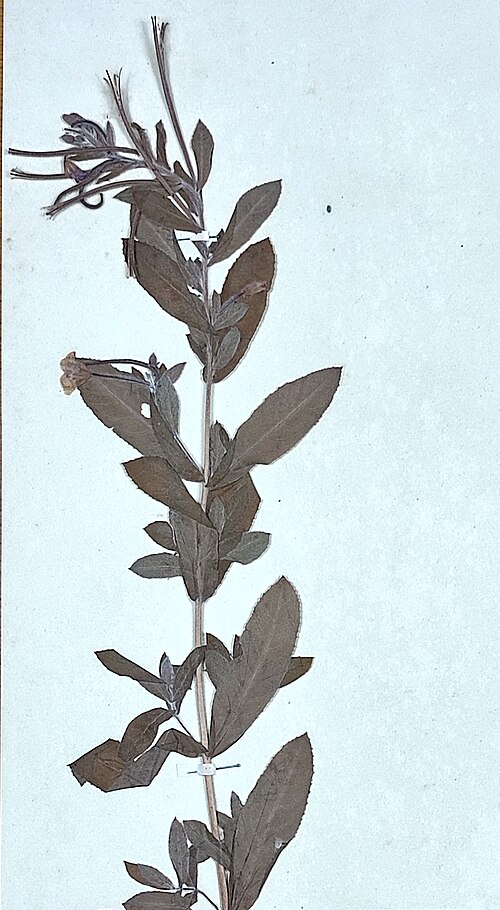

1,177,513 animal records in July.
At their peak in August


Most seen in August
Plants and fungi at their peak in August
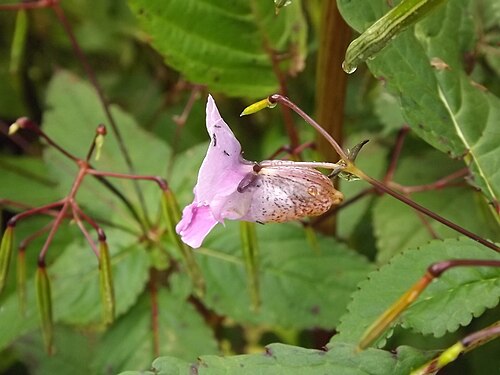


932,477 animal records in August.
At their peak in September


Most seen in September
Plants and fungi at their peak in September
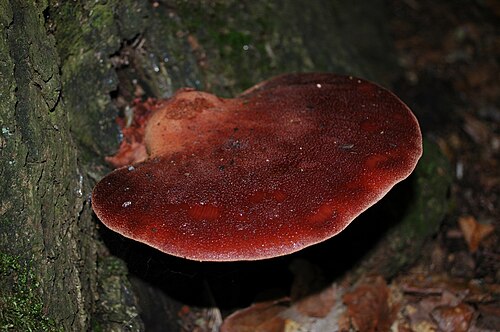


672,942 animal records in September.
At their peak in October
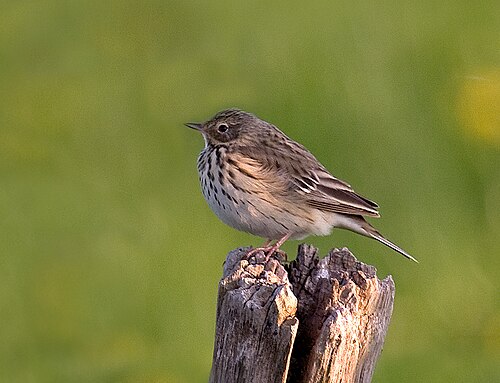

Most seen in October
Plants and fungi at their peak in October
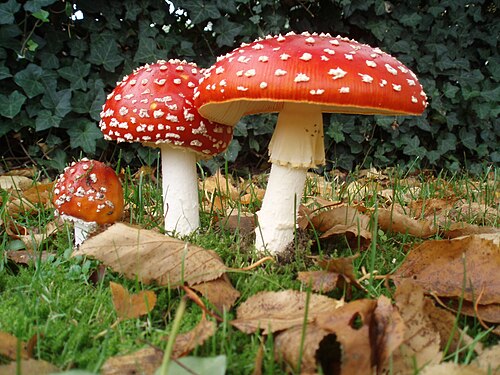
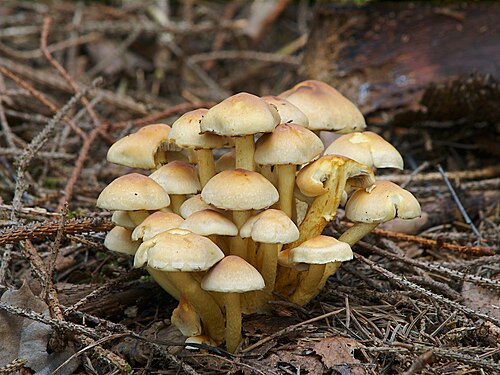

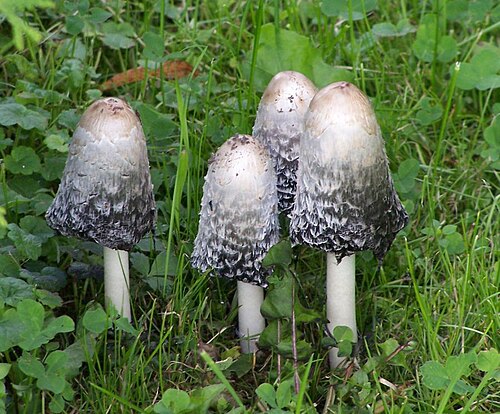
532,655 animal records in October.
At their peak in November
Most seen in November
Plants and fungi at their peak in November
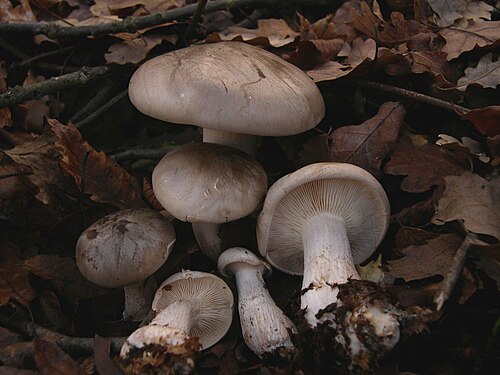
462,901 animal records in November.
London is getting warmer
+1.3 °CAverage temperature around London in 2016–2025, compared with 1981–1990.
Daylight: about 8 hours in December and 17 in June.
Seen something near London?
Share a photo of it on iNaturalist. Other naturalists help name it, and confirmed records go to GBIF, where scientists use them. That is where the lists on this page come from.
Explore next
What puts London under pressure, what helps, and who works on it.
London on the living planet
More places near London
Sources and photo credits
- Wikidata · London (Q84), facts and nature places
- Wikipedia page views · how well known each nature place is
- OpenStreetMap contributors via Waymarked Trails · marked walking routes (ODbL)
- GBIF · human observations within 50 km, 2016–2025 (8,922,229 animal records)
- NASA POWER · yearly temperature from satellite and model data (MERRA-2)
- MET Norway · weather now (shown live)
- Natural Earth · populated place 1159151577, public domain
- London, United Kingdom: Ilya Grigorik, CC BY-SA 3.0
- Hyde Park, London: Alvesgaspar, CC BY-SA 4.0
- Kew Gardens, London: Diliff, CC BY-SA 3.0
- Hampstead Heath, London: Sunil060902, CC BY-SA 3.0
- Regent's Park, London: Tom Page from London, UK, CC BY-SA 2.0
- Epping Forest, London: Diliff, CC BY-SA 3.0
- Richmond Park, London: Diliff, CC BY-SA 3.0
- Grosvenor Square, London: CVB, CC BY-SA 4.0
- Primrose Hill, London: Louise Ireland, CC BY-SA 2.0
- Red fox: ClaudiaTen, CC BY-SA 4.0
- Common wood pigeon: Don Loarie, CC BY 4.0
- Eurasian magpie: Alexis Lours, CC BY 4.0
- Carrion crow: Alexis Lours, CC BY 4.0
- European robin: Francis C. Franklin, CC BY-SA 3.0
- Eurasian blue tit: Sławek Staszczuk, CC BY-SA 3.0
- Meadow brown: James K. Lindsey, CC BY-SA 3.0
- Small white: Sarefo, CC BY-SA 3.0
- Stag beetle: No machine-readable author provided. Esv assumed (based on copyright claims)., Public domain
- Eastern gray squirrel: Dominic Nelson, CC BY-SA 4.0
- European hedgehog: Michael Gäbler, CC BY-SA 3.0
- Common carder bee: Ivar Leidus, CC BY-SA 4.0
- Redwing: Andreas Trepte, CC BY-SA 2.5
- Common gull: Andreas Trepte, CC BY-SA 2.5
- Fieldfare: Frankie Fouganthin, CC BY-SA 4.0
- Eurasian wigeon: Почта России, Public domain
- Common orange lichen: Holger Krisp, CC BY 3.0
- European mistletoe: George Chernilevsky, CC BY 4.0
- Red dead-nettle: Daniel J. Layton, CC BY-SA 4.0
- Eurasian siskin: Sławek Staszczuk (photoss [AT] hotmail.co.uk), CC BY-SA 3.0
- Lesser celandine: AnRo0002, CC0
- Sweet violet: AnRo0002, CC0
- Early crocus: Ulf Eliasson, CC BY 2.5
- Common quaker: Didier Descouens, CC BY-SA 4.0
- Hebrew character: Myself, CC BY 3.0
- Small quaker: Fvlamoen, CC BY-SA 3.0
- Bee fly: Richard Bartz, Munich aka Makro Freak, CC BY-SA 2.5
- Cuckoo pint: Johann Georg Sturm (Painter: Jacob Sturm), Public domain
- Brimstone: Didier Descouens, CC BY-SA 4.0
- Eurasian blackcap: Ron Knight from Seaford, East Sussex, United Kingdom, CC BY 2.0
- Peacock: Korall, CC BY-SA 3.0
- Green alkanet: Luis Fernández García, CC BY-SA 3.0
- Garlic mustard: O. Pichard, CC BY-SA 3.0
- Wild chervil: Asaspor, CC BY-SA 3.0
- Ground ivy: AnRo0002, CC0
- Common swift: Alexis Lours, CC BY 4.0
- Holly blue: Charles J. Sharp, CC BY-SA 4.0
- Common whitethroat: Steve Garvie from Dunfermline, Fife, Scotland, CC BY-SA 2.0
- Red campion: J. Patrick Fischer, CC BY-SA 3.0
- Germander speedwell: Didier Descouens, CC BY-SA 4.0
- Common vetch: Didier Descouens, CC BY-SA 4.0
- Yellow archangel: Teun Spaans, CC BY 2.5
- Speckled wood: Alvesgaspar, CC BY-SA 3.0
- Small heath: Didier Descouens, CC BY-SA 3.0
- Ringlet: Didier Descouens, CC BY-SA 4.0
- Marbled white: Didier Descouens, CC BY-SA 4.0
- Pyramidal orchid: Didier Descouens, CC BY-SA 4.0
- Heal-all: Ivar Leidus, CC BY-SA 3.0
- High mallow: Giuseppe Frizzi, Public domain
- Gatekeeper: Didier Descouens, CC BY-SA 4.0
- Large white: Didier Descouens, CC BY-SA 4.0
- Comma: Charles J. Sharp, CC BY-SA 4.0
- Red admiral: Toni Wöhrl, CC BY-SA 4.0
- Creeping thistle: AnRo0002, CC0
- Great willowherb: Giuseppe Frizzi, Public domain
- Common ragwort: Julie Anne Workman, CC BY-SA 3.0
- Common blue: Charles J. Sharp, CC BY-SA 4.0
- Green-veined white: Didier Descouens, CC BY-SA 4.0
- Himalayan balsam: Guptaele, CC BY-SA 4.0
- Purple loosestrife: Ivar Leidus, CC BY-SA 3.0
- Hemp agrimony: Burkhard Mücke, CC BY-SA 4.0
- Large yellow underwing: Ivar Leidus, CC BY-SA 4.0
- Small copper: Judy Gallagher, CC BY 2.0
- Beefsteak fungus: Jiří Berkovec, CC BY-SA 3.0
- Sowbread: PLAKLE, CC BY-SA 4.0
- Chicken of the woods: Rror, CC BY-SA 3.0
- Meadow pipit: Andreas Trepte, CC BY-SA 2.5
- European stonechat: Frank Vassen from Brussels, Belgium, CC BY 2.0
- Fly agaric: Onderwijsgek, CC BY-SA 3.0 nl
- Sulphur tuft: Jörg Hempel, CC BY-SA 2.0 de
- Amethyst deceiver: Luridiformis at en.wikipedia, CC BY 3.0
- Lawyer's wig: A. Uciechowska, CC BY-SA 3.0
- Clouded funnel: Archenzo, CC BY-SA 3.0


Wildlife records show where people have seen and shared plants and animals, not everything that lives here; some places and months are recorded more than others. Sensitive species are never shown with a month or as seen recently. Routes come from OpenStreetMap and are not checked by 4Planet: follow local signs and conditions. Climate figures are NASA estimates for the area around London, not a single weather station.
Checked 2026-11-20.