Lisbon
Municipality and capital city of Portugal
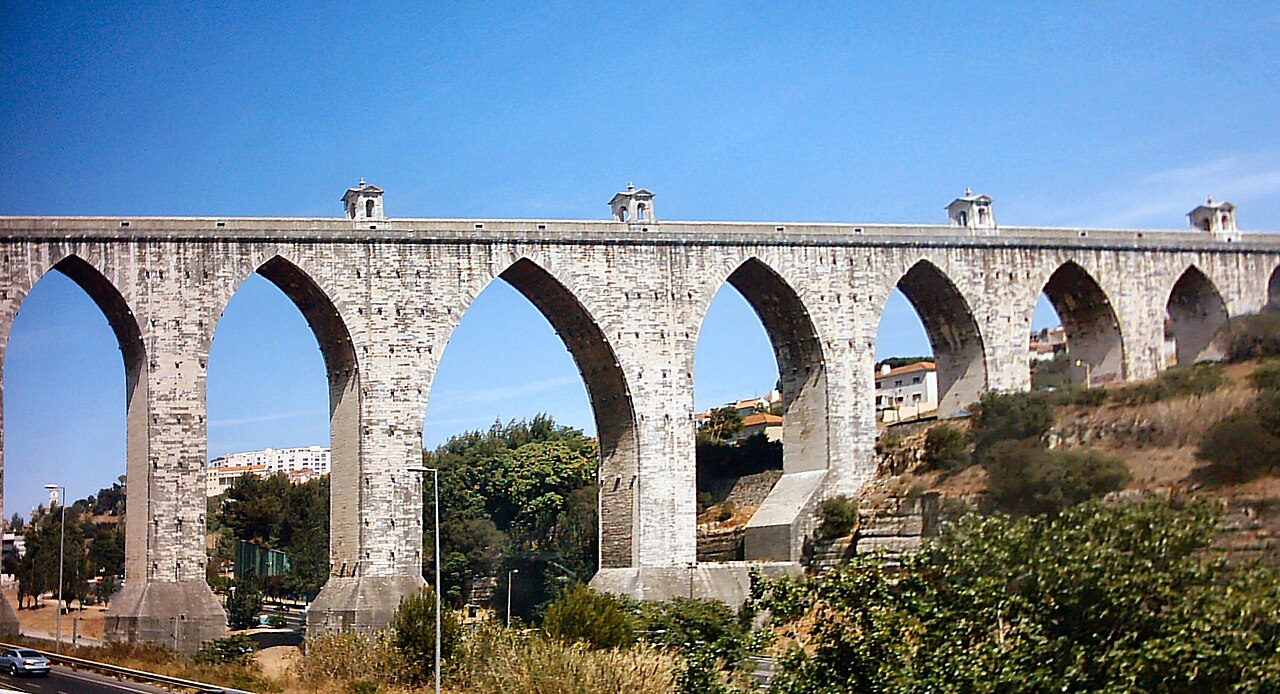
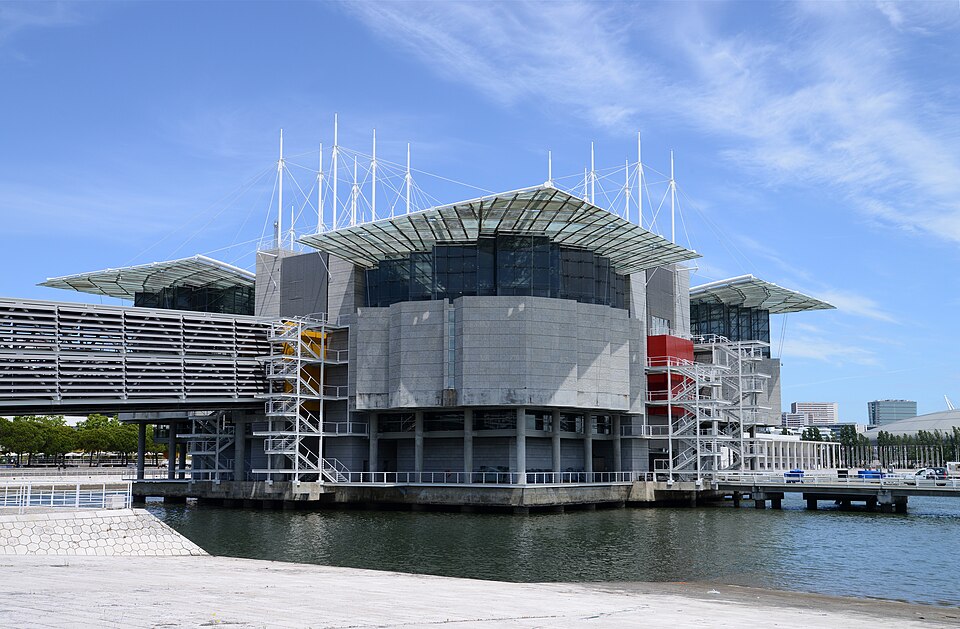
Within 30 km of the centre of Lisbon, the nature places people read about most are Tagus, Águas Livres Aqueduct, Lisbon Oceanarium and Edward VII Park, and marked walks close to the city include Corredor Verde do Vale de Alcântara, Volta do Planalto and Encosta da Pimenteira - Alcântara.
People have shared 2,449,521 wildlife records within 50 km of Lisbon in the last ten years. The wild animals recorded most often are the house sparrow, the common blackbird, the rock dove, the spotless starling and the black redstart.
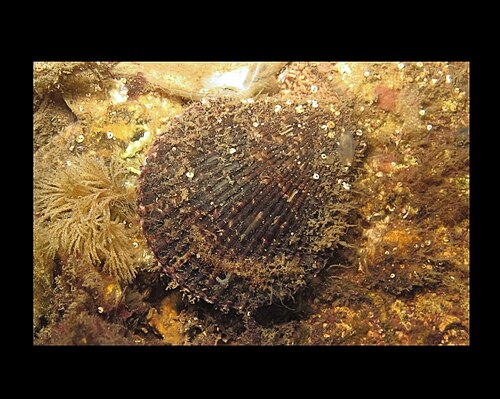
Of the 93 cities on Atlas, Lisbon has the 10th most species named on its page and the 12th most marked walks. Among the animals people record most around Lisbon, the black redstart and the variegated scallop appear on no other city page here.
- Country
- Portugal
- Population
- 545,796
- Area
- 100 km²
- Elevation
- 100 m
- Currency
- Euro
- Daylight
- 10 to 15 hours
Figures from Wikidata; population 2021.
Lisbon on the map
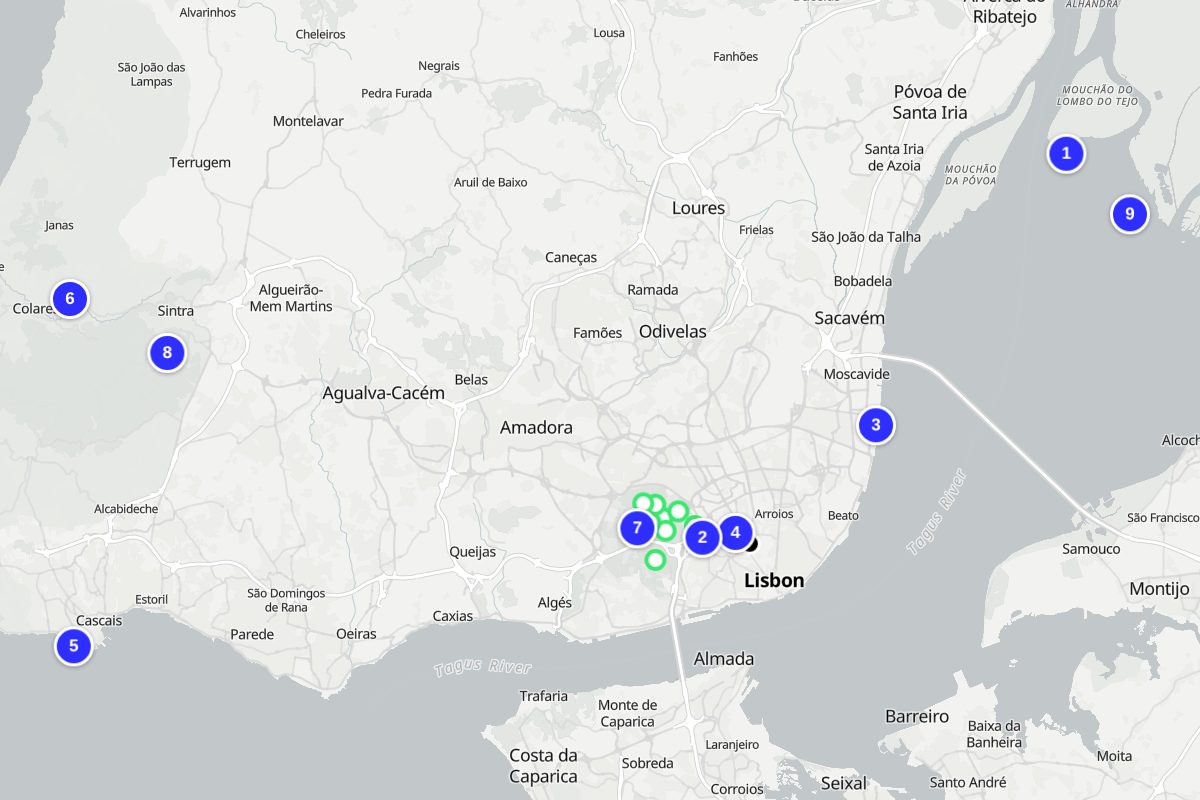
Numbers match the places below. Map: © OpenStreetMap contributors, OpenFreeMap.
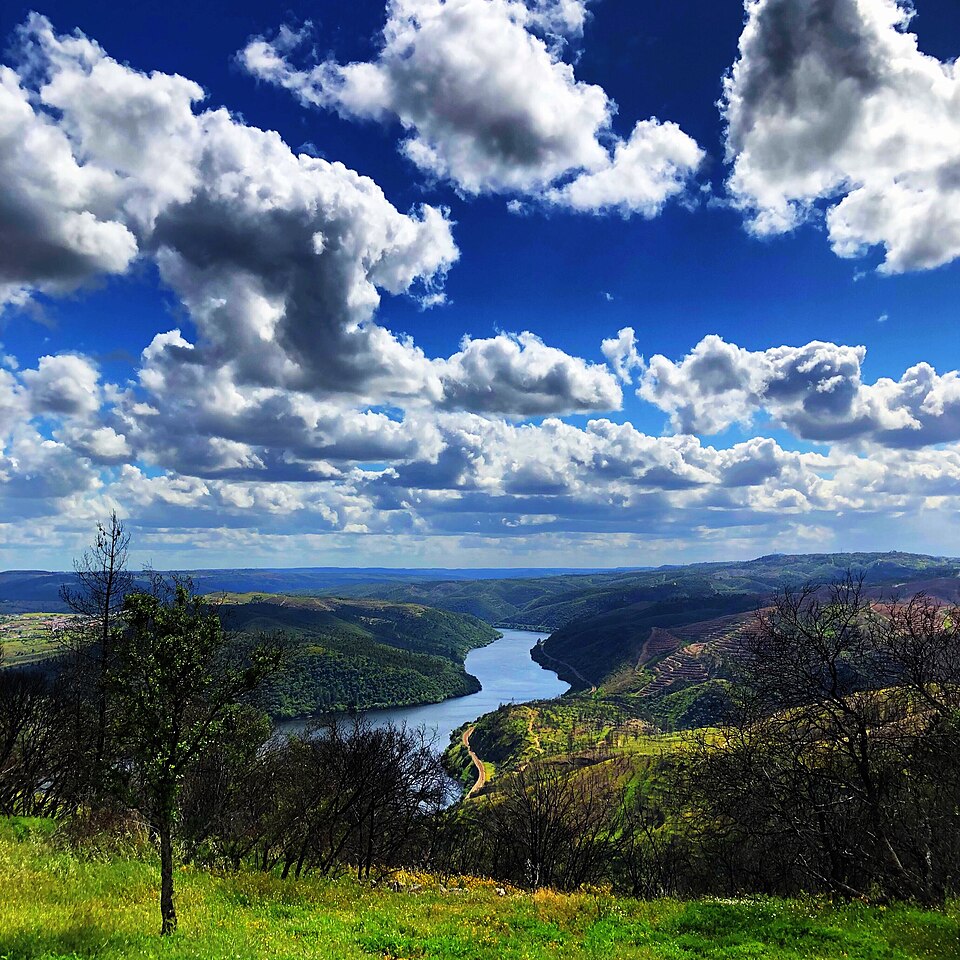
- Tagus
- Águas Livres Aqueduct
- Lisbon Oceanarium
- Edward VII Park
- Boca do Inferno
- Sintra-Cascais Natural Park
- Monsanto Forest Park
- Sintra Mountains
- Tagus Estuary Natural Reserve
Nature close to Lisbon
The places people read most about, from the centre outwards.


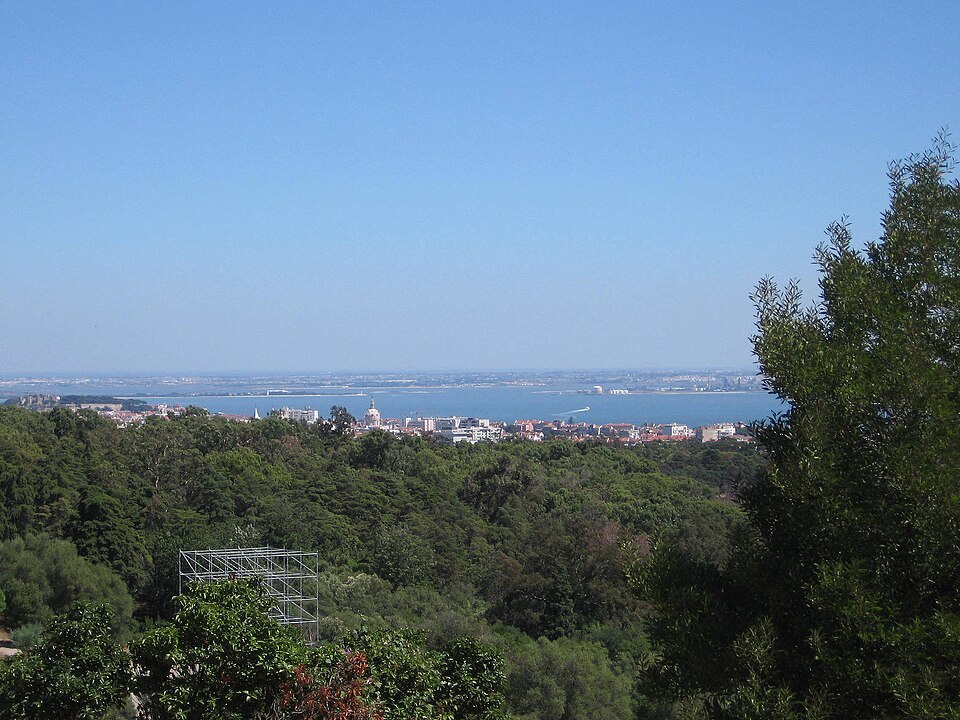


- Edward VII Park Park · 1 km
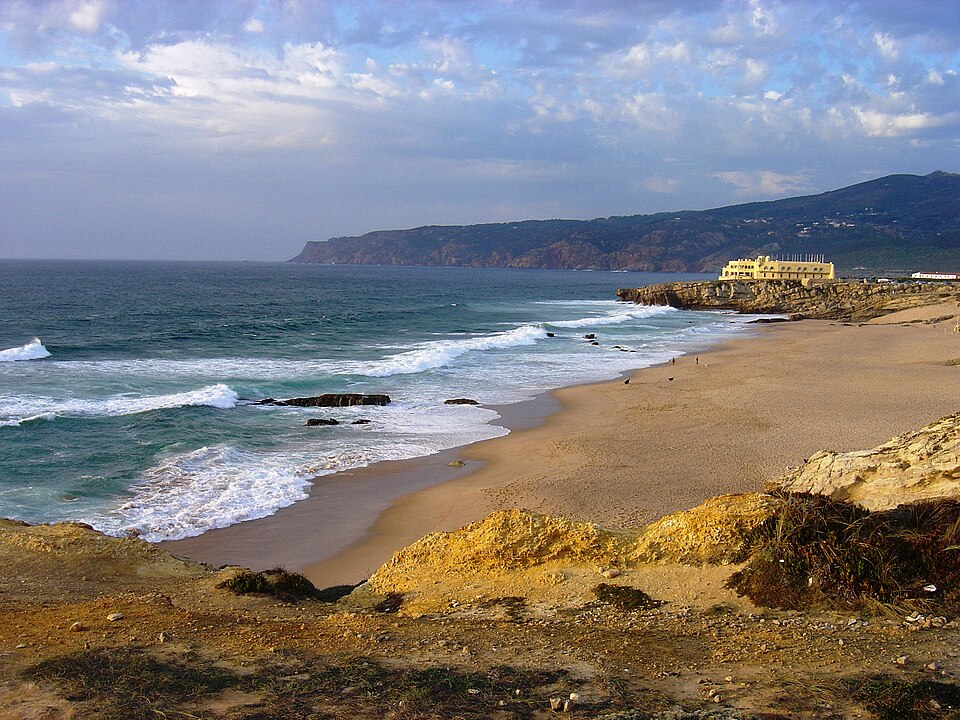
- Cabo Raso Cape · 30 km
Marked walks
- Corredor Verde do Vale de Alcântara1.8 km · 2 km from the centre · marked by CML
- Volta do Planalto7 km round trip · 3 km from the centre · marked by PFM
- Encosta da Pimenteira - Alcântara5.8 km round trip · 3 km from the centre · marked by PFM
- Vila Pouca - Bela Vista5.2 km round trip · 3 km from the centre · marked by Municipio de Lisboa
- Montado de Monsanto3 km round trip · 3 km from the centre · marked by Município de Lisboa
- Pista de Corrida10.6 km round trip · 4 km from the centre · marked by PFM
- Rota da Água7.5 km round trip · 4 km from the centre · marked by Município de Lisboa
- Seis Pedreiras3.8 km round trip · 4 km from the centre · marked by Município de Lisboa
Long-distance trails through the area: European long distance path E9 (9,379 km), Caminho Português Central (762 km), Caminhos de Fátima (Caminho do Tejo) (146 km).
Routes from OpenStreetMap via Waymarked Trails. Not checked by 4Planet: follow local signs and conditions.
Wildlife around Lisbon
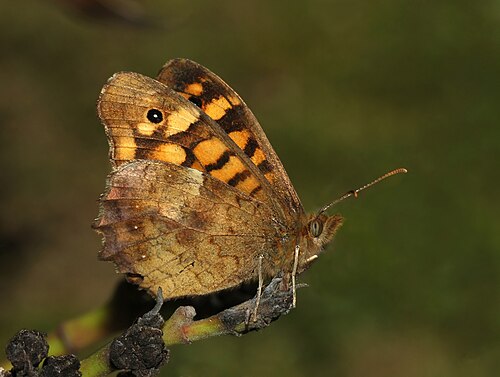
The wild animals people record most within 50 km, 2016–2025. Tick the ones you have seen to build your own list.




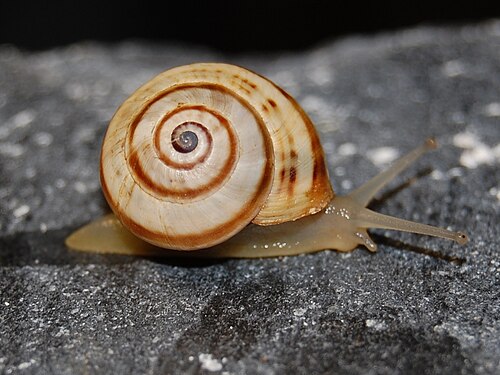

Seen in the last 30 days
What can you see near Lisbon now?
Month by month, from 2,449,521 records people shared within 50 km, 2016–2025.
At their peak in January
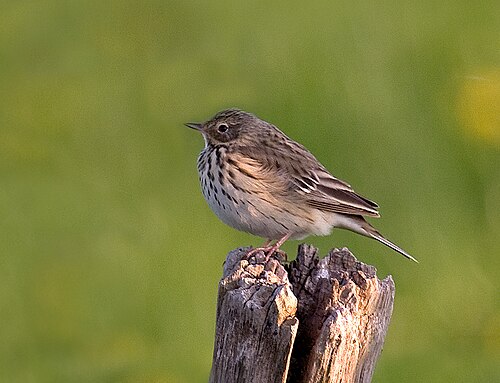


Most seen in January
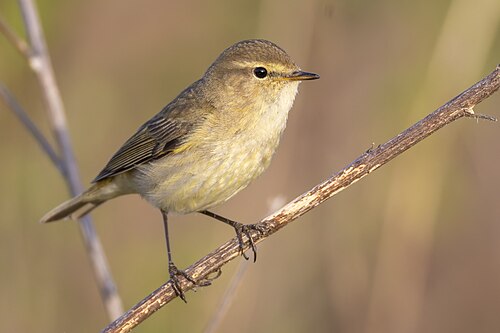

Plants and fungi at their peak in January


223,353 animal records in January.
At their peak in February
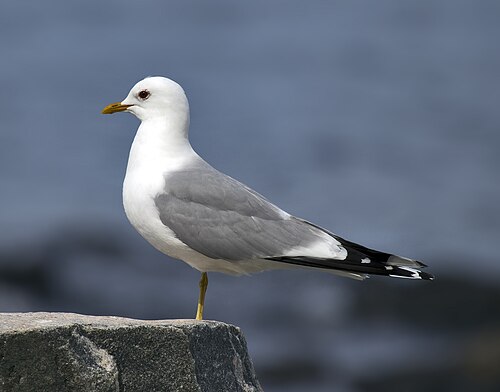


Most seen in February
Plants and fungi at their peak in February


208,188 animal records in February.
At their peak in March


Most seen in March
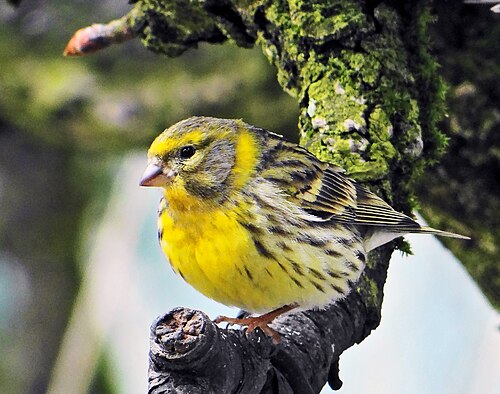
Plants and fungi at their peak in March


219,824 animal records in March.
At their peak in April


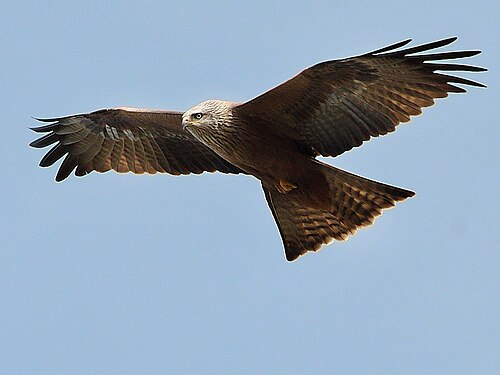
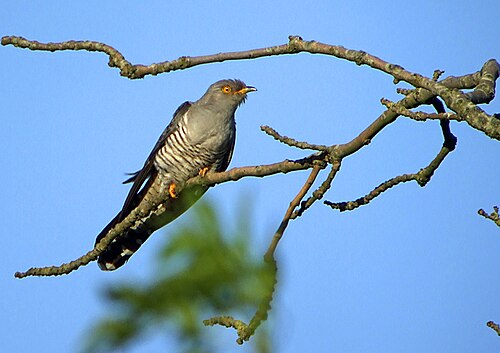
Most seen in April
Plants and fungi at their peak in April


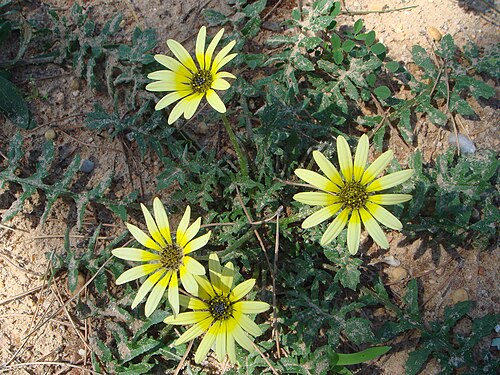

243,595 animal records in April.
At their peak in May


Most seen in May
Plants and fungi at their peak in May
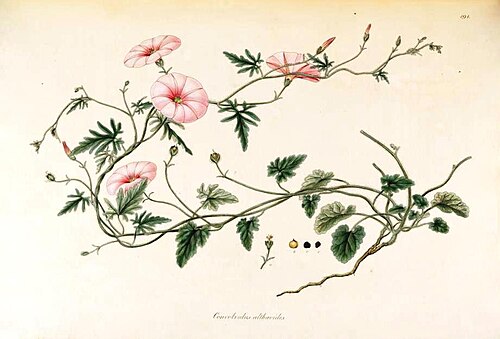
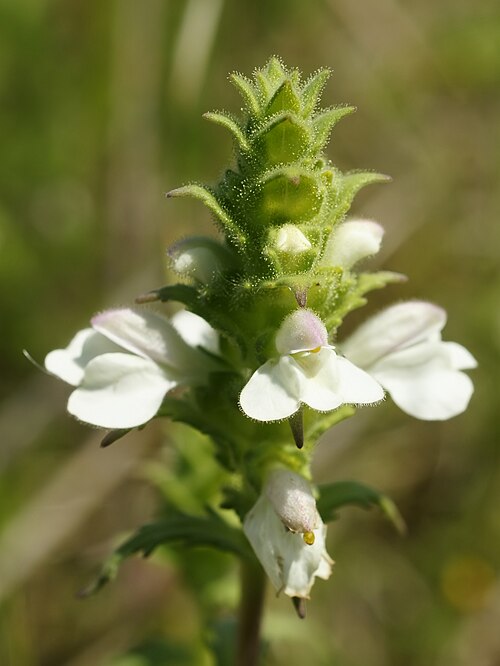

218,701 animal records in May.
At their peak in June

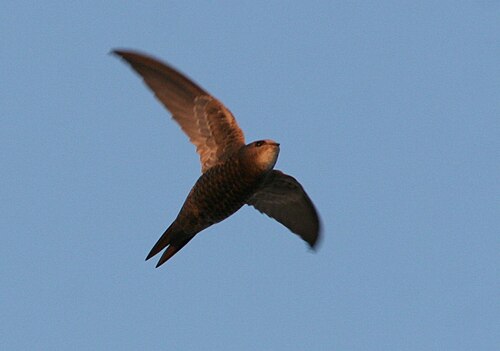
Most seen in June
Plants and fungi at their peak in June


153,969 animal records in June.
At their peak in July
Most seen in July
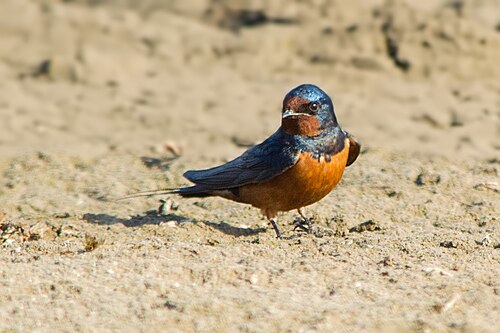
Plants and fungi at their peak in July


149,610 animal records in July.
At their peak in August

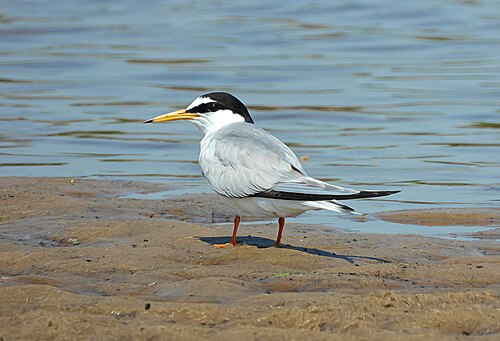
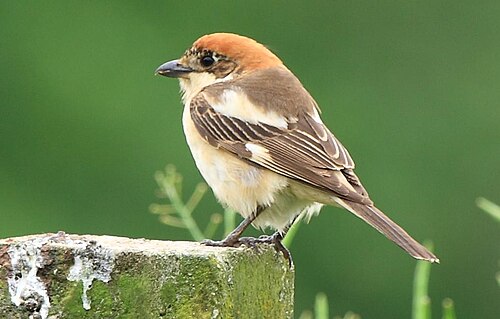
Most seen in August
Plants and fungi at their peak in August


158,981 animal records in August.
At their peak in September
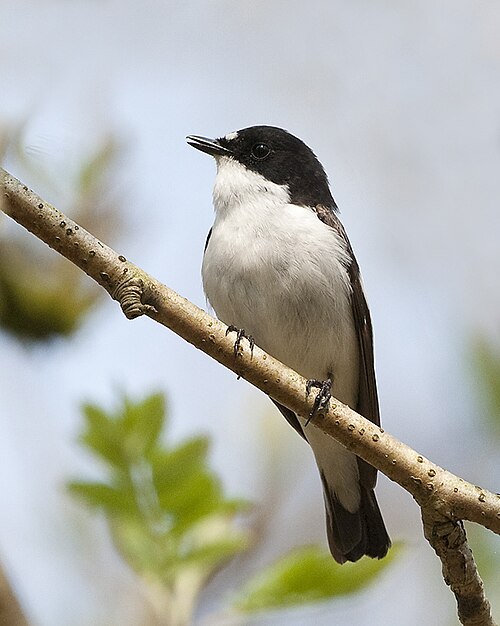


Most seen in September
Plants and fungi at their peak in September


223,050 animal records in September.
At their peak in October
Most seen in October
Plants and fungi at their peak in October
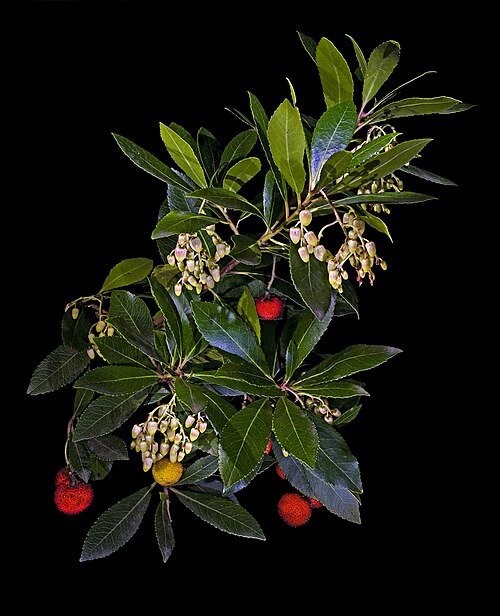

219,836 animal records in October.
At their peak in November
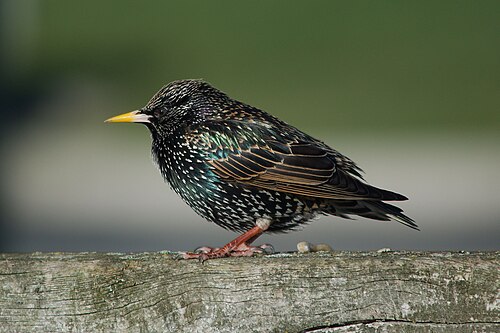

Most seen in November

Plants and fungi at their peak in November
207,362 animal records in November.


Lisbon is getting warmer
Daylight: about 10 hours in December and 15 in June.
Seen something near Lisbon?
Share a photo of it on iNaturalist. Other naturalists help name it, and confirmed records go to GBIF, where scientists use them. That is where the lists on this page come from.
Lisbon on the living planet
More places near Lisbon
Sources and photo credits
- Wikidata · Lisbon (Q597), facts and nature places
- Wikipedia page views · how well known each nature place is
- OpenStreetMap contributors via Waymarked Trails · marked walking routes (ODbL)
- GBIF · human observations within 50 km, 2016–2025 (2,449,521 animal records)
- NASA POWER · yearly temperature from satellite and model data (MERRA-2)
- MET Norway · weather now (shown live)
- Natural Earth · populated place 1159151273, public domain
- Águas Livres Aqueduct, Lisbon: No machine-readable author provided. Juntas assumed (based on copyright claims)., CC BY-SA 3.0
- Tagus, Lisbon: Sempreconvosco, CC BY-SA 4.0
- Águas Livres Aqueduct, Lisbon: No machine-readable author provided. Juntas assumed (based on copyright claims)., CC BY-SA 3.0
- Lisbon Oceanarium, Lisbon: Alvesgaspar, CC BY-SA 3.0
- Boca do Inferno, Lisbon: Beatriznog10, CC BY-SA 3.0
- Sintra-Cascais Natural Park, Lisbon: Husond, CC BY-SA 3.0
- Monsanto Forest Park, Lisbon: CorreiaPM, Public domain
- Sintra Mountains, Lisbon: GualdimG, CC BY-SA 4.0
- Tagus Estuary Natural Reserve, Lisbon: Joao 1968, CC BY-SA 3.0
- House sparrow: Rhododendrites, CC BY-SA 4.0
- Common blackbird: Hobbyfotowiki, CC0
- Rock dove: william_stephens, CC BY 4.0
- Spotless starling: Peterwchen, CC BY-SA 4.0
- Black redstart: Siva301in, CC BY-SA 3.0
- Speckled wood: Alvesgaspar, CC BY-SA 3.0
- Variegated scallop: Mariottini et al. (2024), CC BY 4.0
- Geniez’s wall lizard: Duarte Frade, CC BY 4.0
- Moorish gecko: Bernard DUPONT from FRANCE, CC BY-SA 2.0
- Brown garden snail: Zachi Evenor, CC BY 2.0
- White snail: tato grasso, CC BY-SA 3.0
- Perez's frog: David Perez, CC BY 3.0
- Common chiffchaff: Alexis Lours, CC BY 4.0
- Lesser black-backed gull: Andreas Trepte, CC BY-SA 2.5
- Meadow pipit: Andreas Trepte, CC BY-SA 2.5
- Northern lapwing: Andreas Trepte, CC BY-SA 2.5
- Eurasian siskin: Sławek Staszczuk (photoss [AT] hotmail.co.uk), CC BY-SA 3.0
- Greylag goose: W. Bulach, CC BY-SA 4.0
- Bermuda buttercup: MathKnight and Zachi Evenor אביר המתמטיקה וצחי אבנור, CC BY-SA 4.0
- Mediterranean nettle: Ariel Palmon, CC BY-SA 3.0
- Sydney golden wattle: josh jackson, CC BY 2.0
- Common gull: Andreas Trepte, CC BY-SA 2.5
- Black-necked grebe: Becky Matsubara from El Sobrante, California, CC BY 2.0
- Tufted duck: Alexis Lours, CC BY 4.0
- Intermediate periwinkle: Alvesgaspar, CC BY-SA 3.0
- Sawfly orchid: Orchi, CC BY-SA 3.0
- European serin: Ghislain38, CC BY-SA 3.0
- Mediterranean spotted chafer: Ivar Leidus, CC BY-SA 4.0
- Narrow-winged grey: Mick Talbot, CC BY 2.0
- Garganey: Ferran Pestaña from Barcelona, España, CC BY-SA 2.0
- Naked-man orchid: Fernando Losada Rodríguez, CC BY-SA 4.0
- Barbary-nut: Zeynel Cebeci, CC BY-SA 4.0
- Common nightingale: Արարատ Թրվանց, CC BY-SA 4.0
- European bee-eater: Петро Катеринич, CC BY 4.0
- Black kite: Thomas Kraft (ThKraft), CC BY-SA 2.5
- Common cuckoo: GabrielBuissart, CC BY-SA 3.0
- Small-flowered tongue-orchid: Luis nunes alberto, CC BY-SA 3.0
- Pyramidal orchid: Didier Descouens, CC BY-SA 4.0
- Capeweed: User:Xemenendura, CC BY-SA 3.0
- Bee orchid: Didier Descouens, CC BY-SA 4.0
- Common swift: Alexis Lours, CC BY 4.0
- Purple heron: Yathin S Krishnappa, CC BY-SA 3.0
- Mallow bindweed: Ferdinand Bauer, Public domain
- Mediterranean lineseed: Hans Hillewaert, CC BY-SA 3.0
- Common andryala: Javier martin, Public domain
- Common house martin: MPF, CC BY 2.5
- Pallid swift: Bogbumper, CC BY-SA 3.0
- Golden thistle: Riad Salih, CC BY 4.0
- Myrtle: Burkhard Mücke, CC BY-SA 4.0
- Oleander: Alvesgaspar, CC BY 2.5
- Wild carrot: User:Tigerente, CC BY-SA 3.0
- Barn swallow: Morhaf Aljanee, CC BY-SA 3.0
- Ivy fern: Ixitixel, CC BY-SA 3.0
- Field bindweed: W. Bulach, CC BY-SA 4.0
- Melodious warbler: Alexis Lours, CC BY 4.0
- Little tern: PetroKaterynych, CC BY 4.0
- Woodchat shrike: Lanius_senator01.jpg: chausinho derivative work: Bogbumper (talk), CC BY-SA 2.0
- Rock samphire: Júlio Reis (Tintazul), CC BY-SA 2.5
- Mastic tree: Giuseppe Frizzi, Public domain
- Giant reed: H. Zell, CC BY-SA 3.0
- European pied flycatcher: Mark Medcalf, CC BY 2.0
- Willow warbler: Andreas Trepte, CC BY-SA 2.5
- Northern wheatear: Andreas Trepte, CC BY-SA 2.5
- False yellowhead: Javier martin, Public domain
- Maritime squill: Zeynel Cebeci, CC BY-SA 4.0
- Australian cheesewood: Louisa Anne Meredith, Public domain
- Strawberry tree: Didier Descouens, CC BY-SA 4.0
- Common smilax: User:David Gaya, CC BY-SA 2.5
- White wagtail: Jac. Janssen from BAARLO LB, NL, CC BY 2.0
- Common starling: marsupium photography, CC BY-SA 2.0
- Water pipit: Zeynel Cebeci, CC BY-SA 4.0
- Bluethroat: Ragnhild&Neil Crawford from Sweden, CC BY-SA 2.0
- Red cage: Matej Frančeškin, CC BY 4.0
- Musky stork's-bill: Eugene Zelenko, CC BY-SA 4.0


Wildlife records show where people have seen and shared plants and animals, not everything that lives here; some places and months are recorded more than others. Sensitive species are never shown with a month or as seen recently. Routes come from OpenStreetMap and are not checked by 4Planet: follow local signs and conditions. Climate figures are NASA estimates for the area around Lisbon, not a single weather station.
Checked 2026-11-20.