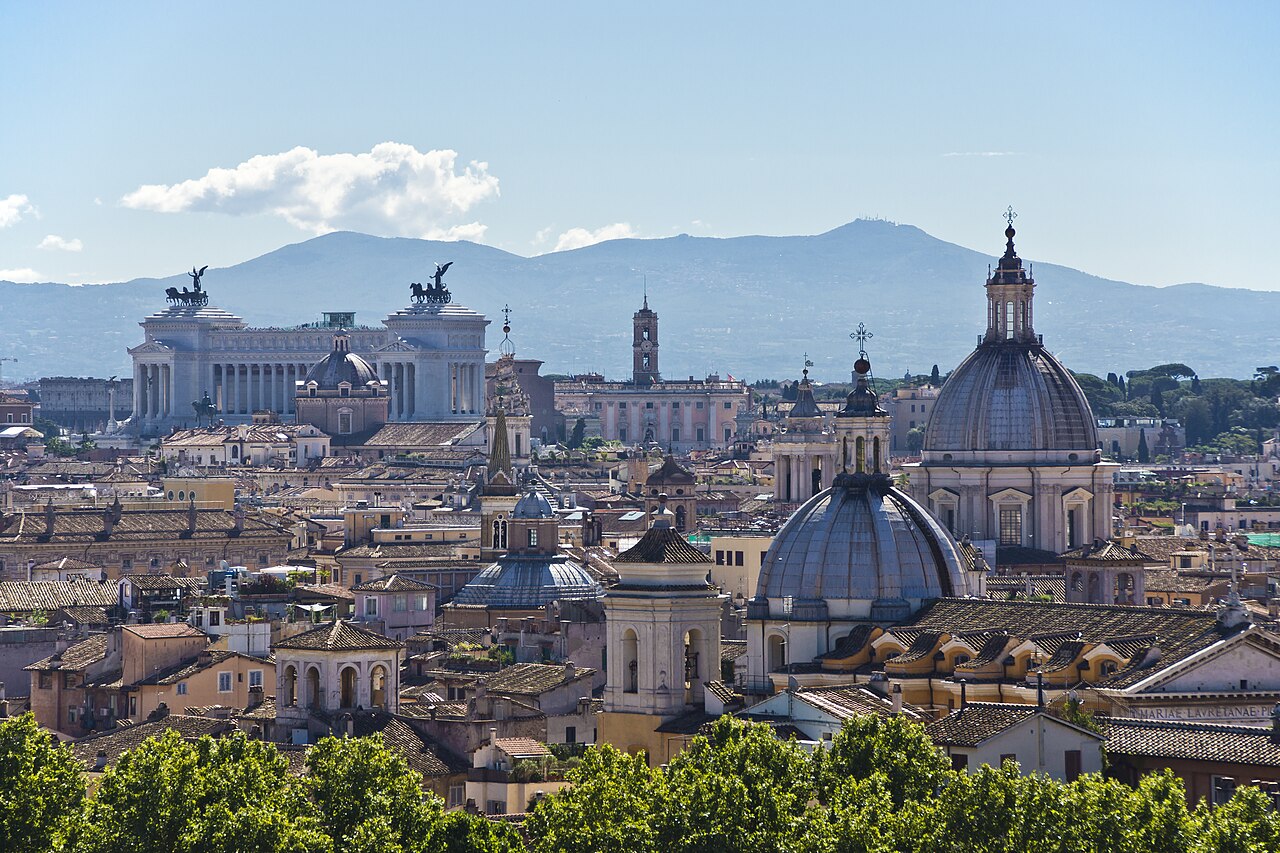
Rome
Capital and largest city of Italy
Within 30 km of the centre of Rome, the nature places people read about most are Tiber, Capitoline Hill, Campus Martius and Villa Borghese gardens, and marked walks close to the city include Pellegrinaggio delle Sette Chiese, Via di Francesco - Tappa 22 and Via di Francesco/Via del SUD - Tappa 1.
People have shared 326,841 wildlife records within 50 km of Rome in the last ten years. The wild animals recorded most often are the hooded crow, the yellow-legged gull, the rock dove, the rose-ringed parakeet and the italian sparrow. Since the 1980s the area has become about 1.5 °C warmer.
Among the animals people record most around Rome, the italian sparrow and the italian wall lizard appear on no other city page here.
- Country
- Italy
- Population
- 2.7 million
- Area
- 1,287 km²
- Elevation
- 21 m
- Currency
- Euro
- Daylight
- 9 to 15 hours
Figures from Wikidata; population 2026.
Rome on the map
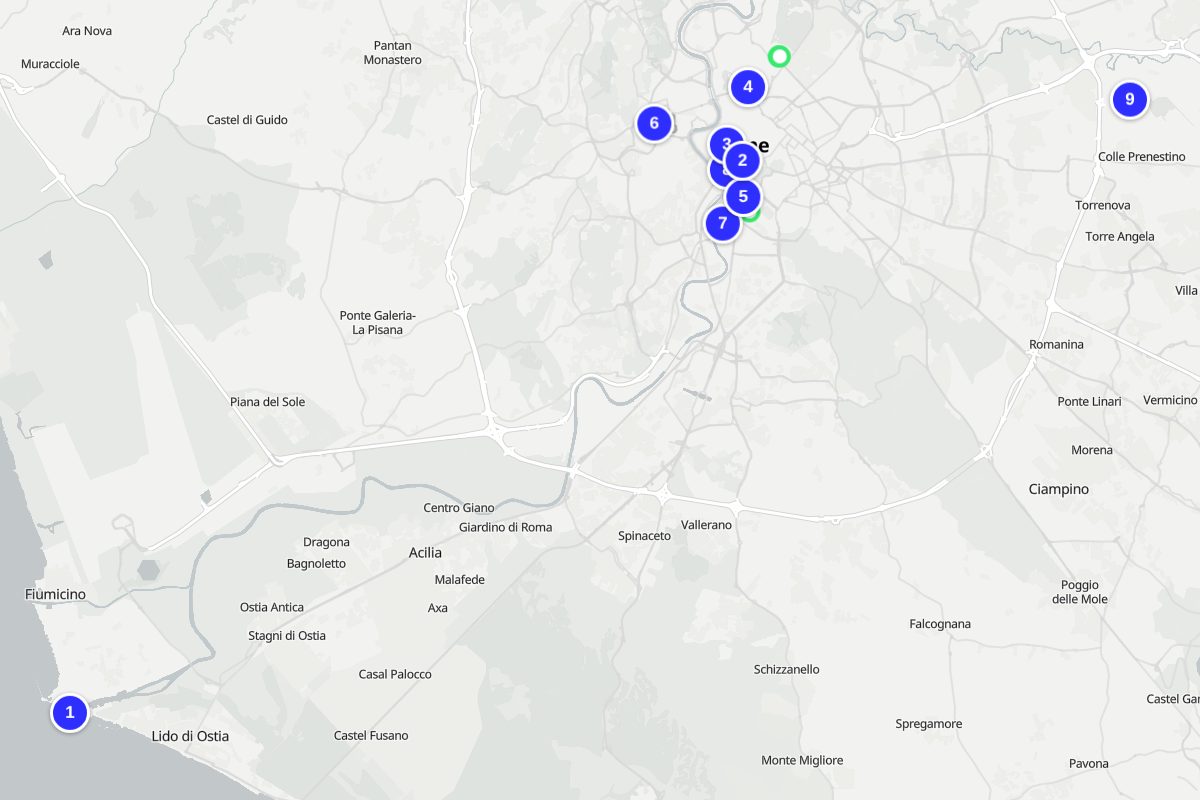
Numbers match the places below. Map: © OpenStreetMap contributors, OpenFreeMap.
- Tiber
- Capitoline Hill
- Campus Martius
- Villa Borghese gardens
- Aventine Hill
- Vatican Hill
- Monte Testaccio
- Tiber Island
- Aqua Virgo
Nature close to Rome
The places people read most about, from the centre outwards.
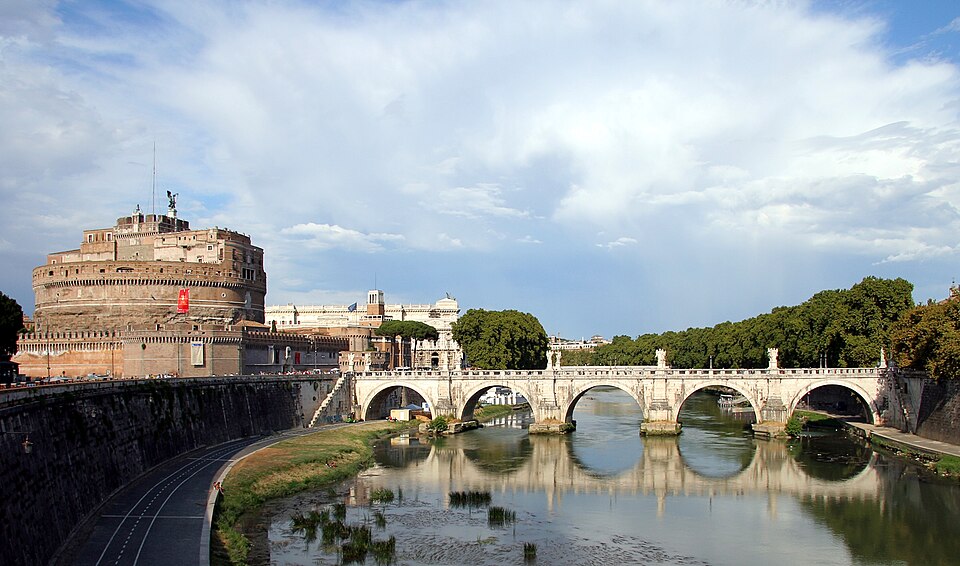

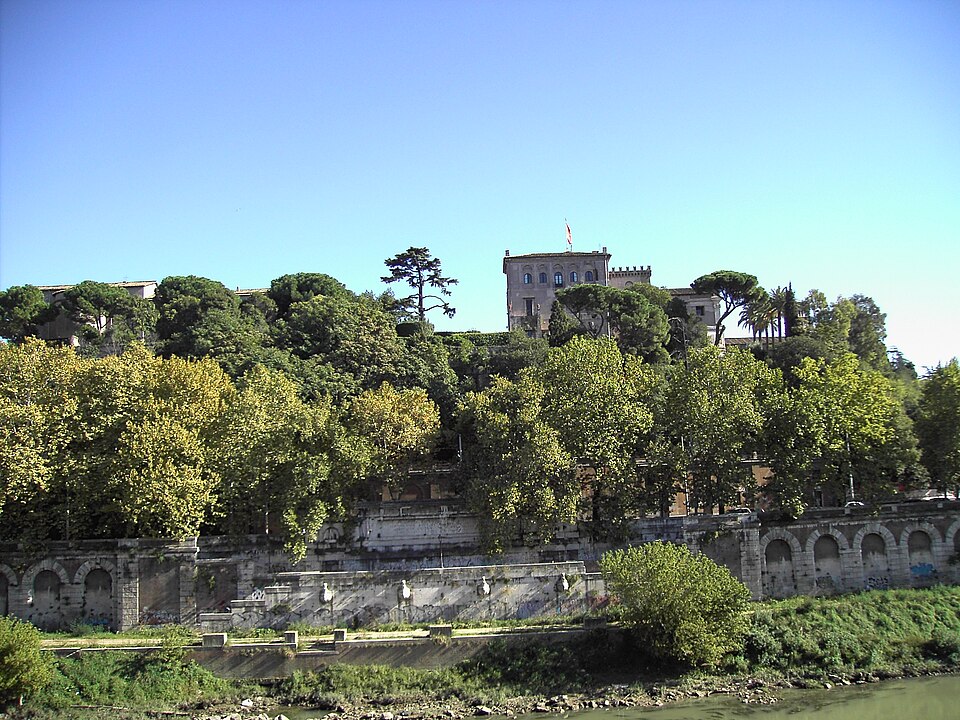


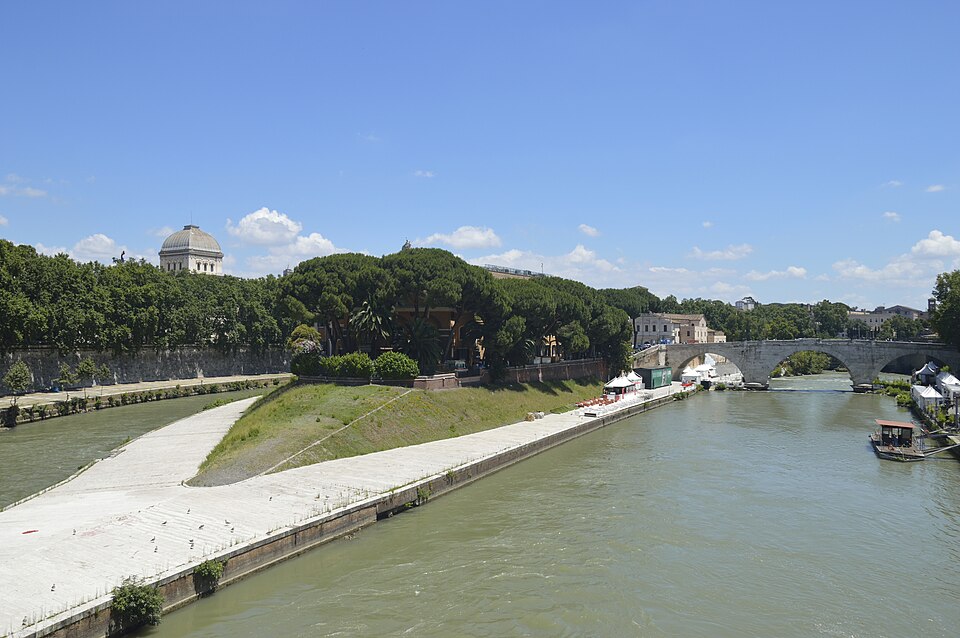


- Capitoline Hill Hill · 1 km
- Campus Martius Terrain · 1 km
- Janiculum Hill · 2 km
Marked walks
- Pellegrinaggio delle Sette Chiese14.7 km · 2 km from the centre
- Via di Francesco - Tappa 2215.3 km · 3 km from the centre
- Via di Francesco/Via del SUD - Tappa 115.3 km · 3 km from the centre
Long-distance trails through the area: Via Francigena (3,180 km), Via Romea (2,208 km), Via di Francesco - Via di Roma (601 km).
Routes from OpenStreetMap via Waymarked Trails. Not checked by 4Planet: follow local signs and conditions.
Wildlife around Rome
The wild animals people record most within 50 km, 2016–2025. Tick the ones you have seen to build your own list.

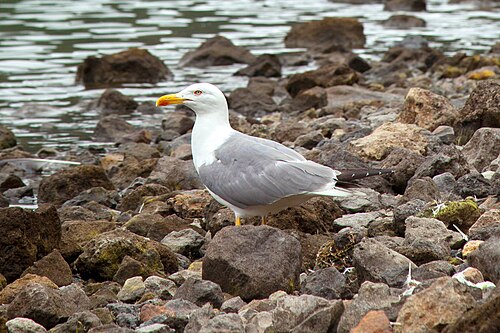


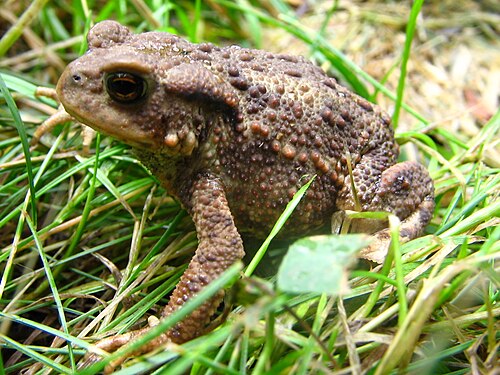


Seen in the last 30 days
What can you see near Rome now?
Month by month, from 326,841 records people shared within 50 km, 2016–2025.
At their peak in January
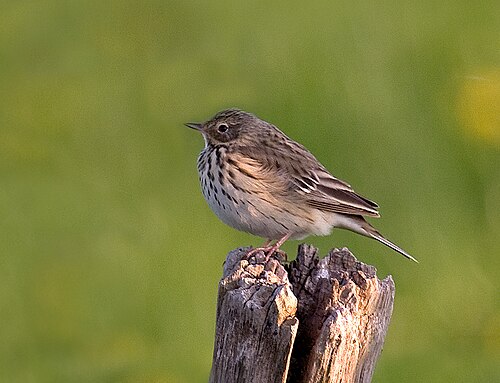


Most seen in January
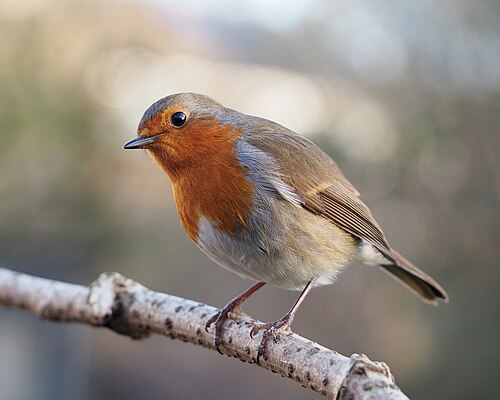
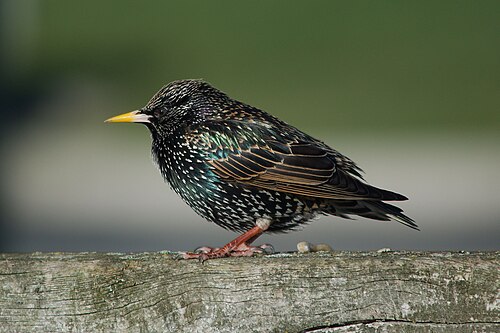
61,646 animal records in January.
At their peak in February


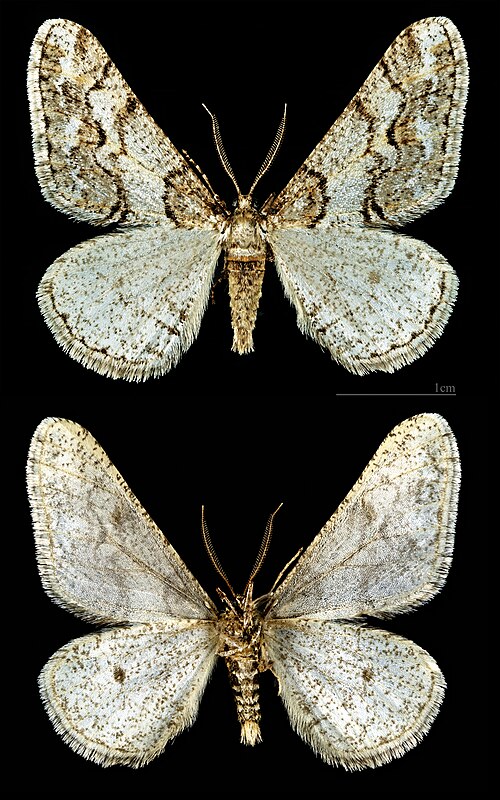

Most seen in February

Plants and fungi at their peak in February


16,979 animal records in February.
At their peak in March


Most seen in March
Plants and fungi at their peak in March


26,164 animal records in March.
At their peak in April

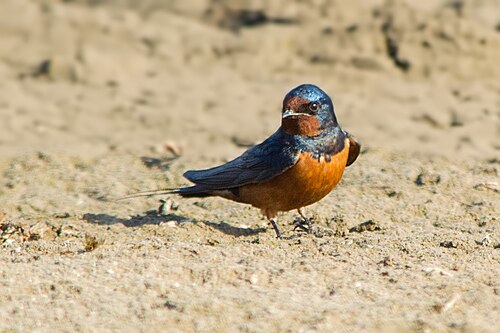

Most seen in April
Plants and fungi at their peak in April


32,205 animal records in April.
At their peak in May


Most seen in May
Plants and fungi at their peak in May


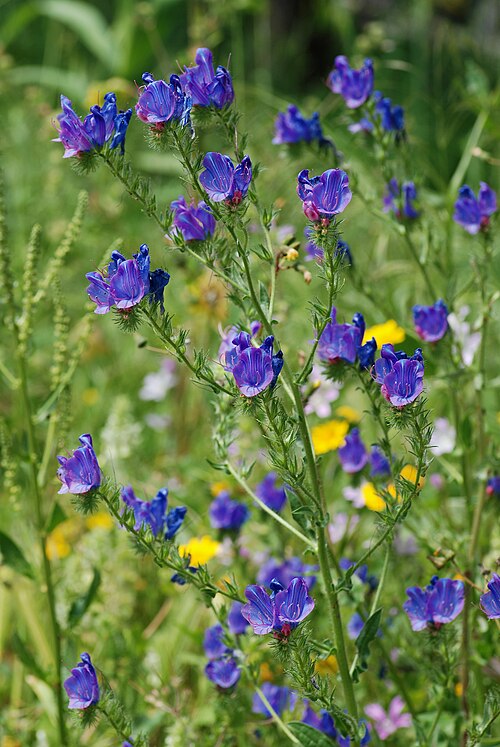

28,706 animal records in May.
At their peak in June

Most seen in June
Plants and fungi at their peak in June


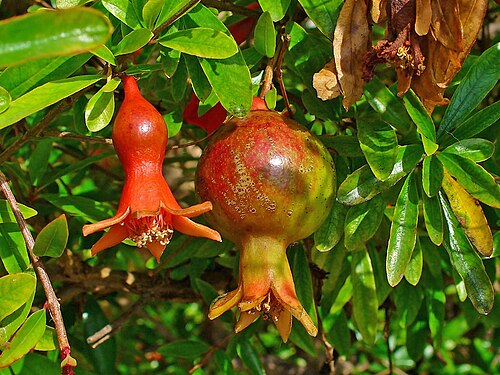
21,807 animal records in June.
At their peak in July
Most seen in July
Plants and fungi at their peak in July


15,688 animal records in July.
At their peak in August
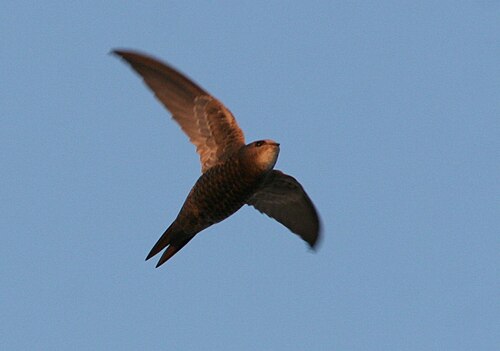
Most seen in August
Plants and fungi at their peak in August
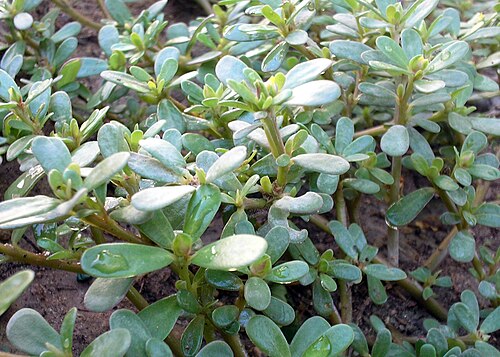

12,522 animal records in August.
At their peak in September

Most seen in September
Plants and fungi at their peak in September

17,570 animal records in September.
At their peak in October


Most seen in October
Plants and fungi at their peak in October


23,696 animal records in October.
At their peak in November


Most seen in November
Plants and fungi at their peak in November
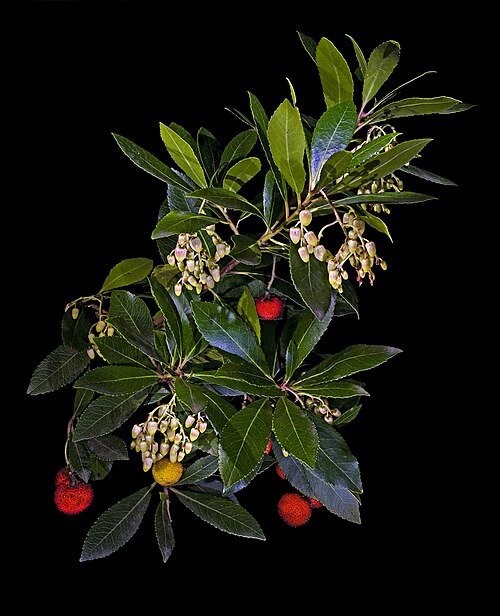

17,455 animal records in November.
At their peak in December

Most seen in December
52,403 animal records in December.
Rome is getting warmer
+1.5 °CAverage temperature around Rome in 2016–2025, compared with 1981–1990.
Daylight: about 9 hours in December and 15 in June.
Seen something near Rome?
Share a photo of it on iNaturalist. Other naturalists help name it, and confirmed records go to GBIF, where scientists use them. That is where the lists on this page come from.
Explore next
What puts Rome under pressure, what helps, and who works on it.
Rome on the living planet
More places near Rome
Sources and photo credits
- Wikidata · Rome (Q220), facts and nature places
- Wikipedia page views · how well known each nature place is
- OpenStreetMap contributors via Waymarked Trails · marked walking routes (ODbL)
- GBIF · human observations within 50 km, 2016–2025 (326,841 animal records)
- NASA POWER · yearly temperature from satellite and model data (MERRA-2)
- MET Norway · weather now (shown live)
- Natural Earth · populated place 1159151593, public domain
- Rome, Italy: Bert Kaufmann from Roermond, Netherlands, CC BY-SA 2.0
- Tiber, Rome: AngMoKio, CC BY-SA 2.5
- Villa Borghese gardens, Rome: user:Lalupa, Public domain
- Aventine Hill, Rome: user:Lalupa, Public domain
- Vatican Hill, Rome: Workshop of Pieter van Aelst / After Raphael, Public domain
- Monte Testaccio, Rome: No machine-readable author provided. Lalupa assumed (based on copyright claims)., Public domain
- Tiber Island, Rome: Livioandronico2013, CC BY-SA 3.0
- Aqua Virgo, Rome: Alexxant, CC BY-SA 4.0
- Lake Albano, Rome: Sonse, CC BY 2.0
- Hooded crow: Donald Hobern from Copenhagen, Denmark, CC BY 2.0
- Yellow-legged gull: Cinty Ionescu from Bucharest, Romania, this edit MPF, CC BY 2.0
- Rock dove: william_stephens, CC BY 4.0
- Rose-ringed parakeet: mourad-harzallah, CC BY 4.0
- Italian sparrow: Loz (L. B. Tettenborn), CC BY-SA 2.5
- Italian wall lizard: Mariomassone, CC BY-SA 4.0
- Asian tiger mosquito: James Gathany/CDC, Public domain
- Common wall lizard: Mariomassone, CC BY-SA 4.0
- Mediterranean spotted chafer: Ivar Leidus, CC BY-SA 4.0
- Common toad: Taka, CC BY-SA 3.0
- Red admiral: Toni Wöhrl, CC BY-SA 4.0
- Chocolate-band snail: Nico Hernandez, CC BY 4.0
- European robin: Francis C. Franklin, CC BY-SA 3.0
- Common starling: marsupium photography, CC BY-SA 2.0
- Meadow pipit: Andreas Trepte, CC BY-SA 2.5
- African stonechat: Bernard DUPONT from FRANCE, CC BY-SA 2.0
- Dunnock: Smalljim, CC BY 3.0
- Northern lapwing: Andreas Trepte, CC BY-SA 2.5
- Common blackbird: Hobbyfotowiki, CC0
- European stonechat: Frank Vassen from Brussels, Belgium, CC BY 2.0
- Marsh tit: Stephan Sprinz, CC BY 4.0
- Spring usher: Didier Descouens, CC BY-SA 4.0
- Common quaker: Didier Descouens, CC BY-SA 4.0
- Laurustinus: Giuseppe Frizzi, Public domain
- Blackthorn: Martin Olsson (mnemo on en/sv wikipedia and commons, martin@minimum.se), CC BY-SA 3.0
- Stinking hellebore: Wildfeuer, CC BY-SA 3.0
- Garganey: Ferran Pestaña from Barcelona, España, CC BY-SA 2.0
- Scopoli's shearwater: Marcabrera, CC BY-SA 2.0
- Brindled beauty: Olei, CC BY-SA 3.0
- Sun spurge: Kızıl, CC BY-SA 4.0
- Bermuda buttercup: MathKnight and Zachi Evenor אביר המתמטיקה וצחי אבנור, CC BY-SA 4.0
- Common swift: Alexis Lours, CC BY 4.0
- Barn swallow: Morhaf Aljanee, CC BY-SA 3.0
- Common nightingale: Արարատ Թրվանց, CC BY-SA 4.0
- Borage: W. Bulach, CC BY-SA 4.0
- Salvia cistus: W. Bulach, CC BY-SA 4.0
- Mediterranean hartwort: M. Theofilatou, CC BY-SA 3.0
- Common house martin: MPF, CC BY 2.5
- European bee-eater: Петро Катеринич, CC BY 4.0
- Smooth golden fleece: Hectonichus, CC BY-SA 3.0
- Sweet mock orange: Matasg, CC BY-SA 3.0
- Salvation jane: Alvesgaspar, CC BY-SA 3.0
- Blue hound's-tongue: Taken by Carsten Niehaus (user:Lumbar)., CC BY-SA 3.0
- European rhinoceros beetle: Hectonichus, CC BY-SA 3.0
- Dwarf elder: Giuseppe Frizzi, Public domain
- Myrtle: Burkhard Mücke, CC BY-SA 4.0
- Oleander: Alvesgaspar, CC BY 2.5
- Pomegranate: H. Zell, CC BY-SA 3.0
- Tree of heaven: Darkone (talk · contribs), CC BY-SA 2.5
- Field bindweed: W. Bulach, CC BY-SA 4.0
- Golden thistle: Riad Salih, CC BY 4.0
- Pallid swift: Bogbumper, CC BY-SA 3.0
- Common purslane: ZooFari, CC BY-SA 3.0
- European heliotrope: Magnus Manske, CC BY-SA 3.0
- Greylag goose: W. Bulach, CC BY-SA 4.0
- Squirting cucumber: Giuseppe Frizzi, Public domain
- Common greenshank: JJ Harrison (https://www.jjharrison.com.au/), CC BY-SA 3.0
- Vestal: Joan Carles Hinojosa Galisteo, CC BY-SA 3.0
- False yellowhead: Javier martin, Public domain
- Sowbread: PLAKLE, CC BY-SA 4.0
- European spindletree: AnRo0002, CC0
- Greater flamingo: El Golli Mohamed, CC BY-SA 4.0
- Oriental hornet: KPFC, CC BY-SA 3.0
- Strawberry tree: Didier Descouens, CC BY-SA 4.0
- Wavyleaf mullein: Iorsh at en.wikipedia, Public domain
- Eurasian skylark: El Golli Mohamed, CC BY-SA 4.0


Wildlife records show where people have seen and shared plants and animals, not everything that lives here; some places and months are recorded more than others. Sensitive species are never shown with a month or as seen recently. Routes come from OpenStreetMap and are not checked by 4Planet: follow local signs and conditions. Climate figures are NASA estimates for the area around Rome, not a single weather station.
Checked 2026-11-20.