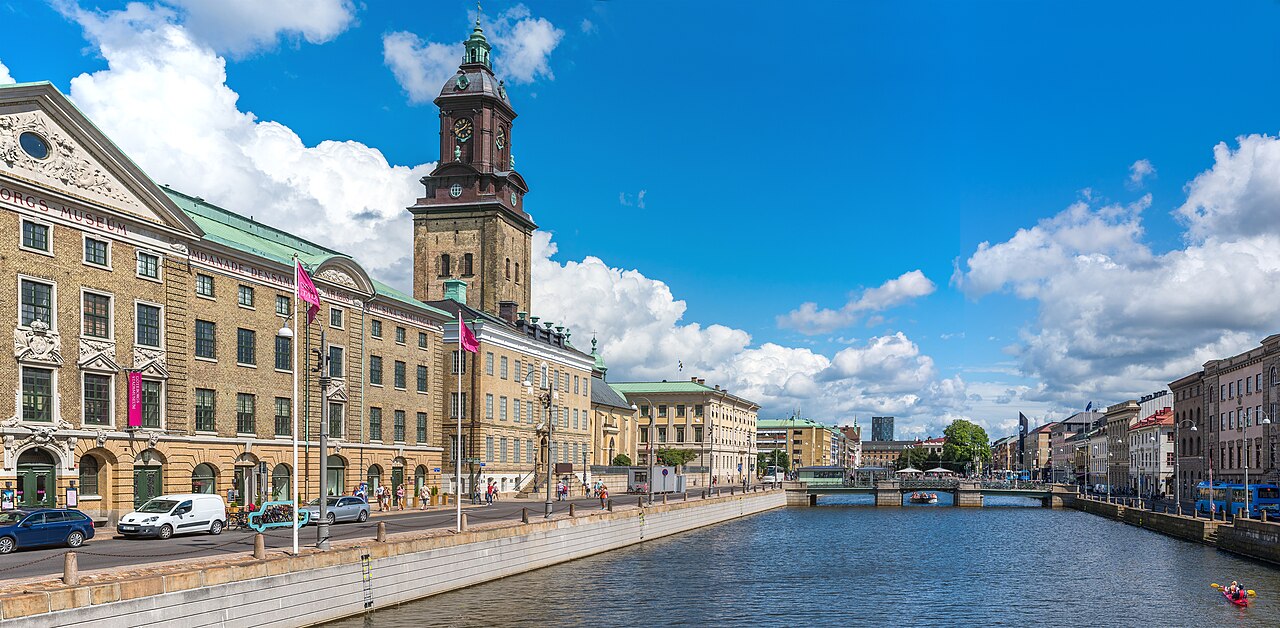
Gothenburg
City in Sweden
Within 30 km of the centre of Gothenburg, the nature places people read about most are Göta älv, Hisingen, Archipelago of Gothenburg and Slottsskogen, and marked walks close to the city include Hisingsparken 11.1km, Hisingsparken 7.4km and Hisingsparken 5.4km.
People have shared 4,394,741 wildlife records within 50 km of Gothenburg in the last ten years. The wild animals recorded most often are the common blackbird, the great tit, the Eurasian blue tit, the European robin and the common wood pigeon. Since the 1980s the area has become about 1.6 °C warmer.
Of the 234 cities on Atlas, Gothenburg has the 17th most marked walks and the 20th most wildlife records shared within 50 km.
- Country
- Sweden
- Population
- 674,529
- Area
- 27,155 km²
- Elevation
- 12 m
- Currency
- Swedish krona
- Daylight
- 7 to 18 hours
Figures from Wikidata; population 2023.
Gothenburg on the map
- Göta älv
- Hisingen
- Archipelago of Gothenburg
- Slottsskogen
- Brännö
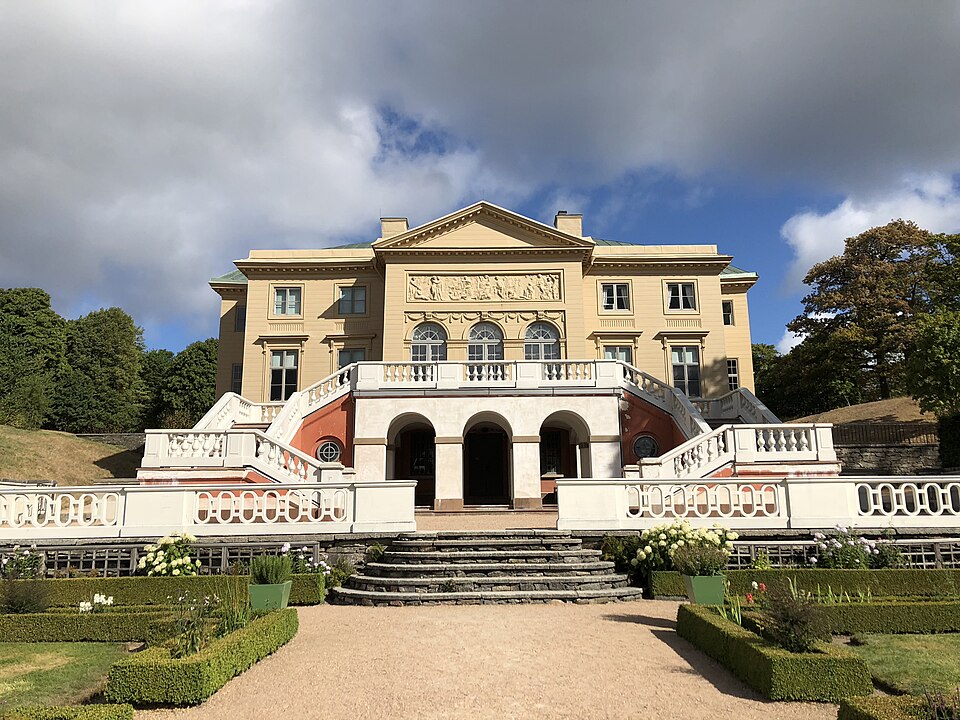
- Gunnebo House
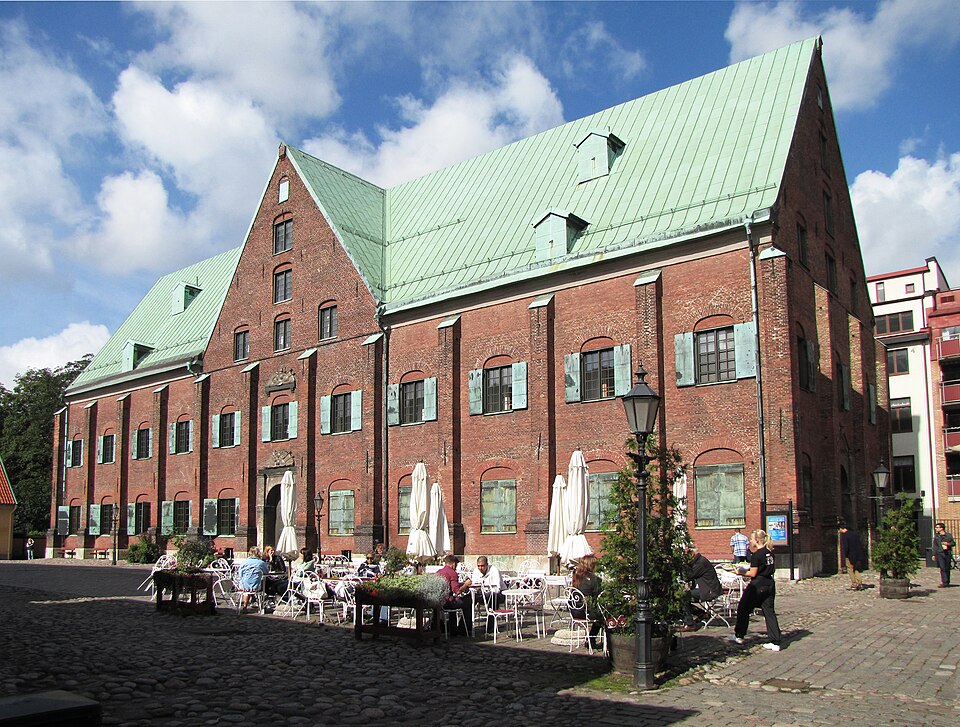
- Kronhuset
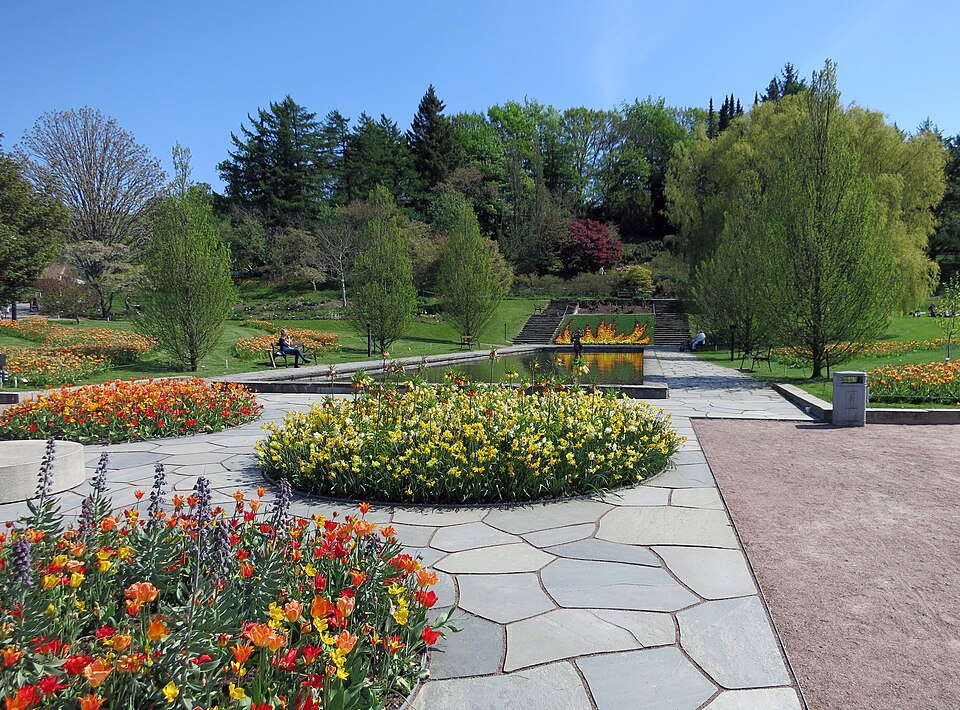
- Gothenburg Botanical Garden
- Trädgårdsföreningen
Nature close to Gothenburg
The places people read most about, from the centre outwards.
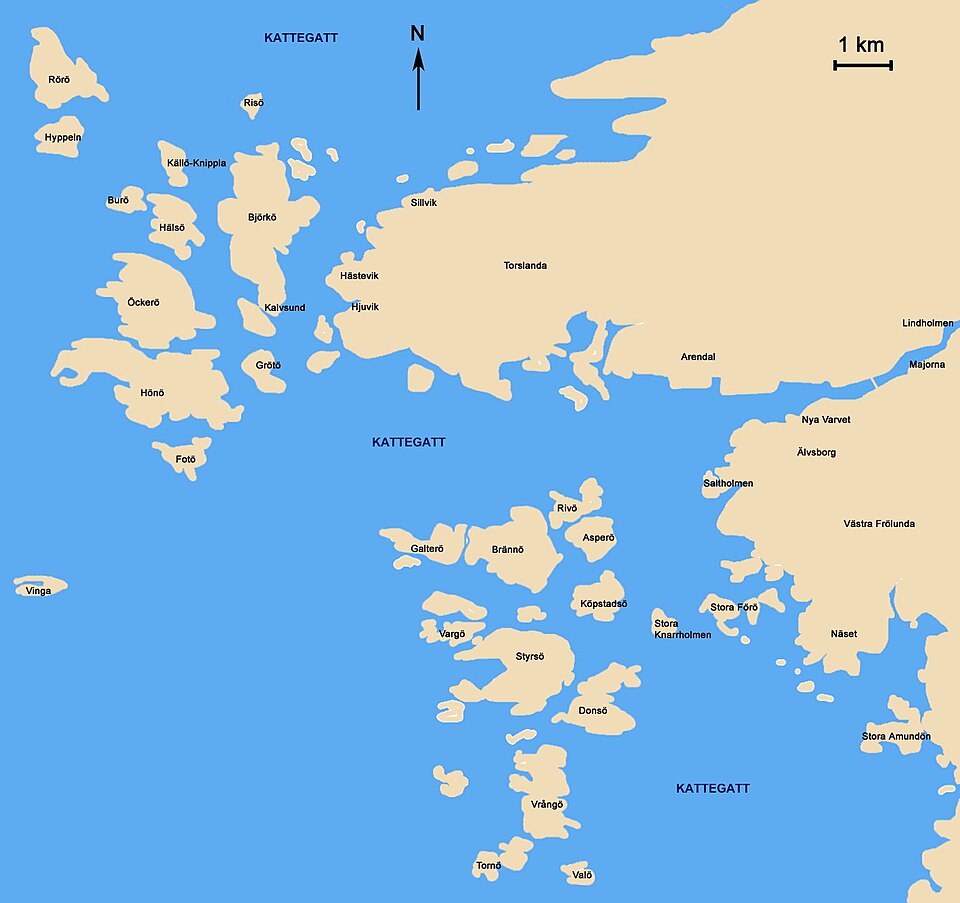
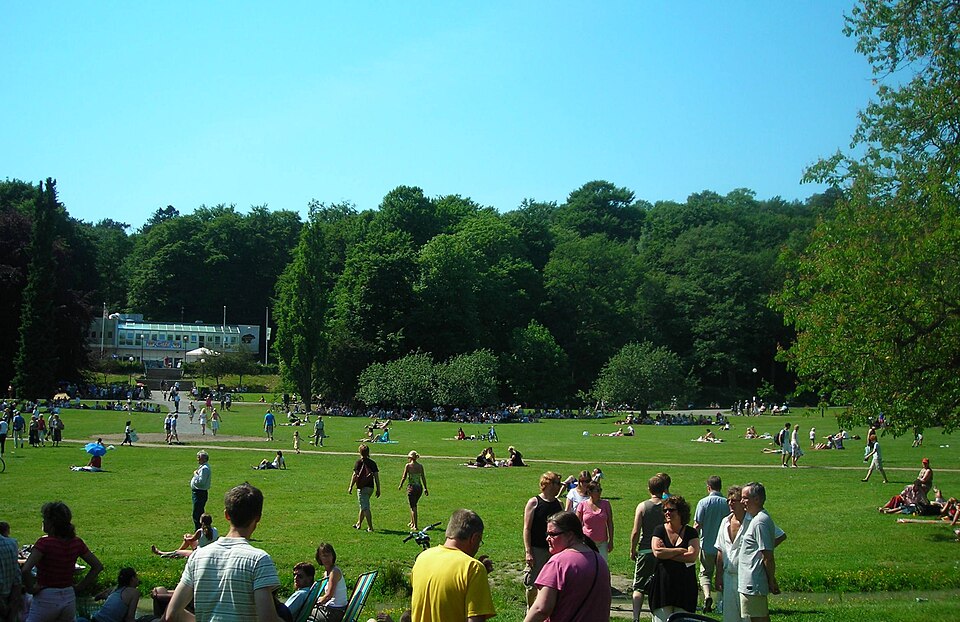
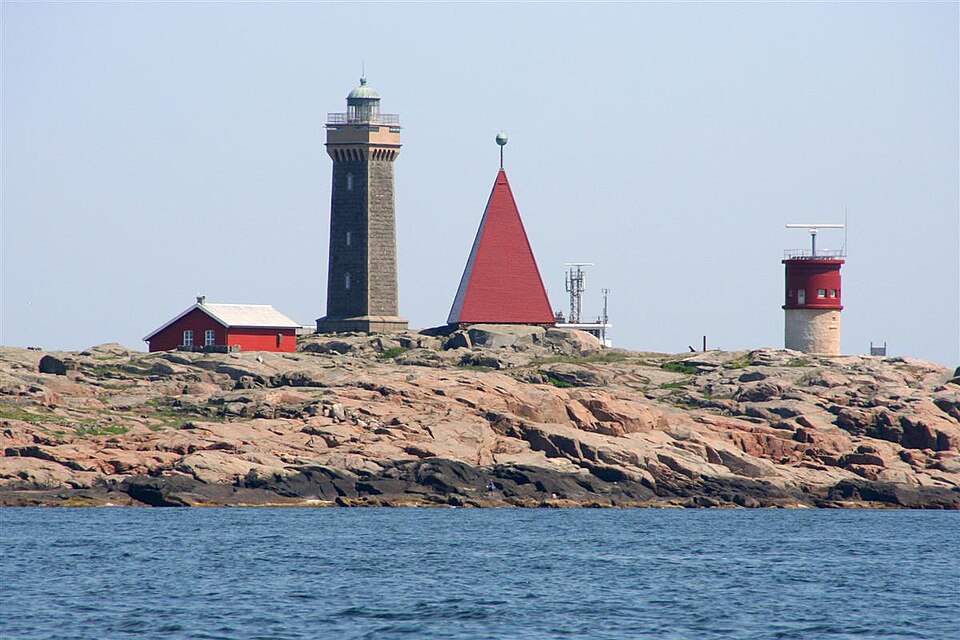
- Göta älv River · 4 km
- Hisingen Island · 8 km
- Trädgårdsföreningen Park · 1 km
- Saltholmen Peninsula · 9 km
- Fotö Island · 19 km
Marked walks
- Hisingsparken 11.1km10.7 km · 5 km from the centre
- Hisingsparken 7.4km7.5 km · 5 km from the centre
- Hisingsparken 5.4km5.3 km · 5 km from the centre
- Hisingsparken 2.8km2.7 km · 6 km from the centre
- Gröna slingan2.5 km · 6 km from the centre
- Fridhemsslingan2.4 km · 7 km from the centre
- Herkulesgården grön/vit6.5 km · 8 km from the centre
- Herkulesgården gul4.1 km · 8 km from the centre
Long-distance trails through the area: European long distance path E1 (7,837 km), Nordsøstien (4,571 km), Bohusleden (344 km).
Routes from OpenStreetMap via Waymarked Trails. Not checked by 4Planet: follow local signs and conditions.
Wildlife around Gothenburg
The wild animals people record most within 50 km, 2016–2025. Tick the ones you have seen to build your own list.


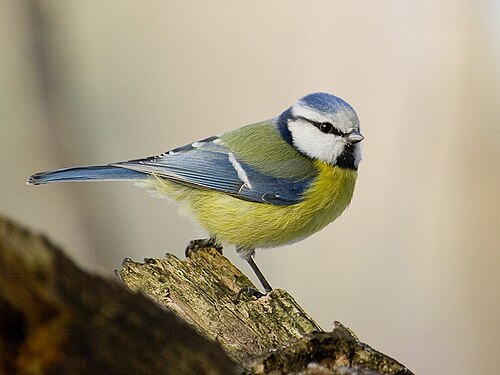
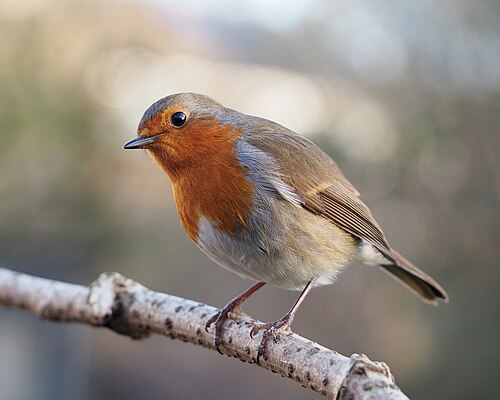

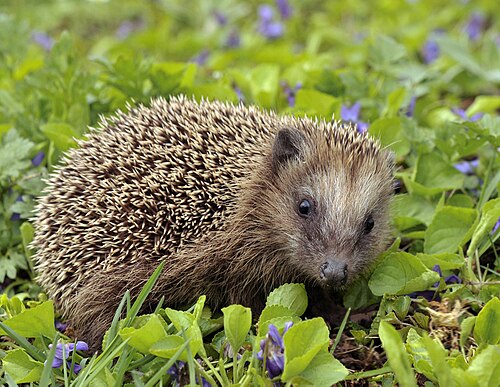

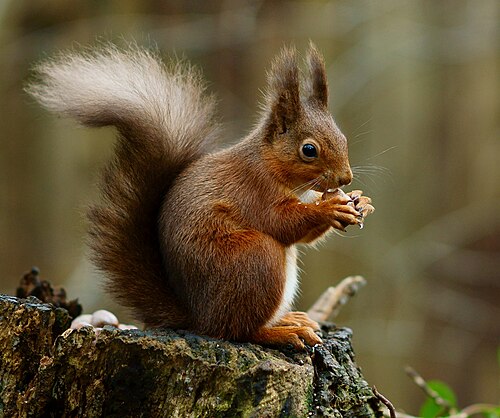


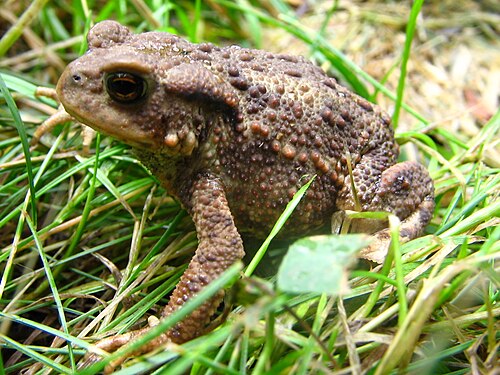

Seen in the last 30 days
What can you see near Gothenburg now?
Month by month, from 4,394,741 records people shared within 50 km, 2016–2025.
At their peak in January


Most seen in January
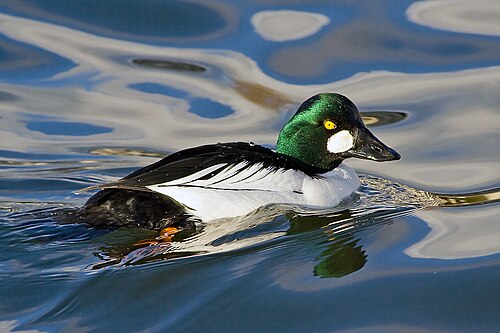
Plants and fungi at their peak in January


355,220 animal records in January.
At their peak in February

Most seen in February
Plants and fungi at their peak in February


245,575 animal records in February.
At their peak in March


Most seen in March

Plants and fungi at their peak in March
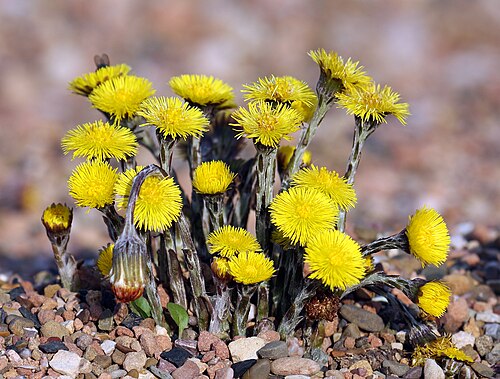


418,743 animal records in March.
At their peak in April


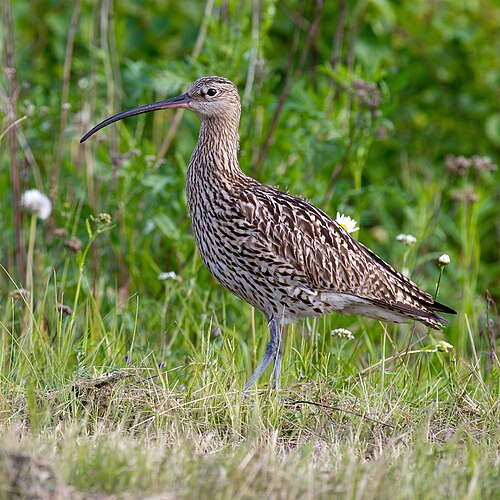

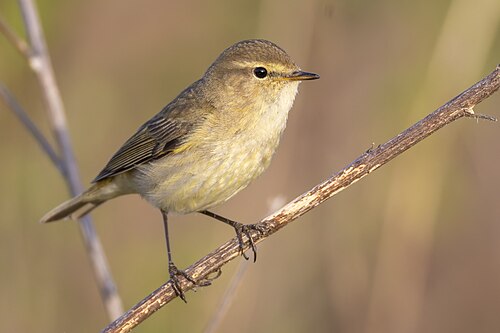
Most seen in April

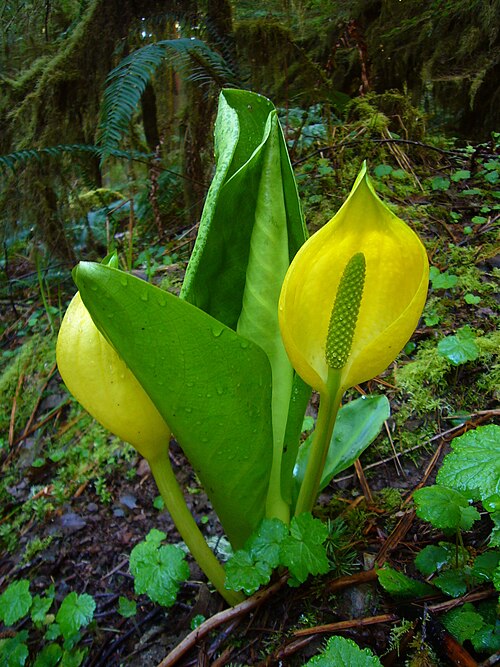
Plants and fungi at their peak in April
561,191 animal records in April.
At their peak in May


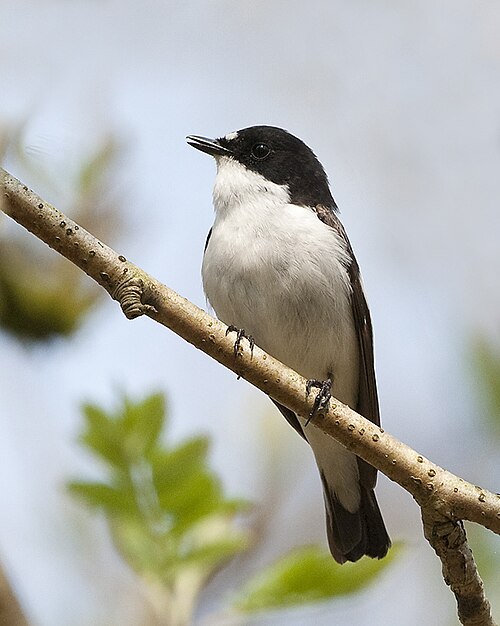
Most seen in May


Plants and fungi at their peak in May


625,029 animal records in May.
At their peak in June


Most seen in June
Plants and fungi at their peak in June


392,229 animal records in June.
At their peak in July


Most seen in July

Plants and fungi at their peak in July


329,122 animal records in July.
At their peak in August


Most seen in August

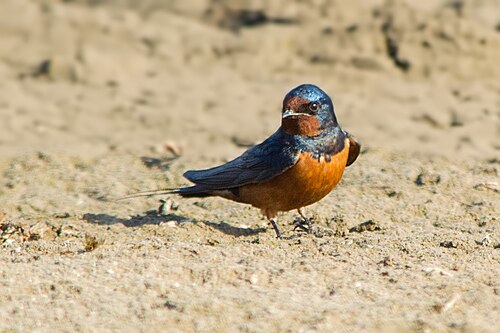
Plants and fungi at their peak in August

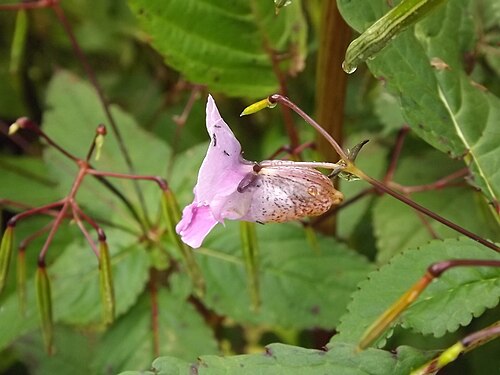

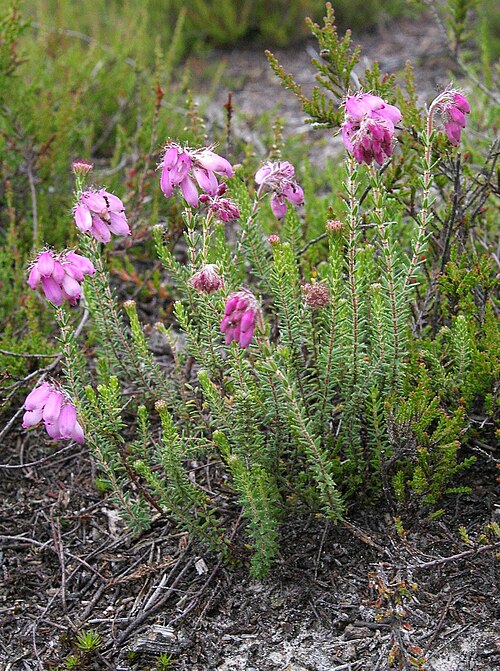
374,362 animal records in August.
At their peak in September


Most seen in September
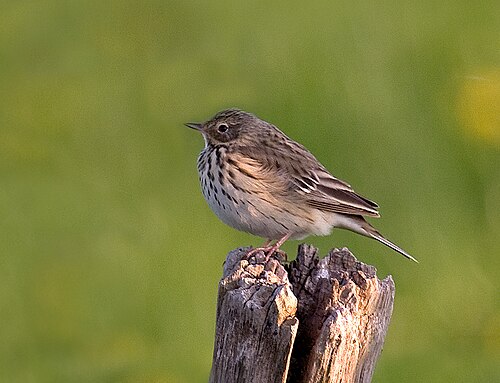
Plants and fungi at their peak in September
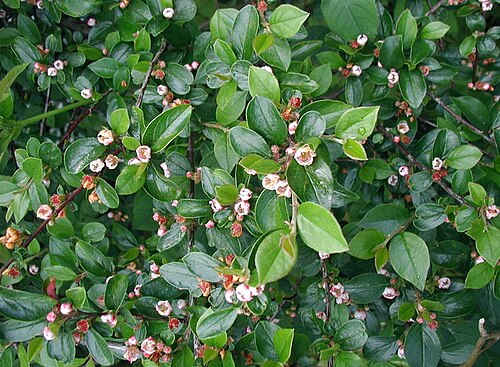
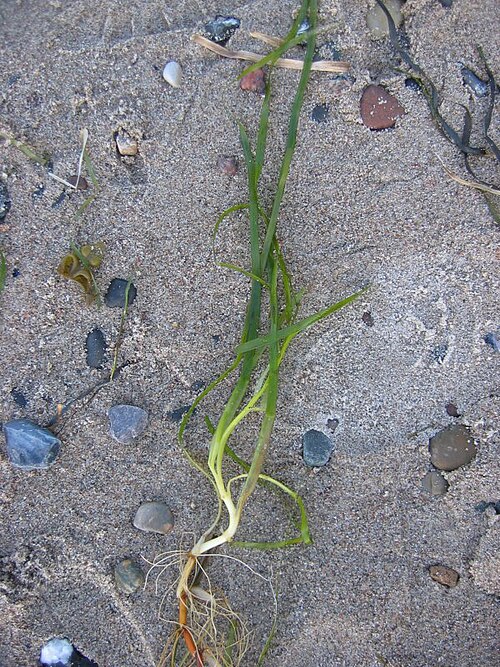
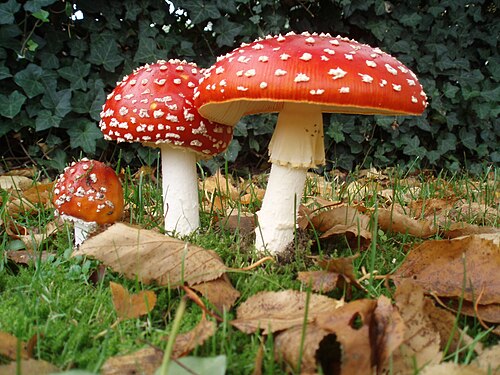
351,022 animal records in September.
At their peak in October


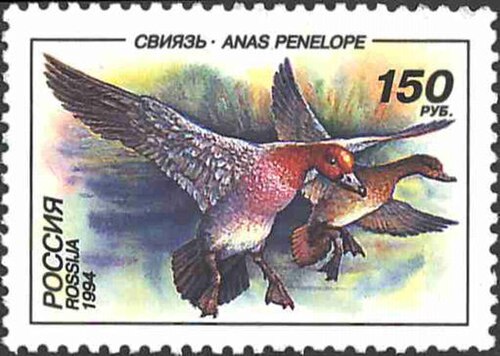
Most seen in October

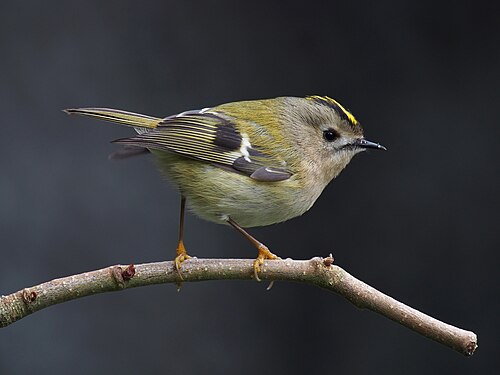
Plants and fungi at their peak in October
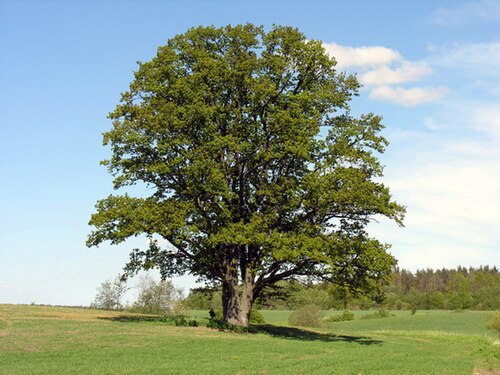


318,388 animal records in October.
At their peak in November

Most seen in November
Plants and fungi at their peak in November

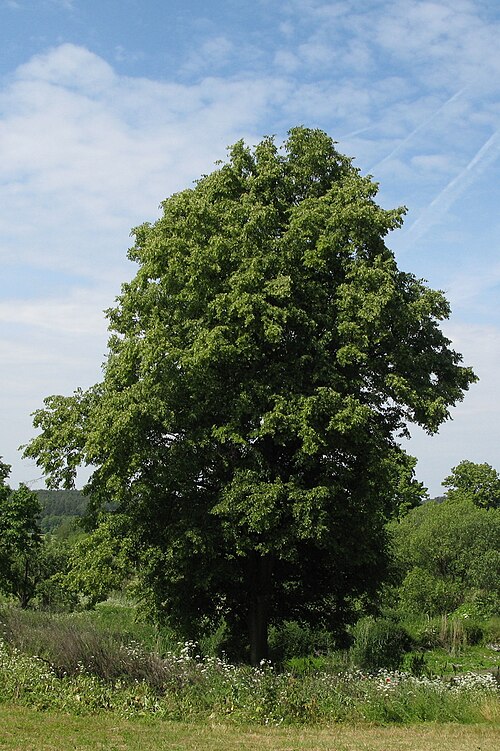
225,627 animal records in November.
At their peak in December

Most seen in December
198,233 animal records in December.
Gothenburg is getting warmer
+1.6 °CAverage temperature around Gothenburg in 2016–2025, compared with 1981–1990.
Daylight: about 7 hours in December and 18 in June.
Seen something near Gothenburg?
Share a photo of it on iNaturalist. Other naturalists help name it, and confirmed records go to GBIF, where scientists use them. That is where the lists on this page come from.
Gothenburg on the living planet
More places near Gothenburg
Sources and photo credits
- Wikidata · Gothenburg (Q25287), facts and nature places
- Wikipedia page views · how well known each nature place is
- OpenStreetMap contributors via Waymarked Trails · marked walking routes (ODbL)
- GBIF · human observations within 50 km, 2016–2025 (4,394,741 animal records)
- NASA POWER · yearly temperature from satellite and model data (MERRA-2)
- MET Norway · weather now (shown live)
- Gothenburg, Sweden: Bengt Nyman from Vaxholm, Sweden, CC BY 2.0
- Archipelago of Gothenburg, Gothenburg: AHA, CC BY-SA 3.0
- Slottsskogen, Gothenburg: BIL, CC BY-SA 3.0
- Brännö, Gothenburg: Semin, CC BY-SA 4.0
- Gunnebo House, Gothenburg: Mkallgren, CC BY-SA 4.0
- Kronhuset, Gothenburg: Rolf Broberg, CC BY-SA 3.0
- Gothenburg Botanical Garden, Gothenburg: Bulver, CC BY-SA 4.0
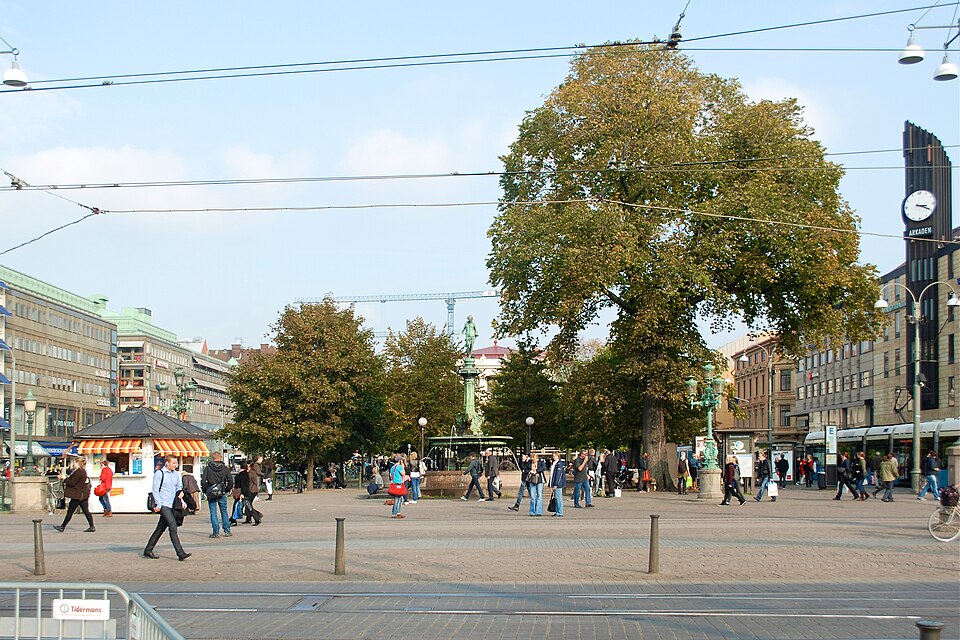
- Brunnsparken, Gothenburg: Ankara, CC BY-SA 3.0
- Vinga, Gothenburg: User 9or Svensson, CC BY-SA 3.0
- Common blackbird: Hobbyfotowiki, CC0
- Great tit: Frank Vassen from Brussels, Belgium, CC BY 2.0
- Eurasian blue tit: Sławek Staszczuk, CC BY-SA 3.0
- European robin: Francis C. Franklin, CC BY-SA 3.0
- Common wood pigeon: Don Loarie, CC BY 4.0
- European hedgehog: Michael Gäbler, CC BY-SA 3.0
- Small tortoiseshell: Bff, CC BY-SA 3.0
- Eurasian red squirrel: Peter Trimming, CC BY 2.0
- Roe deer: Jerzystrzelecki, CC BY 3.0
- Soprano pipistrelle: Magne Flåten, CC BY-SA 3.0
- Common toad: Taka, CC BY-SA 3.0
- Common frog: Richard Bartz, Munich aka Makro Freak Image:MFB.jpg, CC BY-SA 2.5
- Common goldeneye: Calibas, CC BY-SA 3.0
- Fieldfare: Frankie Fouganthin, CC BY-SA 4.0
- Whooper swan: Pascal Aleixandre, CC BY-SA 3.0
- Eurasian bullfinch: Francis Franklin, CC BY-SA 3.0
- Tufted duck: Alexis Lours, CC BY 4.0
- Netted shield lichen: James Lindsey, CC BY-SA 3.0
- Yellow brain: J. Carmichael, Public domain
- Common orange lichen: Holger Krisp, CC BY 3.0
- Smew: MPF, CC BY-SA 3.0
- Hazel: MPF, CC BY-SA 3.0
- English ivy: AnRo0002, CC0
- Snowdrop: Tim Green, CC BY 2.0
- Eurasian chaffinch: Gilles San Martin from Namur, Belgium, CC BY-SA 2.0
- Eurasian oystercatcher: Andreas Trepte, CC BY-SA 2.5
- Eurasian skylark: El Golli Mohamed, CC BY-SA 4.0
- Northern lapwing: Andreas Trepte, CC BY-SA 2.5
- Coltsfoot: Andreas Trepte, CC BY-SA 2.5
- Lesser celandine: AnRo0002, CC0
- Wood anemone: W. Bulach, CC BY-SA 4.0
- Common chiffchaff: Alexis Lours, CC BY 4.0
- White wagtail: Jac. Janssen from BAARLO LB, NL, CC BY 2.0
- Song thrush: Charles J. Sharp, CC BY-SA 4.0
- Green sandpiper: peterichman, CC BY-SA 2.0
- Eurasian curlew: Andreas Trepte, CC BY-SA 2.5
- Ring ouzel: MPF, CC BY-SA 3.0
- American skunk cabbage: Martin Bravenboer, Public domain
- Willow warbler: Andreas Trepte, CC BY-SA 2.5
- Eurasian blackcap: Ron Knight from Seaford, East Sussex, United Kingdom, CC BY 2.0
- Common whitethroat: Steve Garvie from Dunfermline, Fife, Scotland, CC BY-SA 2.0
- Lesser whitethroat: User:Aelwyn, CC BY-SA 3.0
- Common redstart: Aconcagua (talk), CC BY-SA 3.0
- European pied flycatcher: Mark Medcalf, CC BY 2.0
- Pasqueflower: Per A.J. Andersson, CC BY-SA 3.0
- Garlic mustard: O. Pichard, CC BY-SA 3.0
- Marsh warbler: Аимаина хикари, CC0
- Common swift: Alexis Lours, CC BY 4.0
- Viper's-grass: No machine-readable author provided. Rasbak assumed (based on copyright claims)., CC BY-SA 3.0
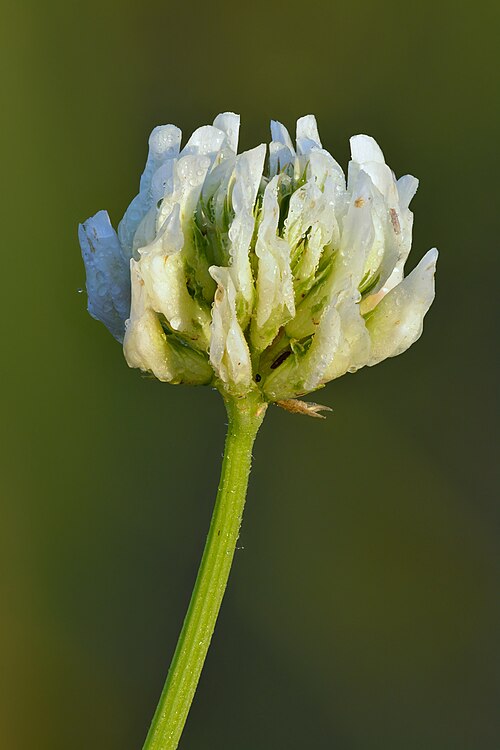
- White clover: Ivar Leidus, CC BY-SA 4.0
- Greater butterfly-orchid: Jörg Hempel, CC BY-SA 3.0 de
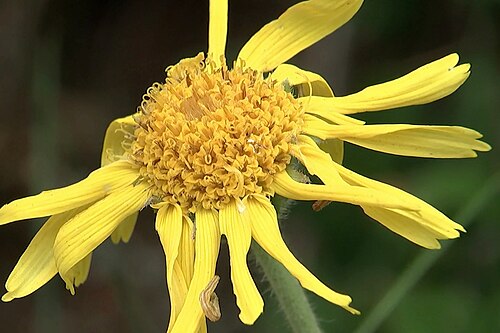
- Mountain arnica: W. Bulach, CC BY-SA 4.0
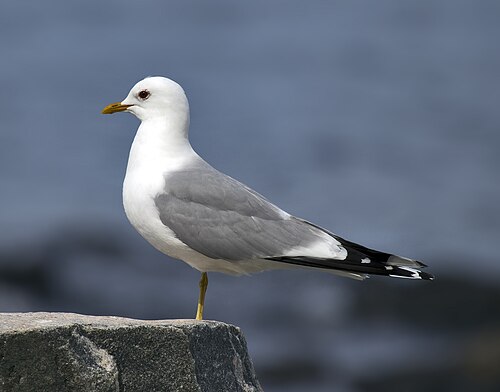
- Common gull: Andreas Trepte, CC BY-SA 2.5
- Lesser black-backed gull: Andreas Trepte, CC BY-SA 2.5
- Common greenshank: JJ Harrison (https://www.jjharrison.com.au/), CC BY-SA 3.0
- Common tern: Alexis Lours, CC BY 4.0
- Dunlin: Mdf, edited by Fir0002, CC BY-SA 3.0
- Common house martin: MPF, CC BY 2.5
- Meadowsweet: W. Bulach, CC BY-SA 4.0
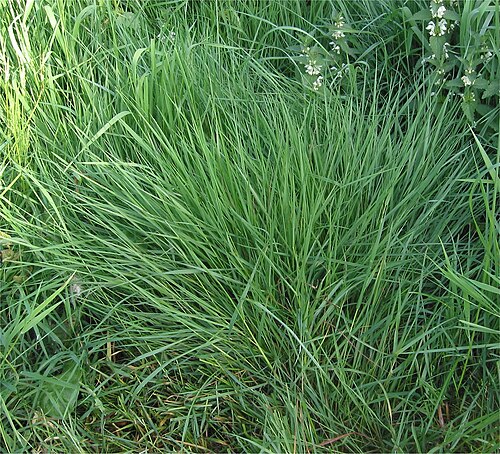
- Colonial bentgrass: Rasbak, CC BY-SA 3.0
- Tufted vetch: The original uploader was Sannse at English Wikipedia., CC BY-SA 3.0
- Grey heron: Bengt Nyman from Vaxholm, Sweden, CC BY 2.0
- Barn swallow: Morhaf Aljanee, CC BY-SA 3.0
- Western yellow wagtail: Kathy2408, CC BY-SA 4.0
- Common ringed plover: óskar elías sigurðsson, CC BY 2.0
- Marsh gentian: Bernd Haynold, CC BY-SA 2.5
- Himalayan balsam: Guptaele, CC BY-SA 4.0
- Devil's-bit: Stefan.lefnaer, CC BY-SA 4.0
- Cross-leaved heath: Christian Fischer, CC BY-SA 3.0
- Meadow pipit: Andreas Trepte, CC BY-SA 2.5
- Dunnock: Smalljim, CC BY 3.0
- Eurasian sparrowhawk: Meneer Zjeroen, CC BY 2.0
- Northern wheatear: Andreas Trepte, CC BY-SA 2.5
- Spreading cotoneaster: Original uploader was Sten Porse at da.wikipedia, CC BY-SA 3.0
- Eelgrass: Kristian Peters -- Fabelfroh 09:28, 16 September 2006 (UTC), CC BY-SA 3.0
- Fly agaric: Onderwijsgek, CC BY-SA 3.0 nl
- Winter wren: Alpsdake, CC BY-SA 3.0
- Goldcrest: Francis C. Franklin, CC BY-SA 3.0
- Brambling: mmlolek, CC BY 2.0
- Redwing: Andreas Trepte, CC BY-SA 2.5
- Eurasian wigeon: Почта России, Public domain
- Pedunculate oak: Algirdas at Lithuanian Wikipedia, Public domain
- European ash: Willow, CC BY 2.5
- Scots pine: Hello, I am Bruce on Flickr, CC BY-SA 2.0
- Norway spruce: Ivar Leidus, CC BY-SA 3.0 ee
- Redpoll: Jyrki Salmi from Finland, CC BY-SA 2.0
- Beech: Malene Thyssen, CC BY-SA 3.0
- Littleleaf linden: ImreKiss, CC BY 3.0
- Marsh tit: Stephan Sprinz, CC BY 4.0


Wildlife records show where people have seen and shared plants and animals, not everything that lives here; some places and months are recorded more than others. Sensitive species are never shown with a month or as seen recently. Routes come from OpenStreetMap and are not checked by 4Planet: follow local signs and conditions. Climate figures are NASA estimates for the area around Gothenburg, not a single weather station.
Checked 2026-11-27.