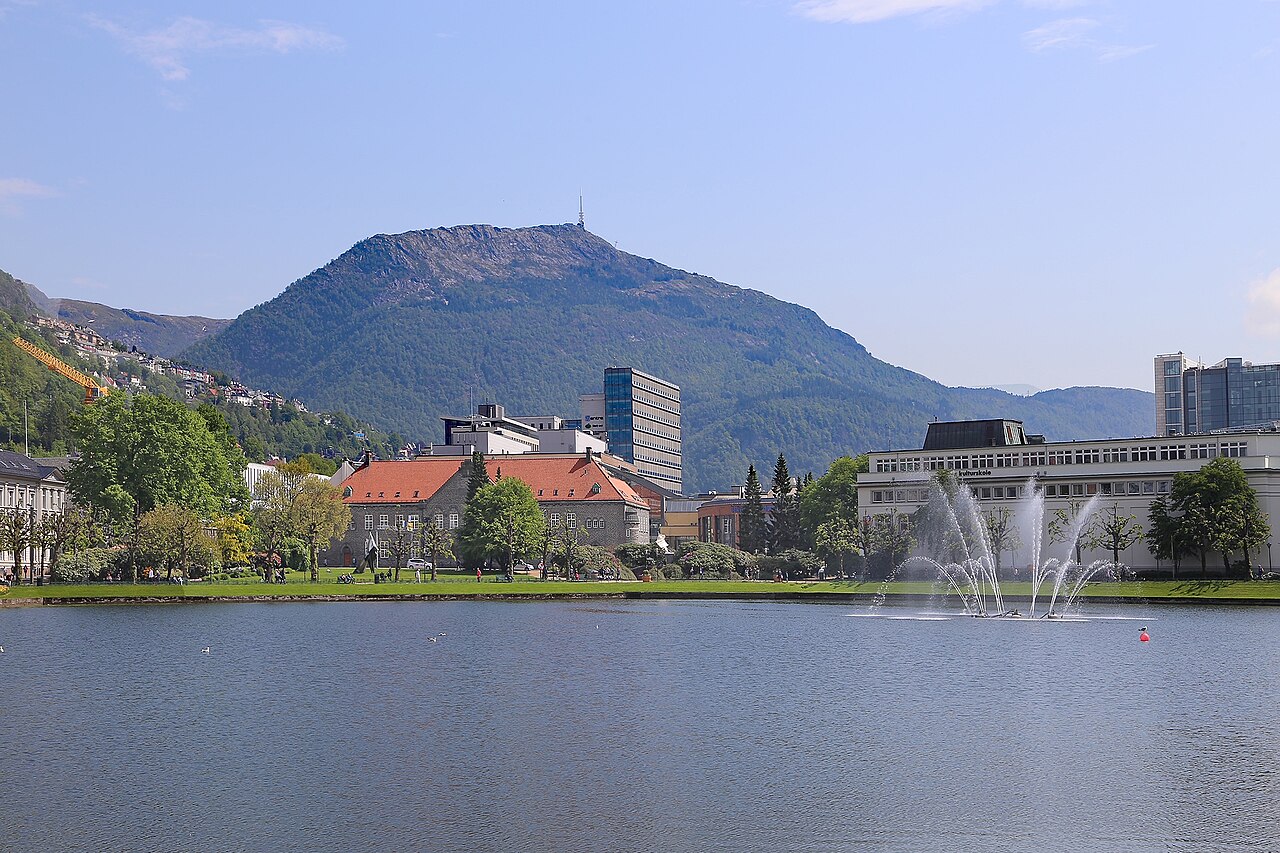
Bergen
Norwegian city in Vestland, Norway
Within 30 km of the centre of Bergen, the nature places people read about most are Scandinavian coastal conifer forests, Ulriken, Fløyen and Sotra, and marked walks close to the city include Rund Tur, Den gule løypen and Totlandsvegen - Ljosvollsvarden - Vallaheiane.
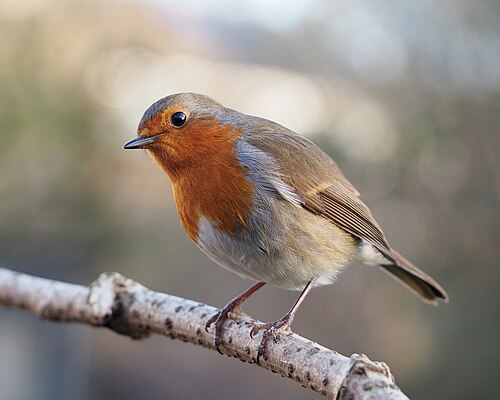
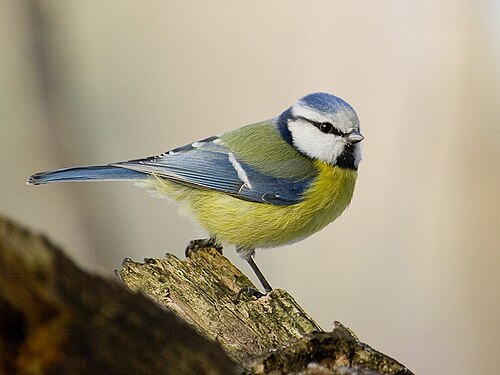
People have shared 1,005,714 wildlife records within 50 km of Bergen in the last ten years. The wild animals recorded most often are the common blackbird, the great tit, the European robin, the hooded crow and the Eurasian blue tit. Since the 1980s the area has become about 1.1 °C warmer.
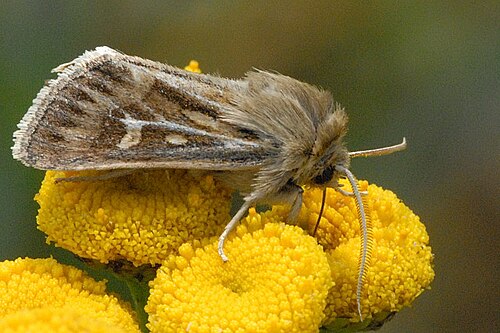
Among the animals people record most around Bergen, the hebrew character and the antler moth appear on no other city page here.
- Country
- Norway
- Population
- 291,189
- Area
- 87 km²
- Elevation
- 5 m
- Currency
- Norwegian krone
- Daylight
- 6 to 19 hours
Figures from Wikidata; population 2023.
Bergen on the map
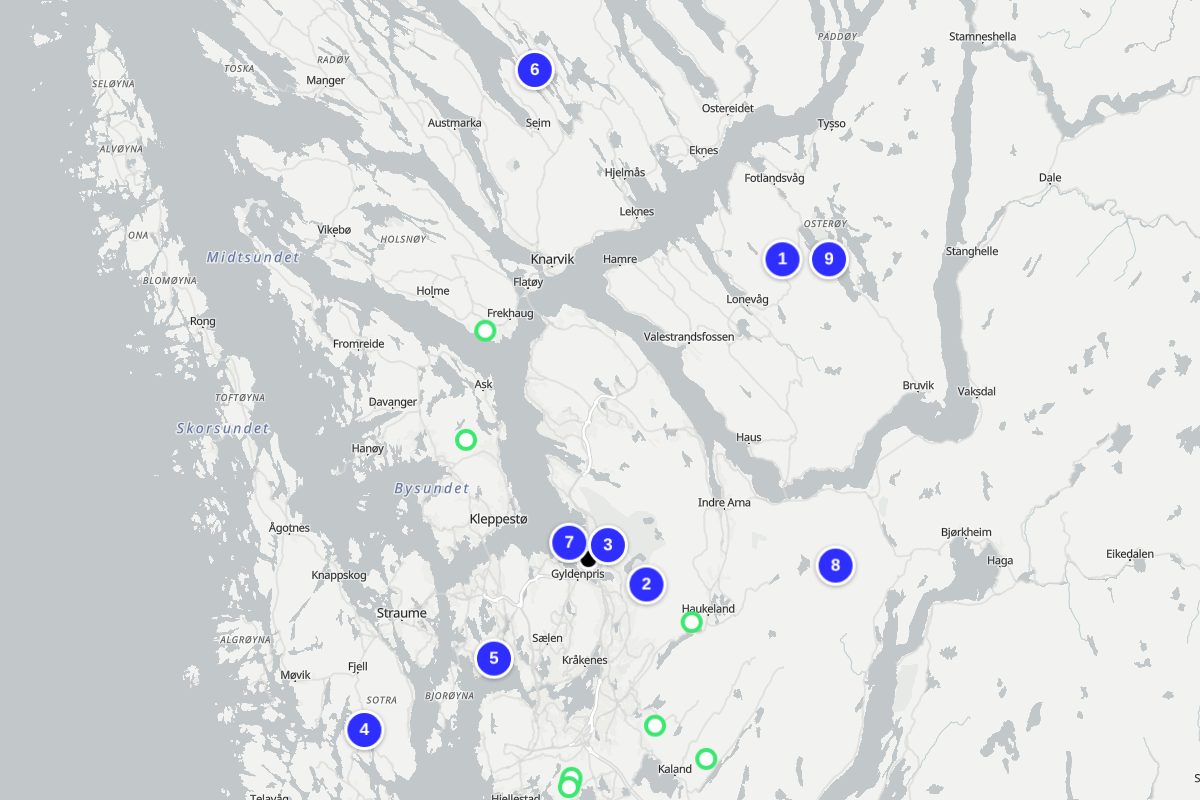
Numbers match the places below. Map: © OpenStreetMap contributors, OpenFreeMap.
- Scandinavian coastal conifer forests
- Ulriken
- Fløyen
- Sotra
- Haakonsvern Naval Station
- Nordhordland
- Bergen Aquarium
- Gullfjellet
- Osterøy
Nature close to Bergen
The places people read most about, from the centre outwards.
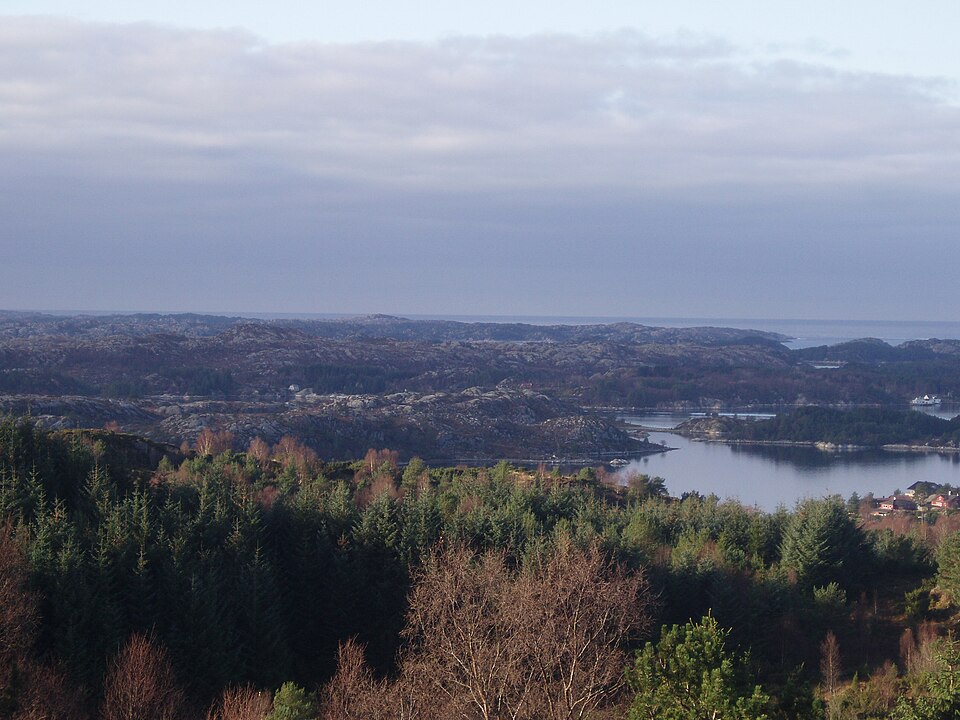


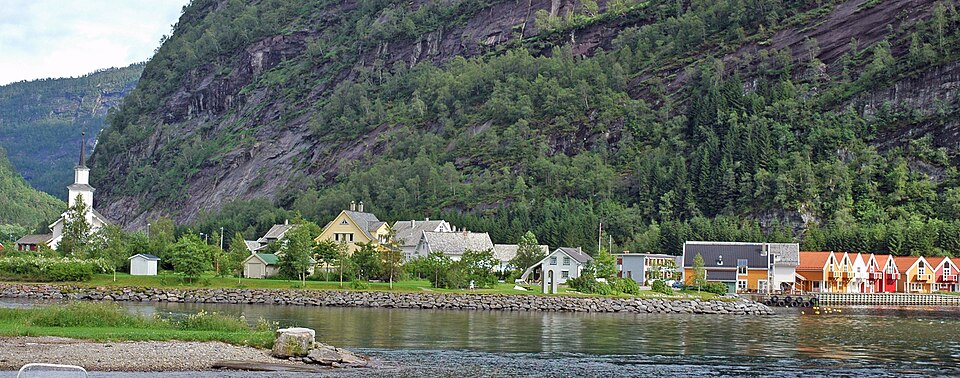

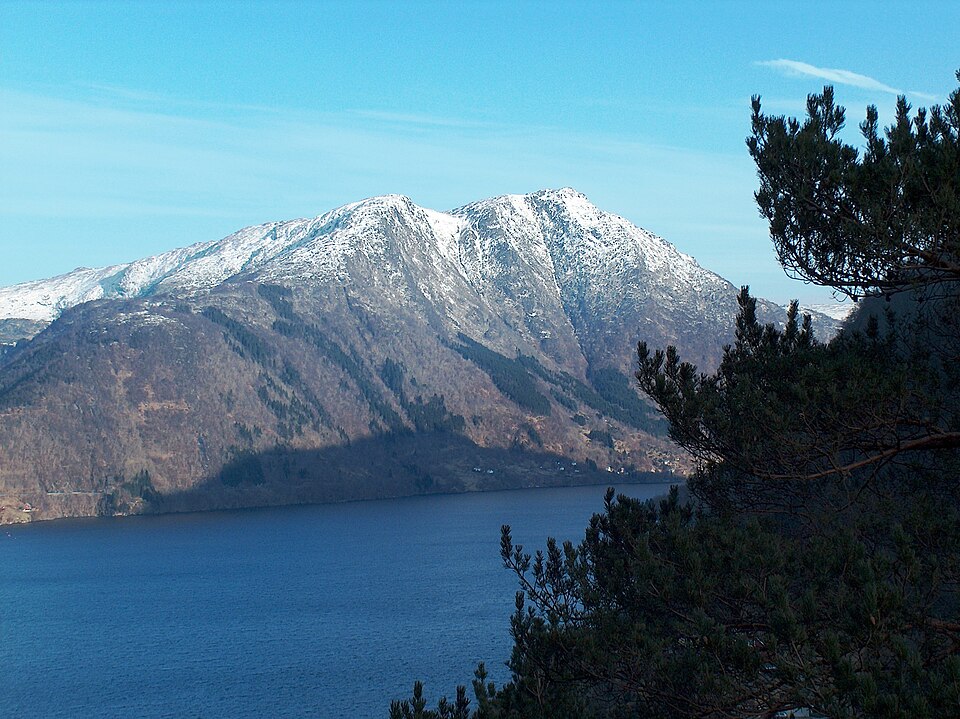
- Gullfjellet Hill · 15 km
- Herdla Island · 28 km
Marked walks
- Rund Tur1.9 km round trip · 7 km from the centre
- Den gule løypen6.3 km · 10 km from the centre · marked by Erdal IL
- Totlandsvegen - Ljosvollsvarden - Vallaheiane1 km · 11 km from the centre · marked by Kalandseid IL
- Rød tursløyfe4.6 km round trip · 13 km from the centre
- Gul tursløyfe3.1 km round trip · 13 km from the centre
- Blå tursløyfe6.5 km round trip · 14 km from the centre
- Kalandseid - Solbakkafjellet4.1 km · 14 km from the centre
- Mjåtveit-Furefjellet-Mjåtveitstø1.4 km · 15 km from the centre · marked by Alver kommune
Routes from OpenStreetMap via Waymarked Trails. Not checked by 4Planet: follow local signs and conditions.
Wildlife around Bergen
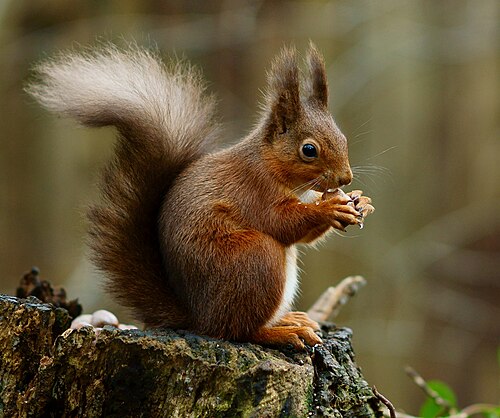
The wild animals people record most within 50 km, 2016–2025. Tick the ones you have seen to build your own list.







Seen in the last 30 days
What can you see near Bergen now?
Month by month, from 1,005,714 records people shared within 50 km, 2016–2025.
At their peak in January


Most seen in January
134,984 animal records in January.
At their peak in February
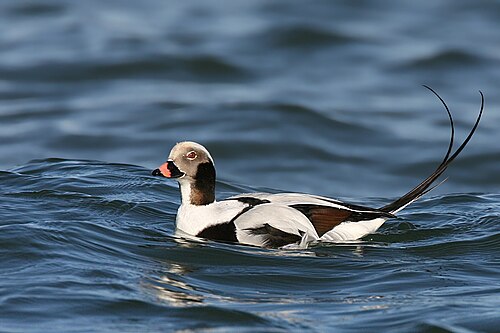

Most seen in February
67,146 animal records in February.
At their peak in March


Most seen in March

83,865 animal records in March.
At their peak in April


Most seen in April
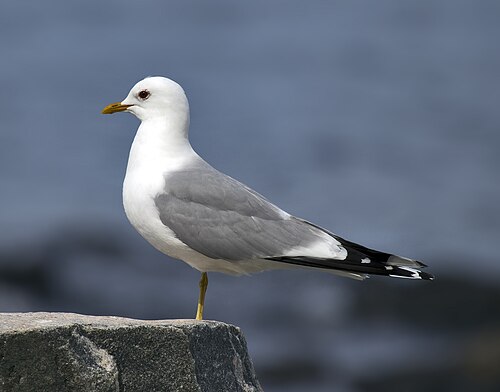

Plants and fungi at their peak in April

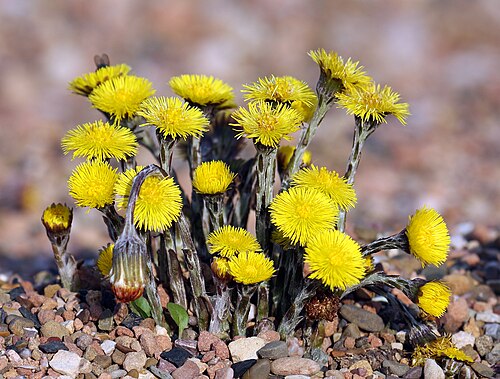


127,717 animal records in April.
At their peak in May
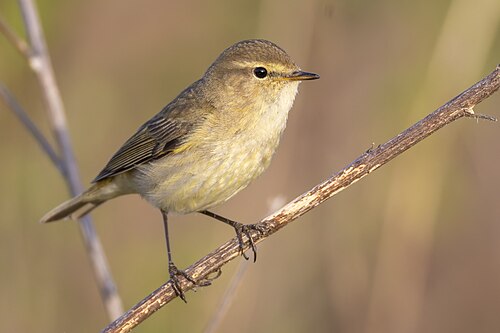
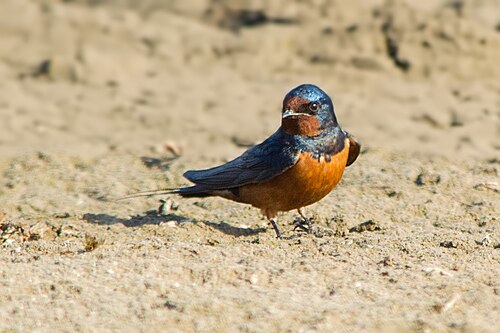

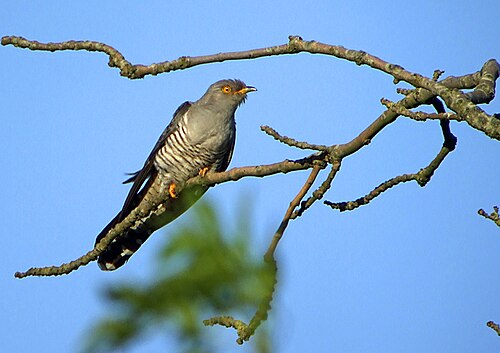
Most seen in May

Plants and fungi at their peak in May
122,786 animal records in May.
At their peak in June


Most seen in June
Plants and fungi at their peak in June

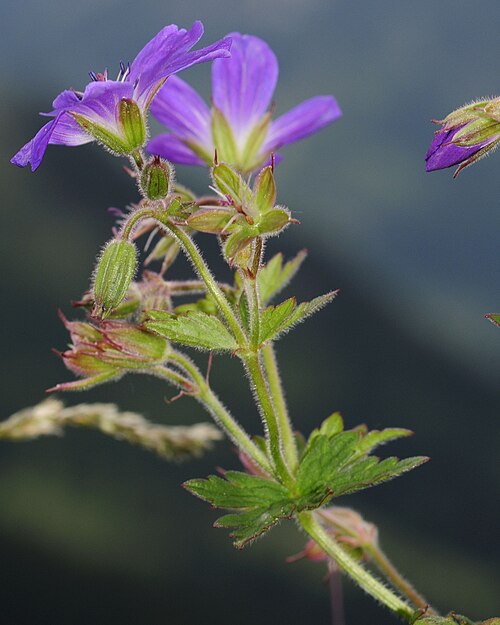

75,887 animal records in June.
At their peak in July

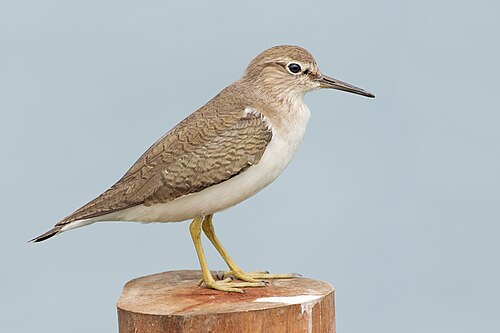
Most seen in July

Plants and fungi at their peak in July
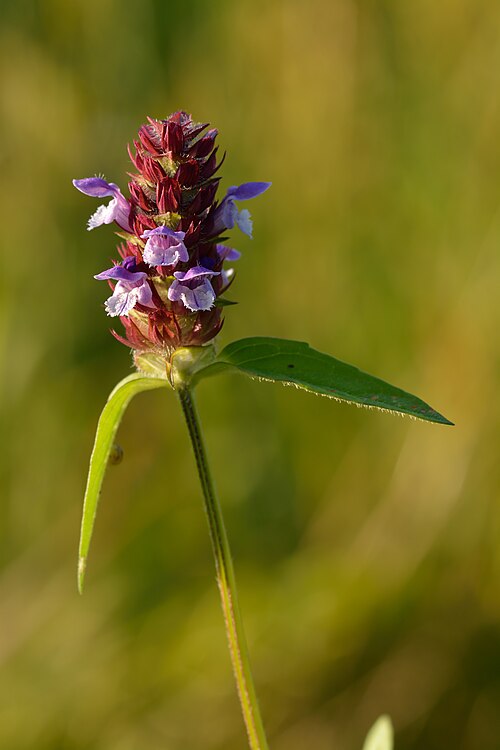


61,046 animal records in July.
At their peak in August


Most seen in August

Plants and fungi at their peak in August


71,178 animal records in August.
At their peak in September

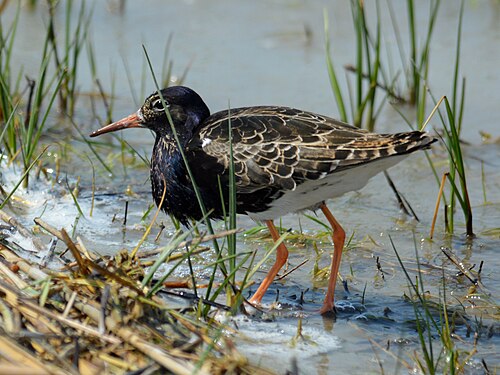
Most seen in September
Plants and fungi at their peak in September
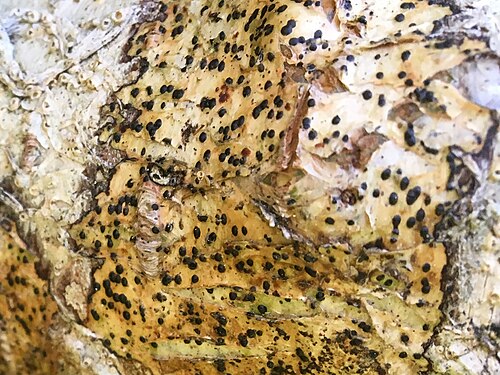
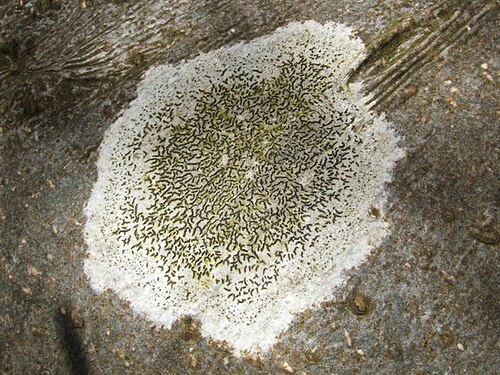


68,154 animal records in September.
At their peak in October


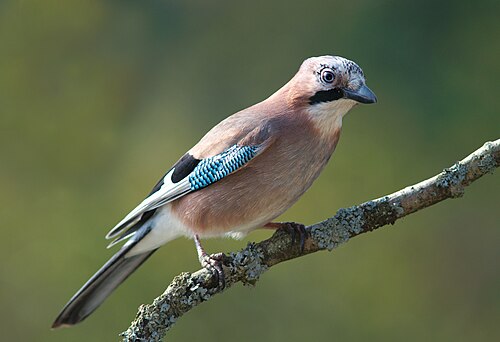

Most seen in October
Plants and fungi at their peak in October

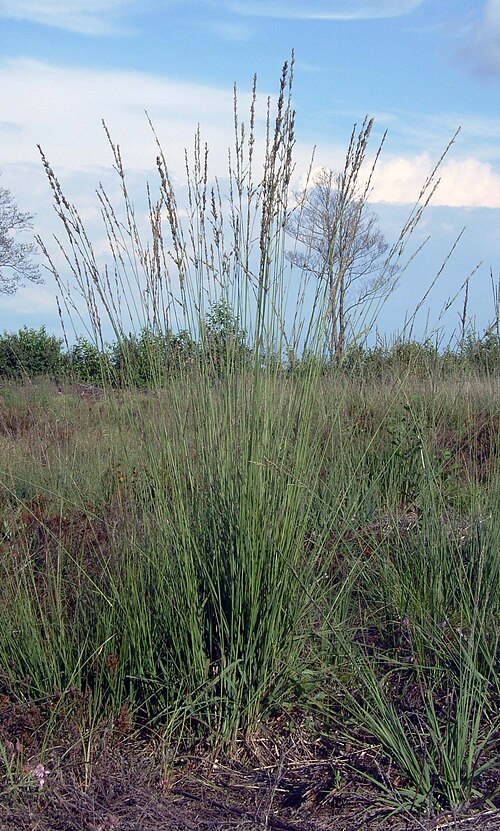
82,722 animal records in October.
At their peak in November

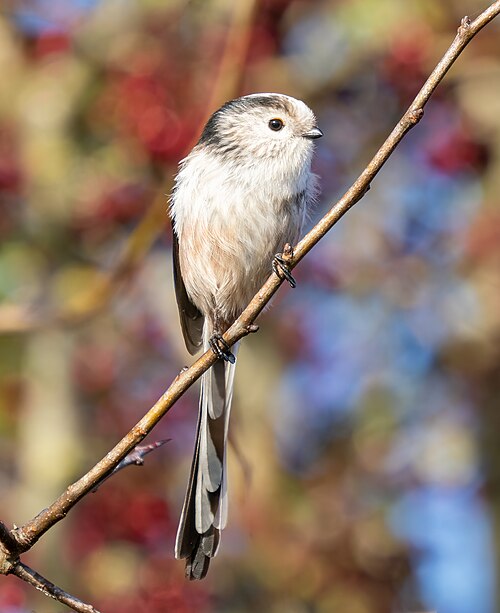

Most seen in November
57,078 animal records in November.
At their peak in December

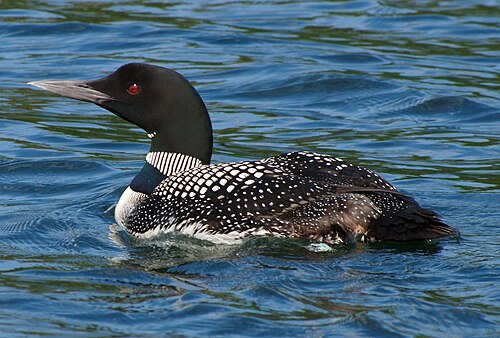
Most seen in December
53,151 animal records in December.
Bergen is getting warmer
+1.1 °CAverage temperature around Bergen in 2016–2025, compared with 1981–1990.
Daylight: about 6 hours in December and 19 in June.
Seen something near Bergen?
Share a photo of it on iNaturalist. Other naturalists help name it, and confirmed records go to GBIF, where scientists use them. That is where the lists on this page come from.
Explore next
What puts Bergen under pressure, what helps, and who works on it.
Bergen on the living planet
More places near Bergen
Sources and photo credits
- Wikidata · Bergen (Q26793), facts and nature places
- Wikipedia page views · how well known each nature place is
- OpenStreetMap contributors via Waymarked Trails · marked walking routes (ODbL)
- GBIF · human observations within 50 km, 2016–2025 (1,005,714 animal records)
- NASA POWER · yearly temperature from satellite and model data (MERRA-2)
- MET Norway · weather now (shown live)
- Natural Earth · populated place 1159150643, public domain
- Bergen, Norway: W. Bulach, CC BY-SA 4.0
- Scandinavian coastal conifer forests, Bergen: Frokor, Public domain
- Ulriken, Bergen: Aqwis, CC BY-SA 3.0
- Fløyen, Bergen: Svein Harkestad, CC BY-SA 4.0
- Sotra, Bergen: Frode Inge Helland, CC BY-SA 2.0
- Haakonsvern Naval Station, Bergen: Einherjer, CC BY-SA 3.0
- Nordhordland, Bergen: Tor-Egil Farestveit, CC BY-SA 3.0
- Bergen Aquarium, Bergen: Premeditated, CC BY-SA 4.0
- Osterøy, Bergen: Svein Harkestad, Bergen in Norway, CC BY-SA 3.0
- Common blackbird: Hobbyfotowiki, CC0
- Great tit: Frank Vassen from Brussels, Belgium, CC BY 2.0
- European robin: Francis C. Franklin, CC BY-SA 3.0
- Hooded crow: Donald Hobern from Copenhagen, Denmark, CC BY 2.0
- Eurasian blue tit: Sławek Staszczuk, CC BY-SA 3.0
- Eurasian red squirrel: Peter Trimming, CC BY 2.0
- Hebrew character: Myself, CC BY 3.0
- Antler moth: James K. Lindsey, CC BY-SA 3.0
- Red deer: Charles J. Sharp, CC BY-SA 4.0
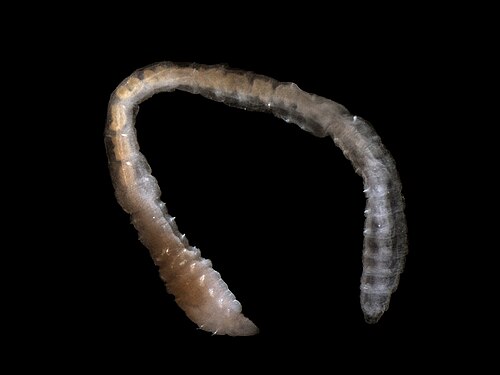
- Gallery worm: Hans Hillewaert, CC BY-SA 4.0
- Capitellid thread worm: Hans Hillewaert, CC BY-SA 4.0
- Bubble gum coral: NOAA/Monterey Bay Aquarium Research Institute, Public domain
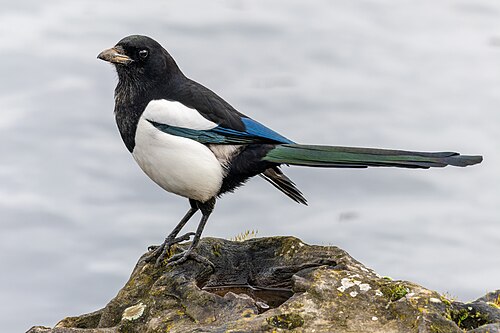
- Eurasian magpie: Alexis Lours, CC BY 4.0
- Eurasian nuthatch: Chme82, CC BY-SA 4.0
- Eurasian bullfinch: Francis Franklin, CC BY-SA 3.0
- Brambling: mmlolek, CC BY 2.0
- Whooper swan: Pascal Aleixandre, CC BY-SA 3.0
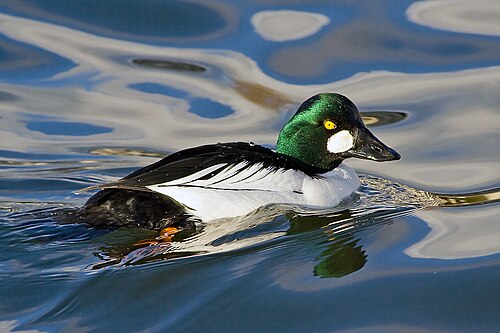
- Common goldeneye: Calibas, CC BY-SA 3.0
- Long-tailed duck: Wolfgang Wander, CC BY-SA 3.0
- Purple sandpiper: peterichman, CC BY-SA 2.0
- Mallard: Rolf Dietrich Brecher from Germany, CC BY 2.0
- Eurasian oystercatcher: Andreas Trepte, CC BY-SA 2.5
- Common murre: Charles J. Sharp, CC BY-SA 4.0
- Common shelduck: MPF, CC BY-SA 4.0
- Snow bunting: Amasuela - Luis Lafuente Agudín, CC BY-SA 4.0
- Common gull: Andreas Trepte, CC BY-SA 2.5
- Eurasian chaffinch: Gilles San Martin from Namur, Belgium, CC BY-SA 2.0
- Song thrush: Charles J. Sharp, CC BY-SA 4.0
- Dunnock: Smalljim, CC BY 3.0
- Wood anemone: W. Bulach, CC BY-SA 4.0
- Coltsfoot: Andreas Trepte, CC BY-SA 2.5
- Western hemlock: Doug Kerr from Albany, NY, United States, CC BY-SA 2.0
- Lesser celandine: AnRo0002, CC0
- Willow warbler: Andreas Trepte, CC BY-SA 2.5
- Common chiffchaff: Alexis Lours, CC BY 4.0
- Barn swallow: Morhaf Aljanee, CC BY-SA 3.0
- Eurasian blackcap: Ron Knight from Seaford, East Sussex, United Kingdom, CC BY 2.0
- Common cuckoo: GabrielBuissart, CC BY-SA 3.0
- Common whitethroat: Steve Garvie from Dunfermline, Fife, Scotland, CC BY-SA 2.0
- Common swift: Alexis Lours, CC BY 4.0
- Garden lupin: W. Bulach, CC BY-SA 4.0
- Woodland geranium: Philipp Weigell, CC BY 3.0
- Heath spotted-orchid: Jörg Hempel, CC BY-SA 3.0 de
- White wagtail: Jac. Janssen from BAARLO LB, NL, CC BY 2.0
- Common tern: Alexis Lours, CC BY 4.0
- Common sandpiper: JJ Harrison (https://www.jjharrison.com.au/), CC BY 3.0
- Heal-all: Ivar Leidus, CC BY-SA 3.0
- Greater butterfly-orchid: Jörg Hempel, CC BY-SA 3.0 de
- Star sedge: Bartosz Cuber, CC BY-SA 3.0
- European herring gull: Kulac, CC BY-SA 3.0
- Lesser black-backed gull: Andreas Trepte, CC BY-SA 2.5
- Common ringed plover: Arnoldius, CC BY-SA 3.0
- Dunlin: Mdf, edited by Fir0002, CC BY-SA 3.0
- Devil's-bit: Stefan.lefnaer, CC BY-SA 4.0
- Rusty rock: Pierre-Louis Crouan (1798-1871) & Hippolyte-Marie Crouan (1802-1871), Public domain
- False irish moss: Luis Fernández García, CC BY-SA 4.0
- European golden plover: W. Bulach, CC BY-SA 4.0
- Ruff: Wald1siedel, CC BY-SA 4.0
- Wart lichen: Moonfizh, CC BY-SA 4.0
- Elegant script lichen: Lairich Rig, CC BY-SA 2.0
- Diels' cotoneaster: Аимаина хикари, CC BY-SA 4.0
- Small balsam: André Karwath aka Aka, CC BY-SA 2.5
- Redwing: Andreas Trepte, CC BY-SA 2.5
- Goldcrest: Missy Osborn from New Forest, England, CC BY-SA 2.0
- Eurasian jay: Luc Viatour, CC BY-SA 3.0
- Red crossbill: Luiz Lapa from Oeiras, Portugal, CC BY 2.0
- Honey waxcap: Holger Krisp, CC BY 3.0
- Purple moor-grass: Elke Freese, CC BY-SA 3.0
- Common scoter: Stephan Sprinz, CC BY-SA 4.0
- Long-tailed tit: Rhododendrites, CC BY-SA 4.0
- Bohemian waxwing: Frank Vassen from Brussels, Belgium, CC BY 2.0
- Common merganser: Frank Schulenburg, CC BY-SA 3.0
- Common loon: John Picken from Chicago, USA, CC BY 2.0


Wildlife records show where people have seen and shared plants and animals, not everything that lives here; some places and months are recorded more than others. Sensitive species are never shown with a month or as seen recently. Routes come from OpenStreetMap and are not checked by 4Planet: follow local signs and conditions. Climate figures are NASA estimates for the area around Bergen, not a single weather station.
Checked 2026-11-20.