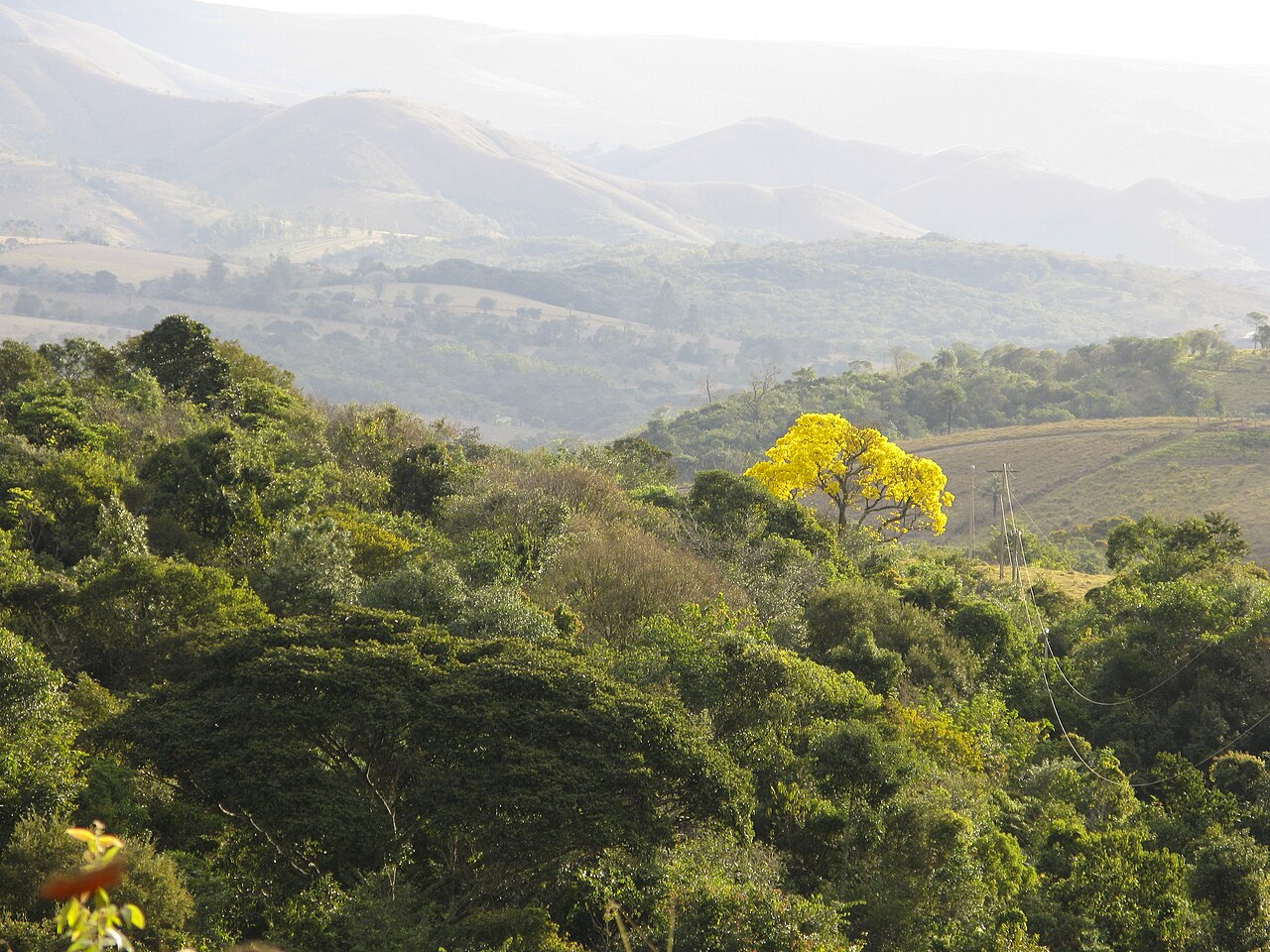
São Paulo
Largest city of Brazil, and capital of the State of São Paulo
Within 30 km of the centre of São Paulo, the nature places people read about most are Ibirapuera Park, Ipiranga Brook, Pico do Jaraguá and Serra da Cantareira, and marked walks close to the city include Trilha de Caminhada and Trilha do Rio Pinheiros.
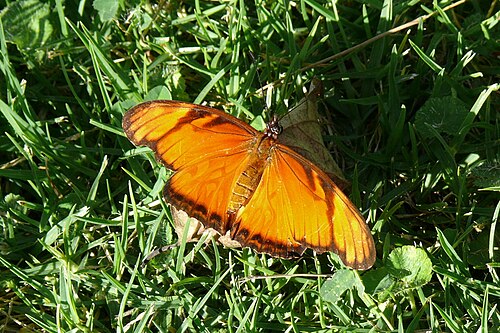
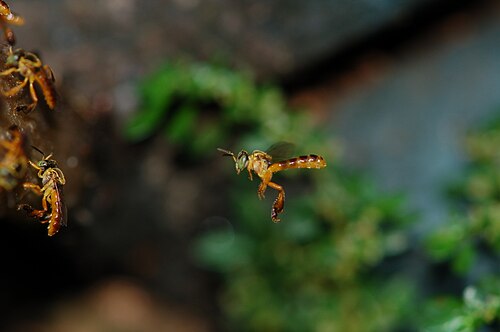
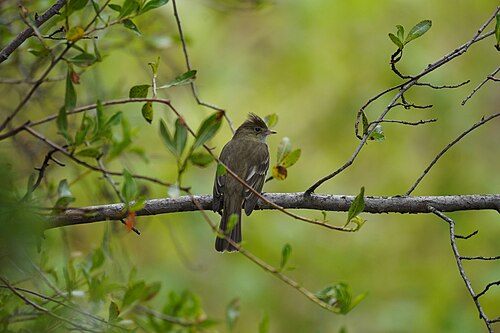
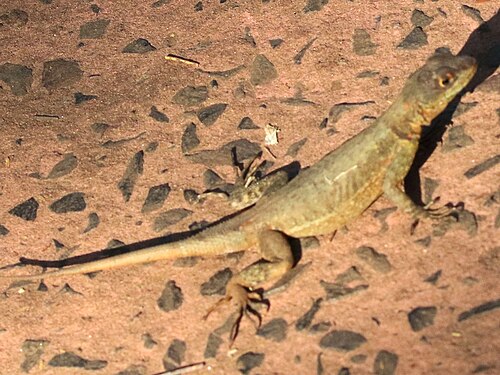
People have shared 1,802,775 wildlife records within 50 km of São Paulo in the last ten years. The wild animals recorded most often are the great kiskadee, the sayaca tanager, the plain parakeet, the rufous-bellied thrush and the bananaquit. Since the 1980s the area has become about 1.4 °C warmer.
Of the 93 cities on Atlas, São Paulo has the 20th most species named on its page and the 22nd most wildlife records shared within 50 km. Among the animals people record most around São Paulo, the sayaca tanager and the plain parakeet appear on no other city page here.
- Country
- Brazil
- Population
- 11.5 million
- Area
- 1,523 km²
- Elevation
- 760 m
- Currency
- Brazilian real
- Daylight
- 11 to 14 hours
Figures from Wikidata; population 2022.
São Paulo on the map
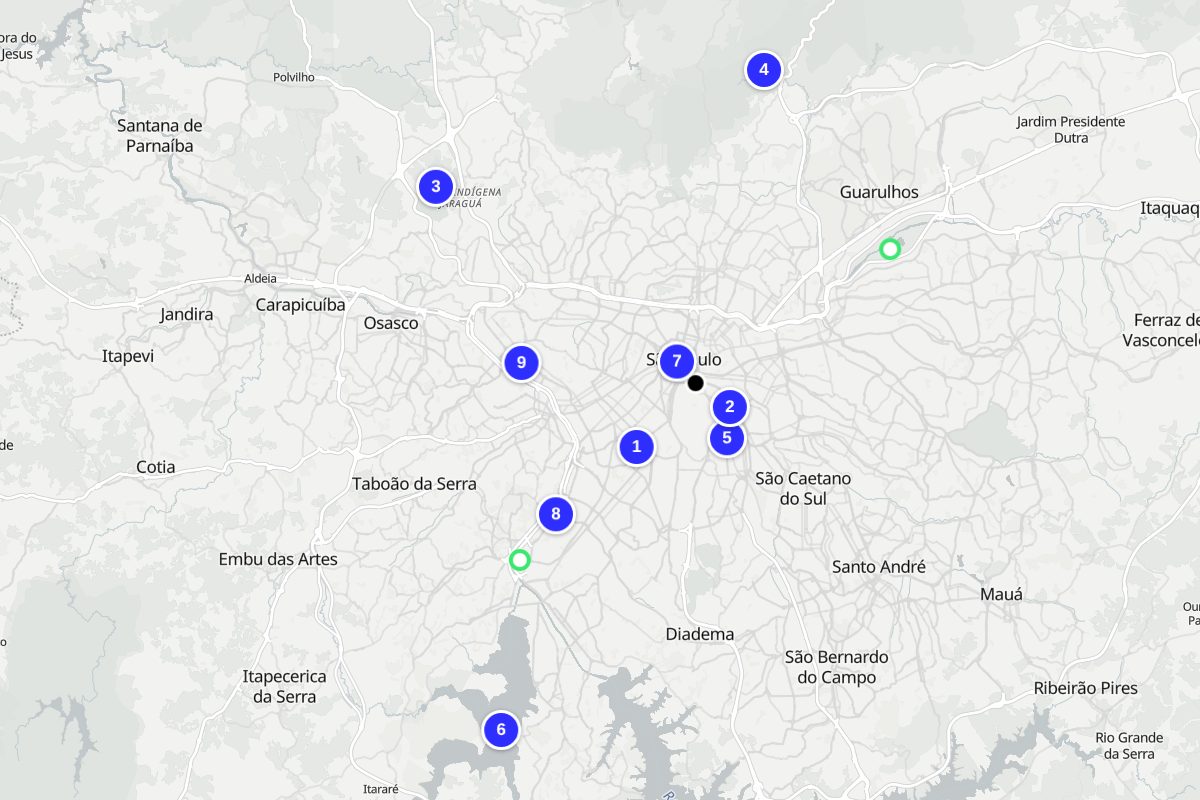
Numbers match the places below. Map: © OpenStreetMap contributors, OpenFreeMap.
- Ibirapuera Park
- Ipiranga Brook
- Pico do Jaraguá
- Serra da Cantareira
- Parque da Independência
- Guarapiranga Reservoir
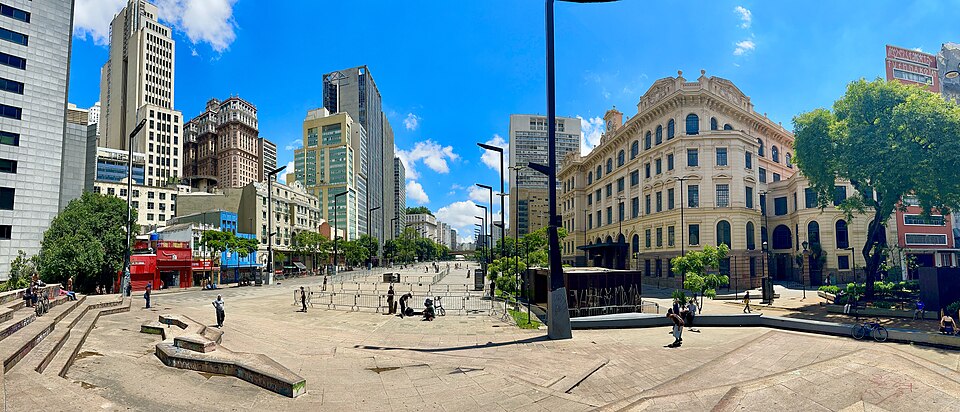
- Vale do Anhangabaú
- Pinheiros River
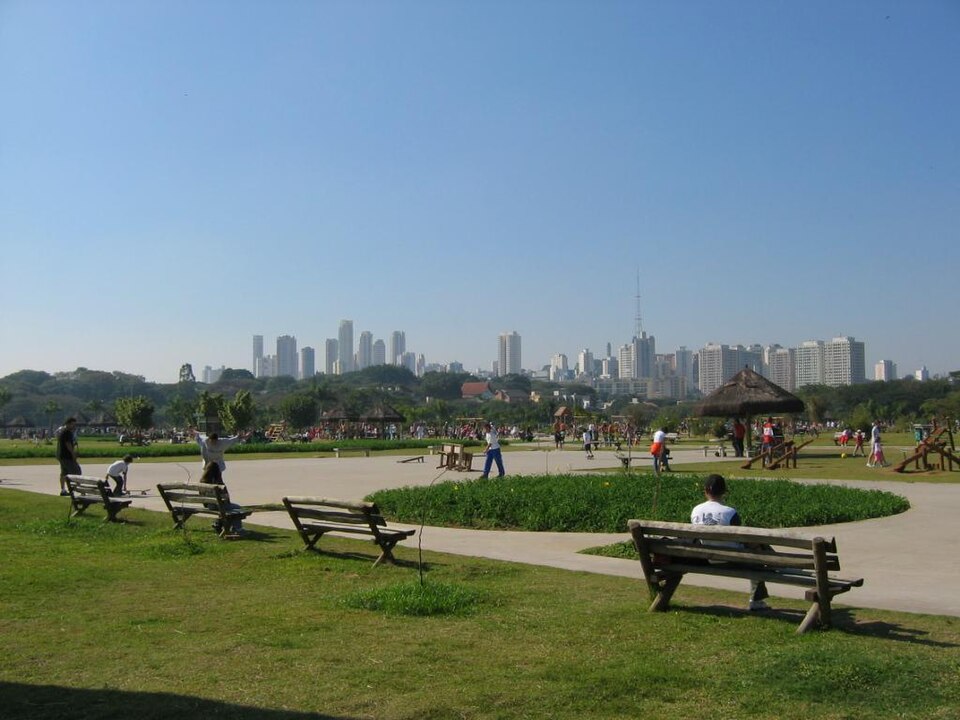
- Villa-Lobos State Park
Nature close to São Paulo
The places people read most about, from the centre outwards.


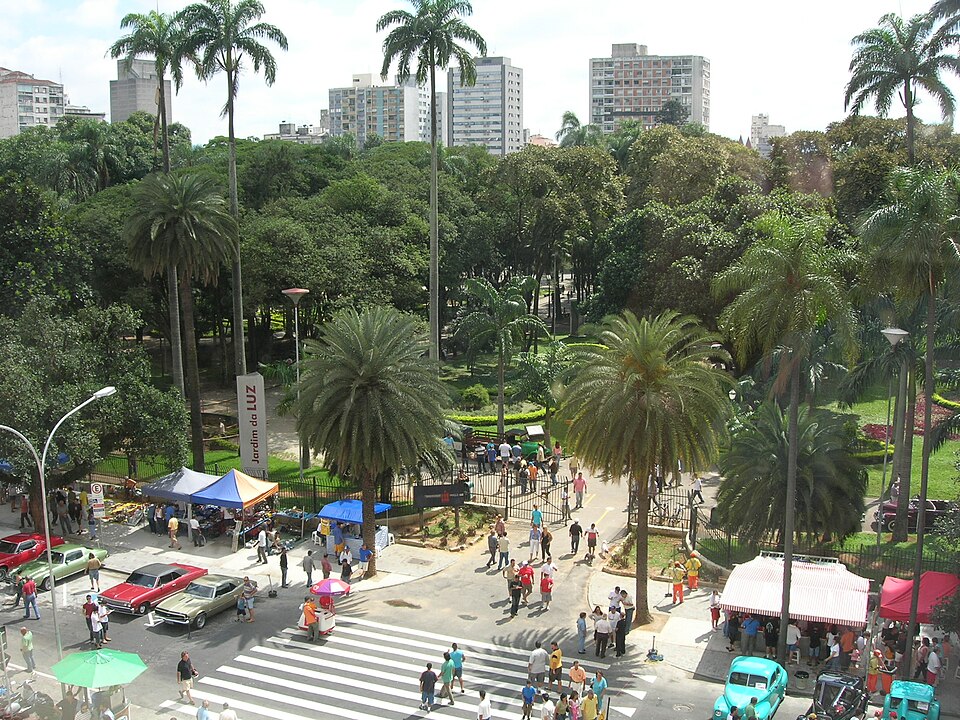
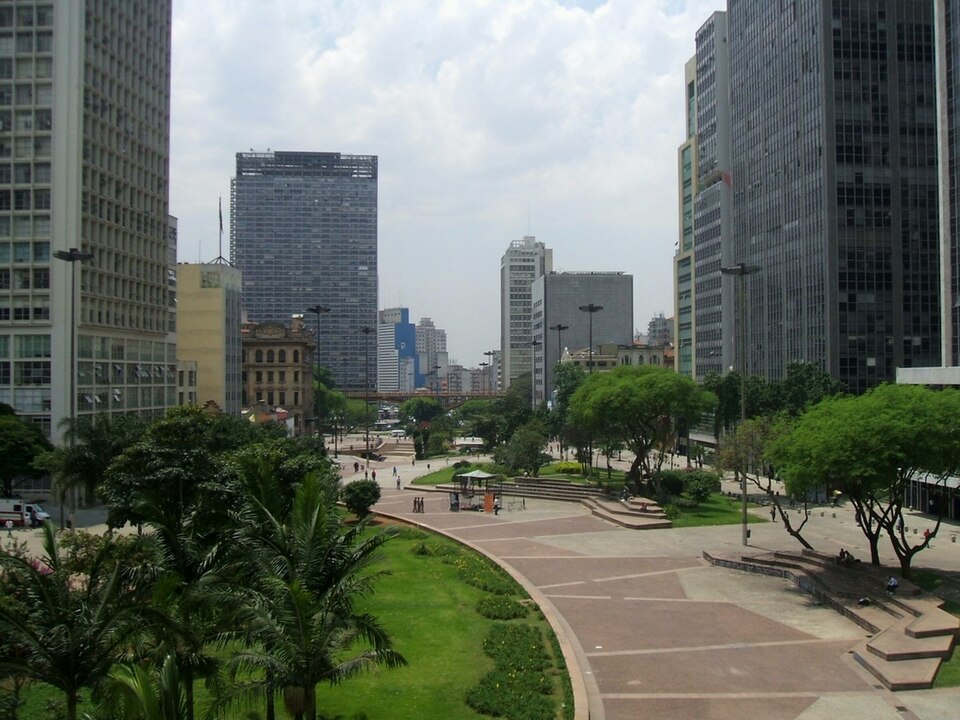

- Ipiranga Brook River · 2 km
- Parque da Independência Urban green space · 3 km
- Guarapiranga Reservoir Reservoir · 22 km
- Pinheiros River River · 11 km
- Parque Trianon Park · 3 km
Marked walks
- Trilha de Caminhada5.9 km · 13 km from the centre
- Trilha do Rio Pinheiros3.5 km · 14 km from the centre
Routes from OpenStreetMap via Waymarked Trails. Not checked by 4Planet: follow local signs and conditions.
Wildlife around São Paulo
The wild animals people record most within 50 km, 2016–2025. Tick the ones you have seen to build your own list.
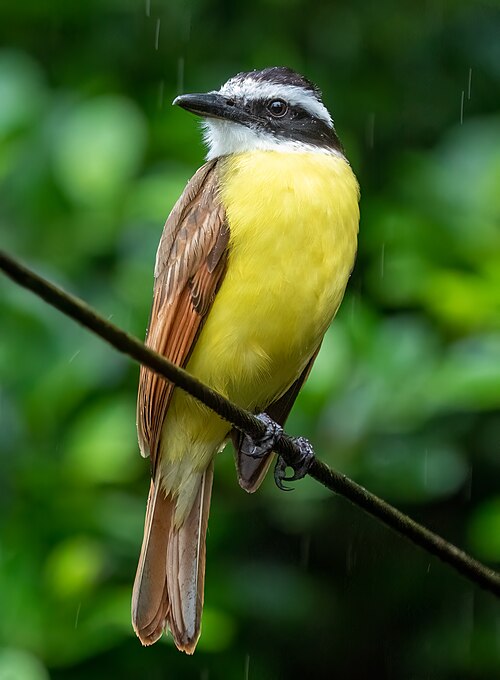


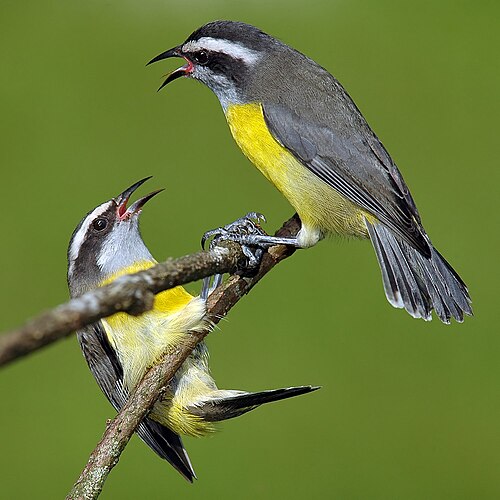





Seen in the last 30 days
What can you see near São Paulo now?
Month by month, from 1,802,775 records people shared within 50 km, 2016–2025.
At their peak in January


Most seen in January
154,591 animal records in January.

At their peak in March


Most seen in March
136,784 animal records in March.
At their peak in April


Most seen in April
134,010 animal records in April.
At their peak in May


Most seen in May
155,022 animal records in May.
At their peak in June


Most seen in June
126,621 animal records in June.
At their peak in July


Most seen in July
145,791 animal records in July.
At their peak in August


Most seen in August
151,724 animal records in August.
Most seen in September
165,874 animal records in September.
At their peak in October


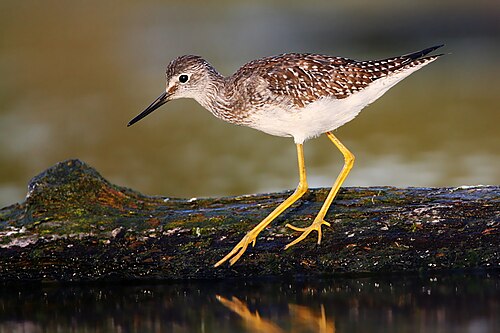
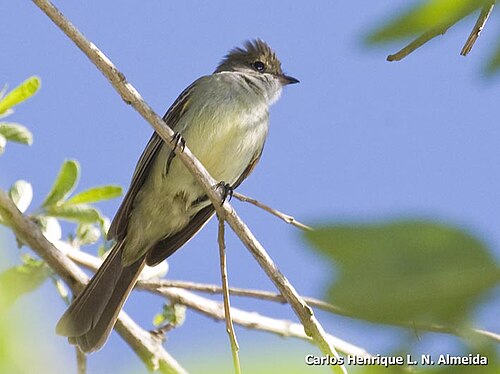
Most seen in October
195,245 animal records in October.
At their peak in November


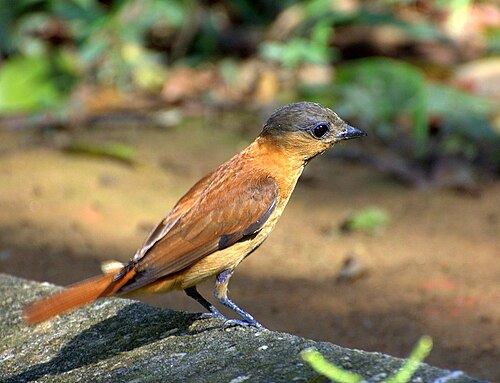
Most seen in November
159,345 animal records in November.
At their peak in December
Most seen in December
148,402 animal records in December.
São Paulo is getting warmer
+1.4 °CAverage temperature around São Paulo in 2016–2025, compared with 1981–1990.
Daylight: about 14 hours in December and 11 in June.
Seen something near São Paulo?
Share a photo of it on iNaturalist. Other naturalists help name it, and confirmed records go to GBIF, where scientists use them. That is where the lists on this page come from.
Explore next
What puts São Paulo under pressure, what helps, and who works on it.
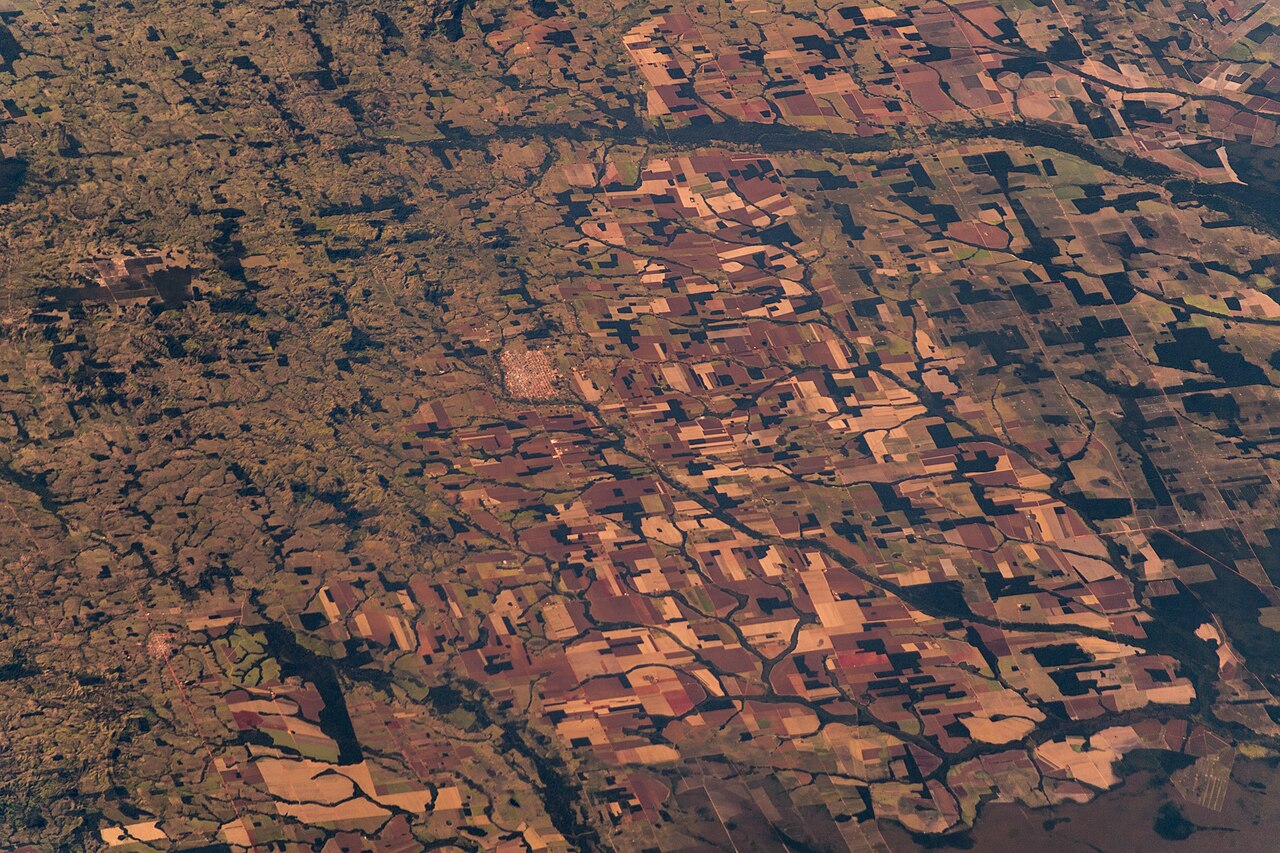
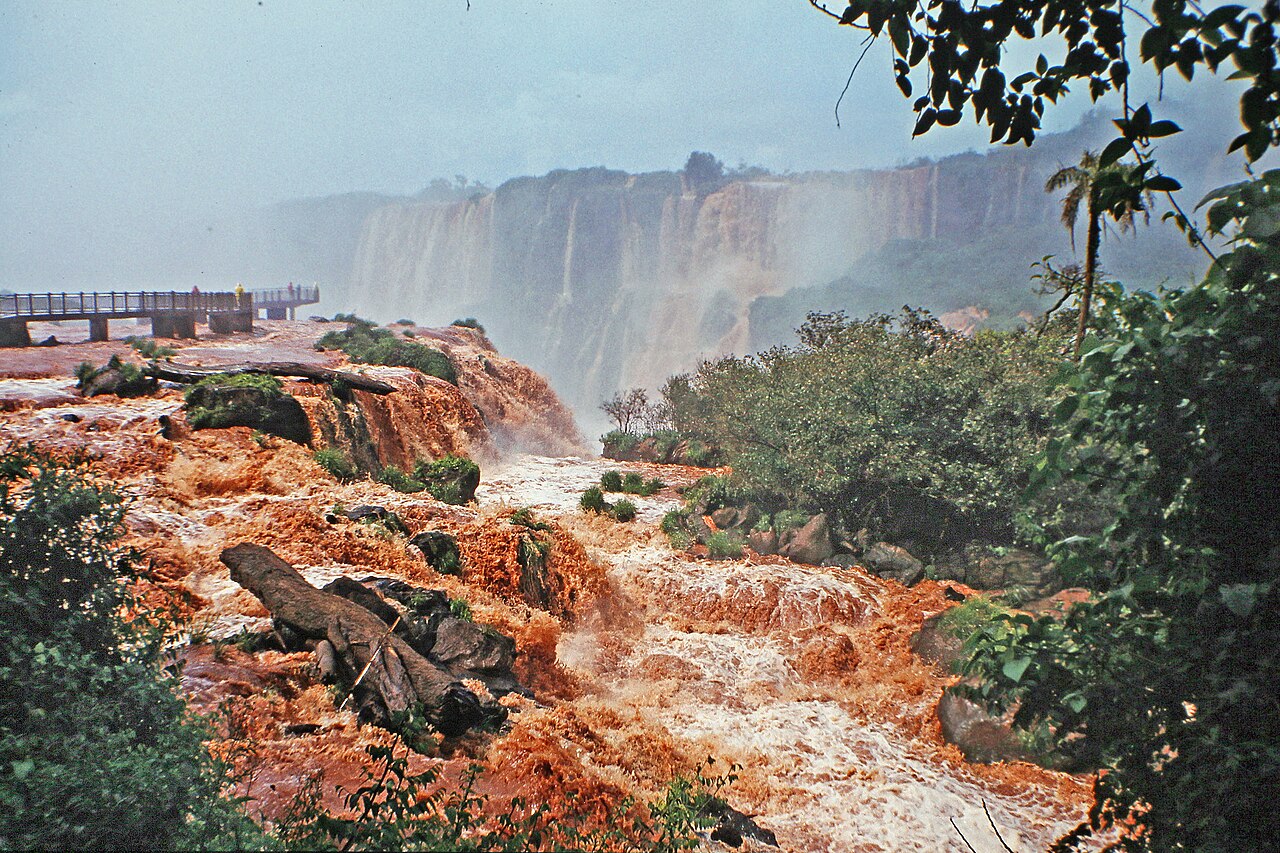
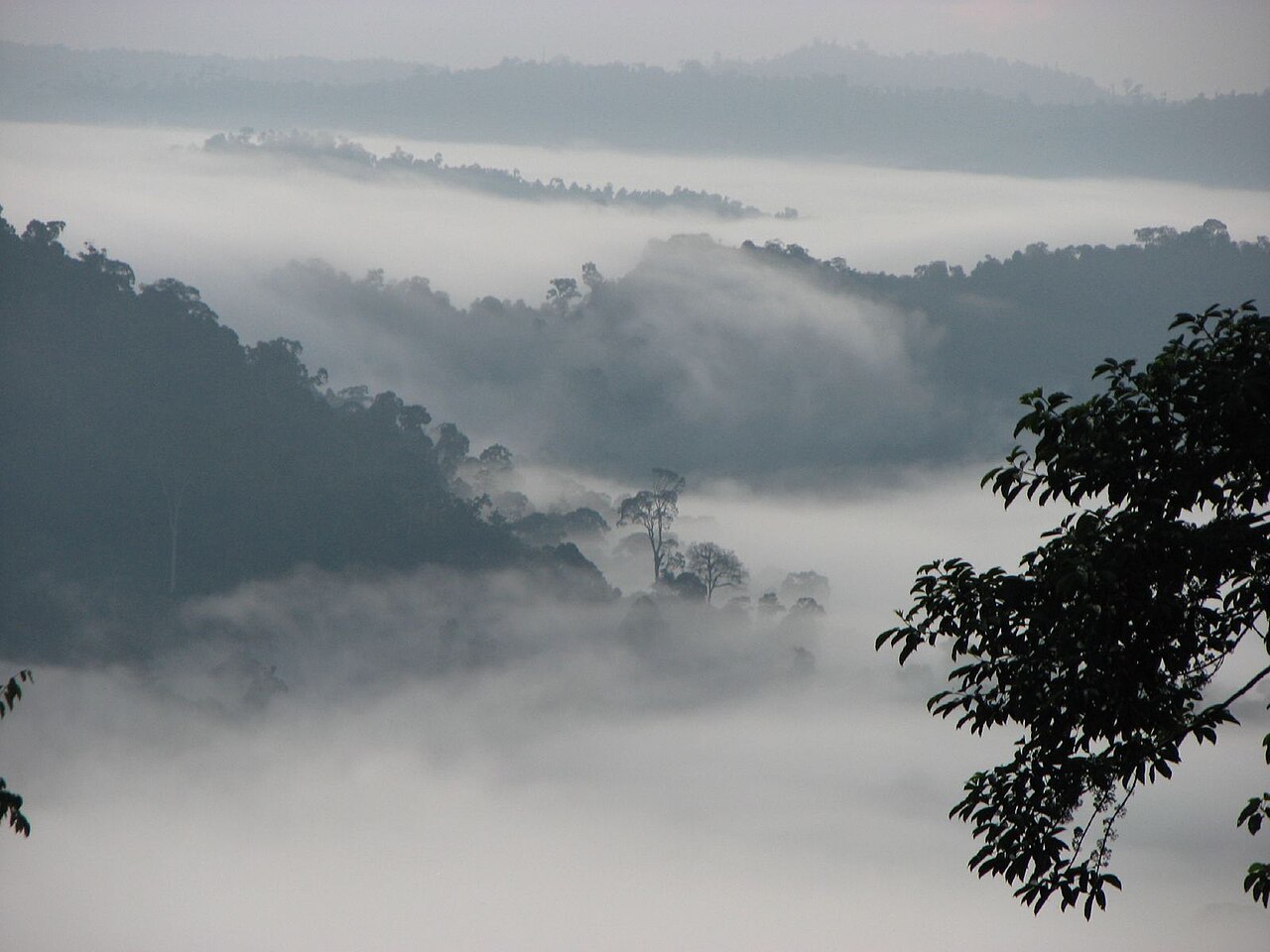
São Paulo on the living planet
More places near São Paulo
Sources and photo credits
- Wikidata · São Paulo (Q174), facts and nature places
- Wikipedia page views · how well known each nature place is
- OpenStreetMap contributors via Waymarked Trails · marked walking routes (ODbL)
- GBIF · human observations within 50 km, 2016–2025 (1,802,775 animal records)
- NASA POWER · yearly temperature from satellite and model data (MERRA-2)
- MET Norway · weather now (shown live)
- Natural Earth · populated place 1159151621, public domain
- Serra da Cantareira, São Paulo: RaulMRTFonseca, CC BY-SA 4.0
- Ibirapuera Park, São Paulo: Fernando Stankuns, CC BY-SA 4.0
- Pico do Jaraguá, São Paulo: Ivano Gutz, CC BY-SA 3.0
- Serra da Cantareira, São Paulo: RaulMRTFonseca, CC BY-SA 4.0
- Vale do Anhangabaú, São Paulo: Agent010, CC BY-SA 4.0
- Villa-Lobos State Park, São Paulo: Sirskolk, CC BY 3.0
- Jardim da Luz, São Paulo: Picture taken by pt:Usuário:Gabrielt4e/Foto tirada por pt:Usuário:Gabrielt4e, CC BY-SA 3.0
- Anhangabaú River, São Paulo: Dornicke, CC BY-SA 4.0
- Ramos de Azevedo Park, São Paulo: Photograph by Mike Peel (www.mikepeel.net)., CC BY-SA 4.0
- Great kiskadee: Rhododendrites, CC BY-SA 4.0
- Sayaca tanager: Hector Bottai, CC BY-SA 4.0
- Plain parakeet: Ben Tavener from Curitiba, Brazil, CC BY 2.0
- Rufous-bellied thrush: Charles J. Sharp, CC BY-SA 4.0
- Bananaquit: Leon-bojarczuk - Flickr page, CC BY-SA 2.0
- American golden orb weaver: DirkvdM, CC BY-SA 3.0
- African hermit spider: ThePestmeester, CC BY 4.0
- Juno heliconian: Haplochromis, CC BY-SA 3.0
- White peacock: Judy Gallagher, CC BY 2.0
- Narrow stingless bee: Bibafu, CC BY-SA 3.0
- Spiny-legged stingless bee: José Reynaldo da Fonseca, CC BY 2.5
- Argentine black and white tegu: Tomfriedel, CC BY 3.0
- Lined seedeater: Dario Sanches, CC BY-SA 2.0
- Rufous-tailed attila: Rafael Mitsuo, CC BY-SA 4.0
- Blacksmith tree frog: Weslei Pertel, CC BY-SA 2.5
- Jackson's fathead anole: Reinaldo Oliveira Elias, CC BY 4.0
- Scarlet ibis: Félix Uribe from Rionegro, Antioquia, Colombia, CC BY-SA 2.0
- Common morpho: Nosferattus, CC0
- White-crested elaenia: JimSPeru, CC BY-SA 4.0
- Silver garden spider: WillWig at English Wikipedia, Public domain
- Glassy-winged skipper: Pavel Kirillov from St.Petersburg, Russia, CC BY-SA 2.0
- Plush-crested jay: http://www.birdphotos.com, CC BY 3.0
- Tropical pewee: Hector Bottai, CC BY-SA 4.0
- Festive coquette: https://www.flickr.com/photos/dariosanches/, CC BY-SA 2.0
- Planalto tyrannulet: Dario Sanches, CC BY-SA 2.0
- Spinybacked orbweaver: Photo taken by user Mkullen in en:Hernando, Florida, Public domain
- Scarlet flycatcher: Greg Schechter from San Francisco, USA, CC BY 2.0
- Rufous-headed tanager: Miguel, CC BY-SA 4.0
- Blue-naped chlorophonia: Dario Sanches from São Paulo, Brazil, CC BY-SA 2.0
- Golden-rumped euphonia: Rick elis.simpson, CC BY-SA 3.0
- Western collared spiny lizard: Peterwchen, CC BY-SA 4.0
- Gray-headed kite: Hector Bottai, CC BY-SA 4.0
- Fork-tailed flycatcher: Rogier Klappe, CC BY 2.0
- Small-billed elaenia: Gmmv1980, CC BY-SA 4.0
- Lesser yellowlegs: Wwcsig, CC BY-SA 3.0
- Large elaenia: Carlos Henrique Luz Nunes de Almeida, CC BY 3.0
- Streaked flycatcher: Wdiane, CC BY-SA 4.0
- Red-eyed vireo: John Benson from Madison WI, CC BY 2.0
- Crested becard: Dario Sanches from São Paulo, Brasil, CC BY-SA 2.0


Wildlife records show where people have seen and shared plants and animals, not everything that lives here; some places and months are recorded more than others. Sensitive species are never shown with a month or as seen recently. Routes come from OpenStreetMap and are not checked by 4Planet: follow local signs and conditions. Climate figures are NASA estimates for the area around São Paulo, not a single weather station.
Checked 2026-11-20.