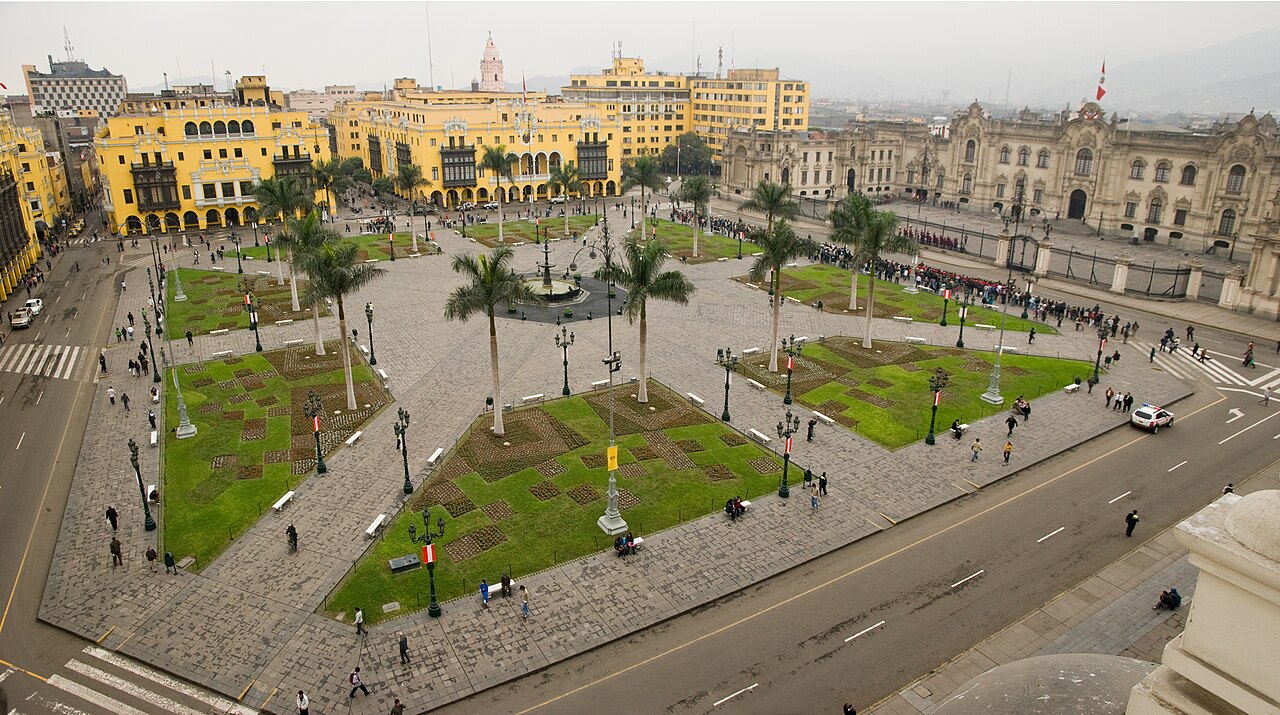
Lima
Capital and largest city of Peru
Within 30 km of the centre of Lima, the nature places people read about most are Callao, Rímac River, Chivateros and San Lorenzo Island.
People have shared 523,439 wildlife records within 50 km of Lima in the last ten years. The wild animals recorded most often are the monarch, the west peruvian dove, the scrub blackbird, the black vulture and the scarlet flycatcher. Since the 1980s the area has become about 0.5 °C warmer.
Among the animals people record most around Lima, the west peruvian dove and the scrub blackbird appear on no other city page here.
- Country
- Peru
- Population
- 9.9 million
- Area
- 2,672 km²
- Elevation
- 154 m
- Currency
- Nuevo sol
- Daylight
- 11 to 13 hours
Figures from Wikidata; population 2022.
Lima on the map
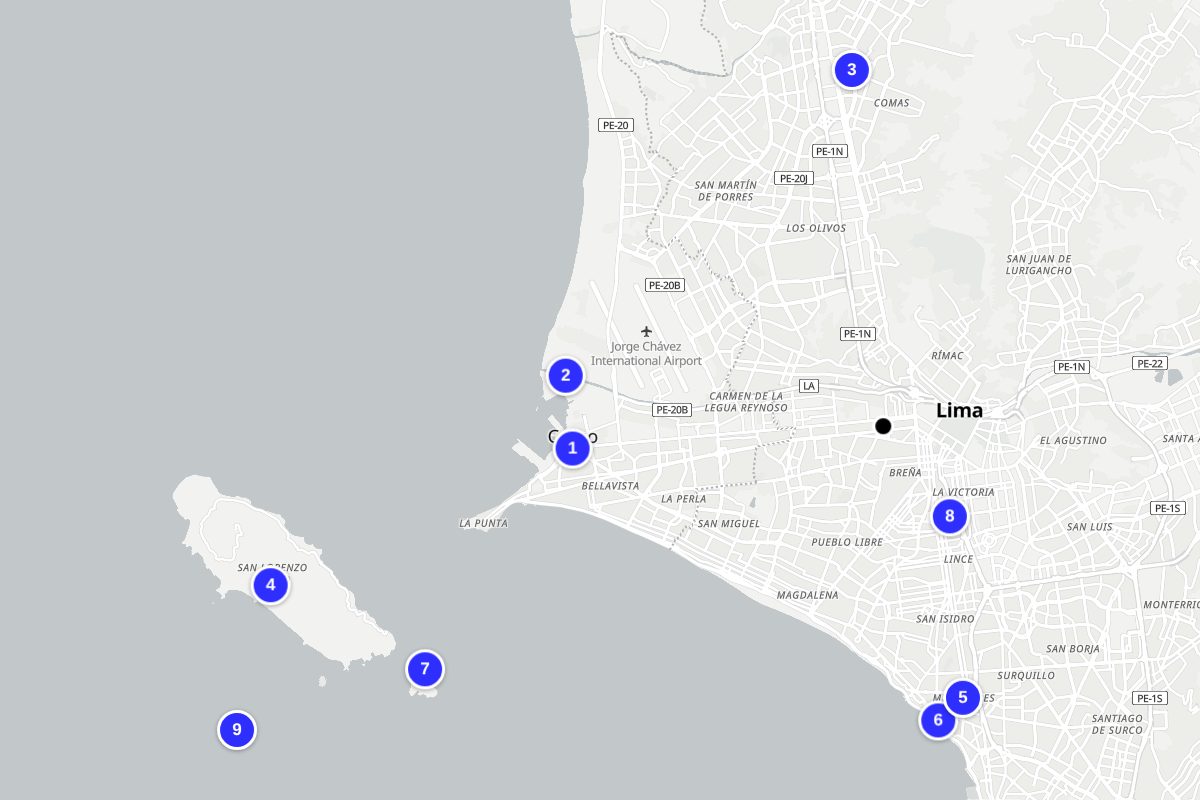
Numbers match the places below. Map: © OpenStreetMap contributors, OpenFreeMap.
- Callao
- Rímac River
- Chivateros
- San Lorenzo Island
- Parque Central de Miraflores
- Alberto Andrade Carmona Park
- El Frontón
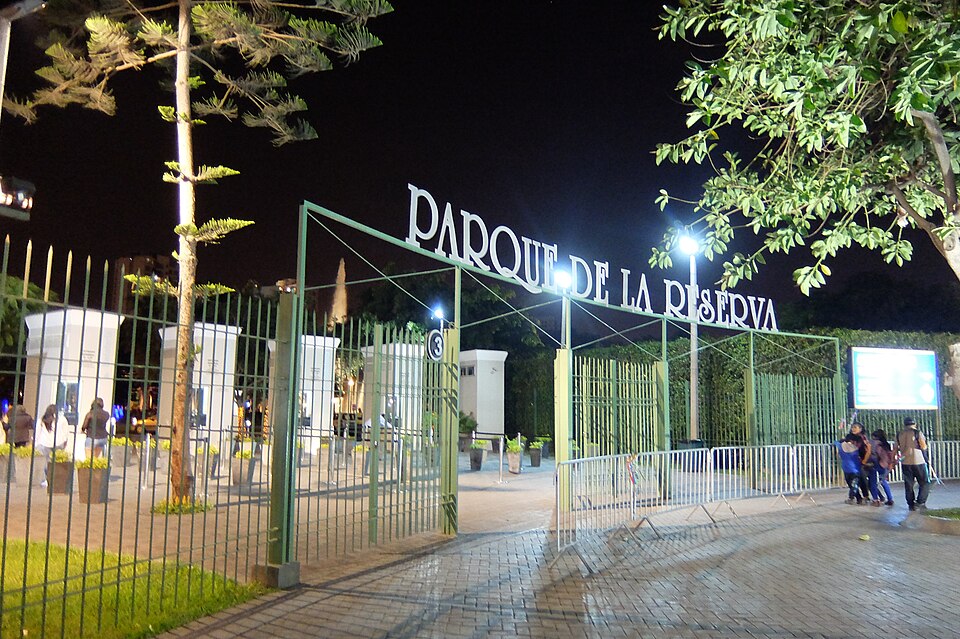
- Park of the Reserve
- Palomino Islands
Nature close to Lima
The places people read most about, from the centre outwards.


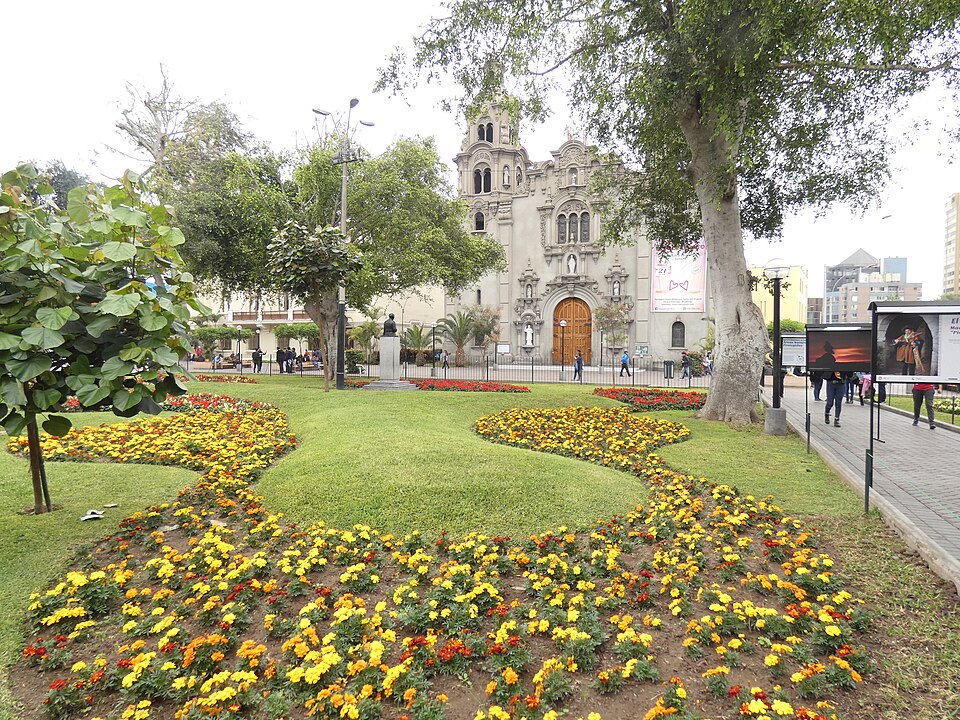
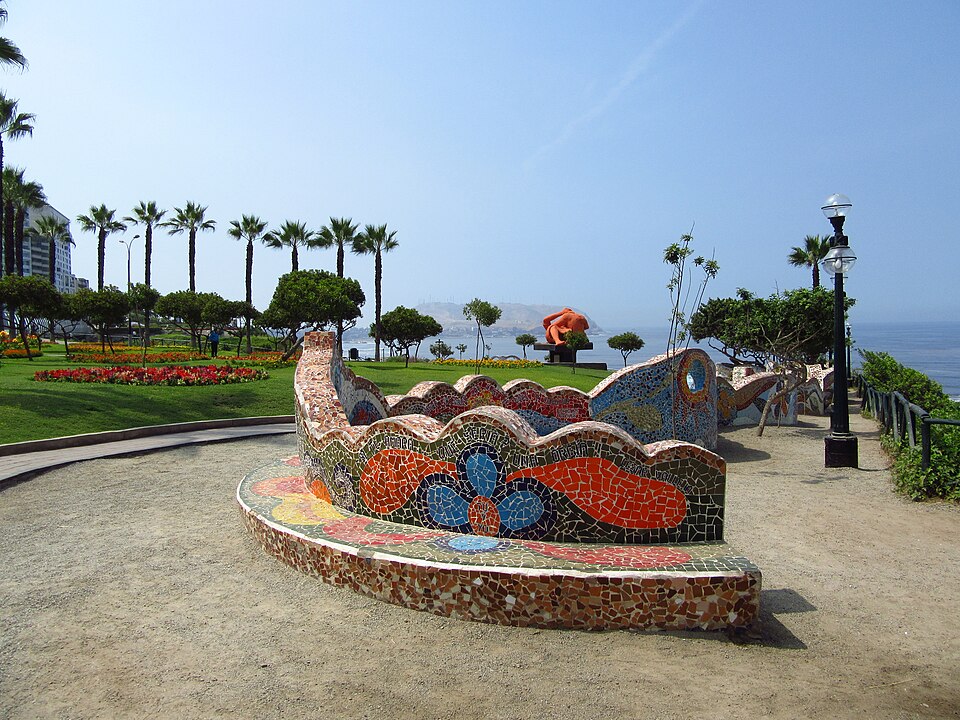


- Chivateros Cave · 11 km
- Chillón River Watercourse · 15 km
- Park of the Exhibition Park · 2 km
- El Campo de Marte Park · 3 km
Routes from OpenStreetMap via Waymarked Trails. Not checked by 4Planet: follow local signs and conditions.
Wildlife around Lima
The wild animals people record most within 50 km, 2016–2025. Tick the ones you have seen to build your own list.


Seen in the last 30 days
What can you see near Lima now?
Month by month, from 523,439 records people shared within 50 km, 2016–2025.
At their peak in January


Most seen in January
52,767 animal records in January.
At their peak in February


Most seen in February
45,656 animal records in February.
At their peak in March
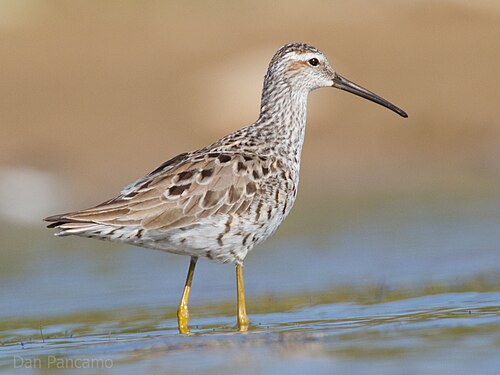


Most seen in March
40,632 animal records in March.
At their peak in April

Most seen in April
34,517 animal records in April.
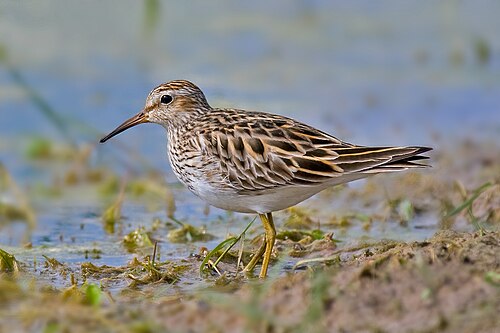


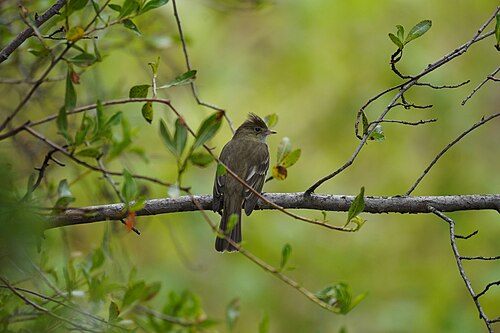


At their peak in August


Most seen in August
34,943 animal records in August.
At their peak in September


Most seen in September
42,358 animal records in September.
At their peak in October
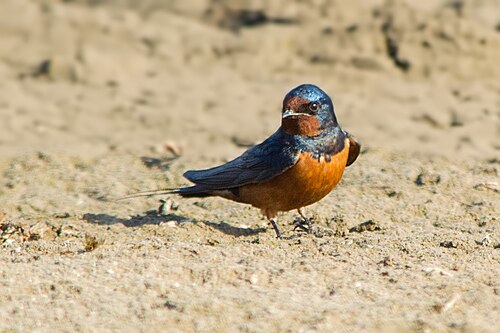


Most seen in October
60,216 animal records in October.
At their peak in November


Most seen in November
46,056 animal records in November.
At their peak in December

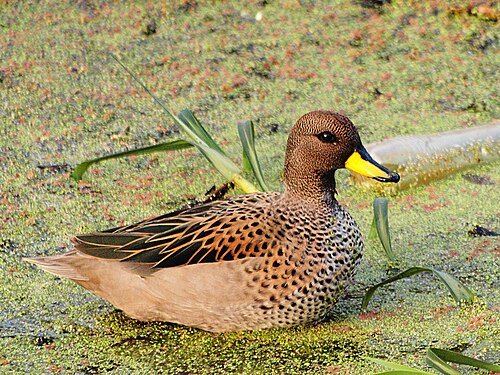
Most seen in December
41,464 animal records in December.
Lima is getting warmer
+0.5 °CAverage temperature around Lima in 2016–2025, compared with 1981–1990.
Daylight: about 13 hours in December and 11 in June.
Seen something near Lima?
Share a photo of it on iNaturalist. Other naturalists help name it, and confirmed records go to GBIF, where scientists use them. That is where the lists on this page come from.
Explore next
What puts Lima under pressure, what helps, and who works on it.
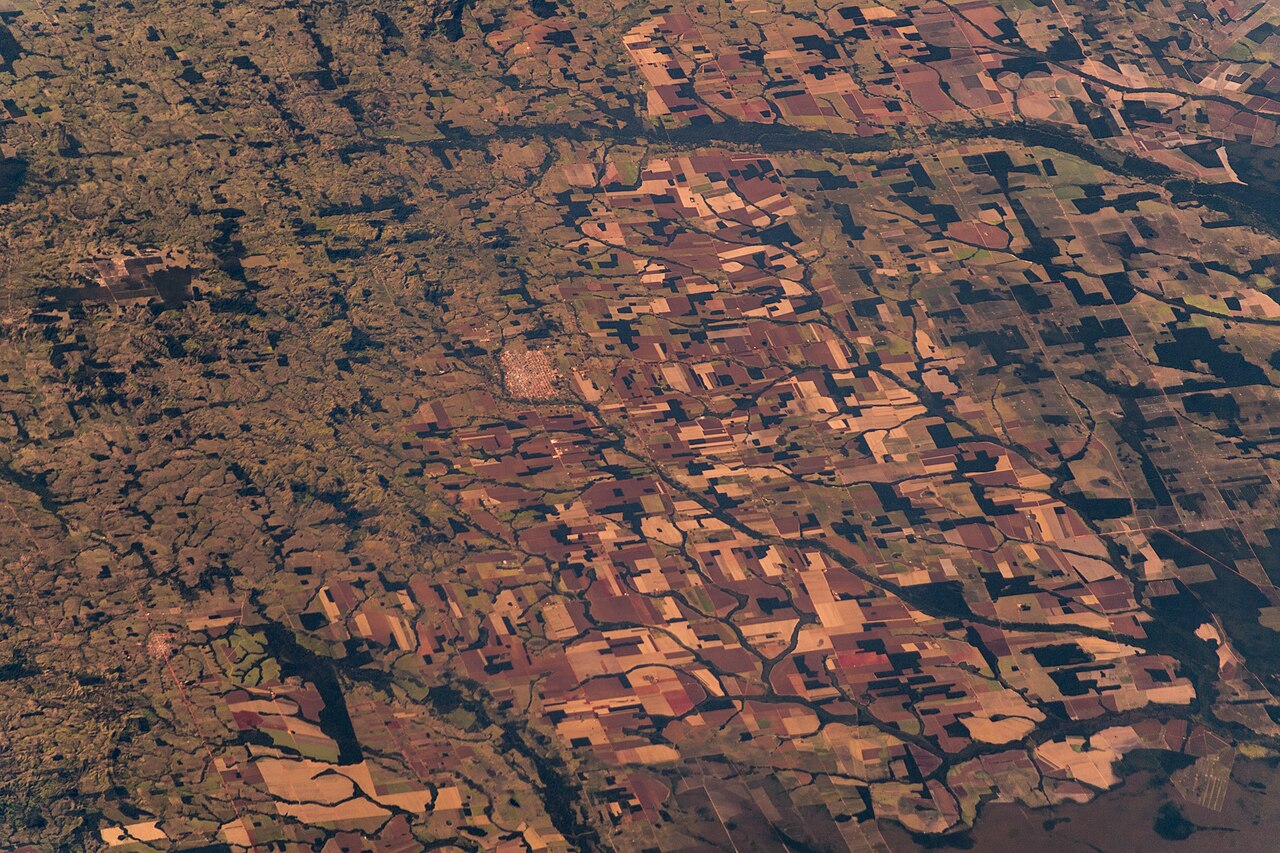
Lima on the living planet
More places near Lima
Sources and photo credits
- Wikidata · Lima (Q2868), facts and nature places
- Wikipedia page views · how well known each nature place is
- OpenStreetMap contributors via Waymarked Trails · marked walking routes (ODbL)
- GBIF · human observations within 50 km, 2016–2025 (523,439 animal records)
- NASA POWER · yearly temperature from satellite and model data (MERRA-2)
- MET Norway · weather now (shown live)
- Natural Earth · populated place 1159151511, public domain
- Lima, Peru: JulioKuLu, CC BY-SA 4.0
- Callao, Lima: DORM, CC BY-SA 4.0
- Rímac River, Lima: Felipe Restrpo Acosta, CC BY-SA 4.0
- San Lorenzo Island, Lima: Unknown authorUnknown author, Public domain
- Parque Central de Miraflores, Lima: Catatine, CC BY-SA 4.0
- Alberto Andrade Carmona Park, Lima: Felipe Restrpo Acosta, CC BY-SA 4.0
- El Frontón, Lima: Murray Foubister, CC BY-SA 2.0
- Park of the Reserve, Lima: Kuruman, CC BY 2.0
- Palomino Islands, Lima: Jussi Savolainen, CC BY 2.0
- Monarch: Didier Descouens, CC BY-SA 4.0
- West peruvian dove: DickDaniels (http://theworldbirds.org/), CC BY-SA 3.0
- Scrub blackbird: Francesco Veronesi from Italy, CC BY-SA 2.0
- Black vulture: Wdiane, CC BY-SA 4.0
- Scarlet flycatcher: Greg Schechter from San Francisco, USA, CC BY 2.0
- Rock dove: william_stephens, CC BY 4.0
- Brown garden snail: Zachi Evenor, CC BY 2.0
- Silver garden spider: WillWig at English Wikipedia, Public domain
- No-spotted ladybug: Juan Carlos Fonseca Mata, CC BY-SA 4.0
- Sally lightfoot crab: Barfbagger, CC BY-SA 3.0
- Common green-eyed white: Everflowingriver, CC BY-SA 3.0
- Spinybacked orbweaver: Photo taken by user Mkullen in en:Hernando, Florida, Public domain
- Peruvian sheartail: nmoorhatch, CC BY 4.0
- Sandwich tern: MPF, CC BY-SA 4.0
- Elegant tern: velodrome, CC BY 4.0
- Blue-winged teal: ADJ82, CC BY 3.0
- Stilt sandpiper: Dan Pancamo, CC BY-SA 2.0
- American golden plover: O. W. Johnson, Public domain
- Sora: Elaine R. Wilson, www.naturespicsonline.com, CC BY-SA 2.5
- Ladybird beetle: arian.suresh from Chennai, India, CC BY 2.0
- Pectoral sandpiper: Andreas Trepte, CC BY-SA 2.5
- Silvery grebe: Patty McGann, CC BY 2.0
- Andean gull: DickDaniels (http://theworldbirds.org/), CC BY-SA 3.0
- White-crested elaenia: JimSPeru, CC BY-SA 4.0
- Blue-footed booby: SantiagoGG, CC BY-SA 4.0
- White-faced whistling duck: Vincent Vos Bolivia, CC BY-SA 4.0
- Baird's sandpiper: Stephan Sprinz, CC BY 4.0
- Cocoi heron: Dario Niz, CC BY 3.0
- Chiguanco thrush: Ron Knight from Seaford, East Sussex, United Kingdom, CC BY 2.0
- Wilson's phalarope: Cephas, CC BY-SA 4.0
- Sanderling: Jacob Spinks from Northamptonshire, England, CC BY 2.0
- Grey plover: Hans Hillewaert, CC BY-SA 3.0
- Barn swallow: Morhaf Aljanee, CC BY-SA 3.0
- Oriole blackbird: Paolo Costa Baldi, CC BY 3.0
- Fork-tailed flycatcher: Rogier Klappe, CC BY 2.0
- Swainson's thrush: Cephas, CC BY-SA 4.0
- Sulphur-bellied flycatcher: Dominic Sherony, CC BY-SA 2.0
- Eastern kingbird: Rhododendrites, CC BY-SA 4.0
- Blackburnian warbler: Rhododendrites, CC BY-SA 4.0
- Yellow-billed teal: Shanthanu Bhardwaj, CC BY-SA 2.0


Wildlife records show where people have seen and shared plants and animals, not everything that lives here; some places and months are recorded more than others. Sensitive species are never shown with a month or as seen recently. Routes come from OpenStreetMap and are not checked by 4Planet: follow local signs and conditions. Climate figures are NASA estimates for the area around Lima, not a single weather station.
Checked 2026-11-20.