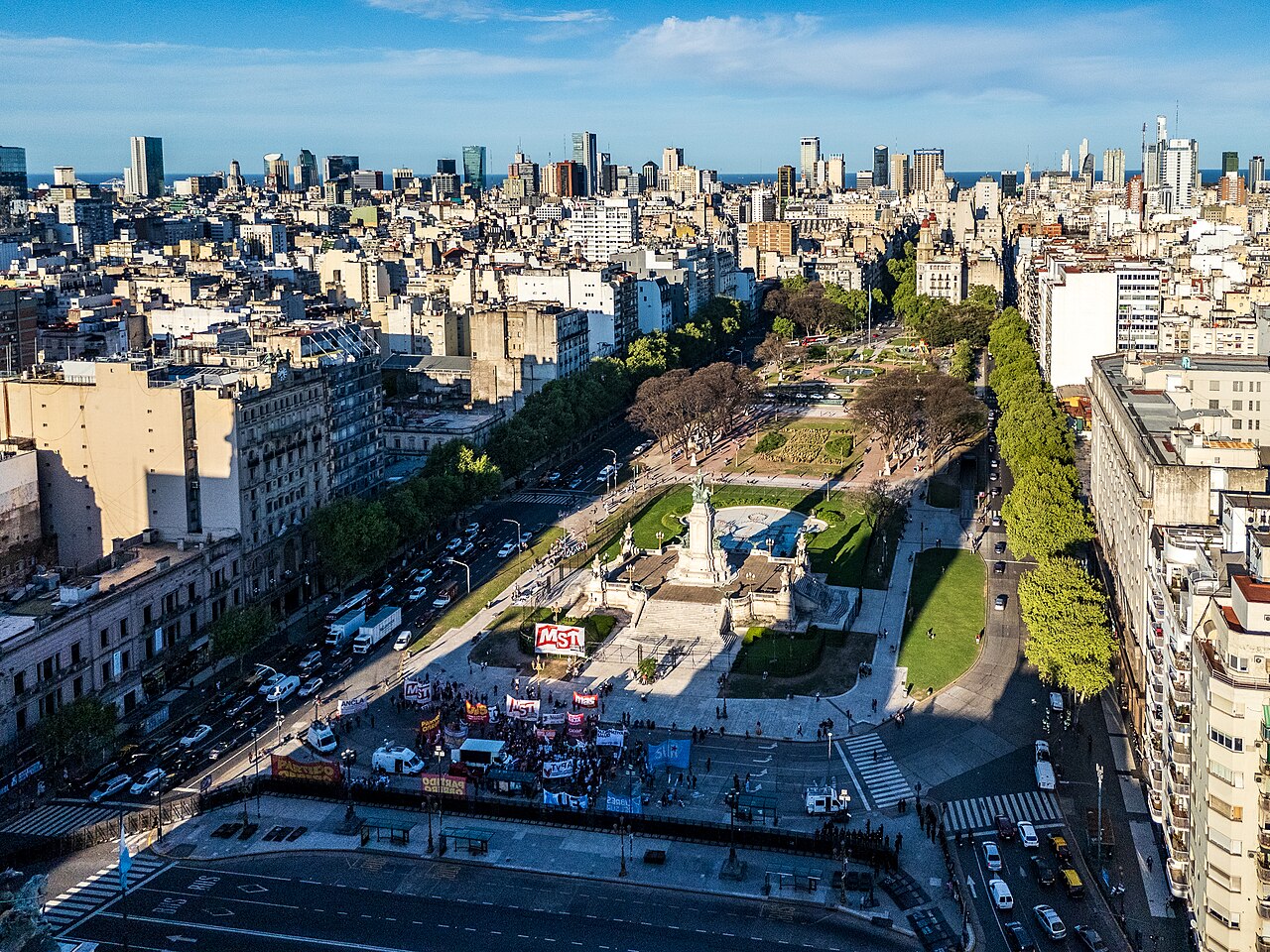
Buenos Aires
Capital and largest city of Argentina
Within 30 km of the centre of Buenos Aires, the nature places people read about most are Buenos Aires Botanical Garden, Parque Tres de Febrero, Matanza River and Japanese Gardens.
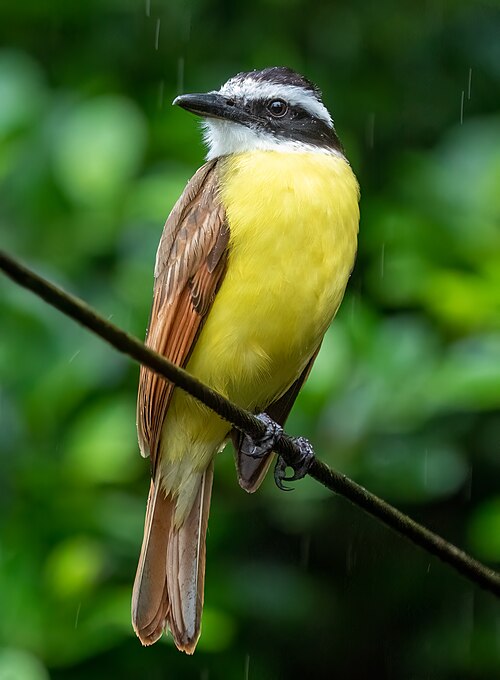
People have shared 1,847,948 wildlife records within 50 km of Buenos Aires in the last ten years. The wild animals recorded most often are the rufous hornero, the rufous-bellied thrush, the great kiskadee, the eared dove and the gulf fritillary. Since the 1980s the area has become about 1.1 °C warmer.
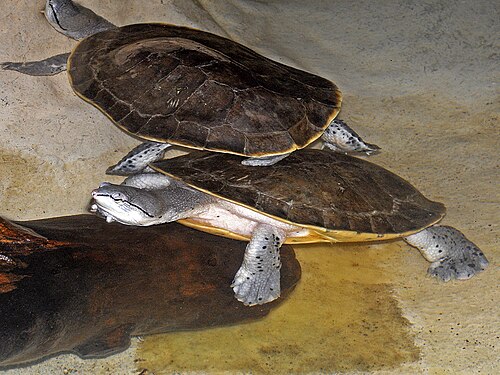
Of the 93 cities on Atlas, Buenos Aires has the 5th most species named on its page and the 21st most wildlife records shared within 50 km. Among the animals people record most around Buenos Aires, the south american monarch and the hilaire's side-necked turtle appear on no other city page here.
- Country
- Argentina
- Population
- 3.1 million
- Area
- 203 km²
- Elevation
- 25 m
- Currency
- Argentine convertible peso
- Time zone
- UTC−03
- Daylight
- 10 to 15 hours
Figures from Wikidata; population 2022.
Buenos Aires on the map
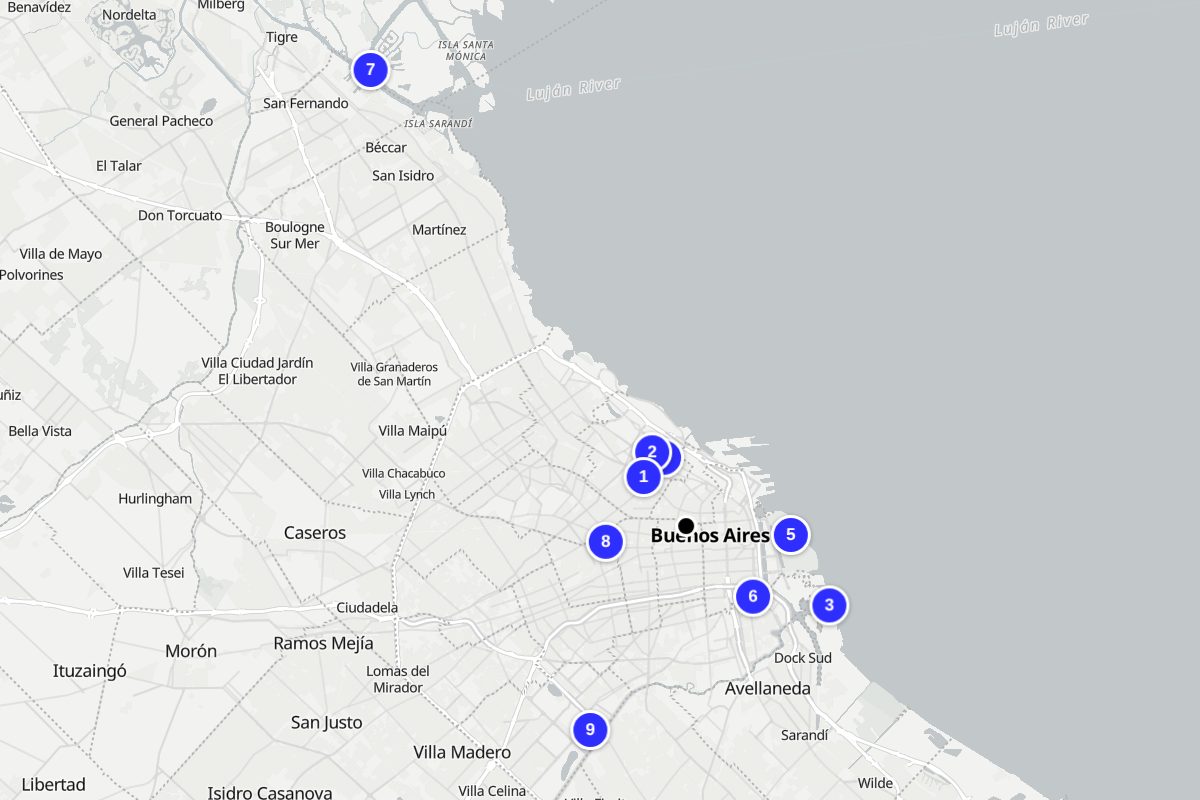
Numbers match the places below. Map: © OpenStreetMap contributors, OpenFreeMap.
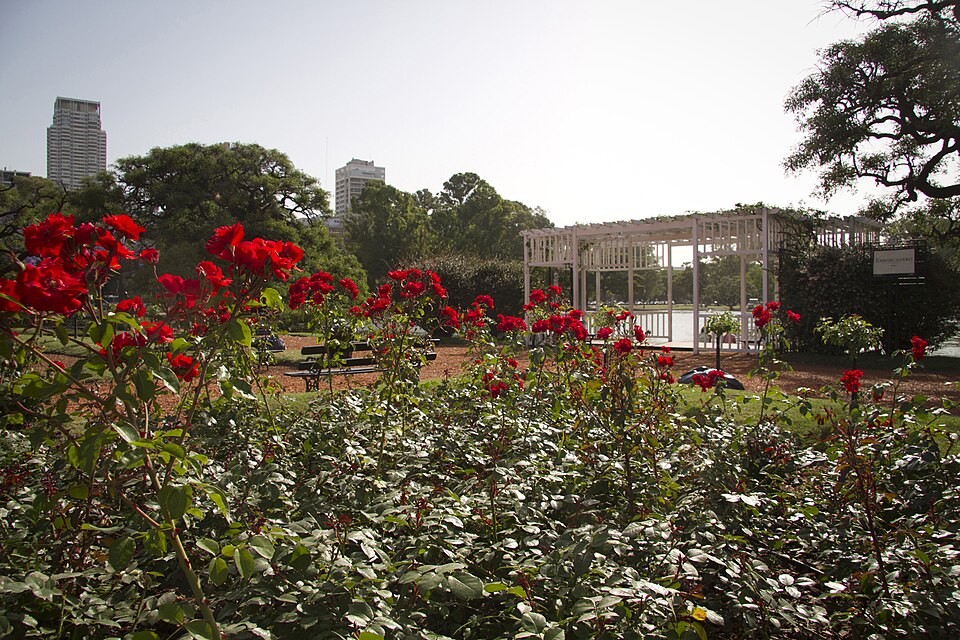
- Buenos Aires Botanical Garden
- Parque Tres de Febrero
- Matanza River
- Japanese Gardens
- Costanera Sur Ecological Reserve
- Lezama Park
- Luján River
- Parque Centenario
- Parque Olímpico de la Juventud
Nature close to Buenos Aires
The places people read most about, from the centre outwards.



- Matanza River River · 7 km
- Parque Olímpico de la Juventud Park · 9 km
- Reconquista River River · 28 km
- Maldonado Stream River · 4 km
- Parque Thays Park · 2 km
- Parque Nicolás Avellaneda Park · 9 km
Routes from OpenStreetMap via Waymarked Trails. Not checked by 4Planet: follow local signs and conditions.
Wildlife around Buenos Aires
The wild animals people record most within 50 km, 2016–2025. Tick the ones you have seen to build your own list.






Seen in the last 30 days
What can you see near Buenos Aires now?
Month by month, from 1,847,948 records people shared within 50 km, 2016–2025.
At their peak in January



Most seen in January
Plants and fungi at their peak in January



164,656 animal records in January.
At their peak in February


Most seen in February

Plants and fungi at their peak in February


129,211 animal records in February.
At their peak in March

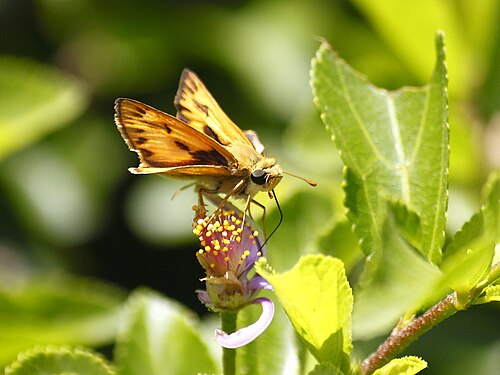
Most seen in March
Plants and fungi at their peak in March


114,243 animal records in March.
At their peak in April


Most seen in April
Plants and fungi at their peak in April
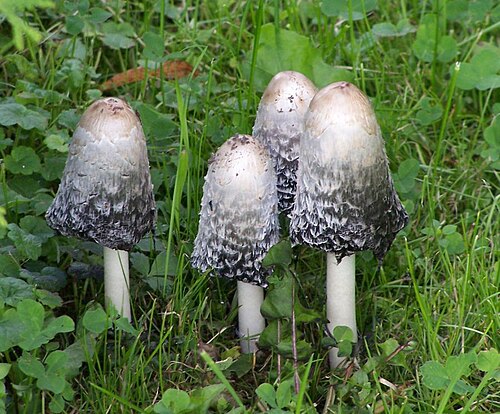

102,814 animal records in April.
At their peak in May


Most seen in May
Plants and fungi at their peak in May

125,433 animal records in May.
At their peak in June


Most seen in June
Plants and fungi at their peak in June


111,084 animal records in June.
At their peak in July

Most seen in July
Plants and fungi at their peak in July


132,444 animal records in July.
At their peak in August

Most seen in August
Plants and fungi at their peak in August


150,620 animal records in August.
At their peak in September

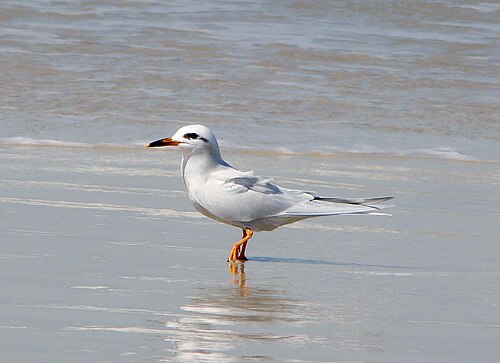

Most seen in September
Plants and fungi at their peak in September


169,762 animal records in September.
At their peak in October

Most seen in October
Plants and fungi at their peak in October


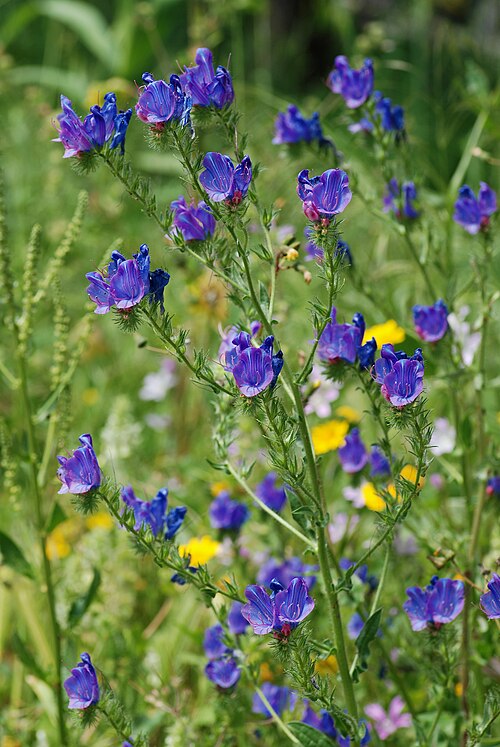
242,513 animal records in October.
At their peak in November


Most seen in November
Plants and fungi at their peak in November
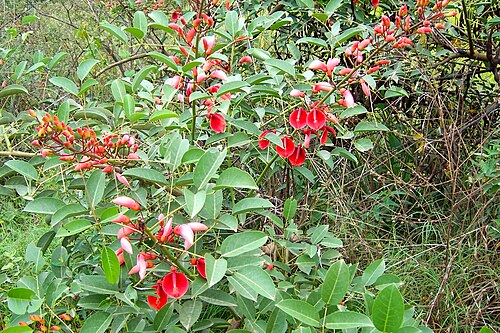
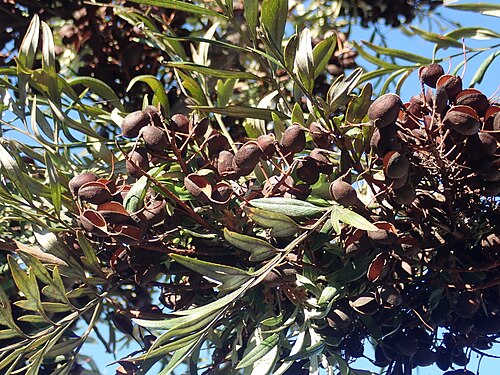
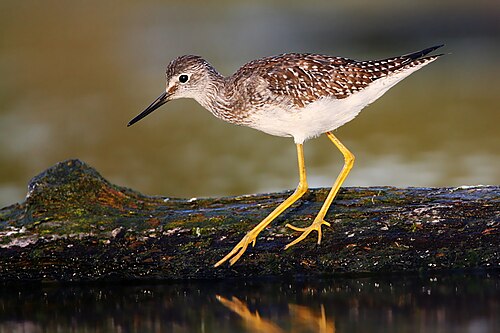
226,983 animal records in November.



Buenos Aires is getting warmer
+1.1 °CAverage temperature around Buenos Aires in 2016–2025, compared with 1981–1990.
Daylight: about 15 hours in December and 10 in June.
Seen something near Buenos Aires?
Share a photo of it on iNaturalist. Other naturalists help name it, and confirmed records go to GBIF, where scientists use them. That is where the lists on this page come from.
Explore next
What puts Buenos Aires under pressure, what helps, and who works on it.
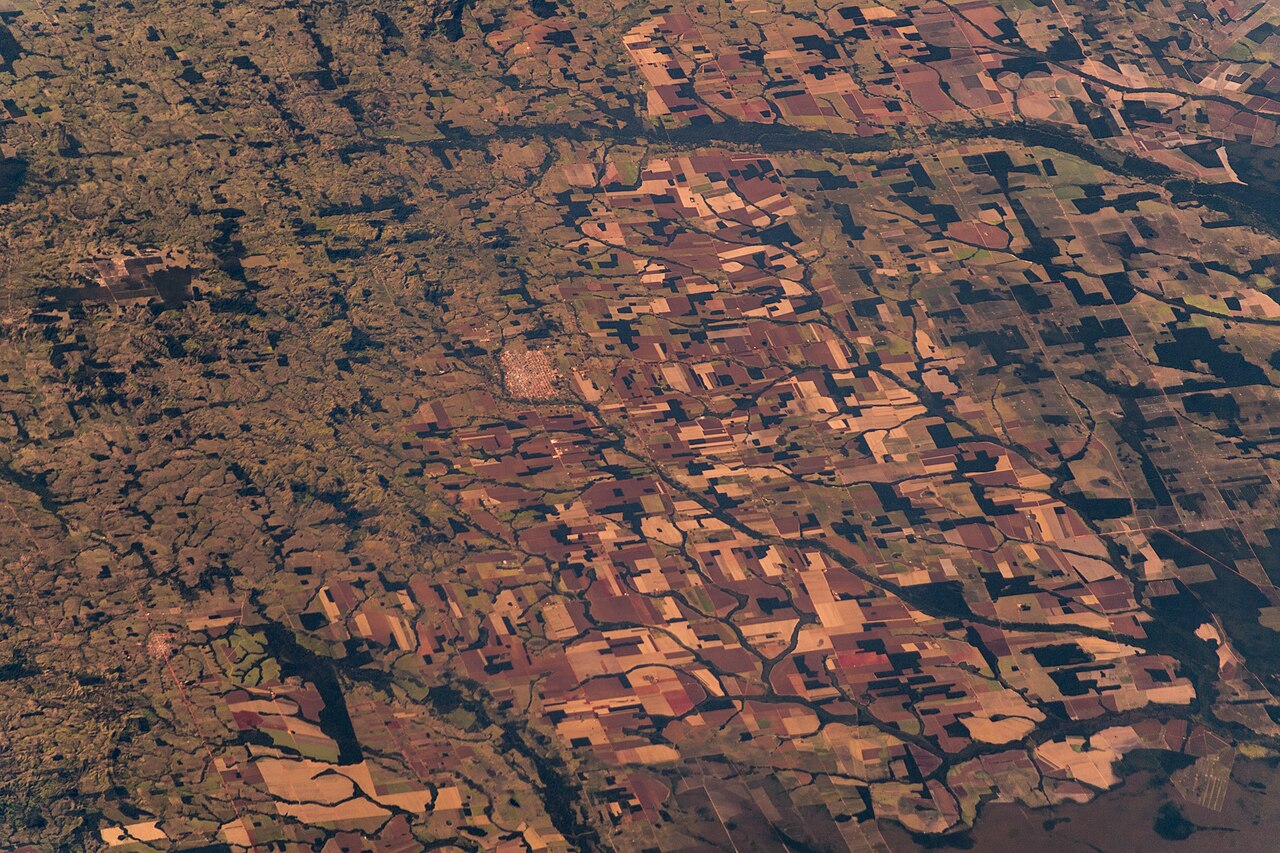
Buenos Aires on the living planet
More places near Buenos Aires
Sources and photo credits
- Wikidata · Buenos Aires (Q1486), facts and nature places
- Wikipedia page views · how well known each nature place is
- OpenStreetMap contributors via Waymarked Trails · marked walking routes (ODbL)
- GBIF · human observations within 50 km, 2016–2025 (1,847,948 animal records)
- NASA POWER · yearly temperature from satellite and model data (MERRA-2)
- MET Norway · weather now (shown live)
- Natural Earth · populated place 1159151559, public domain
- Buenos Aires, Argentina: ProtoplasmaKid, CC BY-SA 4.0
- Buenos Aires Botanical Garden, Buenos Aires: Arcibel, Public domain
- Parque Tres de Febrero, Buenos Aires: Gobierno de la Ciudad de Buenos Aires, CC BY 2.0
- Japanese Gardens, Buenos Aires: Luis Argerich from Buenos Aires, Argentina, CC BY 2.0
- Costanera Sur Ecological Reserve, Buenos Aires: Rcidte, Public domain
- Lezama Park, Buenos Aires: Roberto Fiadone, CC BY-SA 4.0
- Luján River, Buenos Aires: STF!Bs.As. gestion, CC BY-SA 4.0
- Parque Centenario, Buenos Aires: Galio 03:26, 11 May 2007 (UTC), CC BY-SA 3.0
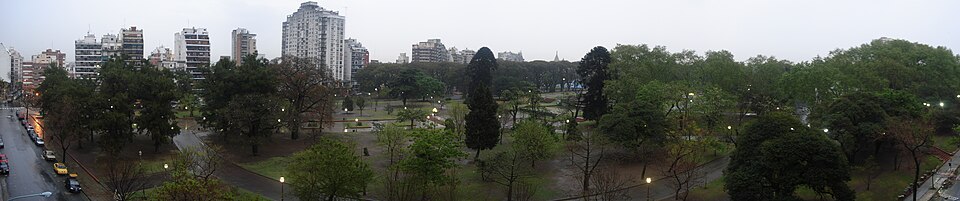
- Chacabuco Park, Buenos Aires: Komodin, Public domain
- Rufous hornero: Dario Sanches from São Paulo, Brasil, CC BY-SA 2.0
- Rufous-bellied thrush: Charles J. Sharp, CC BY-SA 4.0
- Great kiskadee: Rhododendrites, CC BY-SA 4.0
- Eared dove: Bjørn Christian Tørrissen, CC BY-SA 3.0
- Gulf fritillary: iNaturalist.org (Dennis Vollmar), CC BY 4.0
- South American monarch: Levi Adriano Dias, CC BY-SA 4.0
- Argentine black and white tegu: Tomfriedel, CC BY 3.0
- Hilaire's side-necked turtle: Hectonichus, CC BY-SA 4.0
- Coypu: Philippe Amelant, CC BY-SA 3.0
- Silver garden spider: WillWig at English Wikipedia, Public domain
- American golden orb weaver: DirkvdM, CC BY-SA 3.0
- No-spotted ladybug: Juan Carlos Fonseca Mata, CC BY-SA 4.0
- Swainson's flycatcher: Hector Bottai, CC BY-SA 4.0
- Blue-black grassquit: Dario Sanches, CC BY-SA 2.0
- Pectoral sandpiper: Andreas Trepte, CC BY-SA 2.5
- Polydamas swallowtail: Didier Descouens, CC BY-SA 4.0
- Hummingbird bush: Andrés González, CC BY-SA 3.0
- Longflower tobacco: C T Johansson, CC BY 3.0
- Common purslane: ZooFari, CC BY-SA 3.0
- Frogfruit: Ghislain118 http://www.fleurs-des-montagnes.net, CC BY-SA 3.0
- Monk parakeet: Kevin Jones, CC BY 2.0
- Striated heron: Félix Uribe from Rionegro, Antioquia, Colombia, CC BY-SA 2.0
- Spotted maize beetle: Coetzesn, CC BY-SA 3.0
- South American fruit tree weevil: Lycaon.cl, CC BY-SA 4.0
- Hedgy swampmallow: alessandradalia, CC BY-SA 4.0
- Yellow unicorn-plant: Mello T R B, CC BY 3.0
- Anise goldenrod: Daderot, CC0
- Spearleaf swampmallow: David Midgley, CC BY-SA 2.5
- White-winged becard: Dominic Sherony, CC BY-SA 2.0
- Fiery skipper: Regular Daddy, CC BY-SA 3.0
- Whiteweed: Carlos M. Grassini, CC BY-SA 3.0
- Argentine senna: Uwe Thobae, CC BY-SA 3.0
- Wingstem camphorweed: Gabriela F. Ruellan, CC BY 3.0
- White-banded mockingbird: pablohcapovilla, CC BY-SA 4.0
- Ithra crescent: Leonel Roget, CC BY-SA 4.0
- Lawyer's wig: A. Uciechowska, CC BY-SA 3.0
- Tropical white morning-glory: Benjamin Graves from Sasebo, Japan, CC BY 2.0
- Kelp gull: hyper7pro, CC BY 2.0
- White-tipped plantcutter: Hector Bottai, CC BY-SA 4.0
- Dark-faced ground tyrant: Yann, CC BY 2.0
- Buff-winged cinclodes: Lip Kee Yap from Singapore, Republic of Singapore, CC BY-SA 2.0
- Cobbler's pegs: Wiki Farazi, CC0
- Red tanager: Dario Sanches from São Paulo, Brazil, CC BY-SA 2.0
- Straneck's tyrannulet: Hector Bottai, CC BY-SA 4.0
- Membranous greenhood: Alfred Cogniaux (1841 - 1916), Public domain
- Velvet shank: Eric Steinert, CC BY-SA 3.0
- Brown-hooded gull: nicoolejnik, CC BY 4.0
- Common sowthistle: T.Voekler, CC BY-SA 3.0
- Borage: W. Bulach, CC BY-SA 4.0
- Spectacled tyrant: Cláudio Dias Timm from Rio Grande do Sul, CC BY-SA 2.0
- Common dandelion: Walther Otto Müller, Public domain
- Common field-speedwell: Strobilomyces, CC BY-SA 3.0
- Scarlet flycatcher: Greg Schechter from San Francisco, USA, CC BY 2.0
- Snowy-crowned tern: Cláudio Dias Timm from Rio Grande do Sul, CC BY-SA 2.0
- Large-billed tern: Charles J. Sharp, CC BY-SA 4.0
- Threecorner leek: Meneerke bloem, CC BY-SA 3.0
- Roman-cassie: Malena Lorente, CC BY 4.0
- Yellow flag: Jean-Jacques MILAN, CC BY-SA 3.0
- Bearded tachuri: Hector Bottai, CC BY-SA 3.0
- Prairie nymph: Jason Hollinger, CC BY 2.0
- Small-leaf spiderwort: Enrique Dans from Madrid, Spain, CC BY 2.0
- Salvation jane: Alvesgaspar, CC BY-SA 3.0
- Red-eyed vireo: John Benson from Madison WI, CC BY 2.0
- Small-billed elaenia: Gmmv1980, CC BY-SA 4.0
- Fork-tailed flycatcher: Rogier Klappe, CC BY 2.0
- Pied water tyrant: The Lilac Breasted Roller from Sullivan's Island, United States, CC BY 2.0
- Cockspur coral tree: Tano4595, CC BY-SA 3.0
- Silky oak: MargaretRDonald, CC BY-SA 4.0
- Dark-billed cuckoo: Pedro Szekely, CC BY-SA 4.0
- Lesser yellowlegs: Wwcsig, CC BY-SA 3.0
- Jerusalem thorn: Forest & Kim Starr, CC BY 3.0
- Silk tree: Cmapm, Public domain
- Jewels of opar: SAplants, CC BY-SA 4.0


Wildlife records show where people have seen and shared plants and animals, not everything that lives here; some places and months are recorded more than others. Sensitive species are never shown with a month or as seen recently. Routes come from OpenStreetMap and are not checked by 4Planet: follow local signs and conditions. Climate figures are NASA estimates for the area around Buenos Aires, not a single weather station.
Checked 2026-11-20.