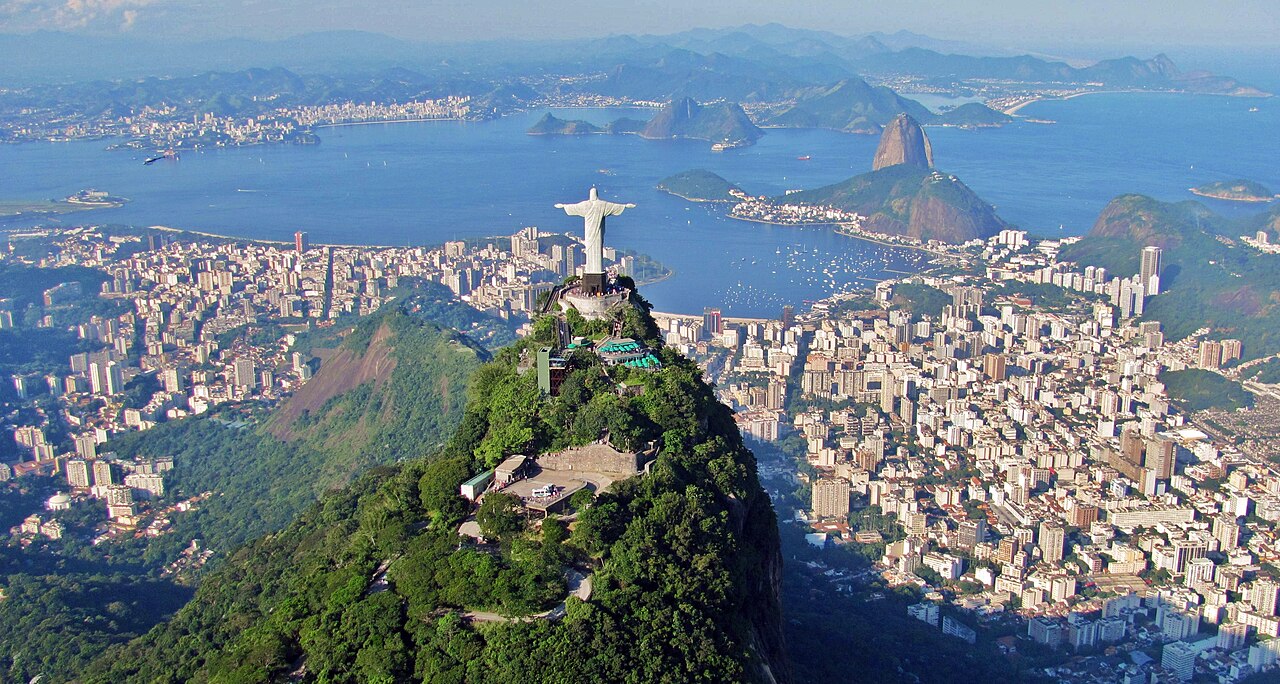
Rio de Janeiro
City of Rio de Janeiro state, Brazil
Within 30 km of the centre of Rio de Janeiro, the nature places people read about most are Copacabana, Sugarloaf Mountain, Guanabara Bay and Ipanema District, and marked walks close to the city include Trilha da Pedra da Gávea.
People have shared 603,040 wildlife records within 50 km of Rio de Janeiro in the last ten years. The wild animals recorded most often are the humpback whale, the great kiskadee, the black vulture, the palm tanager and the bananaquit. Since the 1980s the area has become about 0.5 °C warmer.
Of the 93 cities on Atlas, Rio de Janeiro has the 19th most species named on its page. Among the animals people record most around Rio de Janeiro, the palm tanager and the black capuchin appear on no other city page here.
- Country
- Brazil
- Population
- 6.2 million
- Area
- 1,260 km²
- Elevation
- 31 m
- Currency
- Brazilian real
- Daylight
- 11 to 14 hours
Figures from Wikidata; population 2022.
Rio de Janeiro on the map
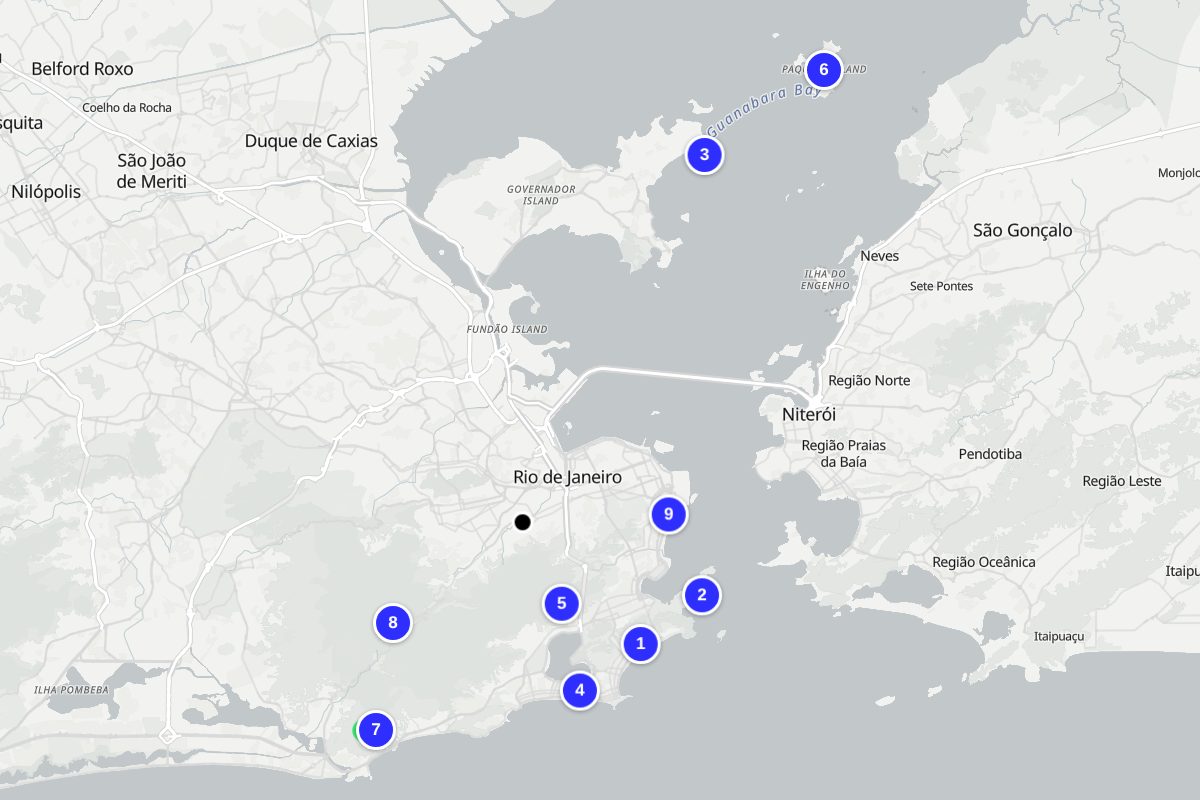
Numbers match the places below. Map: © OpenStreetMap contributors, OpenFreeMap.
- Copacabana
- Sugarloaf Mountain
- Guanabara Bay
- Ipanema District
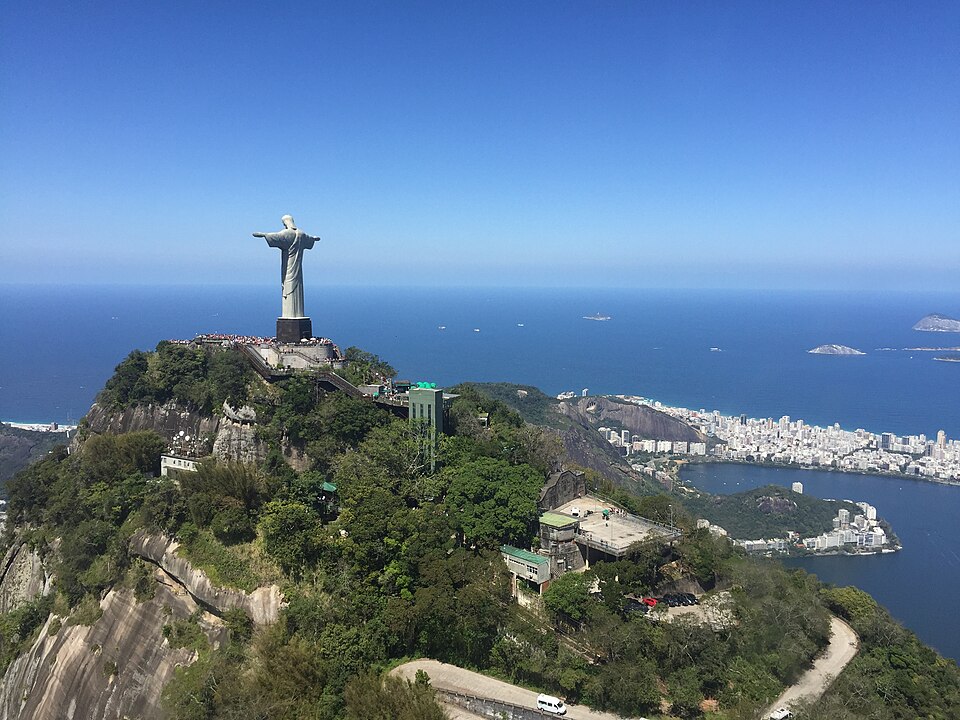
- Corcovado
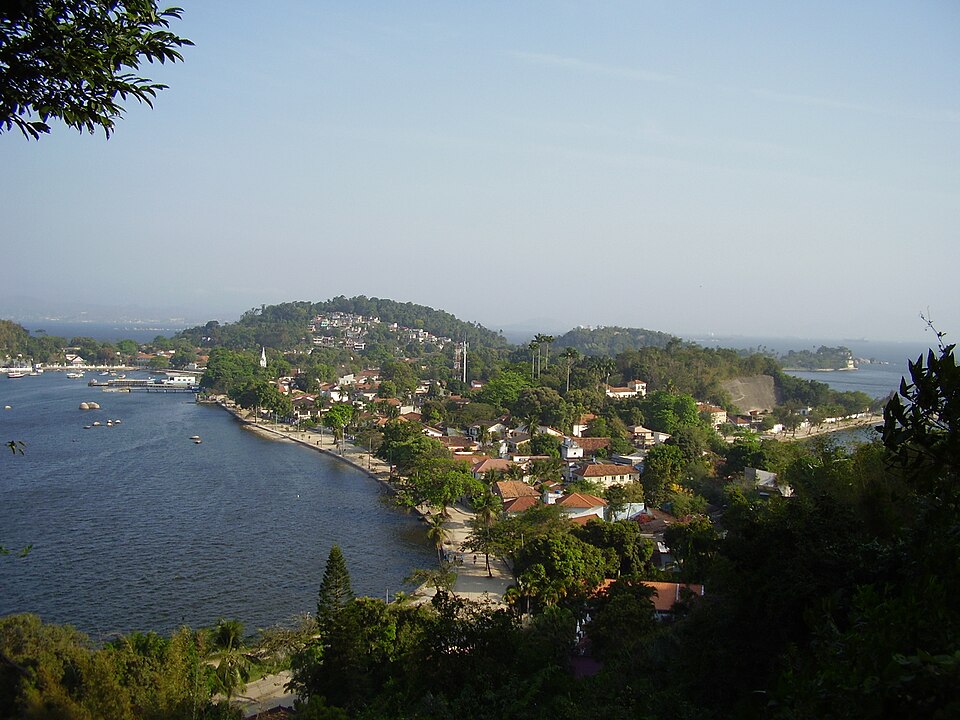
- Paquetá Island
- Pedra da Gávea
- Tijuca National Park
- Flamengo Park
Nature close to Rio de Janeiro
The places people read most about, from the centre outwards.



- Copacabana Beach · 7 km
- Guanabara Bay Fjord · 16 km
- Ipanema District Beach · 7 km
- Pedra da Gávea Hill · 10 km
- Lagoa Rodrigo de Freitas Lagoon · 6 km
Marked walks
- Trilha da Pedra da Gávea2.5 km · 11 km from the centre · marked by ICMBio
Routes from OpenStreetMap via Waymarked Trails. Not checked by 4Planet: follow local signs and conditions.
Wildlife around Rio de Janeiro
The wild animals people record most within 50 km, 2016–2025. Tick the ones you have seen to build your own list.

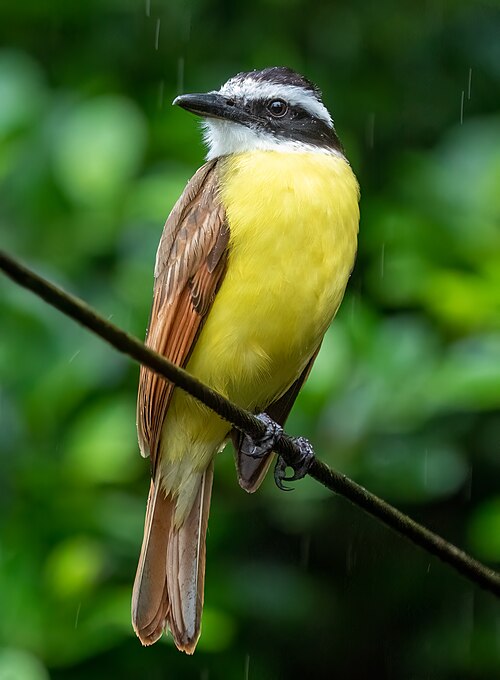


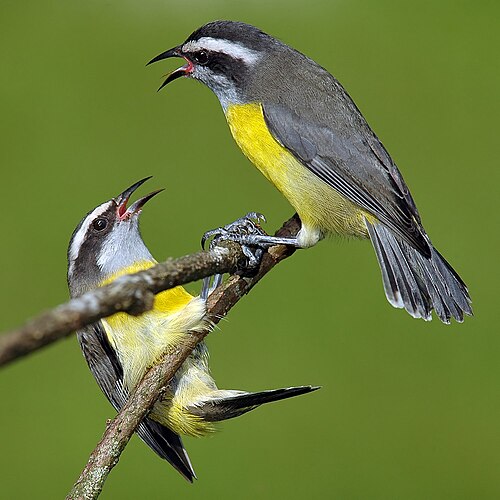


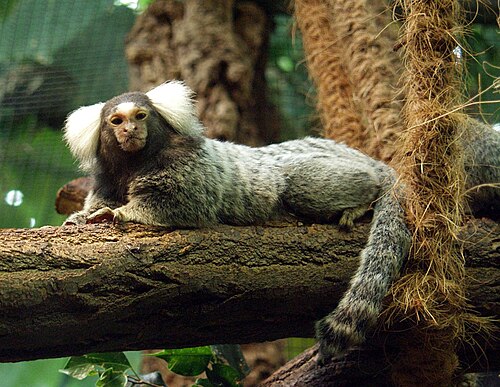


Seen in the last 30 days
What can you see near Rio de Janeiro now?
Month by month, from 603,040 records people shared within 50 km, 2016–2025.
At their peak in January
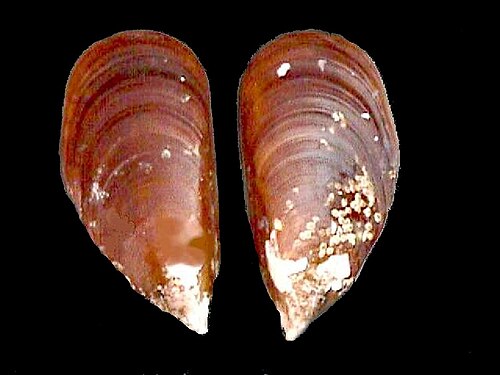


Most seen in January

44,663 animal records in January.
At their peak in February
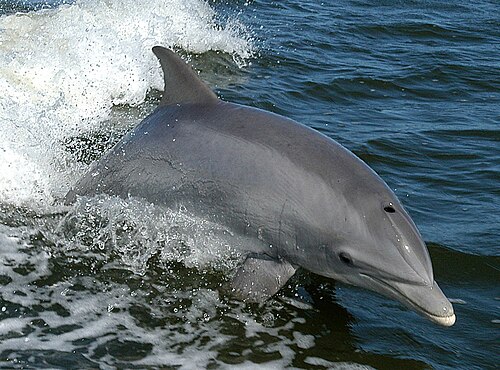
Most seen in February
36,533 animal records in February.
At their peak in March


Most seen in March
39,230 animal records in March.
At their peak in April
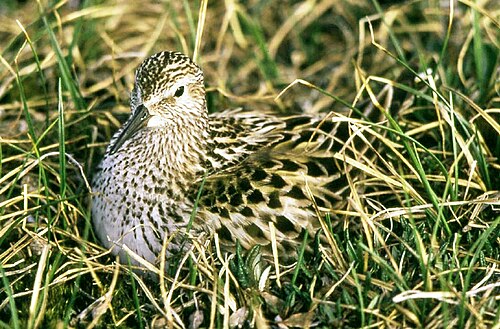


Most seen in April
41,388 animal records in April.
At their peak in May

Most seen in May
52,754 animal records in May.
At their peak in June


Most seen in June
48,885 animal records in June.
At their peak in July


Most seen in July
51,773 animal records in July.
At their peak in August


Most seen in August
54,526 animal records in August.
At their peak in September


Most seen in September
59,200 animal records in September.

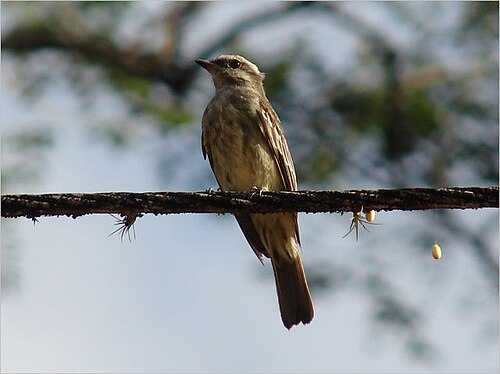
At their peak in November


Most seen in November
58,643 animal records in November.
At their peak in December

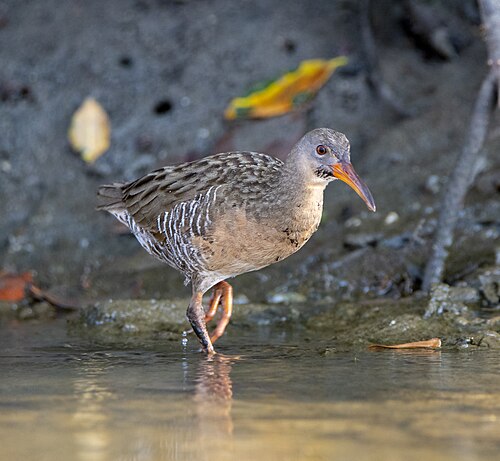
Most seen in December
50,830 animal records in December.
Rio de Janeiro is getting warmer
+0.5 °CAverage temperature around Rio de Janeiro in 2016–2025, compared with 1981–1990.
Daylight: about 14 hours in December and 11 in June.
Seen something near Rio de Janeiro?
Share a photo of it on iNaturalist. Other naturalists help name it, and confirmed records go to GBIF, where scientists use them. That is where the lists on this page come from.
Explore next
What puts Rio de Janeiro under pressure, what helps, and who works on it.
Rio de Janeiro on the living planet
More places near Rio de Janeiro
Sources and photo credits
- Wikidata · Rio de Janeiro (Q8678), facts and nature places
- Wikipedia page views · how well known each nature place is
- OpenStreetMap contributors via Waymarked Trails · marked walking routes (ODbL)
- GBIF · human observations within 50 km, 2016–2025 (603,040 animal records)
- NASA POWER · yearly temperature from satellite and model data (MERRA-2)
- MET Norway · weather now (shown live)
- Natural Earth · populated place 1159151619, public domain
- Rio de Janeiro, Brazil: Rafael Rabello de Barros, CC BY-SA 3.0
- Sugarloaf Mountain, Rio de Janeiro: Ccarelo, CC BY-SA 3.0
- Corcovado, Rio de Janeiro: Usrotors, CC BY-SA 4.0
- Paquetá Island, Rio de Janeiro: Marcelocandidoli, eu próprio, Public domain
- Tijuca National Park, Rio de Janeiro: Halley Pacheco de Oliveira, CC BY-SA 3.0
- Flamengo Park, Rio de Janeiro: Nacarati, CC BY-SA 3.0
- Rio de Janeiro Botanical Garden, Rio de Janeiro: tsc_traveler [2], CC BY 2.0
- Carioca Aqueduct, Rio de Janeiro: Marco Roberto Petri, CC BY-SA 4.0
- Parque Lage, Rio de Janeiro: Aquino Hilton, CC BY-SA 4.0
- Humpback whale: Dr. Louis M. Herman., Public domain
- Great kiskadee: Rhododendrites, CC BY-SA 4.0
- Black vulture: Wdiane, CC BY-SA 4.0
- Palm tanager: @LuizAlves1990, CC BY-SA 4.0
- Bananaquit: Leon-bojarczuk - Flickr page, CC BY-SA 2.0
- Southern house wren: Dario Sanches from SÃO PAULO, BRASIL, CC BY-SA 2.0
- Black capuchin: Peter Cook, CC BY-SA 2.0
- Common marmoset: Raimond Spekking, CC BY-SA 4.0
- Amazon lava lizard: Gustavo Forreque, CC BY 2.0
- Silver garden spider: WillWig at English Wikipedia, Public domain
- African hermit spider: ThePestmeester, CC BY 4.0
- White peacock: Judy Gallagher, CC BY 2.0
- Magnificent frigatebird: Andrew Turner from Washington, DC, United States, CC BY 2.0
- Mexilhao mussel: Veronidae, CC BY-SA 3.0
- Black witch: Forest & Kim Starr (USGS), CC BY 3.0
- Osprey: El Golli Mohamed, CC BY-SA 4.0
- Common bottlenose dolphin: NASA, Public domain
- American golden orb weaver: DirkvdM, CC BY-SA 3.0
- Red-legged seriema: Charles J. Sharp, CC BY-SA 4.0
- White-rumped sandpiper: Tim Bowman, USFWS, Public domain
- Semipalmated plover: Rhododendrites, CC BY-SA 4.0
- Grey plover: Hans Hillewaert, CC BY-SA 3.0
- Ruddy turnstone: Hans Hillewaert, CC BY-SA 4.0
- Red knot: JJ Harrison (https://www.jjharrison.com.au/), CC BY-SA 4.0
- Chestnut-bellied euphonia: Dario Sanches from São Paulo, Brazil, CC BY-SA 2.0
- Swallow tanager: Guillermo Debandi, CC BY 4.0
- Black-backed tanager: Cristina Sininho Sa, CC BY 4.0
- Yellow-legged thrush: Dario Sanches from São Paulo, Brazil, CC BY-SA 2.0
- Bare-throated bellbird: Ben Tavener, CC BY 2.0
- Scarlet flycatcher: Greg Schechter from San Francisco, USA, CC BY 2.0
- Fawn-breasted tanager: Joao Quental, CC BY 2.0
- White-rumped swallow: Valentina Ferretti (Valeferretti at en.wikipedia), Public domain
- Broad-snouted caiman: Miguelrangeljr, CC BY 3.0
- Pied water tyrant: The Lilac Breasted Roller from Sullivan's Island, United States, CC BY 2.0
- Least grebe: atlnature, CC BY 4.0
- Fork-tailed flycatcher: Rogier Klappe, CC BY 2.0
- Piratic flycatcher: Dolhijn, CC BY 3.0
- Streaked flycatcher: Wdiane, CC BY-SA 4.0
- Black jacobin: Dario Sanches from São Paulo, Brazil, CC BY-SA 2.0
- Green-winged saltator: Hector Bottai, CC BY-SA 4.0
- Rufous-thighed kite: Rick elis.simpson, CC BY-SA 3.0
- Sanderling: Jacob Spinks from Northamptonshire, England, CC BY 2.0
- Mangrove rail: David F. Belmonte, CC BY 4.0


Wildlife records show where people have seen and shared plants and animals, not everything that lives here; some places and months are recorded more than others. Sensitive species are never shown with a month or as seen recently. Routes come from OpenStreetMap and are not checked by 4Planet: follow local signs and conditions. Climate figures are NASA estimates for the area around Rio de Janeiro, not a single weather station.
Checked 2026-11-20.