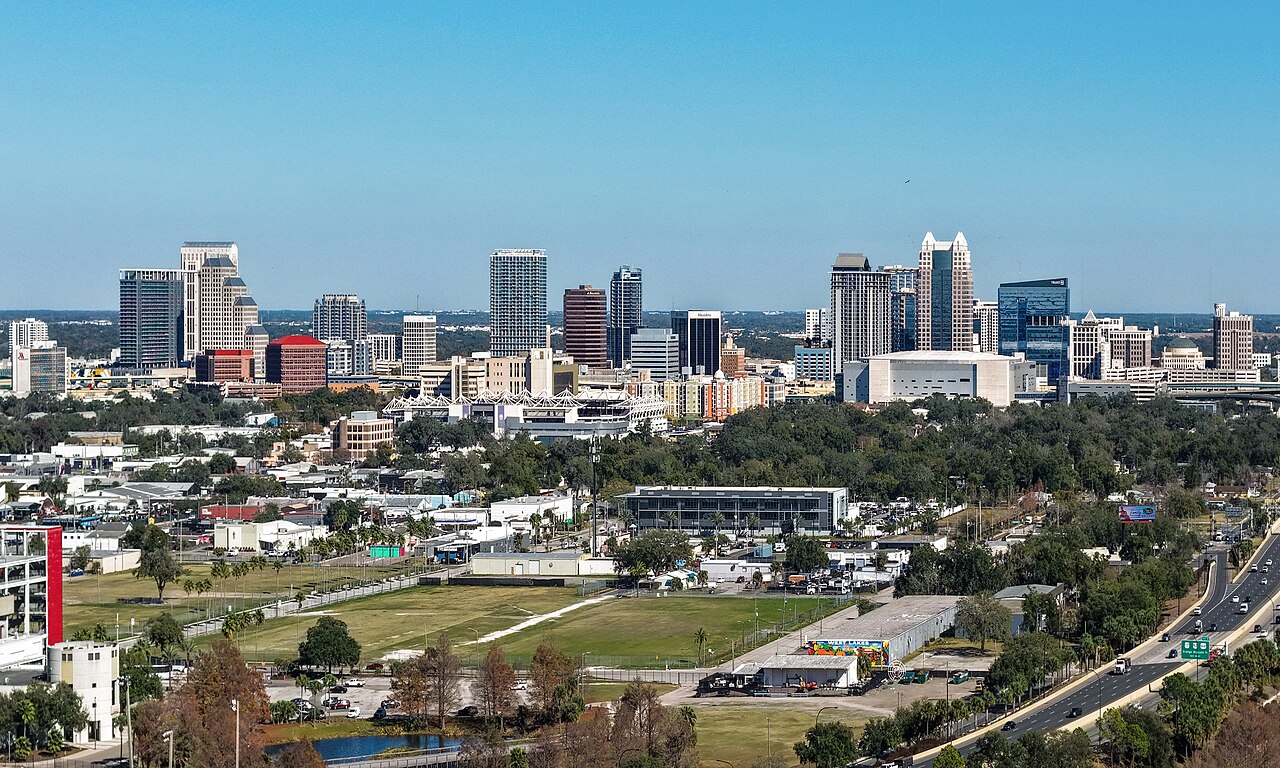
Orlando
City in United States
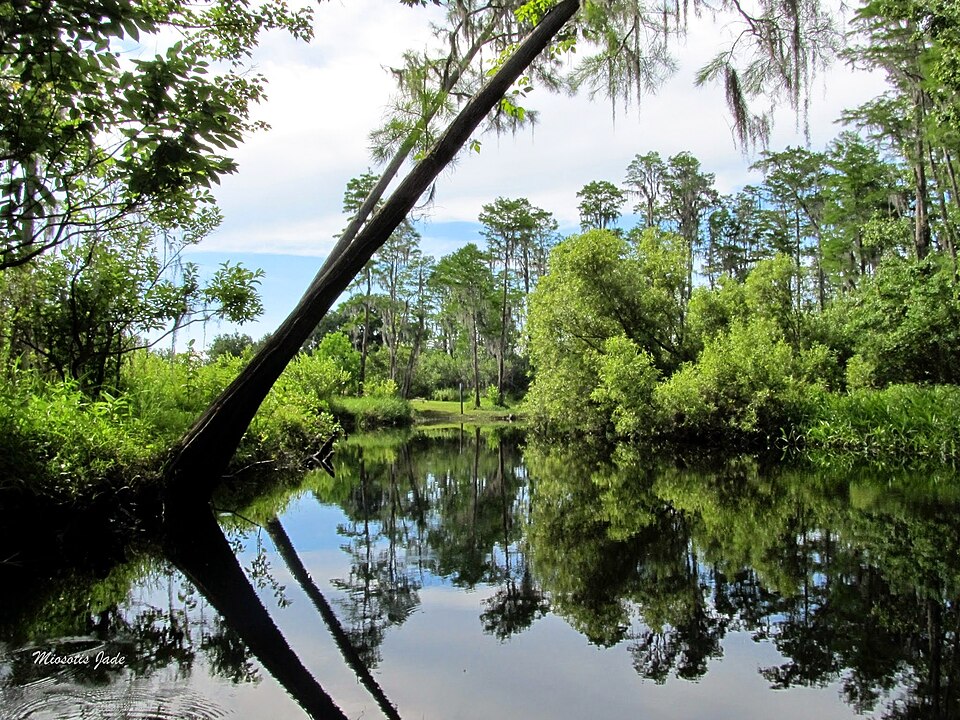
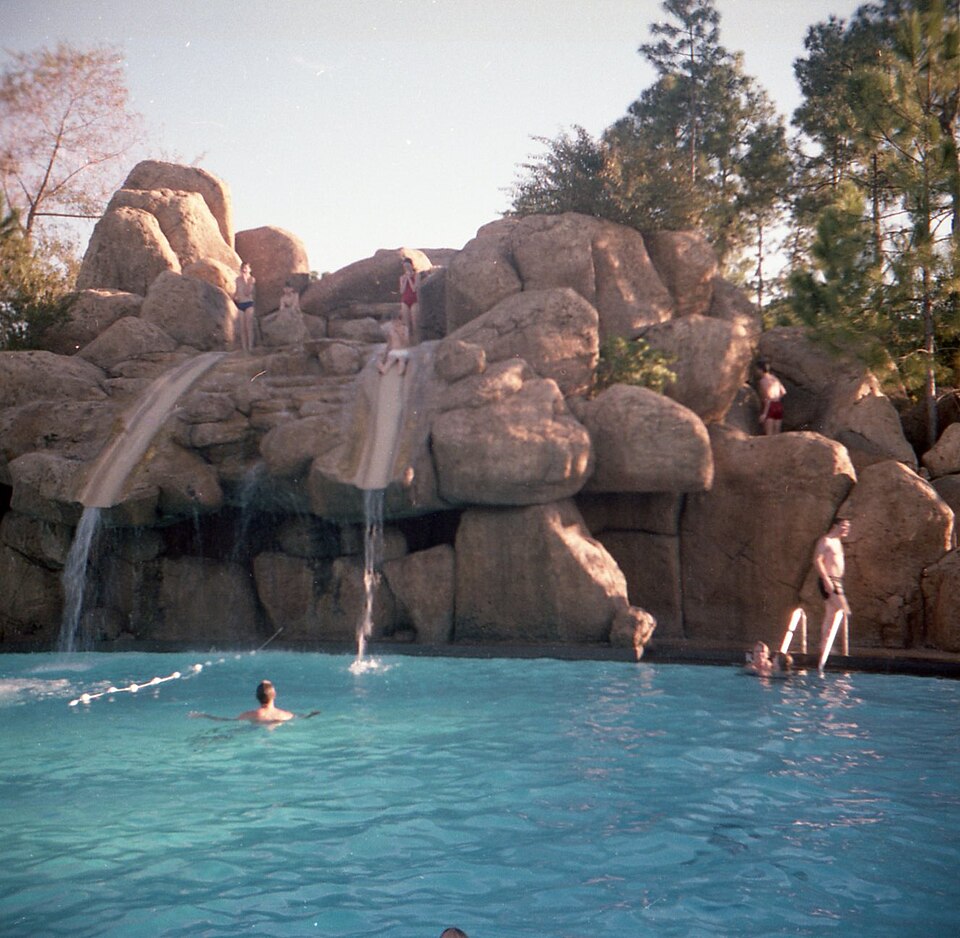
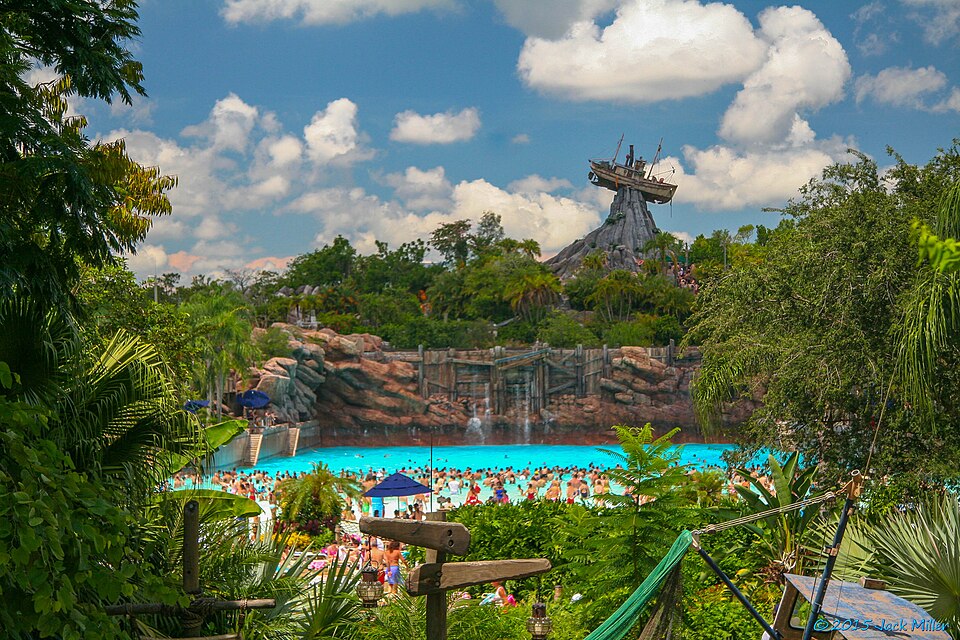
Within 30 km of the centre of Orlando, the nature places people read about most are Shingle Creek, Disney's River Country, Discovery Island and Disney's Typhoon Lagoon.
People have shared 4,769,674 wildlife records within 50 km of Orlando in the last ten years. The wild animals recorded most often are the northern cardinal, the red-bellied woodpecker, the mourning dove, the red-shouldered hawk and the American white ibis. Since the 1980s the area has become about 1.2 °C warmer.
Of the 266 cities on Atlas, Orlando has the 27th most wildlife records shared within 50 km. Among the animals people record most around Orlando, the red-bellied woodpecker and the red-shouldered hawk appear on no other city page here.
- Country
- United States
- Population
- 334,854
- Area
- 308 km²
- Elevation
- 34 m
- Currency
- United States dollar
- Daylight
- 10 to 14 hours
Figures from Wikidata; population 2024.
Orlando on the map
- Shingle Creek
- Disney's River Country
- Discovery Island
- Disney's Typhoon Lagoon
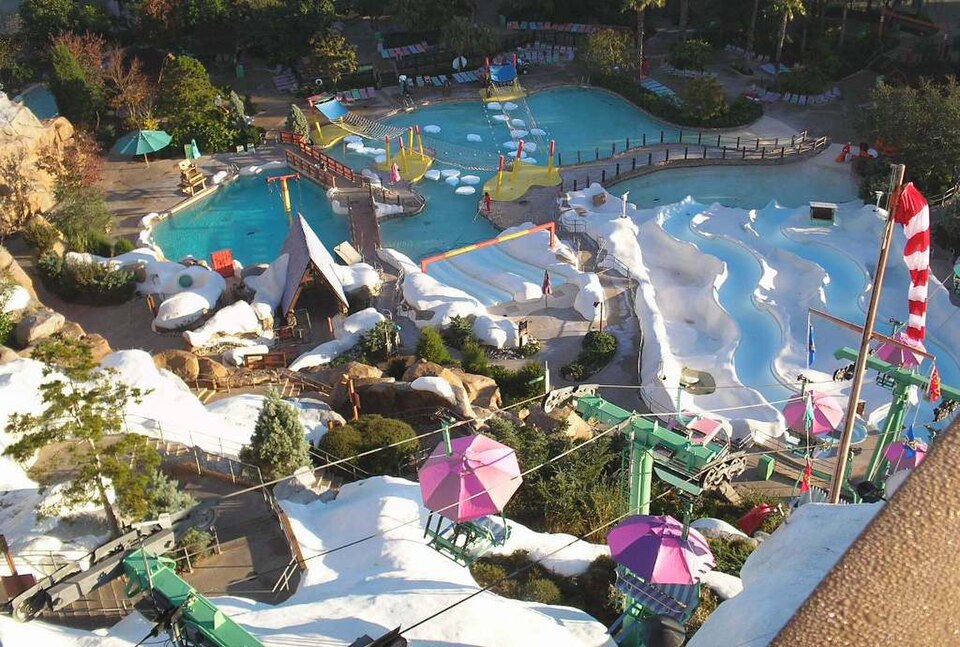
- Disney's Blizzard Beach
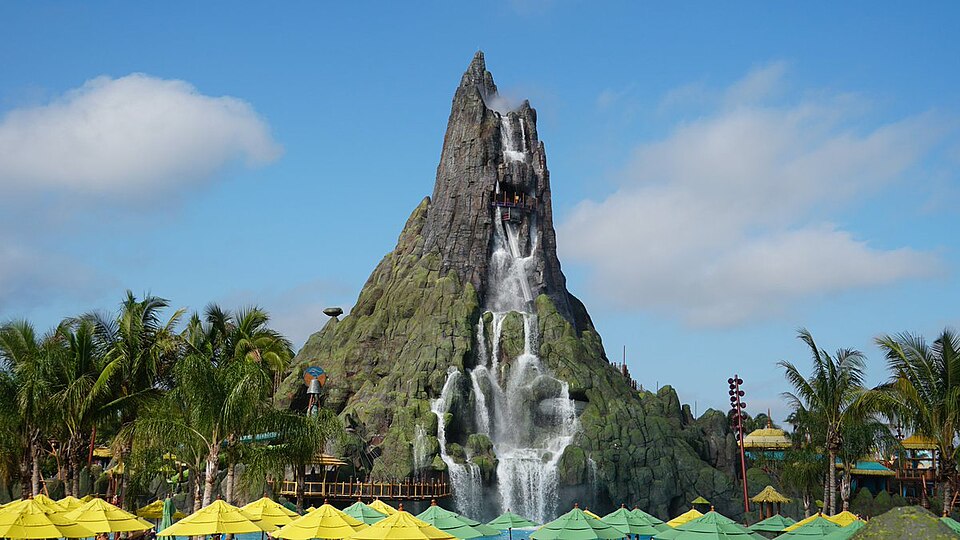
- Universal's Volcano Bay
- Wet 'n Wild Orlando
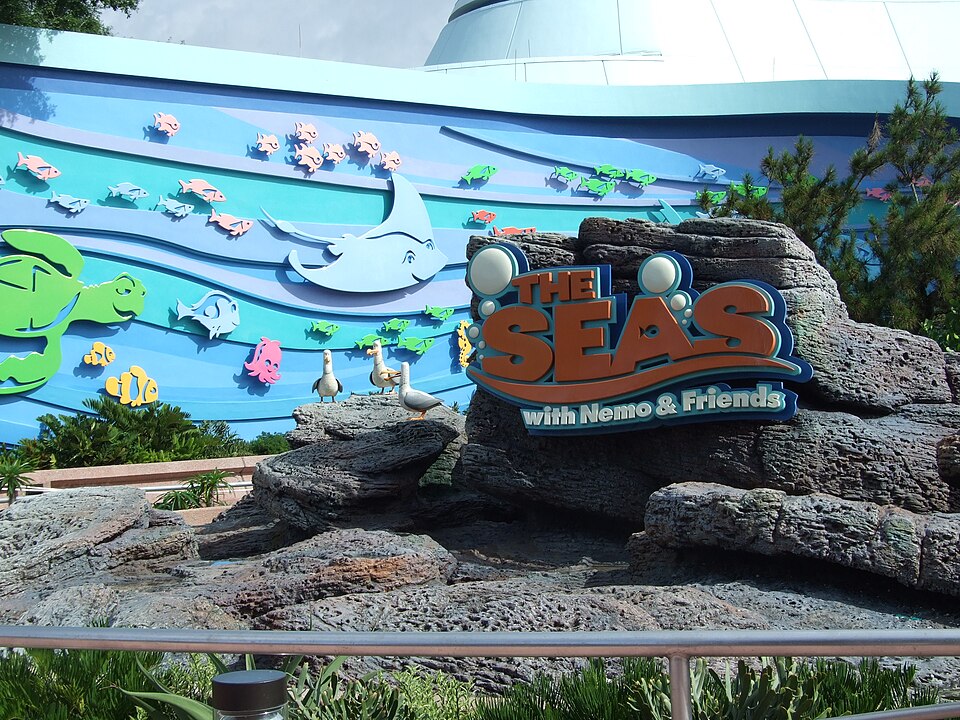
- The Seas with Nemo & Friends
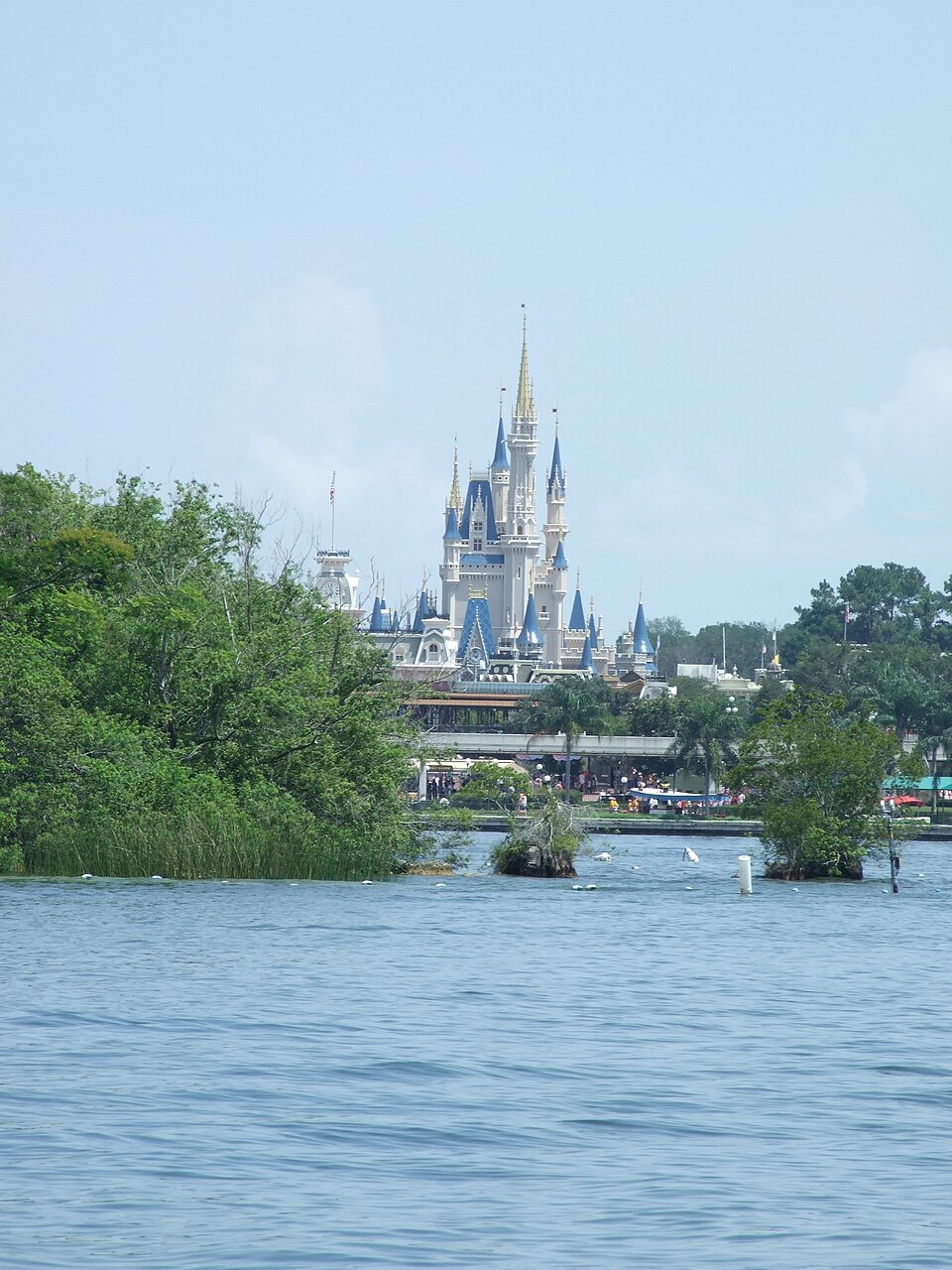
- Seven Seas Lagoon
Nature close to Orlando
The places people read most about, from the centre outwards.
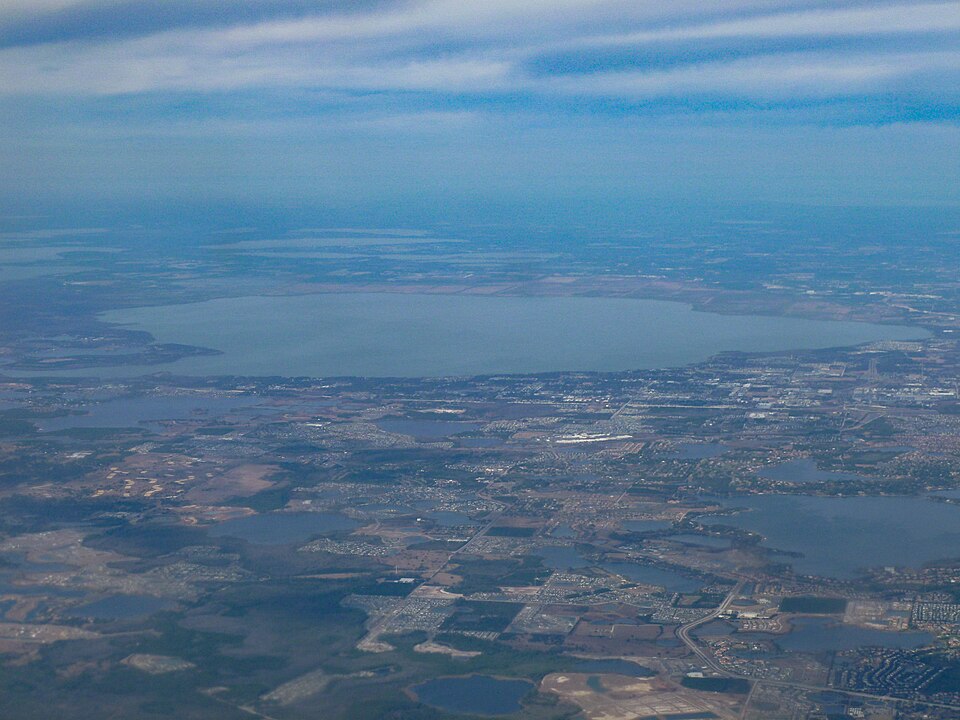
- Discovery Island Island · 22 km
- Wet 'n Wild Orlando Park · 11 km
- Lake Jesup Lake · 27 km
Routes from OpenStreetMap via Waymarked Trails. Not checked by 4Planet: follow local signs and conditions.
Wildlife around Orlando
The wild animals people record most within 50 km, 2016–2025. Tick the ones you have seen to build your own list.


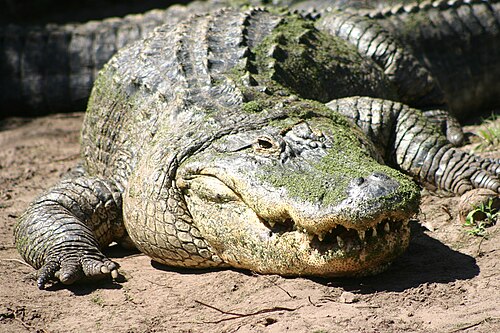

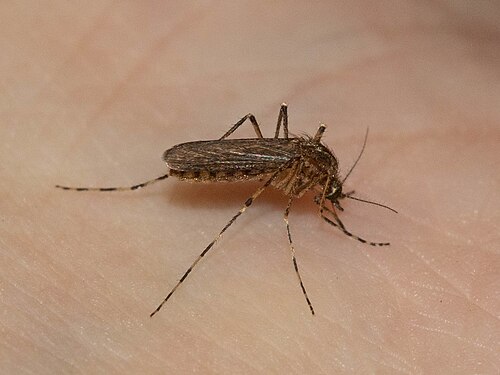

Seen in the last 30 days
What can you see near Orlando now?
Month by month, from 4,769,674 records people shared within 50 km, 2016–2025.
At their peak in January
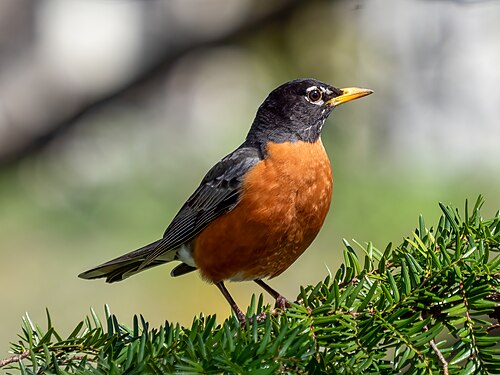


Most seen in January


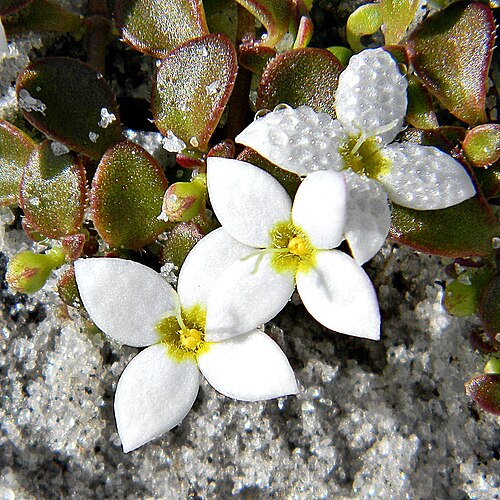
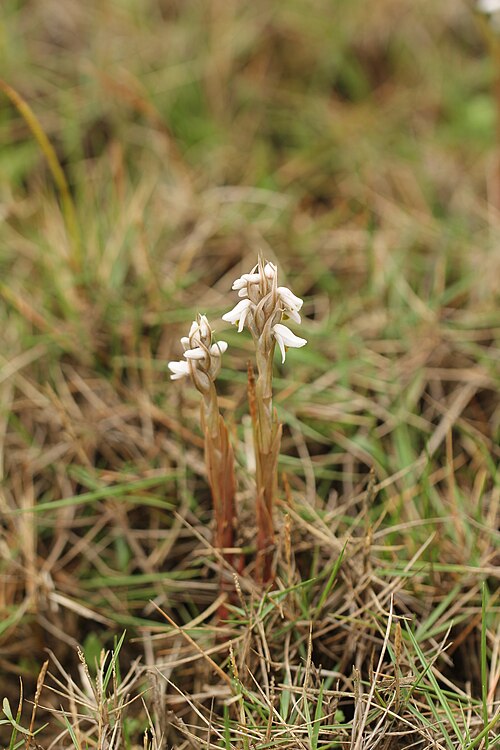
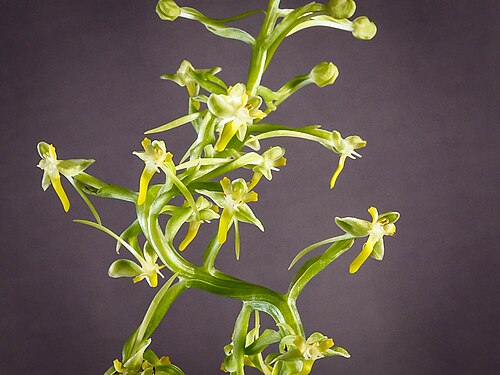
Plants and fungi at their peak in January
618,207 animal records in January.
At their peak in February

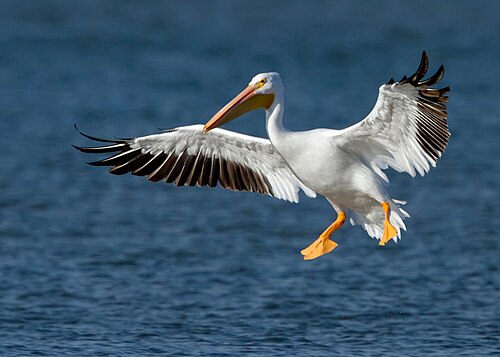
Most seen in February
Plants and fungi at their peak in February
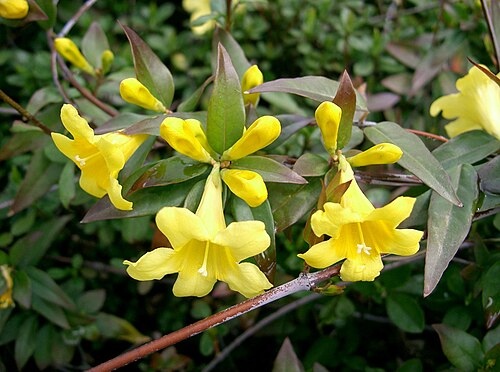
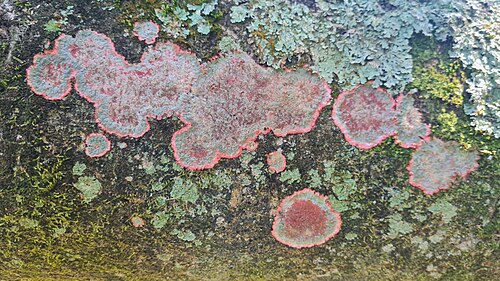
545,806 animal records in February.
At their peak in March

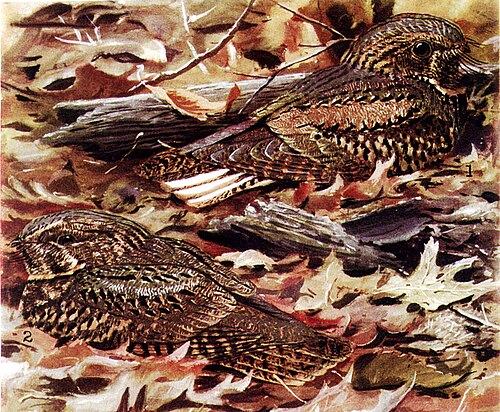
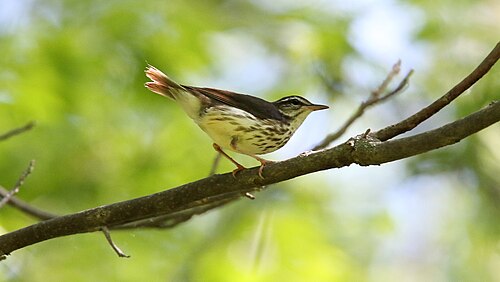
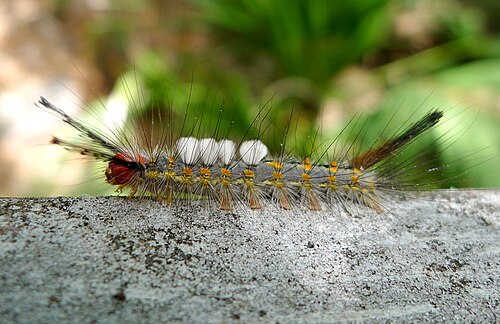
Most seen in March
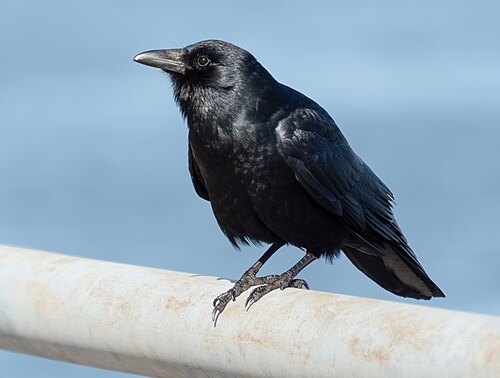
Plants and fungi at their peak in March

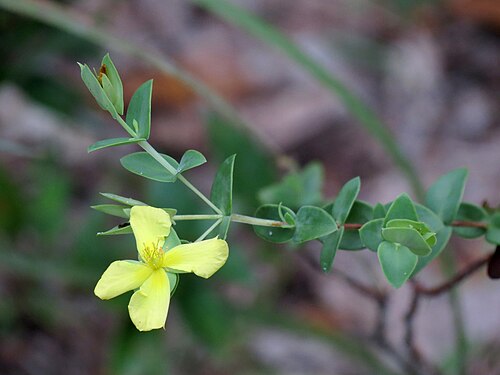
521,830 animal records in March.
At their peak in April

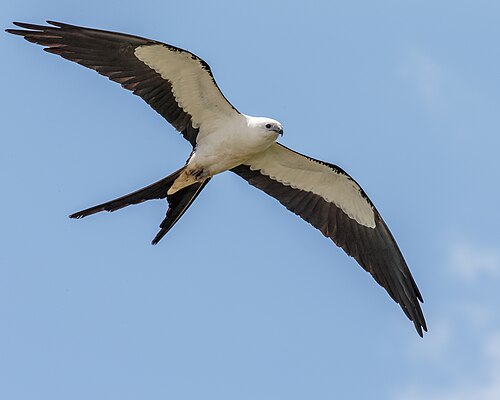

Most seen in April
Plants and fungi at their peak in April
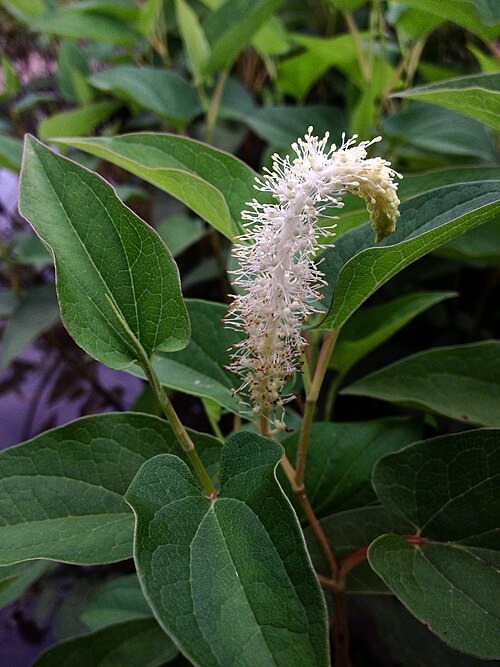
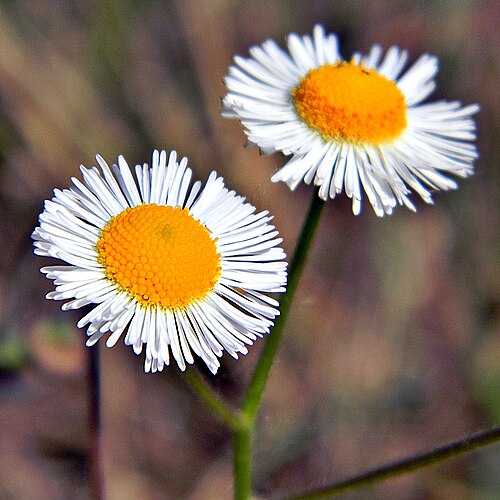
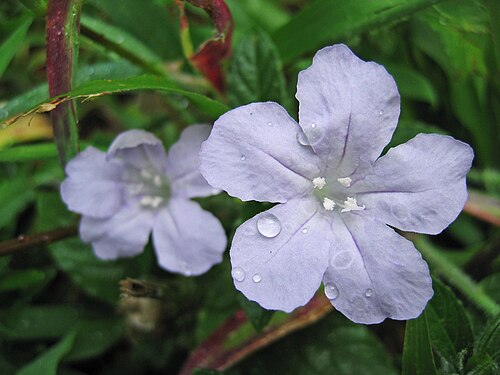
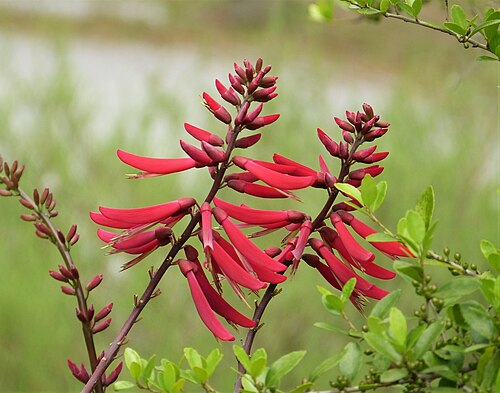
460,425 animal records in April.
At their peak in May

Most seen in May
Plants and fungi at their peak in May

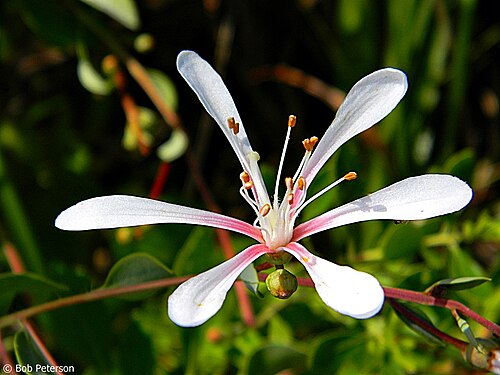
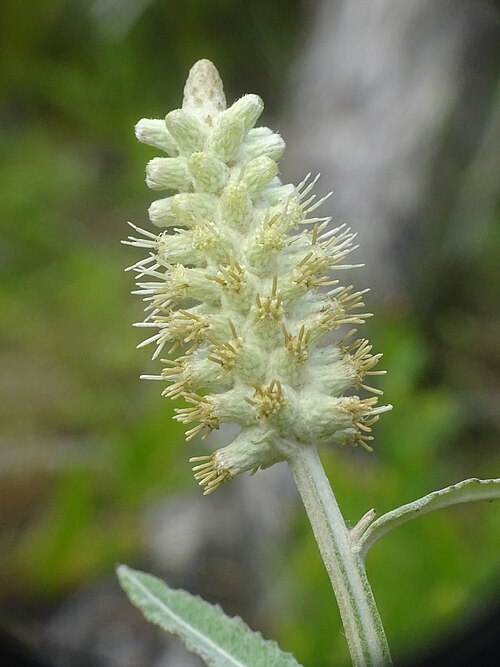
333,558 animal records in May.
At their peak in June
Most seen in June
Plants and fungi at their peak in June
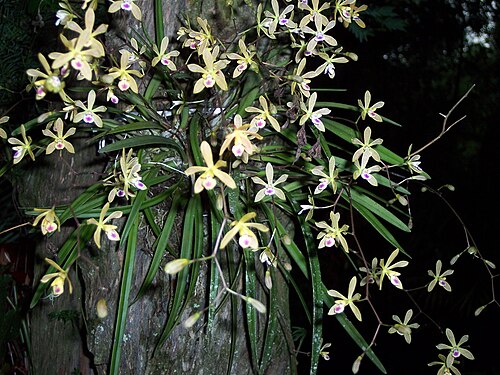
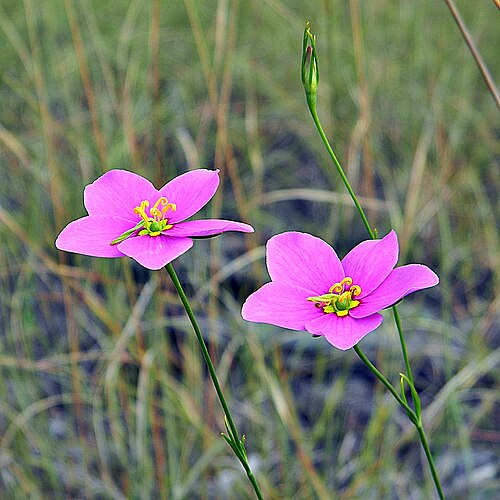
246,471 animal records in June.
At their peak in July

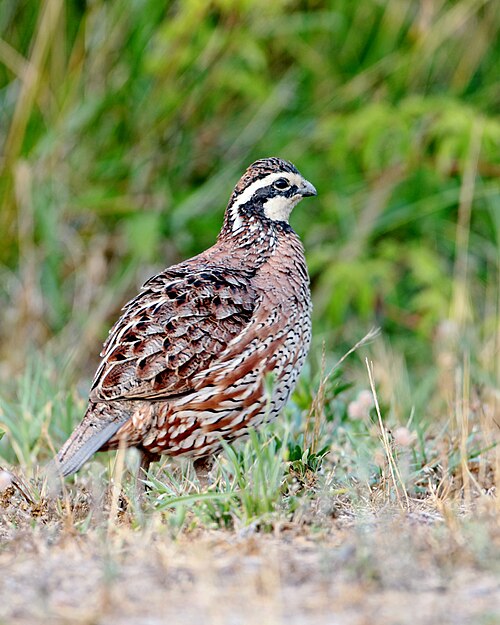
Most seen in July
Plants and fungi at their peak in July
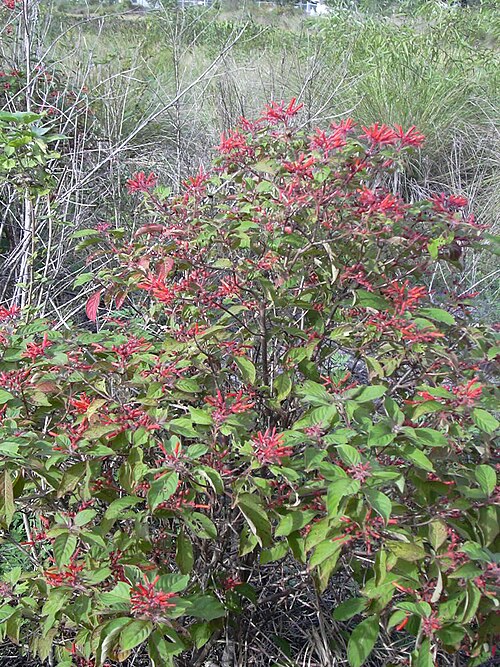

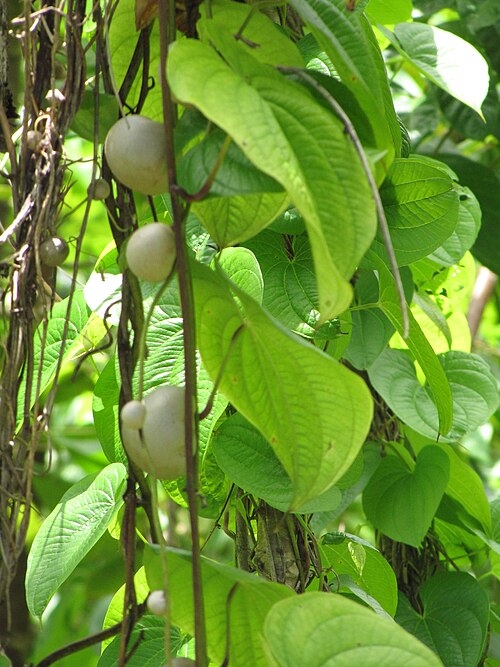
197,927 animal records in July.
At their peak in August
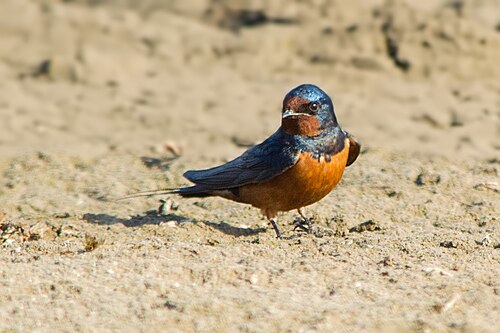

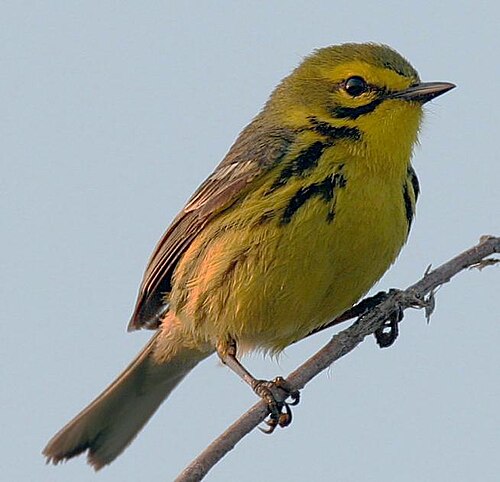
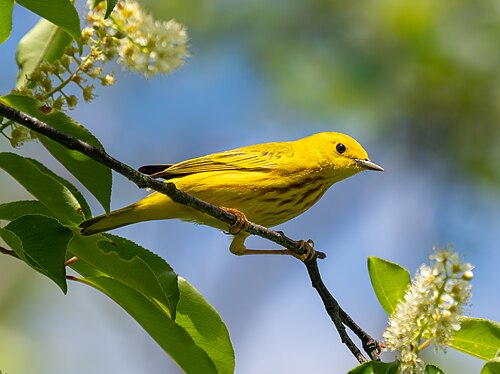
Most seen in August
Plants and fungi at their peak in August
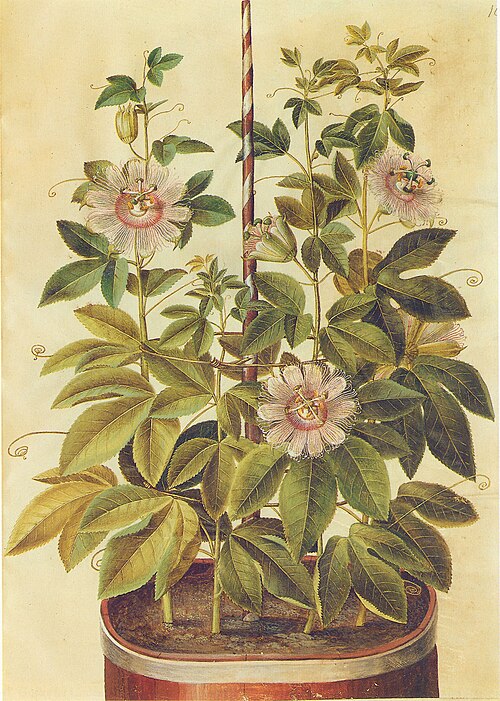
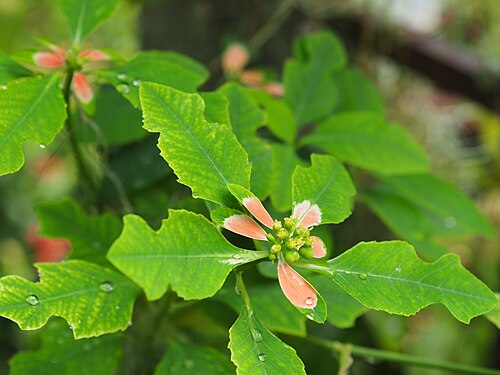
216,959 animal records in August.
At their peak in September

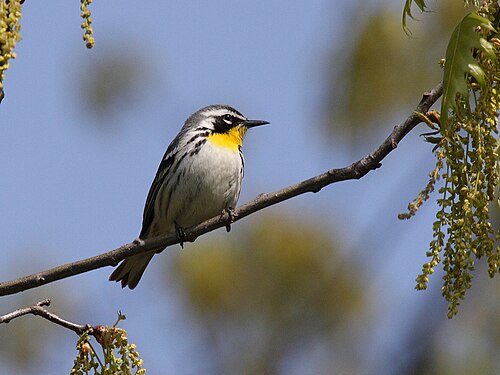
Most seen in September
Plants and fungi at their peak in September
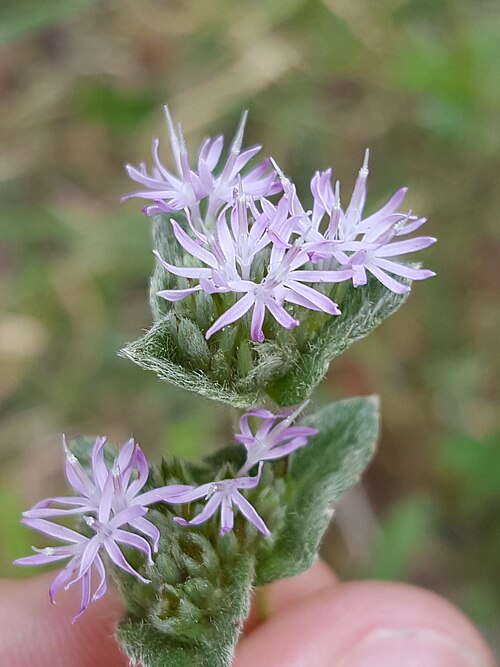
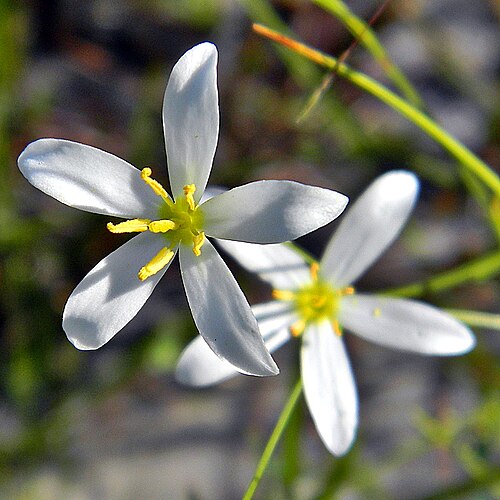
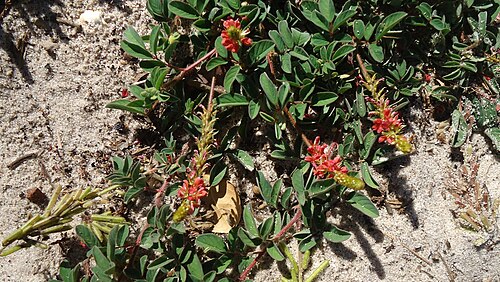
286,789 animal records in September.
At their peak in October
Most seen in October


Plants and fungi at their peak in October

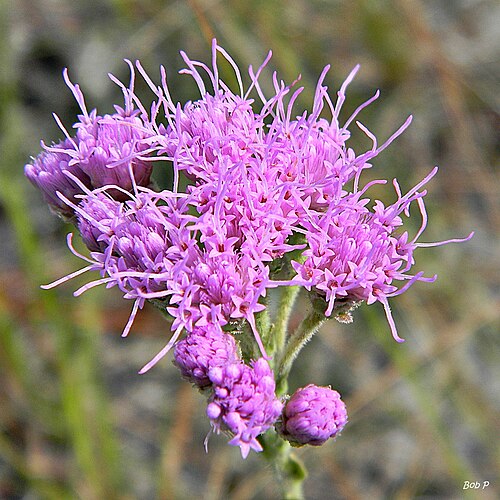
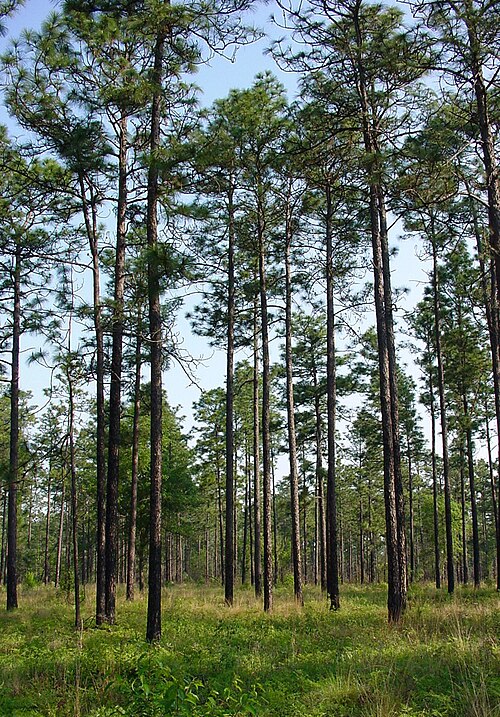
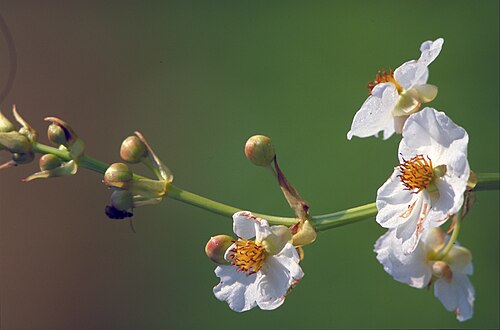
422,366 animal records in October.
At their peak in November

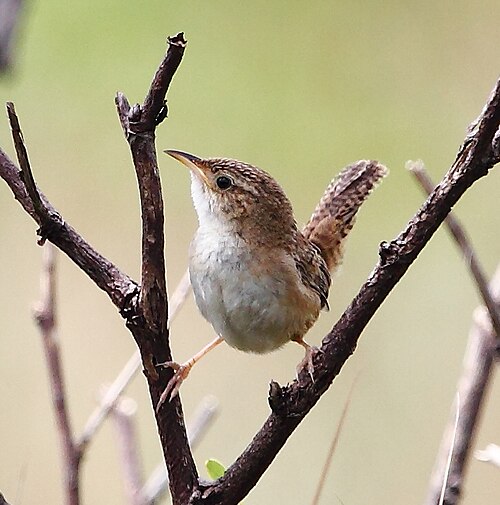
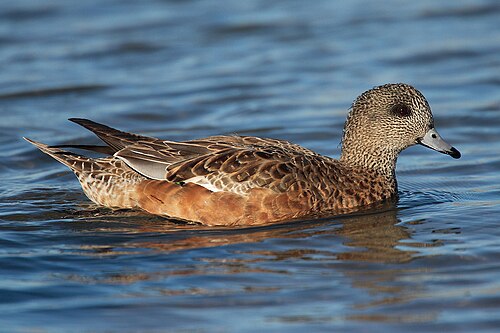

Most seen in November

Plants and fungi at their peak in November
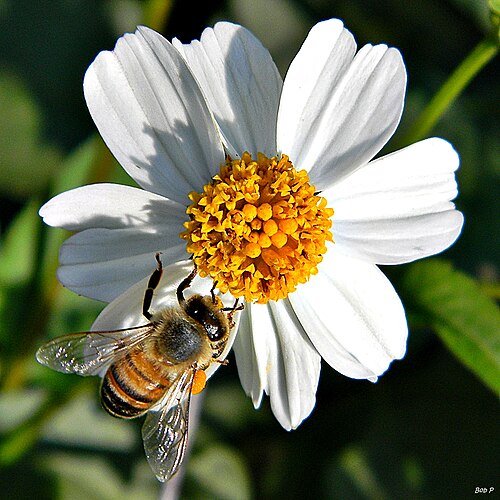
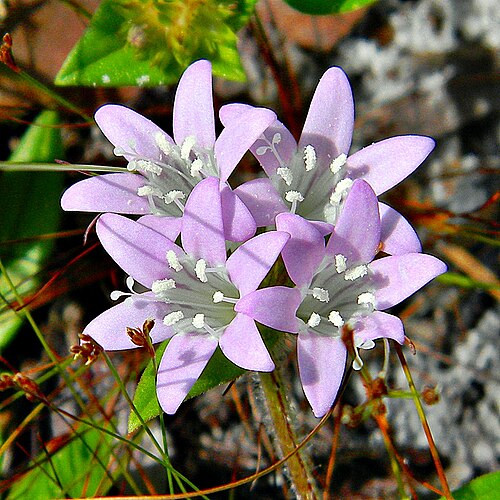

408,589 animal records in November.
At their peak in December


Most seen in December
Plants and fungi at their peak in December
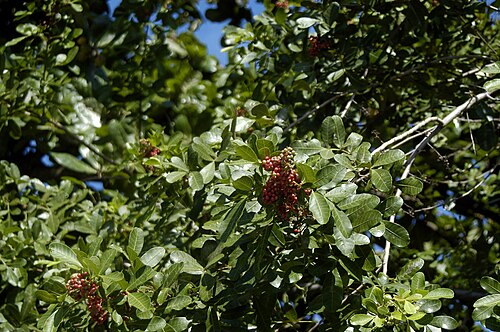
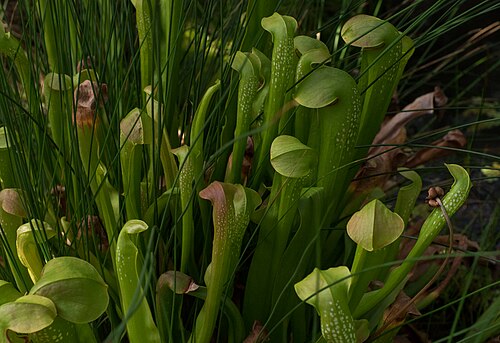
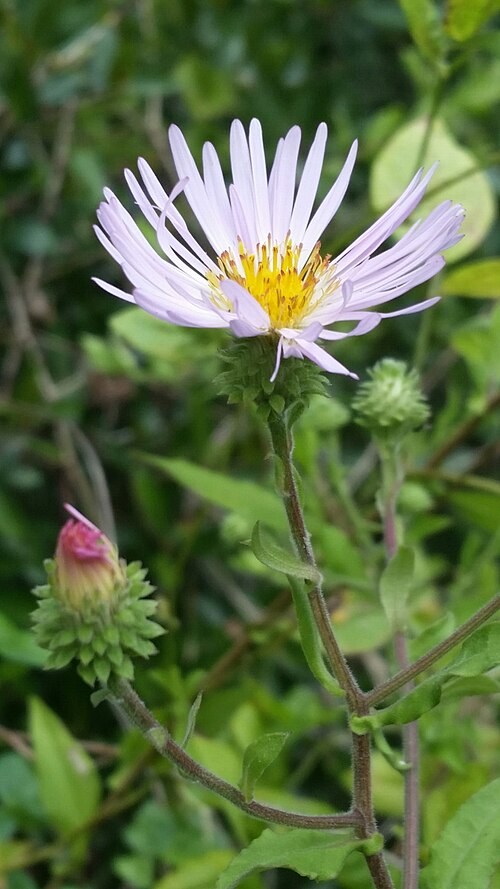
510,747 animal records in December.
Orlando is getting warmer
+1.2 °CAverage temperature around Orlando in 2016–2025, compared with 1981–1990.
Daylight: about 10 hours in December and 14 in June.
Seen something near Orlando?
Share a photo of it on iNaturalist. Other naturalists help name it, and confirmed records go to GBIF, where scientists use them. That is where the lists on this page come from.
Explore next
What puts Orlando under pressure, what helps, and who works on it.
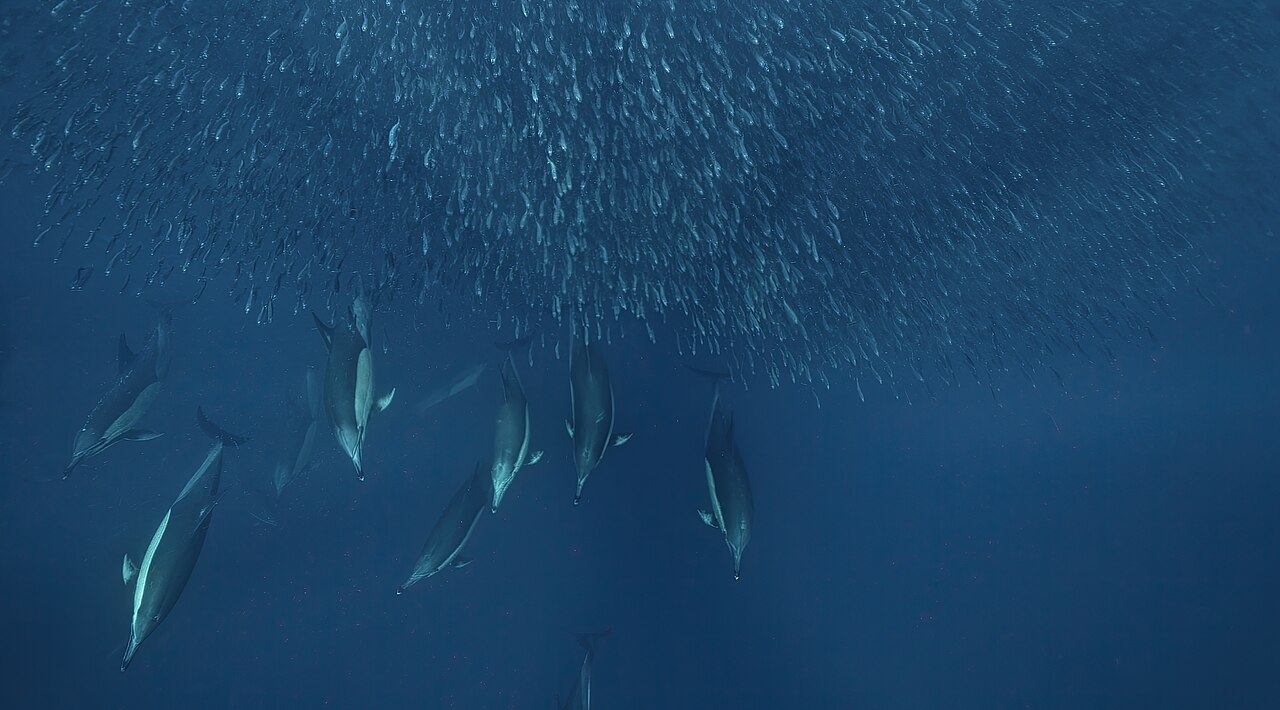
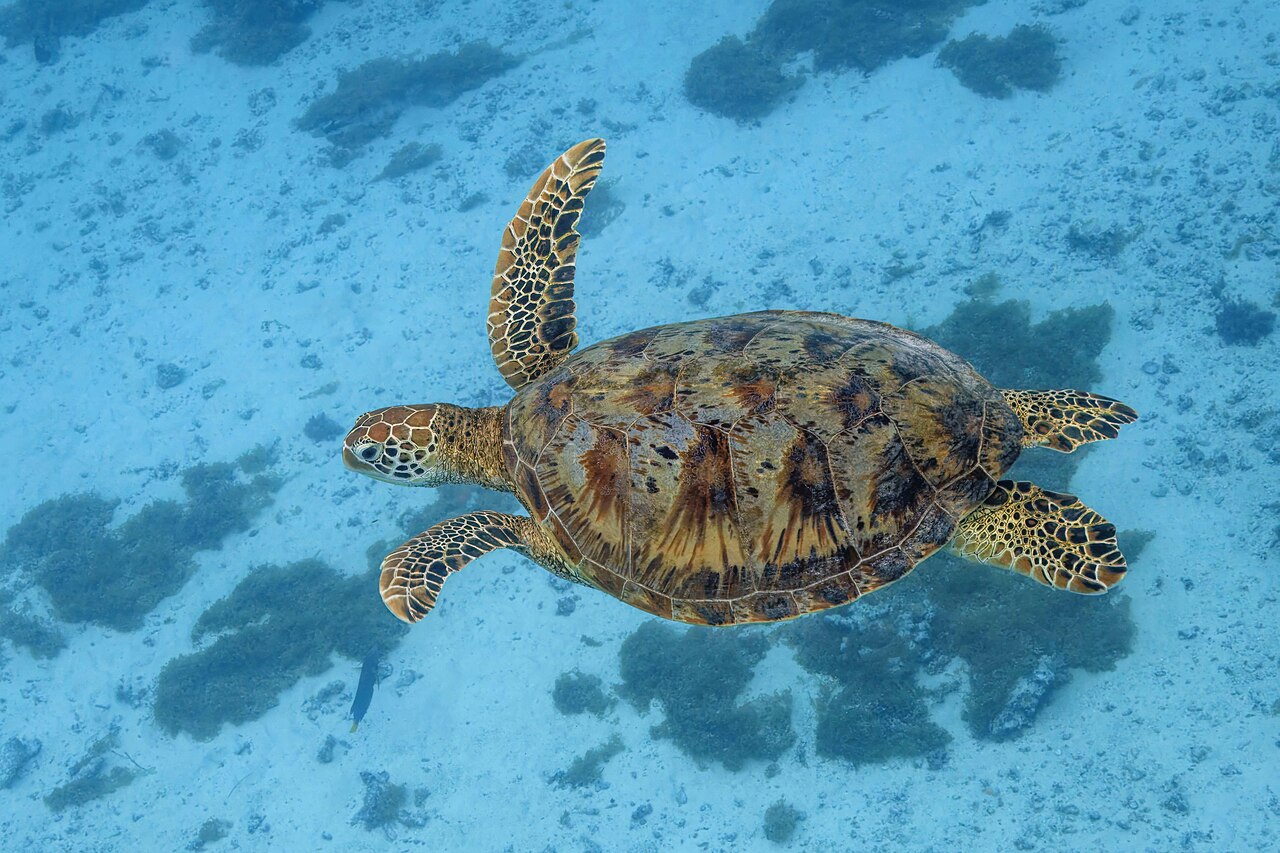
Orlando on the living planet
More places near Orlando
Sources and photo credits
- Wikidata · Orlando (Q49233), facts and nature places
- Wikipedia page views · how well known each nature place is
- OpenStreetMap contributors via Waymarked Trails · marked walking routes (ODbL)
- GBIF · human observations within 50 km, 2016–2025 (4,769,674 animal records)
- NASA POWER · yearly temperature from satellite and model data (MERRA-2)
- MET Norway · weather now (shown live)
- Orlando, United States: Quintin Soloviev, CC BY 4.0
- Shingle Creek, Orlando: Miosotis Jade, CC BY-SA 4.0
- Disney's River Country, Orlando: Steven & Courtney Johnson & Horwitz from USA, CC BY-SA 2.0
- Disney's Typhoon Lagoon, Orlando: Jack Miller from Irvine, CA, USA, CC BY-SA 2.0
- Disney's Blizzard Beach, Orlando: Dr latino999 at English Wikipedia, Public domain
- Universal's Volcano Bay, Orlando: NBCUniversal, CC BY-SA 4.0
- The Seas with Nemo & Friends, Orlando: DearCatastropheWaitress at English Wikipedia, CC BY 2.5
- Seven Seas Lagoon, Orlando: DearCatastropheWaitress (talk), CC BY-SA 3.0
- Lake Apopka, Orlando: Michael Adams, CC BY-SA 3.0
- Northern cardinal: patricia pierce, CC BY 2.0
- Red-bellied woodpecker: Ken Thomas, Public domain
- Mourning dove: Rhododendrites, CC BY-SA 4.0
- Red-shouldered hawk: john581, CC BY 2.0
- American white ibis: Maximilian Paradiz from Amsterdam, Netherlands, CC BY 2.0
- Eastern gray squirrel: Dominic Nelson, CC BY-SA 4.0
- White peacock: Judy Gallagher, CC BY 2.0
- Cuban brown anole: Hans Hillewaert, CC BY-SA 4.0
- American alligator: Skeetdeloach at English Wikipedia, Public domain
- Cuban tree frog: Munkel, Public domain
- Cattail mosquito: David McCorquodale, CC BY 4.0
- Gulf fritillary: iNaturalist.org (Dennis Vollmar), CC BY 4.0
- Palm warbler: Rhododendrites, CC BY-SA 4.0
- Turkey vulture: Frank Schulenburg, CC BY-SA 4.0
- Myrtle warbler: Rhododendrites, CC BY-SA 4.0
- American robin: Rhododendrites, CC BY-SA 4.0
- Tree swallow: Rhododendrites, CC BY-SA 4.0
- Ring-billed gull: Fabian Roudra Baroi, CC BY-SA 4.0
- Hooded merganser: Rhododendrites, CC BY-SA 4.0
- Innocence: Bob Peterson from North Palm Beach, Florida, Planet Earth!, CC BY-SA 2.0
- Soldier's orchid: 乌拉跨氪, CC BY-SA 3.0
- Toothpetal bog orchid: Naoki Takebayashi from Fairbanks, AK, USA, CC BY-SA 2.0
- Chipping sparrow: Mdf, Edited by Fir0002, CC BY-SA 3.0
- American white pelican: Manjith Kainickara, CC BY-SA 2.0
- Carolina-jasmine: KENPEI, CC BY-SA 3.0
- Christmas lichen: Tiago Lubiana, CC0
- Fish crow: Rhododendrites, CC BY-SA 4.0
- Cedar waxwing: Jason Quinn, CC BY-SA 3.0
- Chuck-will's-widow: Louis Agassiz Fuertes, Public domain
- Louisiana waterthrush: Dominic Sherony, CC BY-SA 2.0
- Fir tussock moth: gailhampshire from Cradley, Malvern, U.K, CC BY 2.0
- Cancerweed: Kaldari, Public domain
- Fourpetal st. johnswort: Katja Schulz, CC BY 4.0
- Great crested flycatcher: Mykola Swarnyk, CC BY-SA 3.0
- Swallow-tailed kite: Andy Morffew from Itchen Abbas, Hampshire, UK, CC BY 2.0
- Chimney swift: Adam Jackson, CC0
- Lizard's tail: Fritzflohrreynolds, CC BY-SA 3.0
- Oakleaf fleabane: Bob Peterson from North Palm Beach, Florida, Planet Earth!, CC BY-SA 2.0
- Carolina wild petunia: “Jon Zander (Digon3)", CC BY-SA 3.0
- Redcardinal: gailhampshire from Cradley, Malvern, U.K, CC BY 2.0
- Purple martin: JJ Cadiz, Cajay, CC BY 3.0
- Buttonbush: Rufino Osorio (also known as Desmodium), CC BY-SA 2.5
- Flyweed: Bob Peterson from North Palm Beach, Florida, Planet Earth!, CC BY-SA 2.0
- Dense-spike blackroot: Natthager, CC BY-SA 4.0
- Tampa butterfly orchid: Mmcknight4, CC BY-SA 3.0
- Largeflower rose gentian: Bob Peterson from North Palm Beach, Florida, Planet Earth!, CC BY-SA 2.0
- Black-necked stilt: Mike Baird, CC BY 2.0
- Northern bobwhite: Matt Tillett from Cumberland, MD, USA, CC BY 2.0
- Scarletbush: Forest & Kim Starr, CC BY 3.0
- Frogfruit: Ghislain118 http://www.fleurs-des-montagnes.net, CC BY-SA 3.0
- Air potato: Forest and Kim Starr, CC BY 3.0 us
- Barn swallow: Morhaf Aljanee, CC BY-SA 3.0
- Red-eyed vireo: John Benson from Madison WI, CC BY 2.0
- Prairie warbler: Wolfgang Wander, CC BY-SA 4.0
- American yellow warbler: Rhododendrites, CC BY-SA 4.0
- Purple passionflower: Hans-Simon Holtzbecker, Public domain
- Mexican fireplant: Psumuseum, CC BY-SA 4.0
- American redstart: Dennis G. Jarvis, CC BY-SA 2.0
- Yellow-throated warbler: dominic sherony, CC BY-SA 2.0
- Tall Elephant's-foot: Alex Abair, CC BY 4.0
- Shortleaf rose gentian: Bob Peterson from North Palm Beach, Florida, Planet Earth!, CC BY-SA 2.0
- Hairy indigo: Alex Popovkin, Bahia, Brazil from Brazil, CC BY 2.0
- Blue-grey gnatcatcher: U.S. Fish and Wildlife Service Southeast Region, Public domain
- Blue jay: Rhododendrites, CC BY-SA 4.0
- American beautyberry: Alex Abair, CC BY 4.0
- Coastal plain chaffhead: Bob Peterson from North Palm Beach, Florida, Planet Earth!, CC BY-SA 2.0
- Longleaf pine: Chuck Bargeron, University of Georgia, CC BY 3.0 us
- Bulltongue arrowhead: Barnes, Dr. Thomas G., Public domain
- Eastern phoebe: John Benson, CC BY 2.0
- Swamp sparrow: Cephas, CC BY-SA 3.0
- Sedge wren: Hector Bottai, CC BY-SA 4.0
- American wigeon: Mdf, CC BY-SA 3.0
- Gadwall: Andreas Trepte, CC BY-SA 2.5
- Shepherd's needles: Bob Peterson from North Palm Beach, Florida, Planet Earth!, CC BY-SA 2.0
- Florida pusley: Bob Peterson from North Palm Beach, Florida, Planet Earth!, CC BY-SA 2.0
- Ringless honey mushroom: Tom Sisan, CC BY-SA 4.0
- Ring-necked duck: Becky Matsubara from El Sobrante, California, CC BY 2.0
- Orange-crowned warbler: Andy Reago & Chrissy McClarren, CC BY 2.0
- Brazilian peppertree: CostaPPPR, CC BY 3.0
- Hooded pitcherplant: Rhododendrites, CC BY-SA 4.0
- Climbing aster: Jay Horn, CC BY 4.0


Wildlife records show where people have seen and shared plants and animals, not everything that lives here; some places and months are recorded more than others. Sensitive species are never shown with a month or as seen recently. Routes come from OpenStreetMap and are not checked by 4Planet: follow local signs and conditions. Climate figures are NASA estimates for the area around Orlando, not a single weather station.
Checked 2026-11-28.