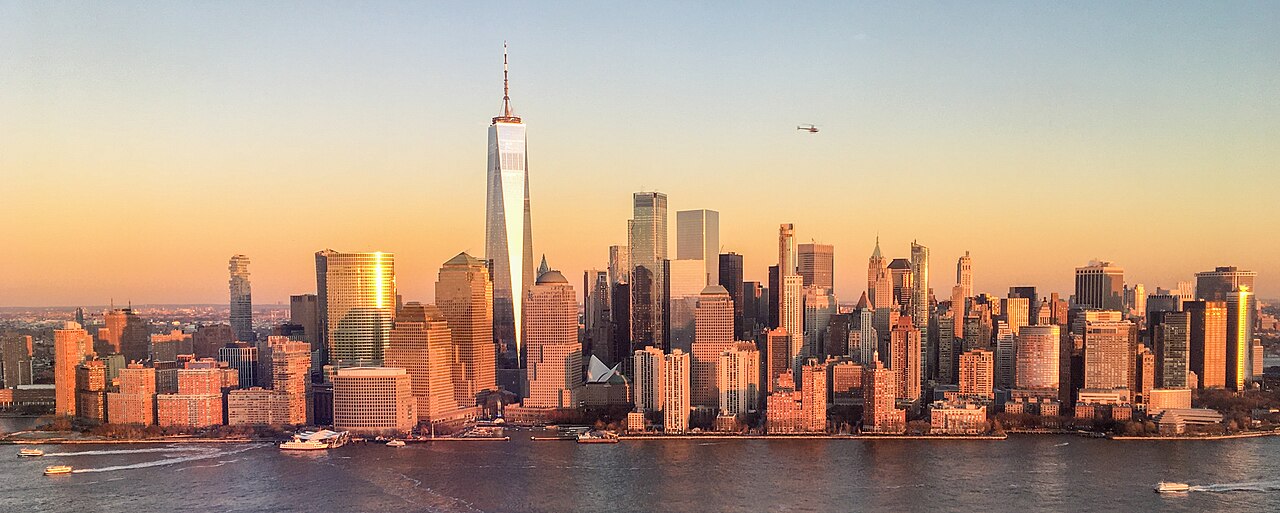
New York
Most populous city in the United States
New York: most populous city in the United States. Within 30 km of the centre, the nature places people read about most are Central Park, Coney Island, Hudson River and High Line, and marked walks close to the city include Hudson Valley Greenway Trail (The Battery, NYC to Inwood), Stephanie and Fred Shuman Running Track and Lullwater Trail.
People have shared 20,682,989 wildlife records within 50 km of New York in the last ten years. The wild animals recorded most often are the monarch, the American robin, the northern cardinal, the house sparrow and the mourning dove. Since the 1980s the area has become about 1.5 °C warmer.
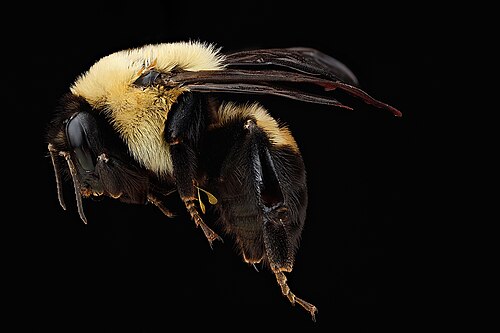
Of the 93 cities on Atlas, New York has the most wildlife records shared within 50 km and the 14th most species named on its page. Among the animals people record most around New York, the brown-belted bumblebee appears on no other city page here.
- Country
- United States
- Population
- 8.8 million
- Area
- 1,213 km²
- Elevation
- 25 m
- Currency
- United States dollar
- Daylight
- 9 to 15 hours
Figures from Wikidata; population 2020.
New York on the map
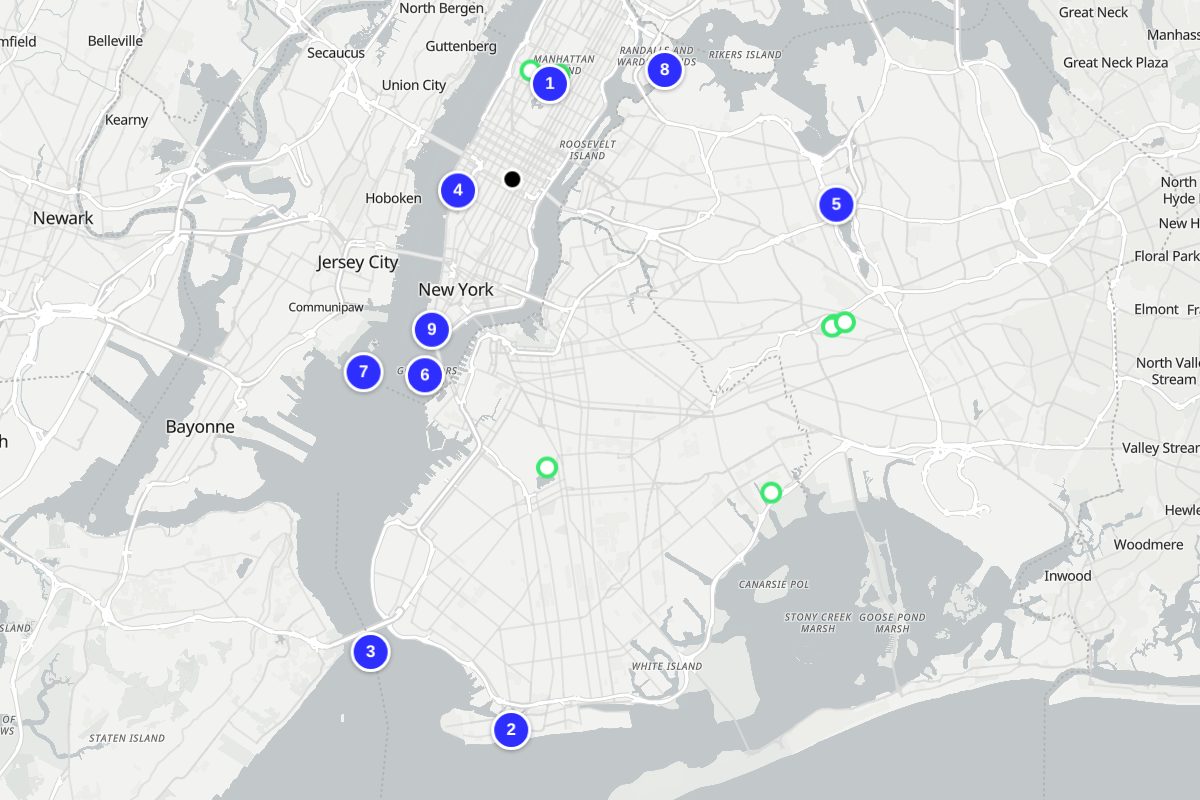
Numbers match the places below. Map: © OpenStreetMap contributors, OpenFreeMap.
- Central Park
- Coney Island
- Hudson River
- High Line
- Flushing Meadows–Corona Park
- Governors Island
- Liberty Island
- East River
- The Battery
Nature close to New York
The places people read most about, from the centre outwards.

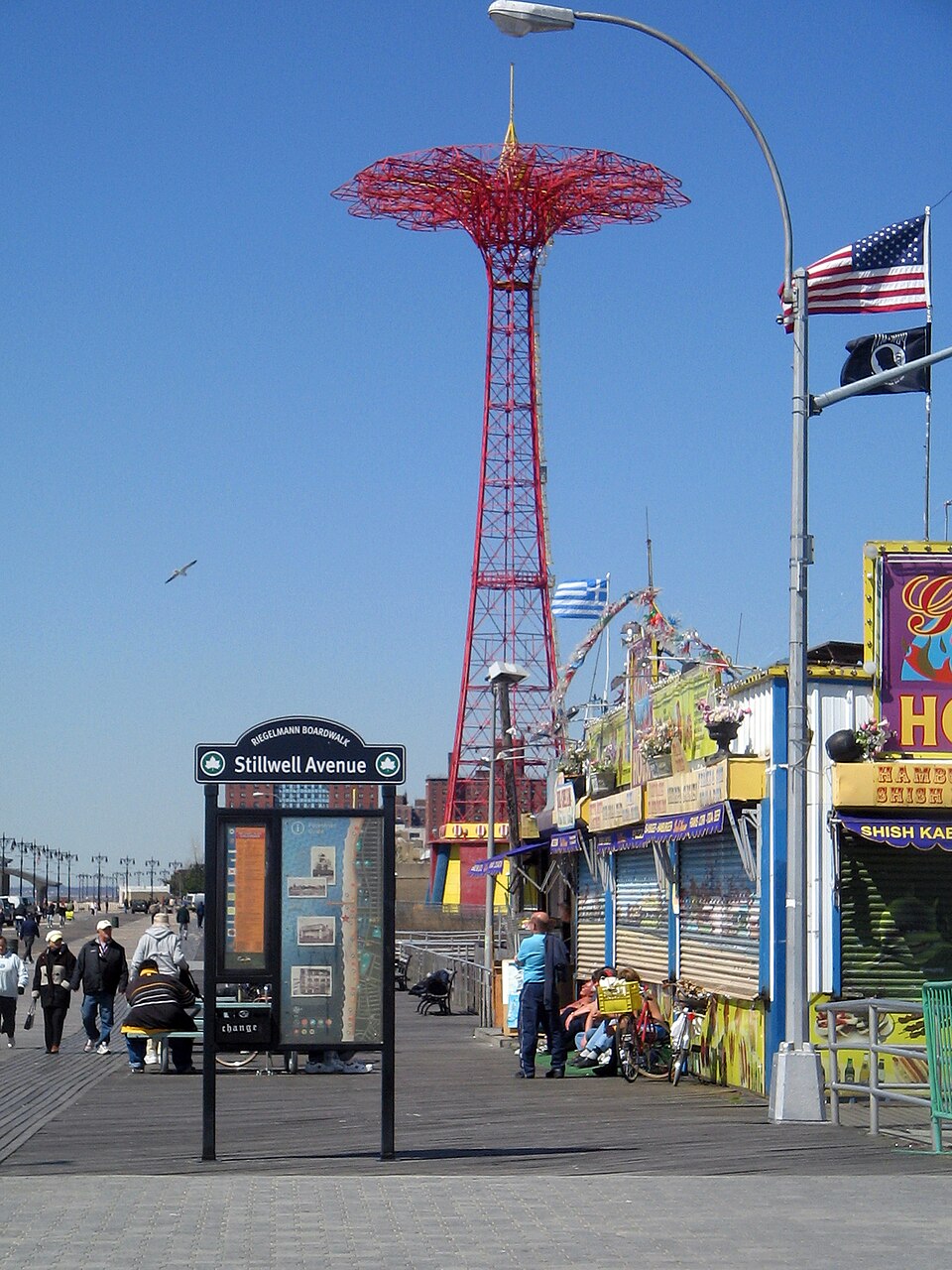

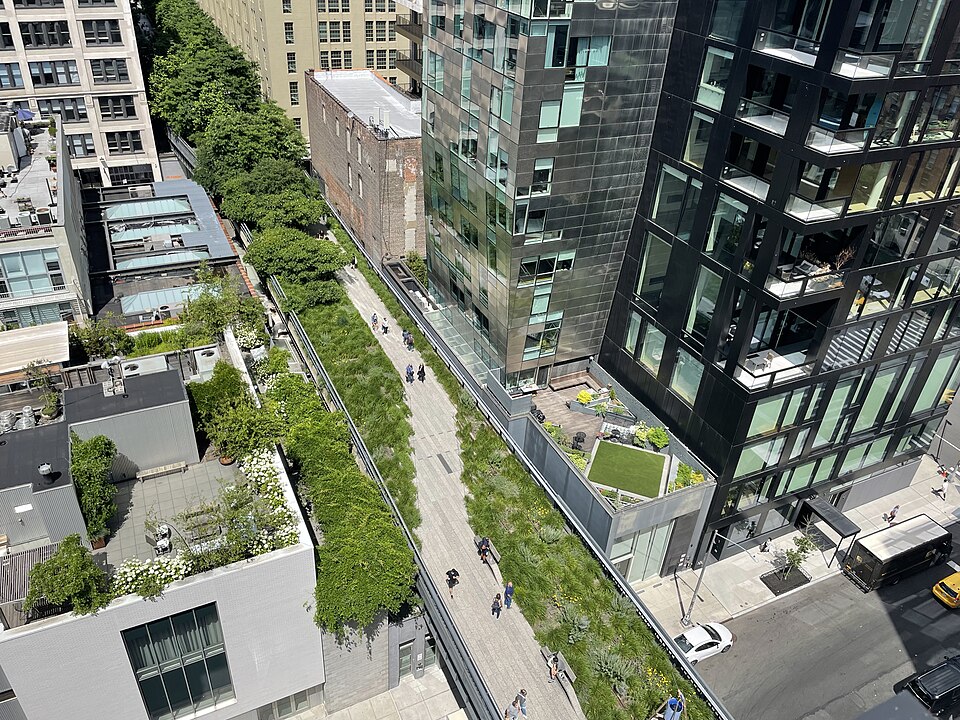
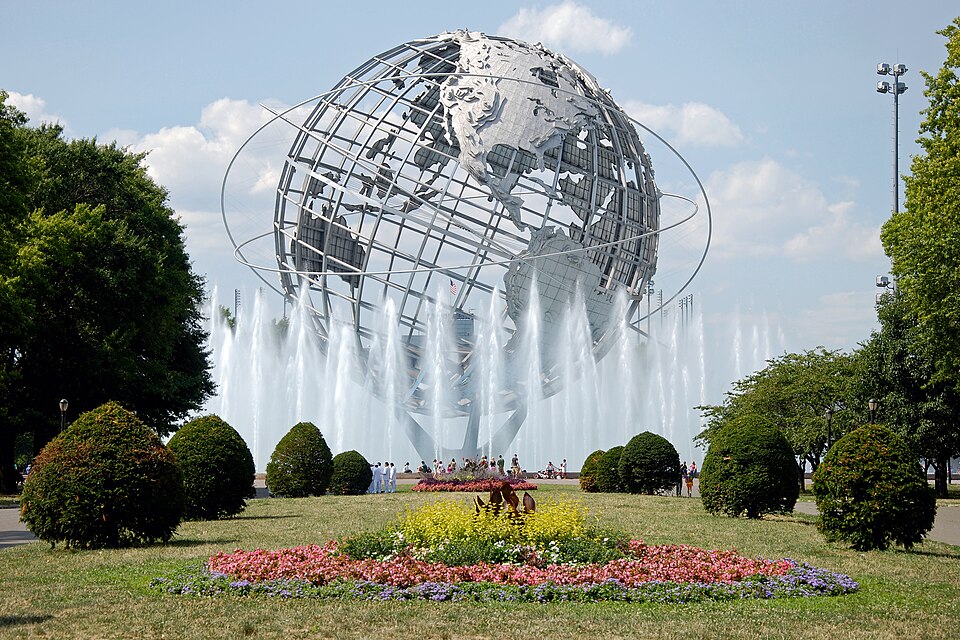

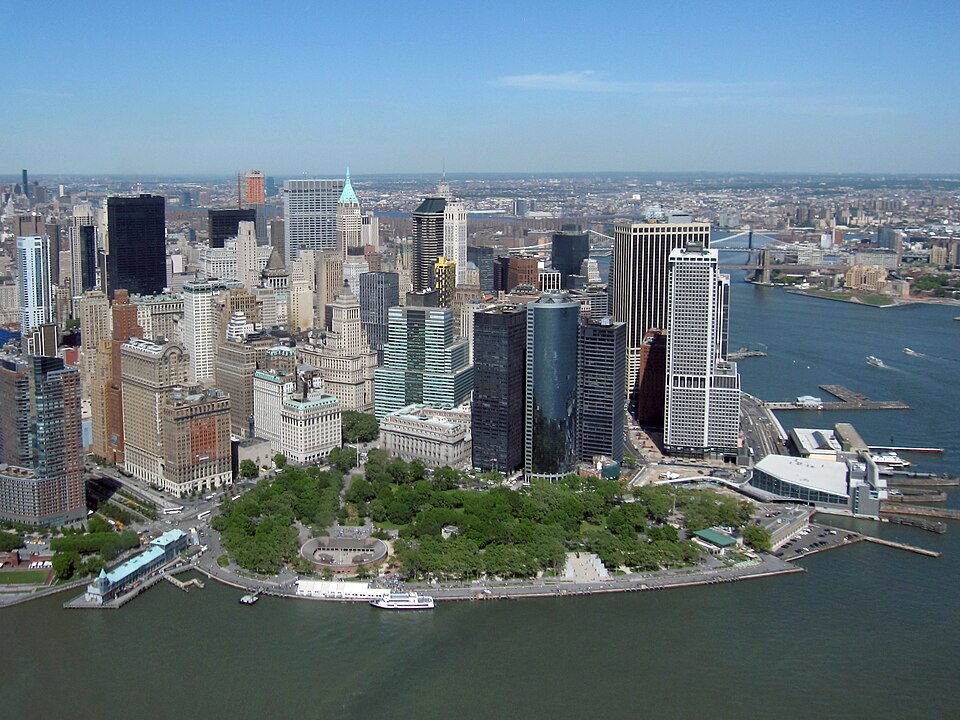
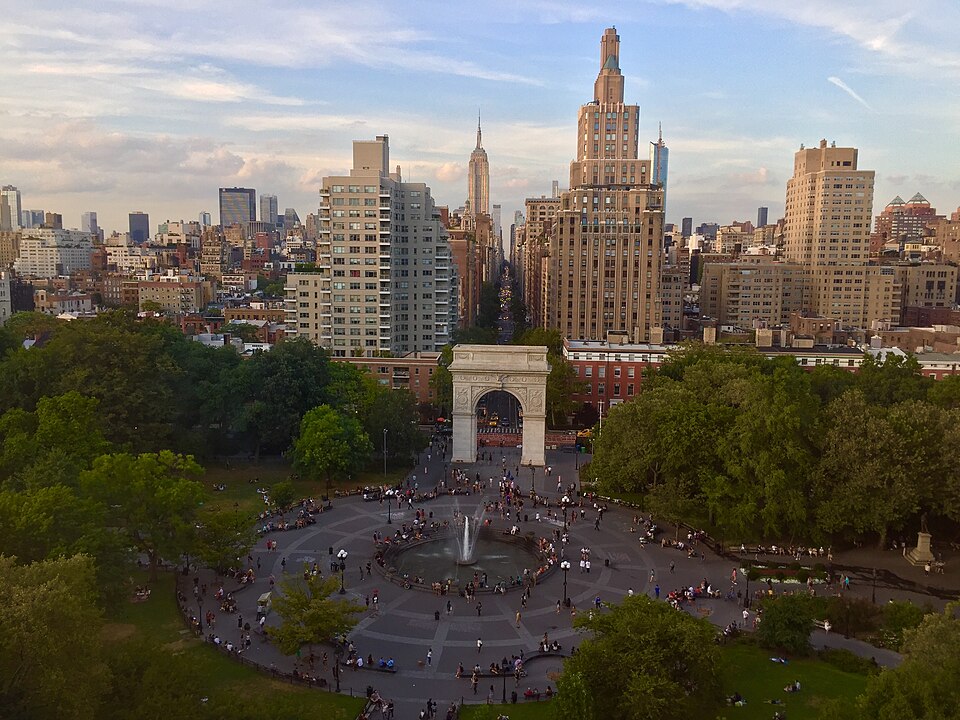
- Governors Island Island · 8 km
- East River Strait · 7 km
- Prospect Park Park · 10 km
Marked walks
- Hudson Valley Greenway Trail (The Battery, NYC to Inwood)21.7 km · 4 km from the centre · marked by Empire State Trails
- Stephanie and Fred Shuman Running Track2.5 km round trip · 4 km from the centre
- Lullwater Trail1.5 km · 10 km from the centre · marked by NYC Parks
- Orange Trail3.8 km · 13 km from the centre
- Blue Trail2.7 km · 13 km from the centre
- Yellow Trail1.1 km · 13 km from the centre
- Red Trail1.6 km · 14 km from the centre
- Spring Creek Blue Trail1.7 km · 15 km from the centre · marked by NYC Parks
Long-distance trails through the area: Empire State Trail (1,190 km), Long Path (683 km), Hudson Valley Greenway Trail (303 km).
Routes from OpenStreetMap via Waymarked Trails. Not checked by 4Planet: follow local signs and conditions.
Wildlife around New York
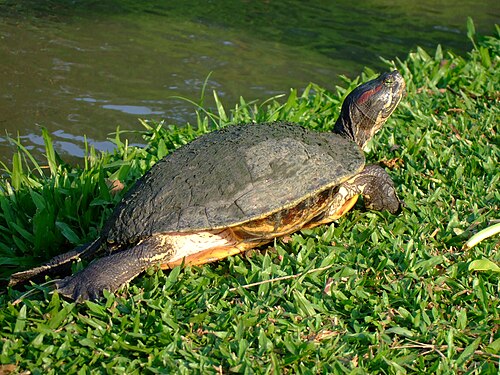
The wild animals people record most within 50 km, 2016–2025. Tick the ones you have seen to build your own list.

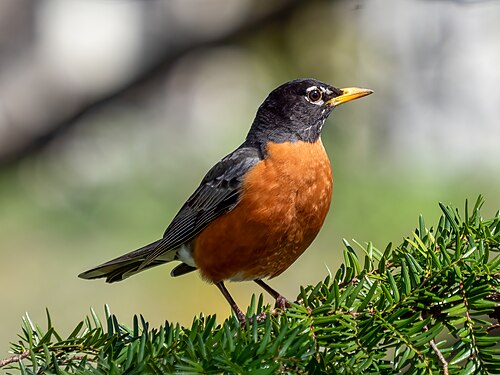


Seen in the last 30 days
What can you see near New York now?
Month by month, from 20,682,989 records people shared within 50 km, 2016–2025.
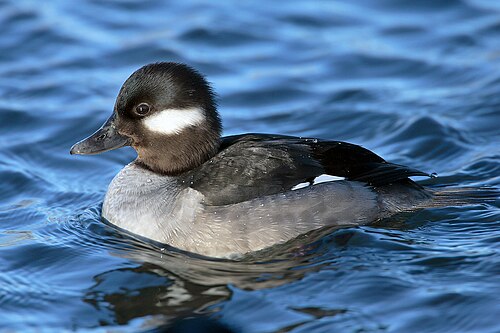
At their peak in January


Most seen in January


Plants and fungi at their peak in January


1,262,174 animal records in January.
At their peak in February

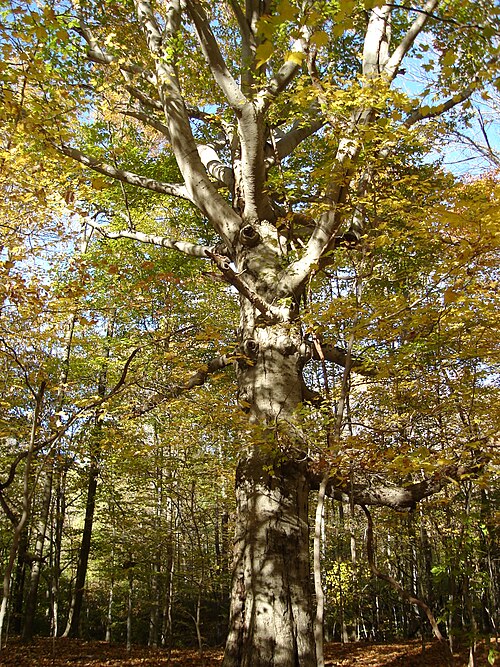
Most seen in February
Plants and fungi at their peak in February


1,088,300 animal records in February.
At their peak in March

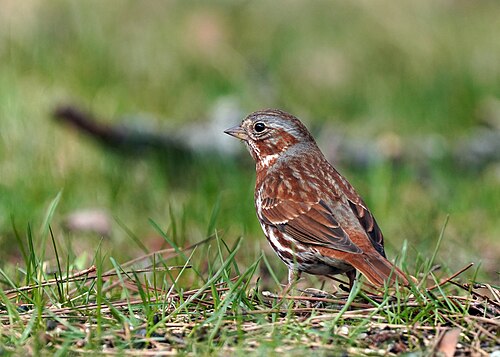
Most seen in March
Plants and fungi at their peak in March


1,542,682 animal records in March.
At their peak in April


Most seen in April
Plants and fungi at their peak in April


2,726,249 animal records in April.
At their peak in May

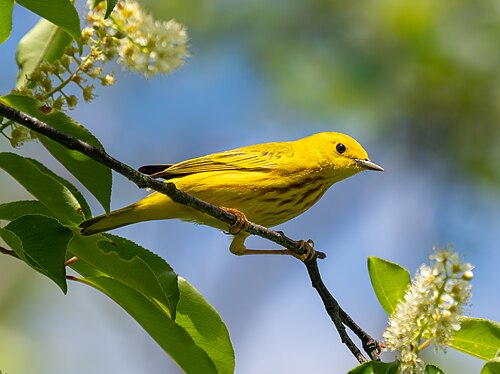


Most seen in May

Plants and fungi at their peak in May


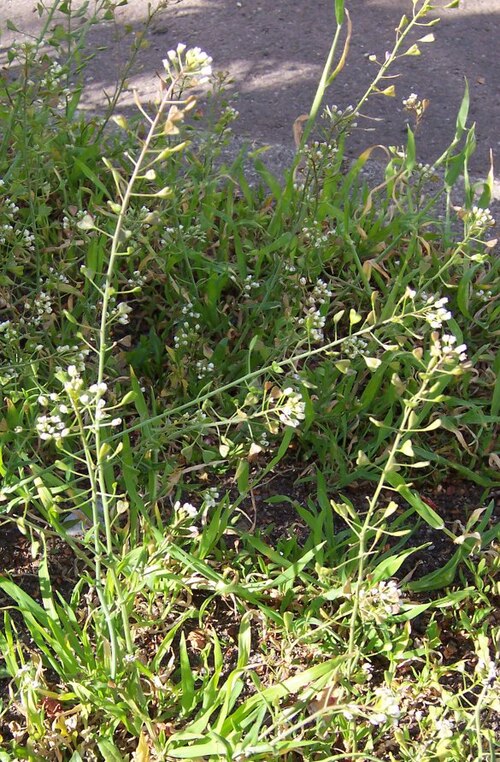
4,029,517 animal records in May.
At their peak in June
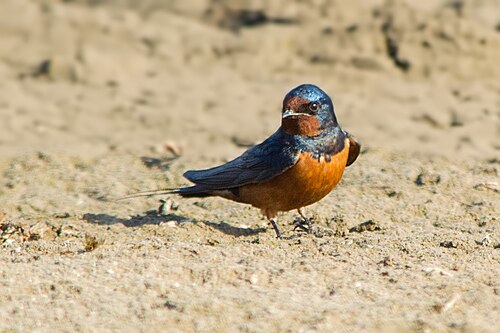


Most seen in June
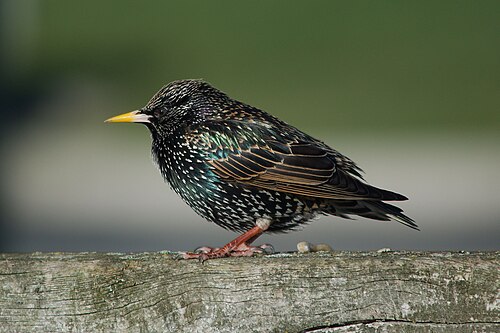
Plants and fungi at their peak in June
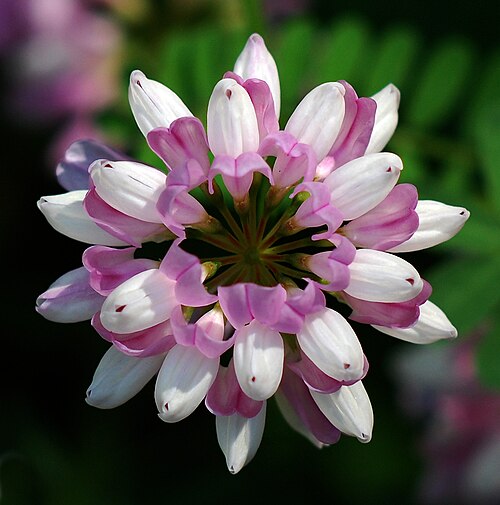


1,273,313 animal records in June.
At their peak in July
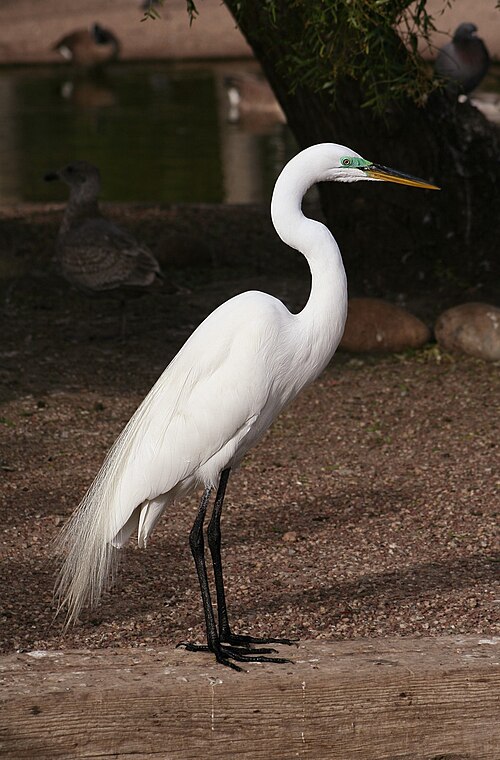


Most seen in July
Plants and fungi at their peak in July


1,084,509 animal records in July.
At their peak in August


Most seen in August
Plants and fungi at their peak in August


1,307,086 animal records in August.
At their peak in September


Most seen in September
Plants and fungi at their peak in September

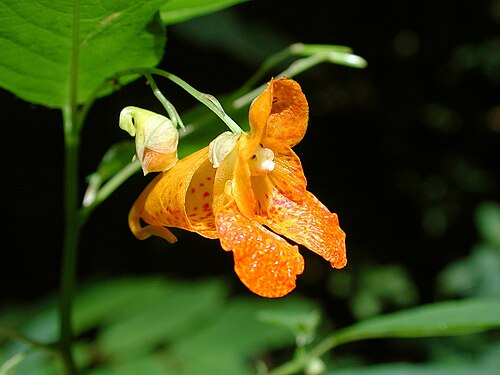

1,862,992 animal records in September.
At their peak in October


Most seen in October

Plants and fungi at their peak in October

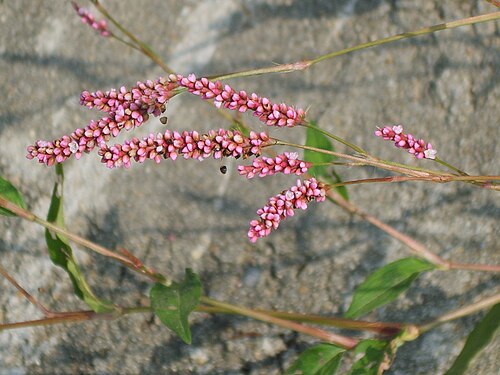
2,019,515 animal records in October.
At their peak in November

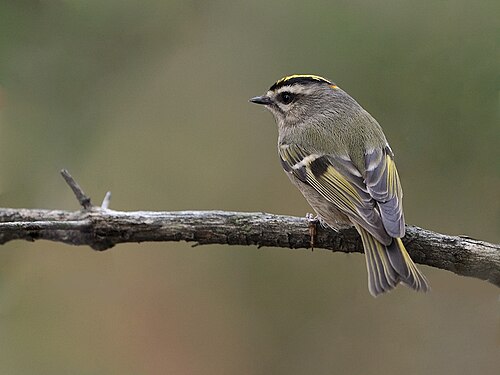
Most seen in November
Plants and fungi at their peak in November
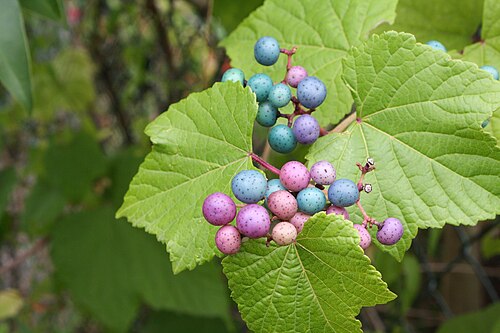

1,337,744 animal records in November.

New York is getting warmer
+1.5 °CAverage temperature around New York in 2016–2025, compared with 1981–1990.
Daylight: about 9 hours in December and 15 in June.
Seen something near New York?
Share a photo of it on iNaturalist. Other naturalists help name it, and confirmed records go to GBIF, where scientists use them. That is where the lists on this page come from.
Explore next
What puts New York under pressure, what helps, and who works on it.
New York on the living planet
More places near New York
Sources and photo credits
- Wikidata · New York (Q60), facts and nature places
- Wikipedia page views · how well known each nature place is
- OpenStreetMap contributors via Waymarked Trails · marked walking routes (ODbL)
- GBIF · human observations within 50 km, 2016–2025 (20,682,989 animal records)
- NASA POWER · yearly temperature from satellite and model data (MERRA-2)
- MET Norway · weather now (shown live)
- Natural Earth · populated place 1159151575, public domain
- New York, United States: Fred Hsu on en.wikipedia, CC BY-SA 4.0
- Central Park, New York: Ed Yourdon from New York City, USA, CC BY-SA 2.0
- Coney Island, New York: OptimumPx, Public domain
- Hudson River, New York: Dan DeLuca, CC BY 2.0
- High Line, New York: Wil Fyfordy, CC BY-SA 4.0
- Flushing Meadows–Corona Park, New York: Flapane, Public domain
- Liberty Island, New York: Don Ramey Logan, CC BY 4.0
- The Battery, New York: Gryffindor, CC BY-SA 3.0
- Washington Square Park, New York: Isabella Ruffalo-Burgat, CC BY-SA 4.0
- Monarch: Didier Descouens, CC BY-SA 4.0
- American robin: Rhododendrites, CC BY-SA 4.0
- Northern cardinal: patricia pierce, CC BY 2.0
- House sparrow: Rhododendrites, CC BY-SA 4.0
- Mourning dove: Rhododendrites, CC BY-SA 4.0
- Blue jay: Rhododendrites, CC BY-SA 4.0
- Eastern gray squirrel: Dominic Nelson, CC BY-SA 4.0
- Spotted lanternfly: Rhododendrites, CC BY-SA 4.0
- Common eastern bumble bee: https://www.flickr.com/photos/gillesgonthier/297487697/, CC BY 2.0
- White-tailed deer: USDA photo by Scott Bauer, Public domain
- Pond slider: Happyswissman, CC BY 3.0
- Brown-belted bumblebee: USGS Native Bee Inventory and Monitoring Laboratory, Public domain
- Canada goose: Pierre5018, CC BY-SA 4.0
- White-throated sparrow: Cephas, CC BY-SA 3.0
- Ring-billed gull: Robert & Pam from McClure, CC BY-SA 2.0
- Bufflehead: Mdf, CC BY-SA 3.0
- American black duck: ALAN SCHMIERER, CC0
- Brent goose: Kev Chapman, CC BY 2.0
- Hooded merganser: Rhododendrites, CC BY-SA 4.0
- Sweetgum: Luis Fernández García, CC BY-SA 2.5 es
- Weymouth pine: Ryan Hodnett, CC BY-SA 4.0
- Japanese honeysuckle: Victor M. Vicente Selvas, CC BY-SA 3.0
- American holly: Judy Gallagher, CC BY 2.0
- Red-breasted merganser: Channel City Camera Club from Santa Barbara, US, CC BY 2.0
- English ivy: AnRo0002, CC0
- Winter creeper: James H. Miller, USDA Forest Service, Bugwood.org, CC BY 3.0
- Candleflame lichen: Tigerente, CC BY-SA 3.0
- American beech: Marqqq, CC BY-SA 3.0
- Northern shoveler: Andreas Trepte, CC BY-SA 2.5
- Red fox sparrow: USFWS Midwest Region, Public domain
- Lesser celandine: AnRo0002, CC0
- Red dead-nettle: Daniel J. Layton, CC BY-SA 4.0
- Hairy bittercress: Kevin Thiele from Perth, Australia, CC BY 2.0
- Skunk cabbage: Sue Sweeney., CC BY-SA 3.0
- Chipping sparrow: Mdf, Edited by Fir0002, CC BY-SA 3.0
- Hermit thrush: Rhododendrites, CC BY-SA 4.0
- Palm warbler: Rhododendrites, CC BY-SA 4.0
- Garlic mustard: O. Pichard, CC BY-SA 3.0
- Dogtooth violet: Kaldari, Public domain
- Gray catbird: AMMuench, CC BY 4.0
- Baltimore oriole: Mdf, CC BY-SA 3.0
- American yellow warbler: Rhododendrites, CC BY-SA 4.0
- American redstart: Dennis G. Jarvis, CC BY-SA 2.0
- Black-and-white warbler: TonyCastro, CC BY-SA 4.0
- Garden star-of-bethlehem: Meneerke bloem, CC BY-SA 3.0
- Spotted geranium: Eric in SF, CC BY-SA 3.0
- Mayapple: Jennifer Anderson, USDA, Public domain
- Shepherd's-purse: Eike Wulfmeyer, CC BY-SA 2.5
- Common starling: marsupium photography, CC BY-SA 2.0
- Barn swallow: Morhaf Aljanee, CC BY-SA 3.0
- Chimney swift: Adam Jackson, CC0
- Cedar waxwing: Jason Quinn, CC BY-SA 3.0
- Crownvetch: dw_ross, CC BY 2.0
- Bird's-foot trefoil: Didier Descouens, CC BY-SA 4.0
- Mountain laurel: Qwert1234, CC BY-SA 3.0
- Great egret: Calibas, CC BY-SA 3.0
- Laughing gull: VJAnderson, CC BY-SA 4.0
- Common tern: Alexis Lours, CC BY 4.0
- Tree of heaven: Darkone (talk · contribs), CC BY-SA 2.5
- Chicory: Zeynel Cebeci, CC BY-SA 4.0
- Osprey: El Golli Mohamed, CC BY-SA 4.0
- Semipalmated sandpiper: Rhododendrites, CC BY-SA 4.0
- Purple loosestrife: Ivar Leidus, CC BY-SA 3.0
- Cherry plum: AnRo0002, CC0
- Common yellowthroat: Rhododendrites, CC BY-SA 4.0
- Northern parula: Rhododendrites, CC BY-SA 4.0
- Jumpseed: Fritzflohrreynolds, CC BY-SA 3.0
- Orange balsam: Fritz Geller-Grimm, CC BY-SA 2.5
- Asiatic dayflower: EHM02667, CC BY-SA 3.0
- Song sparrow: Rhododendrites, CC BY-SA 4.0
- Myrtle warbler: Rhododendrites, CC BY-SA 4.0
- Eastern phoebe: John Benson, CC BY 2.0
- Swamp sparrow: Cephas, CC BY-SA 3.0
- White snakeroot: Sten Porse, CC BY-SA 3.0
- Bristly lady's-thumb: Dalgial, CC BY-SA 3.0
- Dark-eyed junco: Cephas, CC BY-SA 3.0
- Golden-crowned kinglet: Gary Irwin, CC BY-SA 2.0
- Amur peppervine: Olivier Vanpé, CC BY-SA 3.0
- Seaside goldenrod: José Luís Ávila Silveira/Pedro Noronha e Costa, Public domain
- Common reed: Darkone (talk · contribs), CC BY-SA 2.0


Wildlife records show where people have seen and shared plants and animals, not everything that lives here; some places and months are recorded more than others. Sensitive species are never shown with a month or as seen recently. Routes come from OpenStreetMap and are not checked by 4Planet: follow local signs and conditions. Climate figures are NASA estimates for the area around New York, not a single weather station.
Checked 2026-11-20.