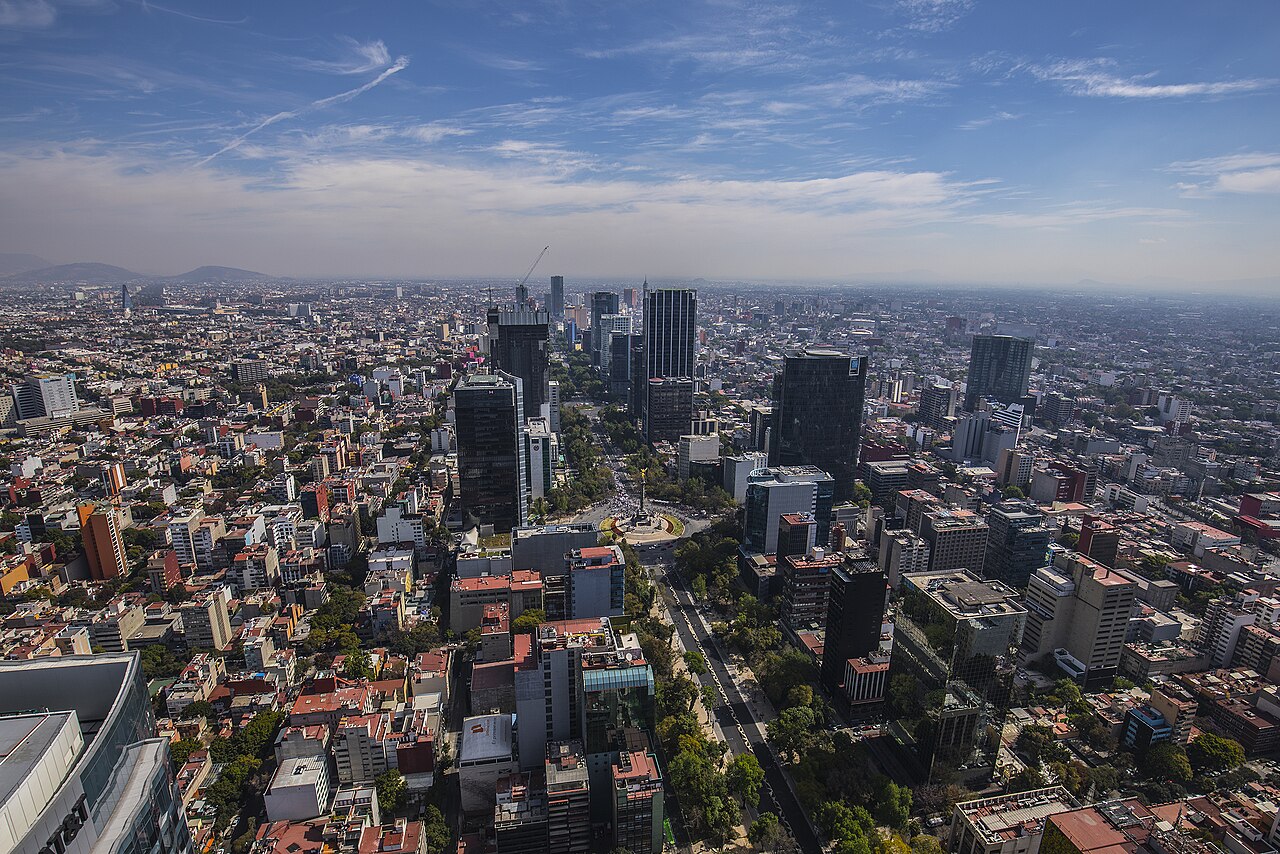
Mexico City
Capital and largest city of Mexico
Within 30 km of the centre of Mexico City, the nature places people read about most are Lake Texcoco, Isla de las Muñecas, Chapultepec and Lake Xochimilco.
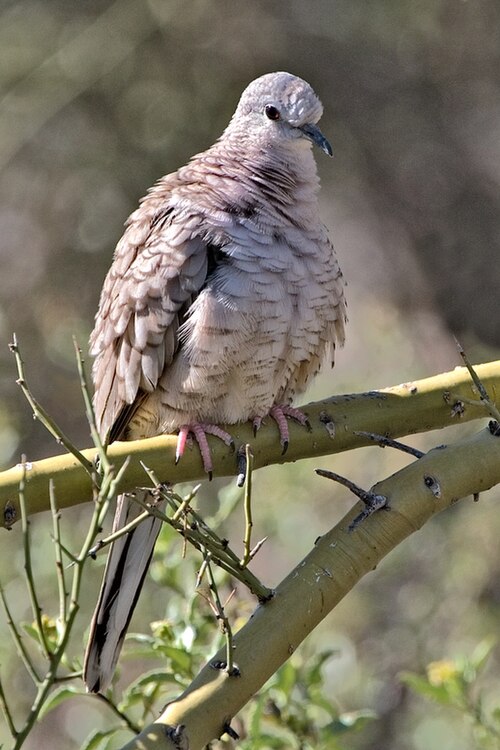
People have shared 1,408,546 wildlife records within 50 km of Mexico City in the last ten years. The wild animals recorded most often are the house finch, the house sparrow, the inca dove, the great-tailed grackle and the bewick's wren. Since the 1980s the area has become about 1.4 °C warmer.
Among the animals people record most around Mexico City, the house finch and the inca dove appear on no other city page here.
- Country
- Mexico
- Population
- 9.2 million
- Area
- 1,485 km²
- Elevation
- 2,240 m
- Currency
- Peso
- Daylight
- 11 to 13 hours
Figures from Wikidata; population 2020.
Mexico City on the map
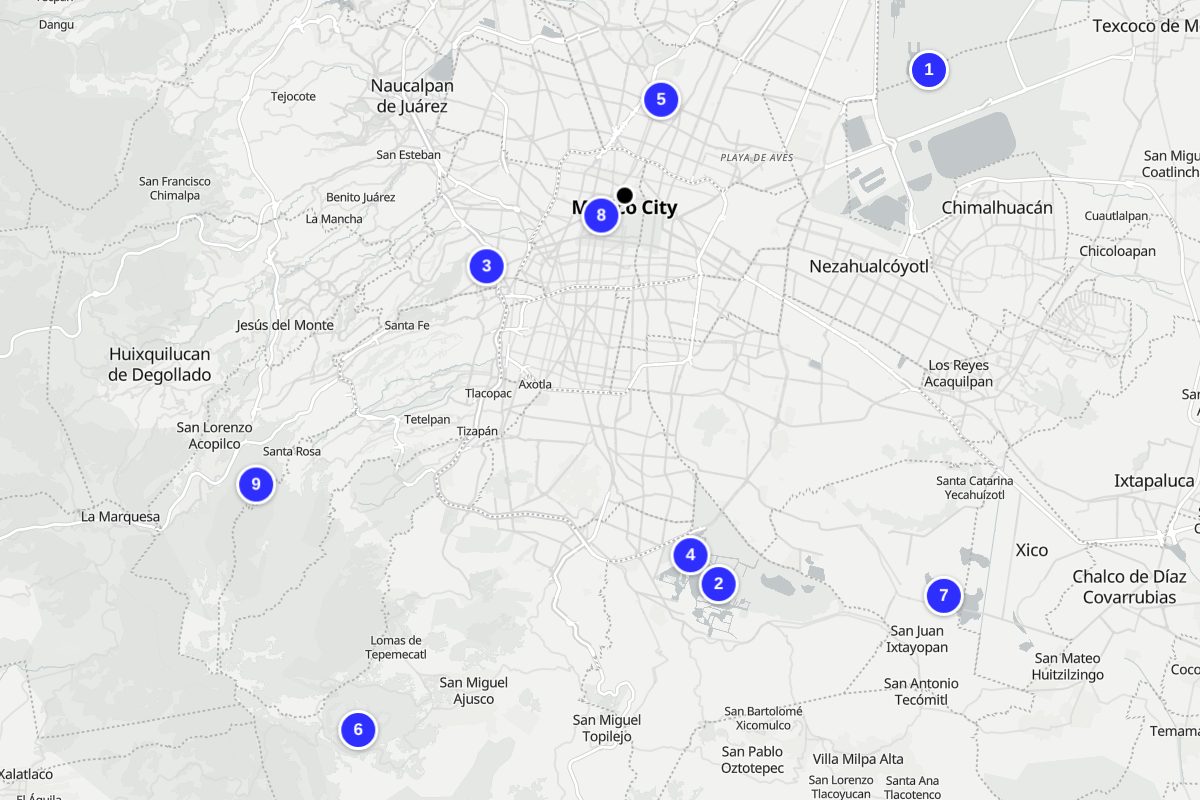
Numbers match the places below. Map: © OpenStreetMap contributors, OpenFreeMap.
- Lake Texcoco
- Isla de las Muñecas
- Chapultepec
- Lake Xochimilco
- Tepeyac Hill
- Ajusco
- Lake Chalco
- Alameda Central Park
- Desierto de los Leones National Park
Nature close to Mexico City
The places people read most about, from the centre outwards.


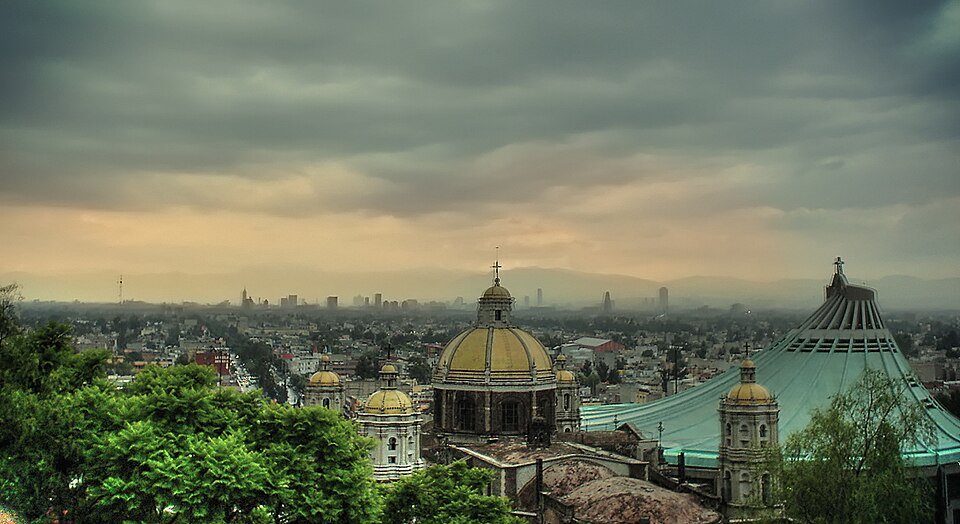


- Lake Texcoco Lake · 16 km
- Ajusco Hill · 29 km
- Xítle Hill · 24 km
- La Marquesa National Park National park · 29 km
Routes from OpenStreetMap via Waymarked Trails. Not checked by 4Planet: follow local signs and conditions.
Wildlife around Mexico City
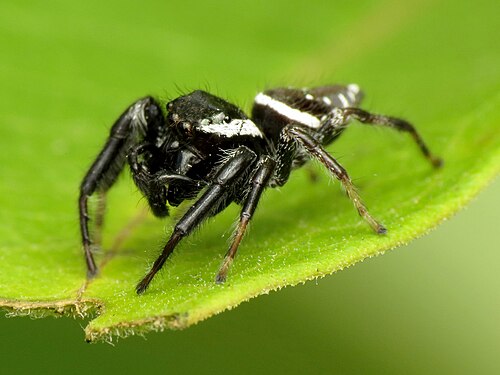
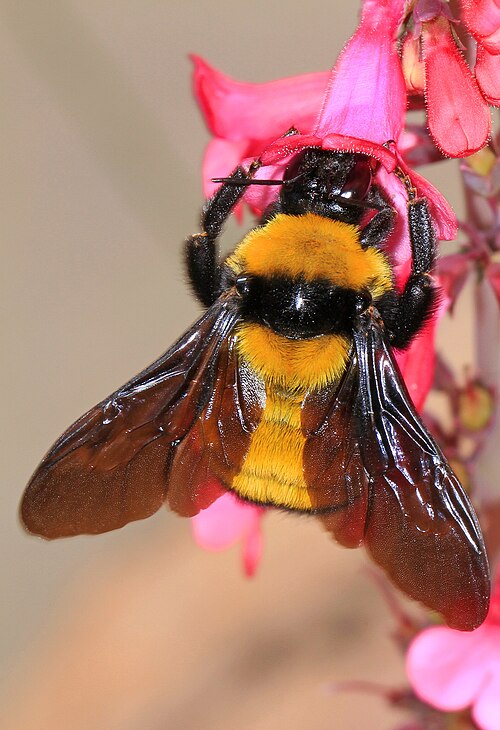
The wild animals people record most within 50 km, 2016–2025. Tick the ones you have seen to build your own list.




Seen in the last 30 days
What can you see near Mexico City now?
Month by month, from 1,408,546 records people shared within 50 km, 2016–2025.
At their peak in January
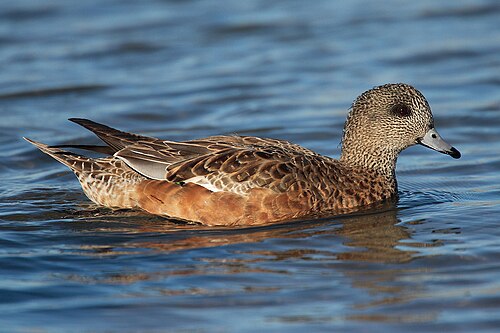


Most seen in January

Plants and fungi at their peak in January


141,471 animal records in January.
At their peak in February


Most seen in February
Plants and fungi at their peak in February


132,114 animal records in February.
At their peak in March
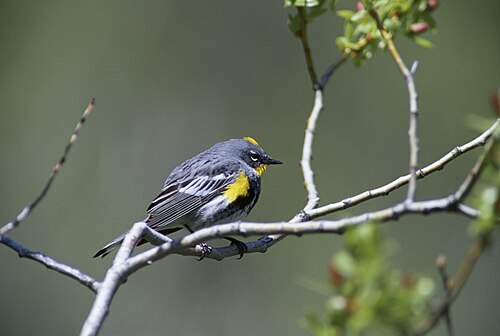

Most seen in March
Plants and fungi at their peak in March


138,418 animal records in March.
At their peak in April


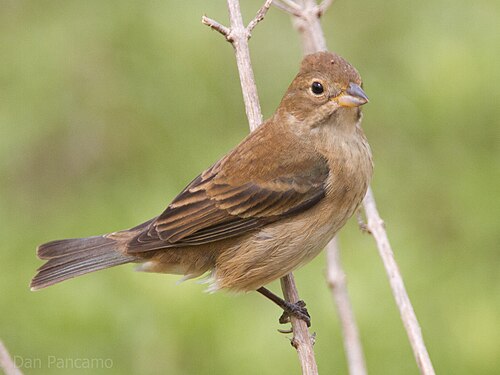
Most seen in April
Plants and fungi at their peak in April

126,068 animal records in April.
At their peak in May


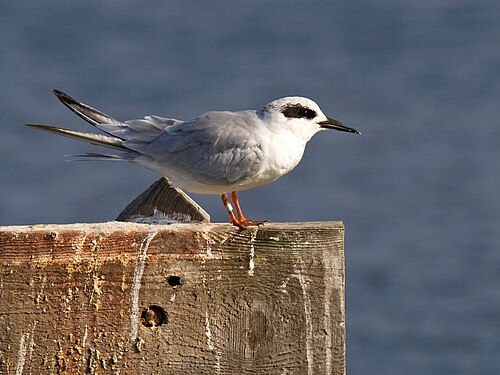
Most seen in May
Plants and fungi at their peak in May
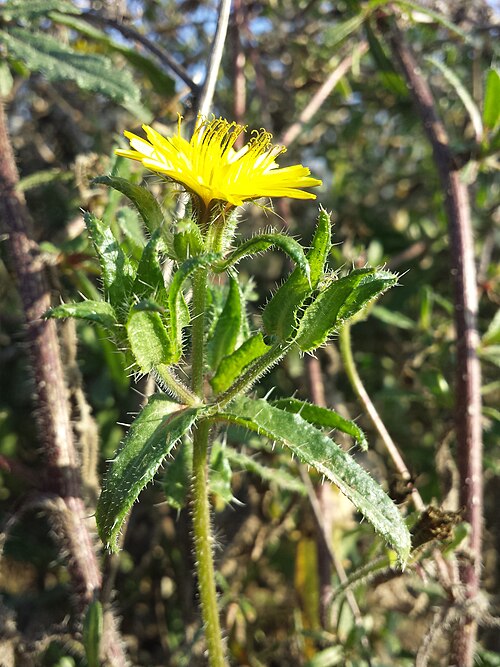

118,031 animal records in May.
At their peak in June


Most seen in June
Plants and fungi at their peak in June


92,986 animal records in June.
At their peak in July

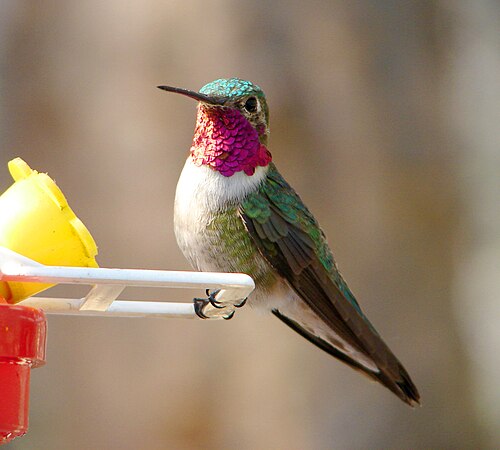
Most seen in July
Plants and fungi at their peak in July
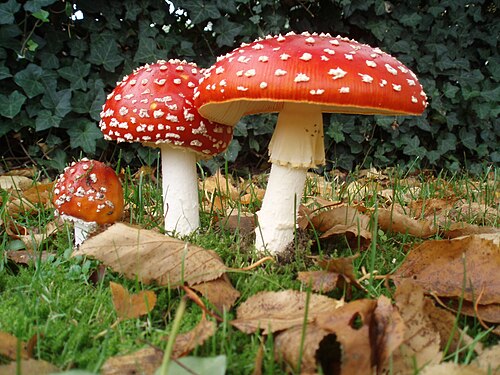
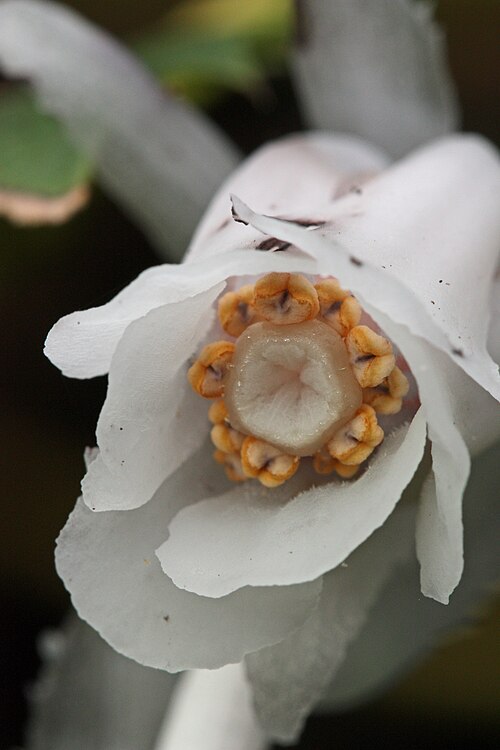

96,025 animal records in July.
At their peak in August
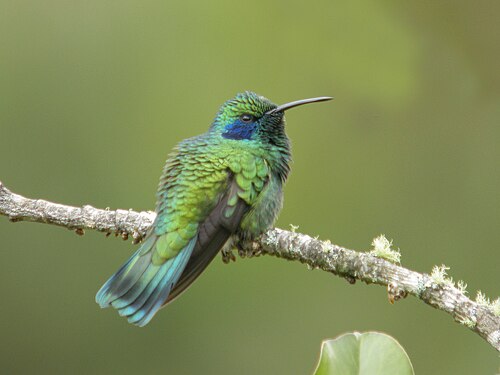
Most seen in August

Plants and fungi at their peak in August


90,520 animal records in August.
At their peak in September
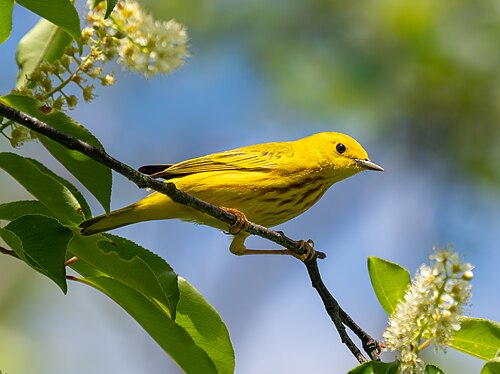

Most seen in September
Plants and fungi at their peak in September


105,122 animal records in September.
At their peak in October

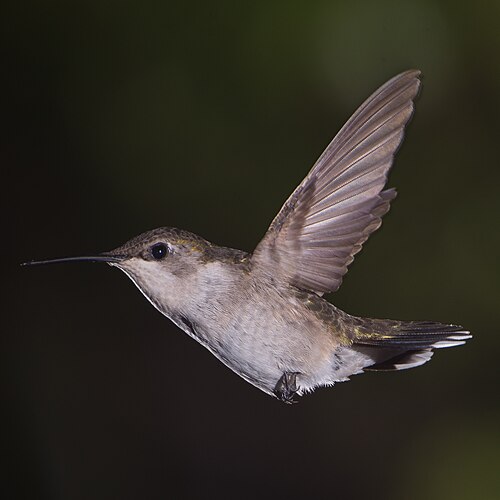
Most seen in October
Plants and fungi at their peak in October


130,759 animal records in October.
At their peak in November


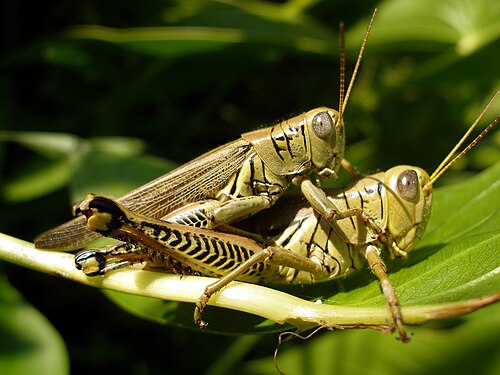
Most seen in November
Plants and fungi at their peak in November

114,821 animal records in November.


Mexico City is getting warmer
+1.4 °CAverage temperature around Mexico City in 2016–2025, compared with 1981–1990.
Daylight: about 11 hours in December and 13 in June.
Seen something near Mexico City?
Share a photo of it on iNaturalist. Other naturalists help name it, and confirmed records go to GBIF, where scientists use them. That is where the lists on this page come from.
Explore next
What puts Mexico City under pressure, what helps, and who works on it.
Mexico City on the living planet
More places near Mexico City
Sources and photo credits
- Wikidata · Mexico City (Q1489), facts and nature places
- Wikipedia page views · how well known each nature place is
- OpenStreetMap contributors via Waymarked Trails · marked walking routes (ODbL)
- GBIF · human observations within 50 km, 2016–2025 (1,408,546 animal records)
- NASA POWER · yearly temperature from satellite and model data (MERRA-2)
- MET Norway · weather now (shown live)
- Natural Earth · populated place 1159151587, public domain
- Mexico City, Mexico: Gobierno CDMX, CC0
- Isla de las Muñecas, Mexico City: Psagency1990, CC BY-SA 4.0
- Chapultepec, Mexico City: Gobierno CDMX, CC0
- Lake Xochimilco, Mexico City: Fer Seelbach, CC BY 2.0
- Tepeyac Hill, Mexico City: Eneas De Troya from Mexico City, México, CC BY 2.0
- Lake Chalco, Mexico City: AlfaBeta0104, CC BY-SA 4.0
- Alameda Central Park, Mexico City: Gobierno CDMX, CC0
- Desierto de los Leones National Park, Mexico City: Rage against, CC BY-SA 3.0
- Sierra de Guadalupe, Mexico City: Miguel Angel Omaña Rojas, CC BY 4.0
- House finch: sergio niebla from Cd. Victoria, Tamaulipas, México, CC BY-SA 2.0
- House sparrow: Rhododendrites, CC BY-SA 4.0
- Inca dove: Elaine R. Wilson, CC BY-SA 3.0
- Great-tailed grackle: Channel City Camera Club/Susan T. Cook, CC BY 2.0
- Bewick's wren: Becky Matsubara from El Sobrante, California, CC BY 2.0
- Mexican gray squirrel: Tereso Hernández Morales, CC BY 4.0
- Two-tailed swallowtail: Becca, CC BY 4.0
- Brown garden snail: Zachi Evenor, CC BY 2.0
- Common green-eyed white: Everflowingriver, CC BY-SA 3.0
- Mesquite lizard: Charles J. Sharp, CC BY-SA 4.0
- Golden jumping spider: Katja Schulz, CC BY 4.0
- Sonoran bumble bee: Judy Gallagher, CC BY 4.0
- Myrtle warbler: Rhododendrites, CC BY-SA 4.0
- American wigeon: Mdf, CC BY-SA 3.0
- Eurasian teal: Koshy Koshy from Faridabad, Haryana, India, CC BY 2.0
- Gadwall: Andreas Trepte, CC BY-SA 2.5
- Northern pintail: Frank Schulenburg, CC BY-SA 4.0
- Caracus wigandia: Bouba at French Wikipedia, CC BY-SA 3.0
- White passionflower: SAplants, CC BY-SA 4.0
- Kenilworth ivy: Franco Folini from San Francisco, USA, CC BY-SA 2.0
- Field Indian paintbrush: Awkiku, CC BY-SA 3.0
- Cedar waxwing: Jason Quinn, CC BY-SA 3.0
- Scott's oriole: Andy Reago & Chrissy McClarren, CC BY 2.0
- Hooded oriole: AMMuench, CC BY 4.0
- Mexican-poppy: Juan Carlos Fonseca Mata, CC BY-SA 4.0
- Pine-needle milkweed: Michael Wolf, CC BY-SA 3.0
- Sun spurge: Frank Vincentz, CC BY-SA 3.0
- Audubon's warbler: David Menke, Public domain
- American golden plover: O. W. Johnson, Public domain
- Broomstick tree: Bodofzt, CC BY-SA 4.0
- Willow ragwort: Juan Carlos Fonseca Mata, CC BY-SA 4.0
- Weld: Stefan.lefnaer, CC BY-SA 3.0 at
- Wilson's phalarope: Cephas, CC BY-SA 4.0
- Orchard oriole: Dan Pancamo, CC BY-SA 2.0
- Indigo bunting: Dan Pancamo, CC BY-SA 2.0
- Peppertree: Charles Gadbois, CC BY 3.0
- Bronzed cowbird: SearchNet Media from Tucson, Arizona, USA, CC BY 2.0
- Western flycatcher: Empidonax_difficilis1.jpg: goingslo on Flickr derivative work: Berichard (talk), CC BY 2.0
- Forster's tern: Kevin Cole from Pacific Coast, USA (en:User:Kevinlcole), CC BY 2.0
- Bristly oxtongue: Stefan.lefnaer, CC BY-SA 4.0
- Foster's zephyrlily: Juan Carlos Fonseca Mata, CC BY-SA 4.0
- Northern cardinal: patricia pierce, CC BY 2.0
- Sparkling-tailed woodstar: Grete Pasch, CC BY 4.0
- Crested-poppy: Magnus Manske, CC BY-SA 3.0
- Mexican kidneywood: Juan Carlos Fonseca Mata, CC BY-SA 4.0
- Blue echeveria: Didier Descouens, CC BY-SA 4.0
- Orange-billed nightingale-thrush: Peter Grube https://www.flickr.com/photos/18296443@N00, CC BY 2.0
- Broad-tailed hummingbird: Michelle Lynn Reynolds, CC BY-SA 3.0
- Fly agaric: Onderwijsgek, CC BY-SA 3.0 nl
- Ghost pipe: Walter Siegmund (talk), CC BY-SA 3.0
- Commelina: Jean-Pol GRANDMONT, CC BY 3.0
- Lesser goldfinch: Alan D. Wilson, CC BY-SA 2.5
- Green violetear: Frank Vassen from Brussels, Belgium, CC BY 2.0
- Red dahlia: Juan Carlos Fonseca Mata, CC BY-SA 4.0
- Mexican shellflower: Lorbeer, CC BY-SA 2.0 de
- Mexican star: Louis van Houtte, Public domain
- American yellow warbler: Rhododendrites, CC BY-SA 4.0
- Olive-sided flycatcher: Becky Matsubara from El Sobrante, California, CC BY 2.0
- Garden cosmos: George Chernilevsky, CC BY 4.0
- Scarlet Lady's tresses: Miss Drake (1803-1857) del., G. Barclay sc., Public domain
- Western spotted orbweaver: Cvmontuy, CC BY 4.0
- Ruby-throated hummingbird: Pslawinski, CC BY-SA 4.0
- Big-headed mexican sunflower: Andrea Villarreal Rodríguez, CC BY 4.0
- Red-crescent marigold: Juan Carlos Fonseca Mata, CC BY-SA 4.0
- Yellow-bellied sapsucker: Charles J. Sharp, CC BY-SA 4.0
- Mexican silverspot: D. Gordon E. Robertson, CC BY-SA 3.0
- Differential grasshopper: Rkitko, CC BY 3.0
- Mexican false calico: Dvdb100, CC BY-SA 4.0
- Ring-billed gull: Robert & Pam from McClure, CC BY-SA 2.0
- Merlin: Just a Prairie Boy from Calgary, AB, Canada, CC BY 2.0
- Red-shouldered hawk: john581, CC BY 2.0
- Pineapple sage: Eric Hunt, CC BY 2.5


Wildlife records show where people have seen and shared plants and animals, not everything that lives here; some places and months are recorded more than others. Sensitive species are never shown with a month or as seen recently. Routes come from OpenStreetMap and are not checked by 4Planet: follow local signs and conditions. Climate figures are NASA estimates for the area around Mexico City, not a single weather station.
Checked 2026-11-20.