Oklahoma City
City in United States
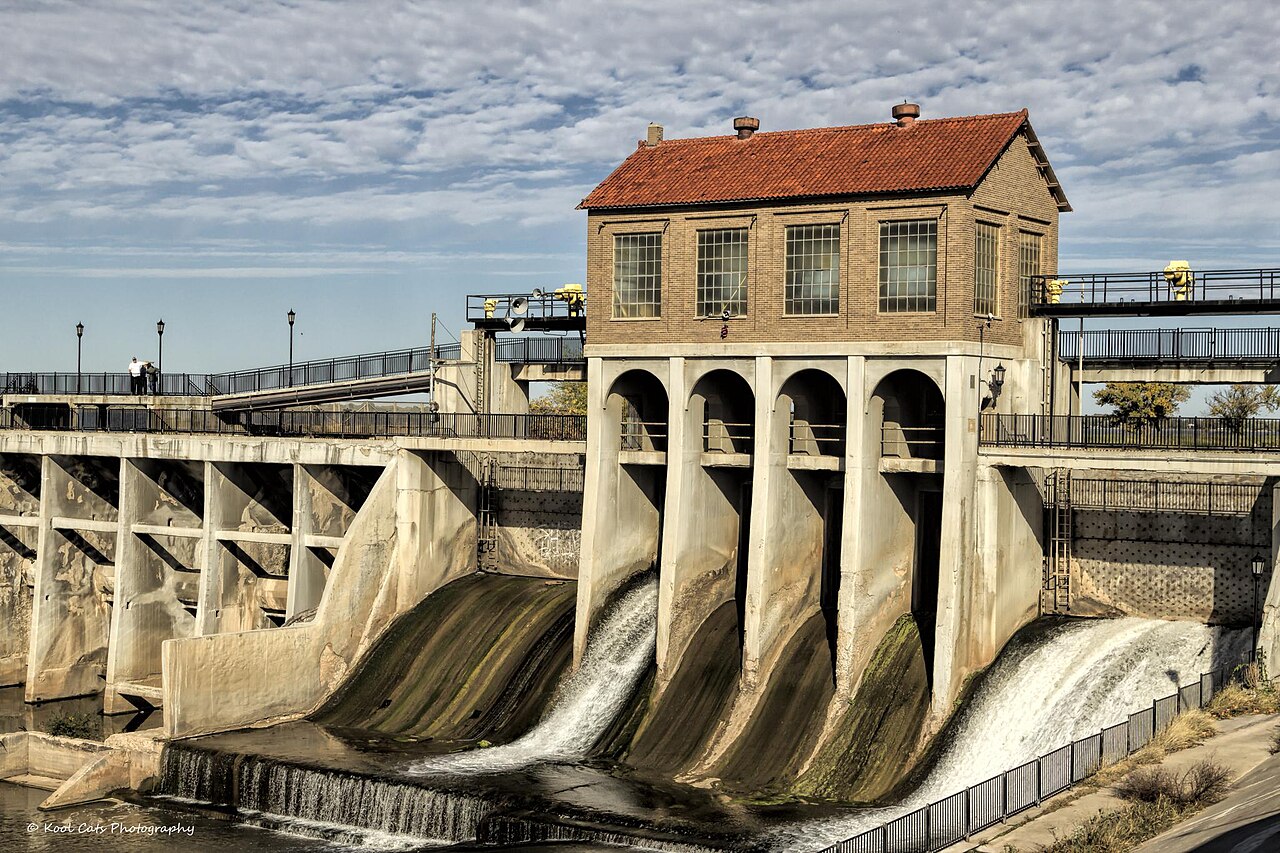
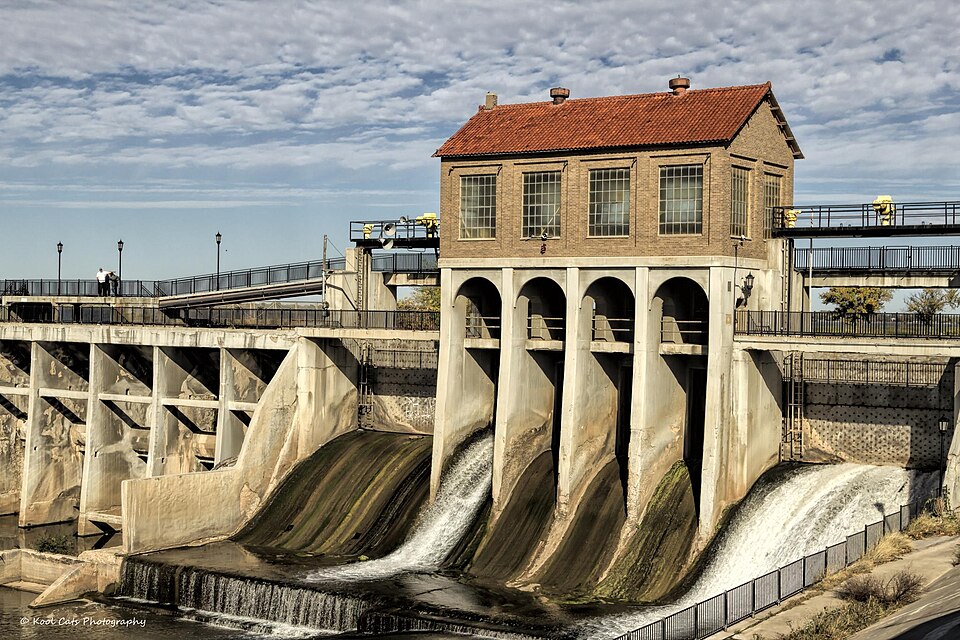
Within 30 km of the centre of Oklahoma City, the nature places people read about most are Lake Hefner, Arcadia Lake, Bricktown Canal and Lake Overholser.
People have shared 1,246,024 wildlife records within 50 km of Oklahoma City in the last ten years. The wild animals recorded most often are the northern cardinal, the blue jay, the American robin, the monarch and the pond slider. Since the 1980s the area has become about 1.4 °C warmer.
- Country
- United States
- Population
- 681,054
- Area
- 1,608 km²
- Elevation
- 366 m
- Currency
- United States dollar
- Daylight
- 10 to 15 hours
Figures from Wikidata; population 2020.
Oklahoma City on the map
- Lake Hefner
- Arcadia Lake
- Bricktown Canal
- Lake Overholser
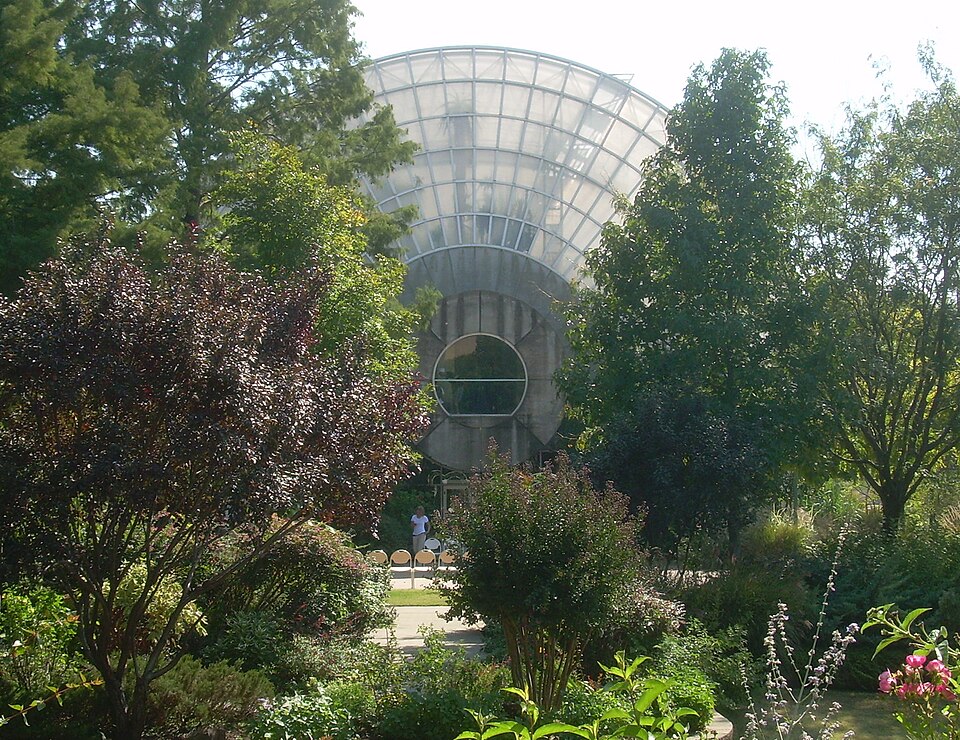
- Myriad Botanical Gardens
- Will Rogers Gardens
- Mount Williams
- Bicentennial Park
- Lightning Creek
Nature close to Oklahoma City
The places people read most about, from the centre outwards.
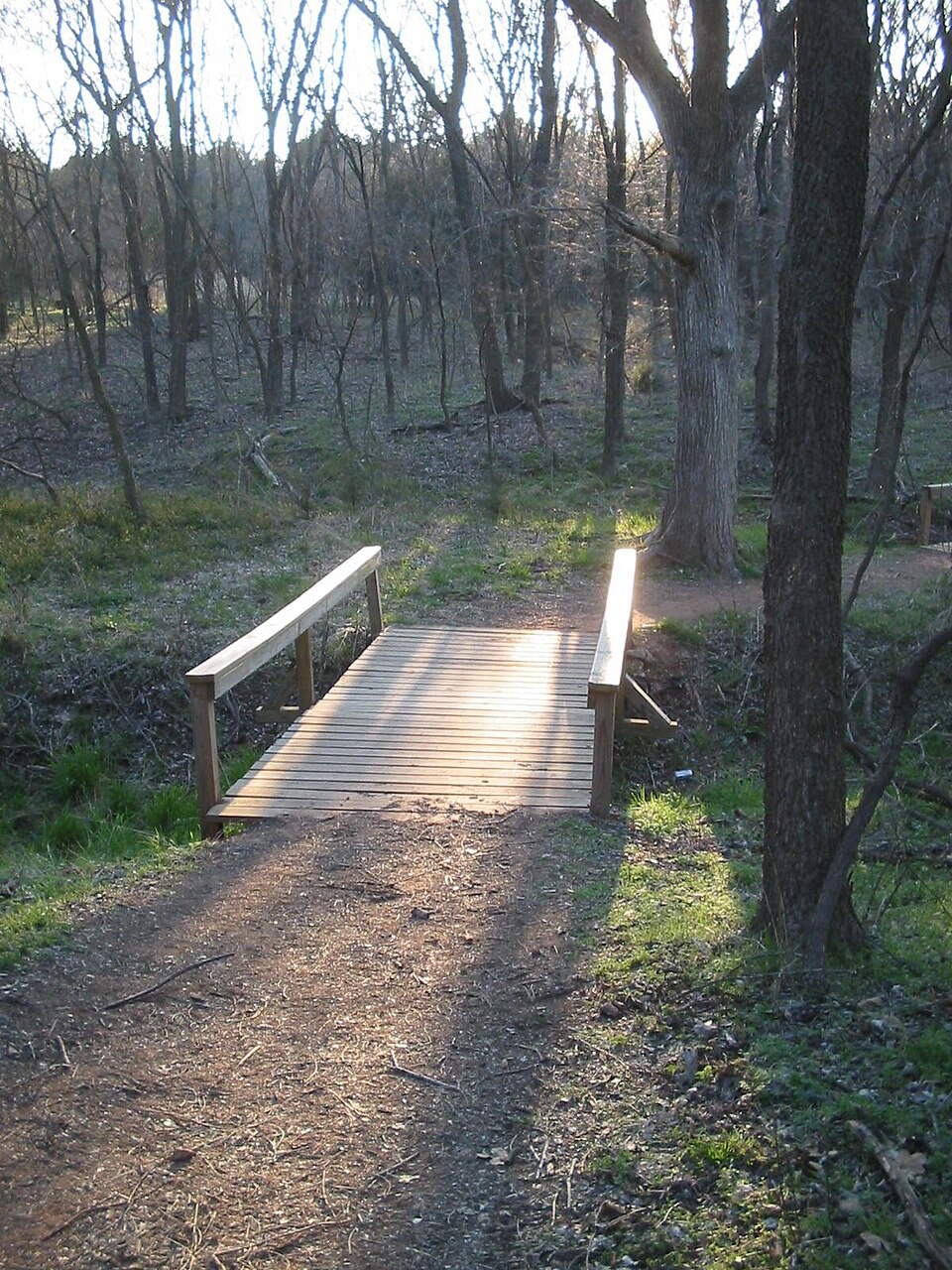
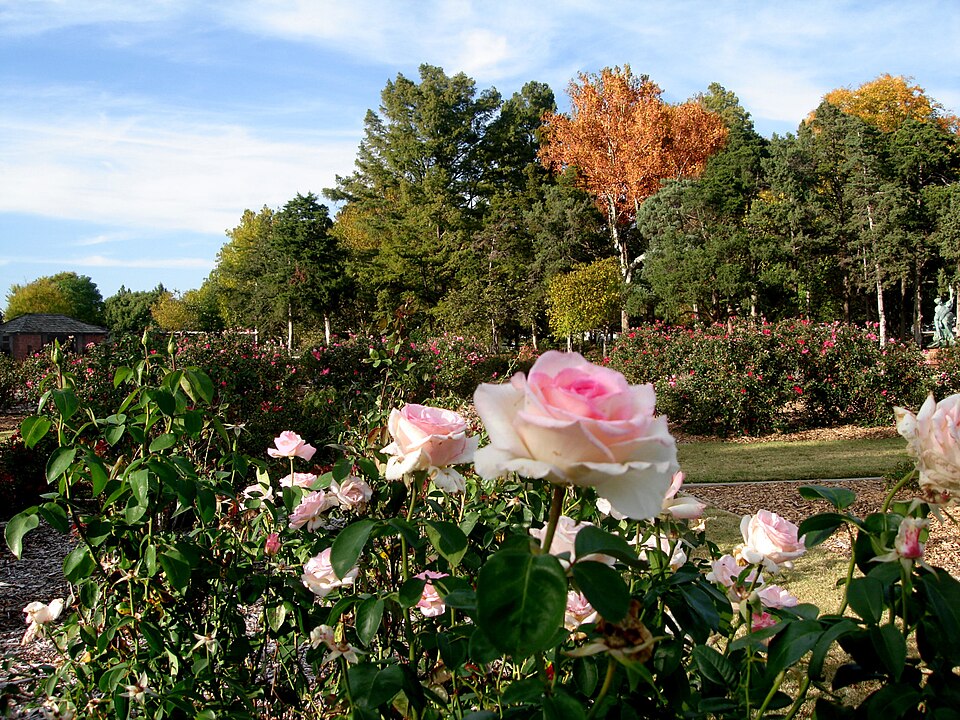
- Lake Hefner Reservoir · 11 km
- Bricktown Canal Canal · 3 km
- Mount Williams Hill · 27 km
- Bicentennial Park Park · 2 km
- Lightning Creek River · 4 km
- Bricktown Beach Beach · 3 km
- Elden Lyon Park Park · 10 km
- Lake Aluma Reservoir · 10 km
- McClendon Whitewater Center Artificial whitewater · 4 km
Routes from OpenStreetMap via Waymarked Trails. Not checked by 4Planet: follow local signs and conditions.
Wildlife around Oklahoma City
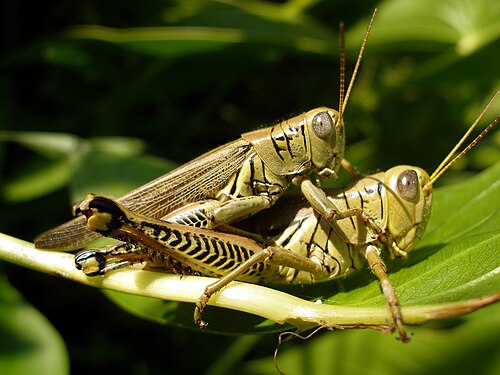
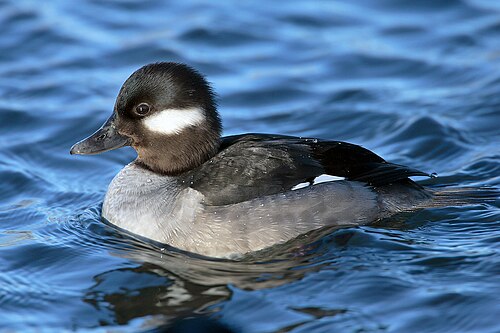
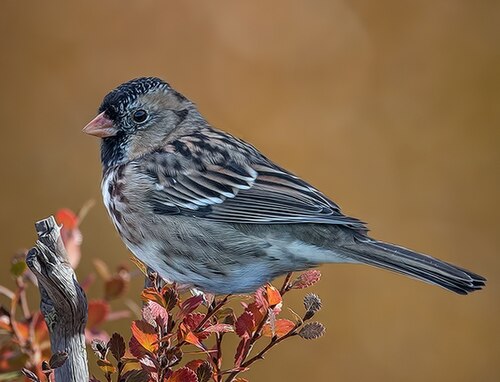
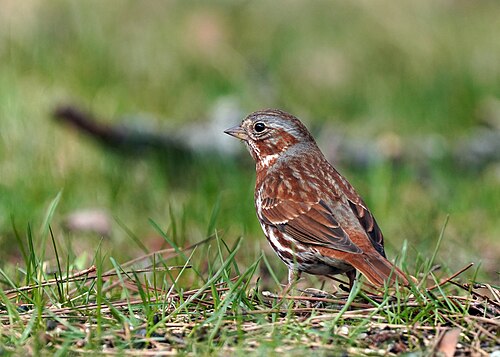
The wild animals people record most within 50 km, 2016–2025. Tick the ones you have seen to build your own list.


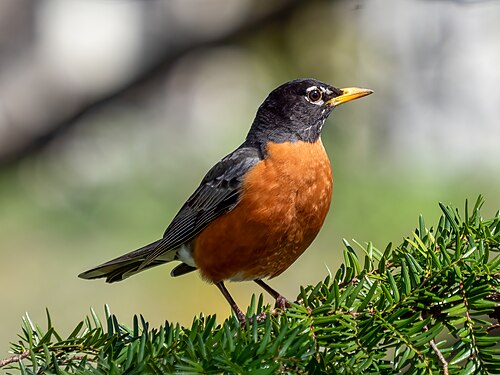

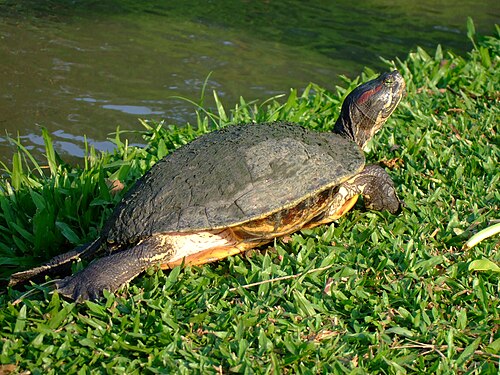
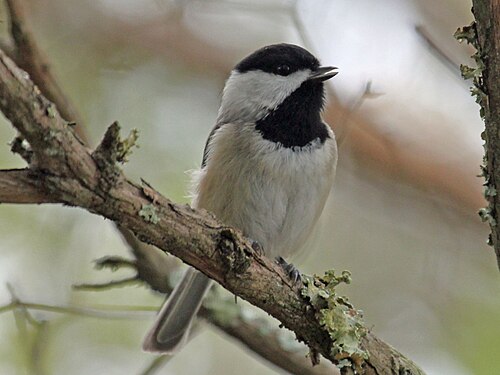

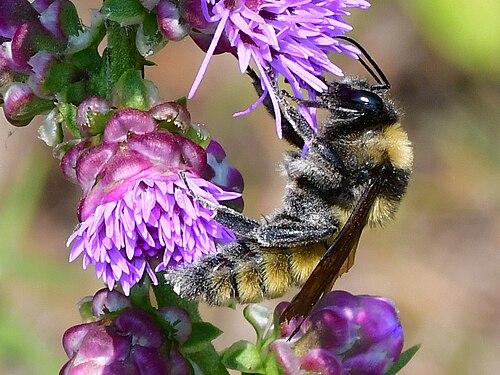
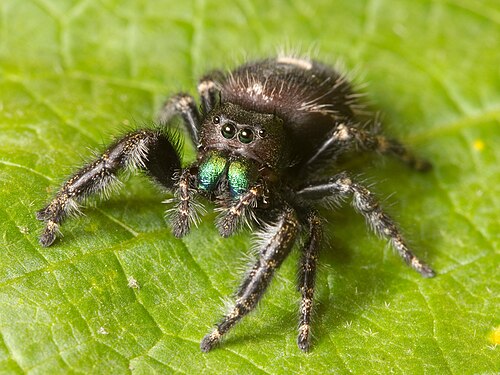
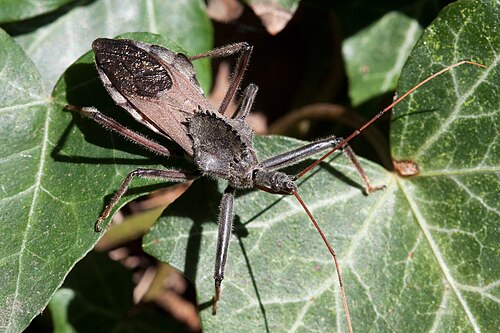
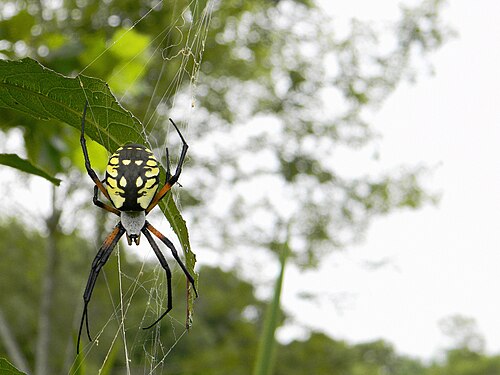
Seen in the last 30 days
What can you see near Oklahoma City now?
Month by month, from 1,246,024 records people shared within 50 km, 2016–2025.



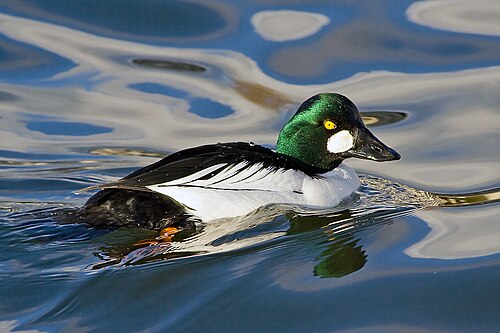


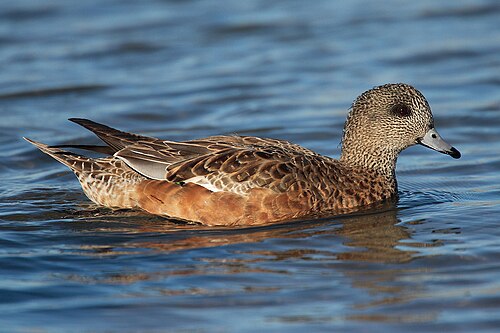


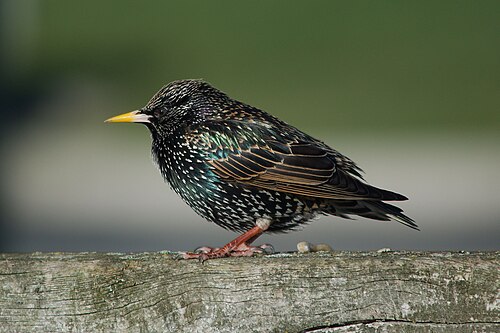
At their peak in May

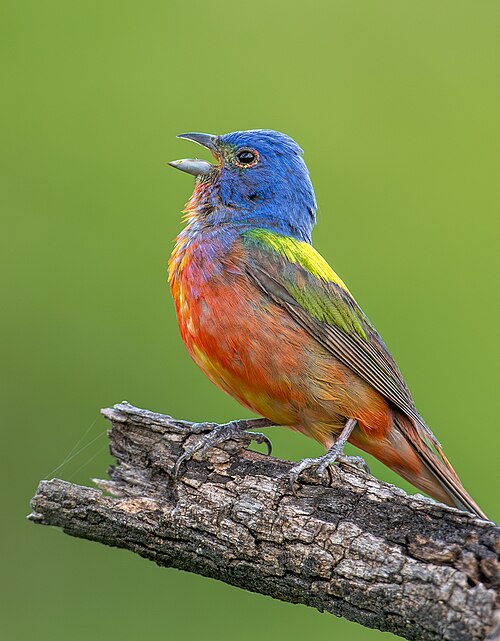


Most seen in May

181,598 animal records in May.
At their peak in June


Most seen in June
81,394 animal records in June.



Oklahoma City is getting warmer
+1.4 °CAverage temperature around Oklahoma City in 2016–2025, compared with 1981–1990.
Daylight: about 10 hours in December and 15 in June.
Seen something near Oklahoma City?
Share a photo of it on iNaturalist. Other naturalists help name it, and confirmed records go to GBIF, where scientists use them. That is where the lists on this page come from.
Explore next
What puts Oklahoma City under pressure, what helps, and who works on it.
Oklahoma City on the living planet
More places near Oklahoma City
Sources and photo credits
- Wikidata · Oklahoma City (Q34863), facts and nature places
- Wikipedia page views · how well known each nature place is
- OpenStreetMap contributors via Waymarked Trails · marked walking routes (ODbL)
- GBIF · human observations within 50 km, 2016–2025 (1,246,024 animal records)
- NASA POWER · yearly temperature from satellite and model data (MERRA-2)
- MET Norway · weather now (shown live)
- Lake Overholser, Oklahoma City: Kool Cats Photography over 2 Million Views (flickr.com), CC BY 2.0
- Arcadia Lake, Oklahoma City: BaronBrian from Oklahoma City, United States, CC BY 2.0
- Lake Overholser, Oklahoma City: Kool Cats Photography over 2 Million Views (flickr.com), CC BY 2.0
- Myriad Botanical Gardens, Oklahoma City: Caleb Long, CC BY-SA 2.5
- Will Rogers Gardens, Oklahoma City: MARELBU, CC BY 3.0
- Northern cardinal: patricia pierce, CC BY 2.0
- Blue jay: Rhododendrites, CC BY-SA 4.0
- American robin: Rhododendrites, CC BY-SA 4.0
- Monarch: Rhododendrites, CC BY-SA 4.0
- Pond slider: Happyswissman, CC BY 3.0
- Carolina chickadee: DickDaniels (http://carolinabirds.org), CC BY-SA 3.0
- Gulf fritillary: iNaturalist.org (Dennis Vollmar), CC BY 4.0
- American bumble bee: Angella Moorehouse, CC BY-SA 4.0
- Bold jumper: Kaldari, CC0
- Wheel bug: Ryan Kaldari, Public domain
- Yellow garden spider: Dakota L., CC BY-SA 3.0
- Differential grasshopper: Rkitko, CC BY 3.0
- Dark-eyed junco: Cephas, CC BY-SA 3.0
- Mallard: Rolf Dietrich Brecher from Germany, CC BY 2.0
- Gadwall: Andreas Trepte, CC BY-SA 2.5
- Bufflehead: Mdf, CC BY-SA 3.0
- Song sparrow: Rhododendrites, CC BY-SA 4.0
- American herring gull: Alan D. Wilson, www.naturespicsonline.com, CC BY-SA 2.5
- Harris's sparrow: Alan D. Wilson, CC BY-SA 3.0
- Red fox sparrow: USFWS Midwest Region, Public domain
- Common goldeneye: Calibas, CC BY-SA 3.0
- Northern shoveler: Andreas Trepte, CC BY-SA 2.5
- Eurasian teal: Koshy Koshy from Faridabad, Haryana, India, CC BY 2.0
- American wigeon: Mdf, CC BY-SA 3.0
- Cinnamon teal: USFWS Mountain-Prairie, Public domain
- Common starling: marsupium photography, CC BY-SA 2.0
- Blue-winged teal: ADJ82, CC BY 3.0
- Franklin's gull: Aviceda, CC BY-SA 3.0
- Blue-grey gnatcatcher: U.S. Fish and Wildlife Service Southeast Region, Public domain
- Lincoln's sparrow: Rhododendrites, CC BY-SA 4.0
- Mourning dove: Rhododendrites, CC BY-SA 4.0
- Eastern kingbird: Rhododendrites, CC BY-SA 4.0
- Painted bunting: Dakota Lynch, CC BY 4.0
- Great crested flycatcher: Mykola Swarnyk, CC BY-SA 3.0
- Baltimore oriole: Mdf, CC BY-SA 3.0
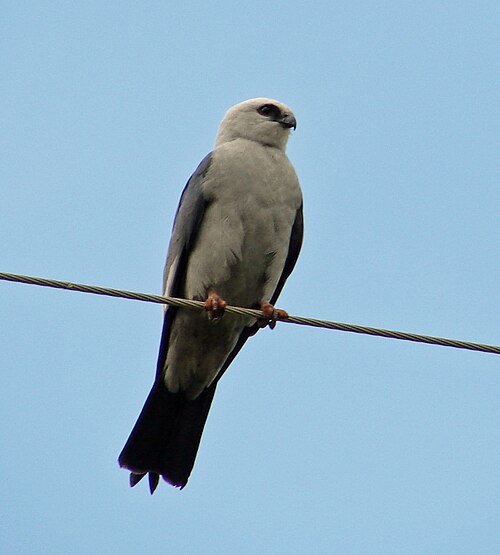
- Mississippi kite: Rescuechick, CC BY 3.0
- Western kingbird: Rhododendrites, CC BY-SA 4.0
- American cliff swallow: Don DeBold, CC BY-SA 2.0
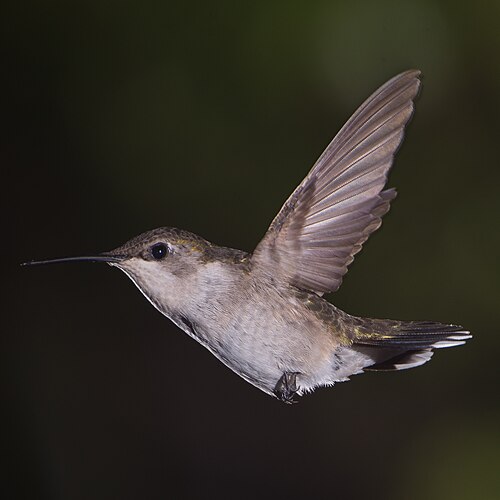
- Ruby-throated hummingbird: Pslawinski, CC BY-SA 4.0
- Purple martin: JJ Cadiz, Cajay, CC BY 3.0
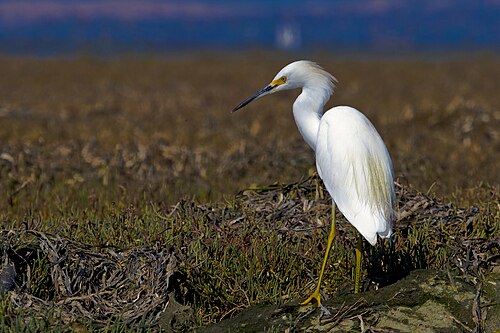
- Snowy egret: Mike Baird, CC BY 2.0
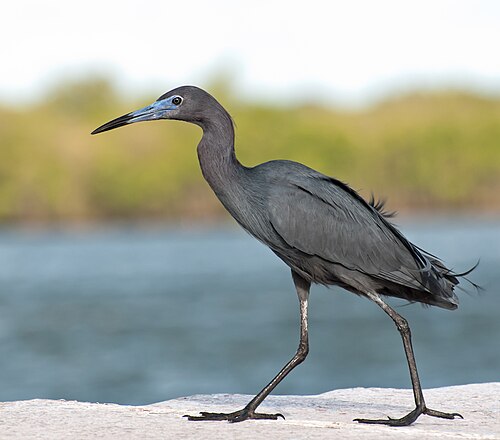
- Little blue heron: Dario Sanches from São Paulo, Brazil, CC BY-SA 2.0
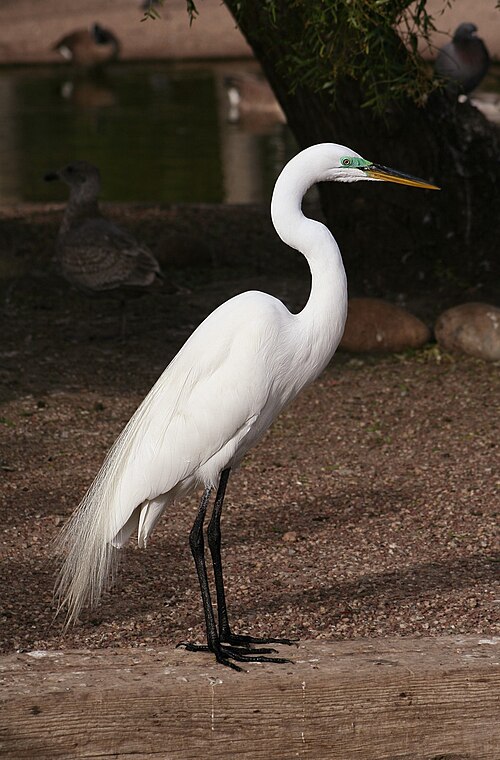
- Great egret: Calibas, CC BY-SA 3.0
- Osprey: El Golli Mohamed, CC BY-SA 4.0
- Orange-crowned warbler: Andy Reago & Chrissy McClarren, CC BY 2.0
- Pied-billed grebe: Channel City Camera Club from Santa Barbara, US, CC BY 2.0
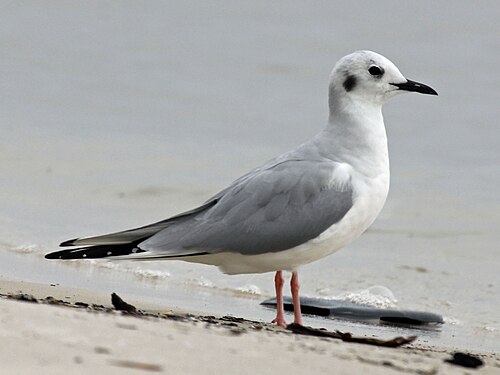
- Bonaparte's gull: DickDaniels (http://carolinabirds.org/), CC BY-SA 3.0


Wildlife records show where people have seen and shared plants and animals, not everything that lives here; some places and months are recorded more than others. Sensitive species are never shown with a month or as seen recently. Routes come from OpenStreetMap and are not checked by 4Planet: follow local signs and conditions. Climate figures are NASA estimates for the area around Oklahoma City, not a single weather station.
Checked 2026-11-27.