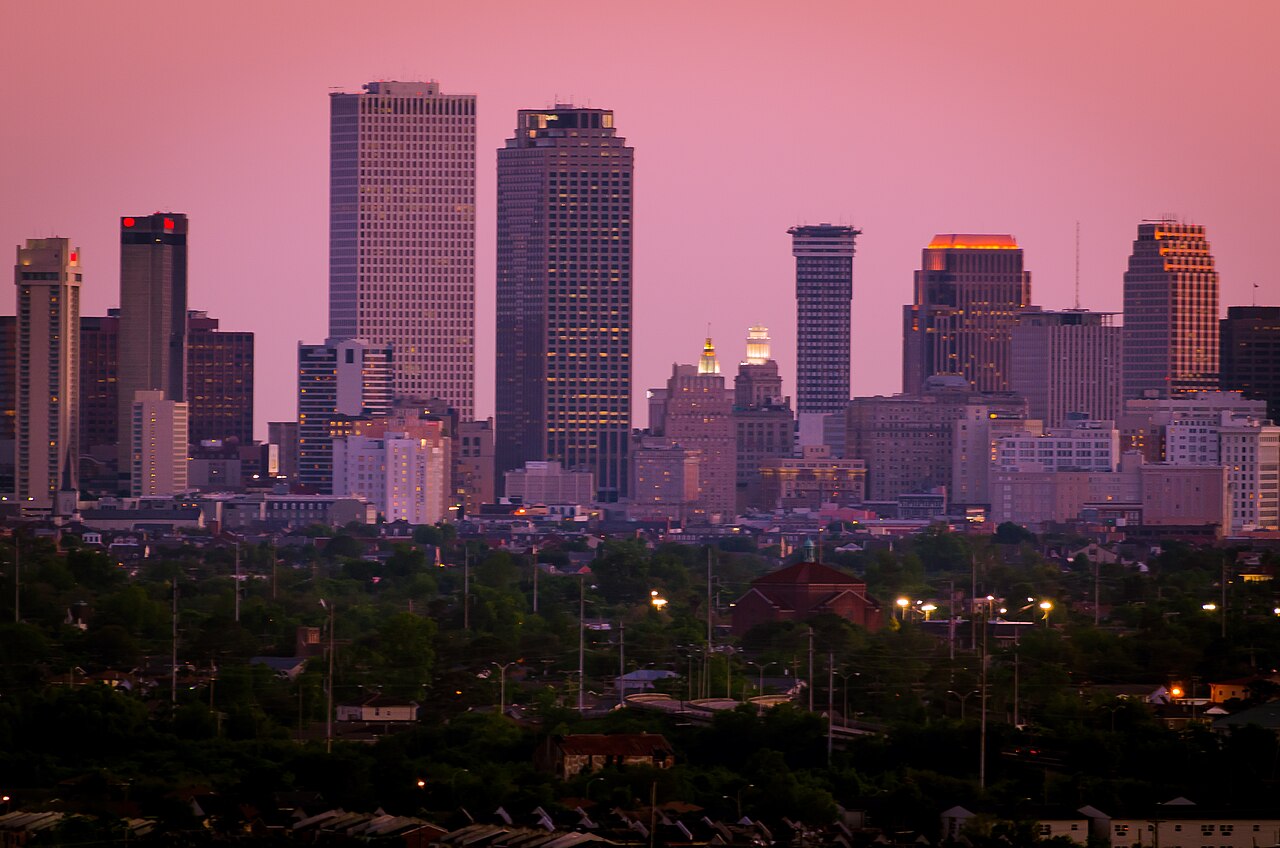
New Orleans
City in United States
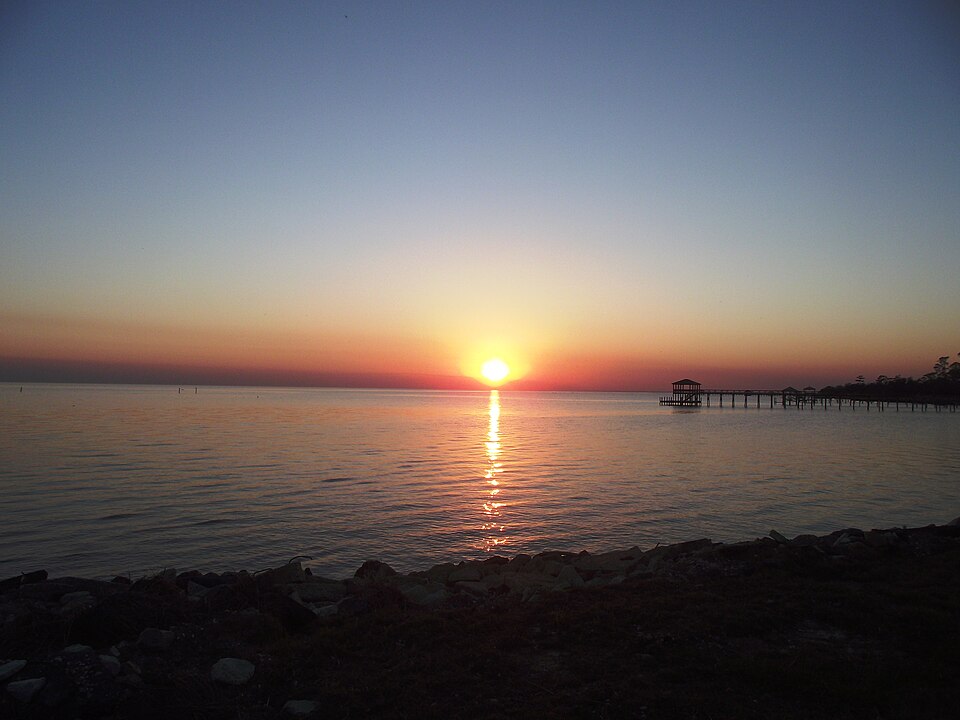
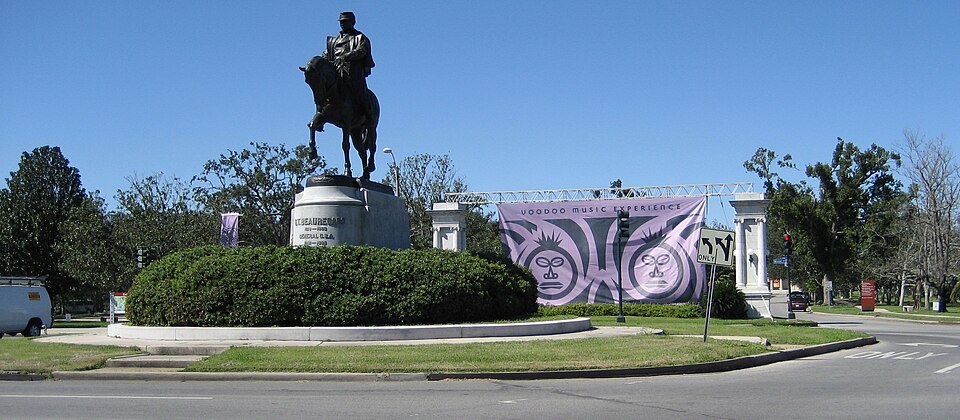
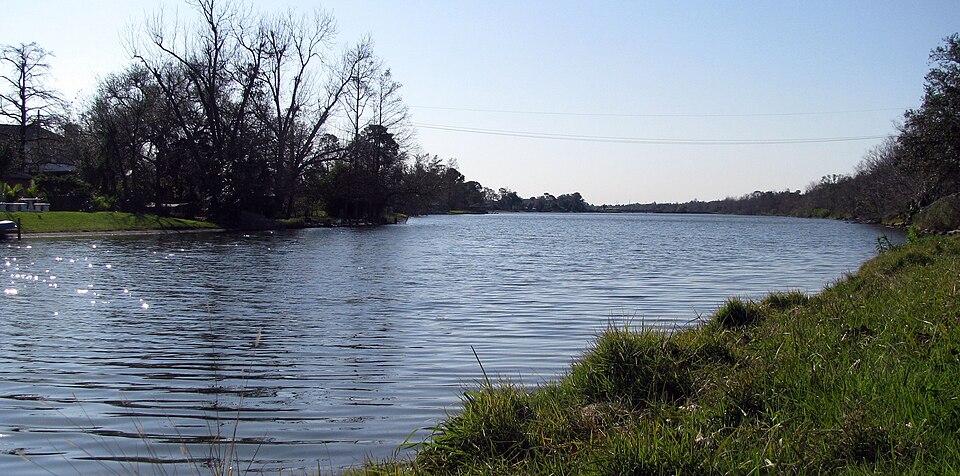
Within 30 km of the centre of New Orleans, the nature places people read about most are Lake Pontchartrain, Gulf Intracoastal Waterway, City Park and Bayou St. John.
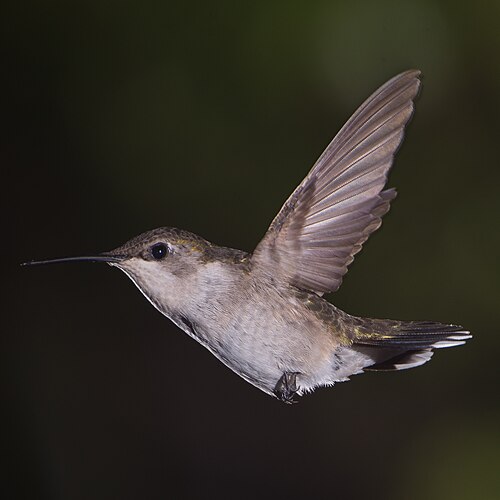
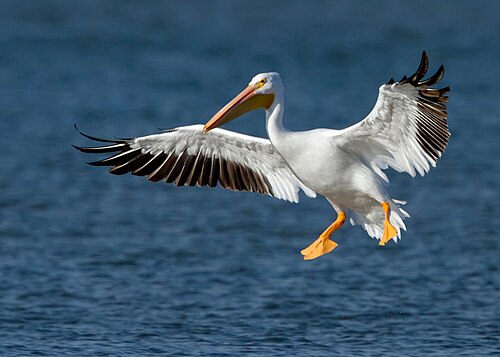
People have shared 1,585,234 wildlife records within 50 km of New Orleans in the last ten years. The wild animals recorded most often are the blue jay, the northern cardinal, the eastern gray squirrel, the monarch and the northern mockingbird. Since the 1980s the area has become about 1 °C warmer.
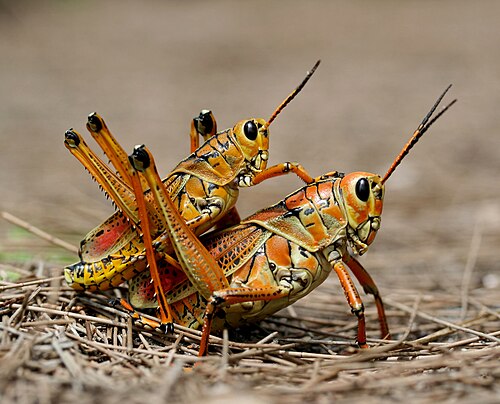
Of the 260 cities on Atlas, New Orleans has the 44th most species named on its page and the 60th most wildlife records shared within 50 km. Among the animals people record most around New Orleans, the american alligator and the eastern lubber grasshopper appear on no other city page here.
- Country
- United States
- Population
- 383,997
- Area
- 906 km²
- Elevation
- 11 m
- Currency
- United States dollar
- Daylight
- 10 to 14 hours
Figures from Wikidata; population 2020.
New Orleans on the map
- Lake Pontchartrain
- Gulf Intracoastal Waterway
- City Park
- Bayou St. John
- Industrial Canal
- Jean Lafitte National Historical Park and Preserve
- 17th Street Canal
- Audubon Park
- New Basin Canal
Nature close to New Orleans
The places people read most about, from the centre outwards.
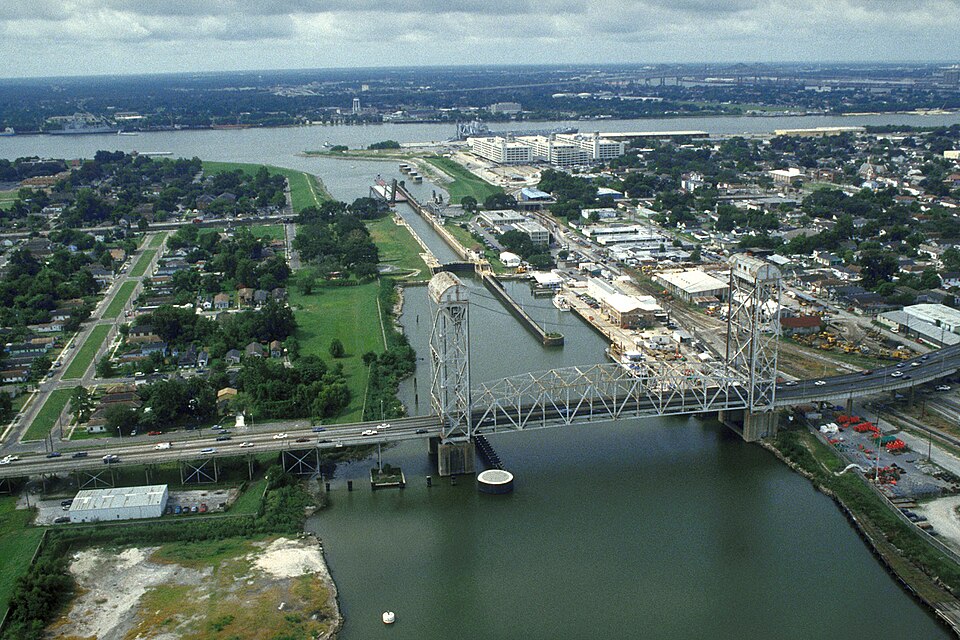
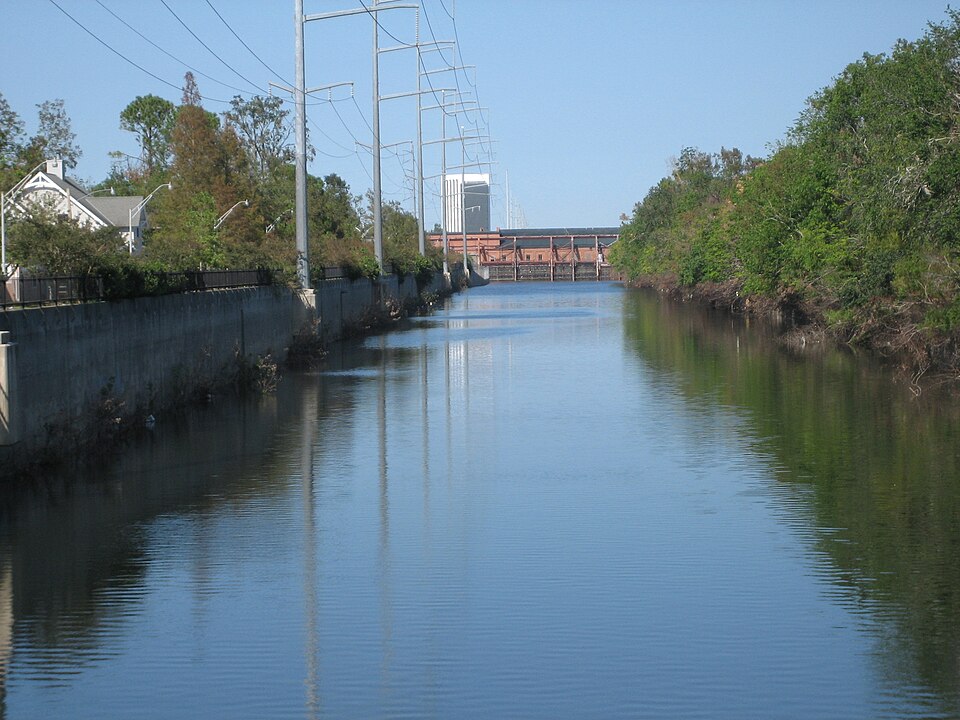
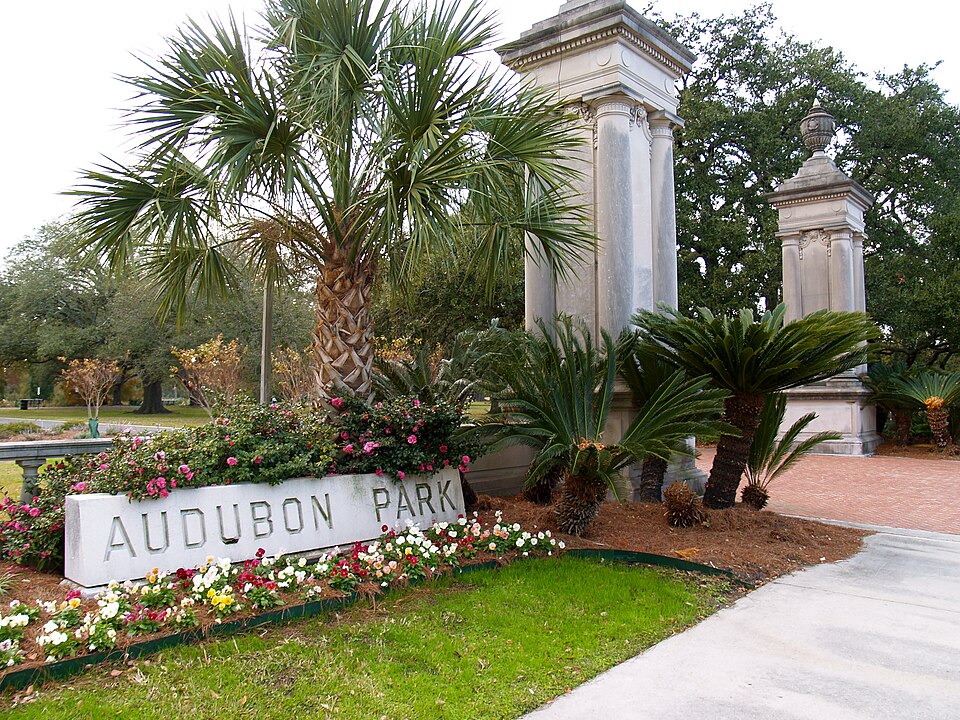
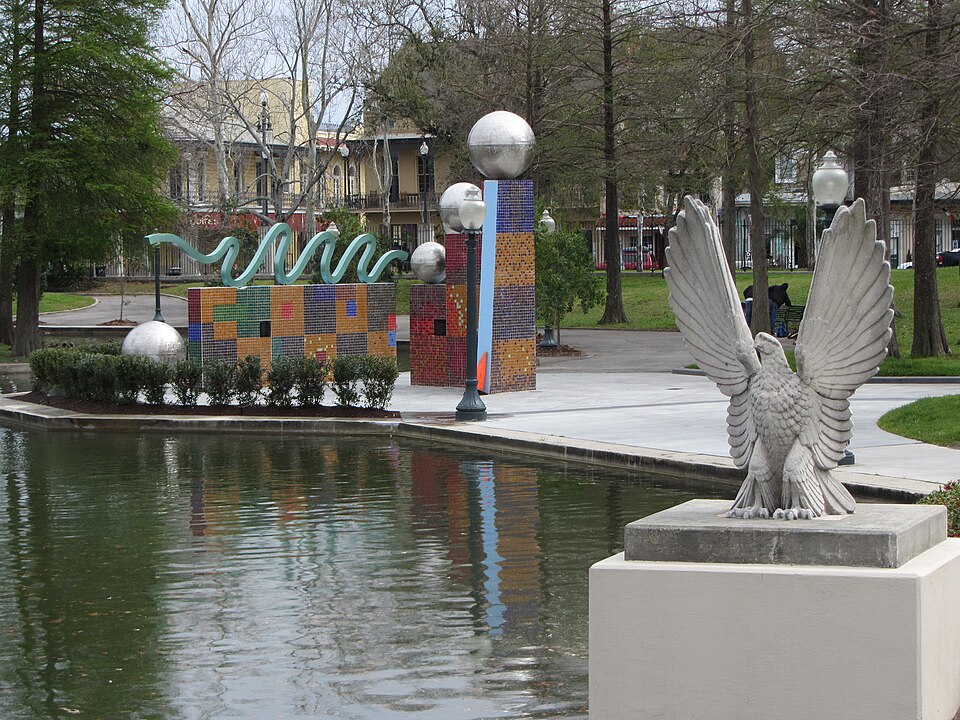
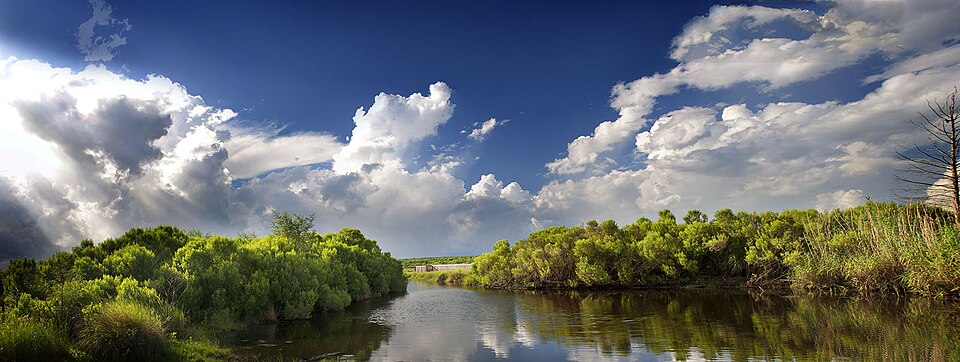
- Gulf Intracoastal Waterway Waterway · 7 km
- Jean Lafitte National Historical Park and Preserve Park · 9 km
- New Basin Canal Canal · 3 km
- Longue Vue House and Gardens Park · 4 km
- New Orleans Jazz National Historical Park Park · 2 km
Routes from OpenStreetMap via Waymarked Trails. Not checked by 4Planet: follow local signs and conditions.
Wildlife around New Orleans
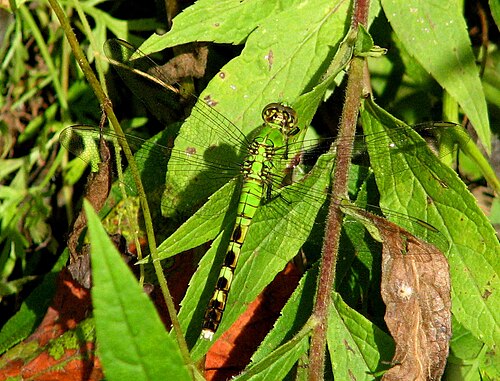
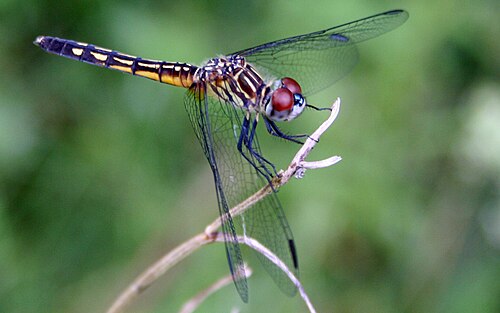
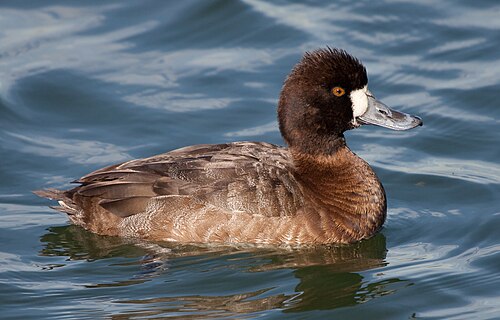
The wild animals people record most within 50 km, 2016–2025. Tick the ones you have seen to build your own list.


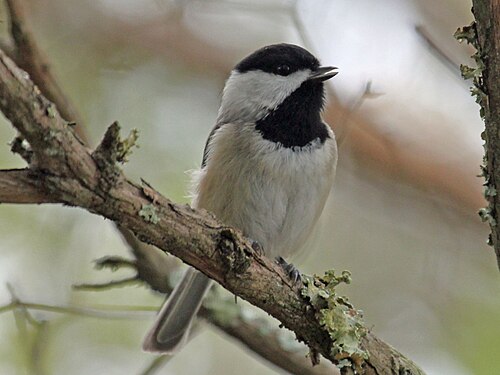
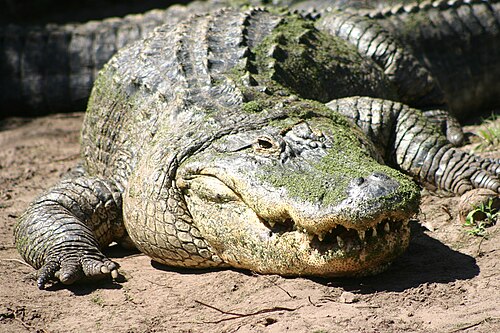
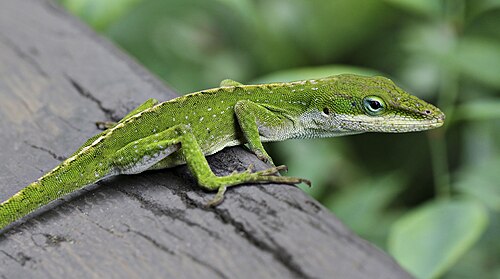

Seen in the last 30 days
What can you see near New Orleans now?
Month by month, from 1,585,234 records people shared within 50 km, 2016–2025.










New Orleans is getting warmer
+1.0 °CAverage temperature around New Orleans in 2016–2025, compared with 1981–1990.
Daylight: about 10 hours in December and 14 in June.
Seen something near New Orleans?
Share a photo of it on iNaturalist. Other naturalists help name it, and confirmed records go to GBIF, where scientists use them. That is where the lists on this page come from.
Explore next
What puts New Orleans under pressure, what helps, and who works on it.
New Orleans on the living planet
More places near New Orleans
Sources and photo credits
- Wikidata · New Orleans (Q34404), facts and nature places
- Wikipedia page views · how well known each nature place is
- OpenStreetMap contributors via Waymarked Trails · marked walking routes (ODbL)
- GBIF · human observations within 50 km, 2016–2025 (1,585,234 animal records)
- NASA POWER · yearly temperature from satellite and model data (MERRA-2)
- MET Norway · weather now (shown live)
- New Orleans, United States: thepipe26, CC BY 2.0
- Lake Pontchartrain, New Orleans: Mersh13, CC BY-SA 3.0
- City Park, New Orleans: Infrogmation of New Orleans, CC BY 2.5
- Bayou St. John, New Orleans: bropho, CC BY 2.0
- Industrial Canal, New Orleans: Michael Maples, U.S. Army Corps of Engineers, Public domain
- 17th Street Canal, New Orleans: Infrogmation, CC BY 2.5
- Audubon Park, New Orleans: Photo by Chad Carson, CC BY-SA 3.0
- Louis Armstrong Park, New Orleans: Jason Riedy, CC BY 2.0
- Bayou Sauvage Urban National Wildlife Refuge, New Orleans: Charles Skip Martin, CC BY 3.0
- Blue jay: Rhododendrites, CC BY-SA 4.0
- Northern cardinal: patricia pierce, CC BY 2.0
- Eastern gray squirrel: Dominic Nelson, CC BY-SA 4.0
- Monarch: Rhododendrites, CC BY-SA 4.0
- Northern mockingbird: Rhododendrites, CC BY-SA 4.0
- Carolina chickadee: DickDaniels (http://carolinabirds.org), CC BY-SA 3.0
- American alligator: Skeetdeloach at English Wikipedia, Public domain
- Green anole: Paul Hirst (Phirst), CC BY-SA 2.5
- Eastern pondhawk: D. Gordon E. Robertson, CC BY-SA 3.0
- Eastern lubber grasshopper: http://www.birdphotos.com, CC BY 3.0
- Gulf fritillary: iNaturalist.org (Dennis Vollmar), CC BY 4.0
- Blue dasher: R. A. Nonenmacher, CC BY 2.5
- Myrtle warbler: Rhododendrites, CC BY-SA 4.0
- Orange-crowned warbler: Andy Reago & Chrissy McClarren, CC BY 2.0
- Ring-billed gull: Fabian Roudra Baroi, CC BY-SA 4.0
- American goldfinch: Mdf, CC BY-SA 3.0
- Pied-billed grebe: Channel City Camera Club from Santa Barbara, US, CC BY 2.0
- Lesser scaup: Basar, CC BY-SA 3.0
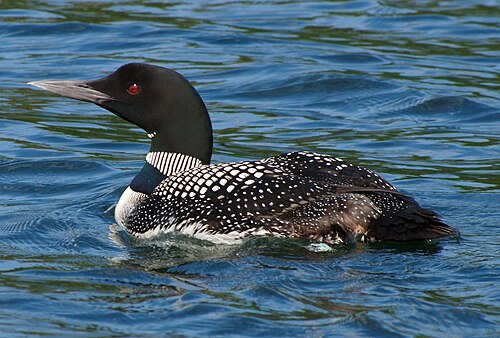
- Common loon: John Picken from Chicago, USA, CC BY 2.0
- Northern parula: Rhododendrites, CC BY-SA 4.0
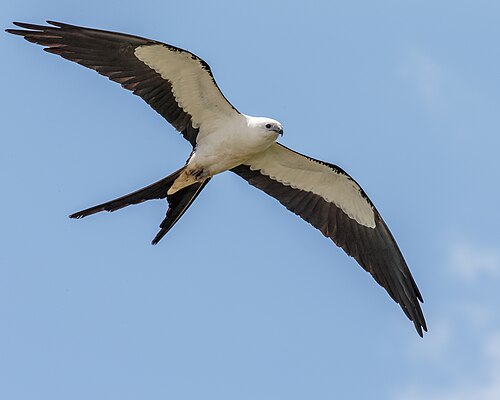
- Swallow-tailed kite: Andy Morffew from Itchen Abbas, Hampshire, UK, CC BY 2.0
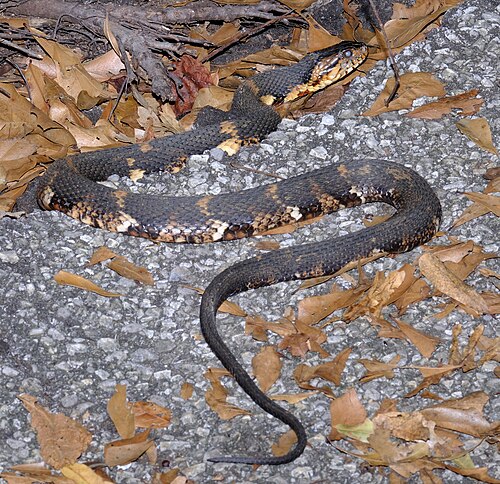
- Southern watersnake: Brady Reed, CC0
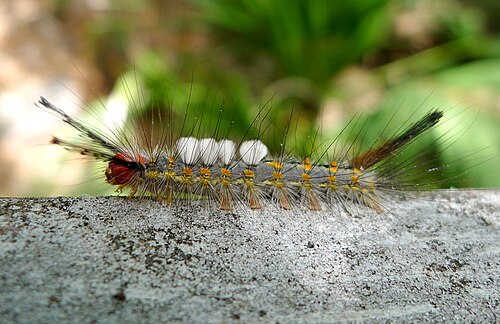
- Fir tussock moth: gailhampshire from Cradley, Malvern, U.K, CC BY 2.0
- Great crested flycatcher: Mykola Swarnyk, CC BY-SA 3.0
- Eastern kingbird: Rhododendrites, CC BY-SA 4.0
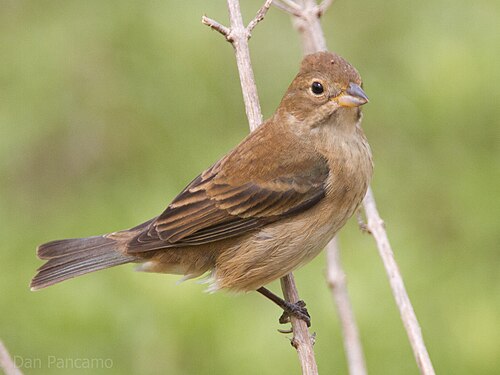
- Indigo bunting: Dan Pancamo, CC BY-SA 2.0
- Cedar waxwing: Jason Quinn, CC BY-SA 3.0
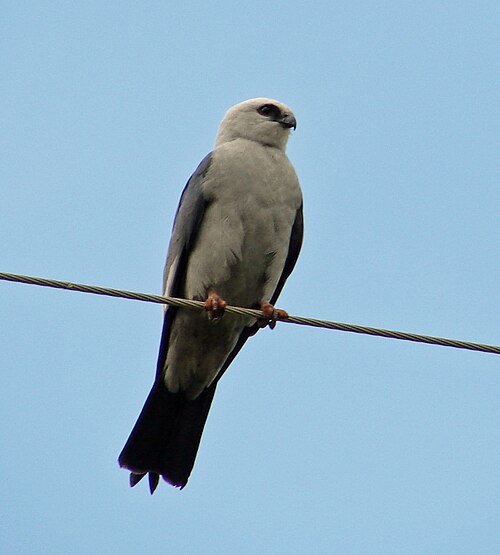
- Mississippi kite: Rescuechick, CC BY 3.0
- Chimney swift: Adam Jackson, CC0
- Purple martin: JJ Cadiz, Cajay, CC BY 3.0
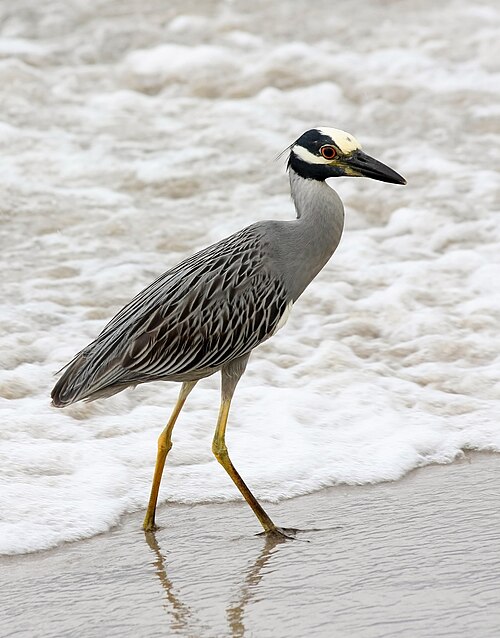
- Yellow-crowned night heron: Ianaré Sévi, CC BY 3.0
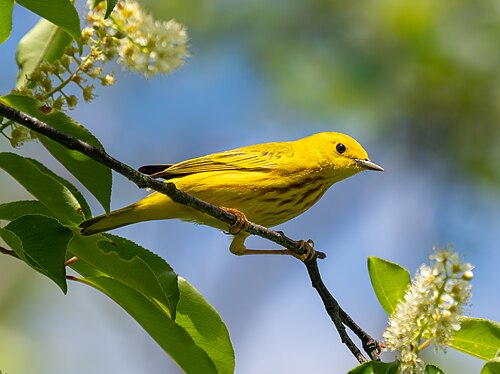
- American yellow warbler: Rhododendrites, CC BY-SA 4.0
- Ruby-throated hummingbird: Pslawinski, CC BY-SA 4.0
- Eastern wood pewee: Rhododendrites, CC BY-SA 4.0
- American redstart: Dennis G. Jarvis, CC BY-SA 2.0
- Gray catbird: AMMuench, CC BY 4.0
- Common yellowthroat: Rhododendrites, CC BY-SA 4.0
- Eastern phoebe: John Benson, CC BY 2.0
- Northern house wren: Rhododendrites, CC BY-SA 4.0
- Savannah sparrow: Cephas, CC BY-SA 3.0
- American white pelican: Manjith Kainickara, CC BY-SA 2.0


Wildlife records show where people have seen and shared plants and animals, not everything that lives here; some places and months are recorded more than others. Sensitive species are never shown with a month or as seen recently. Routes come from OpenStreetMap and are not checked by 4Planet: follow local signs and conditions. Climate figures are NASA estimates for the area around New Orleans, not a single weather station.
Checked 2026-11-27.