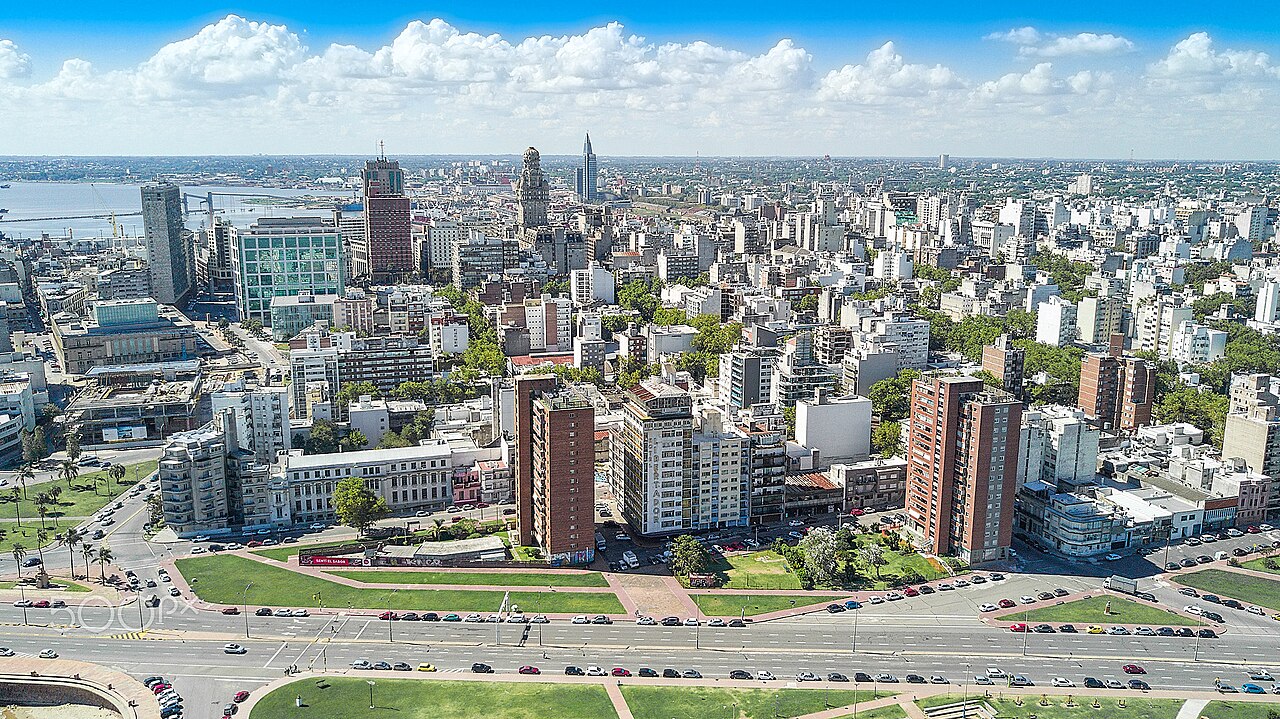
Montevideo
Capital of Uruguay
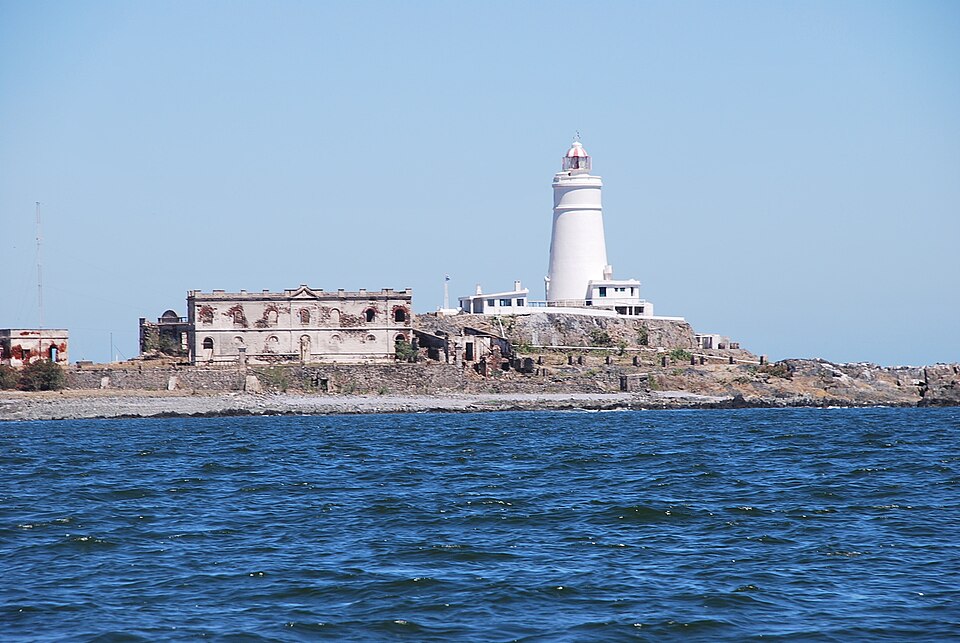
Within 30 km of the centre of Montevideo, the nature places people read about most are Cerro de Montevideo, Isla de Flores, Bay of Montevideo and Parque Prado.
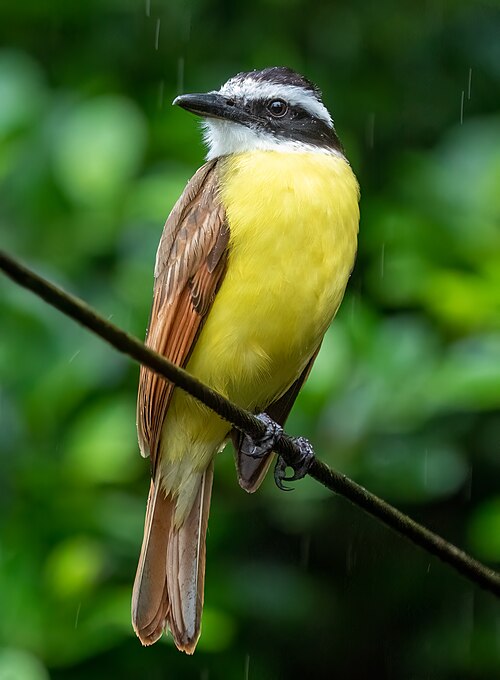
People have shared 388,325 wildlife records within 50 km of Montevideo in the last ten years. The wild animals recorded most often are the rufous hornero, the great kiskadee, the monk parakeet, the eared dove and the gulf fritillary. Since the 1980s the area has become about 0.5 °C warmer.
Of the 93 cities on Atlas, Montevideo has the 11th most species named on its page. Among the animals people record most around Montevideo, the monk parakeet and the charybdis firetip appear on no other city page here.
- Country
- Uruguay
- Population
- 1.3 million
- Area
- 730 km²
- Elevation
- 41 m
- Currency
- Uruguayan peso
- Time zone
- UTC−03
- Daylight
- 10 to 15 hours
Figures from Wikidata; population 2023.
Montevideo on the map
- Cerro de Montevideo
- Isla de Flores
- Bay of Montevideo
- Parque Prado
- Santa Lucía River
- Mercado Modelo
- Japanese Garden
- Isla de las Gaviotas, Montevideo
- Miguelete Creek
Nature close to Montevideo
The places people read most about, from the centre outwards.




- Parque Prado Park · 6 km
- Mercado Modelo Park · 5 km
- Japanese Garden Park · 6 km
- Carrasco Creek River · 16 km
- Arroyo de las Piedras River · 26 km
- Arroyo de Toledo River · 16 km
Routes from OpenStreetMap via Waymarked Trails. Not checked by 4Planet: follow local signs and conditions.
Wildlife around Montevideo
The wild animals people record most within 50 km, 2016–2025. Tick the ones you have seen to build your own list.



Seen in the last 30 days
What can you see near Montevideo now?
Month by month, from 388,325 records people shared within 50 km, 2016–2025.






Montevideo is getting warmer
+0.5 °CAverage temperature around Montevideo in 2016–2025, compared with 1981–1990.
Daylight: about 15 hours in December and 10 in June.
Seen something near Montevideo?
Share a photo of it on iNaturalist. Other naturalists help name it, and confirmed records go to GBIF, where scientists use them. That is where the lists on this page come from.
Explore next
What puts Montevideo under pressure, what helps, and who works on it.
Montevideo on the living planet
More places near Montevideo
Sources and photo credits
- Wikidata · Montevideo (Q1335), facts and nature places
- Wikipedia page views · how well known each nature place is
- OpenStreetMap contributors via Waymarked Trails · marked walking routes (ODbL)
- GBIF · human observations within 50 km, 2016–2025 (388,325 animal records)
- NASA POWER · yearly temperature from satellite and model data (MERRA-2)
- MET Norway · weather now (shown live)
- Montevideo, Uruguay: Marcelo Campi, CC BY-SA 3.0
- Cerro de Montevideo, Montevideo: Ignacio Turell, CC BY-SA 4.0
- Isla de Flores, Montevideo: Magalí Rossini, CC BY-SA 3.0
- Bay of Montevideo, Montevideo: Rabble, CC BY-SA 2.0
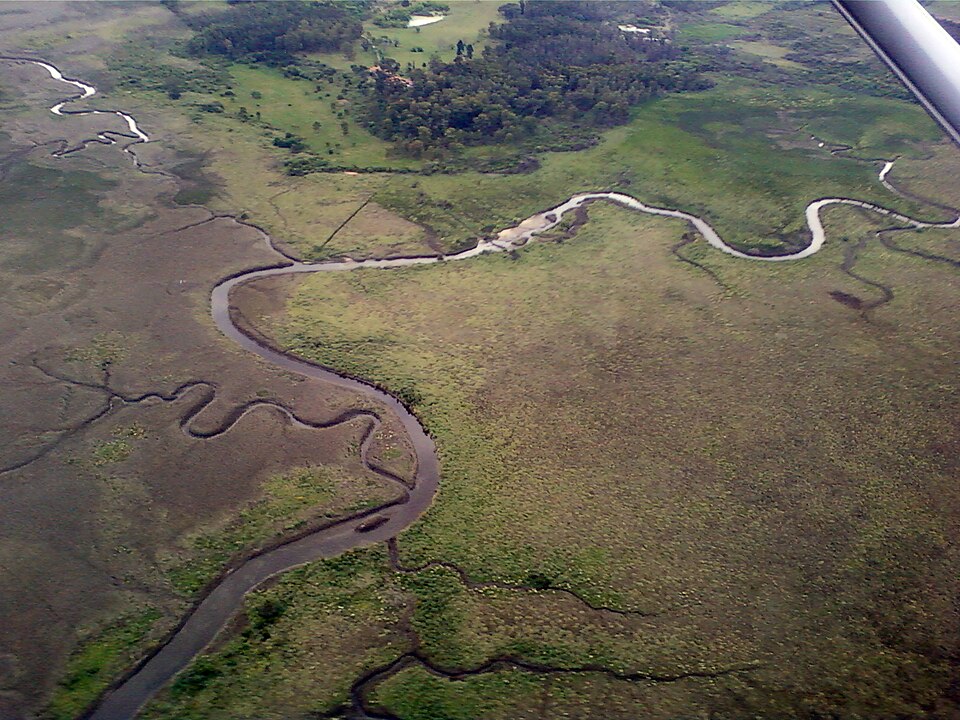
- Santa Lucía River, Montevideo: Artigas Pessio, CC BY-SA 4.0
- Isla de las Gaviotas, Montevideo, Montevideo: anibal amaro, CC BY 3.0
- Miguelete Creek, Montevideo: Anibal1936, CC BY-SA 3.0
- Colorado Creek, Montevideo: Cleant, CC BY 3.0
- Pantanoso Creek, Montevideo: Fedaro, CC BY-SA 4.0
- Rufous hornero: Dario Sanches from São Paulo, Brasil, CC BY-SA 2.0
- Great kiskadee: Rhododendrites, CC BY-SA 4.0
- Monk parakeet: Kevin Jones, CC BY 2.0
- Eared dove: Bjørn Christian Tørrissen, CC BY-SA 3.0
- Gulf fritillary: iNaturalist.org (Dennis Vollmar), CC BY 4.0
- Charybdis firetip: Mike Dickison, CC BY 4.0
- False black widow: Ryan Kaldari, CC0
- Silver garden spider: WillWig at English Wikipedia, Public domain
- Granulated crab: Lrubio7, CC BY-SA 4.0
- Brown garden snail: Zachi Evenor, CC BY 2.0
- D´Orbigny’s toad: Axel Kwet, CC BY-SA 2.5
- White-eared opossum: Alexandre Toda Faitarone, CC BY-SA 4.0
- Fork-tailed flycatcher: Rogier Klappe, CC BY 2.0
- Streaked flycatcher: Wdiane, CC BY-SA 4.0
- Swainson's flycatcher: Hector Bottai, CC BY-SA 4.0
- Tropical kingbird: Charles J. Sharp, CC BY-SA 4.0
- Glittering-bellied emerald: Marcos André, CC BY 2.0
- Sandwich tern: MPF, CC BY-SA 4.0
- Cattle egret: iNaturalist.org (Patrick Le Mao), CC0
- Common tern: Alexis Lours, CC BY 4.0
- Black-necked swan: Jason Quinn, CC BY-SA 3.0
- White-banded mockingbird: pablohcapovilla, CC BY-SA 4.0
- Buff-winged cinclodes: Lip Kee Yap from Singapore, Republic of Singapore, CC BY-SA 2.0
- White-crested elaenia: JimSPeru, CC BY-SA 4.0
- Austral negrito: DickDaniels (http://theworldbirds.org/), CC BY-SA 4.0
- Chilean skua: Arthur Chapman, CC BY 2.0
- Southern giant petrel: Brocken Inaglory, Public domain
- Black-browed albatross: JJ Harrison (https://www.jjharrison.com.au/), CC BY-SA 3.0
- Rufescent tiger heron: matiascabezas, CC BY 4.0
- Black jacobin: Dario Sanches from São Paulo, Brazil, CC BY-SA 2.0
- Scarlet flycatcher: Greg Schechter from San Francisco, USA, CC BY 2.0
- Wilson's phalarope: Cephas, CC BY-SA 4.0
- Snail kite: https://www.flickr.com/photos/dariosanches/, CC BY-SA 2.0
- Red knot: JJ Harrison (https://www.jjharrison.com.au/), CC BY-SA 4.0
- Red-eyed vireo: John Benson from Madison WI, CC BY 2.0


Wildlife records show where people have seen and shared plants and animals, not everything that lives here; some places and months are recorded more than others. Sensitive species are never shown with a month or as seen recently. Routes come from OpenStreetMap and are not checked by 4Planet: follow local signs and conditions. Climate figures are NASA estimates for the area around Montevideo, not a single weather station.
Checked 2026-11-20.