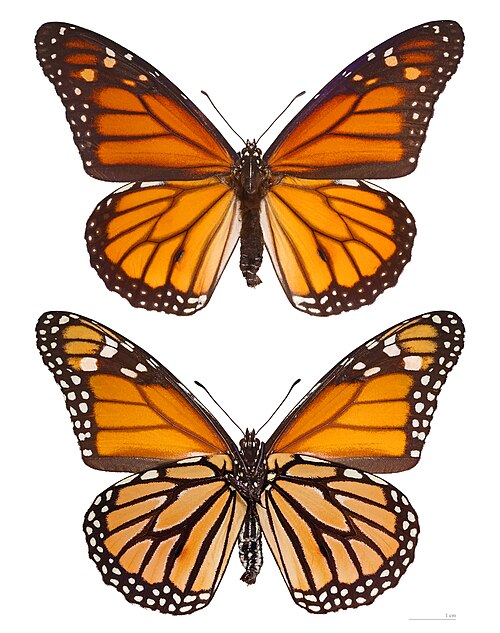
 Monarch butterflyDanaus plexippus
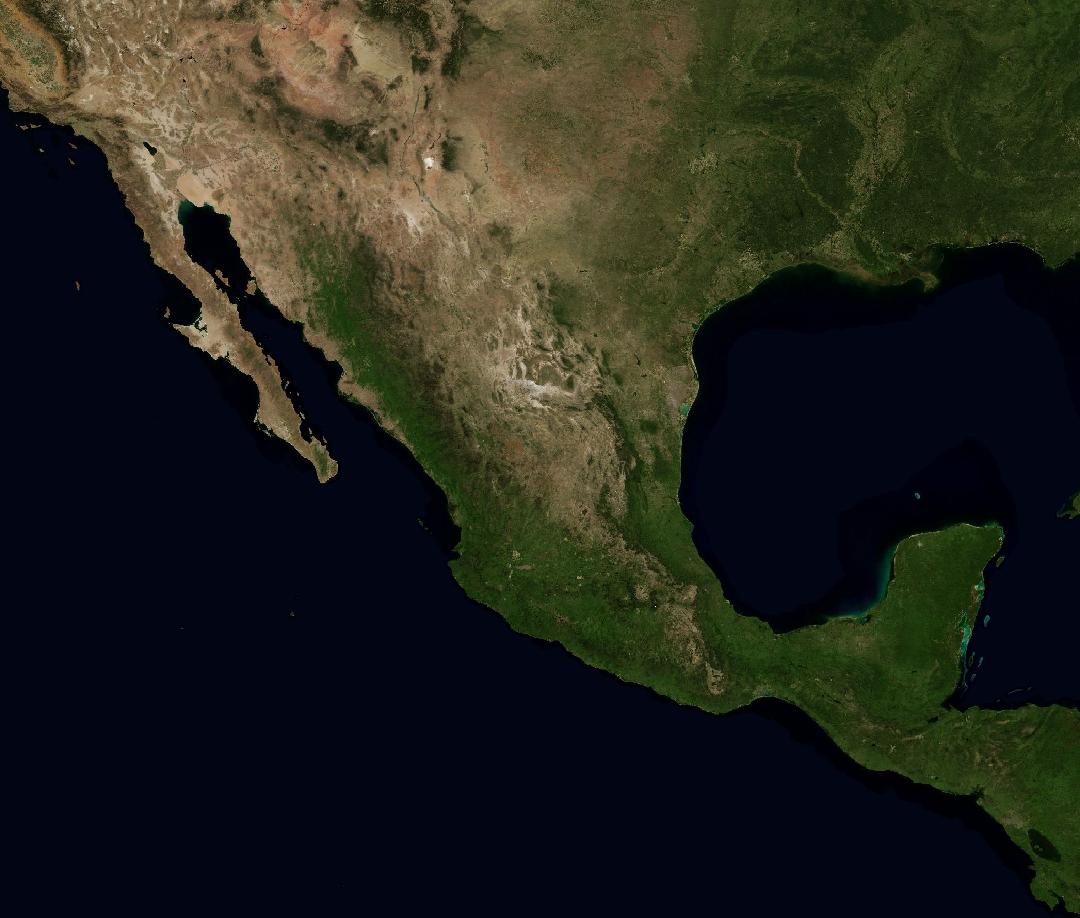
Mexico
A country in North America, between the Pacific and the Gulf of Mexico.
Image: NASA Blue Marble. Borders: Natural Earth.
Mexico joins the deserts of North America to the rainforests of Central America. Volcanoes and high pine forests run through the middle of the country, and two long coastlines border the Pacific and the Gulf of Mexico.
Each winter millions of monarch butterflies fly thousands of kilometres to rest in the fir forests west of Mexico City. Grey and humpback whales calve in the lagoons of Baja California, and jaguars still live in the forests of the Yucatán.
By area it is the 13th largest of the 194 countries on Atlas.
Mexico
- Capital
- Mexico City
- Population
- 132 million
- Area
- 1,964,375 km²
- Continent
- North America
- Highest point
- Citlaltepetl, 5,636 m
- Languages
- Spanish, Nahuatl, Yucatec Maya
- Currency
- Peso
Figures from Wikidata; population 2024.
Mexico in pictures
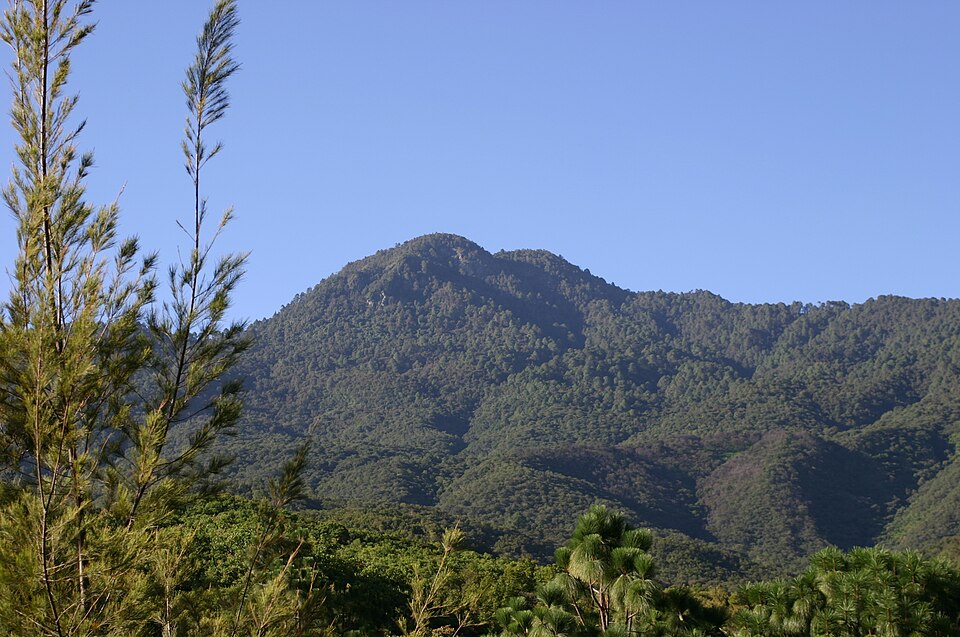
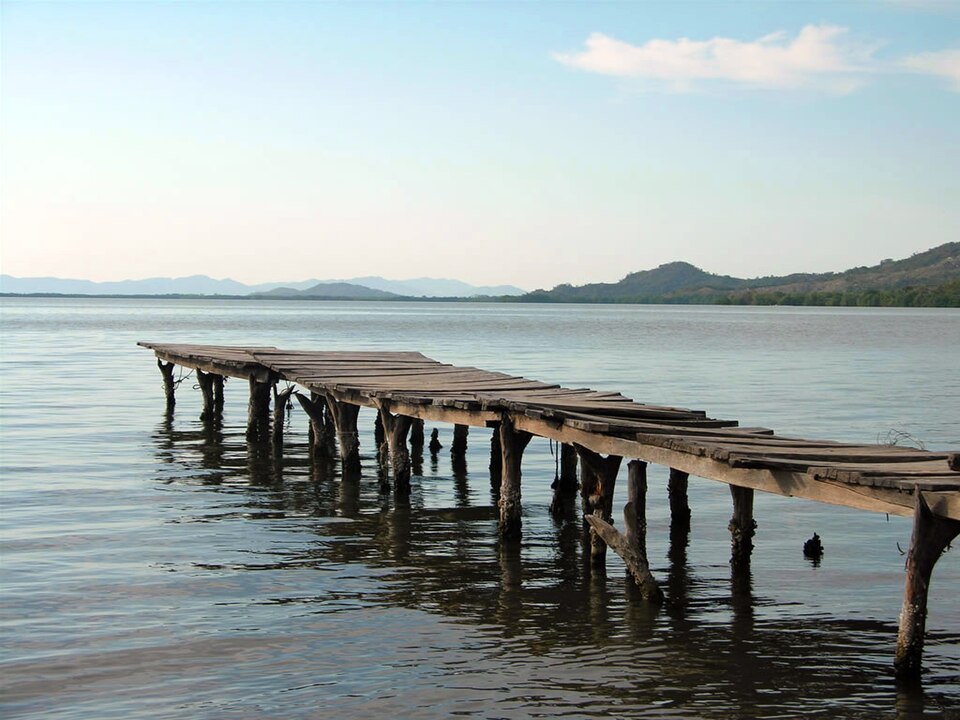
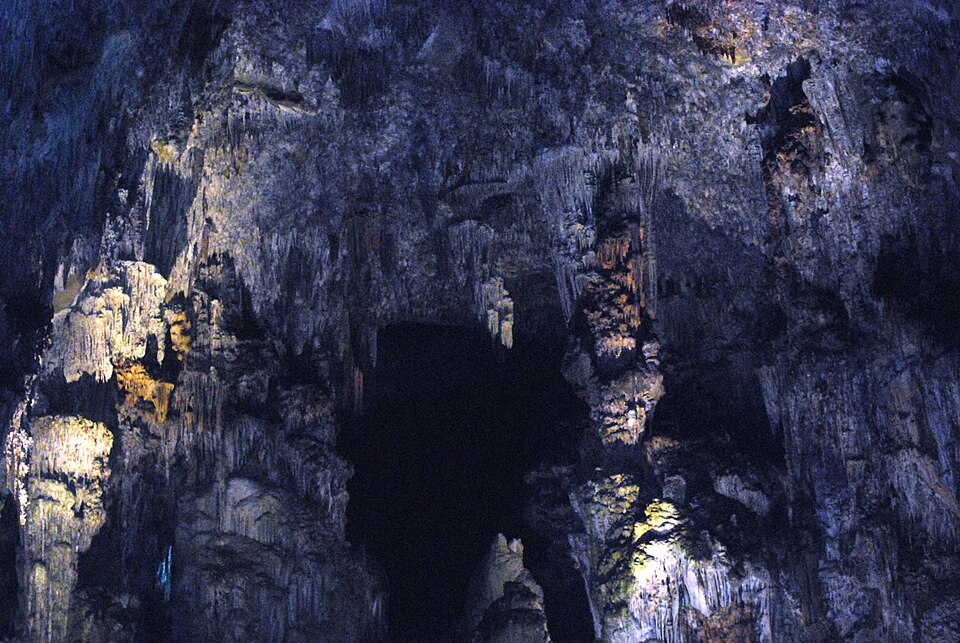
Which animals live in Mexico?
Among the animals recorded in Mexico are the monarch butterfly, the jaguar, the whale shark, the blue whale and the humpback whale. These are wildlife records shared through GBIF, not a full list of the animals that live here.
Monarch butterflyDanaus plexippus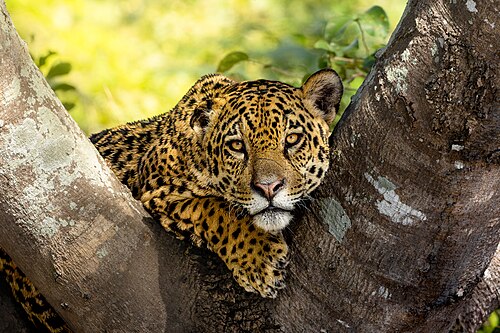 JaguarPanthera onca
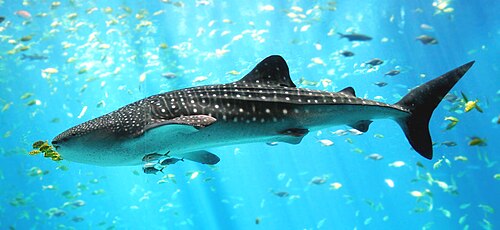 Whale sharkRhincodon typus
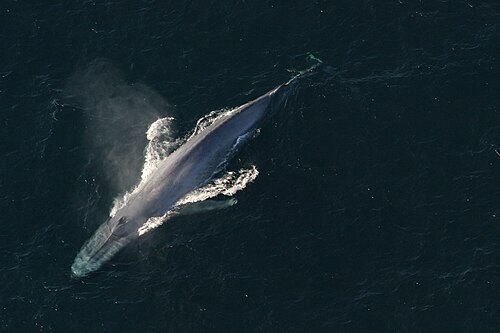 Blue whaleBalaenoptera musculus
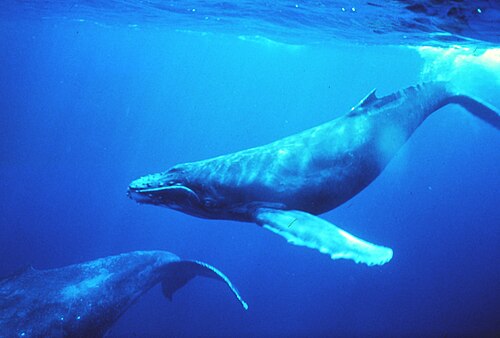 Humpback whaleMegaptera novaeangliae
Where can you see them?
- Lagunas de Montebello National ParkEstablished 1959 · 6,425 km²
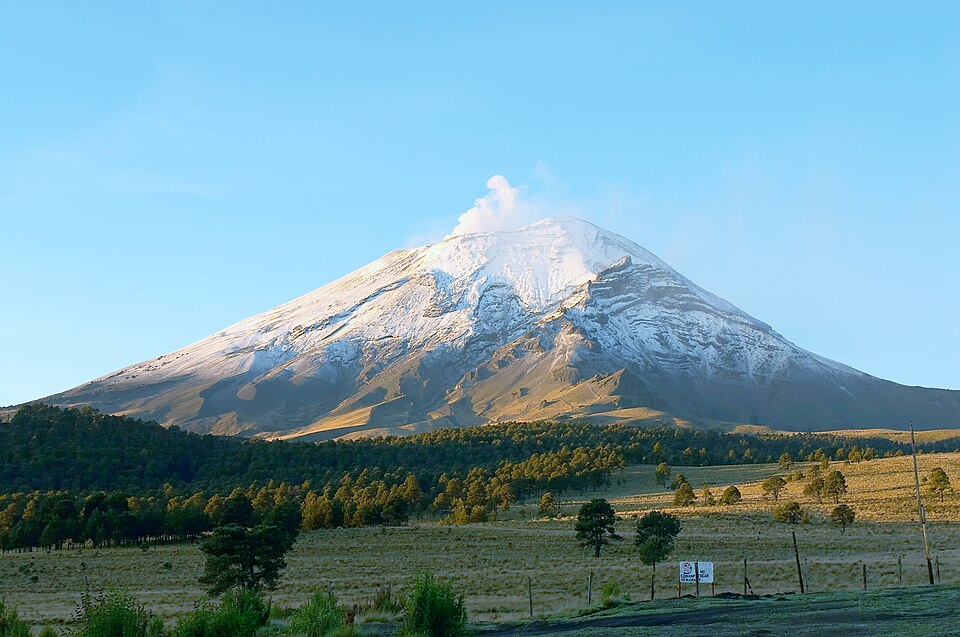
- Iztaccíhuatl–Popocatépetl National ParkEstablished 1935 · 39,819 km²
- Parque Nacional Cumbres de MonterreyEstablished 2000 · 177,396 km²
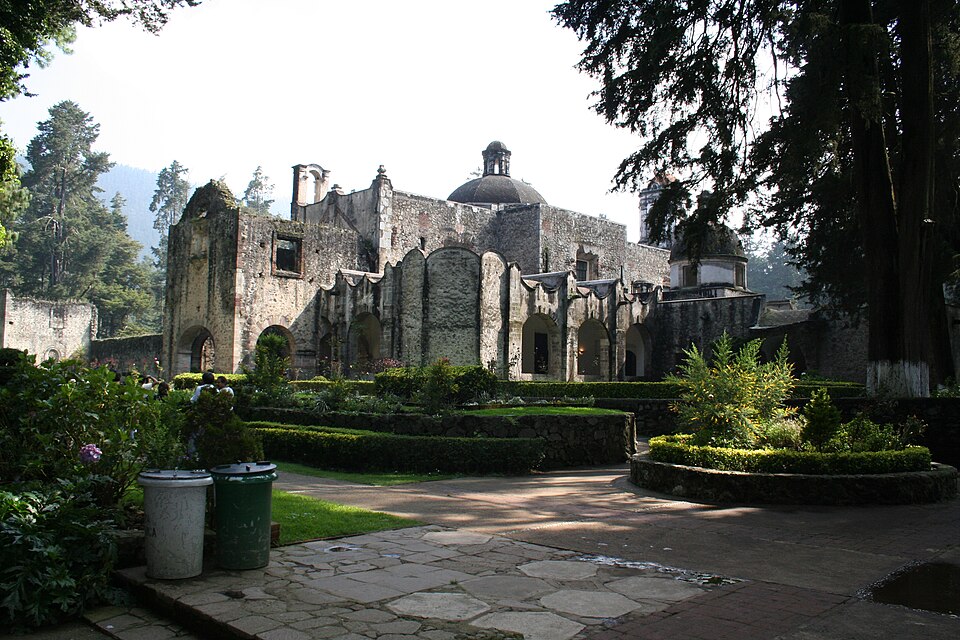
- Desierto de los Leones National ParkEstablished 1917 · 15 km²
- Nevado de Colima National ParkEstablished 1936 · 6,555 km²
- Benito Juárez National ParkEstablished 1937 · 2,592 km²
What is putting pressure on nature here?
Forests and other habitats are lost to farming, cattle and growing towns, and water is scarce in much of the north. Islands have suffered from introduced animals, and coasts and seas face overfishing and pollution.
Who is working on it
Comprehensive Island Restoration in Mexico
Long-running restoration of Mexican islands: removing invasive species, bringing back native habitat and seabirds, and preventing new invasions.
Read about the project in ImpactProfiled from public sources. Not a 4Planet partnership.
Learn more about Mexico
Explore next
What puts Mexico under pressure, what helps, and who works on it.
Mexico on the living planet
Keep exploring from Mexico
Cities in Mexico
Species pages with records from Mexico
House sparrowGreat egretScarlet flycatcherRock doveYellow-rumped warblerBarn swallowOspreyBlack-crowned night heronNorthern cardinalAmerican robinNorthern shovelerSong sparrow
Countries nearby
Sources and photo credits
- Wikidata · Mexico (Q96), facts and national parks
- Convention on Biological Diversity · Mexico country profile
- GBIF · human observations in Mexico, used to choose the species
- 4Planet Impact · Comprehensive Island Restoration in Mexico
- Natural Earth · country borders, public domain
- NASA GIBS · Blue Marble imagery, public domain
- Iztaccíhuatl–Popocatépetl National Park, Mexico: Jakub Hejtmánek, CC BY-SA 3.0
- Desierto de los Leones National Park, Mexico: Rage against, CC BY-SA 3.0
- Benito Juárez National Park, Mexico: Prsjl, CC BY-SA 4.0
- Lagunas de Chacahua National Park, Mexico: Gary Denness, CC BY-SA 2.0
- Grutas de Cacahuamilpa National Park, Mexico: Thelmadatter, CC BY-SA 3.0
- Monarch butterfly: Didier Descouens, CC BY-SA 4.0
- Jaguar: Thiagomarcelcampi, CC BY-SA 4.0
- Whale shark: User:Zac Wolf (original), en:User:Stefan (cropping), CC BY-SA 2.5
- Blue whale: NOAA Photo Library, Public domain
- Humpback whale: Dr. Louis M. Herman., Public domain


Borders and the capital show where Mexico is. Wildlife records show where people have seen animals, not where they all live today.
Checked 2026-11-19.