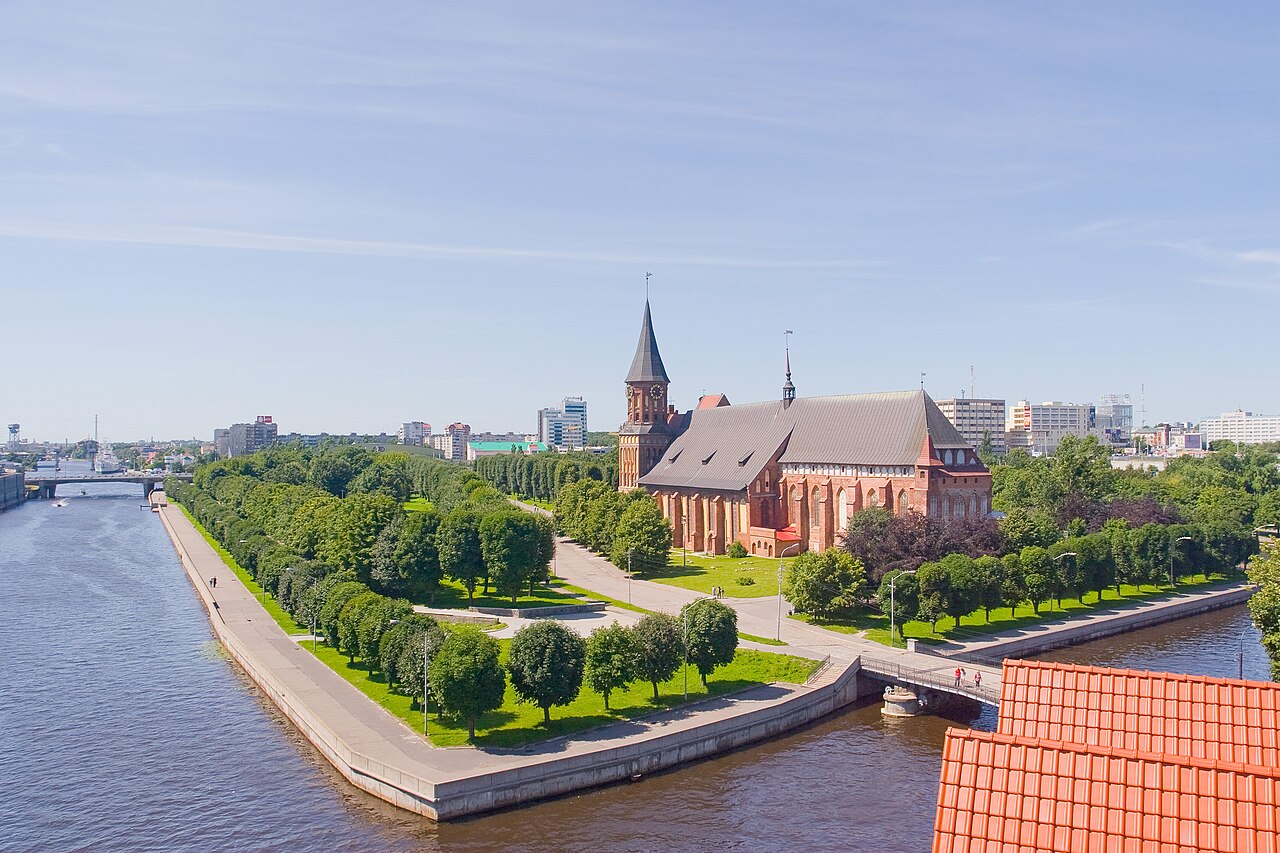
Kaliningrad
City in Russia
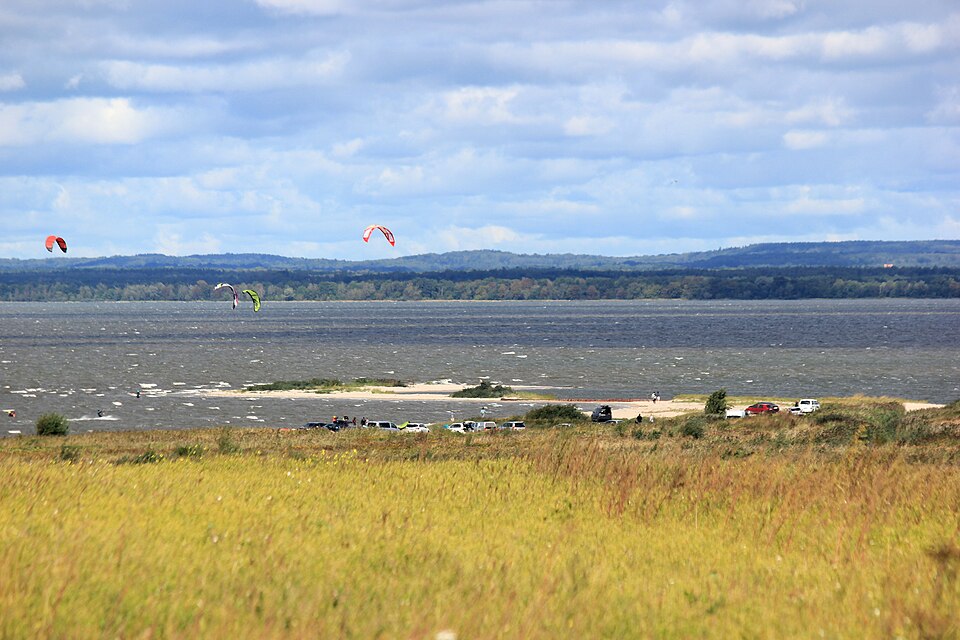
Within 30 km of the centre of Kaliningrad, the nature places people read about most are Sambia Peninsula, Pregolya, Lower Pond and Galtgarben Hill.
People have shared 37,111 wildlife records within 50 km of Kaliningrad in the last ten years. The wild animals recorded most often are the mallard, the black-headed gull, the common wood pigeon, the common blackbird and the hooded crow. Since the 1980s the area has become about 1.7 °C warmer.
Of the 255 cities on Atlas, Kaliningrad has the 38th strongest warming since the 1980s.
- Country
- Russia
- Population
- 488,690
- Area
- 225 km²
- Elevation
- 5 m
- Currency
- Russian ruble
- Daylight
- 7 to 17 hours
Figures from Wikidata; population 2025.
Kaliningrad on the map
- Sambia Peninsula
- Pregolya
- Lower Pond
- Galtgarben Hill
- Kaliningrad Central Park
- Upper Pond
- Świeża
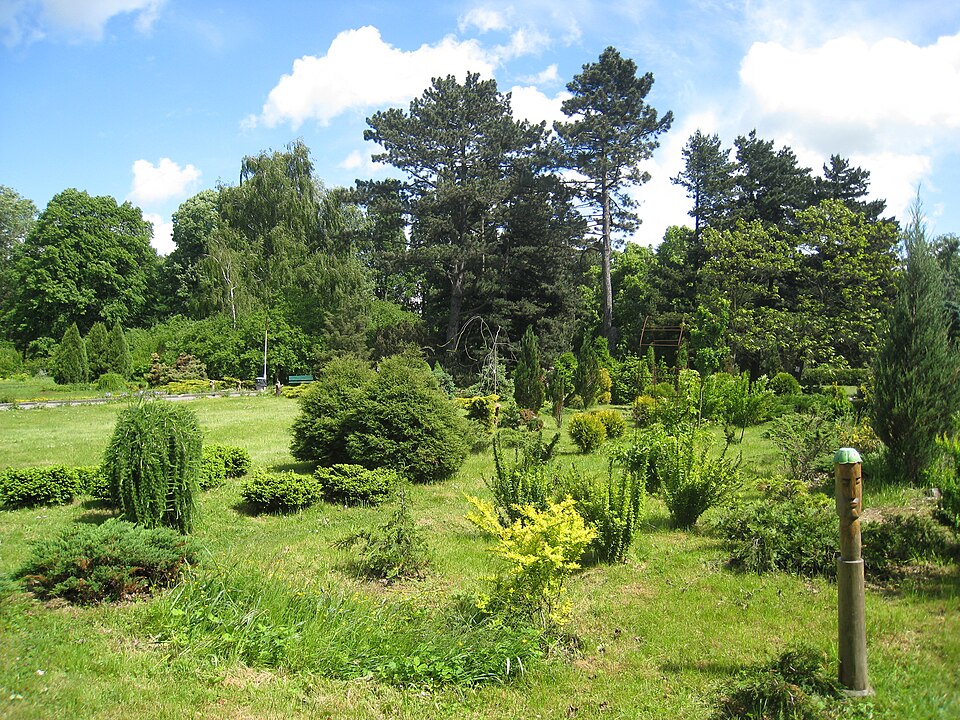
- Botanical Garden of the Baltic Federal University Kant
- Trostyanka
Nature close to Kaliningrad
The places people read most about, from the centre outwards.

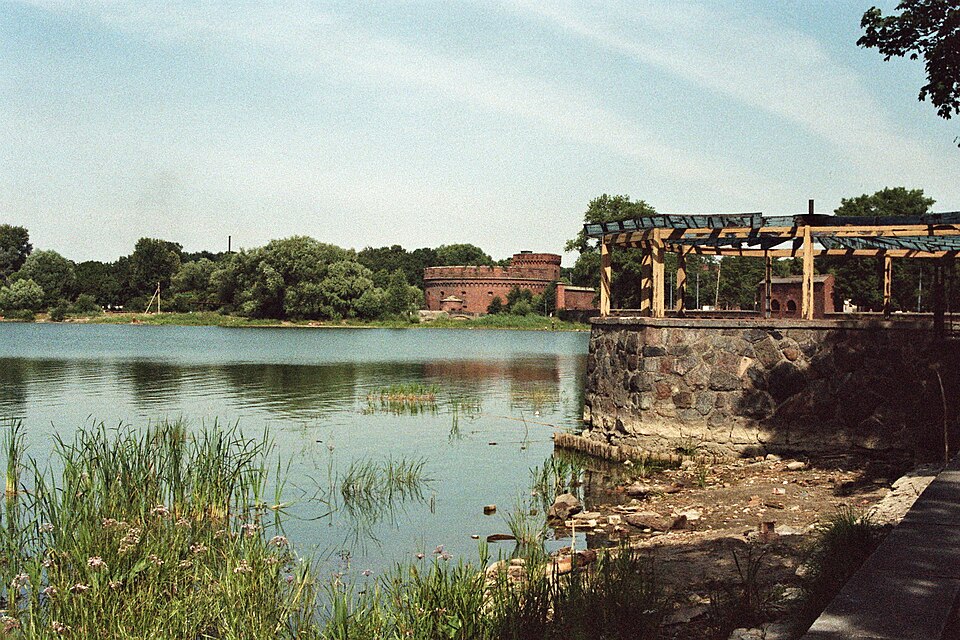
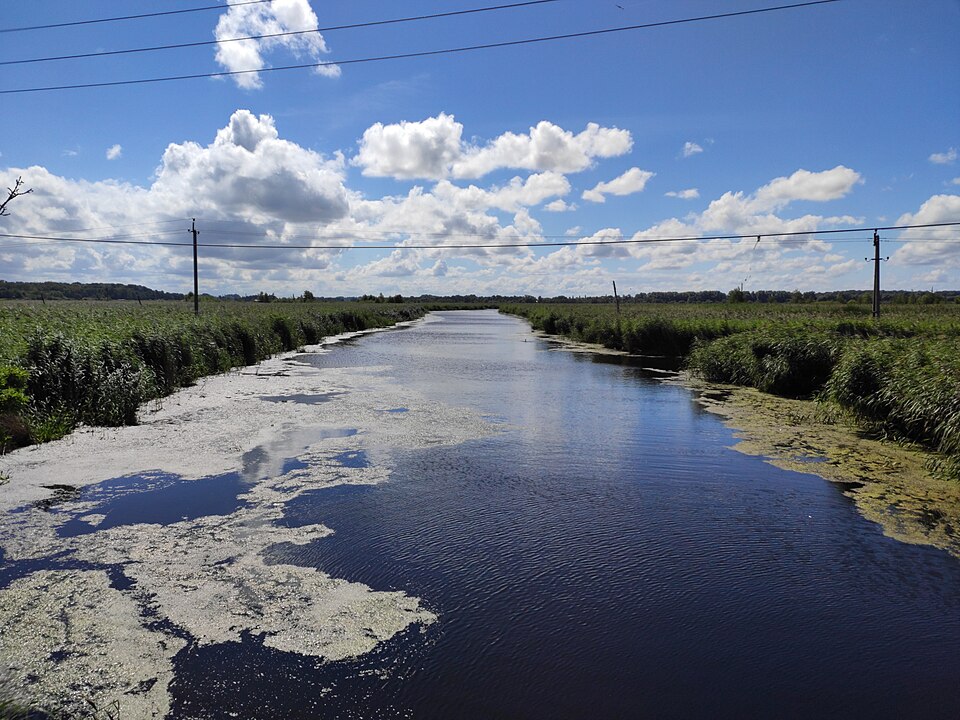
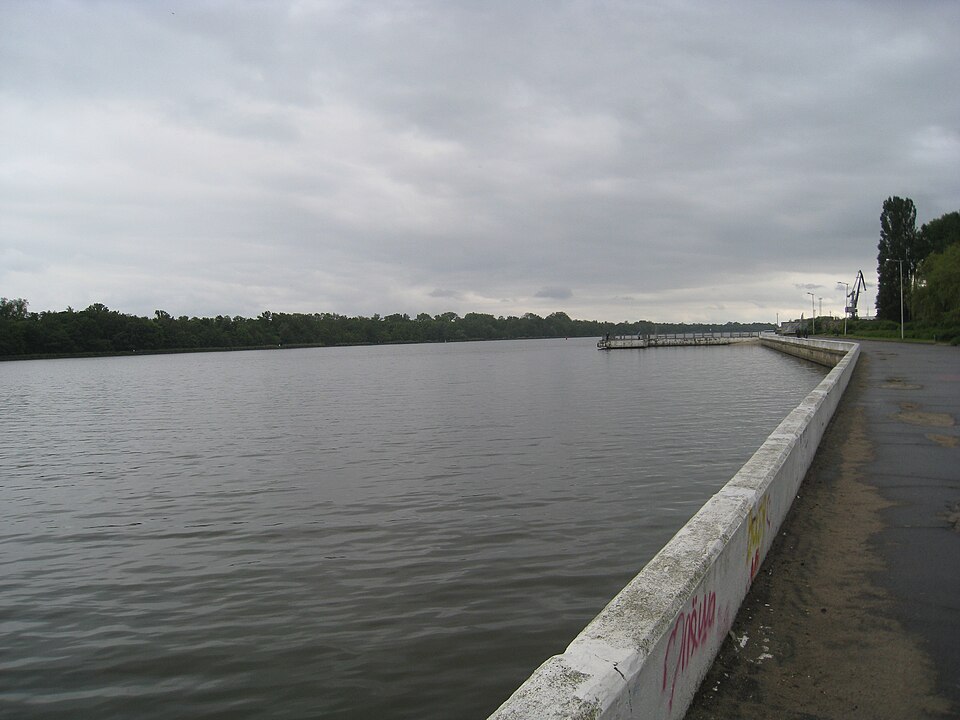
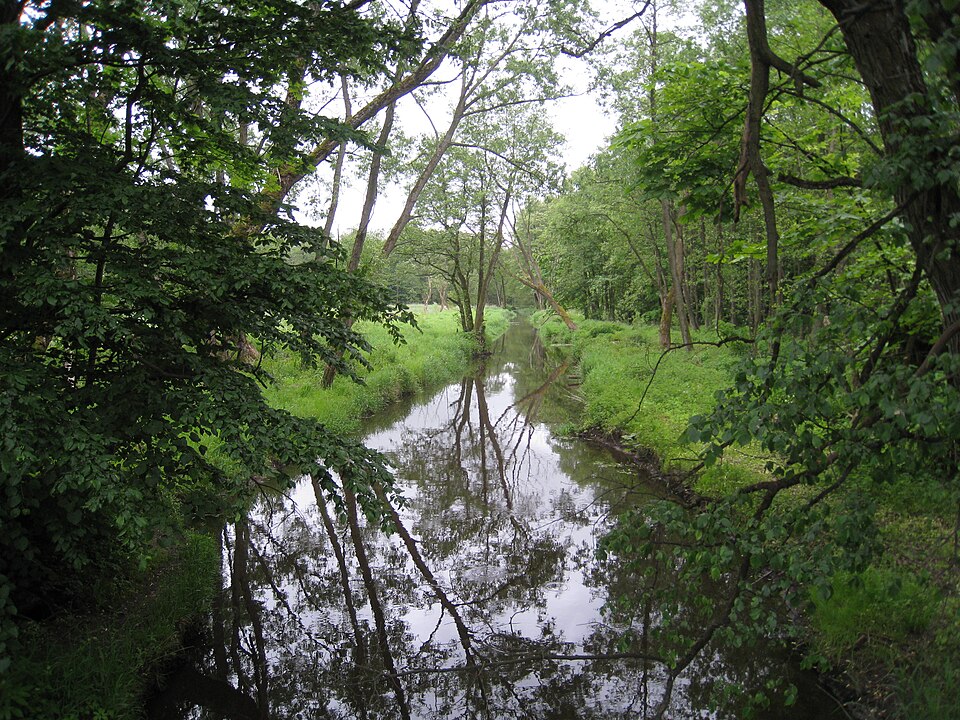
- Lower Pond Lake · 1 km
- Galtgarben Hill Hill · 20 km
- Kaliningrad Central Park Park · 1 km
- Świeża River · 20 km
- Baydukovka River · 30 km
- Bolshaya Moryanka River · 27 km
- Mayskaya River · 21 km
Long-distance trails through the area: Jakobsweg Via Baltica Russland (137 km).
Routes from OpenStreetMap via Waymarked Trails. Not checked by 4Planet: follow local signs and conditions.
Wildlife around Kaliningrad
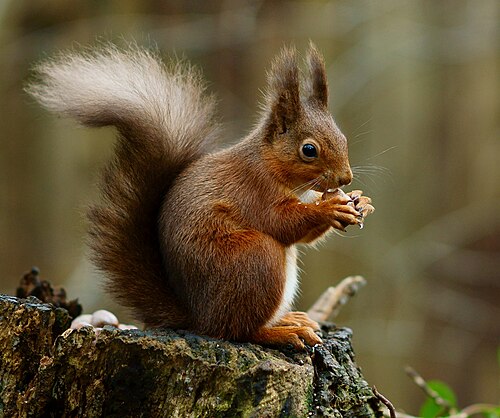
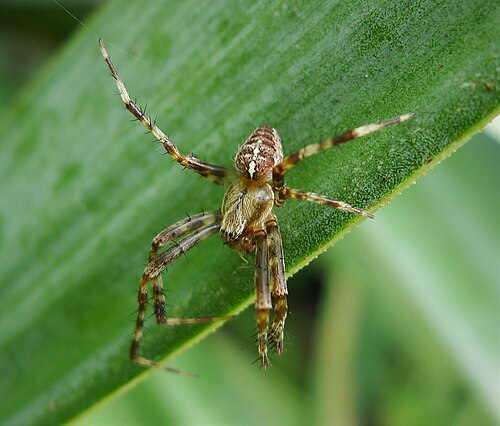
The wild animals people record most within 50 km, 2016–2025. Tick the ones you have seen to build your own list.


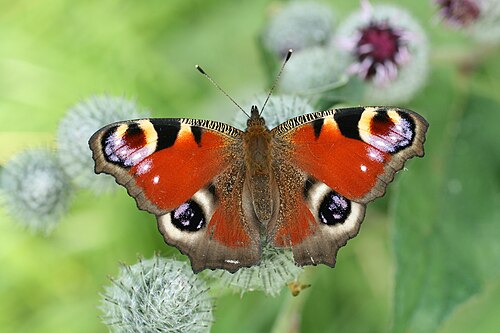


Seen in the last 30 days
What can you see near Kaliningrad now?
Month by month, from 37,111 records people shared within 50 km, 2016–2025.
At their peak in January

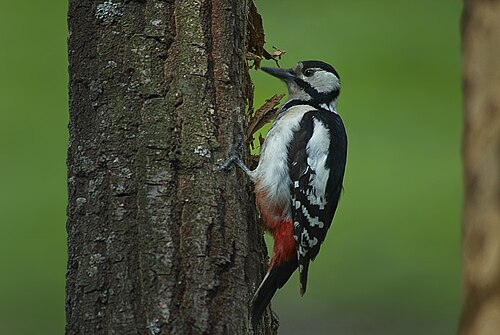
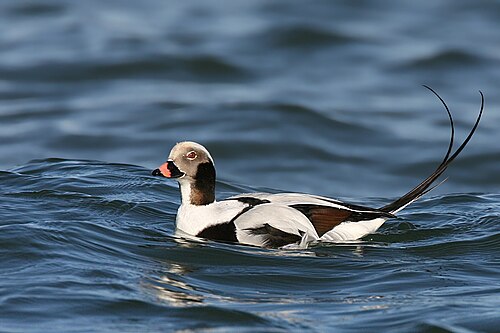

Most seen in January

1,602 animal records in January.
At their peak in February
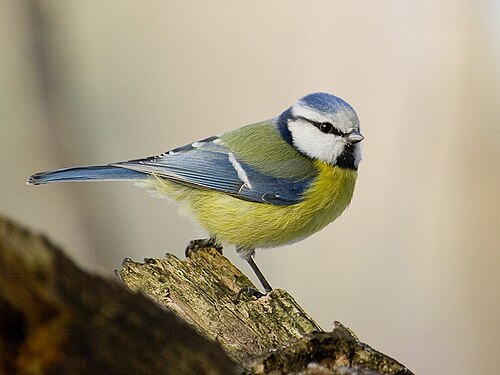
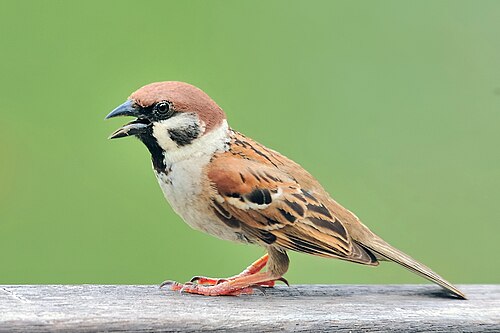

Most seen in February
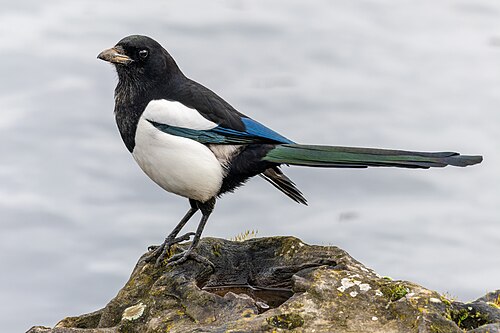
1,554 animal records in February.
At their peak in March

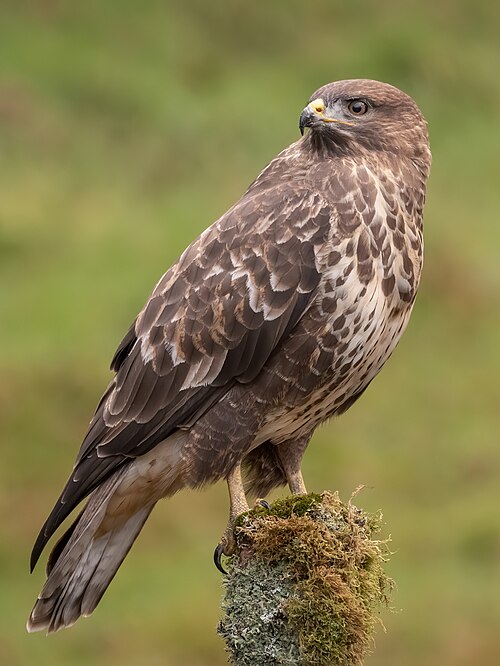
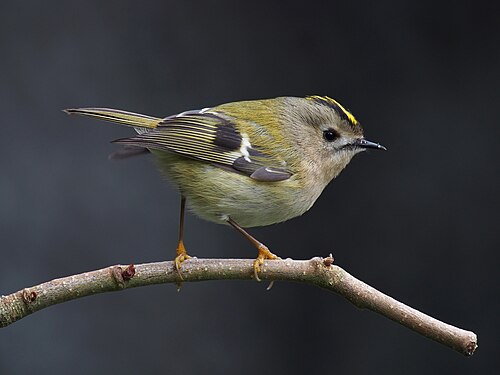
Most seen in March
2,666 animal records in March.
At their peak in April


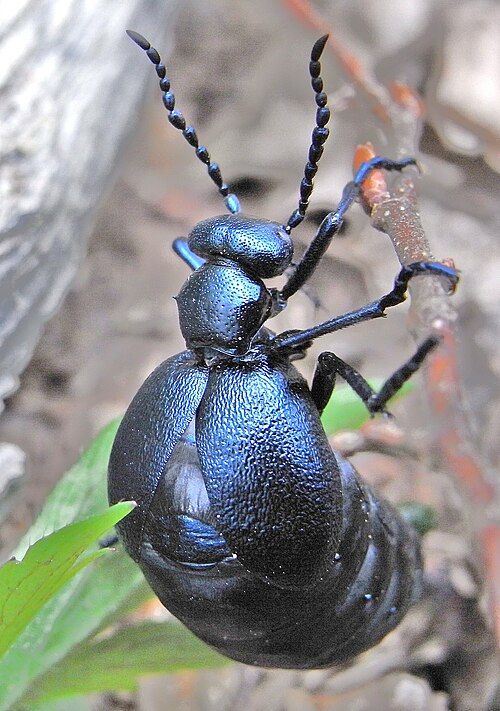
Most seen in April

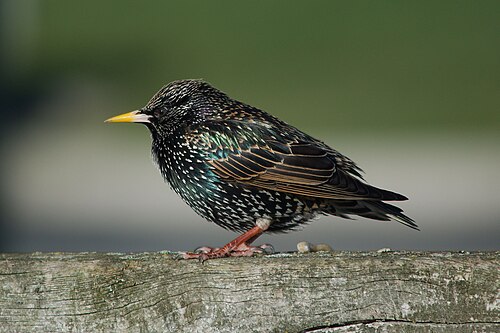
Plants and fungi at their peak in April


3,862 animal records in April.
At their peak in May

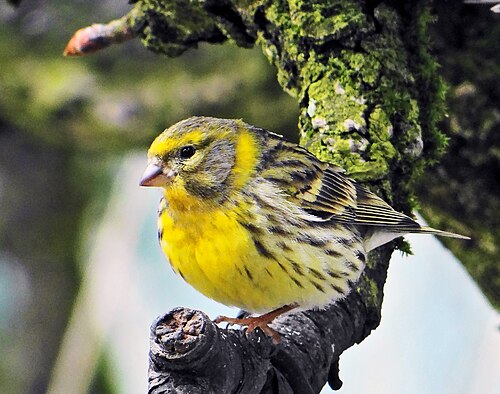
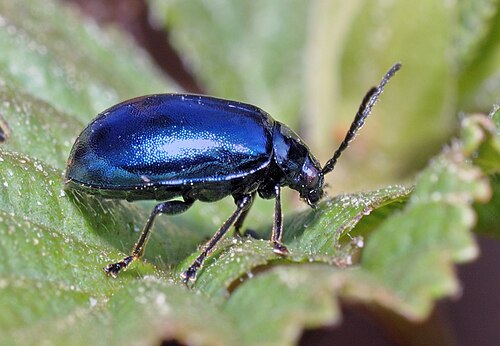

Most seen in May

Plants and fungi at their peak in May
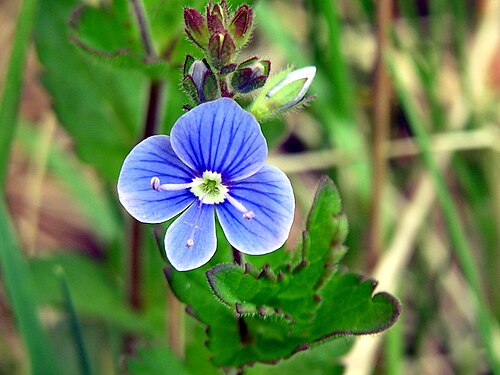
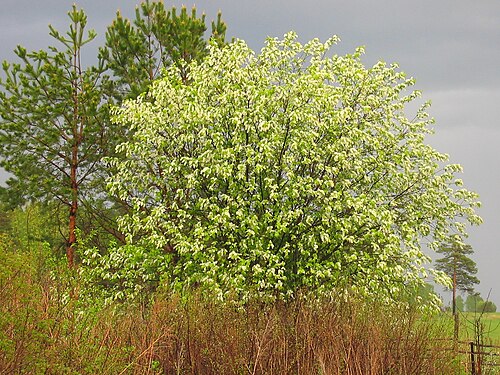

6,214 animal records in May.
At their peak in June


Most seen in June

Plants and fungi at their peak in June

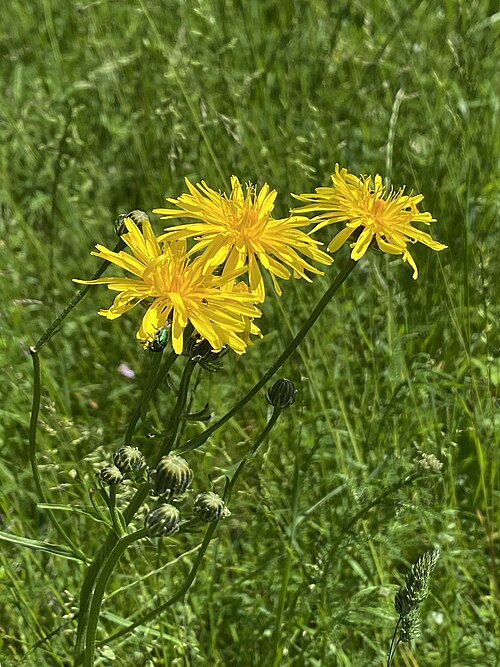

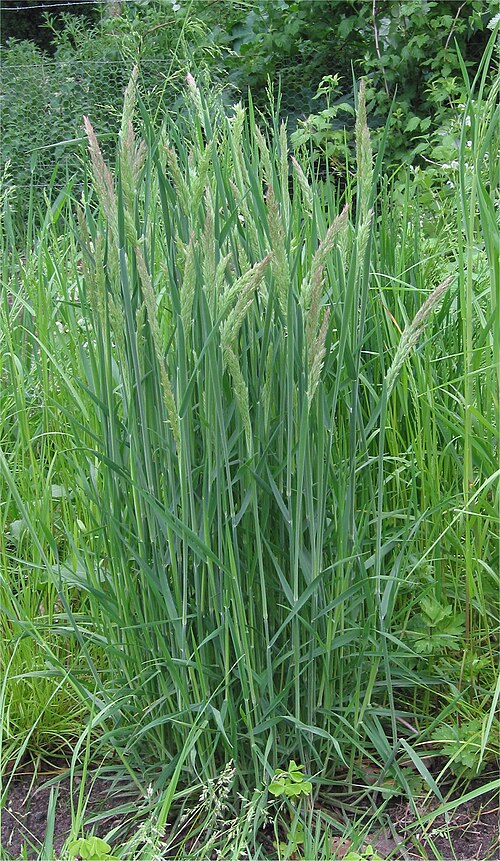
4,655 animal records in June.
At their peak in July


Most seen in July

Plants and fungi at their peak in July
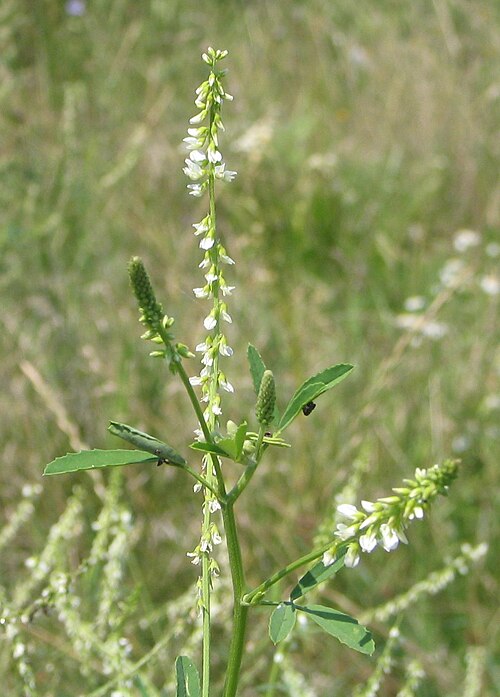


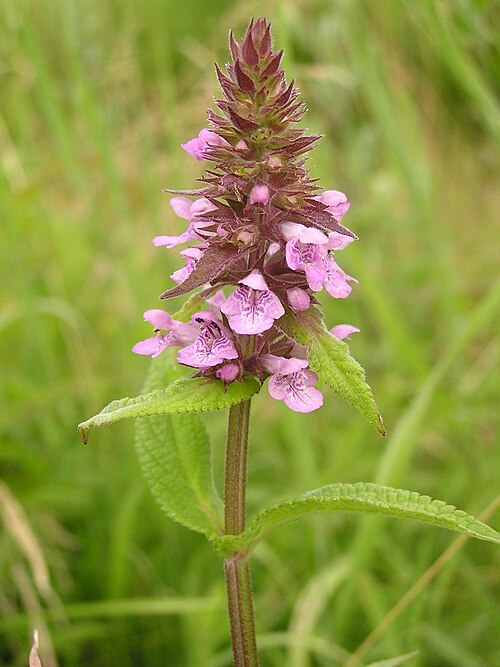
4,315 animal records in July.
At their peak in August
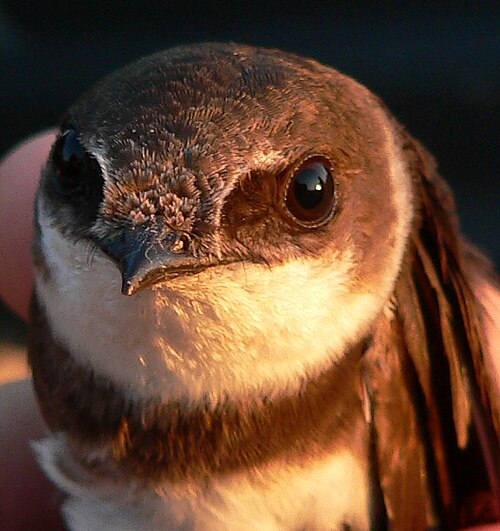
Most seen in August

Plants and fungi at their peak in August

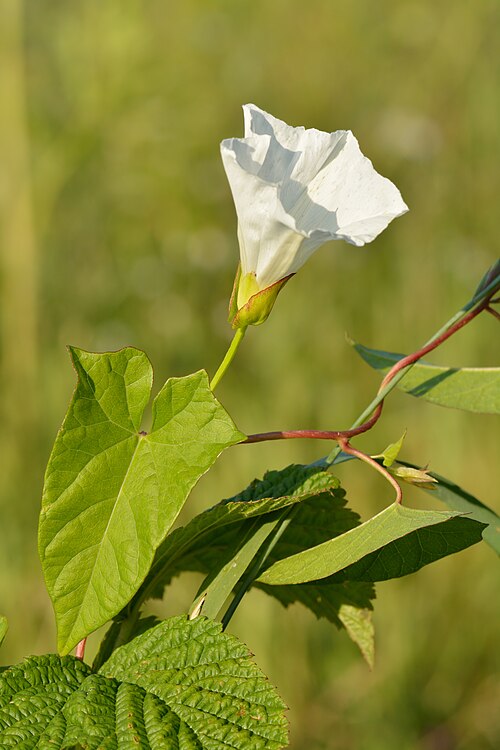

4,597 animal records in August.
At their peak in September
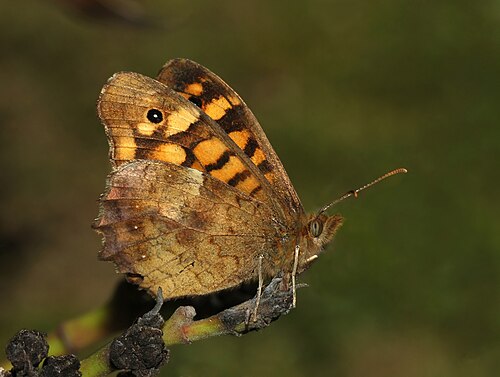
Most seen in September

Plants and fungi at their peak in September


3,302 animal records in September.
At their peak in October
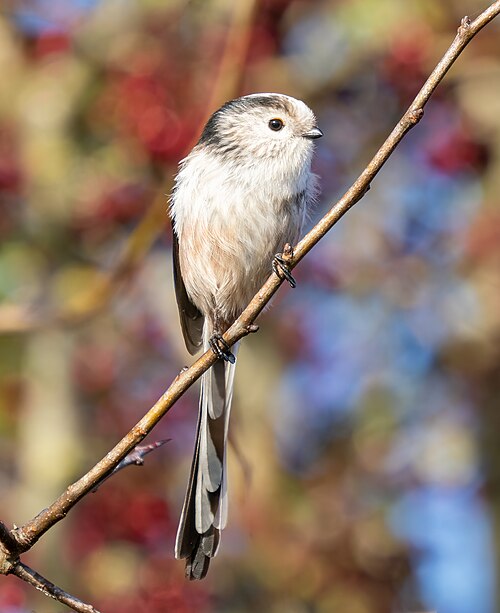
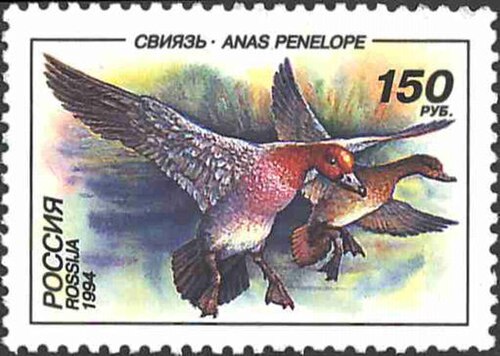
Most seen in October
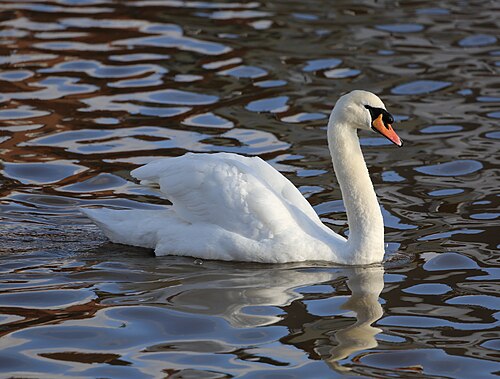
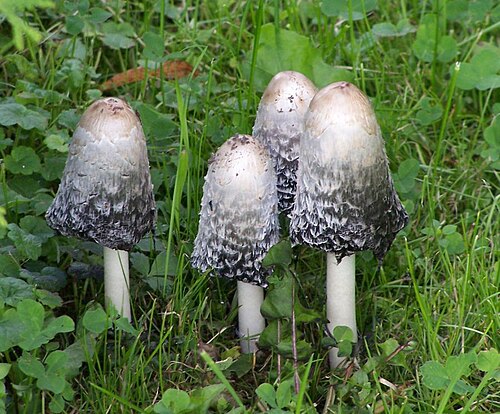
Plants and fungi at their peak in October


1,342 animal records in October.
At their peak in November
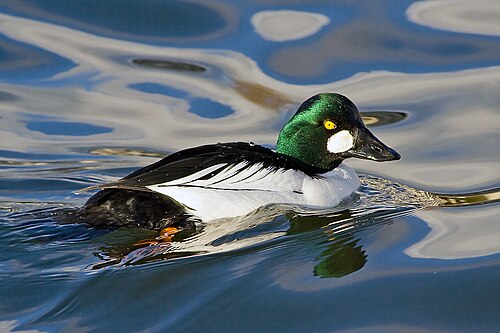
Most seen in November
1,535 animal records in November.
At their peak in December
Most seen in December
1,467 animal records in December.
Kaliningrad is getting warmer
+1.7 °CAverage temperature around Kaliningrad in 2016–2025, compared with 1981–1990.
Daylight: about 7 hours in December and 17 in June.
Seen something near Kaliningrad?
Share a photo of it on iNaturalist. Other naturalists help name it, and confirmed records go to GBIF, where scientists use them. That is where the lists on this page come from.
Explore next
What puts Kaliningrad under pressure, what helps, and who works on it.
Kaliningrad on the living planet
More places near Kaliningrad
Sources and photo credits
- Wikidata · Kaliningrad (Q1829), facts and nature places
- Wikipedia page views · how well known each nature place is
- OpenStreetMap contributors via Waymarked Trails · marked walking routes (ODbL)
- GBIF · human observations within 50 km, 2016–2025 (37,111 animal records)
- NASA POWER · yearly temperature from satellite and model data (MERRA-2)
- MET Norway · weather now (shown live)
- Kaliningrad, Russia: Gumerov Ildar, Public domain
- Sambia Peninsula, Kaliningrad: Julian Nyča, CC BY-SA 3.0
- Pregolya, Kaliningrad: Vasilii Martynov, CC BY-SA 4.0
- Upper Pond, Kaliningrad: Huhu Uet, CC BY-SA 3.0
- Botanical Garden of the Baltic Federal University Kant, Kaliningrad: Bars 23, CC BY-SA 3.0
- Trostyanka, Kaliningrad: Avsolov, CC BY-SA 4.0
- Kaliningrad Canal, Kaliningrad: Bars 23, CC BY-SA 3.0
- Guryevka, Kaliningrad: Bars 23, CC BY-SA 3.0
- Mallard: Rolf Dietrich Brecher from Germany, CC BY 2.0
- Black-headed gull: Diliff, CC BY-SA 3.0
- Common wood pigeon: Don Loarie, CC BY 4.0
- Common blackbird: Hobbyfotowiki, CC0
- Hooded crow: Donald Hobern from Copenhagen, Denmark, CC BY 2.0
- Red admiral: Toni Wöhrl, CC BY-SA 4.0
- Peacock: Korall, CC BY-SA 3.0
- Eurasian red squirrel: Peter Trimming, CC BY 2.0
- Cross orbweaver: gailhampshire from Cradley, Malvern, U.K, CC BY 2.0
- Firebug: hedera.baltica from Wrocław, Poland, CC BY-SA 2.0
- Roe deer: Jerzystrzelecki, CC BY 3.0
- Grove snail: A. Abrahami, CC BY-SA 3.0
- Great tit: Frank Vassen from Brussels, Belgium, CC BY 2.0
- Fieldfare: Frankie Fouganthin, CC BY-SA 4.0
- Great spotted woodpecker: Плешков Алексей, CC BY-SA 3.0
- Long-tailed duck: Wolfgang Wander, CC BY-SA 3.0
- Eurasian nuthatch: Chme82, CC BY-SA 4.0
- Eurasian magpie: Alexis Lours, CC BY 4.0
- Eurasian blue tit: Sławek Staszczuk, CC BY-SA 3.0
- Eurasian tree sparrow: Yiwenyiwen, CC BY-SA 4.0
- Rook: Brian Snelson from Hockley, Essex, England, CC BY 2.0
- Common crane: Andreas Eichler, CC BY-SA 4.0
- Common buzzard: caroline legg, CC BY 2.0
- Goldcrest: Francis C. Franklin, CC BY-SA 3.0
- Eurasian chaffinch: Gilles San Martin from Namur, Belgium, CC BY-SA 2.0
- Common starling: marsupium photography, CC BY-SA 2.0
- Sheep tick: Richard Bartz, CC BY-SA 2.5
- Common firecrest: Frank Vassen, CC BY 2.0
- Northern lapwing: Andreas Trepte, CC BY-SA 2.5
- Violet oil beetle: Siga, CC BY-SA 3.0
- Wood anemone: W. Bulach, CC BY-SA 4.0
- Lesser celandine: AnRo0002, CC0
- Ground ivy: AnRo0002, CC0
- Red dead-nettle: Daniel J. Layton, CC BY-SA 4.0
- Common redstart: Aconcagua (talk), CC BY-SA 3.0
- Eurasian blackcap: Ron Knight from Seaford, East Sussex, United Kingdom, CC BY 2.0
- European serin: Ghislain38, CC BY-SA 3.0
- Alder leaf beetle: André Karwath aka Aka, CC BY-SA 2.5
- Thrush nightingale: cheloVechek / talk, CC BY-SA 4.0
- Germander speedwell: Algirdas at Lithuanian Wikipedia, CC BY-SA 3.0
- Bird cherry: Игоревич, Public domain
- Wild chervil: Asaspor, CC BY-SA 3.0
- White wagtail: Jac. Janssen from BAARLO LB, NL, CC BY 2.0
- Common whitethroat: Steve Garvie from Dunfermline, Fife, Scotland, CC BY-SA 2.0
- Whinchat: Artur Mikołajewski, CC BY 2.5
- Common starwort: Kristian Peters -- Fabelfroh 07:15, 26 September 2006 (UTC), CC BY-SA 3.0
- Rough hawksbeard: W. Bulach, CC BY-SA 4.0
- Marsh orchid: W. Bulach, CC BY-SA 4.0
- Yorkshire-fog: Rasbak, CC BY-SA 3.0
- Great cormorant: Mathew Schwartz, CC BY 3.0
- Red-backed shrike: Zeynel Cebeci, CC BY-SA 4.0
- Common swift: Alexis Lours, CC BY 4.0
- Common house martin: MPF, CC BY 2.5
- White melilot: No machine-readable author provided. Bogdan assumed (based on copyright claims)., CC BY-SA 3.0
- Woolly burdock: AnRo0002, CC0
- Garden yellow loosestrife: Kristian Peters -- Fabelfroh 15:11, 26 September 2005 (UTC), CC BY-SA 3.0
- Marsh woundwort: Michael Becker, CC BY-SA 3.0
- Rock dove: william_stephens, CC BY 4.0
- Sand martin: Axel Strauß, CC BY-SA 3.0
- Purple loosestrife: Ivar Leidus, CC BY-SA 3.0
- Hedge bindweed: Ivar Leidus, CC BY-SA 3.0
- Giant chickweed: Kurt Stüber [1], CC BY-SA 3.0
- European herring gull: Kulac, CC BY-SA 3.0
- Speckled wood: Alvesgaspar, CC BY-SA 3.0
- Hop: No machine-readable author provided. Rasbak assumed (based on copyright claims)., CC BY-SA 3.0
- European spindletree: AnRo0002, CC0
- Mute swan: Geni, CC BY-SA 4.0
- Long-tailed tit: Rhododendrites, CC BY-SA 4.0
- Eurasian wigeon: Почта России, Public domain
- Common sowthistle: T.Voekler, CC BY-SA 3.0
- Lawyer's wig: A. Uciechowska, CC BY-SA 3.0
- Shaggy soldier: sarefo, CC BY-SA 3.0
- Common goldeneye: Calibas, CC BY-SA 3.0


Wildlife records show where people have seen and shared plants and animals, not everything that lives here; some places and months are recorded more than others. Sensitive species are never shown with a month or as seen recently. Routes come from OpenStreetMap and are not checked by 4Planet: follow local signs and conditions. Climate figures are NASA estimates for the area around Kaliningrad, not a single weather station.
Checked 2026-11-27.