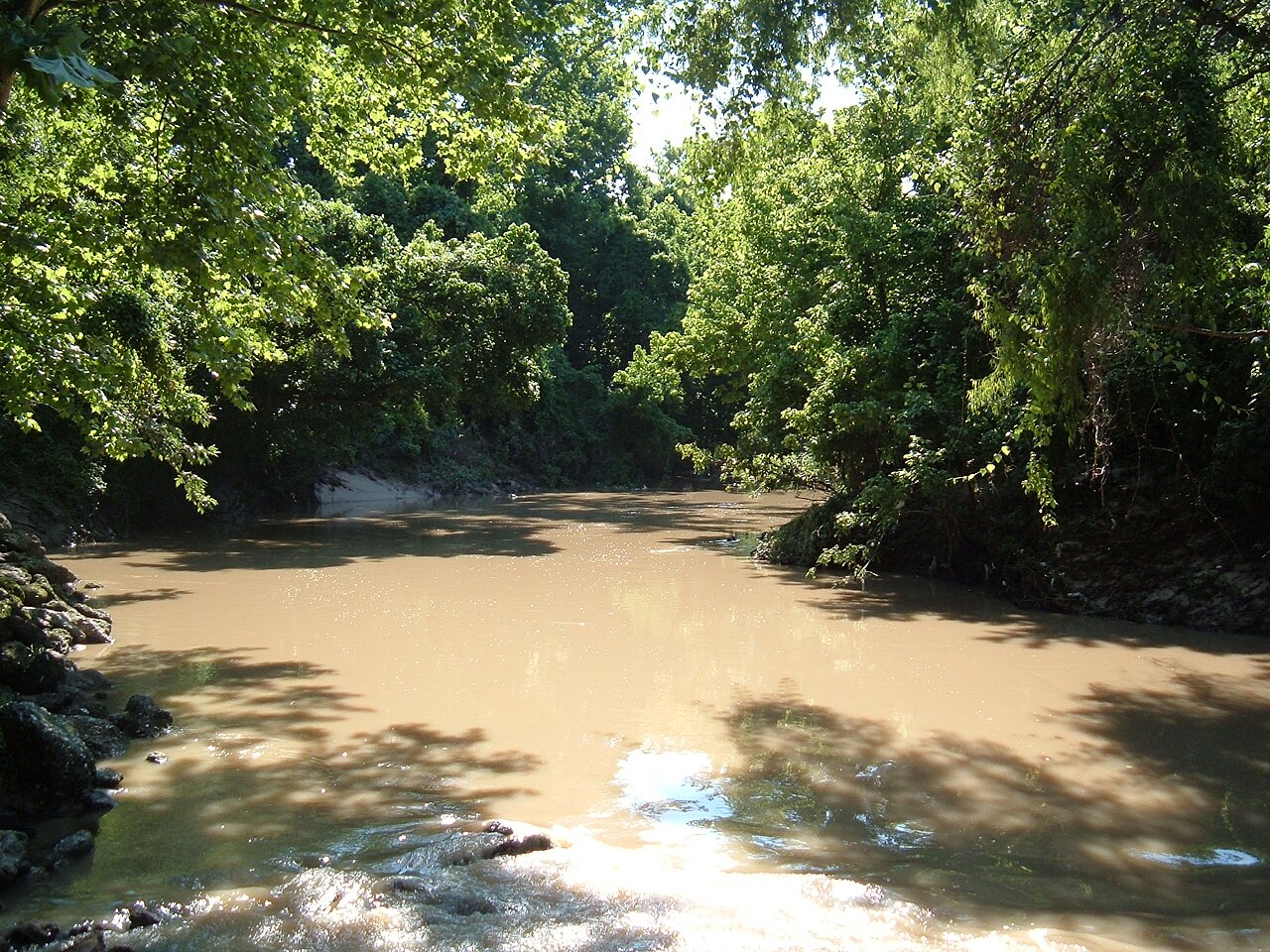
Houston
City in United States
Within 30 km of the centre of Houston, the nature places people read about most are Buffalo Bayou, Hermann Park, Addicks Reservoir and White Oak Bayou, and marked walks close to the city include South Louisiana Tunnel, North Travis Tunnel and North Louisiana Tunnel.
People have shared 5,322,481 wildlife records within 50 km of Houston in the last ten years. The wild animals recorded most often are the northern cardinal, the blue jay, the monarch, the eastern gray squirrel and the northern mockingbird. Since the 1980s the area has become about 1.7 °C warmer.
- Country
- United States
- Population
- 2.3 million
- Area
- 1,725 km²
- Elevation
- 13 m
- Currency
- United States dollar
- Daylight
- 10 to 14 hours
Figures from Wikidata; population 2020.
Houston on the map
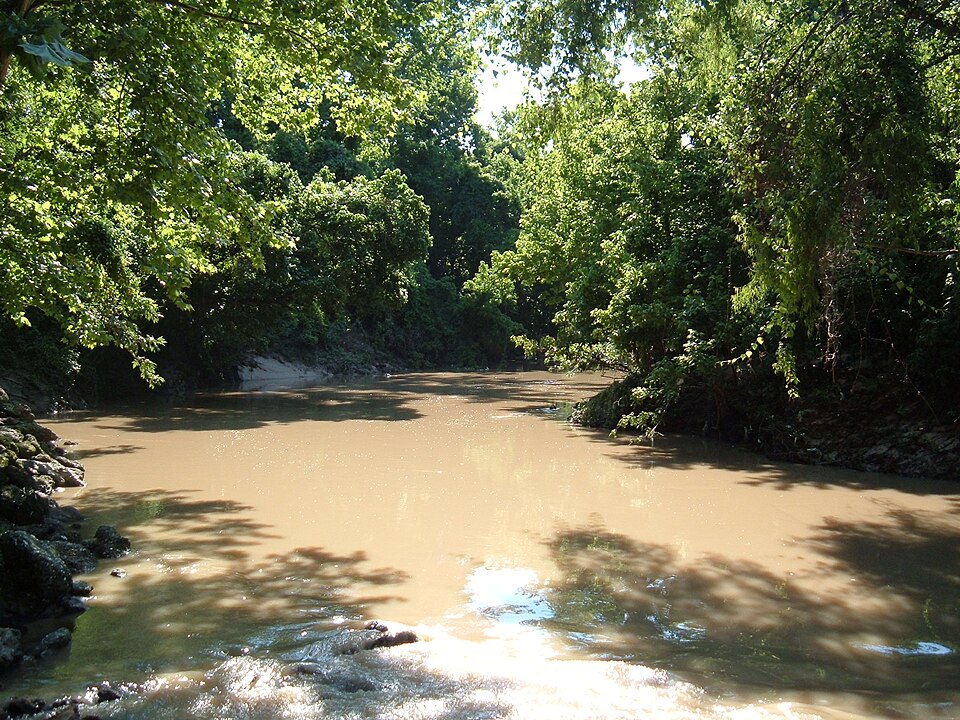
- Buffalo Bayou
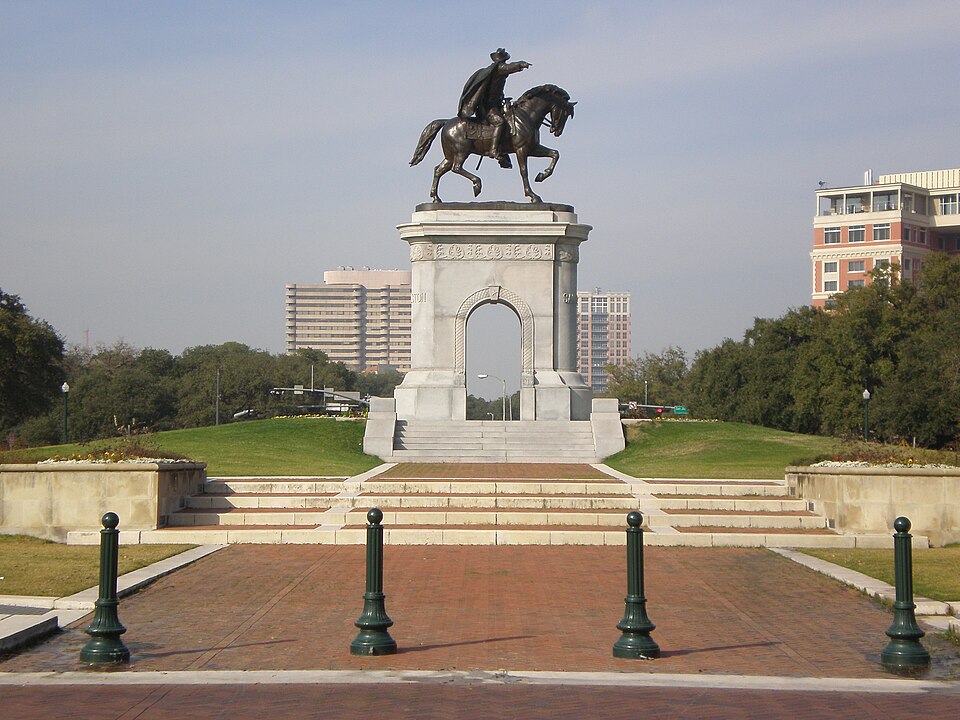
- Hermann Park
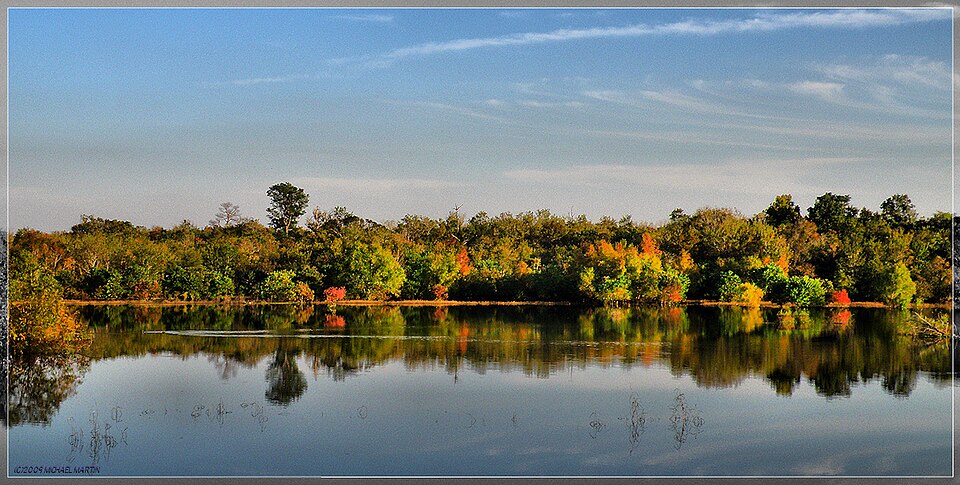
- Addicks Reservoir
- White Oak Bayou
- Brays Bayou
- Discovery Green
- Buffalo Bayou Park
- George Bush Park
- Emancipation Park
Nature close to Houston
The places people read most about, from the centre outwards.
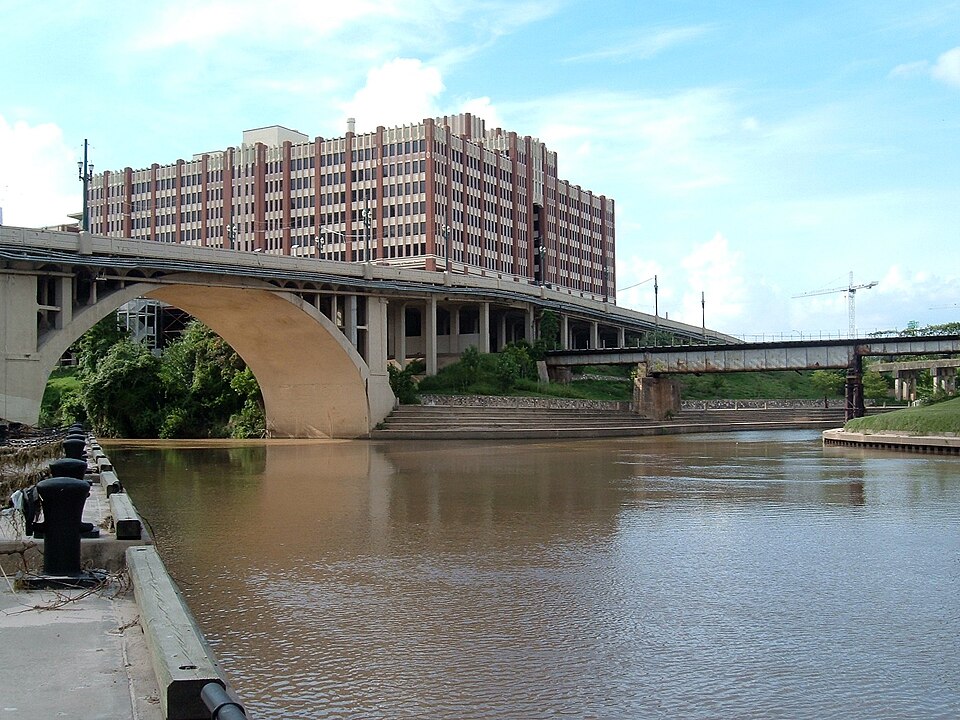

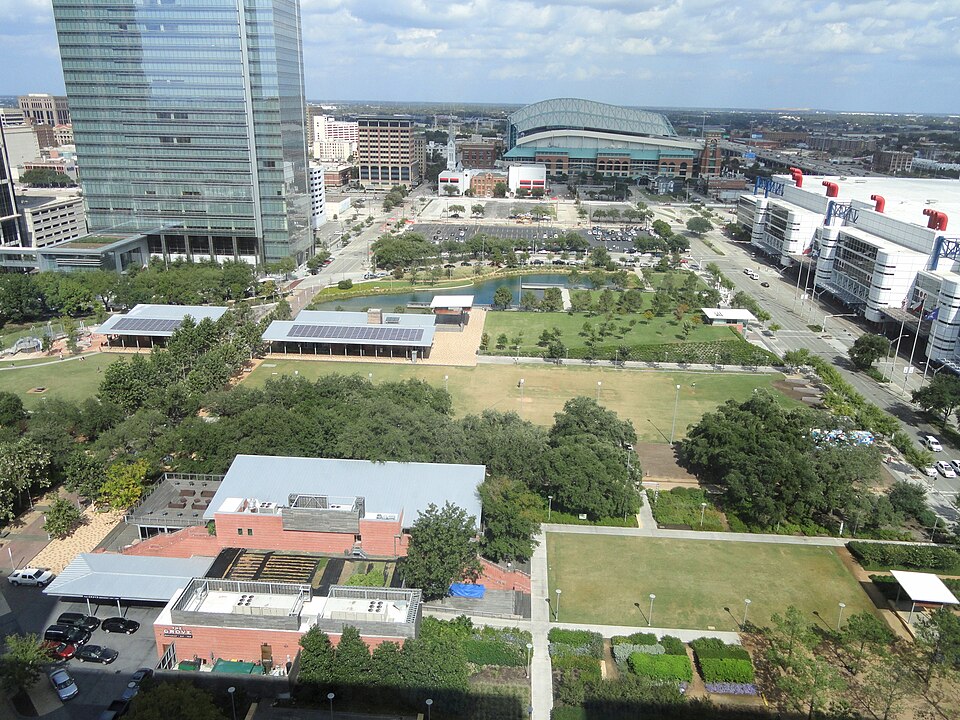


- George Bush Park Park · 30 km
- Emancipation Park Park · 3 km
- Barker Reservoir Reservoir · 25 km
- Mary Gibbs and Jesse H. Jones Reflection Pool Reflecting pool · 5 km
- Houston Arboretum and Nature Center Park · 7 km
- Sheldon Reservoir Reservoir · 24 km
Marked walks
- South Louisiana Tunnel1.2 km · 1 km from the centre
- North Travis Tunnel1.1 km · 2 km from the centre
- North Louisiana Tunnel1 km · 2 km from the centre
- Sims Bayou Greenway10.2 km · 13 km from the centre
Routes from OpenStreetMap via Waymarked Trails. Not checked by 4Planet: follow local signs and conditions.
Wildlife around Houston
The wild animals people record most within 50 km, 2016–2025. Tick the ones you have seen to build your own list.


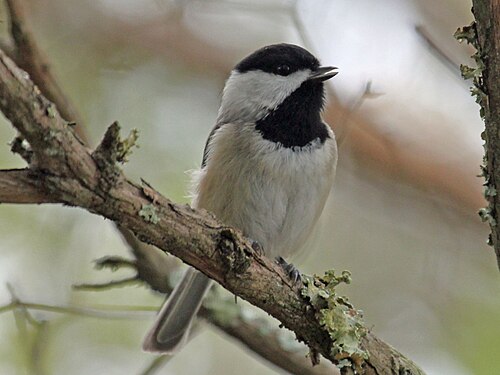
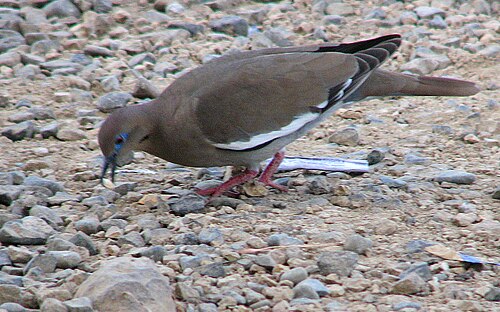

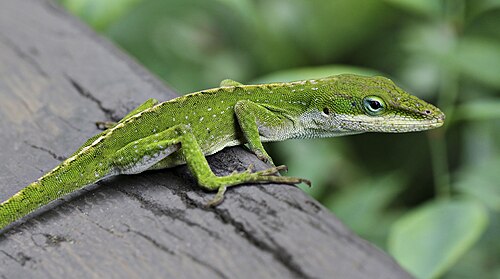

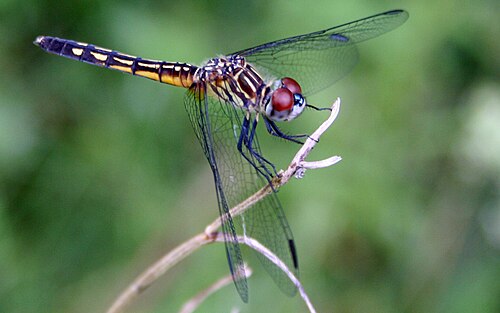
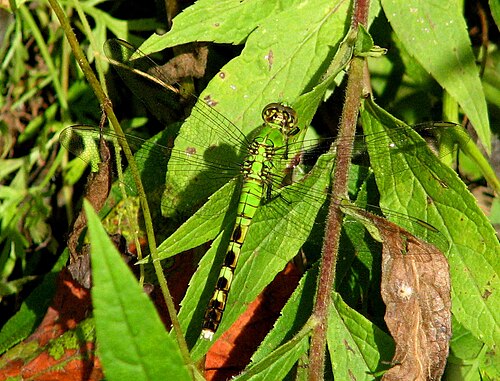
Seen in the last 30 days
What can you see near Houston now?
Month by month, from 5,322,481 records people shared within 50 km, 2016–2025.
At their peak in January


Most seen in January

549,988 animal records in January.
At their peak in February


Most seen in February
494,634 animal records in February.
At their peak in March


Most seen in March
Plants and fungi at their peak in March


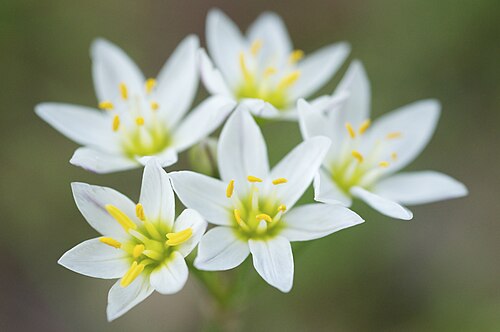
546,838 animal records in March.
At their peak in April
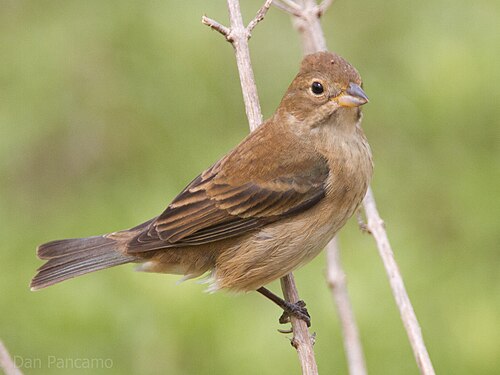


Most seen in April
Plants and fungi at their peak in April

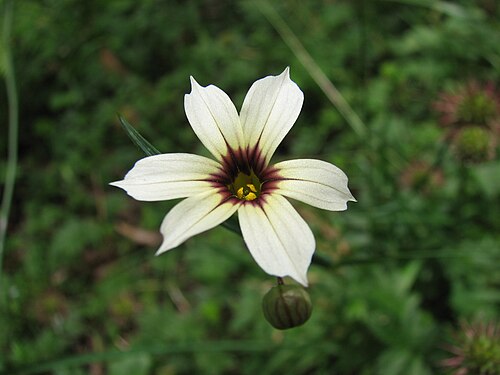
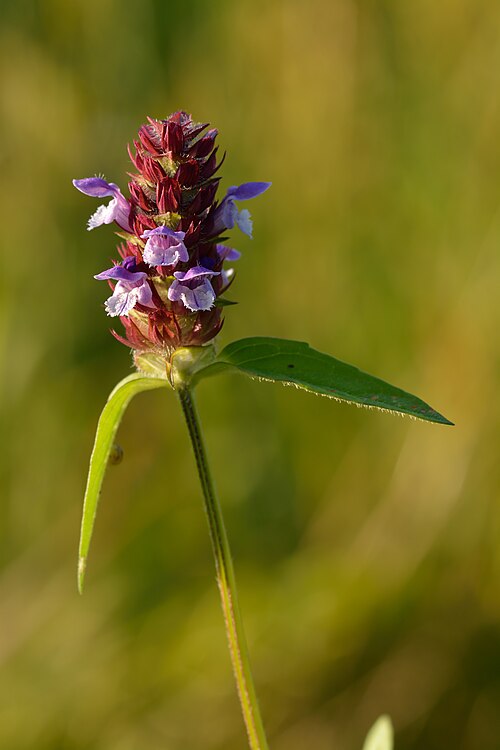
738,631 animal records in April.
At their peak in May
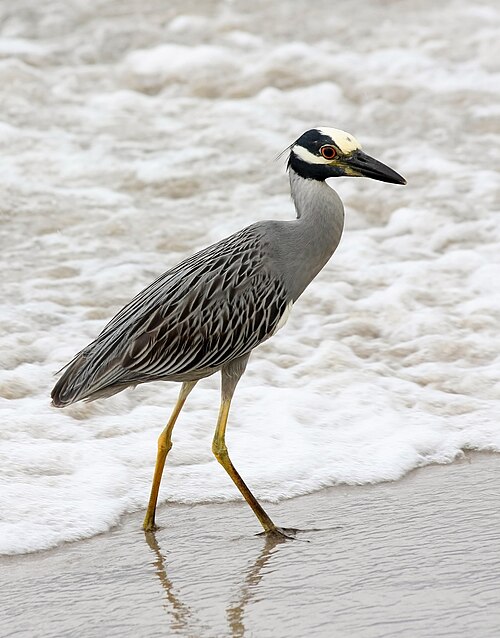

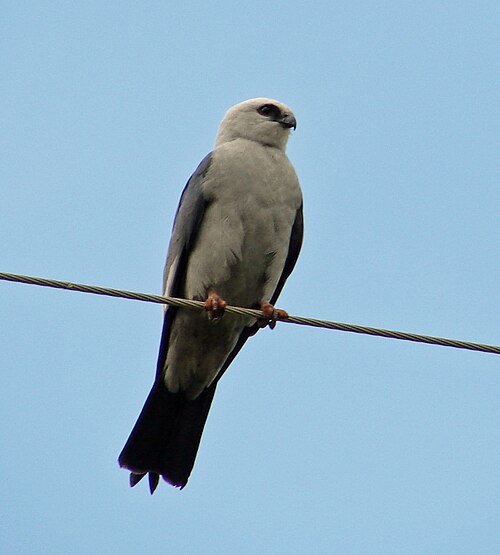

Most seen in May
Plants and fungi at their peak in May
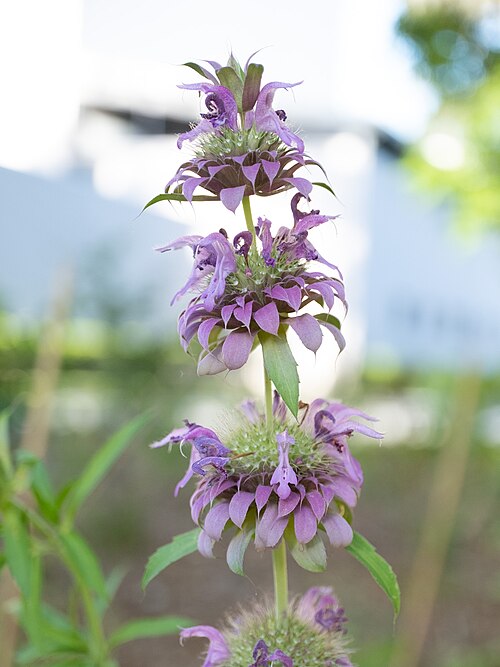
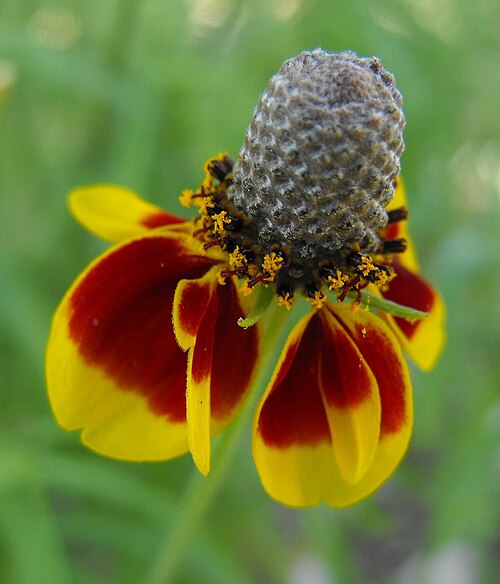
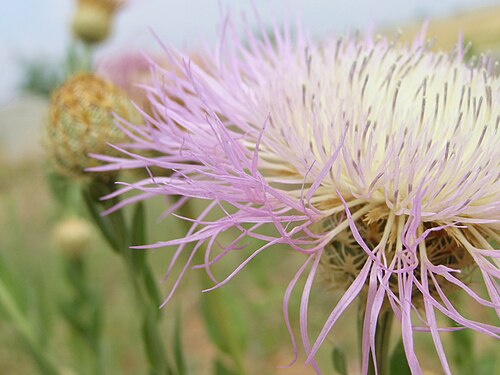
517,066 animal records in May.
At their peak in June

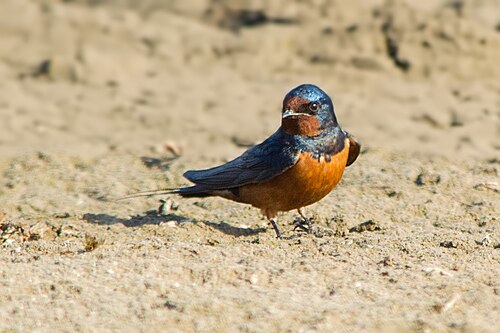

Most seen in June
Plants and fungi at their peak in June


278,915 animal records in June.
At their peak in July
Most seen in July
Plants and fungi at their peak in July


261,140 animal records in July.
At their peak in August
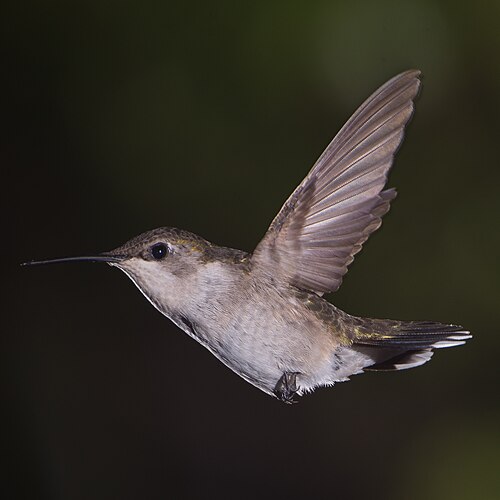
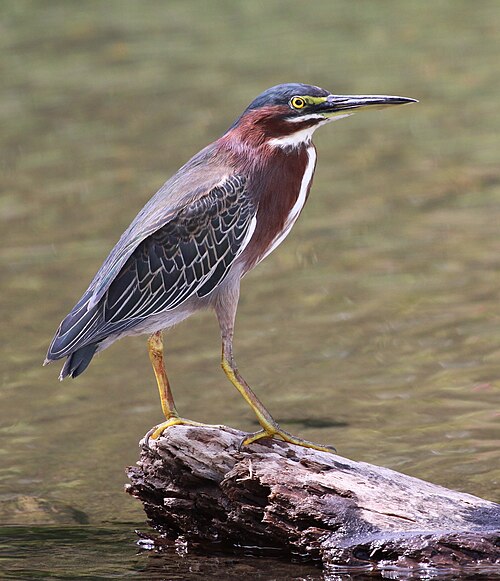
Most seen in August
Plants and fungi at their peak in August


272,809 animal records in August.
At their peak in September


Most seen in September
Plants and fungi at their peak in September


355,375 animal records in September.
At their peak in October


Most seen in October
Plants and fungi at their peak in October


407,365 animal records in October.
At their peak in November


Most seen in November
Plants and fungi at their peak in November
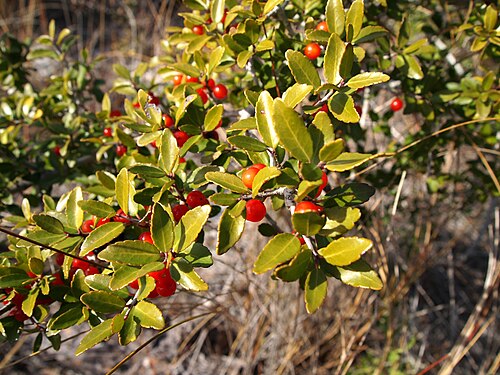

409,790 animal records in November.
At their peak in December

Most seen in December
489,930 animal records in December.
Houston is getting warmer
+1.7 °CAverage temperature around Houston in 2016–2025, compared with 1981–1990.
Daylight: about 10 hours in December and 14 in June.
Seen something near Houston?
Share a photo of it on iNaturalist. Other naturalists help name it, and confirmed records go to GBIF, where scientists use them. That is where the lists on this page come from.
Explore next
What puts Houston under pressure, what helps, and who works on it.
Houston on the living planet
More places near Houston
Sources and photo credits
- Wikidata · Houston (Q16555), facts and nature places
- Wikipedia page views · how well known each nature place is
- OpenStreetMap contributors via Waymarked Trails · marked walking routes (ODbL)
- GBIF · human observations within 50 km, 2016–2025 (5,322,481 animal records)
- NASA POWER · yearly temperature from satellite and model data (MERRA-2)
- MET Norway · weather now (shown live)
- Buffalo Bayou, Houston: Scott Ehardt, Public domain
- Buffalo Bayou, Houston: Scott Ehardt, Public domain
- Hermann Park, Houston: Another Believer, CC BY-SA 3.0
- Addicks Reservoir, Houston: Michael Martin from Cypress, Texas, CC BY-SA 2.0
- White Oak Bayou, Houston: Scott Ehardt, Public domain
- Brays Bayou, Houston: Patrick Feller, CC BY 2.0
- Discovery Green, Houston: Daderot, CC0
- Buffalo Bayou Park, Houston: Michael Barera, CC BY-SA 4.0
- Bear Creek Pioneers Park, Houston: Pleonic, CC BY-SA 3.0
- Northern cardinal: patricia pierce, CC BY 2.0
- Blue jay: Rhododendrites, CC BY-SA 4.0
- Monarch: Rhododendrites, CC BY-SA 4.0
- Eastern gray squirrel: Dominic Nelson, CC BY-SA 4.0
- Northern mockingbird: Rhododendrites, CC BY-SA 4.0
- Carolina chickadee: DickDaniels (http://carolinabirds.org), CC BY-SA 3.0
- White-winged dove: D. Gordon E. Robertson, CC BY-SA 3.0
- Gulf fritillary: iNaturalist.org (Dennis Vollmar), CC BY 4.0
- Green anole: Paul Hirst (Phirst), CC BY-SA 2.5
- Cuban brown anole: Hans Hillewaert, CC BY-SA 4.0
- Blue dasher: R. A. Nonenmacher, CC BY 2.5
- Eastern pondhawk: D. Gordon E. Robertson, CC BY-SA 3.0
- Myrtle warbler: Rhododendrites, CC BY-SA 4.0
- American goldfinch: Mdf, CC BY-SA 3.0
- Orange-crowned warbler: Andy Reago & Chrissy McClarren, CC BY 2.0
- Ring-billed gull: Fabian Roudra Baroi, CC BY-SA 4.0
- Yellow-bellied sapsucker: Charles J. Sharp, CC BY-SA 4.0
- Cedar waxwing: Jason Quinn, CC BY-SA 3.0
- Chipping sparrow: Mdf, Edited by Fir0002, CC BY-SA 3.0
- Northern parula: Rhododendrites, CC BY-SA 4.0
- American bittern: USFWS Midwest Region from Midwest Region, United States, Public domain
- American golden plover: O. W. Johnson, Public domain
- Louisiana vetch: Patrick Alexander, CC0
- Cancerweed: Kaldari, Public domain
- Crow-poison: Eric in SF, CC BY-SA 3.0
- Indigo bunting: Dan Pancamo, CC BY-SA 2.0
- Great crested flycatcher: Mykola Swarnyk, CC BY-SA 3.0
- Summer tanager: Mike's Birds, CC BY-SA 2.0
- Rose-breasted grosbeak: Cephas, CC BY-SA 3.0
- Prairie nymph: Jason Hollinger, CC BY 2.0
- Bermuda pigroot: Melburnian, CC BY-SA 3.0
- Heal-all: Ivar Leidus, CC BY-SA 3.0
- Yellow-crowned night heron: Ianaré Sévi, CC BY 3.0
- Chimney swift: Adam Jackson, CC0
- Mississippi kite: Rescuechick, CC BY 3.0
- Eastern wood pewee: Rhododendrites, CC BY-SA 4.0
- Lemon beebalm: Alex Abair, CC BY 4.0
- Prairie coneflower: Stickpen, Public domain
- American star-thistle: user:pschemp, CC BY-SA 3.0
- Purple martin: JJ Cadiz, Cajay, CC BY 3.0
- Barn swallow: Morhaf Aljanee, CC BY-SA 3.0
- Cattle egret: iNaturalist.org (Patrick Le Mao), CC0
- Buttonbush: Rufino Osorio (also known as Desmodium), CC BY-SA 2.5
- Common sunflower: Jon Sullivan, Public domain
- Japanese climbing fern: harum.koh from Kobe city, Japan, CC BY-SA 2.0
- Trumpet-creeper: Miwasatoshi, CC BY-SA 4.0
- Ruby-throated hummingbird: Pslawinski, CC BY-SA 4.0
- Green heron: Basar, CC BY-SA 3.0
- American beautyberry: Alex Abair, CC BY 4.0
- Late boneset: Jim Kingdon Kingdon, Public domain
- Blue-grey gnatcatcher: U.S. Fish and Wildlife Service Southeast Region, Public domain
- Baltimore oriole: Mdf, CC BY-SA 3.0
- Tievine: Bob Peterson from North Palm Beach, Florida, Planet Earth!, CC BY-SA 2.0
- Virginia buttonweed: Bob Peterson from North Palm Beach, Florida, Planet Earth!, CC BY-SA 2.0
- Belted kingfisher: Kevin Cole from Pacific Coast, USA (en:User:Kevinlcole), CC BY 2.0
- Wilson's warbler: Dawn Beattie from Morro Bay, CA, USA, CC BY 2.0
- Blue mistflower: KENPEI, CC BY 3.0
- Climbing hempvine: Forest & Kim Starr, CC BY 3.0
- White crownbeard: Mason Brock (Masebrock), Public domain
- Eastern phoebe: John Benson, CC BY 2.0
- Northern house wren: Rhododendrites, CC BY-SA 4.0
- American kestrel: Gregory "Slobirdr" Smith, CC BY-SA 2.0
- Swamp sparrow: Cephas, CC BY-SA 3.0
- Yaupon: Luteus, CC BY 3.0
- Ringless honey mushroom: Tom Sisan, CC BY-SA 4.0
- White-throated sparrow: Cephas, CC BY-SA 3.0


Wildlife records show where people have seen and shared plants and animals, not everything that lives here; some places and months are recorded more than others. Sensitive species are never shown with a month or as seen recently. Routes come from OpenStreetMap and are not checked by 4Planet: follow local signs and conditions. Climate figures are NASA estimates for the area around Houston, not a single weather station.
Checked 2026-11-25.