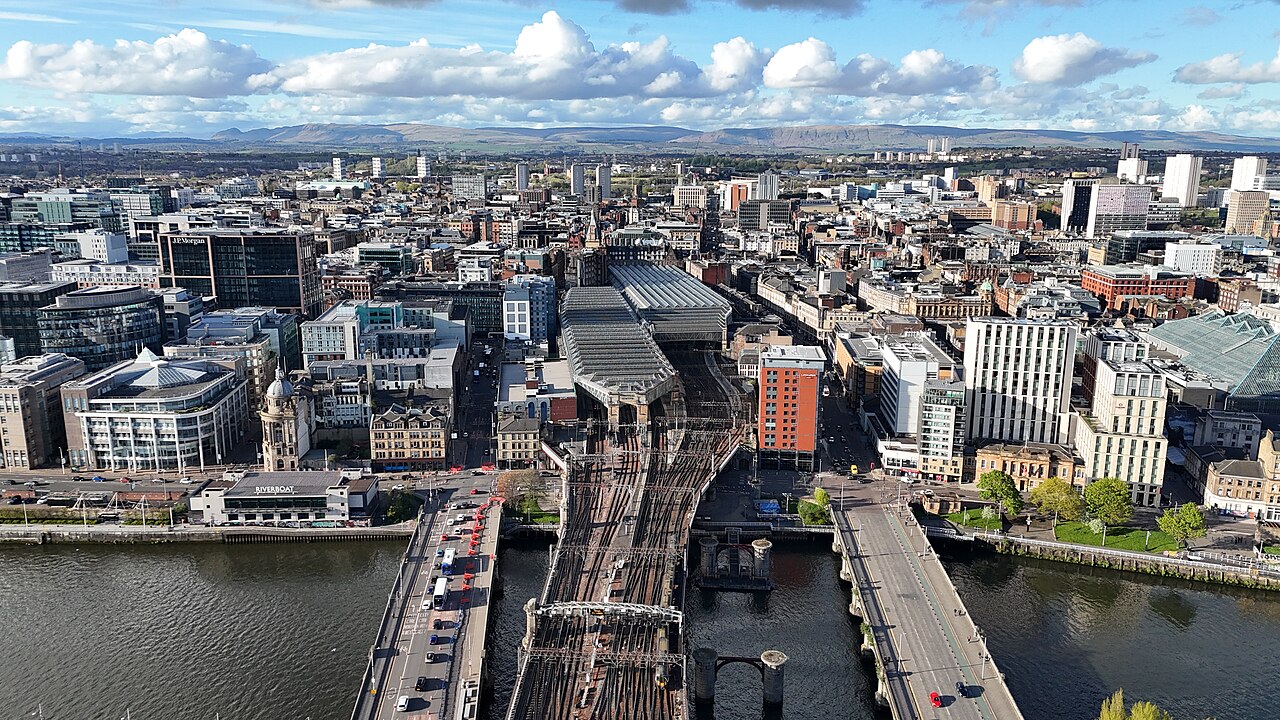
Glasgow
City in United Kingdom
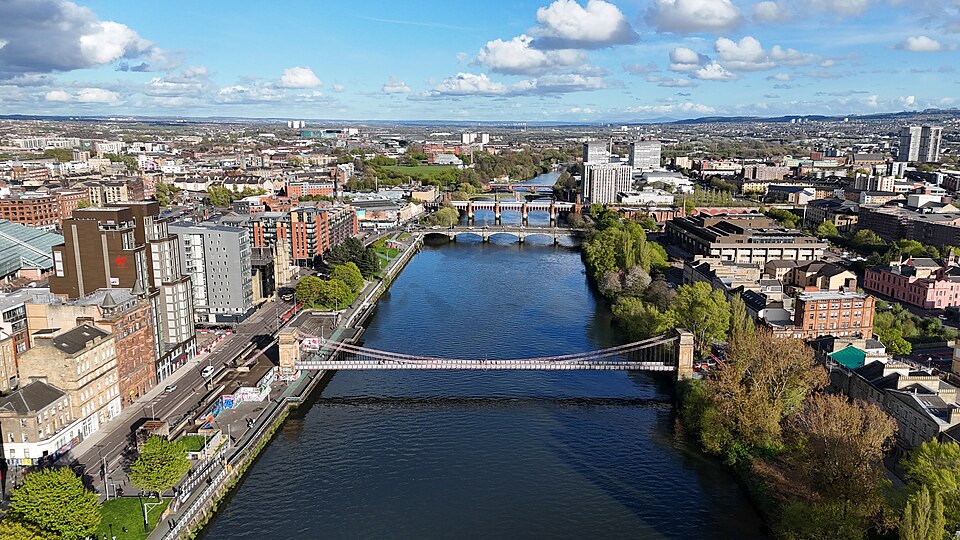
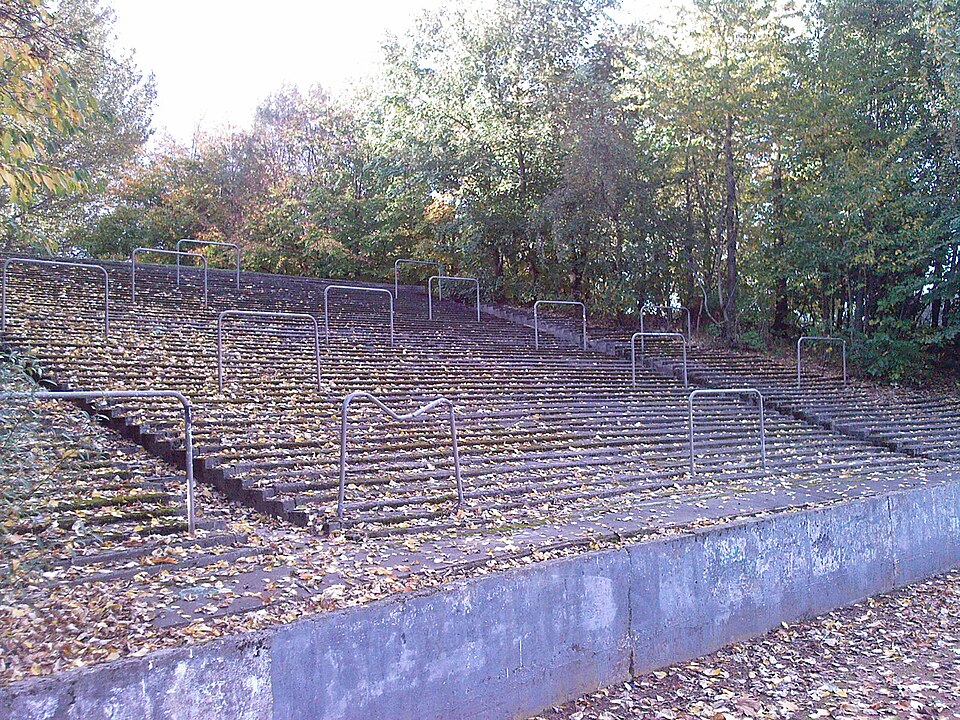
Within 30 km of the centre of Glasgow, the nature places people read about most are River Clyde, Forth and Clyde Canal, Cathkin Park and Edinburgh and Glasgow Union Canal, and marked walks close to the city include Kelvin Walkway, Magnificent 11 and White Cart Walkway.
People have shared 1,594,783 wildlife records within 50 km of Glasgow in the last ten years. The wild animals recorded most often are the western jackdaw, the European herring gull, the rook, the carrion crow and the house sparrow. Since the 1980s the area has become about 1.1 °C warmer.
Of the 240 cities on Atlas, Glasgow has the 17th most marked walks and the 24th most species named on its page. Among the animals people record most around Glasgow, the rook and the large red damselfly appear on no other city page here.
- Country
- United Kingdom
- Population
- 626,410
- Area
- 3,298 km²
- Currency
- Pound sterling
- Daylight
- 7 to 18 hours
Figures from Wikidata; population 2018.
Glasgow on the map
- River Clyde
- Forth and Clyde Canal
- Cathkin Park
- Edinburgh and Glasgow Union Canal
- Loudoun Hill
- River Kelvin
- Kelvingrove Park
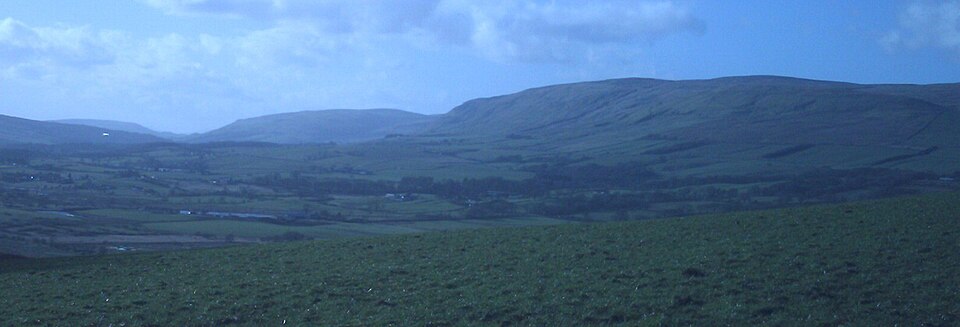
- Campsie Fells
- Glasgow Botanic Gardens
Nature close to Glasgow
The places people read most about, from the centre outwards.
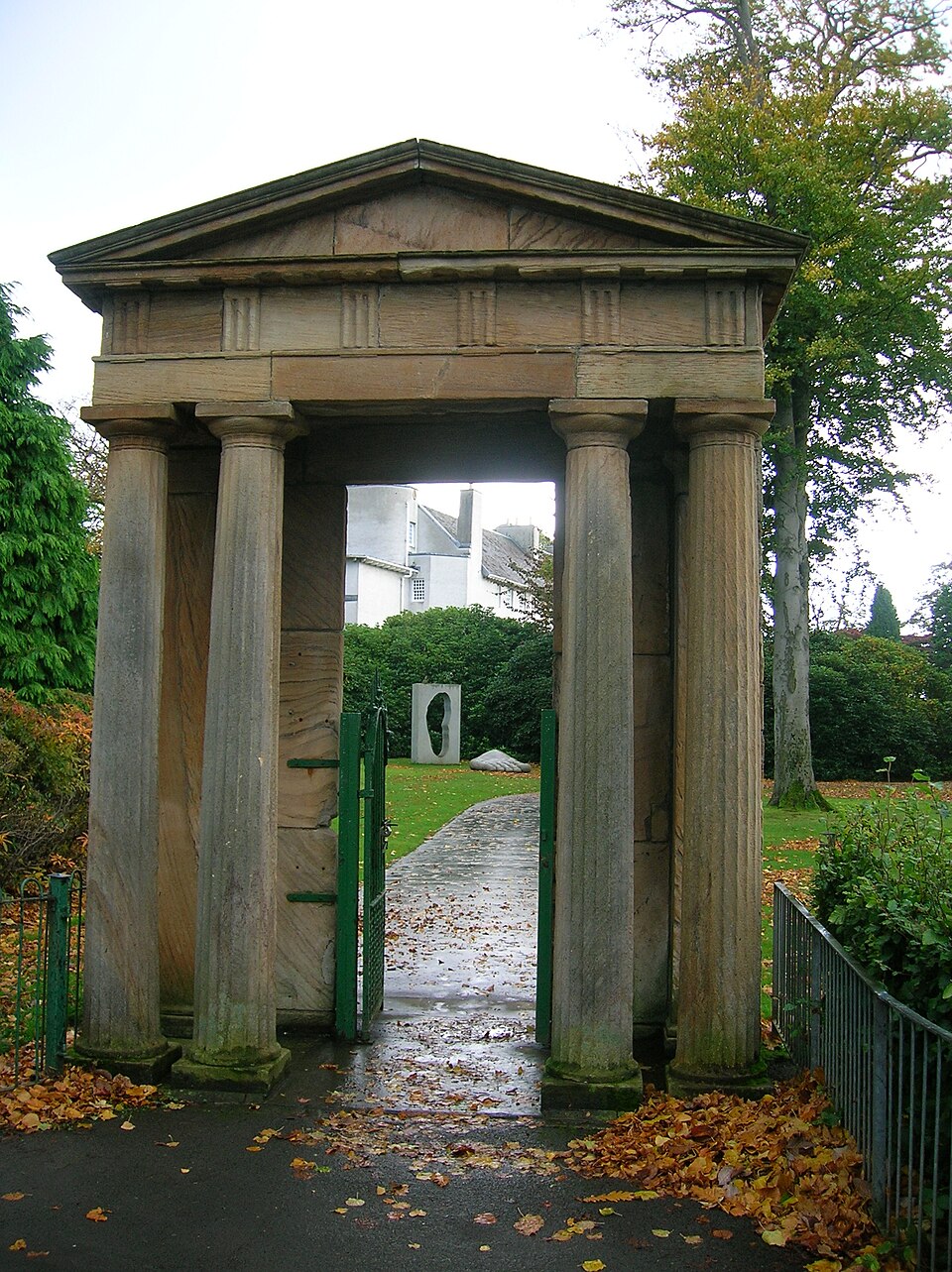
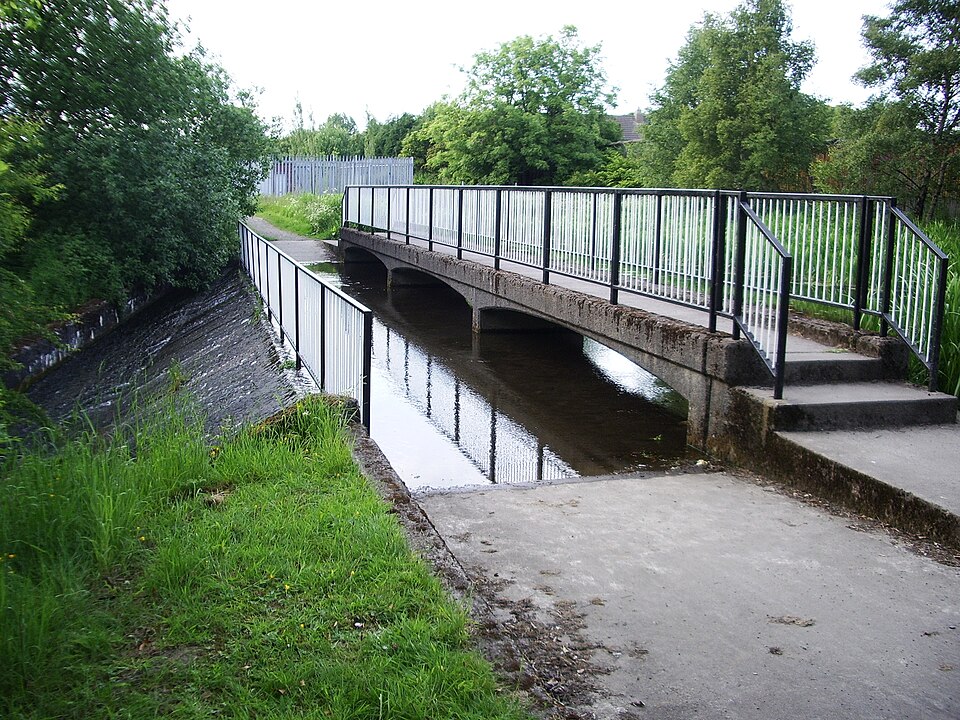
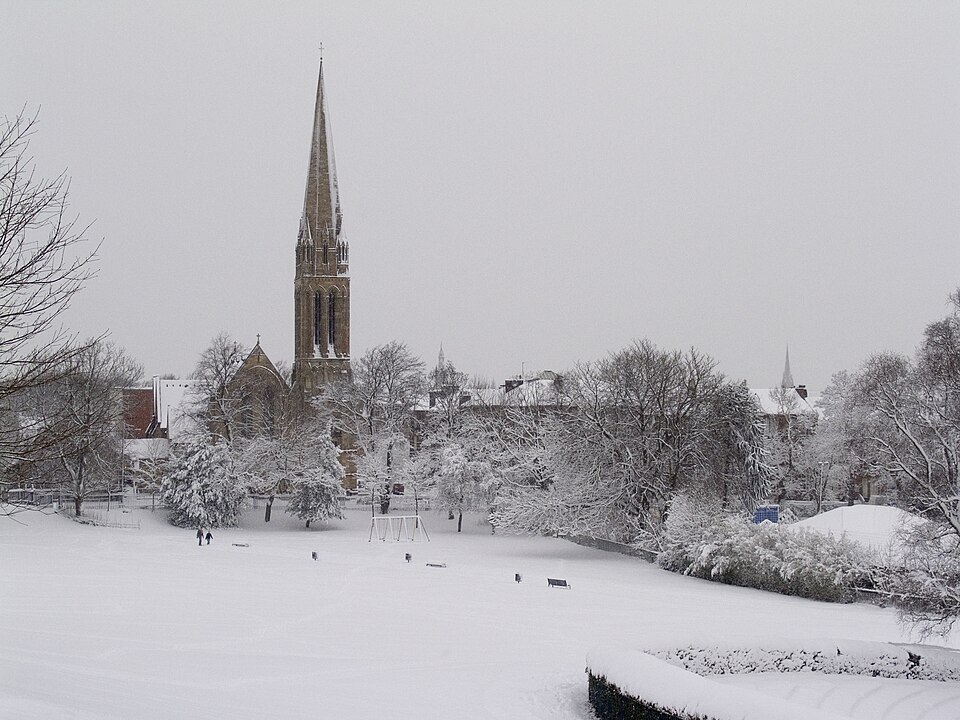
- Forth and Clyde Canal Canal · 11 km
- Edinburgh and Glasgow Union Canal Contour canal · 30 km
- Loudoun Hill Hill · 28 km
- River Kelvin River · 21 km
- Kelvingrove Park Park · 2 km
- Glasgow Botanic Gardens Park · 3 km
- River Leven River · 21 km
- Pollok Country Park Park · 5 km
Marked walks
- Kelvin Walkway12.1 km · 5 km from the centre
- Magnificent 1112.9 km · 7 km from the centre
- White Cart Walkway10.1 km · 7 km from the centre
- Stamperland Walkway2 km · 7 km from the centre
- Seven Lochs Trail11.1 km · 8 km from the centre
- Provan Hall Trail2.1 km · 8 km from the centre
- Strathkelvin Railway Path24.8 km · 9 km from the centre
- Drumchapel Way7.4 km · 9 km from the centre
Long-distance trails through the area: Eastern Continental Trail (10,429 km), European long distance path E2 north (680 km), Whithorn Way (216 km).
Routes from OpenStreetMap via Waymarked Trails. Not checked by 4Planet: follow local signs and conditions.
Wildlife around Glasgow
The wild animals people record most within 50 km, 2016–2025. Tick the ones you have seen to build your own list.


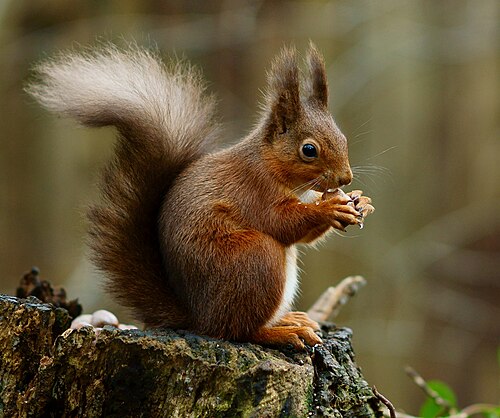

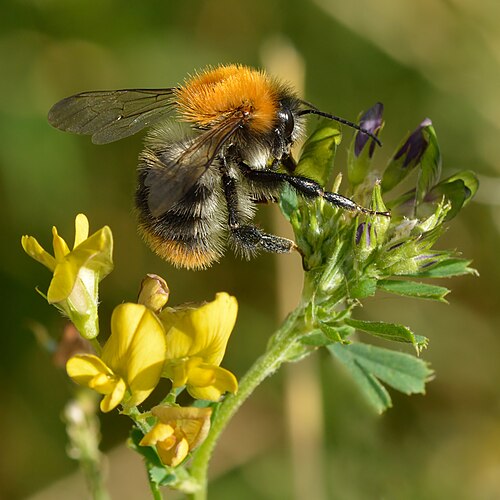
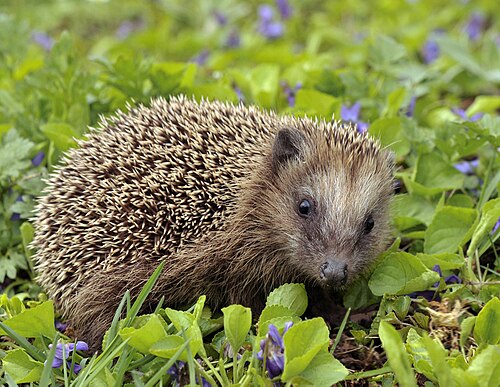
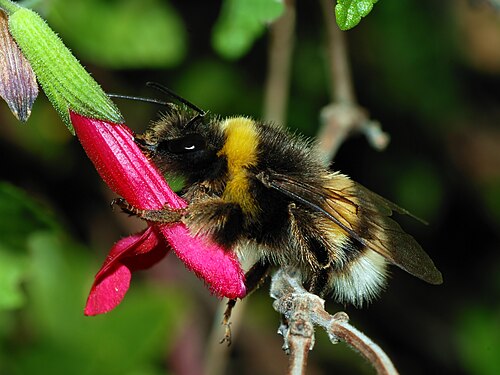

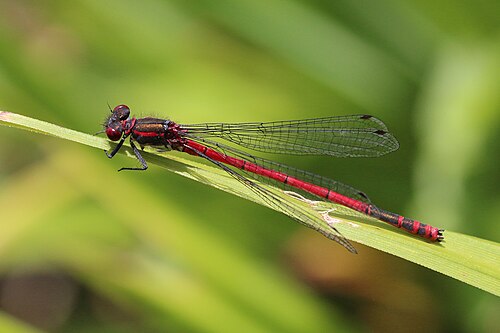
Seen in the last 30 days
What can you see near Glasgow now?
Month by month, from 1,594,783 records people shared within 50 km, 2016–2025.
At their peak in January


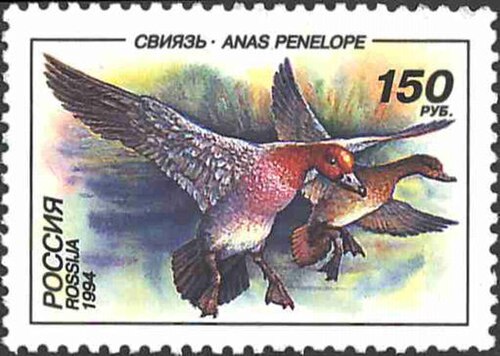
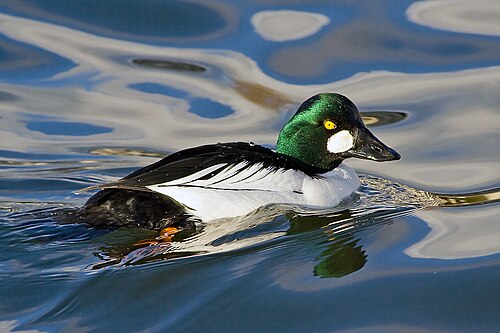
Most seen in January
103,570 animal records in January.
At their peak in February


Most seen in February
97,027 animal records in February.
At their peak in March

Most seen in March
118,785 animal records in March.
At their peak in April

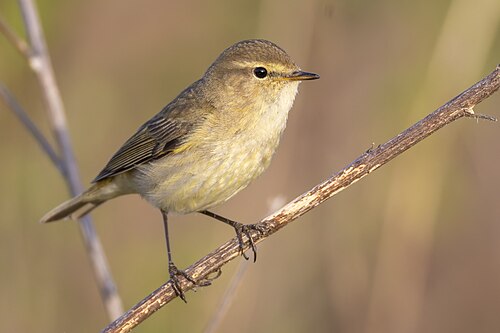

Most seen in April
Plants and fungi at their peak in April


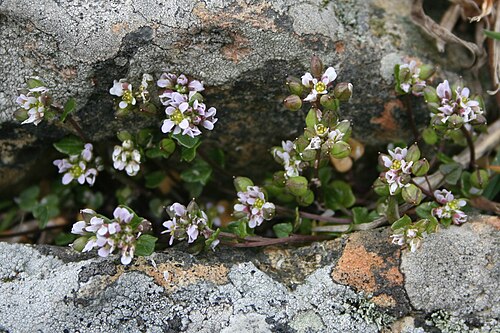
149,736 animal records in April.
At their peak in May

Most seen in May

Plants and fungi at their peak in May


171,433 animal records in May.
At their peak in June

Most seen in June
Plants and fungi at their peak in June

186,376 animal records in June.
At their peak in July


Most seen in July

Plants and fungi at their peak in July

184,896 animal records in July.
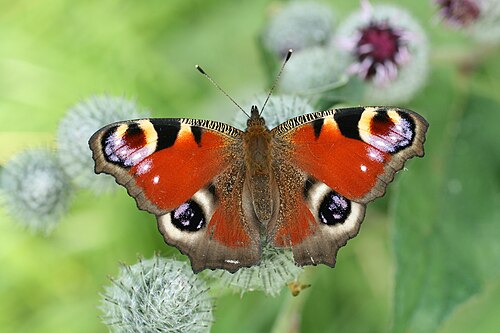

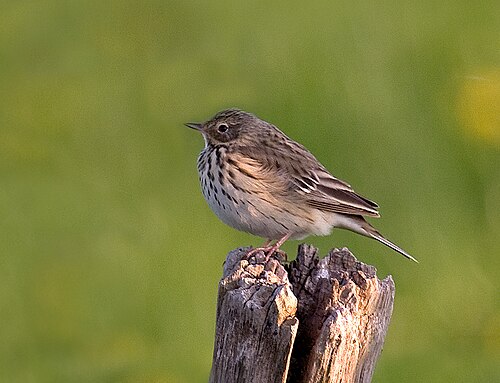


At their peak in October


Most seen in October
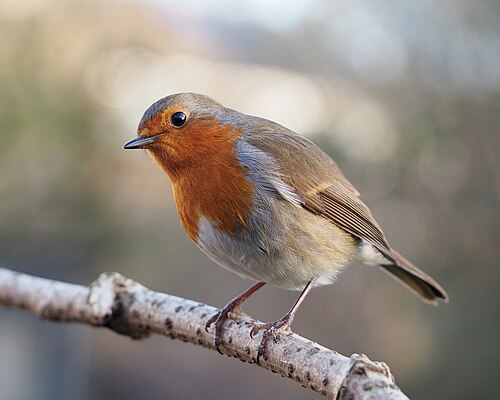
Plants and fungi at their peak in October
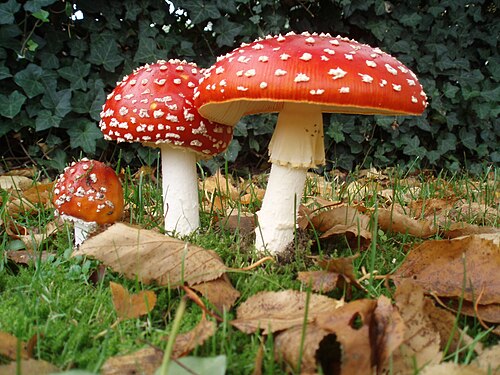
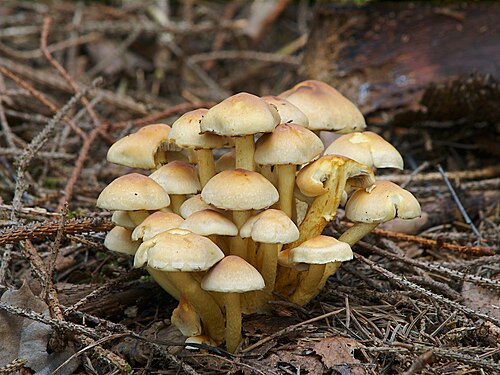
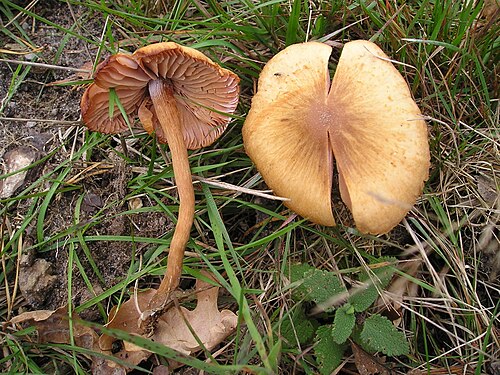
95,127 animal records in October.
At their peak in November


Most seen in November
Plants and fungi at their peak in November

95,207 animal records in November.
At their peak in December
Most seen in December
87,210 animal records in December.
Glasgow is getting warmer
+1.1 °CAverage temperature around Glasgow in 2016–2025, compared with 1981–1990.
Daylight: about 7 hours in December and 18 in June.
Seen something near Glasgow?
Share a photo of it on iNaturalist. Other naturalists help name it, and confirmed records go to GBIF, where scientists use them. That is where the lists on this page come from.
Explore next
What puts Glasgow under pressure, what helps, and who works on it.
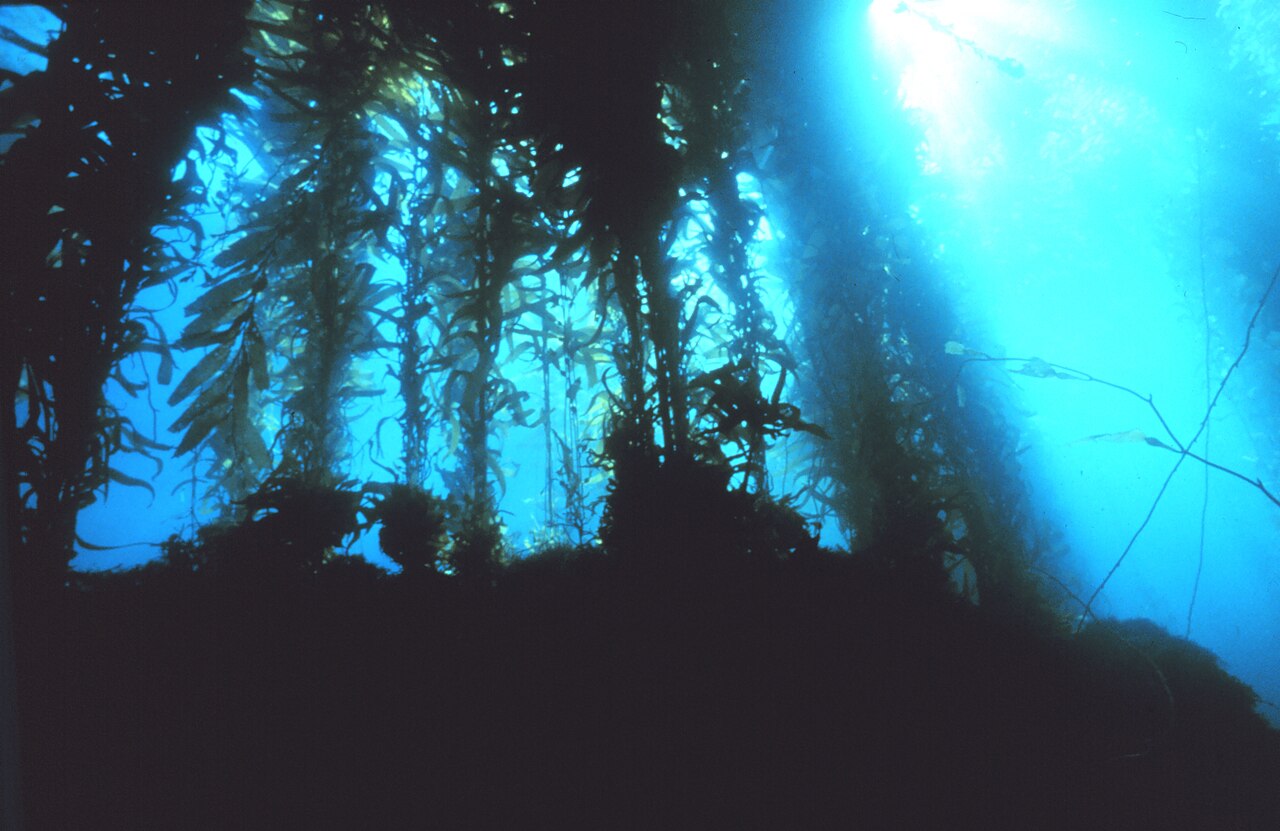
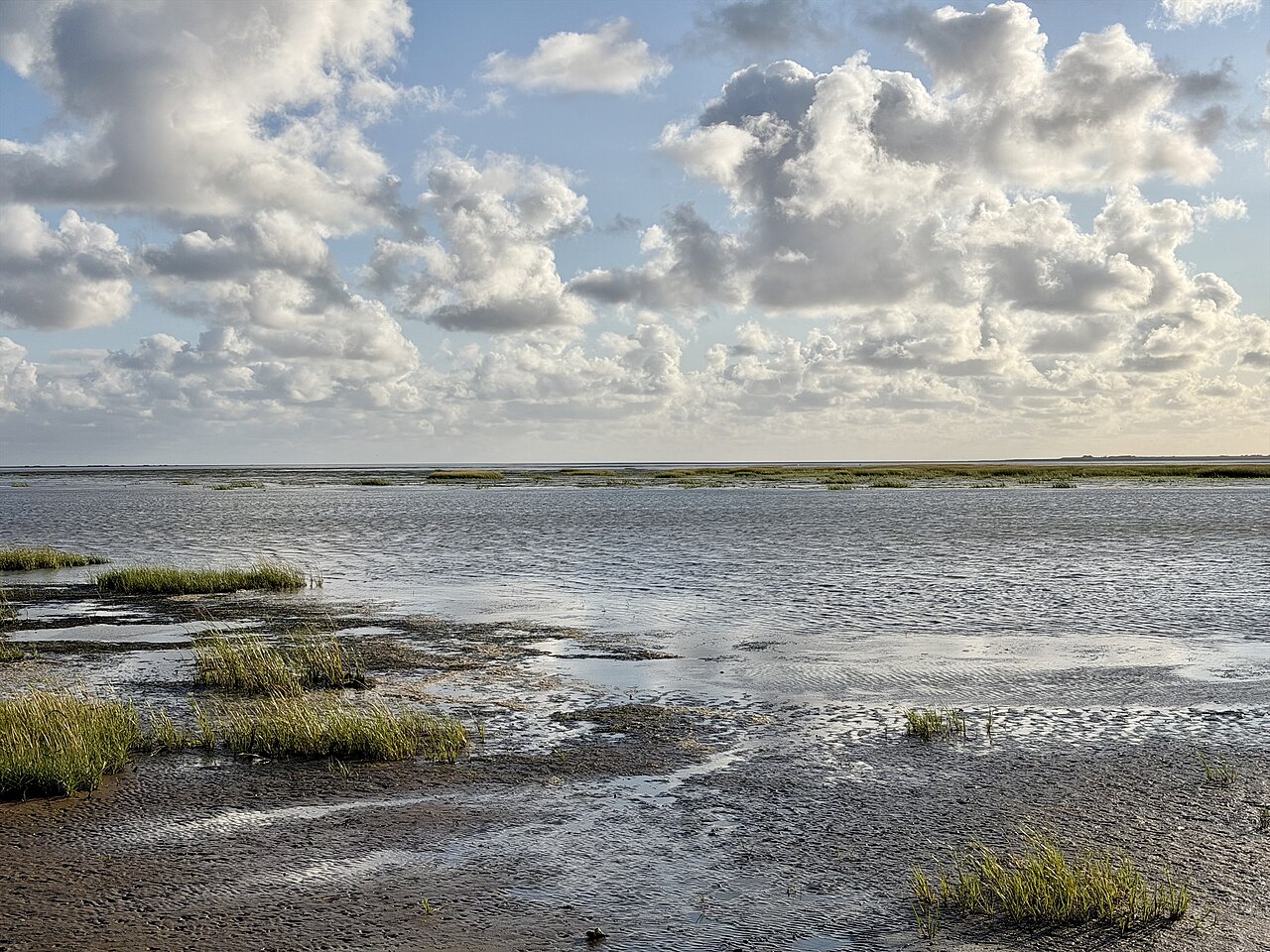
Glasgow on the living planet
More places near Glasgow
Sources and photo credits
- Wikidata · Glasgow (Q4093), facts and nature places
- Wikipedia page views · how well known each nature place is
- OpenStreetMap contributors via Waymarked Trails · marked walking routes (ODbL)
- GBIF · human observations within 50 km, 2016–2025 (1,594,783 animal records)
- NASA POWER · yearly temperature from satellite and model data (MERRA-2)
- MET Norway · weather now (shown live)
- Glasgow, United Kingdom: 瑞丽江的河水, CC BY-SA 4.0
- River Clyde, Glasgow: 瑞丽江的河水, CC BY-SA 4.0
- Cathkin Park, Glasgow: Celticfcuk (talk), Public domain
- Campsie Fells, Glasgow: MacRusgail at English Wikipedia, Public domain
- Bellahouston Park, Glasgow: Rosser1954 Roger Griffith, Public domain
- Monkland Canal, Glasgow: ML5 at English Wikipedia, Public domain
- Queen's Park, Glasgow, Glasgow: Raymond McCrae, CC BY 2.0
- Western jackdaw: Darkone, CC BY-SA 2.5
- European herring gull: Kulac, CC BY-SA 3.0
- Rook: Brian Snelson from Hockley, Essex, England, CC BY 2.0
- Carrion crow: Alexis Lours, CC BY 4.0
- House sparrow: Rhododendrites, CC BY-SA 4.0
- Eurasian red squirrel: Peter Trimming, CC BY 2.0
- Eastern gray squirrel: Dominic Nelson, CC BY-SA 4.0
- Common carder bee: Ivar Leidus, CC BY-SA 4.0
- European hedgehog: Michael Gäbler, CC BY-SA 3.0
- Buff-tailed bumblebee: Alvesgaspar, CC BY-SA 3.0
- Common frog: Richard Bartz, Munich aka Makro Freak Image:MFB.jpg, CC BY-SA 2.5
- Large red damselfly: Charles J. Sharp, CC BY-SA 4.0
- Black-headed gull: Diliff, CC BY-SA 3.0
- Common merganser: Frank Schulenburg, CC BY-SA 3.0
- Eurasian wigeon: Почта России, Public domain
- Common goldeneye: Calibas, CC BY-SA 3.0
- Whooper swan: Pascal Aleixandre, CC BY-SA 3.0
- Eurasian beaver: Per Harald Olsen, CC BY-SA 3.0
- Common quaker: Olaf Leillinger, CC BY-SA 3.0
- Willow warbler: Andreas Trepte, CC BY-SA 2.5
- Common chiffchaff: Alexis Lours, CC BY 4.0
- Eurasian blackcap: Ron Knight from Seaford, East Sussex, United Kingdom, CC BY 2.0
- Lesser celandine: AnRo0002, CC0
- Common gorse: Forest & Kim Starr, CC BY 3.0
- Danish scurvygrass: User:Strobilomyces, CC BY-SA 3.0
- Common blackbird: Hobbyfotowiki, CC0
- Sedge warbler: Billy Lindblom from Hallsberg, Sweden, CC BY 2.0
- Bluebell: JackyM59, CC BY-SA 4.0
- Ramsons: Agnes Monkelbaan, CC BY-SA 4.0
- Garlic mustard: O. Pichard, CC BY-SA 3.0
- Common swift: Alexis Lours, CC BY 4.0
- Rough bluegrass: Rasbak, CC BY-SA 3.0
- Lesser black-backed gull: Andreas Trepte, CC BY-SA 2.5
- Meadow brown: James K. Lindsey, CC BY-SA 3.0
- Painted lady: Sayan Sanyal, CC BY-SA 4.0
- Heath spotted-orchid: Jörg Hempel, CC BY-SA 3.0 de
- Peacock: Korall, CC BY-SA 3.0
- Common house martin: MPF, CC BY 2.5
- Meadow pipit: Andreas Trepte, CC BY-SA 2.5
- Red admiral: Toni Wöhrl, CC BY-SA 4.0
- Sandwich tern: MPF, CC BY-SA 4.0
- European robin: Francis C. Franklin, CC BY-SA 3.0
- Eurasian skylark: El Golli Mohamed, CC BY-SA 4.0
- Pink-footed goose: MPF, CC BY-SA 4.0
- Fly agaric: Onderwijsgek, CC BY-SA 3.0 nl
- Sulphur tuft: Jörg Hempel, CC BY-SA 2.0 de
- Deceiver: Strobilomyces, CC BY-SA 3.0
- Redwing: Andreas Trepte, CC BY-SA 2.5
- Fieldfare: Frankie Fouganthin, CC BY-SA 4.0
- Sycamore tarspot: Rhododendrites, CC BY-SA 4.0


Wildlife records show where people have seen and shared plants and animals, not everything that lives here; some places and months are recorded more than others. Sensitive species are never shown with a month or as seen recently. Routes come from OpenStreetMap and are not checked by 4Planet: follow local signs and conditions. Climate figures are NASA estimates for the area around Glasgow, not a single weather station.
Checked 2026-11-27.