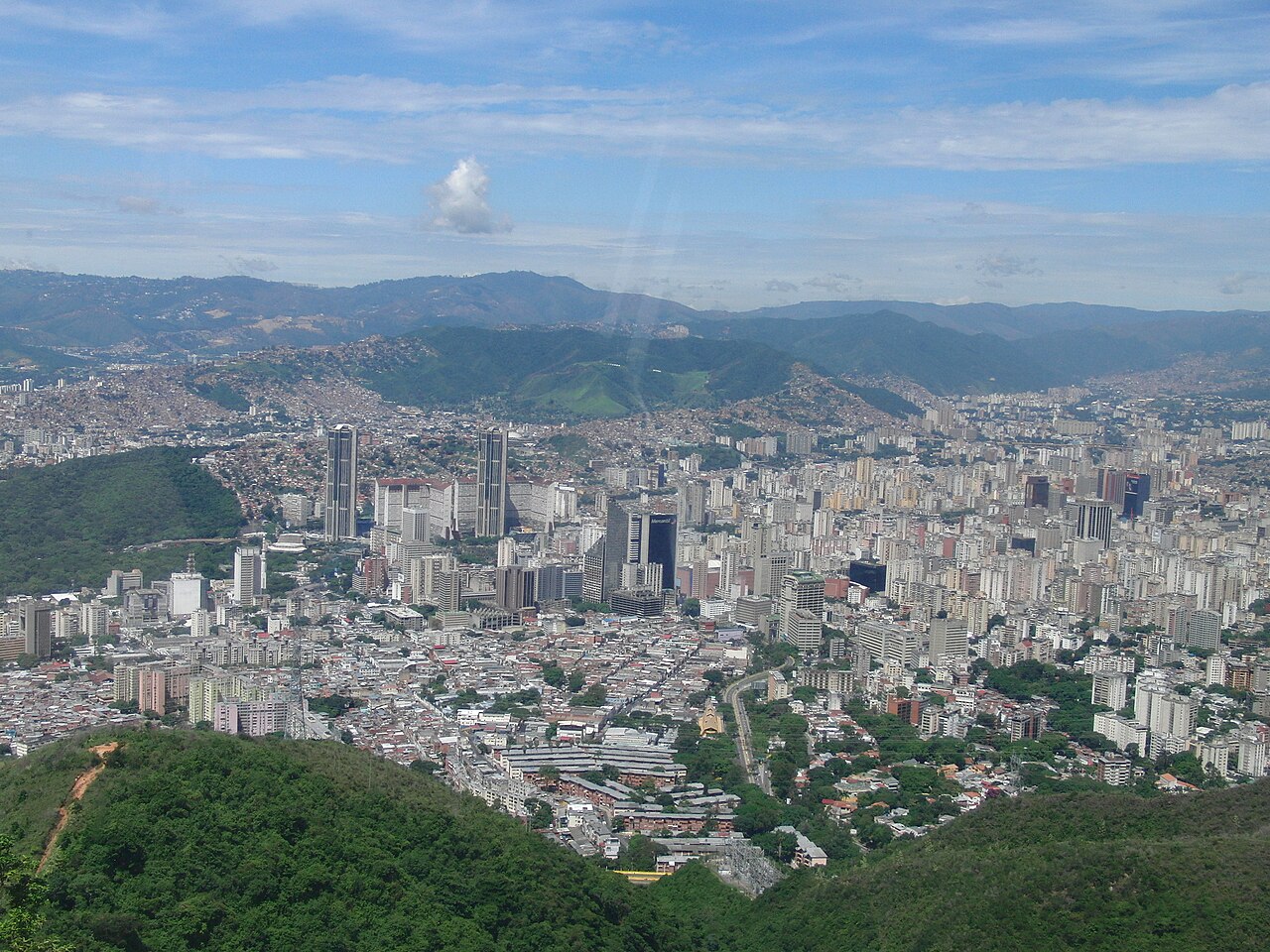
Caracas
Capital of Venezuela
Within 30 km of the centre of Caracas, the nature places people read about most are El Avila National park, Plaza Venezuela, Barlovento, Venezuela and Guaire River, and marked walks close to the city include Ruta Eco-Montaña Caricuao.
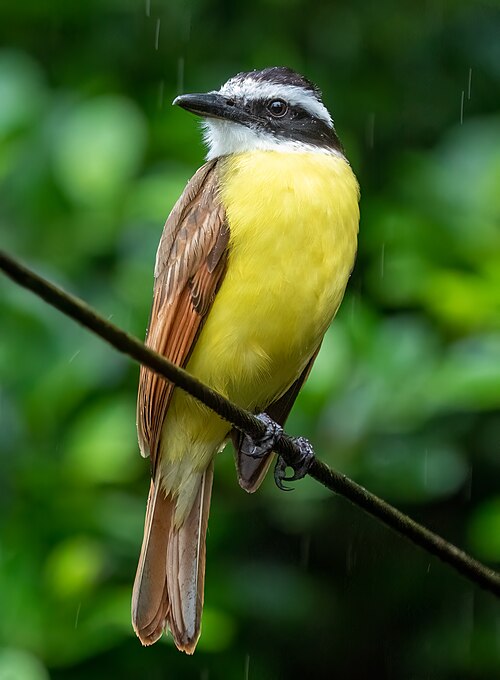
People have shared 1,015,693 wildlife records within 50 km of Caracas in the last ten years. The wild animals recorded most often are the black vulture, the blue-grey tanager, the tropical kingbird, the southern house wren and the great kiskadee. Since the 1980s the area has become about 1.4 °C warmer.
Of the 93 cities on Atlas, Caracas has the 7th most species named on its page. Among the animals people record most around Caracas, the wiegmann's striped gecko and the tropical checkered-skipper appear on no other city page here.
- Country
- Venezuela
- Population
- 2.2 million
- Area
- 776 km²
- Elevation
- 920 m
- Currency
- Sovereign bolivar
- Time zone
- UTC−04
- Daylight
- 12 to 13 hours
Figures from Wikidata; population 2017.
Caracas on the map
- El Avila National park
- Plaza Venezuela
- Barlovento, Venezuela
- Guaire River
- Pico Naiguatá
- Cerro El Volcán
- East Park of Caracas
- Central University Botanical Garden
- Los Caobos Park
Nature close to Caracas
The places people read most about, from the centre outwards.


- Barlovento, Venezuela Plain · 18 km
- Guaire River River · 14 km
- Cerro El Volcán Hill · 12 km
- East Park of Caracas Park · 8 km
- Los Caobos Park Park · 2 km
- Macarao National Park National park · 16 km
- Quebrada La Boyera River · 10 km
- Quebrada La Guairita River · 13 km
- Cerro El Ávila Hill · 6 km
- Quebrada Baruta River · 7 km
Marked walks
- Ruta Eco-Montaña Caricuao3.8 km · 12 km from the centre
Routes from OpenStreetMap via Waymarked Trails. Not checked by 4Planet: follow local signs and conditions.
Wildlife around Caracas
The wild animals people record most within 50 km, 2016–2025. Tick the ones you have seen to build your own list.




Seen in the last 30 days
What can you see near Caracas now?
Month by month, from 1,015,693 records people shared within 50 km, 2016–2025.


At their peak in February


Most seen in February
86,670 animal records in February.

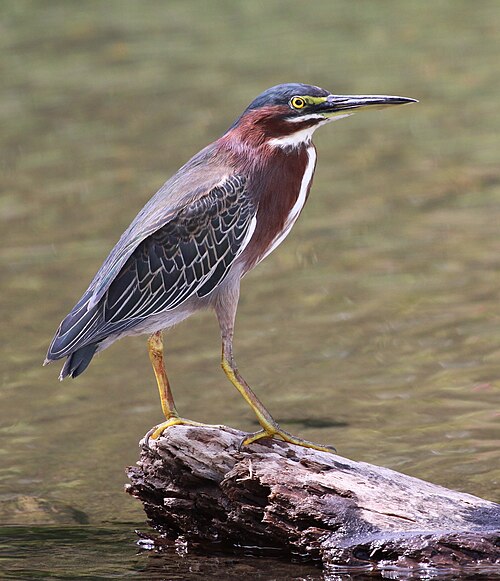
Most seen in April
91,771 animal records in April.


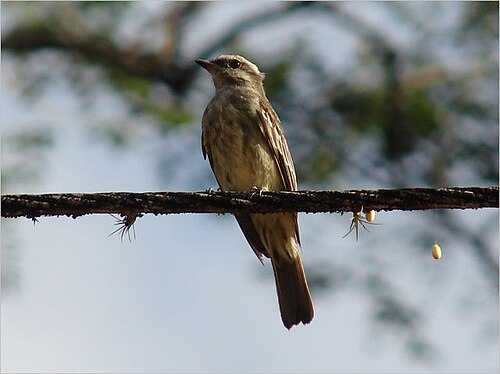
At their peak in June


Most seen in June
77,751 animal records in June.
At their peak in July

Most seen in July
78,506 animal records in July.




At their peak in November

Most seen in November
78,477 animal records in November.
Caracas is getting warmer
+1.4 °CAverage temperature around Caracas in 2016–2025, compared with 1981–1990.
Daylight: about 12 hours in December and 13 in June.
Seen something near Caracas?
Share a photo of it on iNaturalist. Other naturalists help name it, and confirmed records go to GBIF, where scientists use them. That is where the lists on this page come from.
Explore next
What puts Caracas under pressure, what helps, and who works on it.
Caracas on the living planet
More places near Caracas
Sources and photo credits
- Wikidata · Caracas (Q1533), facts and nature places
- Wikipedia page views · how well known each nature place is
- OpenStreetMap contributors via Waymarked Trails · marked walking routes (ODbL)
- GBIF · human observations within 50 km, 2016–2025 (1,015,693 animal records)
- NASA POWER · yearly temperature from satellite and model data (MERRA-2)
- MET Norway · weather now (shown live)
- Caracas, Venezuela: Olga Berrios, CC BY 2.0
- El Avila National park, Caracas: JunCTionS, CC BY 2.0
- Plaza Venezuela, Caracas: Wilfredor, CC0
- Central University Botanical Garden, Caracas: ruurmo, CC BY-SA 2.0
- Black vulture: Wdiane, CC BY-SA 4.0
- Blue-grey tanager: Charlie Jackson, CC BY 2.0
- Tropical kingbird: Charles J. Sharp, CC BY-SA 4.0
- Southern house wren: Dario Sanches from SÃO PAULO, BRASIL, CC BY-SA 2.0
- Great kiskadee: Rhododendrites, CC BY-SA 4.0
- Wiegmann's striped gecko: Jorge I. Merchán Mayorga, CC BY-SA 4.0
- Tropical checkered-skipper: Charles J. Sharp, CC BY-SA 4.0
- Silver garden spider: WillWig at English Wikipedia, Public domain
- American golden orb weaver: DirkvdM, CC BY-SA 3.0
- Brown-throated three-toed sloth: Stefan Laube (Tauchgurke), Public domain
- Red-tailed squirrel: er-birds, CC BY 4.0
- Bumblebee millipede: Totodu74, CC BY-SA 3.0
- Tennessee warbler: Jerry Oldenettel, CC BY-SA 2.0
- Summer tanager: Mike's Birds, CC BY-SA 2.0
- Great blue heron: Rhododendrites, CC BY-SA 4.0
- Lesser violetear: Giles Laurent, CC BY-SA 4.0
- Yellow-backed oriole: Félix Uribe from Rionegro, Antioquia, Colombia, CC BY-SA 2.0
- Chestnut-capped brush-finch: Charles J. Sharp, CC BY-SA 3.0
- Russet-backed oropendola: Charles J. Sharp, CC BY-SA 4.0
- Gray-headed kite: Hector Bottai, CC BY-SA 4.0
- Green heron: Basar, CC BY-SA 3.0
- Yellow-legged thrush: Dario Sanches from São Paulo, Brazil, CC BY-SA 2.0
- Red-eyed vireo: John Benson from Madison WI, CC BY 2.0
- Piratic flycatcher: Dolhijn, CC BY 3.0
- Pale-vented pigeon: Francesco Veronesi from Italy, CC BY-SA 2.0
- Small-billed elaenia: Gmmv1980, CC BY-SA 4.0
- Blue ground dove: Doug Janson, CC BY-SA 3.0
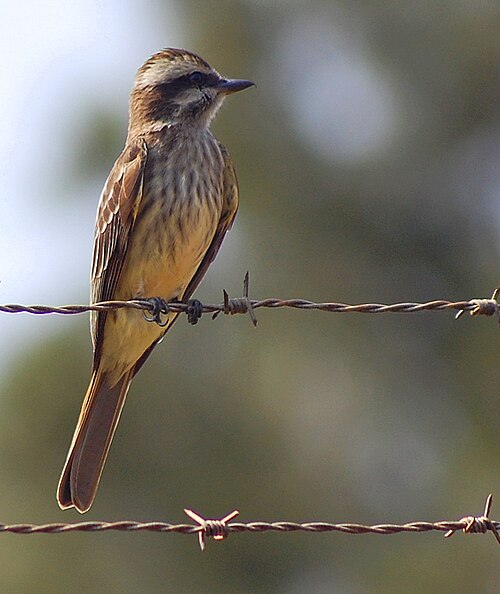
- Variegated flycatcher: Dario Sanches from SÃO PAULO, BRASIL, CC BY-SA 2.0
- Rusty-winged antwren: Francesco Veronesi, CC BY-SA 4.0
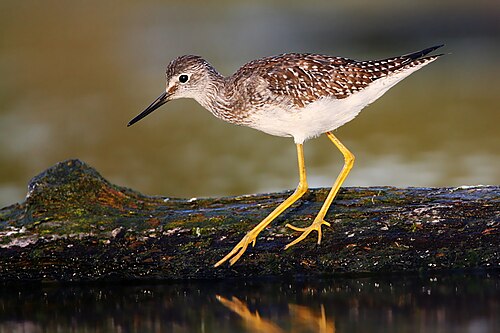
- Solitary sandpiper: Janne Teivonen, CC BY 4.0
- Lesser yellowlegs: Wwcsig, CC BY-SA 3.0
- Semipalmated sandpiper: Rhododendrites, CC BY-SA 4.0
- Osprey: El Golli Mohamed, CC BY-SA 4.0
- Blackpoll warbler: Louis Agassiz Fuertes., Public domain
- Blue-winged teal: ADJ82, CC BY 3.0
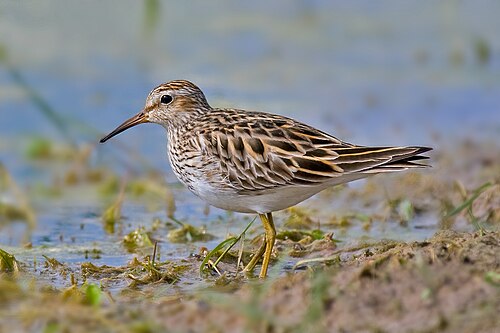
- Pectoral sandpiper: Andreas Trepte, CC BY-SA 2.5
- Peregrine falcon: Georges Lignier (georges.lignier@wanadoo.fr), CC BY-SA 3.0


Wildlife records show where people have seen and shared plants and animals, not everything that lives here; some places and months are recorded more than others. Sensitive species are never shown with a month or as seen recently. Routes come from OpenStreetMap and are not checked by 4Planet: follow local signs and conditions. Climate figures are NASA estimates for the area around Caracas, not a single weather station.
Checked 2026-11-21.