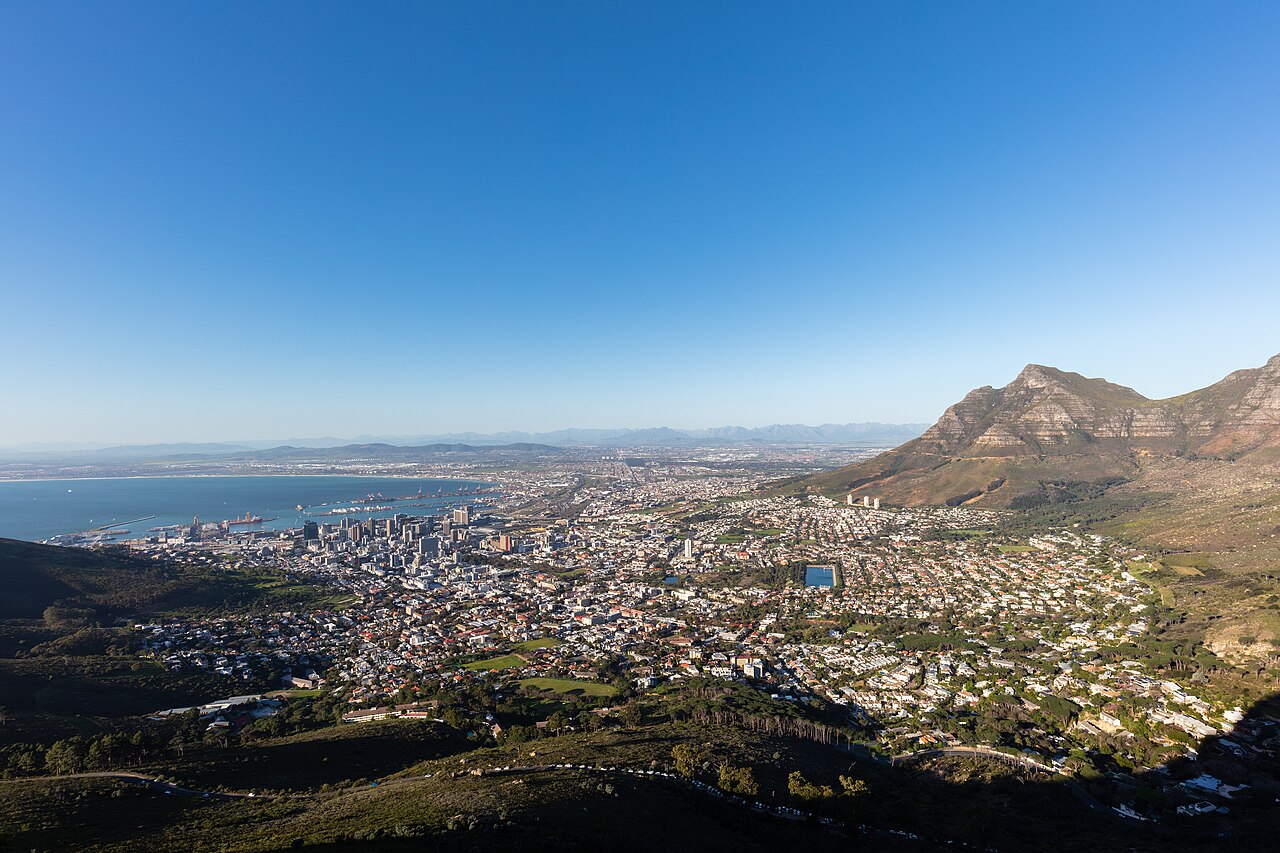
Cape Town
City in the Western Cape, South Africa
Within 30 km of the centre of Cape Town, the nature places people read about most are Table Mountain, Kirstenbosch National Botanical Garden, Lion's Head and Devil's Peak, and marked walks close to the city include Devils Peak Quarry Loop, Platteklip Stream Trail and Deer Park Loop.
People have shared 1,652,335 wildlife records within 50 km of Cape Town in the last ten years. The wild animals recorded most often are the humpback whale, the egyptian goose, the hadada ibis, the pied crow and the red-winged starling.
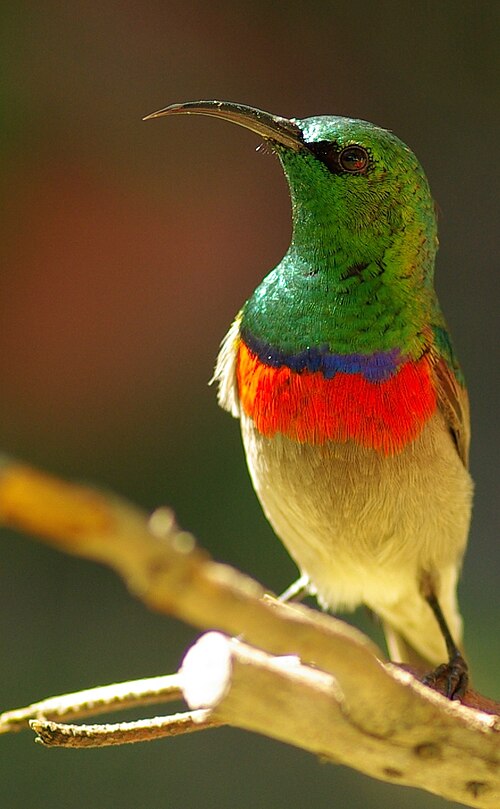
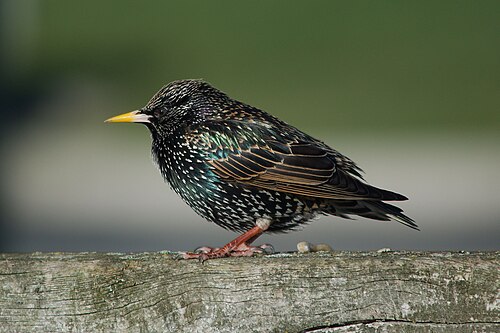
Among the animals people record most around Cape Town, the red-winged starling and the western leopard toad appear on no other city page here.
- Country
- South Africa
- Population
- 3.8 million
- Area
- 2,455 km²
- Elevation
- 5 m
- Currency
- Rand
- Daylight
- 10 to 14 hours
Figures from Wikidata; population 2021.
Cape Town on the map
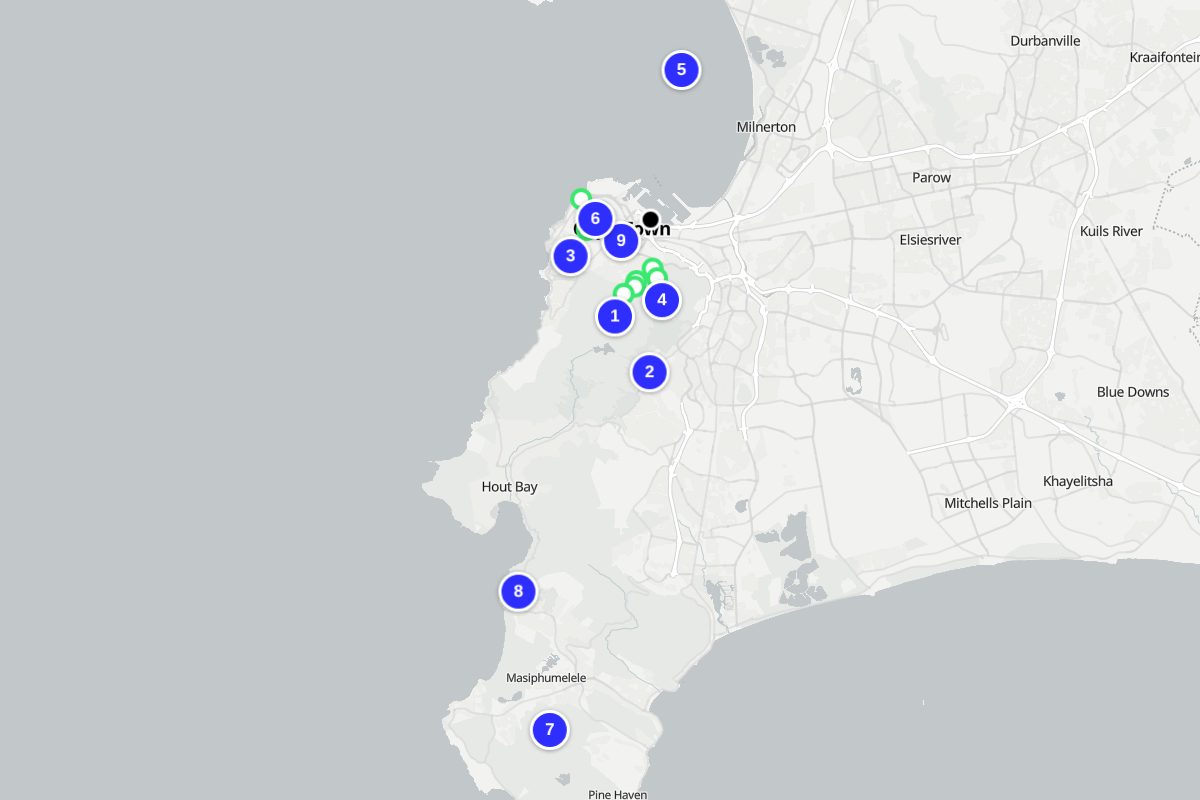
Numbers match the places below. Map: © OpenStreetMap contributors, OpenFreeMap.
- Table Mountain
- Kirstenbosch National Botanical Garden
- Lion's Head
- Devil's Peak
- Table Bay
- Signal Hill
- Table Mountain National Park
- Chapman's Peak
- Company's Garden
Nature close to Cape Town
The places people read most about, from the centre outwards.
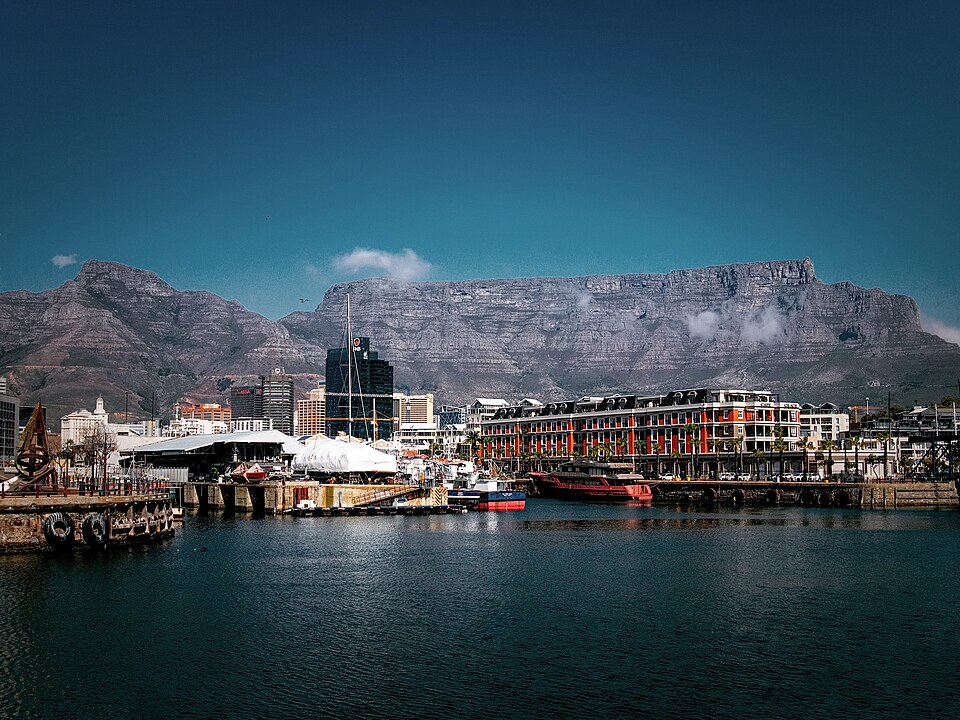
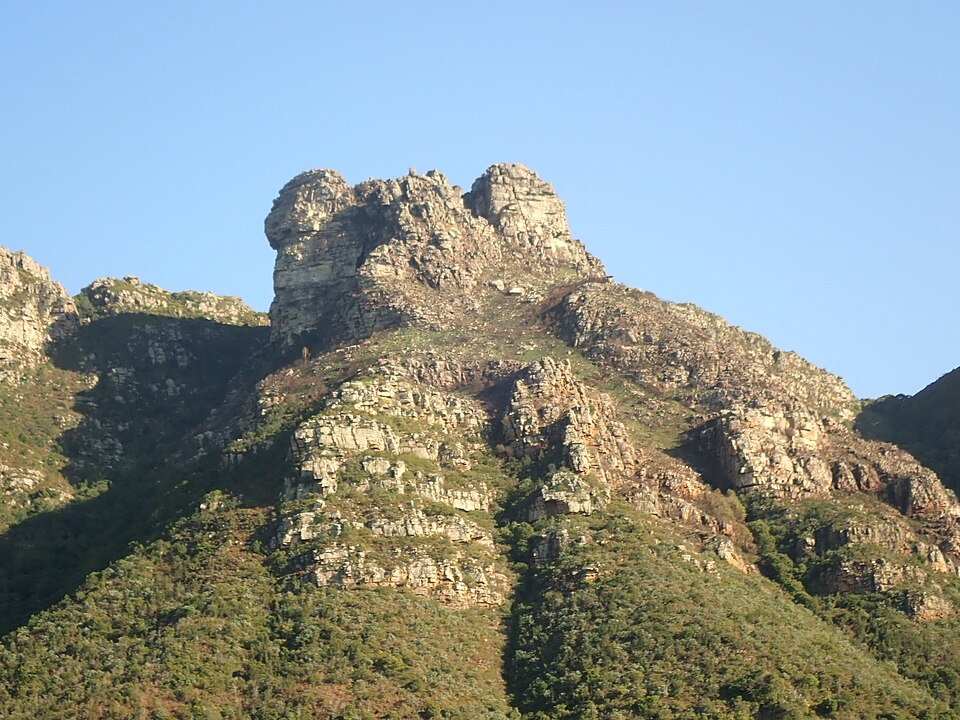


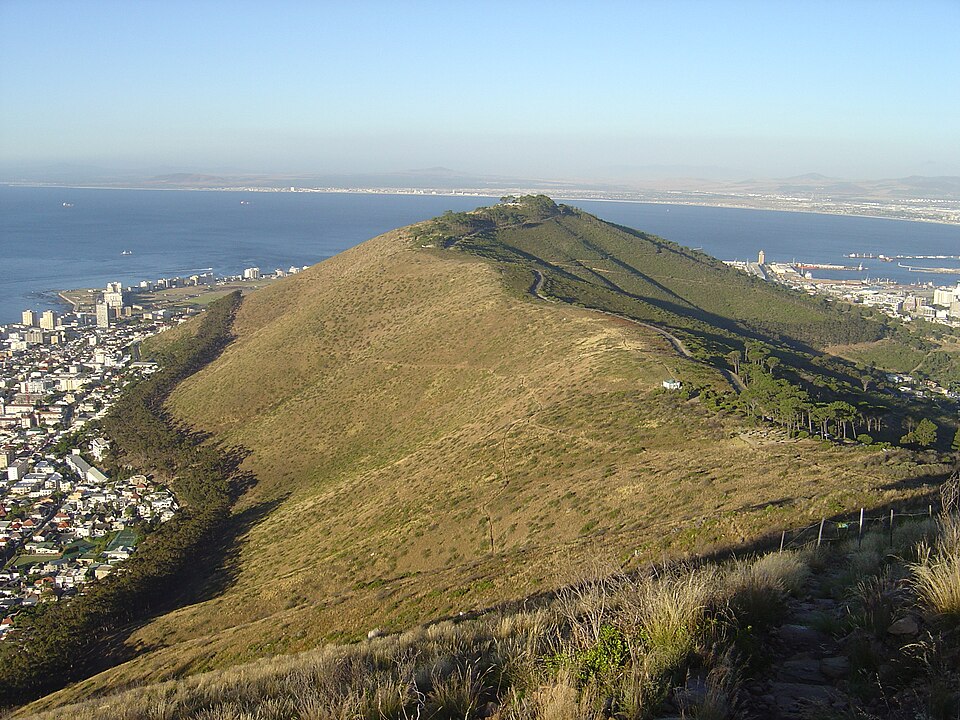


- Zeekoevlei Lagoon · 18 km
Marked walks
- Devils Peak Quarry Loop2 km round trip · 2 km from the centre
- Platteklip Stream Trail4.9 km round trip · 3 km from the centre
- Deer Park Loop4.7 km round trip · 3 km from the centre
- Signal Hill Trail via Lion's Head Path3.7 km round trip · 3 km from the centre
- Chelmsford Road - Woodstock Cave3.2 km · 3 km from the centre
- Noon Gun - Glengariff Road1.9 km round trip · 3 km from the centre
- Kloof Corner to Devils Peak Trail6.1 km · 4 km from the centre
- Sea Point Promenade Walk6 km round trip · 4 km from the centre
Routes from OpenStreetMap via Waymarked Trails. Not checked by 4Planet: follow local signs and conditions.
Wildlife around Cape Town
The wild animals people record most within 50 km, 2016–2025. Tick the ones you have seen to build your own list.


Seen in the last 30 days
What can you see near Cape Town now?
Month by month, from 1,652,335 records people shared within 50 km, 2016–2025.
At their peak in January
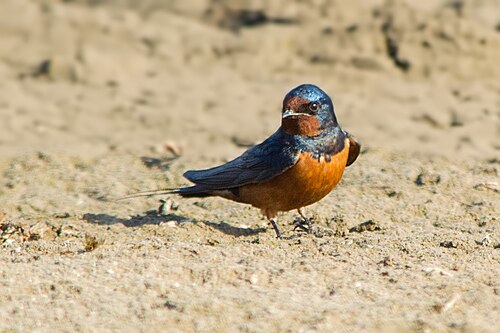
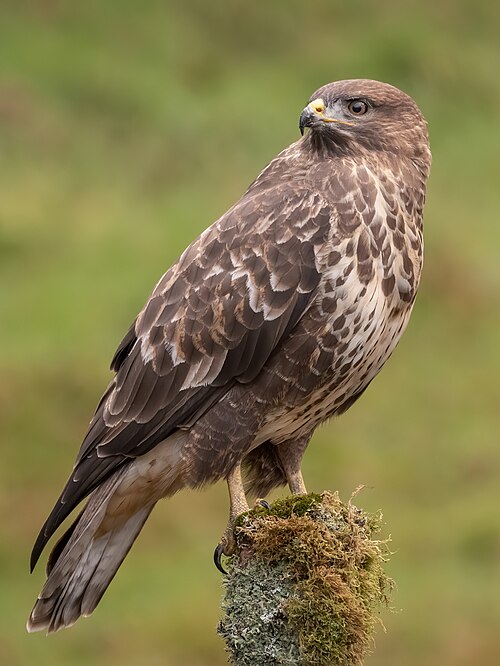

Most seen in January

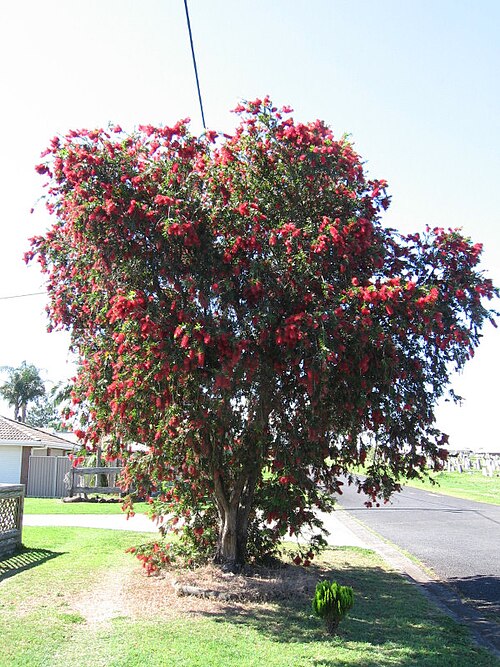
Plants and fungi at their peak in January



144,886 animal records in January.
At their peak in February


Most seen in February

Plants and fungi at their peak in February


110,092 animal records in February.
At their peak in March

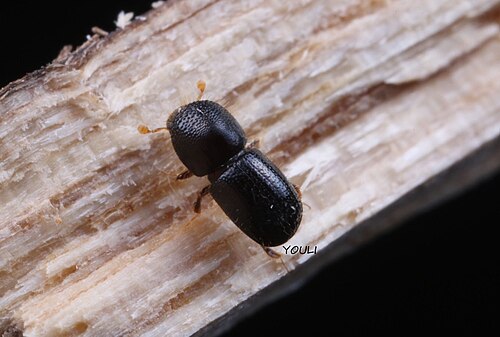

Most seen in March
Plants and fungi at their peak in March


113,475 animal records in March.
At their peak in April


Most seen in April
Plants and fungi at their peak in April

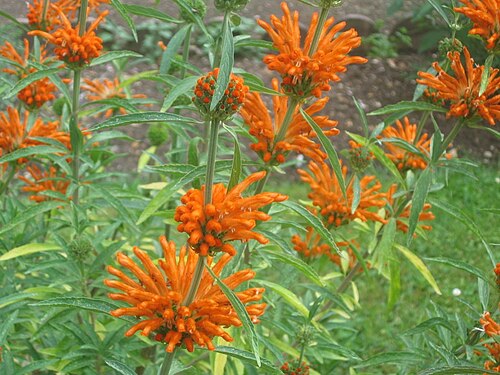
148,174 animal records in April.
At their peak in May


Most seen in May
Plants and fungi at their peak in May


114,135 animal records in May.
At their peak in June


Most seen in June
Plants and fungi at their peak in June

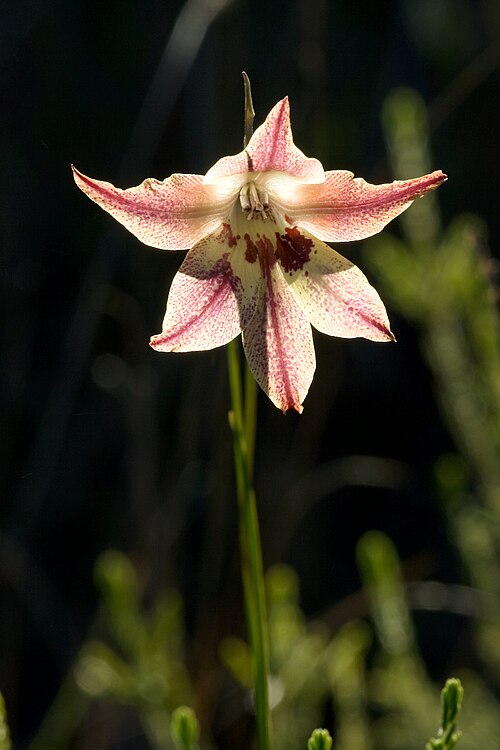
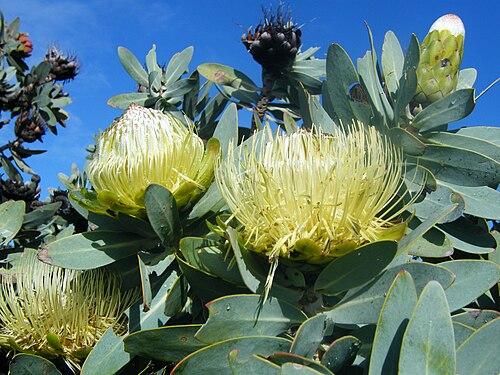
91,871 animal records in June.
At their peak in July

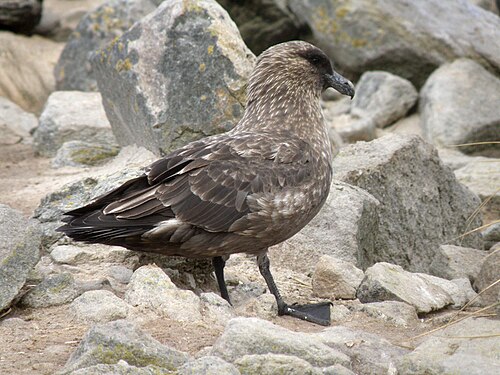
Most seen in July
Plants and fungi at their peak in July


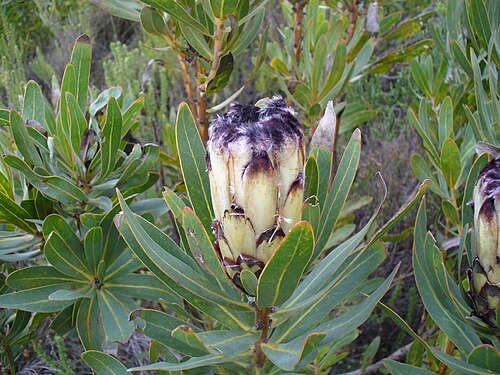
105,053 animal records in July.
At their peak in August


Most seen in August
Plants and fungi at their peak in August


137,704 animal records in August.
At their peak in September


Most seen in September
Plants and fungi at their peak in September


177,037 animal records in September.
At their peak in October


Most seen in October
Plants and fungi at their peak in October

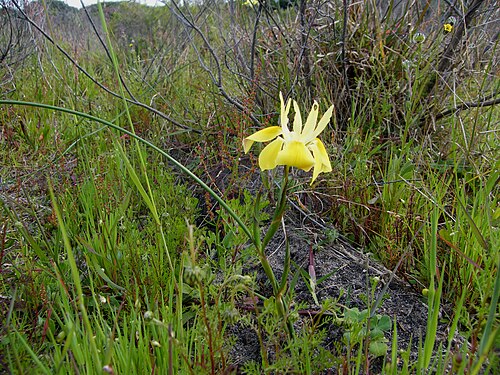


183,930 animal records in October.
At their peak in November


Most seen in November
Plants and fungi at their peak in November
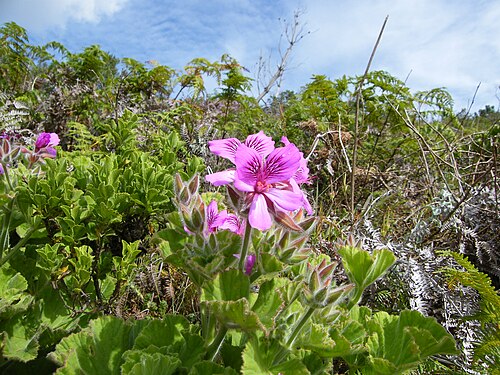

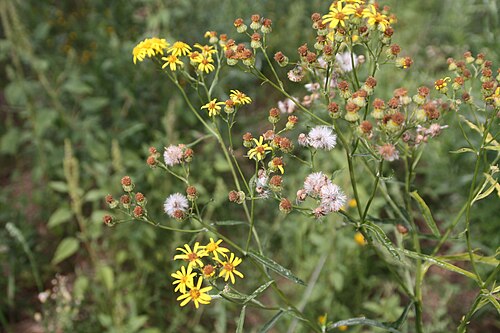

163,401 animal records in November.
At their peak in December


Most seen in December
Plants and fungi at their peak in December


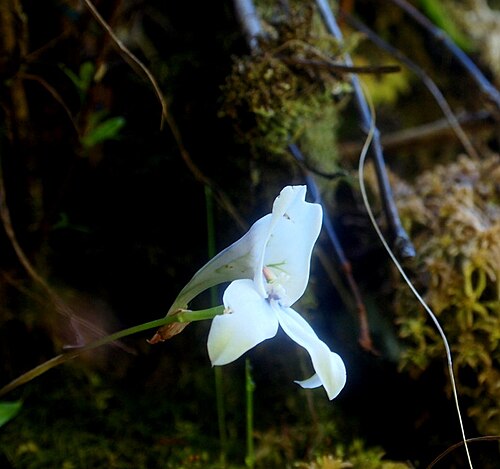
162,577 animal records in December.
Cape Town is getting warmer
Daylight: about 14 hours in December and 10 in June.
Seen something near Cape Town?
Share a photo of it on iNaturalist. Other naturalists help name it, and confirmed records go to GBIF, where scientists use them. That is where the lists on this page come from.
Explore next
What puts Cape Town under pressure, what helps, and who works on it.
Cape Town on the living planet
More places near Cape Town
Sources and photo credits
- Wikidata · Cape Town (Q5465), facts and nature places
- Wikipedia page views · how well known each nature place is
- OpenStreetMap contributors via Waymarked Trails · marked walking routes (ODbL)
- GBIF · human observations within 50 km, 2016–2025 (1,652,335 animal records)
- NASA POWER · yearly temperature from satellite and model data (MERRA-2)
- MET Norway · weather now (shown live)
- Natural Earth · populated place 1159151583, public domain
- Cape Town, South Africa: Diego Delso, CC BY-SA 4.0
- Table Mountain, Cape Town: Matthiasmullie, CC BY-SA 4.0
- Kirstenbosch National Botanical Garden, Cape Town: Andrawaag, CC BY-SA 4.0
- Lion's Head, Cape Town: Hansueli Krapf This file was uploaded with Commonist., CC BY-SA 3.0
- Devil's Peak, Cape Town: Warrickball, CC BY-SA 3.0
- Table Bay, Cape Town: Jacques-Nicolas Bellin, Public domain
- Signal Hill, Cape Town: en:User:Zaian, Public domain
- Table Mountain National Park, Cape Town: Hilton Teper, CC BY-SA 3.0
- Chapman's Peak, Cape Town: Martinvl, CC BY-SA 4.0
- Humpback whale: Dr. Louis M. Herman., Public domain
- Egyptian goose: Rhododendrites, CC BY-SA 4.0
- Hadada ibis: Sumeet Moghe, CC BY-SA 3.0
- Pied crow: Frank Vassen from Brussels, Belgium, CC BY 2.0
- Red-winged starling: Bernard DUPONT from FRANCE, CC BY-SA 2.0
- Kelp gull: hyper7pro, CC BY 2.0
- Western leopard toad: Marius Burger, CC0
- Cape dwarf chameleon: Oliver Angus, CC0
- Julia skimmer: Alandmanson, CC BY-SA 3.0
- Brown fur seal: JJ Harrison (https://www.jjharrison.com.au/), CC BY-SA 3.0
- Tropical bluetail: Laitche, Public domain
- Black girdled lizard: Abu Shawka, Public domain
- Cape wagtail: Joachim Huber, CC BY-SA 2.0
- Barn swallow: Morhaf Aljanee, CC BY-SA 3.0
- Common buzzard: caroline legg, CC BY 2.0
- Common ringed plover: Arnoldius, CC BY-SA 3.0
- Red crassula: Marius Coqui, CC BY 2.0
- Nine-pin heath: Andrew Massyn, Public domain
- Weeping bottlebrush: Pëter 1968 User:Peter Greenwell, CC BY-SA 3.0
- Flower of the gods: Michael Gäbler, CC BY-SA 3.0
- Hartlaub's gull: MBoy68 on Flickr, CC BY-SA 2.0
- Booted eagle: Vicente Zumel, CC BY-SA 3.0
- Scarlet dragonfly: ejatgc, Public domain
- European paper wasp: alfonsobenayas, CC BY 2.0
- Blue disa: Bolus, Harry, Public domain
- Red reedpipe: Andrew massyn, CC BY-SA 3.0
- Cluster disa: Andrew massyn, CC BY-SA 3.0
- Southern double-collared sunbird: Mikegoulding, CC BY-SA 3.0
- Lanner falcon: Derek Keats from Johannesburg, South Africa, CC BY 2.0
- Polyphagous shot hole borer: Dgomezuf, CC BY-SA 4.0
- Ferruginous glider: Charles J. Sharp, CC BY-SA 4.0
- Belladonna lily: JonRichfield, CC BY-SA 3.0
- March pypie: Andrew massyn, CC BY-SA 3.0
- Chandelier lily: Abu Shawka, Public domain
- Brown garden snail: Zachi Evenor, CC BY 2.0
- Marbled leaf-toed gecko: S Molteno, Public domain
- Hairy golden orb weaver: Diego Delso, CC BY-SA 4.0
- Coastal camphor bush: Abu Shawka, CC0
- Lion's ear: Urban, Public domain
- Painted lady: Sayan Sanyal, CC BY-SA 4.0
- African grass blue: Charles J. Sharp, CC BY-SA 4.0
- Manyleaf sorrel: SAplants, CC BY-SA 4.0
- Dotted viooltjie: SAplants, CC BY-SA 4.0
- Tropical woodsorrel: SAplants, CC BY-SA 4.0
- Red afrikaner: Andrew massyn, CC BY-SA 3.0
- Common starling: marsupium photography, CC BY-SA 2.0
- White-chinned petrel: Mjobling, CC BY-SA 3.0
- Shy albatross: Mjobling at English Wikipedia, Public domain
- Cobra lily: Frank Vincentz, CC BY-SA 3.0
- Brown afrikaner: Peter Baker from Cape Town, South Africa, CC BY 2.0
- Tree protea: Andrew massyn, CC BY-SA 3.0
- Sand toad: Oliver Angus, CC0
- Brown skua: BluesyPete, CC BY-SA 3.0
- Purple woodsorrel: SAplants, CC BY-SA 4.0
- Bermuda buttercup: MathKnight and Zachi Evenor אביר המתמטיקה וצחי אבנור, CC BY-SA 4.0
- Golden soldiers: Moraea123, CC BY-SA 3.0
- Black-bearded protea: Andrew massyn, Public domain
- Cape sand frog: Marius Burger, CC0
- Cherry spot: Androstachys, CC BY-SA 3.0
- Common sorrel moth: magriet b, CC BY-SA 4.0
- Reverse sorrel: SAplants, CC BY-SA 4.0
- Funnel weed: SAplants, CC BY-SA 4.0
- Red-veined darter: Alvesgaspar, CC BY 2.5
- Pearl-breasted swallow: https://www.flickr.com/people/cjaphotography/, CC BY-SA 2.0
- Cape lappet: Andrawaag, CC BY-SA 4.0
- Capestar: SAplants, CC BY-SA 4.0
- Beetle lily: SAplants, CC BY-SA 4.0
- Common bonnet: Peter Baker from Cape Town, South Africa, CC BY 2.0
- European bee-eater: Петро Катеринич, CC BY 4.0
- Mountain white-spot: Pieter Cramer (1721 - 1776) and Caspar Stoll (between 1725 and 1730 - 1791), Public domain
- Diederik cuckoo: Flickr user Alastair Rae . Photo uploaded to commons by user ltshears, CC BY-SA 2.0
- Broadleaf painted-lady: Peter Baker from Cape Town, South Africa, CC BY 2.0
- Hottentot nut: Andrew massyn, CC BY-SA 3.0
- Greater quaking-grass: Forest & Kim Starr, CC BY 3.0
- Cape bluebell: Andrew massyn, CC BY-SA 3.0
- African paradise flycatcher: Charles J. Sharp, CC BY-SA 4.0
- Whiskered tern: Marek Szczepanek, CC BY-SA 3.0
- Curlew sandpiper: JJ Harrison (https://www.jjharrison.com.au/), CC BY-SA 3.0
- Bar-tailed godwit: Andreas Trepte, CC BY-SA 2.5
- Hooded-leaf pelargonium: Andrew massyn, CC BY-SA 3.0
- Blue ladieshand: SAplants, CC BY-SA 4.0
- Shoddy ragwort: Jazzydrums, CC BY-SA 4.0
- Cape bugle-lily: Forest & Kim Starr, CC BY 3.0
- Common greenshank: JJ Harrison (https://www.jjharrison.com.au/), CC BY-SA 3.0
- African snipe: Derek Keats from Johannesburg, South Africa, CC BY 2.0
- Grey plover: Hans Hillewaert, CC BY-SA 3.0
- Cape snow: Bernard DUPONT from FRANCE, CC BY-SA 2.0
- Pinnated pelargonium: Alison Mauve Craig, CC BY-SA 4.0
- Drip disa: Andrew massyn, CC BY-SA 3.0


Wildlife records show where people have seen and shared plants and animals, not everything that lives here; some places and months are recorded more than others. Sensitive species are never shown with a month or as seen recently. Routes come from OpenStreetMap and are not checked by 4Planet: follow local signs and conditions. Climate figures are NASA estimates for the area around Cape Town, not a single weather station.
Checked 2026-11-20.