Bremen
City in Germany
Within 30 km of the centre of Bremen, the nature places people read about most are Hunte, Aller, Teufelsmoor and Lesum, and marked walks close to the city include Historischer Wanderweg Findorff, Lyrischer Pfad "bwandert" and Mentalpfad.
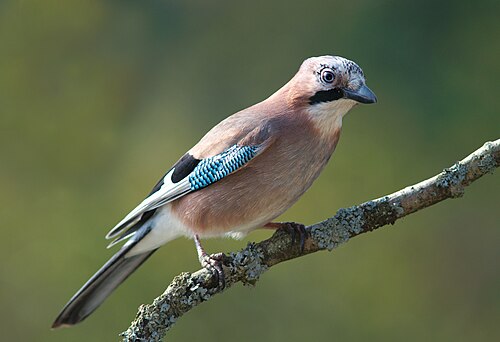
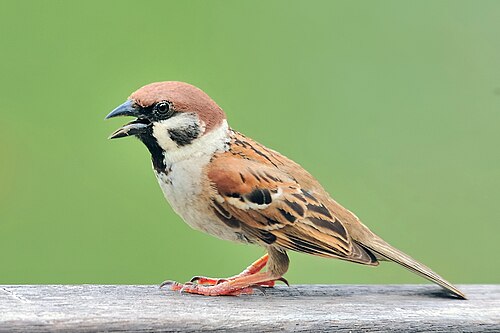
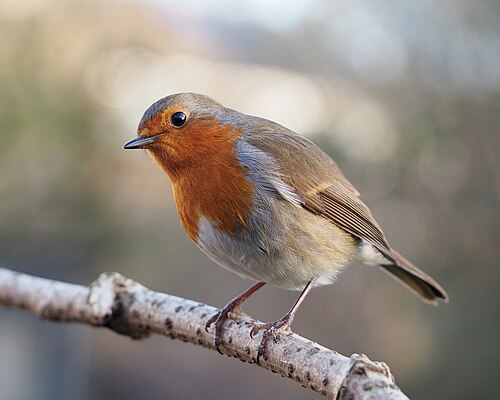
People have shared 548,141 wildlife records within 50 km of Bremen in the last ten years. The wild animals recorded most often are the common wood pigeon, the great tit, the Eurasian blue tit, the carrion crow and the common blackbird. Since the 1980s the area has become about 1.9 °C warmer.
- Country
- Germany
- Population
- 588,413
- Area
- 318 km²
- Elevation
- 11 m
- Currency
- Euro
- Daylight
- 8 to 17 hours
Figures from Wikidata; population 2025.
Bremen on the map
- Hunte
- Aller
- Teufelsmoor
- Lesum
- Rhododendron-Park Bremen
- Wümme
- Unisee
- Hamme
- Ochtum
Nature close to Bremen
The places people read most about, from the centre outwards.
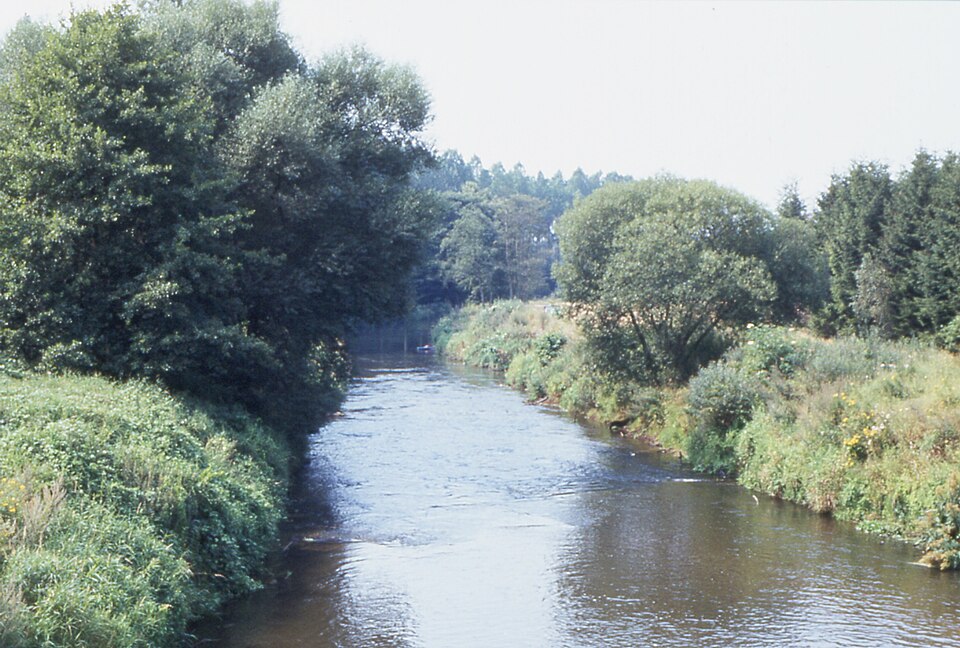
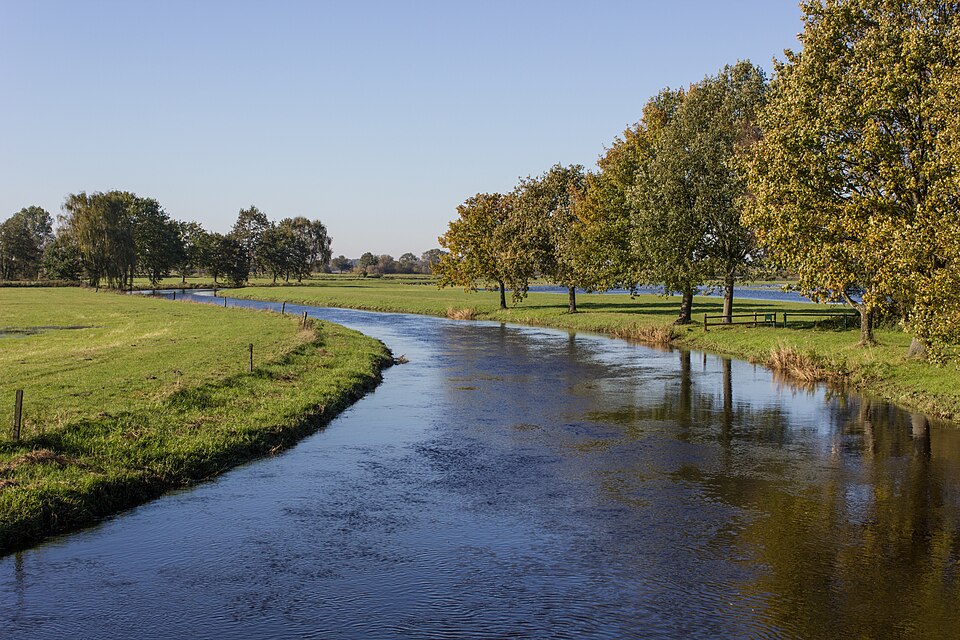
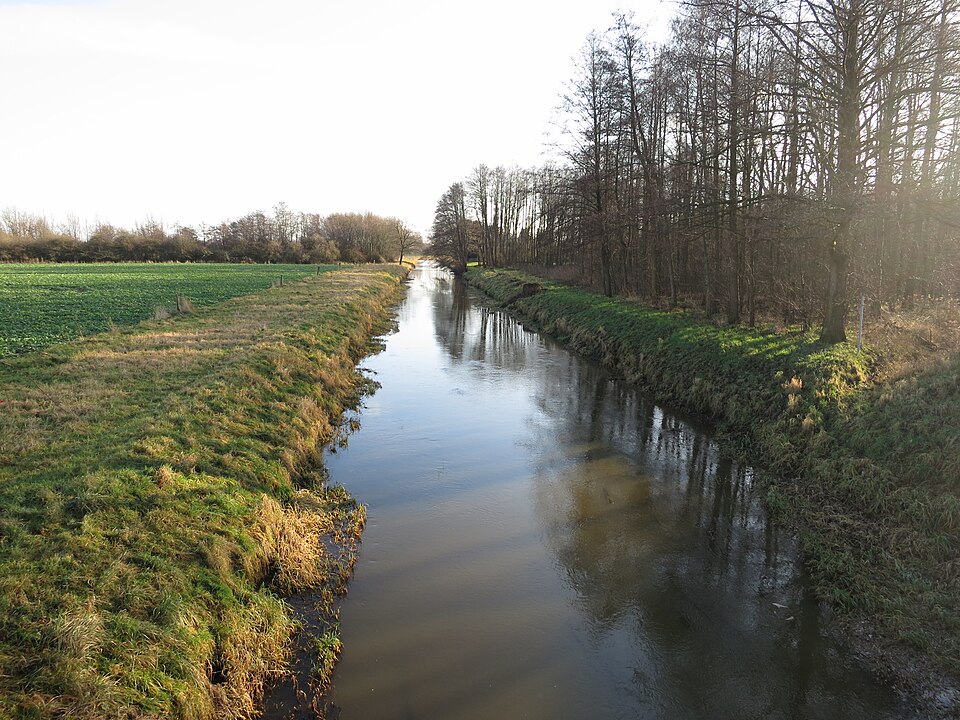
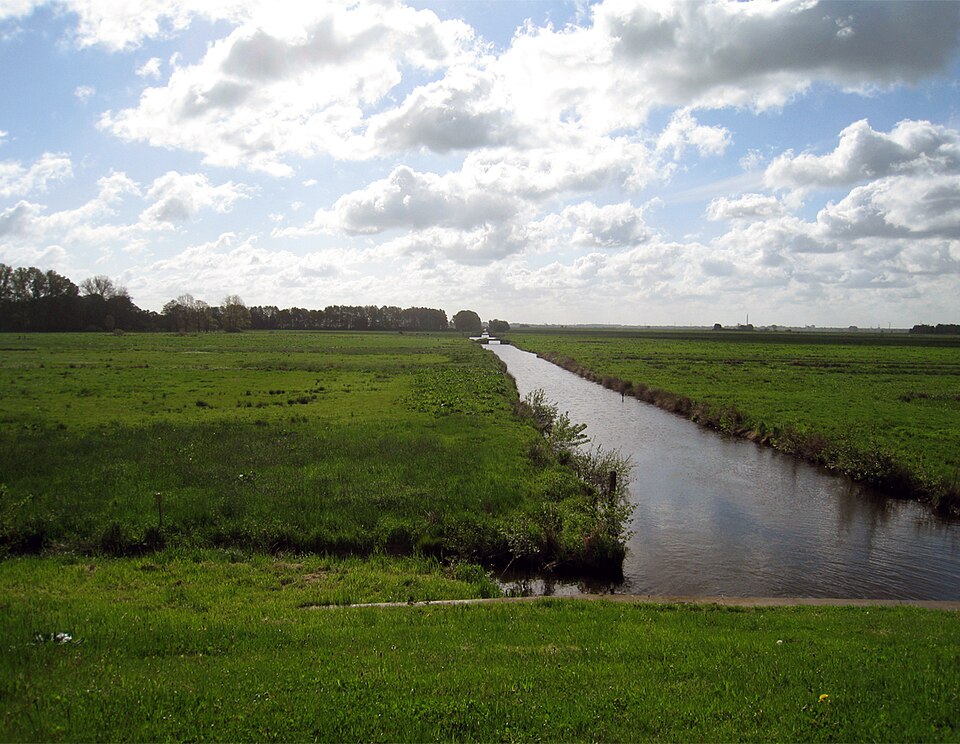
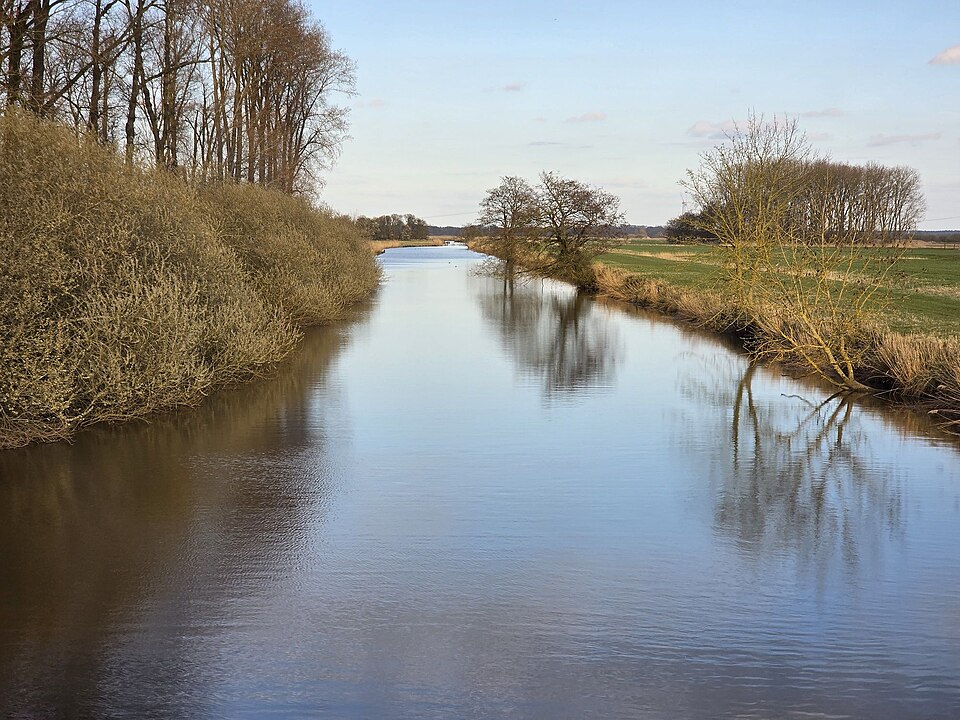
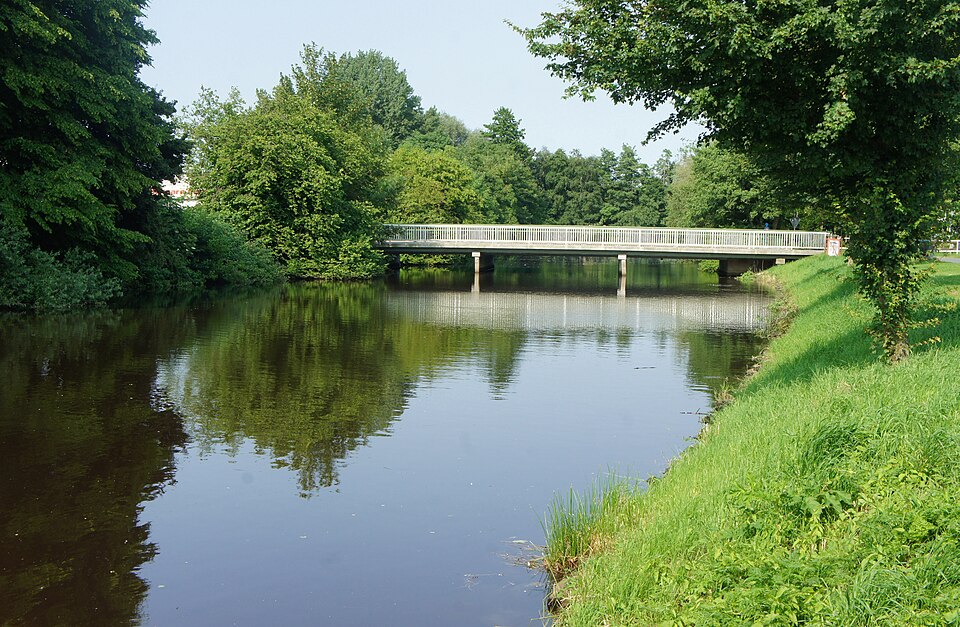
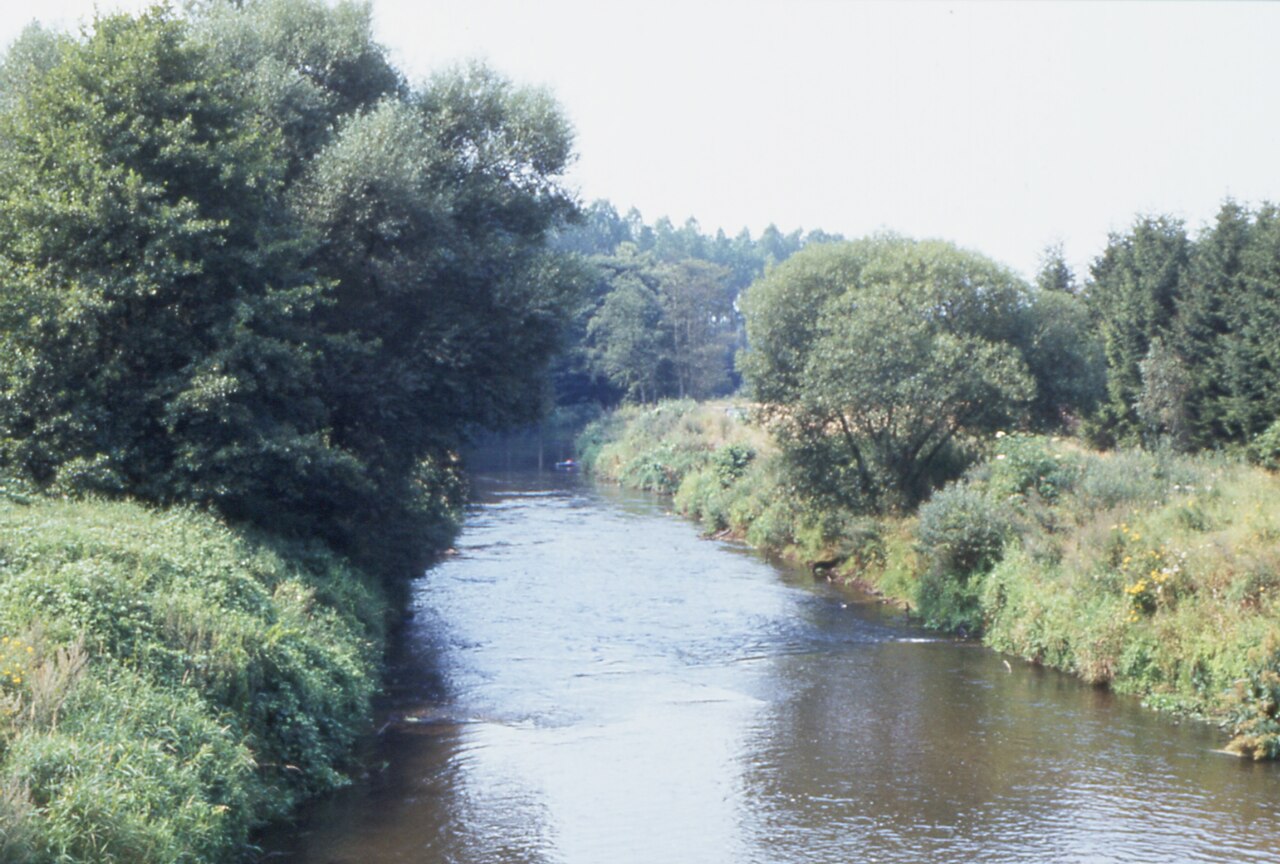
- Aller River · 29 km
- Teufelsmoor Raised bog · 24 km
- Lesum River · 12 km
- Rhododendron-Park Bremen Park · 6 km
- Unisee Lake · 4 km
- Hamme River · 12 km
- Weyerberg Hill · 17 km
- Beek River · 25 km
Marked walks
- Historischer Wanderweg Findorff8.5 km round trip · 2 km from the centre · marked by Bürgerverein Findorff
- Lyrischer Pfad "bwandert"2.3 km · 3 km from the centre · marked by Bürgerpark und SuUB
- Mentalpfad2 km · 4 km from the centre
- Hollerpad1.4 km · 7 km from the centre
- Wanderweg Dunger See - Moorlosen Kirche3.6 km · 12 km from the centre
- Ökopfad4.1 km · 13 km from the centre
- Achim und umzu11.7 km round trip · 14 km from the centre · marked by Stadt Achim
- Maritime Meile Vegesack2.1 km · 16 km from the centre
Long-distance trails through the area: Jakobsweg via Baltica (777 km), Geestweg (214 km), Weserweg (183 km).
Routes from OpenStreetMap via Waymarked Trails. Not checked by 4Planet: follow local signs and conditions.
Wildlife around Bremen
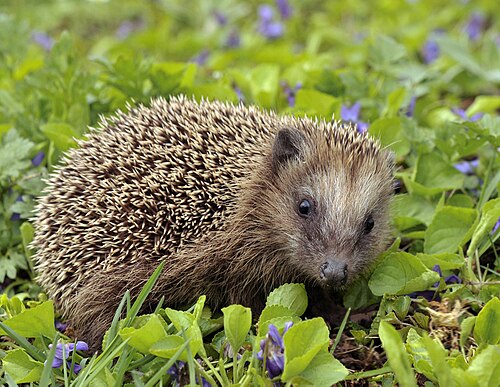
The wild animals people record most within 50 km, 2016–2025. Tick the ones you have seen to build your own list.


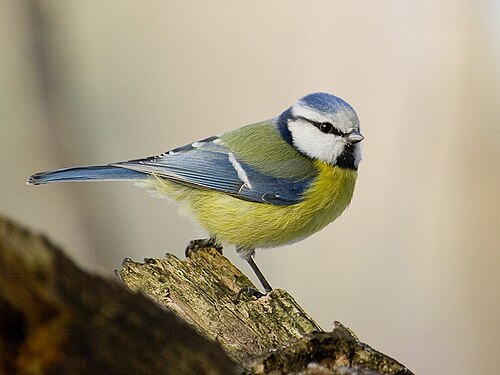


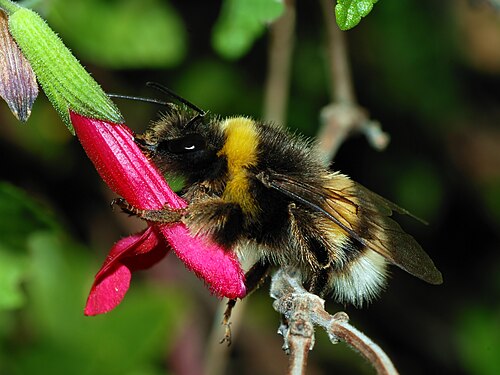
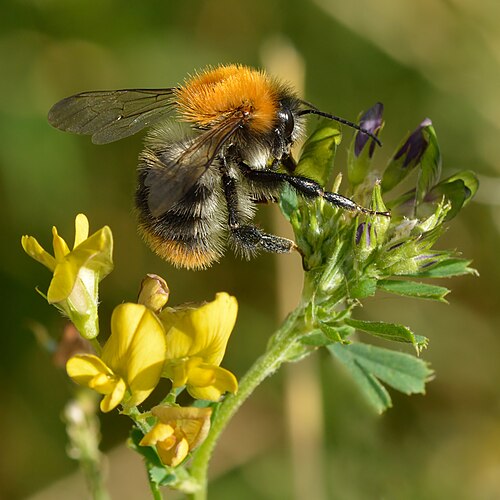

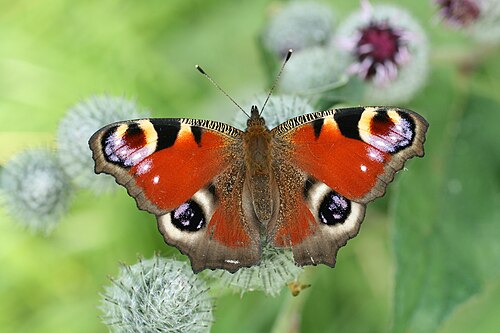
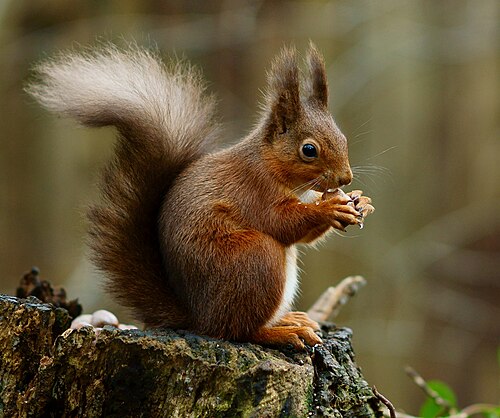

Seen in the last 30 days
What can you see near Bremen now?
Month by month, from 548,141 records people shared within 50 km, 2016–2025.
At their peak in January


Most seen in January
72,766 animal records in January.
At their peak in February


Most seen in February
24,849 animal records in February.
At their peak in March


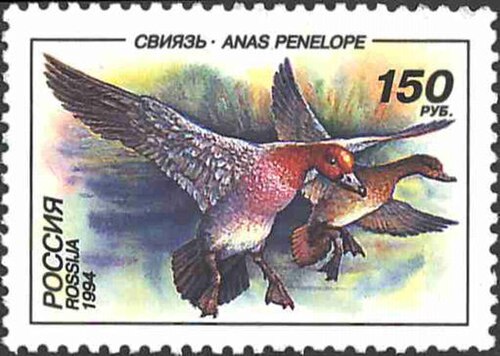

Most seen in March
Plants and fungi at their peak in March


42,303 animal records in March.
At their peak in April


Most seen in April
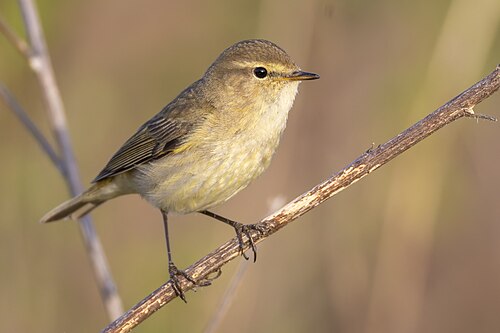
Plants and fungi at their peak in April


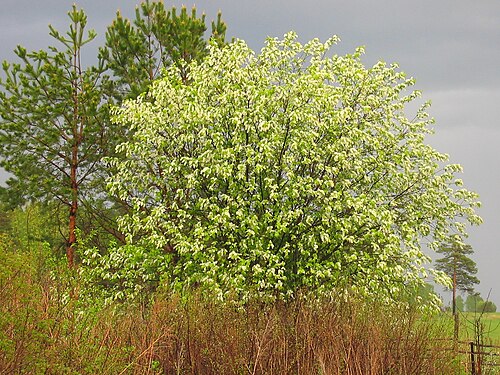
55,191 animal records in April.
At their peak in May

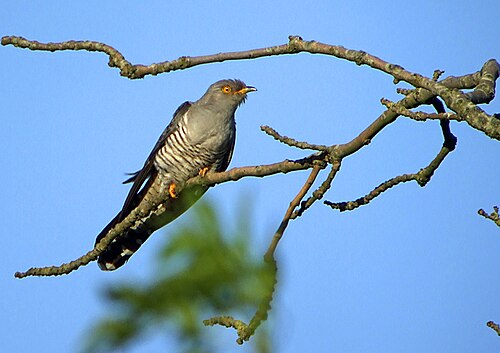


Most seen in May

Plants and fungi at their peak in May

108,894 animal records in May.
At their peak in June


Most seen in June
Plants and fungi at their peak in June
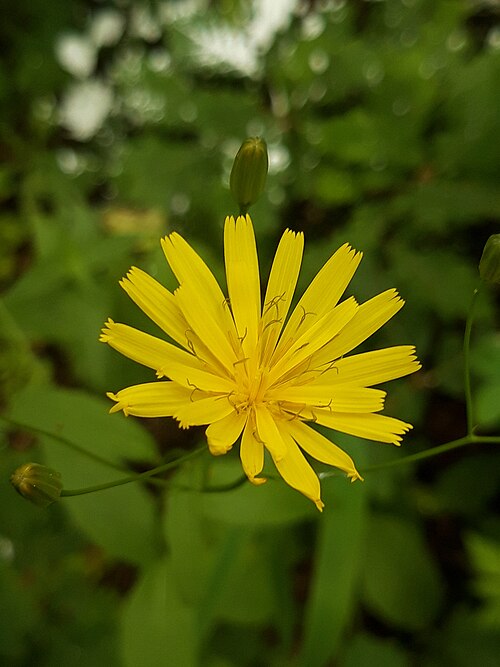

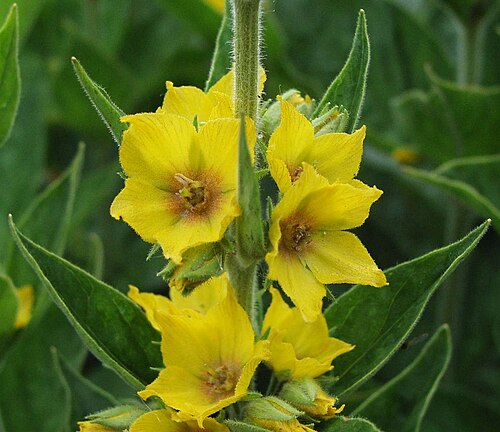

57,082 animal records in June.
At their peak in July

Most seen in July
Plants and fungi at their peak in July


45,982 animal records in July.
At their peak in August

Most seen in August
Plants and fungi at their peak in August
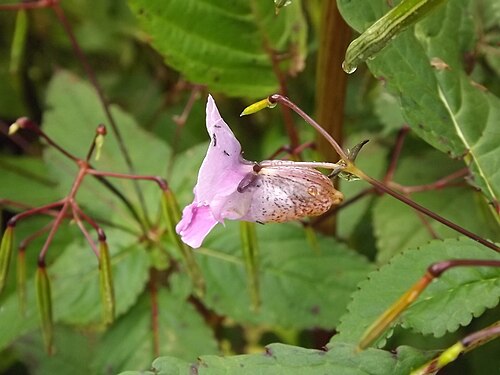


45,319 animal records in August.
At their peak in September
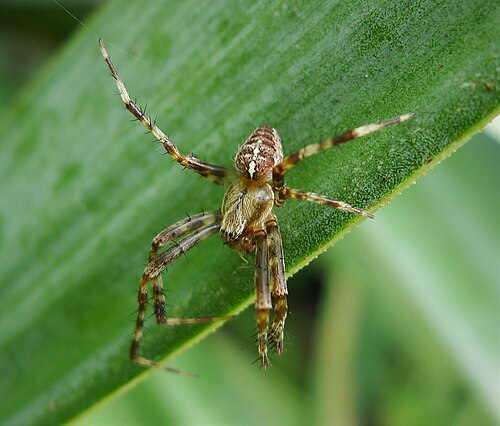
Most seen in September
Plants and fungi at their peak in September


30,884 animal records in September.
At their peak in October
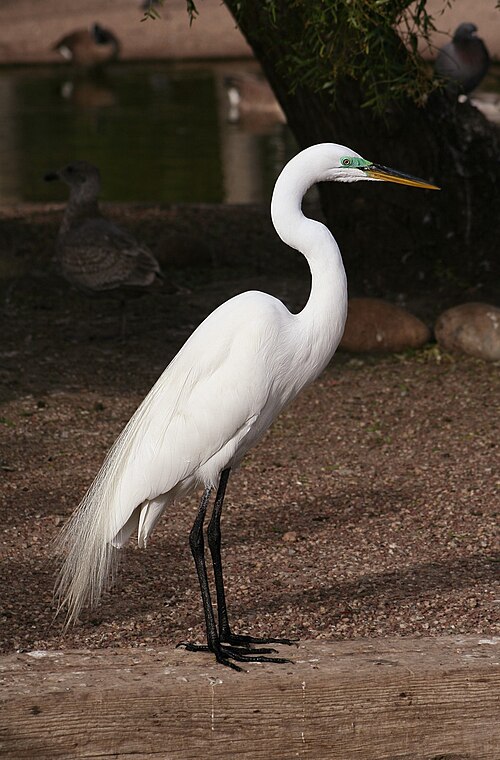

Most seen in October
Plants and fungi at their peak in October
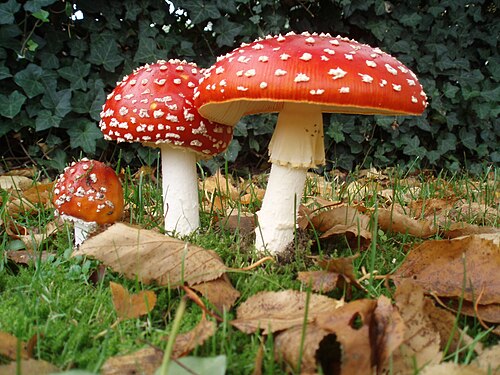
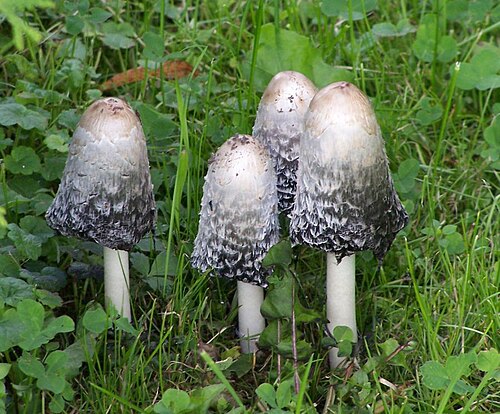
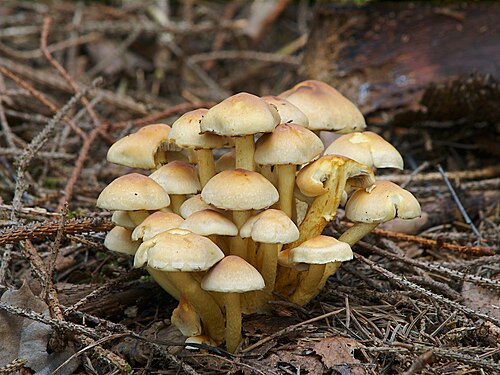
26,975 animal records in October.
At their peak in November
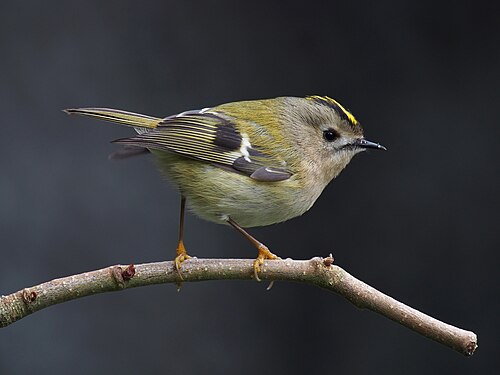
Most seen in November
Plants and fungi at their peak in November
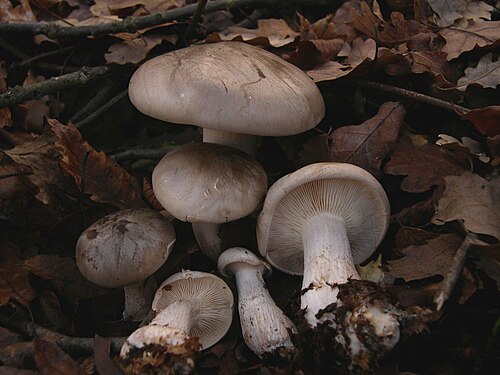
18,987 animal records in November.
At their peak in December
Most seen in December
18,909 animal records in December.
Bremen is getting warmer
+1.9 °CAverage temperature around Bremen in 2016–2025, compared with 1981–1990.
Daylight: about 8 hours in December and 17 in June.
Seen something near Bremen?
Share a photo of it on iNaturalist. Other naturalists help name it, and confirmed records go to GBIF, where scientists use them. That is where the lists on this page come from.
Explore next
What puts Bremen under pressure, what helps, and who works on it.
Bremen on the living planet
More places near Bremen
Sources and photo credits
- Wikidata · Bremen (Q24879), facts and nature places
- Wikipedia page views · how well known each nature place is
- OpenStreetMap contributors via Waymarked Trails · marked walking routes (ODbL)
- GBIF · human observations within 50 km, 2016–2025 (548,141 animal records)
- NASA POWER · yearly temperature from satellite and model data (MERRA-2)
- MET Norway · weather now (shown live)
- Hunte, Bremen: Ulamm, Public domain
- Hunte, Bremen: Ulamm, Public domain
- Wümme, Bremen: Heinz-Josef Lücking, CC BY-SA 3.0 de
- Ochtum, Bremen: C. Löser, CC BY 3.0 de
- Semkenfahrt, Bremen: Till F. Teenck, CC BY-SA 3.0
- Drepte, Bremen: Smarties, CC BY-SA 4.0
- Berne, Bremen: Billboa, CC BY 3.0
- Common wood pigeon: Don Loarie, CC BY 4.0
- Great tit: Frank Vassen from Brussels, Belgium, CC BY 2.0
- Eurasian blue tit: Sławek Staszczuk, CC BY-SA 3.0
- Carrion crow: Alexis Lours, CC BY 4.0
- Common blackbird: Hobbyfotowiki, CC0
- Buff-tailed bumblebee: Alvesgaspar, CC BY-SA 3.0
- Common carder bee: Ivar Leidus, CC BY-SA 4.0
- Roe deer: Jerzystrzelecki, CC BY 3.0
- Peacock: Korall, CC BY-SA 3.0
- Eurasian red squirrel: Peter Trimming, CC BY 2.0
- European hedgehog: Michael Gäbler, CC BY-SA 3.0
- Red admiral: Toni Wöhrl, CC BY-SA 4.0
- European robin: Francis C. Franklin, CC BY-SA 3.0
- House sparrow: Rhododendrites, CC BY-SA 4.0
- Eurasian nuthatch: Chme82, CC BY-SA 4.0
- Eurasian jay: Luc Viatour, CC BY-SA 3.0
- Eurasian tree sparrow: Yiwenyiwen, CC BY-SA 4.0
- Black-headed gull: Diliff, CC BY-SA 3.0
- Great cormorant: Mathew Schwartz, CC BY 3.0
- Greater white-fronted goose: MPF, CC BY-SA 3.0
- Common crane: Andreas Eichler, CC BY-SA 4.0
- Eurasian oystercatcher: Andreas Trepte, CC BY-SA 2.5
- Eurasian teal: Koshy Koshy from Faridabad, Haryana, India, CC BY 2.0
- Eurasian wigeon: Почта России, Public domain
- Barnacle goose: Andrey from Finland, CC BY 2.0
- Narrow-leaved ragwort: Pieter Pelser, CC BY 3.0
- Lesser celandine: AnRo0002, CC0
- Wood anemone: W. Bulach, CC BY-SA 4.0
- Red dead-nettle: Daniel J. Layton, CC BY-SA 4.0
- Common chiffchaff: Alexis Lours, CC BY 4.0
- Willow warbler: Andreas Trepte, CC BY-SA 2.5
- Northern shoveler: Andreas Trepte, CC BY-SA 2.5
- Garlic mustard: O. Pichard, CC BY-SA 3.0
- Ground ivy: AnRo0002, CC0
- Yellow archangel: Teun Spaans, CC BY 2.5
- Bird cherry: Игоревич, Public domain
- Eurasian chaffinch: Gilles San Martin from Namur, Belgium, CC BY-SA 2.0
- Common house martin: MPF, CC BY 2.5
- Common cuckoo: GabrielBuissart, CC BY-SA 3.0
- Common swift: Alexis Lours, CC BY 4.0
- Common redstart: Aconcagua (talk), CC BY-SA 3.0
- Greater stitchwort: iNaturalist.org (spoonbilling), CC BY 4.0
- Marmalade hoverfly: Alvesgaspar, CC BY-SA 3.0
- Blue-tailed damselfly: Charles J. Sharp, CC BY-SA 3.0
- Azure damselfly: Charles J. Sharp, CC BY-SA 4.0
- Nipplewort: Արարատ Թրվանց, CC BY-SA 4.0
- Yellow flag: Jean-Jacques MILAN, CC BY-SA 3.0
- Large yellow loosestrife: sarefo, CC BY-SA 3.0
- Blueweed: Please report references to kulacgmx.at., CC BY-SA 3.0
- Meadow brown: James K. Lindsey, CC BY-SA 3.0
- Tansy: Ivar Leidus, CC BY-SA 3.0
- Garden yellow loosestrife: Kristian Peters -- Fabelfroh 15:11, 26 September 2005 (UTC), CC BY-SA 3.0
- Meadowsweet: W. Bulach, CC BY-SA 4.0
- Soapwort: Img, Public domain
- Drone fly: Alvesgaspar, CC BY-SA 3.0
- Himalayan balsam: Guptaele, CC BY-SA 4.0
- Small balsam: André Karwath aka Aka, CC BY-SA 2.5
- Hemp agrimony: Burkhard Mücke, CC BY-SA 4.0
- Cross orbweaver: gailhampshire from Cradley, Malvern, U.K, CC BY 2.0
- Hop: No machine-readable author provided. Rasbak assumed (based on copyright claims)., CC BY-SA 3.0
- European spindletree: AnRo0002, CC0
- Great egret: Calibas, CC BY-SA 3.0
- Redwing: Andreas Trepte, CC BY-SA 2.5
- Fly agaric: Onderwijsgek, CC BY-SA 3.0 nl
- Lawyer's wig: A. Uciechowska, CC BY-SA 3.0
- Sulphur tuft: Jörg Hempel, CC BY-SA 2.0 de
- Goldcrest: Francis C. Franklin, CC BY-SA 3.0
- Clouded funnel: Archenzo, CC BY-SA 3.0


Wildlife records show where people have seen and shared plants and animals, not everything that lives here; some places and months are recorded more than others. Sensitive species are never shown with a month or as seen recently. Routes come from OpenStreetMap and are not checked by 4Planet: follow local signs and conditions. Climate figures are NASA estimates for the area around Bremen, not a single weather station.
Checked 2026-11-27.