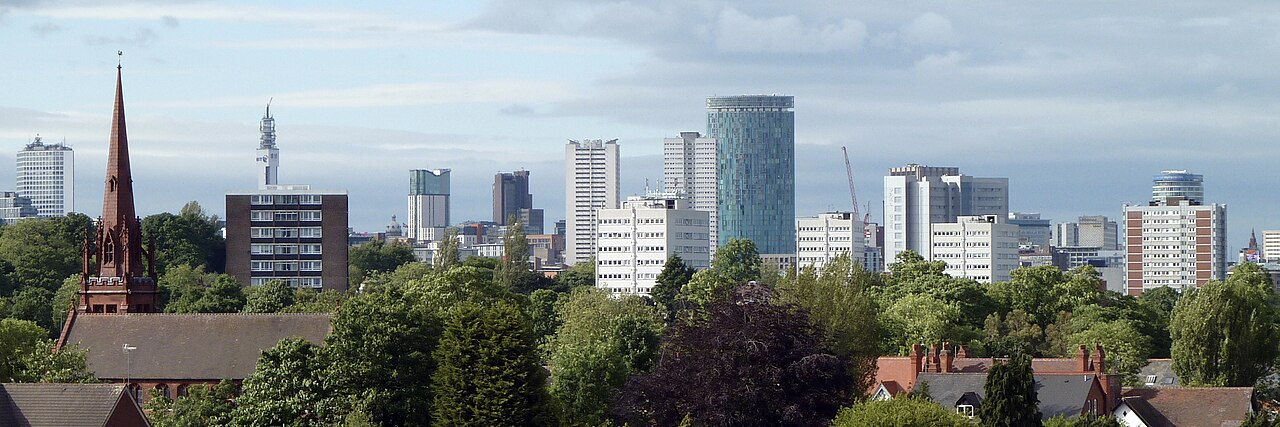
Birmingham
City in United Kingdom
Within 30 km of the centre of Birmingham, the nature places people read about most are Clent Hills, River Rea, Moseley Bog and Sutton Park, and marked walks close to the city include Birmingham Platinum Jubilee Walkway, Matthew Boulton Trail and Manufacturing & Migration Walk.
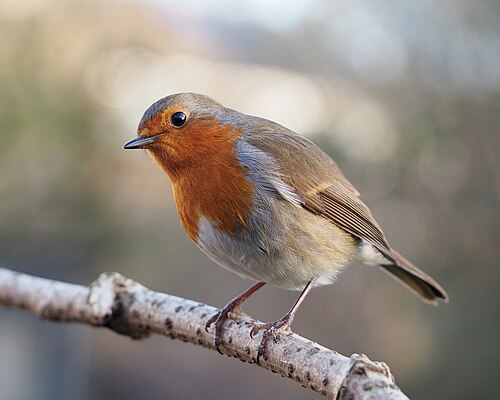
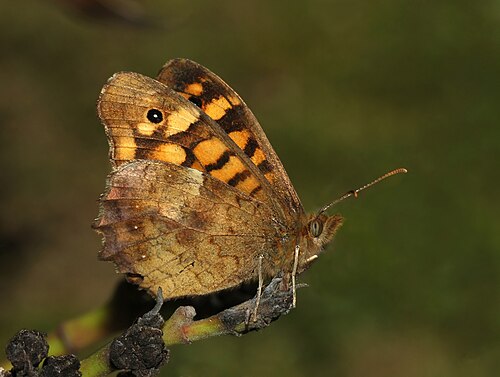
People have shared 3,205,531 wildlife records within 50 km of Birmingham in the last ten years. The wild animals recorded most often are the common wood pigeon, the meadow brown, the European robin, the speckled wood and the common blackbird. Since the 1980s the area has become about 1.2 °C warmer.
Of the 227 cities on Atlas, Birmingham has the 6th most marked walks and the 8th most species named on its page. Among the animals people record most around Birmingham, the common darter appears on no other city page here.
- Country
- United Kingdom
- Population
- 1.1 million
- Area
- 268 km²
- Elevation
- 140 m
- Currency
- Pound sterling
- Daylight
- 8 to 17 hours
Figures from Wikidata; population 2017.
Birmingham on the map
- Clent Hills
- River Rea
- Moseley Bog
- Sutton Park
- Chasewater
- Coventry Canal
- Worcester and Birmingham Canal
- River Cole
- Netherton Tunnel Branch Canal
Nature close to Birmingham
The places people read most about, from the centre outwards.
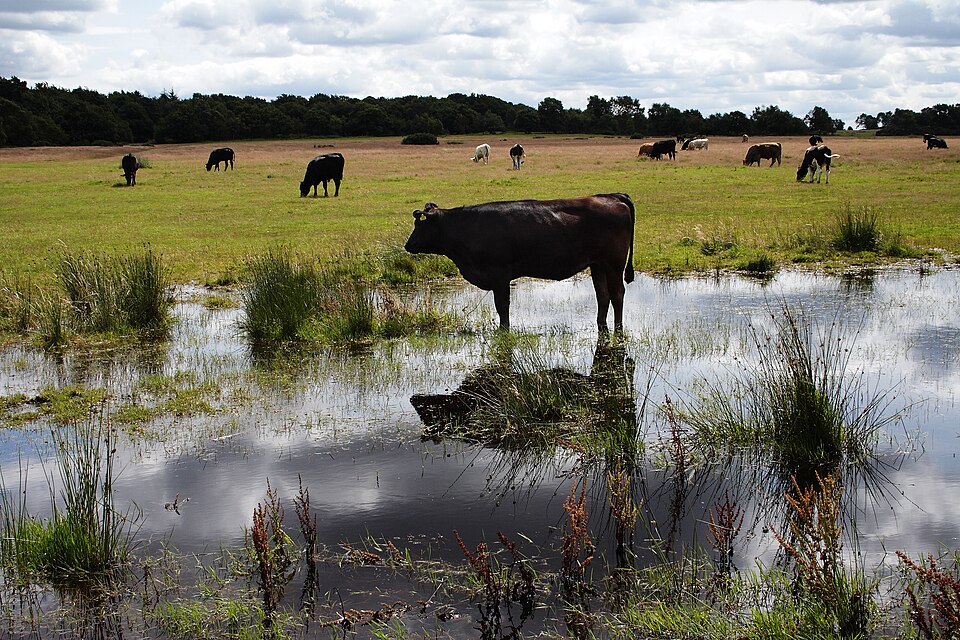
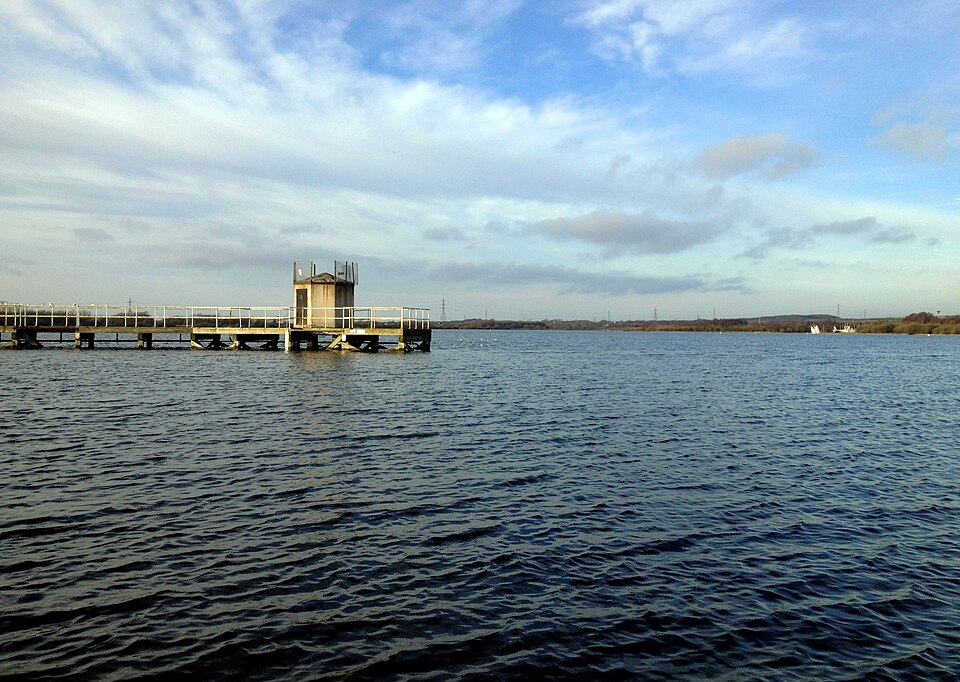
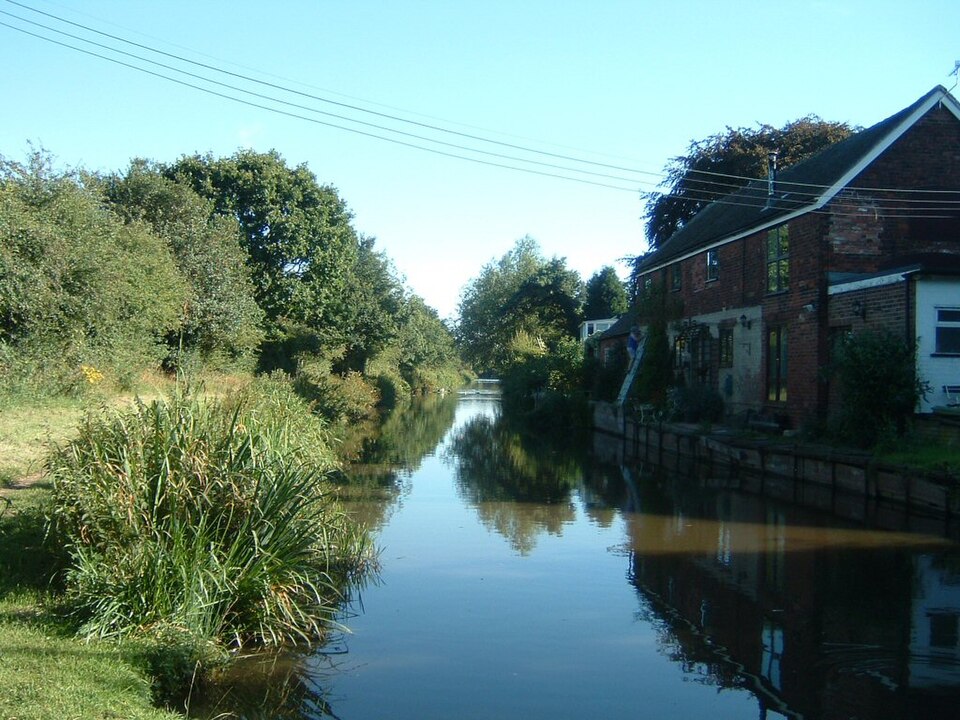
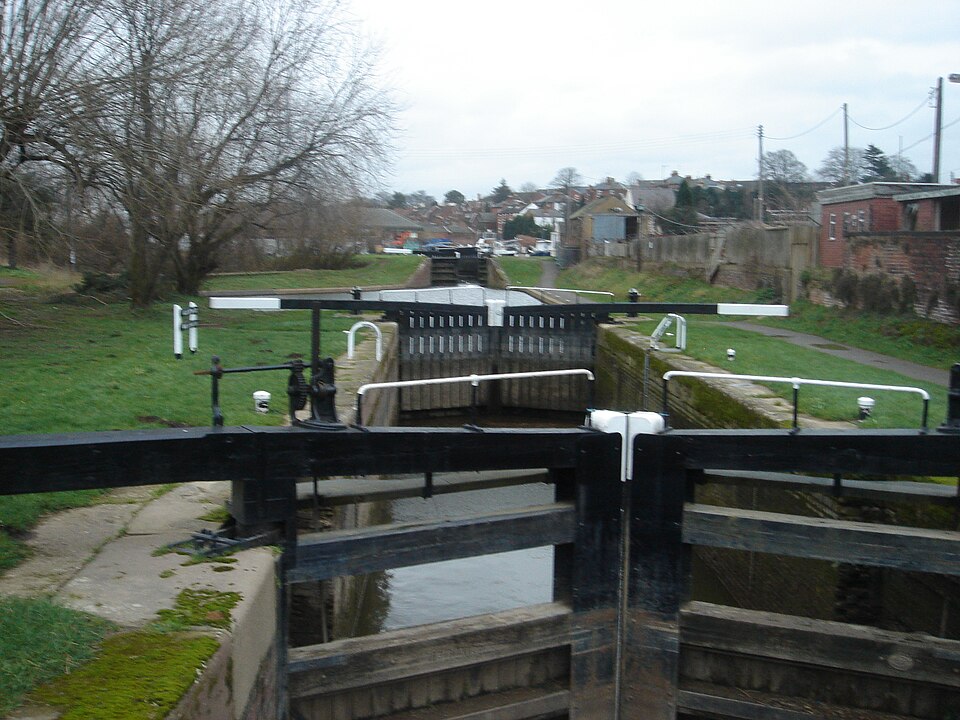
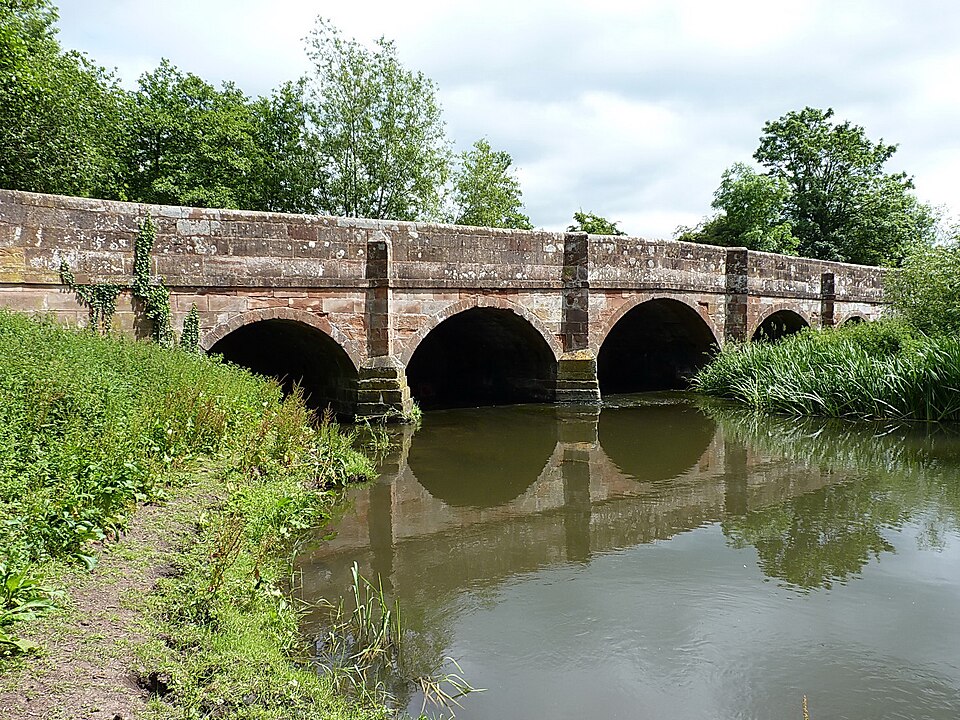
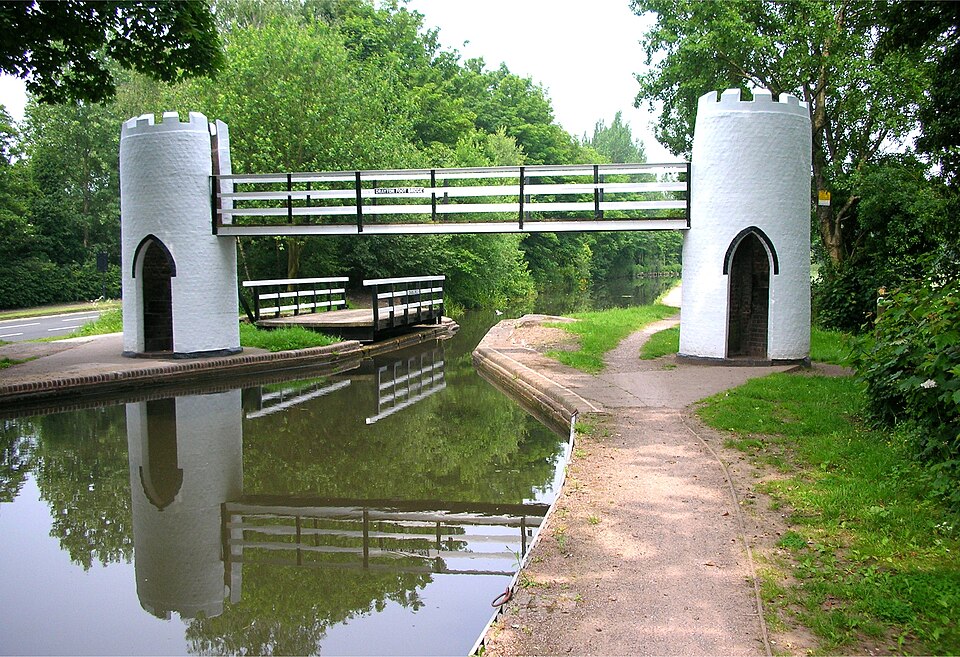
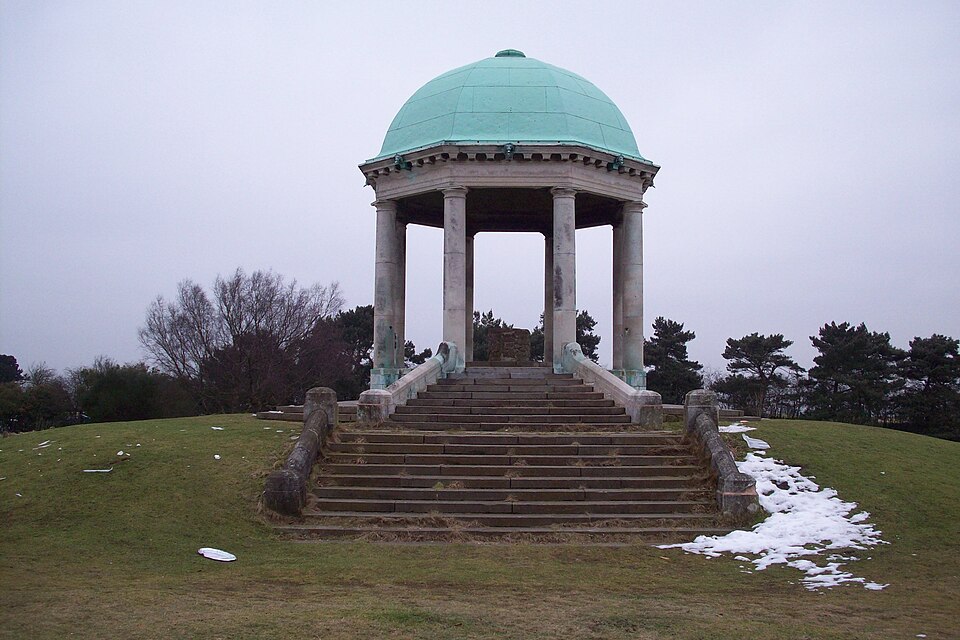
- Clent Hills Hill · 14 km
- River Rea River · 5 km
- Moseley Bog Nature reserve · 6 km
- River Cole River · 4 km
- Netherton Tunnel Branch Canal Canal tunnel · 11 km
- BCN Main Line Canal · 13 km
- River Anker River · 22 km
Marked walks
- Birmingham Platinum Jubilee Walkway16.7 km round trip · 1 km from the centre · marked by Birmingham City Council;University of Birmingham;Canal and River Trust;West Midlands Combined Authority;Commonwealth Games Federation
- Matthew Boulton Trail3.7 km · 1 km from the centre · marked by Birmingham City Council
- Manufacturing & Migration Walk3.5 km · 1 km from the centre · marked by Royal Geographic Society
- Jewellery Quarter Heritage Trail3.2 km round trip · 1 km from the centre · marked by Birmingham City Council;Birmingham Museums;Jewellery Quarter Development Trust
- Lunar Society Birmingham Heritage Trail3.1 km round trip · 1 km from the centre · marked by The Lunar Society;Birmingham City Council
- James Watt City Centre Walk2.7 km · 1 km from the centre · marked by Birmingham Museums Trust;Library of Birmingham
- Colmore Art Trail2.2 km · 1 km from the centre · marked by Colmore Business District
- Birmingham Wellbeing Walk: Livery Street to The Mailbox1.9 km · 1 km from the centre · marked by Canal & River Trust
Long-distance trails through the area: European long distance path E2 west (4,099 km), Monarch's Way (921 km), Grand Union Canal Walk (273 km).
Routes from OpenStreetMap via Waymarked Trails. Not checked by 4Planet: follow local signs and conditions.
Wildlife around Birmingham
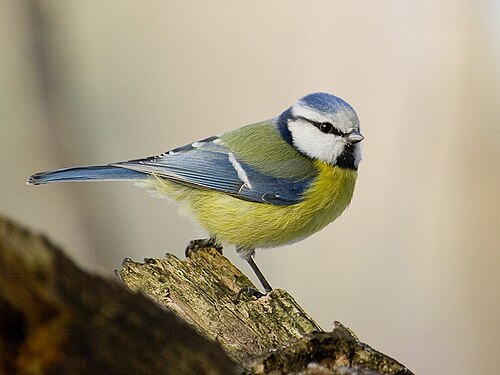
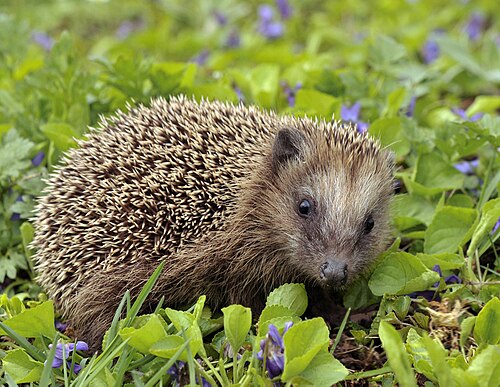
The wild animals people record most within 50 km, 2016–2025. Tick the ones you have seen to build your own list.






Seen in the last 30 days
What can you see near Birmingham now?
Month by month, from 3,205,531 records people shared within 50 km, 2016–2025.
At their peak in January


Most seen in January
168,416 animal records in January.
At their peak in February


Most seen in February
Plants and fungi at their peak in February


139,865 animal records in February.
At their peak in March


Most seen in March
Plants and fungi at their peak in March
203,024 animal records in March.
At their peak in April
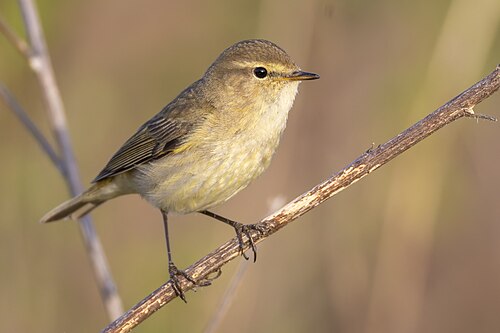

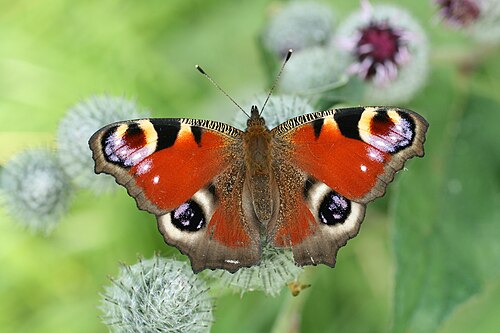
Most seen in April
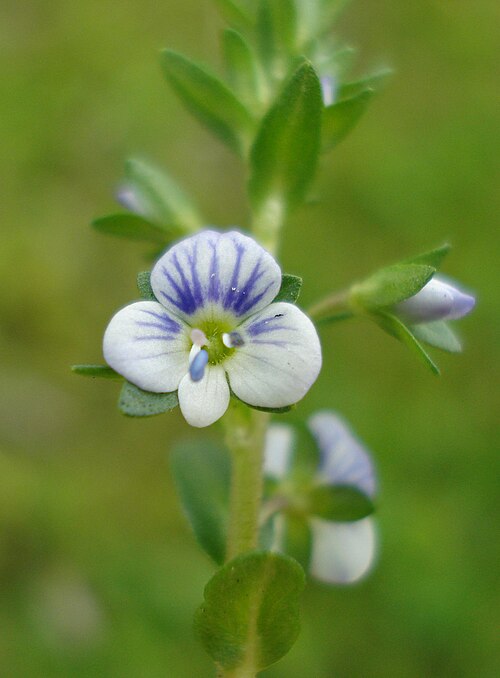
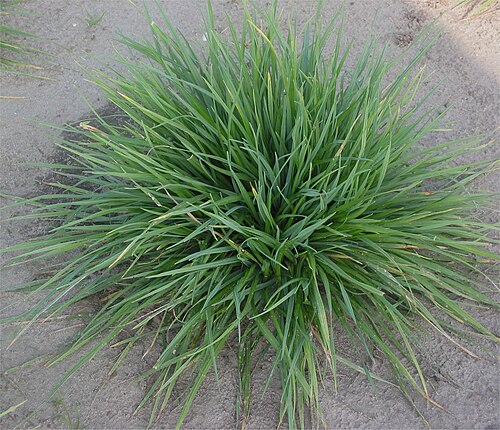
Plants and fungi at their peak in April


328,974 animal records in April.
At their peak in May


Most seen in May
Plants and fungi at their peak in May

381,280 animal records in May.
At their peak in June
Most seen in June
Plants and fungi at their peak in June



392,589 animal records in June.
At their peak in July


Most seen in July
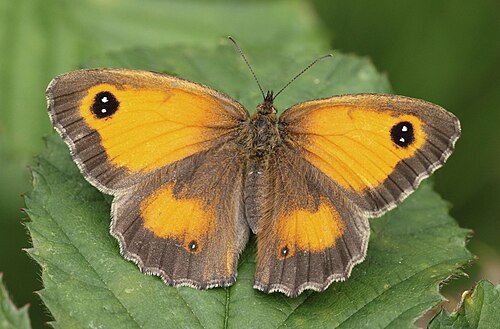
Plants and fungi at their peak in July


544,650 animal records in July.
At their peak in August


Most seen in August
Plants and fungi at their peak in August
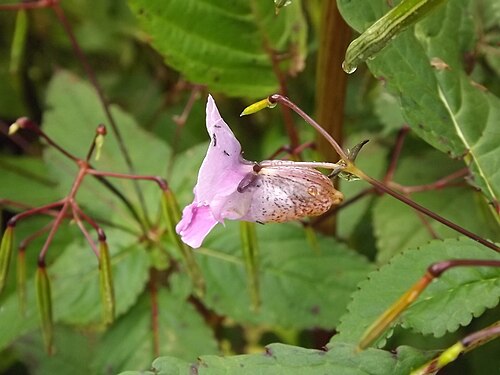
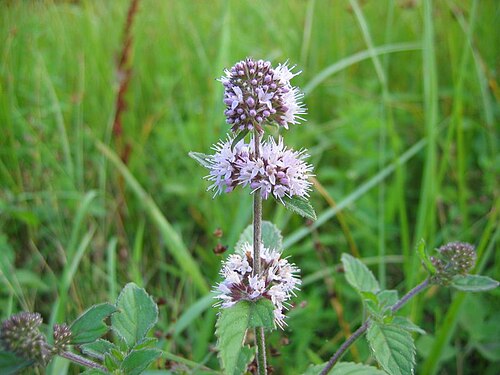


398,679 animal records in August.
At their peak in September

Most seen in September

Plants and fungi at their peak in September
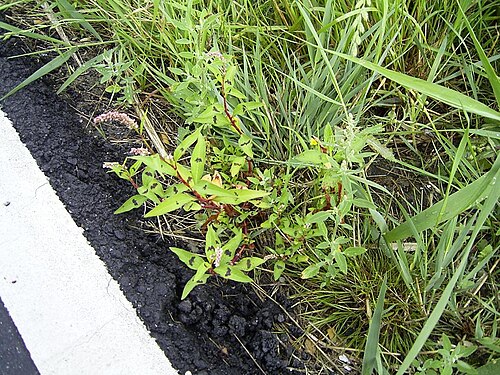
234,211 animal records in September.
At their peak in October
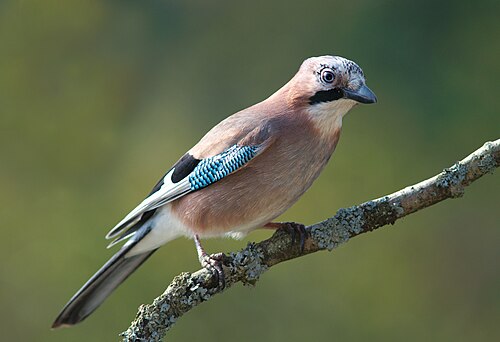
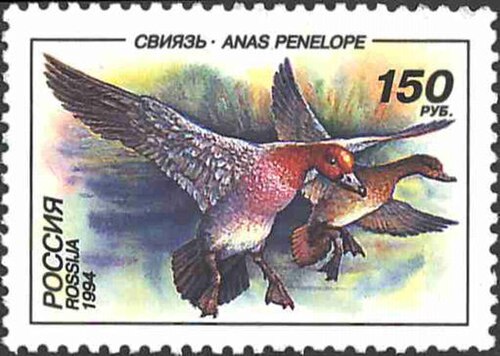
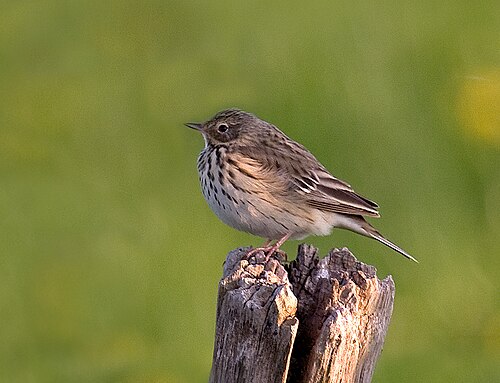
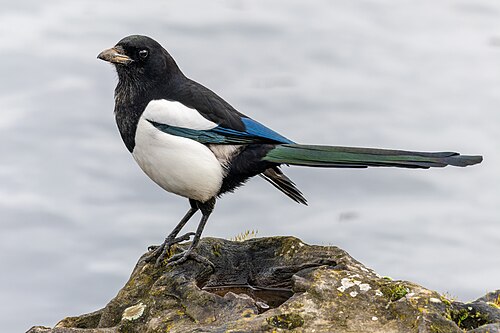
Most seen in October
Plants and fungi at their peak in October
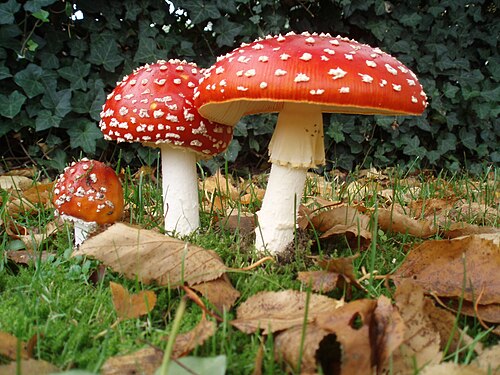
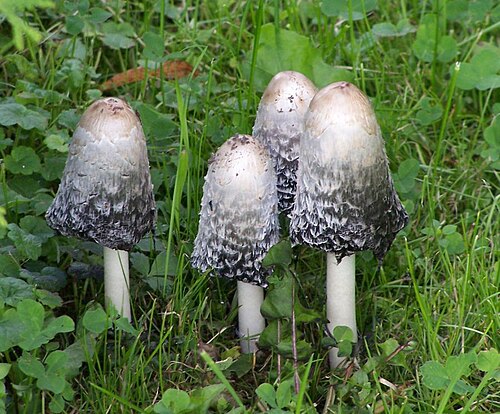
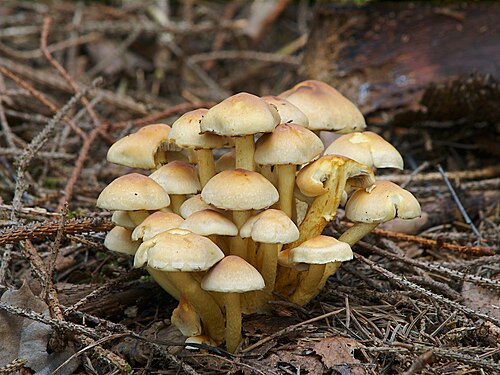
157,127 animal records in October.
At their peak in November
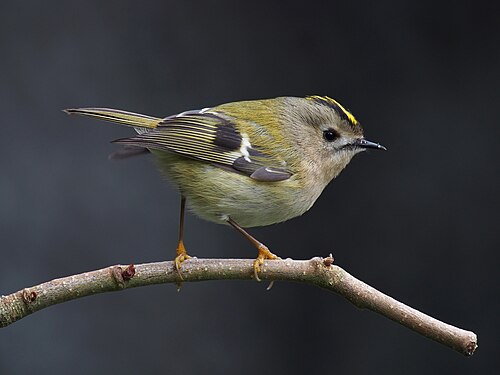

Most seen in November
Plants and fungi at their peak in November
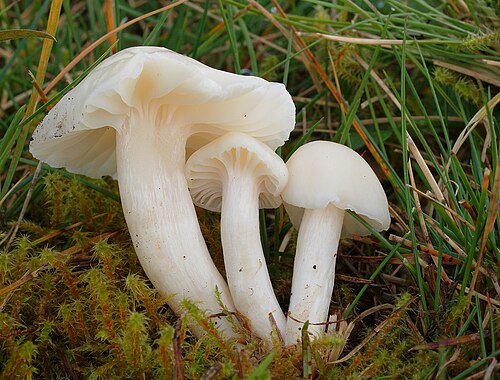
131,840 animal records in November.
At their peak in December
Most seen in December
124,876 animal records in December.
Birmingham is getting warmer
+1.2 °CAverage temperature around Birmingham in 2016–2025, compared with 1981–1990.
Daylight: about 8 hours in December and 17 in June.
Seen something near Birmingham?
Share a photo of it on iNaturalist. Other naturalists help name it, and confirmed records go to GBIF, where scientists use them. That is where the lists on this page come from.
Explore next
What puts Birmingham under pressure, what helps, and who works on it.
Birmingham on the living planet
More places near Birmingham
Sources and photo credits
- Wikidata · Birmingham (Q2256), facts and nature places
- Wikipedia page views · how well known each nature place is
- OpenStreetMap contributors via Waymarked Trails · marked walking routes (ODbL)
- GBIF · human observations within 50 km, 2016–2025 (3,205,531 animal records)
- NASA POWER · yearly temperature from satellite and model data (MERRA-2)
- MET Norway · weather now (shown live)
- Birmingham, United Kingdom: JimmyGuano, CC BY-SA 4.0
- Sutton Park, Birmingham: Ted and Jen, CC BY 2.0
- Chasewater, Birmingham: Bs0u10e01, CC BY-SA 3.0
- Coventry Canal, Birmingham: The original uploader was Scu98rkr at English Wikipedia., CC BY-SA 3.0
- Worcester and Birmingham Canal, Birmingham: Ivan Lissitsyn at en.wikipedia, Public domain
- River Blythe, Birmingham: Richard Law, CC BY-SA 2.0
- Birmingham and Fazeley Canal, Birmingham: Original uploader was Oosoom at en.wikipedia, CC BY-SA 3.0
- Barr Beacon, Birmingham: Mnnngchris at English Wikipedia, Public domain
- Common wood pigeon: Don Loarie, CC BY 4.0
- Meadow brown: James K. Lindsey, CC BY-SA 3.0
- European robin: Francis C. Franklin, CC BY-SA 3.0
- Speckled wood: Alvesgaspar, CC BY-SA 3.0
- Common blackbird: Hobbyfotowiki, CC0
- Carrion crow: Alexis Lours, CC BY 4.0
- Eurasian blue tit: Sławek Staszczuk, CC BY-SA 3.0
- European hedgehog: Michael Gäbler, CC BY-SA 3.0
- Eastern gray squirrel: Dominic Nelson, CC BY-SA 4.0
- Common darter: Loz (L. B. Tettenborn), CC BY-SA 3.0
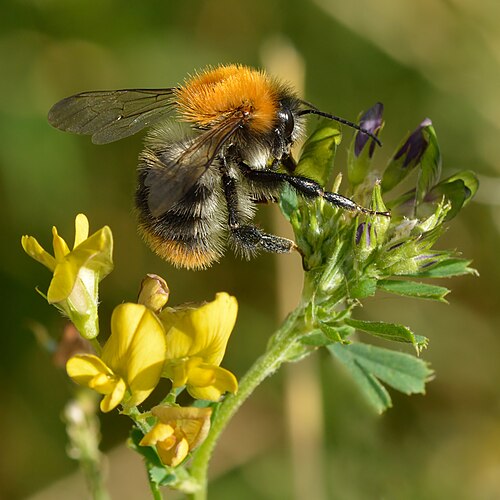
- Common carder bee: Ivar Leidus, CC BY-SA 4.0
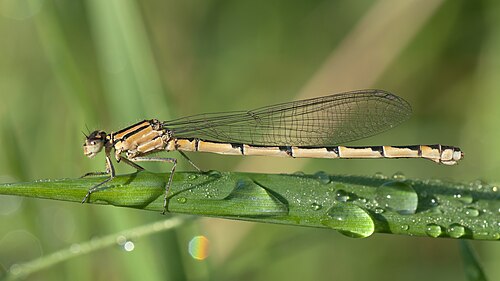
- Common blue damselfly: Mathias Krumbholz, CC BY-SA 3.0
- Great tit: Frank Vassen from Brussels, Belgium, CC BY 2.0
- Black-headed gull: Diliff, CC BY-SA 3.0
- Eurasian chaffinch: Gilles San Martin from Namur, Belgium, CC BY-SA 2.0
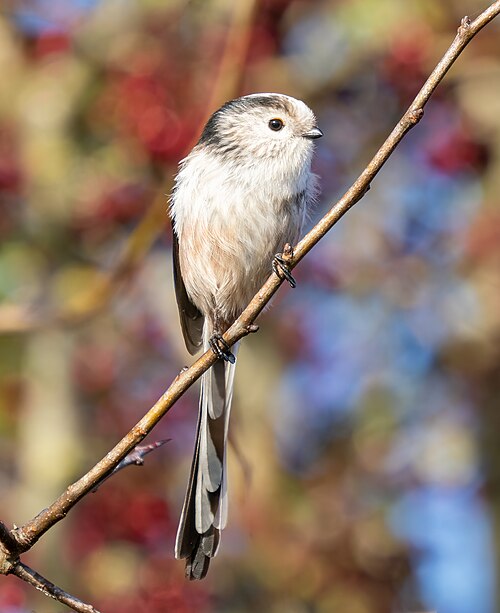
- Long-tailed tit: Rhododendrites, CC BY-SA 4.0
- Song thrush: Charles J. Sharp, CC BY-SA 4.0
- Redwing: Andreas Trepte, CC BY-SA 2.5
- Eurasian nuthatch: Chme82, CC BY-SA 4.0
- Snowdrop: Tim Green, CC BY 2.0
- Lesser celandine: AnRo0002, CC0
- Red dead-nettle: Daniel J. Layton, CC BY-SA 4.0
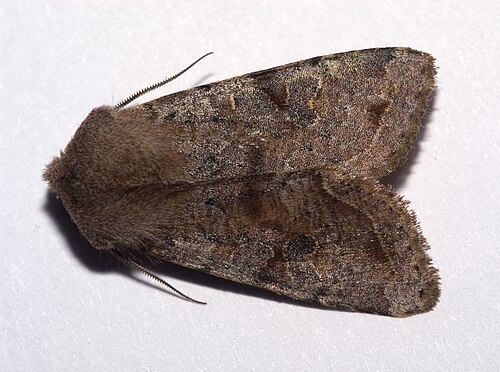
- Common quaker: Olaf Leillinger, CC BY-SA 3.0
- Hebrew character: Myself, CC BY 3.0
- Eurasian oystercatcher: Andreas Trepte, CC BY-SA 2.5
- Clouded drab: Kulac, CC BY-SA 3.0
- Peacock: Korall, CC BY-SA 3.0
- Common chiffchaff: Alexis Lours, CC BY 4.0
- Eurasian blackcap: Ron Knight from Seaford, East Sussex, United Kingdom, CC BY 2.0
- Garlic mustard: O. Pichard, CC BY-SA 3.0
- Green alkanet: Luis Fernández García, CC BY-SA 3.0
- Common swift: Alexis Lours, CC BY 4.0
- Holly blue: Charles J. Sharp, CC BY-SA 4.0
- Common whitethroat: Steve Garvie from Dunfermline, Fife, Scotland, CC BY-SA 2.0
- Bluebell: JackyM59, CC BY-SA 4.0
- Thymeleaf speedwell: Fornax, CC BY-SA 3.0
- Rough bluegrass: Rasbak, CC BY-SA 3.0
- Crested dogstail grass: Rasbak, CC BY-SA 3.0
- Heath spotted-orchid: Jörg Hempel, CC BY-SA 3.0 de
- Common starwort: Kristian Peters -- Fabelfroh 07:15, 26 September 2006 (UTC), CC BY-SA 3.0
- Gatekeeper: Janet Graham, CC BY 2.0
- Comma: Charles J. Sharp, CC BY-SA 4.0
- Small skipper: Ivar Leidus, CC BY-SA 4.0
- Tufted vetch: The original uploader was Sannse at English Wikipedia., CC BY-SA 3.0
- Lady's bedstraw: Bjoertvedt, CC BY-SA 3.0
- Field bindweed: W. Bulach, CC BY-SA 4.0
- Common blue: Charles J. Sharp, CC BY-SA 4.0
- Painted lady: Sayan Sanyal, CC BY-SA 4.0
- Himalayan balsam: Guptaele, CC BY-SA 4.0
- Water mint: Kristian Peters -- Fabelfroh 09:40, 12 March 2007 (UTC), CC BY-SA 3.0
- Autumn hawkbit: Danny Steven S., CC BY-SA 3.0
- Purple loosestrife: Ivar Leidus, CC BY-SA 3.0
- Red admiral: Toni Wöhrl, CC BY-SA 4.0
- Large yellow underwing: Ivar Leidus, CC BY-SA 4.0
- Redshank: TeunSpaans at Dutch Wikipedia, CC BY-SA 3.0
- Eurasian magpie: Alexis Lours, CC BY 4.0
- Eurasian jay: Luc Viatour, CC BY-SA 3.0
- Eurasian wigeon: Почта России, Public domain
- Meadow pipit: Andreas Trepte, CC BY-SA 2.5
- Fly agaric: Onderwijsgek, CC BY-SA 3.0 nl
- Lawyer's wig: A. Uciechowska, CC BY-SA 3.0
- Sulphur tuft: Jörg Hempel, CC BY-SA 2.0 de
- Goldcrest: Francis C. Franklin, CC BY-SA 3.0
- Eurasian teal: Koshy Koshy from Faridabad, Haryana, India, CC BY 2.0
- Snowy waxcap: Andreas Kunze, CC BY-SA 3.0


Wildlife records show where people have seen and shared plants and animals, not everything that lives here; some places and months are recorded more than others. Sensitive species are never shown with a month or as seen recently. Routes come from OpenStreetMap and are not checked by 4Planet: follow local signs and conditions. Climate figures are NASA estimates for the area around Birmingham, not a single weather station.
Checked 2026-11-27.