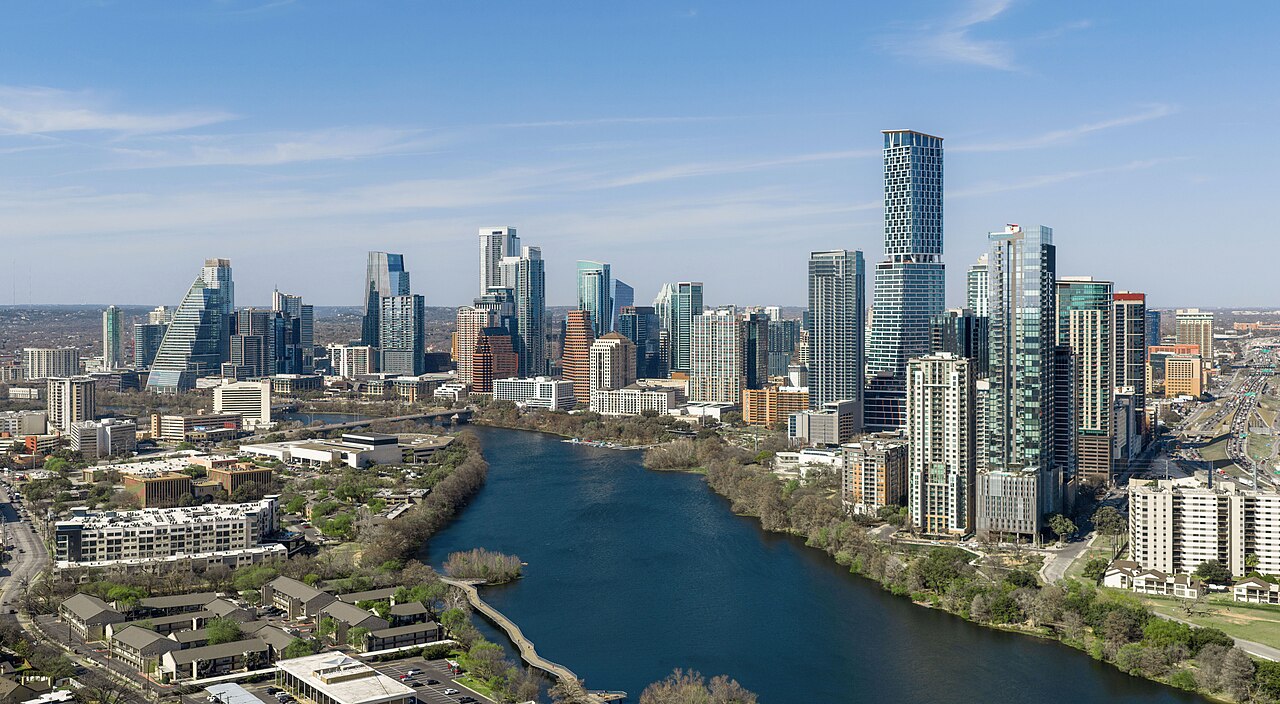
Austin
City in United States
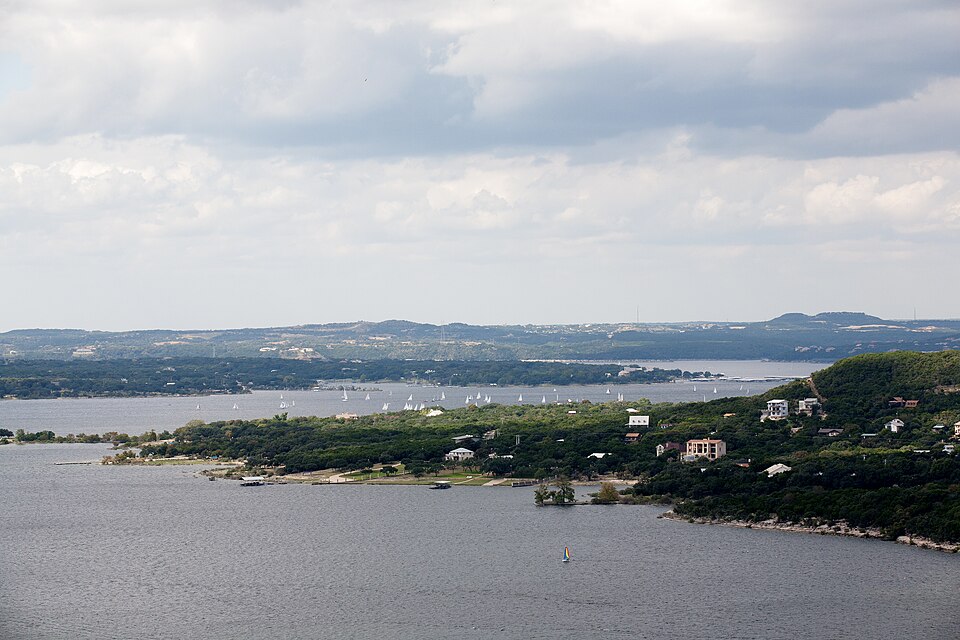
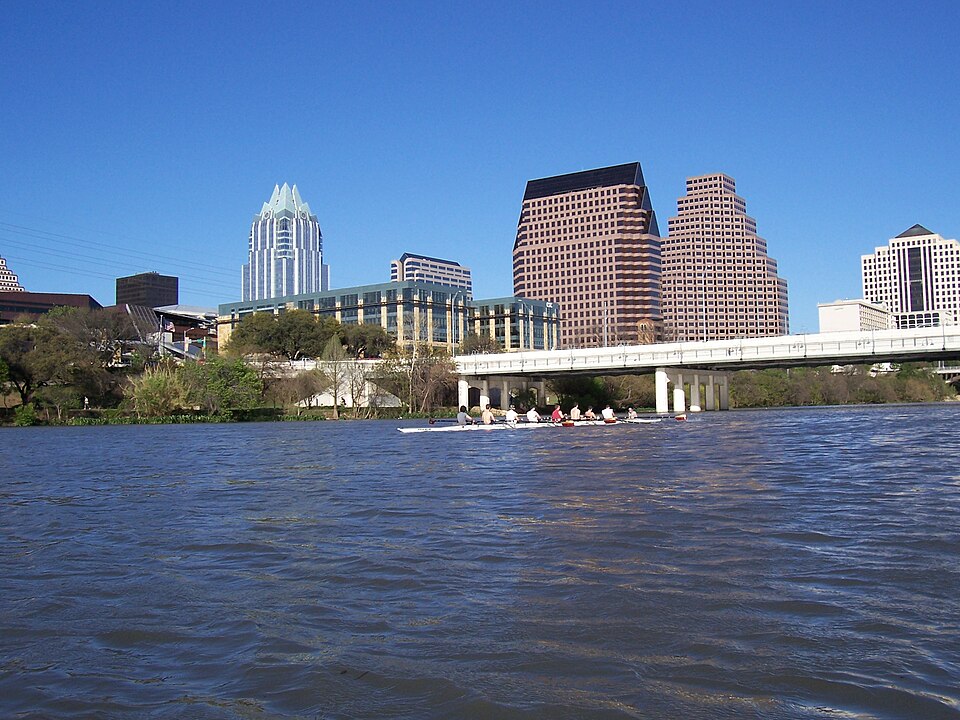
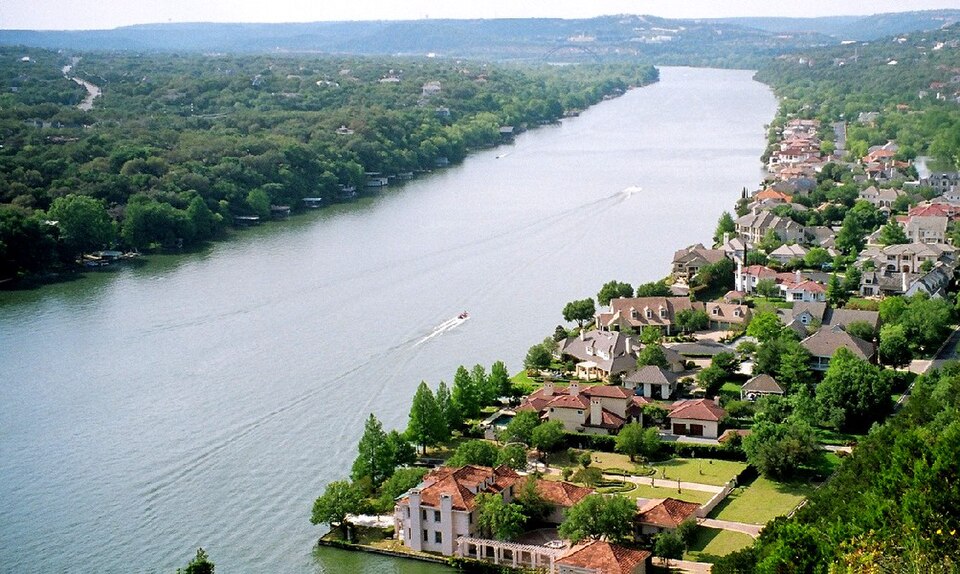
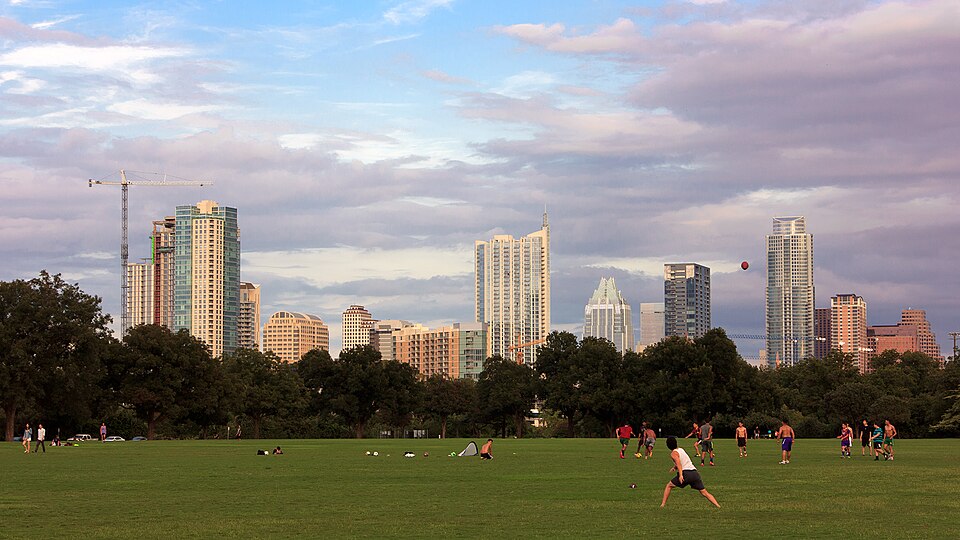
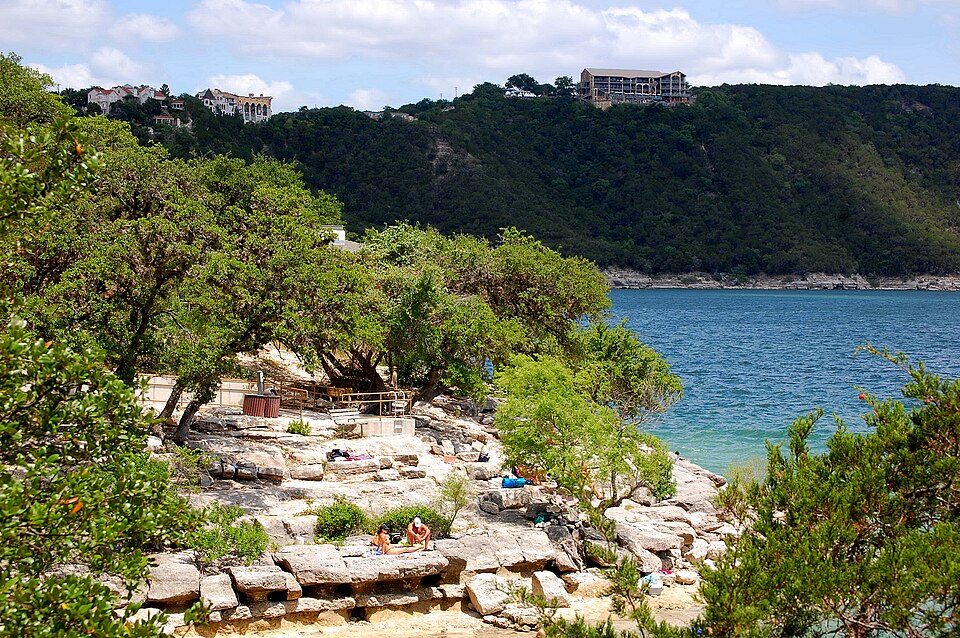
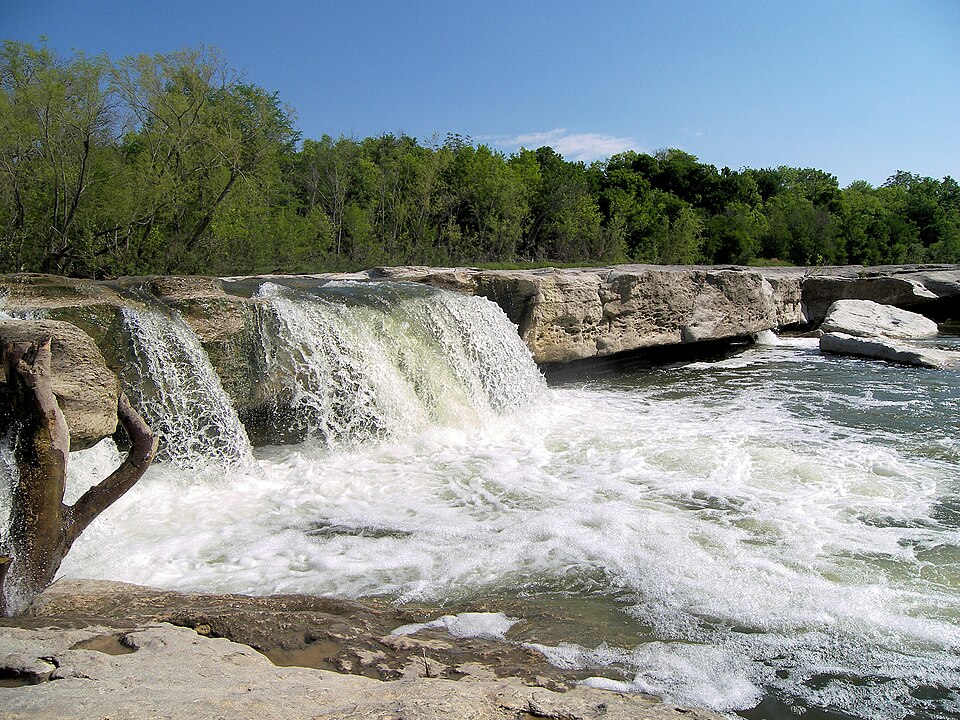
Within 30 km of the centre of Austin, the nature places people read about most are Lake Travis, Lady Bird Lake, Lake Austin and Mount Bonnell, and marked walks close to the city include Mueller Trail, Shoal Creek Urban Trail and Waller Creek Greenbelt Trail.
People have shared 5,325,769 wildlife records within 50 km of Austin in the last ten years. The wild animals recorded most often are the northern cardinal, the white-tailed deer, the monarch, the white-winged dove and the northern mockingbird. Since the 1980s the area has become about 1.5 °C warmer.
Of the 230 cities on Atlas, Austin has the 16th most wildlife records shared within 50 km and the 54th strongest warming since the 1980s. Among the animals people record most around Austin, the texas spiny lizard and the gulf coast toad appear on no other city page here.
- Country
- United States
- Population
- 961,855
- Area
- 828 km²
- Elevation
- 149 m
- Currency
- United States dollar
- Daylight
- 10 to 14 hours
Figures from Wikidata; population 2020.
Austin on the map
- Lake Travis
- Lady Bird Lake
- Lake Austin
- Mount Bonnell
- El Camino Real de los Tejas National Historic Trail
- Zilker Park
- Hippie Hollow Park
- McKinney Falls State Park
- Lady Bird Johnson Wildflower Center
Nature close to Austin
The places people read most about, from the centre outwards.

- Mount Bonnell Hill · 5 km
- Lady Bird Johnson Wildflower Center Park · 18 km
- Barton Creek River · 5 km
- Barton Creek Greenbelt Park · 9 km
- Airmen's Cave Cave · 9 km
Marked walks
- Mueller Trail6.6 km · 3 km from the centre
- Shoal Creek Urban Trail5 km · 3 km from the centre
- Waller Creek Greenbelt Trail1.8 km · 4 km from the centre
- Ann & Roy Butler Hike and Bike Trail23.2 km · 5 km from the centre · marked by The Trail Conservancy
- The Boardwalk at Lady Bird Lake2.6 km · 6 km from the centre · marked by The Trail Conservancy
Routes from OpenStreetMap via Waymarked Trails. Not checked by 4Planet: follow local signs and conditions.
Wildlife around Austin
The wild animals people record most within 50 km, 2016–2025. Tick the ones you have seen to build your own list.


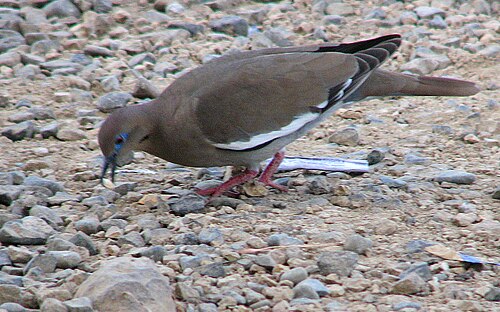

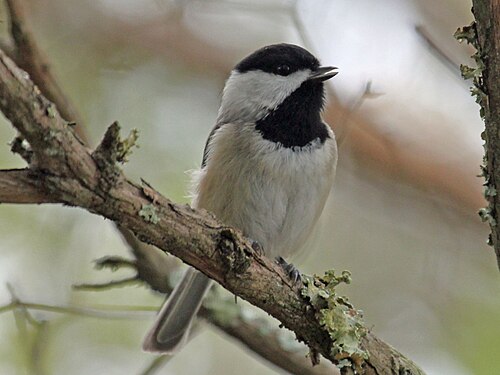
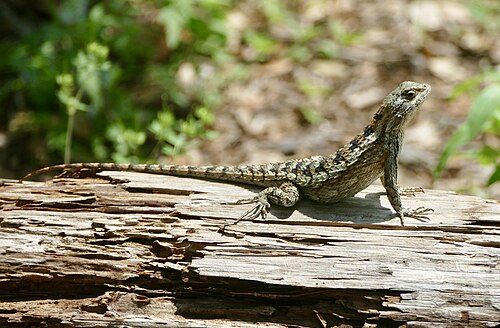
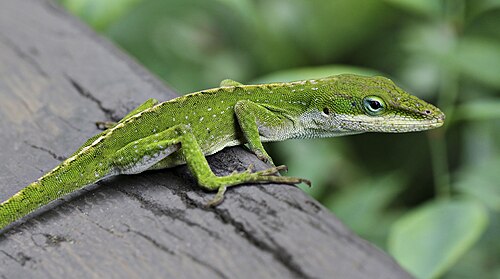
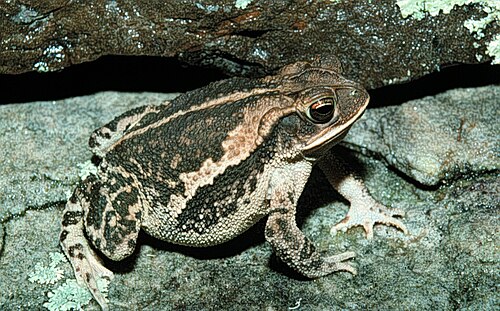

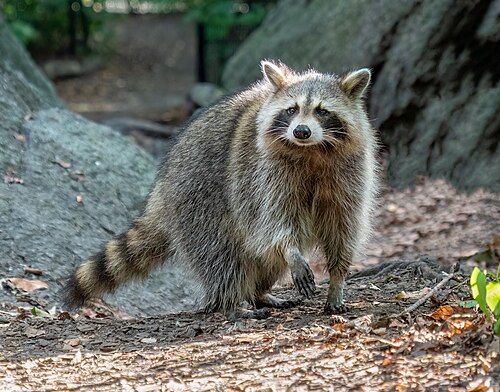
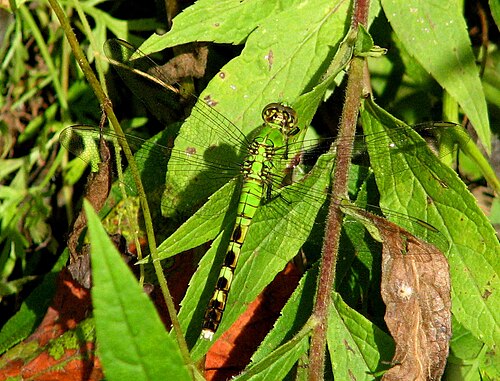
Seen in the last 30 days
What can you see near Austin now?
Month by month, from 5,325,769 records people shared within 50 km, 2016–2025.


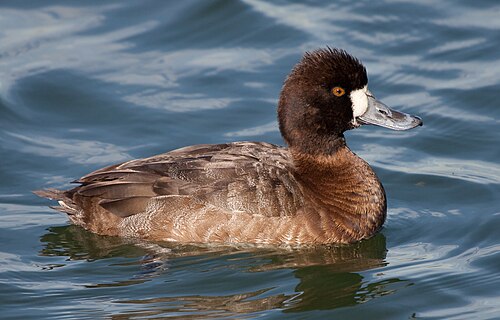

At their peak in February
Most seen in February
Plants and fungi at their peak in February
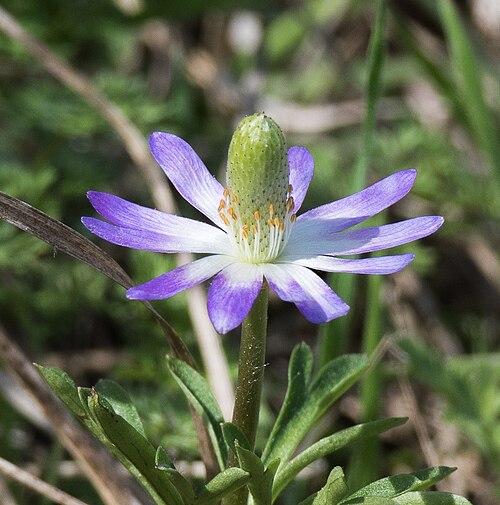
438,367 animal records in February.
At their peak in March
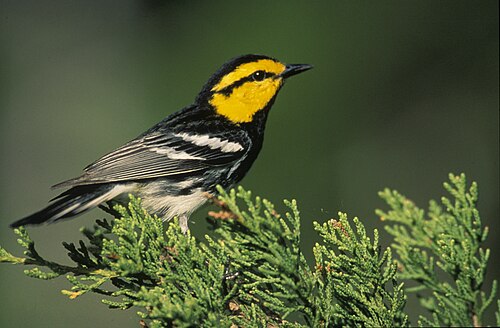

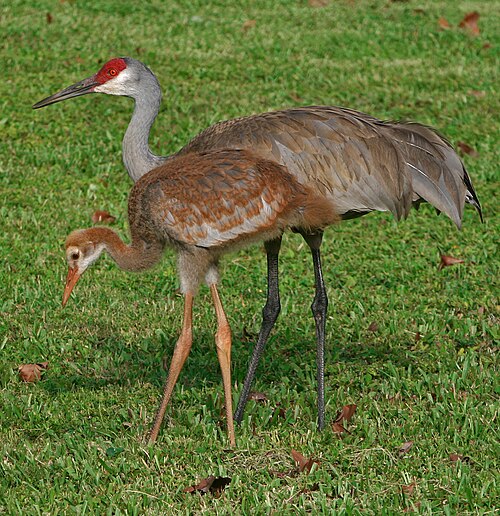
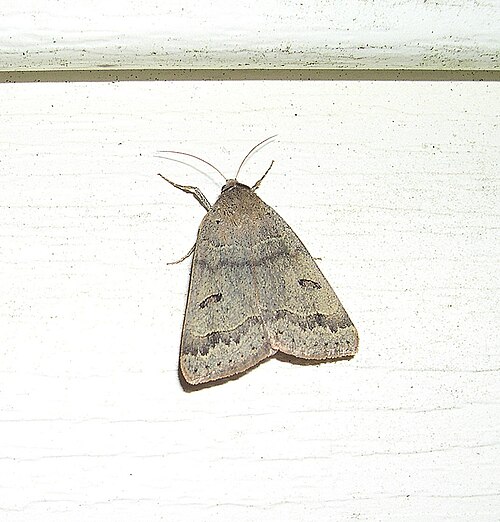
Most seen in March
Plants and fungi at their peak in March

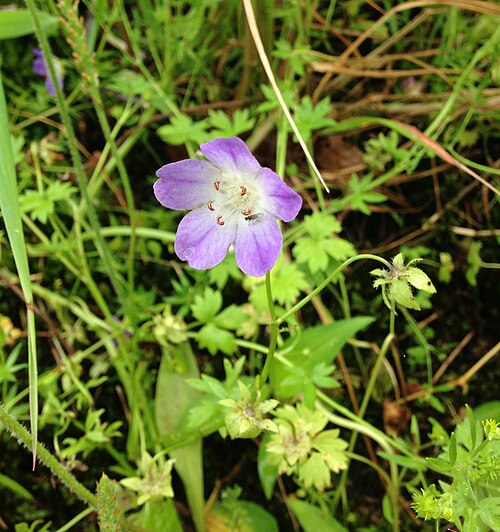
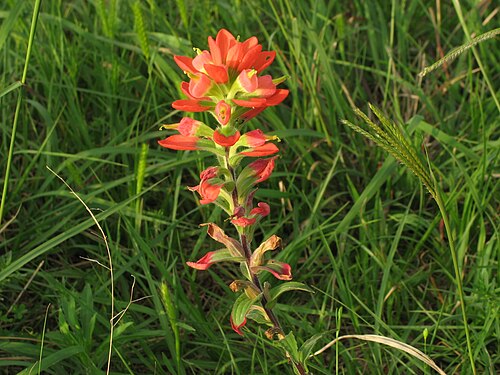
571,156 animal records in March.
At their peak in April
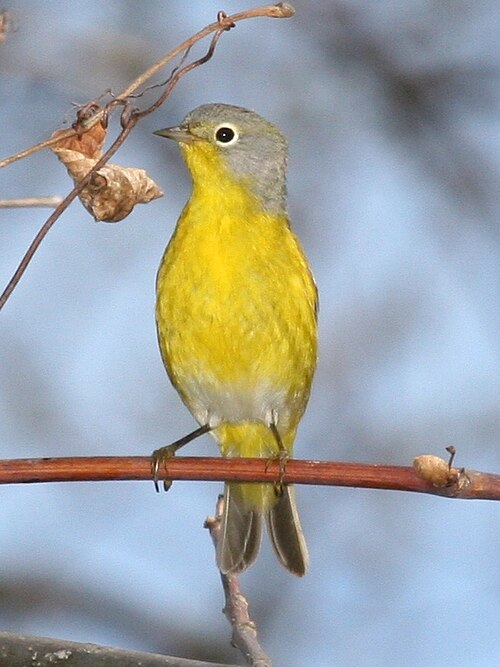


Most seen in April
Plants and fungi at their peak in April
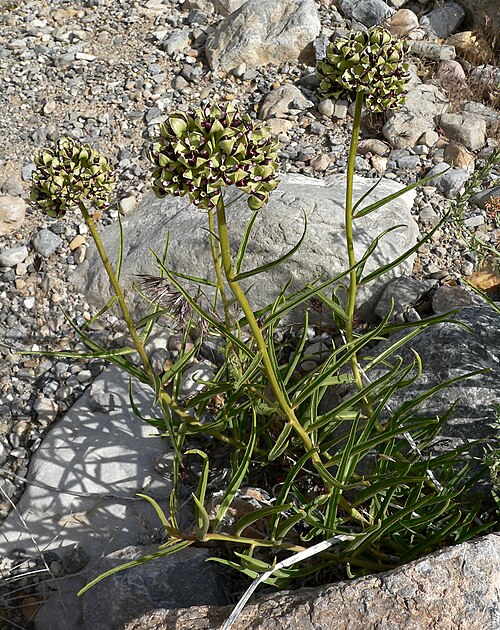
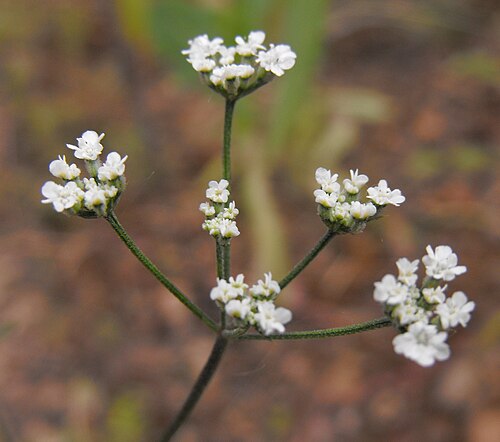
799,046 animal records in April.
At their peak in May
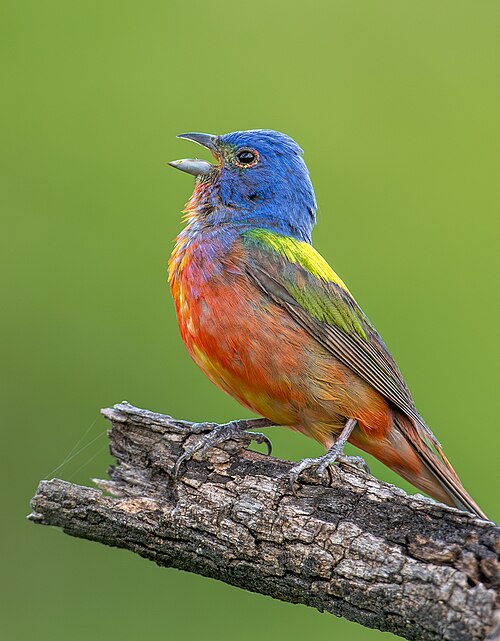


Most seen in May
Plants and fungi at their peak in May
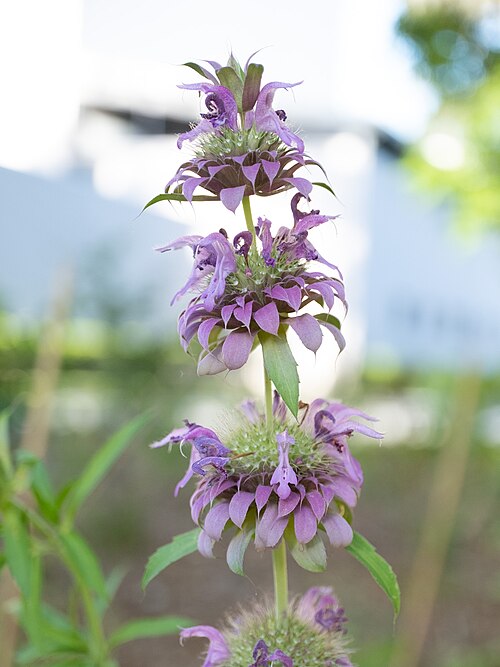
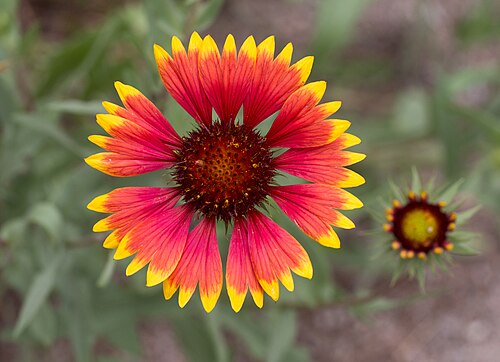
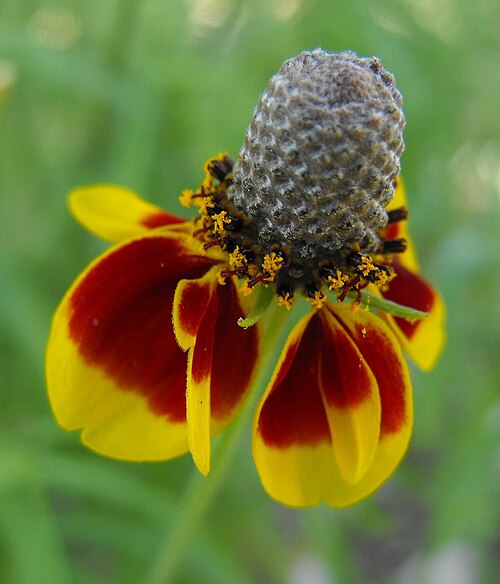
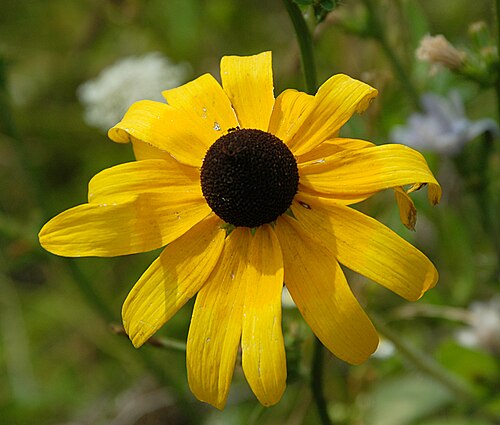
703,959 animal records in May.
At their peak in June


Most seen in June
Plants and fungi at their peak in June

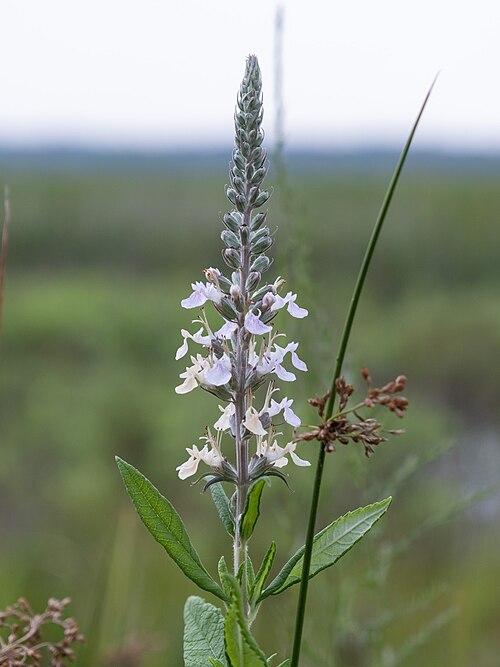
306,388 animal records in June.
At their peak in July
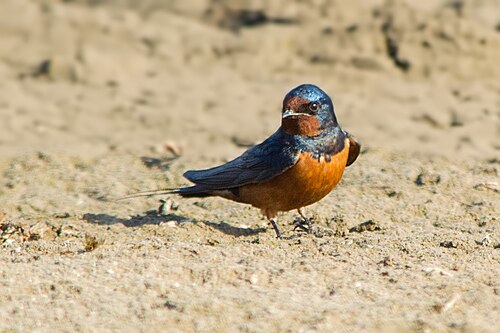
Most seen in July
Plants and fungi at their peak in July

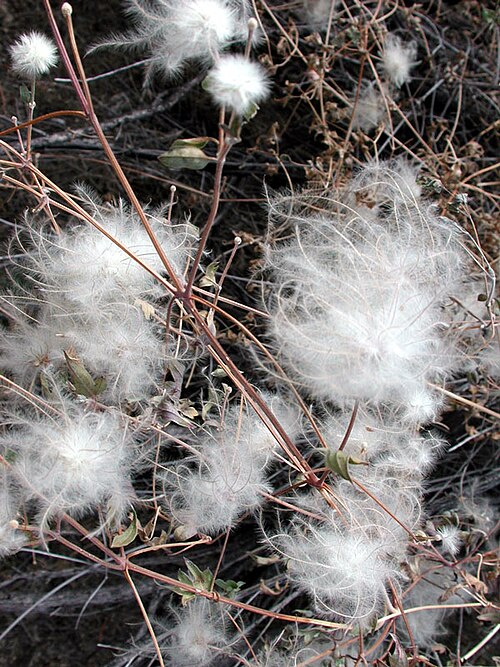
285,330 animal records in July.
At their peak in August
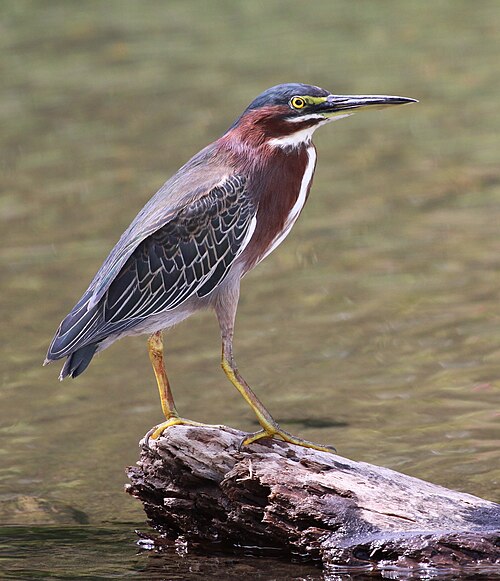
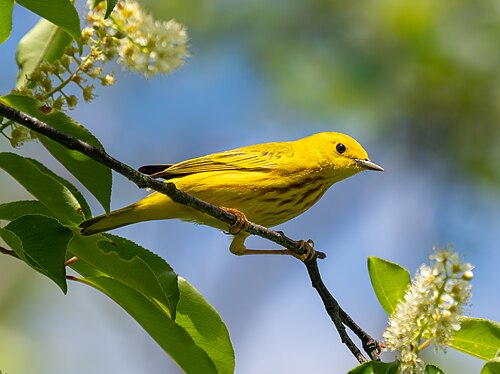
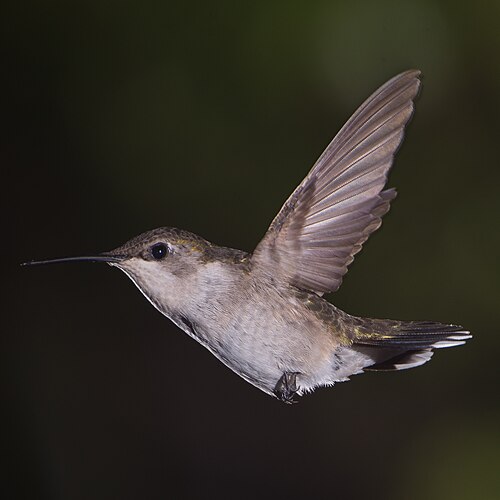
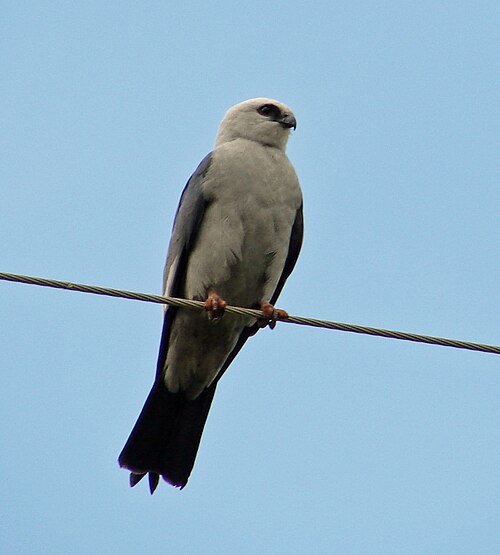
Most seen in August
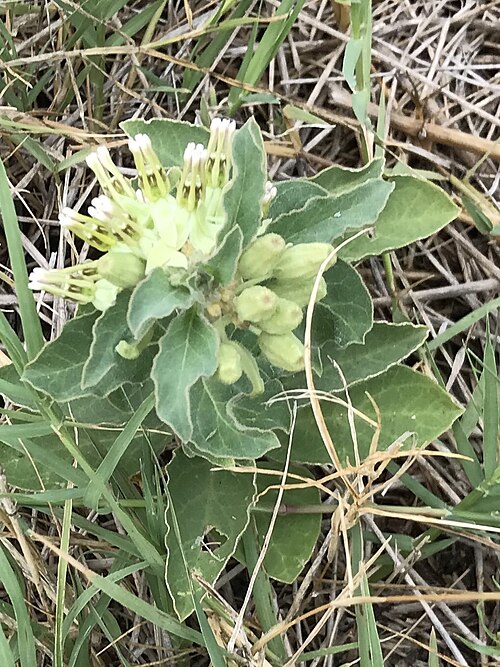
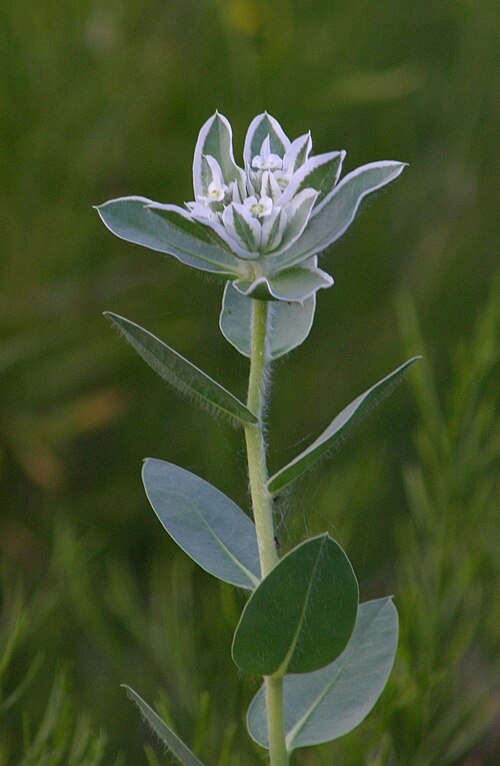
Plants and fungi at their peak in August

277,639 animal records in August.
At their peak in September


Most seen in September

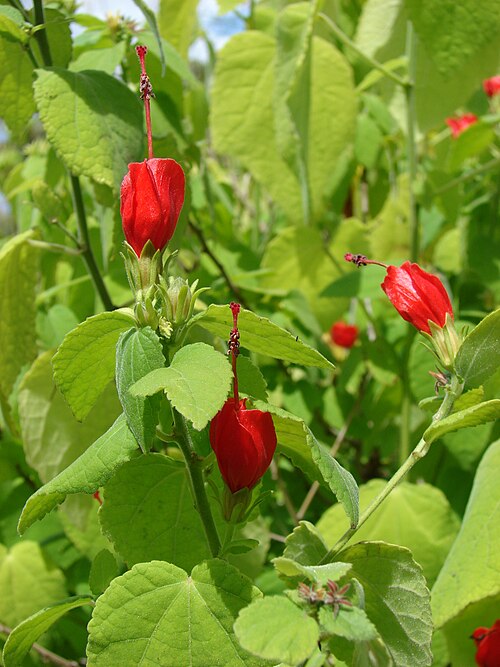
Plants and fungi at their peak in September

343,496 animal records in September.
At their peak in October


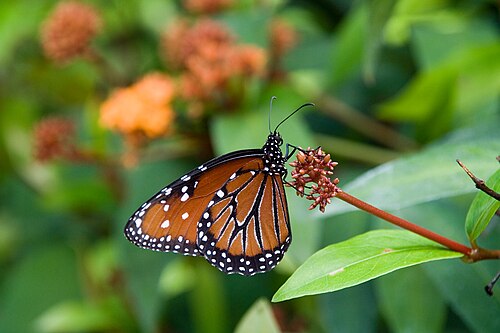
Most seen in October
Plants and fungi at their peak in October

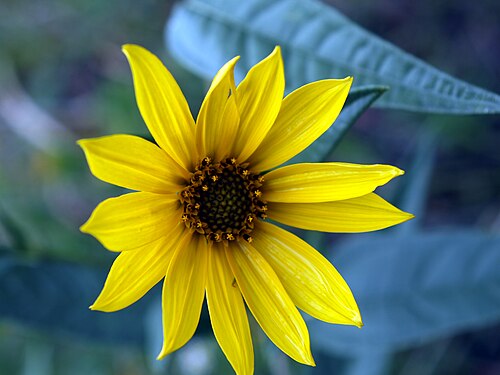
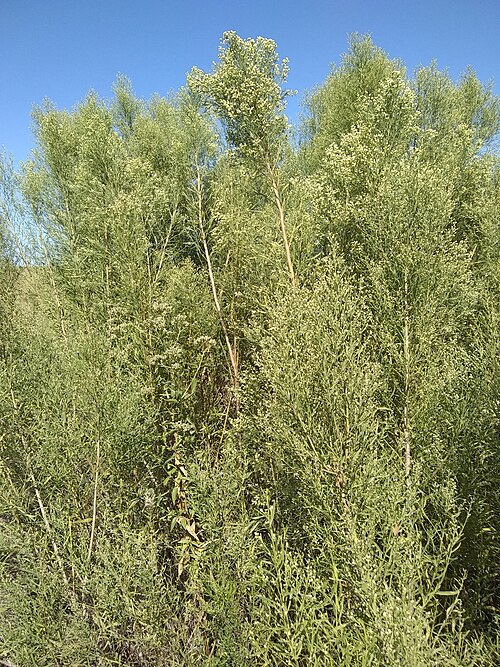
358,398 animal records in October.
At their peak in November


Most seen in November
Plants and fungi at their peak in November
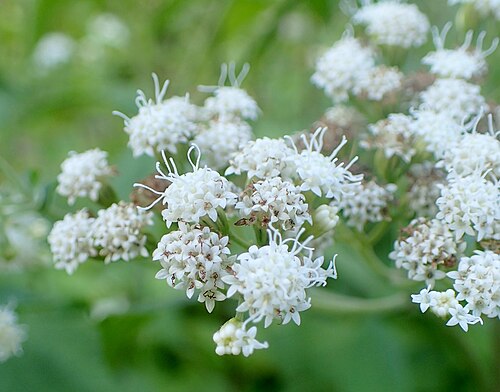
368,328 animal records in November.

Austin is getting warmer
+1.5 °CAverage temperature around Austin in 2016–2025, compared with 1981–1990.
Daylight: about 10 hours in December and 14 in June.
Seen something near Austin?
Share a photo of it on iNaturalist. Other naturalists help name it, and confirmed records go to GBIF, where scientists use them. That is where the lists on this page come from.
Explore next
What puts Austin under pressure, what helps, and who works on it.
Austin on the living planet
More places near Austin
Sources and photo credits
- Wikidata · Austin (Q16559), facts and nature places
- Wikipedia page views · how well known each nature place is
- OpenStreetMap contributors via Waymarked Trails · marked walking routes (ODbL)
- GBIF · human observations within 50 km, 2016–2025 (5,325,769 animal records)
- NASA POWER · yearly temperature from satellite and model data (MERRA-2)
- MET Norway · weather now (shown live)
- Austin, United States: Quintin Soloviev, CC BY 4.0
- Lake Travis, Austin: Trey Perry, CC BY 3.0
- Lady Bird Lake, Austin: Arvindn on en.wikipedia, CC BY-SA 3.0
- Lake Austin, Austin: Larry D. Moore, CC BY 4.0
- El Camino Real de los Tejas National Historic Trail, Austin: National Trails Office (US National Park Service), Public domain
- Zilker Park, Austin: Mwyzykowski0821, CC BY-SA 4.0
- Hippie Hollow Park, Austin: LoneStarMike, CC BY 3.0
- McKinney Falls State Park, Austin: Larry D. Moore, CC BY 4.0
- Onion Creek, Austin: Larry D. Moore, CC BY 4.0
- Northern cardinal: patricia pierce, CC BY 2.0
- White-tailed deer: USDA photo by Scott Bauer, Public domain
- Monarch: Rhododendrites, CC BY-SA 4.0
- White-winged dove: D. Gordon E. Robertson, CC BY-SA 3.0
- Northern mockingbird: Rhododendrites, CC BY-SA 4.0
- Carolina chickadee: DickDaniels (http://carolinabirds.org), CC BY-SA 3.0
- Texas spiny lizard: Jonathan Curley, CC BY 4.0
- Green anole: Paul Hirst (Phirst), CC BY-SA 2.5
- Gulf coast toad: Stanley Trauth, CC BY-SA 2.5
- Gulf fritillary: iNaturalist.org (Dennis Vollmar), CC BY 4.0
- Raccoon: Rhododendrites, CC BY-SA 4.0
- Eastern pondhawk: D. Gordon E. Robertson, CC BY-SA 3.0
- Myrtle warbler: Rhododendrites, CC BY-SA 4.0
- Gadwall: Andreas Trepte, CC BY-SA 2.5
- American goldfinch: Mdf, CC BY-SA 3.0
- Song sparrow: Rhododendrites, CC BY-SA 4.0
- Lesser scaup: Basar, CC BY-SA 3.0
- Ten-petal anemone: (c) Michael D Fox, some rights reserved (CC BY), CC BY 4.0
- Golden-cheeked warbler: Steve Maslowski/U. S. Fish and Wildlife Service, Public domain
- Cinnamon teal: USFWS Mountain-Prairie, Public domain
- Sandhill crane: http://www.birdphotos.com, CC BY 3.0
- Common oak moth: Jason Sturner from Knoxville, Tennessee, USA, CC BY 2.0
- Texas bluebonnet: Dave Whitinger, CC BY-SA 3.0
- Texas baby blue eyes: Mason Brock (Masebrock), Public domain
- Entireleaf Indian paintbrush: Greyson Orlando, Public domain
- Nashville warbler: Dominic Sherony, CC BY-SA 2.0
- Black-and-white warbler: TonyCastro, CC BY-SA 4.0
- Franklin's gull: Aviceda, CC BY-SA 3.0
- Antelope horns: Stan Shebs, CC BY-SA 3.0
- Spreading hedge-parsley: Stickpen, Public domain
- Painted bunting: Dakota Lynch, CC BY 4.0
- Chimney swift: Adam Jackson, CC0
- Summer tanager: Mike's Birds, CC BY-SA 2.0
- Great crested flycatcher: Mykola Swarnyk, CC BY-SA 3.0
- Lemon beebalm: Alex Abair, CC BY 4.0
- Firewheel: Rhododendrites, CC BY-SA 4.0
- Prairie coneflower: Stickpen, Public domain
- Black-eyed susan: G. Edward Johnson, CC BY-SA 3.0
- Black-chinned hummingbird: User:Mdf, CC BY-SA 3.0
- Purple martin: JJ Cadiz, Cajay, CC BY 3.0
- Common sunflower: Jon Sullivan, Public domain
- American germander: [https://www.inaturalist.org/users/alex_abair Alex Abair}, CC BY 4.0
- Barn swallow: Morhaf Aljanee, CC BY-SA 3.0
- Buttonbush: Rufino Osorio (also known as Desmodium), CC BY-SA 2.5
- Old man's beard: Mike, CC BY-SA 3.0
- Green heron: Basar, CC BY-SA 3.0
- American yellow warbler: Rhododendrites, CC BY-SA 4.0
- Ruby-throated hummingbird: Pslawinski, CC BY-SA 4.0
- Mississippi kite: Rescuechick, CC BY 3.0
- Side-cluster milkweed: Tyler Cannon, CC BY 4.0
- American beautyberry: Alex Abair, CC BY 4.0
- Snow-on-the-mountain: U.S. Fish and Wildlife Service Headquarters, Public domain
- Blue jay: Rhododendrites, CC BY-SA 4.0
- Blue-grey gnatcatcher: U.S. Fish and Wildlife Service Southeast Region, Public domain
- Baltimore oriole: Mdf, CC BY-SA 3.0
- Wax mallow: Forest & Kim Starr, CC BY 3.0
- Tievine: Bob Peterson from North Palm Beach, Florida, Planet Earth!, CC BY-SA 2.0
- Belted kingfisher: Kevin Cole from Pacific Coast, USA (en:User:Kevinlcole), CC BY 2.0
- Northern house wren: Rhododendrites, CC BY-SA 4.0
- Queen butterfly: Svdmolen, CC BY 2.5
- White crownbeard: Mason Brock (Masebrock), Public domain
- Maximilian sunflower: Jim Pisarowicz, Public domain
- New deal-weed: Clay, CC BY 4.0
- American kestrel: Gregory "Slobirdr" Smith, CC BY-SA 2.0
- American pipit: Kathy & Sam from Beaverton OR, USA, CC BY 2.0
- Ruddy duck: ALAN SCHMIERER, CC0
- Shrubby boneset: Krzysztof Ziarnek, Kenraiz, CC BY-SA 4.0
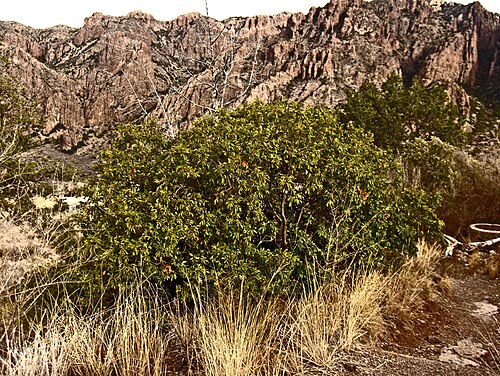
- Evergreen sumac: Homer Edward Price, CC BY 2.0
- White-throated sparrow: Cephas, CC BY-SA 3.0
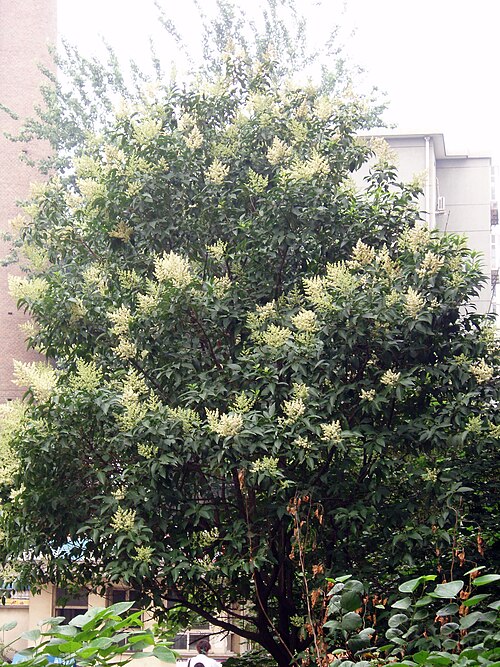
- Glossy privet: Taken by Fanghong, CC BY 2.5
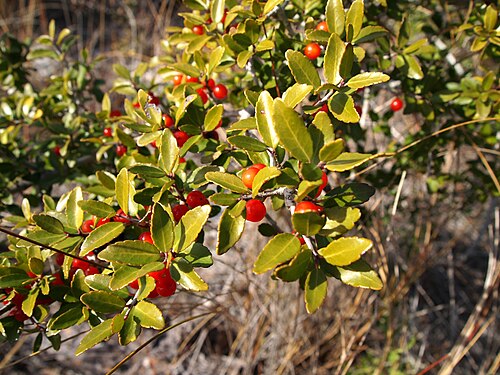
- Yaupon: Luteus, CC BY 3.0


Wildlife records show where people have seen and shared plants and animals, not everything that lives here; some places and months are recorded more than others. Sensitive species are never shown with a month or as seen recently. Routes come from OpenStreetMap and are not checked by 4Planet: follow local signs and conditions. Climate figures are NASA estimates for the area around Austin, not a single weather station.
Checked 2026-11-27.