Wellington
Capital of New Zealand
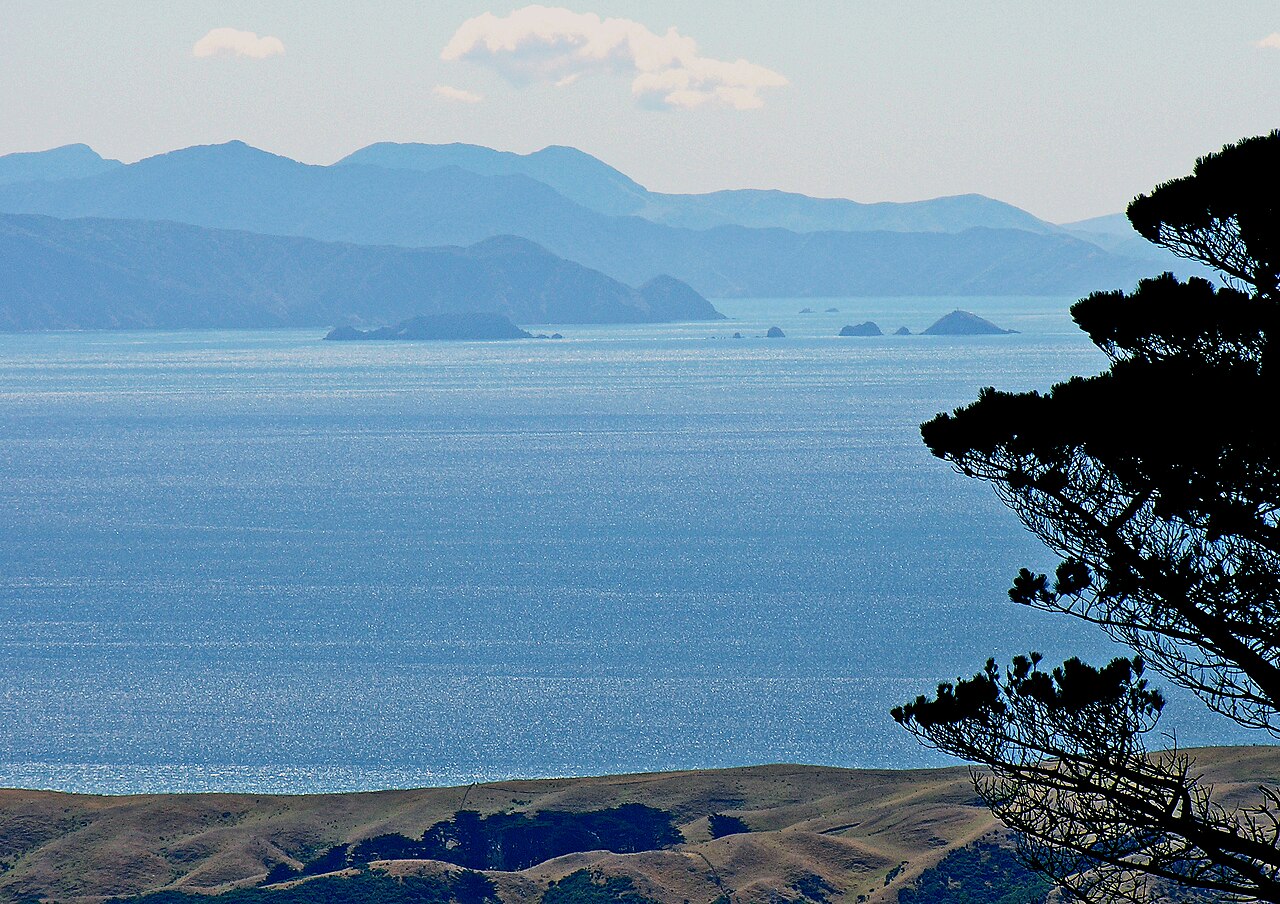
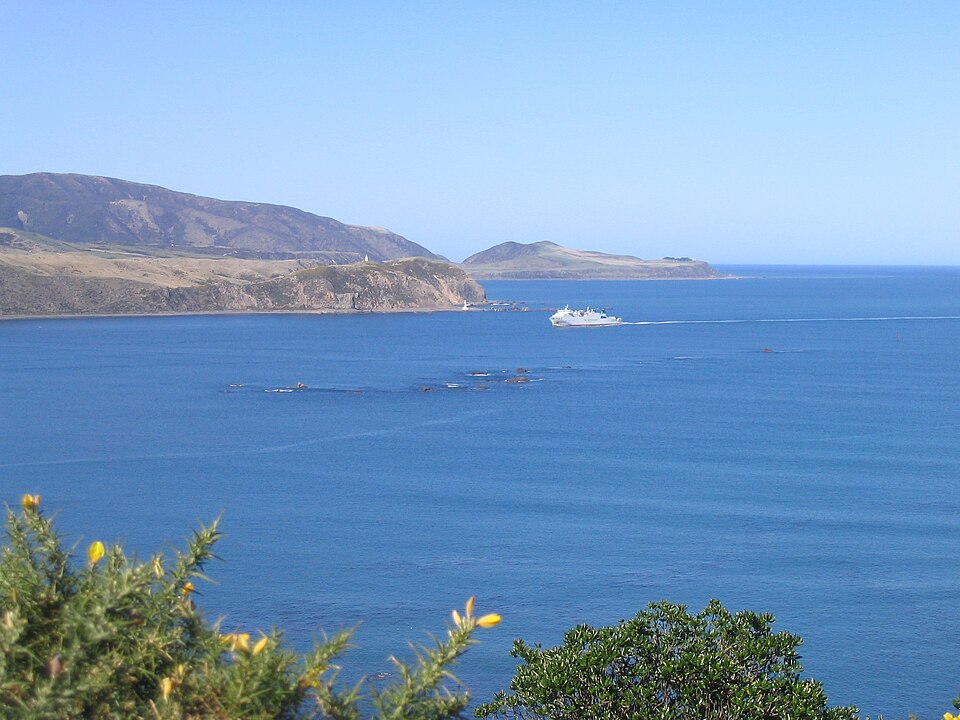
Within 30 km of the centre of Wellington, the nature places people read about most are Cook Strait, Matiu / Somes Island, Remutaka Range and Hutt Valley, and marked walks close to the city include Downhill Walk, Sanctuary to Sea and Te Aranui o Pōneke / Great Harbour Way - Miramar to Queens Wharf.
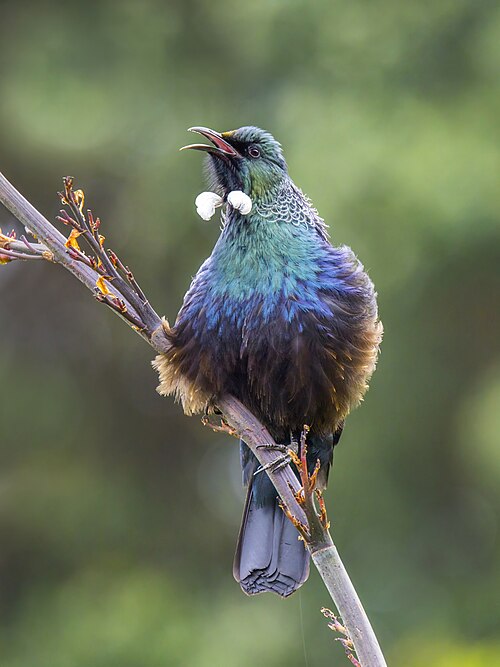
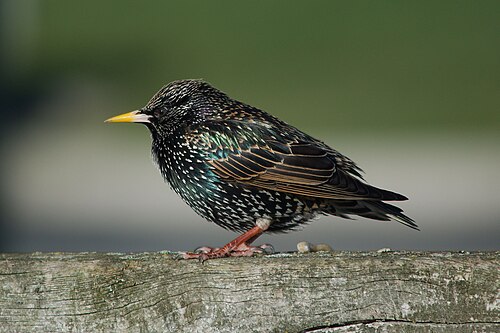
People have shared 665,365 wildlife records within 50 km of Wellington in the last ten years. The wild animals recorded most often are the tūī, the common blackbird, the kelp gull, the house sparrow and the common starling. Since the 1980s the area has become about 0.4 °C warmer.
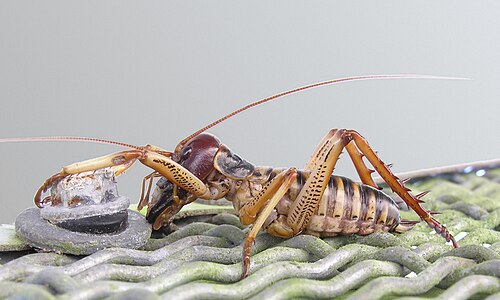
Among the animals people record most around Wellington, the wellington tree weta and the common new zealand skink appear on no other city page here.
- Country
- New Zealand
- Population
- 216,200
- Area
- 444 km²
- Elevation
- 0 m
- Currency
- New Zealand dollar
- Daylight
- 9 to 15 hours
Figures from Wikidata; population 2023.
Wellington on the map
- Cook Strait
- Matiu / Somes Island
- Remutaka Range
- Hutt Valley
- Mana Island
- Mount Victoria
- Wellington Botanic Garden
- Mount Kaukau
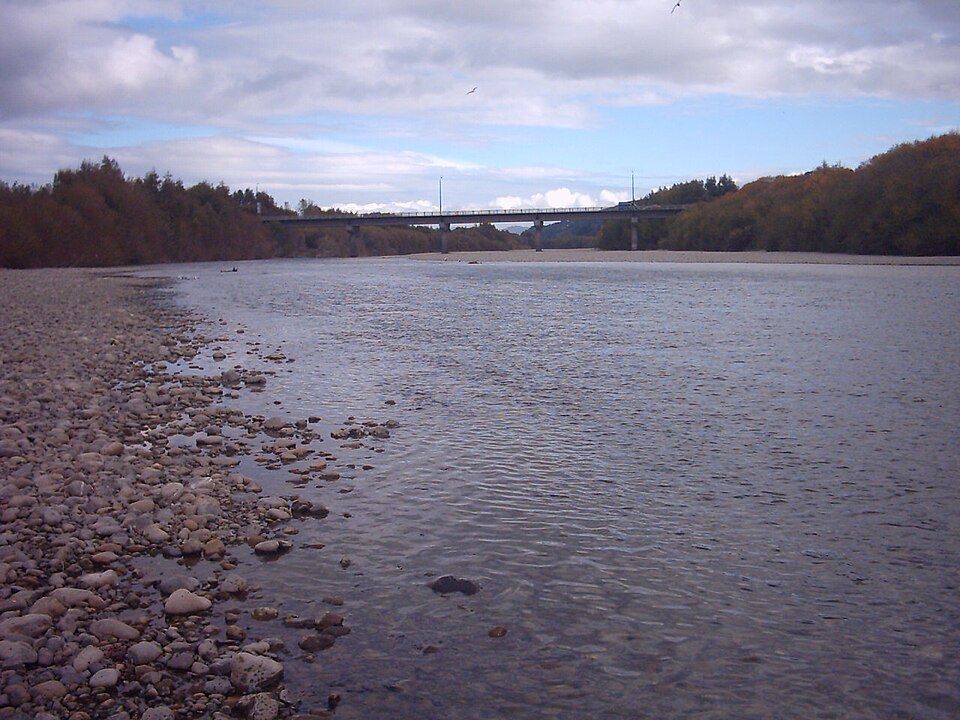
- Te Awa Kairangi / Hutt River
Nature close to Wellington
The places people read most about, from the centre outwards.
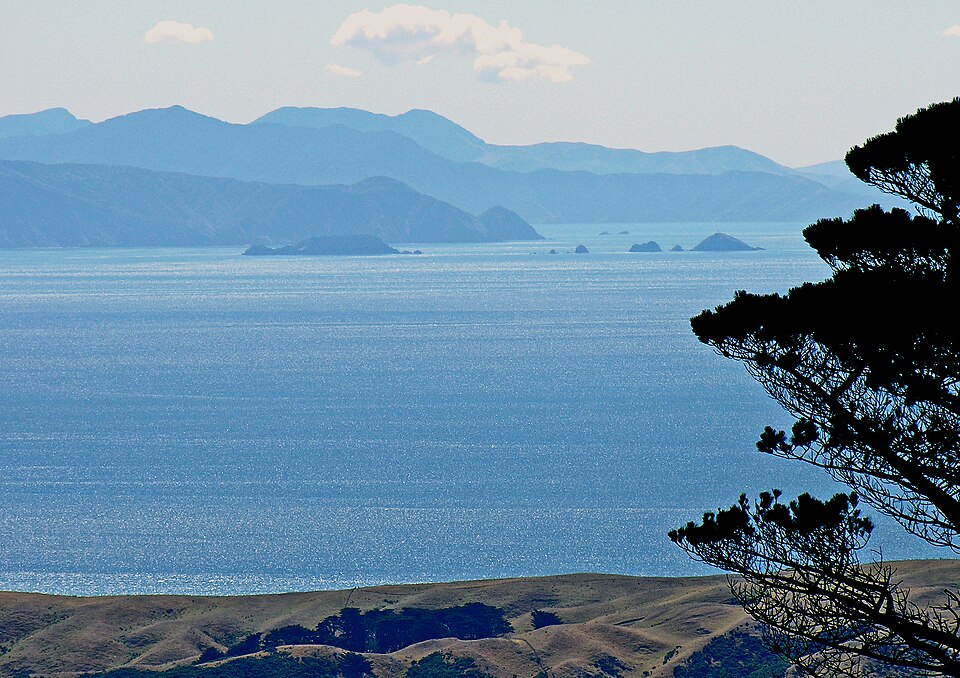



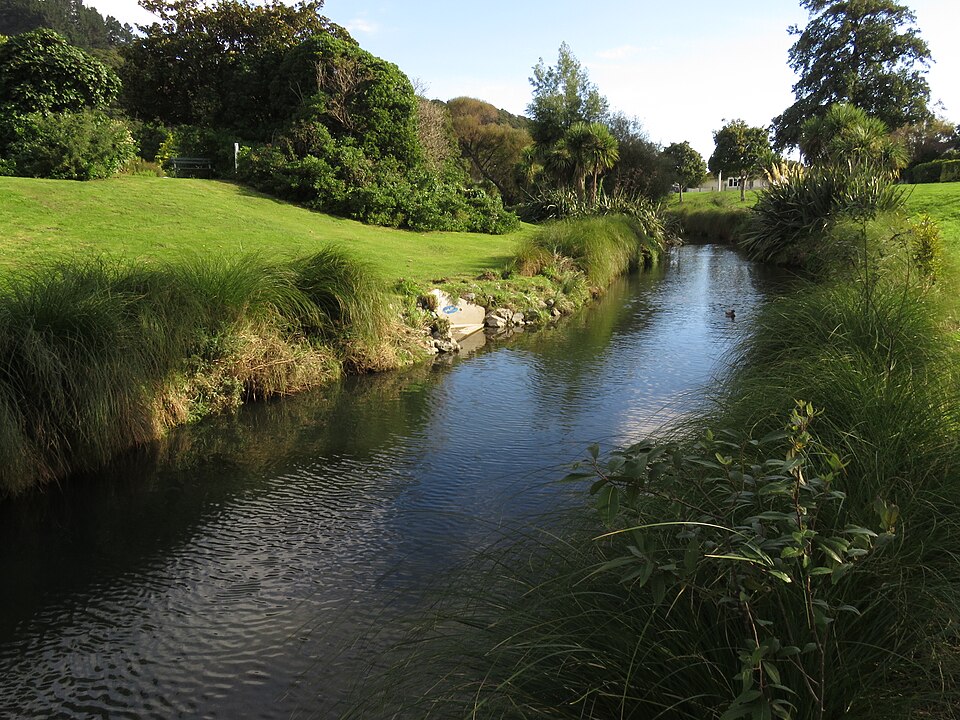

- Matiu / Somes Island Island · 8 km
- Remutaka Range Hill · 26 km
- Hutt Valley Valley · 21 km
- Mana Island Island · 22 km
- Wellington Botanic Garden Park · 1 km
Marked walks
- Downhill Walk2 km · 1 km from the centre · marked by Wellington City Council
- Sanctuary to Sea8.7 km · 2 km from the centre · marked by Zealandia / Te Māna a Tāne
- Te Aranui o Pōneke / Great Harbour Way - Miramar to Queens Wharf8.2 km · 2 km from the centre · marked by Greater Wellington Regional Council
- Waimapihi Reserve Loop Walk7.3 km · 2 km from the centre · marked by Wellington City Council
- Lookout Walkway2.7 km · 2 km from the centre
- Te Ahumairangi ridgeline track2.6 km · 2 km from the centre · marked by Wellington City Council
- Aro St to Ashton Fitchett Dr1.6 km · 2 km from the centre
- Hataitai to City Walkway1.6 km · 2 km from the centre
Long-distance trails through the area: Te Araroa - North Island / Te Ika-a-Māui (1,764 km), Te Araroa - 05 Wellington (164 km).
Routes from OpenStreetMap via Waymarked Trails. Not checked by 4Planet: follow local signs and conditions.
Wildlife around Wellington
The wild animals people record most within 50 km, 2016–2025. Tick the ones you have seen to build your own list.




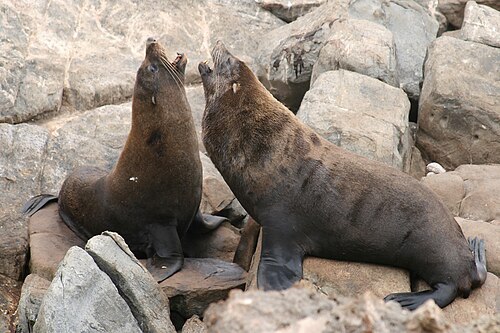
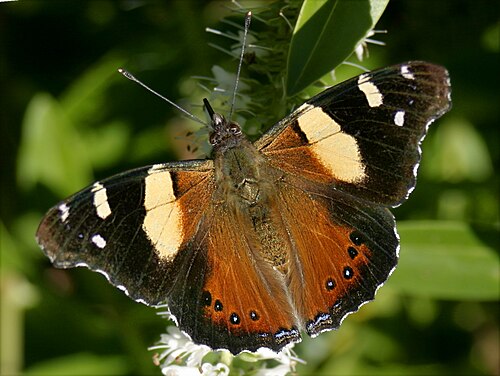
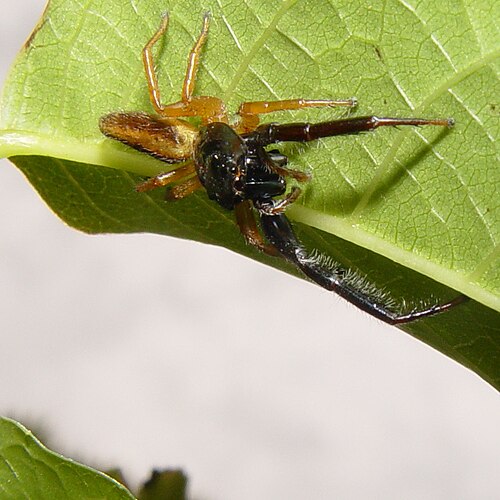
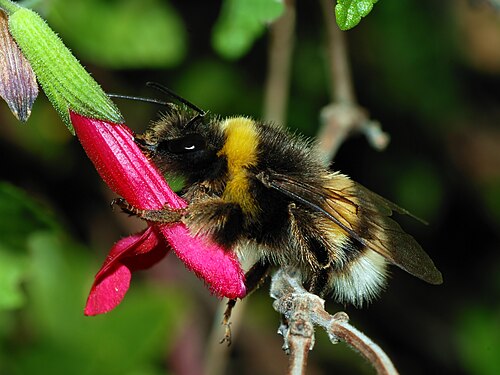
Seen in the last 30 days
What can you see near Wellington now?
Month by month, from 665,365 records people shared within 50 km, 2016–2025.
At their peak in January


Most seen in January
Plants and fungi at their peak in January

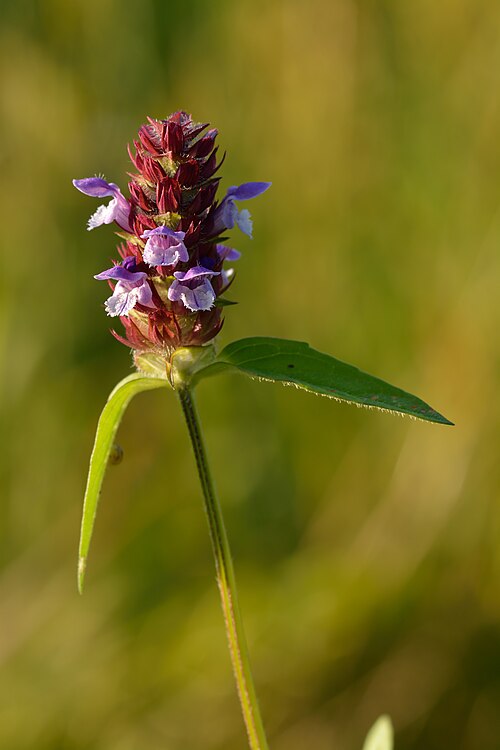
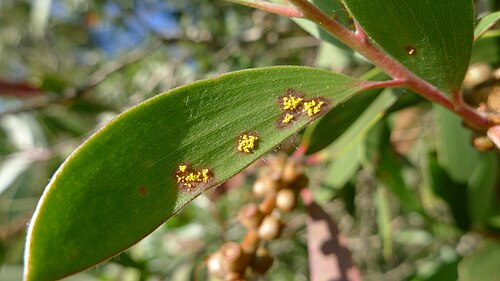
66,800 animal records in January.
At their peak in February


Most seen in February
Plants and fungi at their peak in February

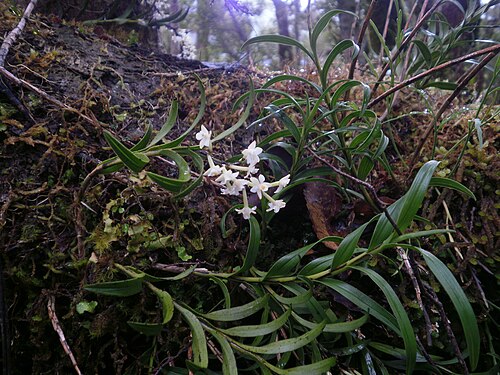

50,605 animal records in February.
At their peak in March


Most seen in March
Plants and fungi at their peak in March
48,440 animal records in March.
At their peak in April

Most seen in April
Plants and fungi at their peak in April
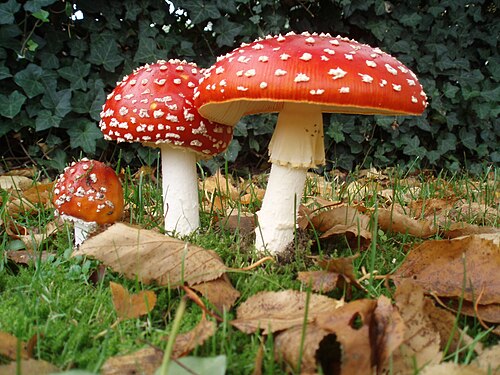


56,655 animal records in April.
At their peak in May


Most seen in May
Plants and fungi at their peak in May

45,037 animal records in May.
At their peak in June


Most seen in June
Plants and fungi at their peak in June


46,651 animal records in June.
At their peak in July


Most seen in July
Plants and fungi at their peak in July
48,176 animal records in July.
At their peak in August

Most seen in August
Plants and fungi at their peak in August

41,070 animal records in August.
At their peak in September


Most seen in September
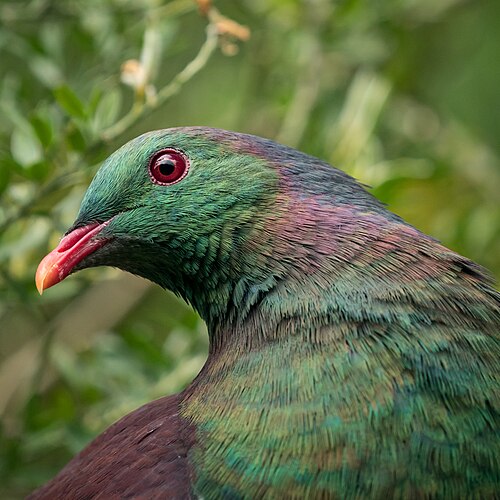
Plants and fungi at their peak in September


50,719 animal records in September.
At their peak in October


Most seen in October
Plants and fungi at their peak in October


63,643 animal records in October.
At their peak in November


Most seen in November
Plants and fungi at their peak in November


74,281 animal records in November.


Wellington is getting warmer
+0.4 °CAverage temperature around Wellington in 2016–2025, compared with 1981–1990.
Daylight: about 15 hours in December and 9 in June.
Seen something near Wellington?
Share a photo of it on iNaturalist. Other naturalists help name it, and confirmed records go to GBIF, where scientists use them. That is where the lists on this page come from.
Wellington on the living planet
More places near Wellington
Sources and photo credits
- Wikidata · Wellington (Q23661), facts and nature places
- Wikipedia page views · how well known each nature place is
- OpenStreetMap contributors via Waymarked Trails · marked walking routes (ODbL)
- GBIF · human observations within 50 km, 2016–2025 (665,365 animal records)
- NASA POWER · yearly temperature from satellite and model data (MERRA-2)
- MET Norway · weather now (shown live)
- Cook Strait, Wellington: Phillip Capper from Wellington, New Zealand, CC BY 2.0
- Cook Strait, Wellington: Phillip Capper from Wellington, New Zealand, CC BY 2.0
- Mount Victoria, Wellington: Pseudopanax at en.wikipedia, CC BY-SA 4.0
- Mount Kaukau, Wellington: DB Thats-Me, CC BY-SA 3.0
- Te Awa Kairangi / Hutt River, Wellington: The original uploader was Tristanb at English Wikipedia., CC BY-SA 3.0
- Barrett Reef, Wellington: Sendervictorius at en.wikipedia, CC BY-SA 3.0
- Evans Bay, Wellington: Phillip Capper from Wellington, New Zealand, CC BY 2.0
- Waiwhetū Stream, Wellington: Lance, CC BY-SA 2.0
- Aotea Lagoon, Wellington: Arnhemcr, CC BY-SA 3.0
- Tūī: Charles J. Sharp, CC BY-SA 4.0
- Common blackbird: Hobbyfotowiki, CC0
- Kelp gull: hyper7pro, CC BY 2.0
- House sparrow: Rhododendrites, CC BY-SA 4.0
- Common starling: marsupium photography, CC BY-SA 2.0
- Wellington tree weta: Tony Wills, CC BY 2.5
- Common new zealand skink: Tim Park, CC BY-SA 4.0
- New zealand longfin eel: wild_wind, CC BY 4.0
- Australasian fur seal: Mike Lehmann, Mike Switzerland 09:10, 25 February 2007 (UTC), CC BY-SA 3.0
- Australian admiral: Tony Wills, CC BY-SA 3.0
- Black-headed jumping spider: Thomas Howard, CC BY 2.5
- Buff-tailed bumblebee: Alvesgaspar, CC BY-SA 3.0
- Carové's giant dragonfly: Mike Dickison, CC BY 4.0
- North island coastal copper: C_Knox_southern_scales, CC0
- Common speargrass: Leon Perrie, CC BY 4.0
- Heal-all: Ivar Leidus, CC BY-SA 3.0
- Myrtle rust: John Tann from Mullumbimby, Australia, CC BY 2.0
- Brown trout: Duane Raver, U.S. Fish and Wildlife Service, Public domain
- Parasitic jaeger: Alaska Region U.S. Fish & Wildlife Service, Public domain
- Evergreen clematis: Michael Gasperl (Migas), CC BY-SA 3.0
- Easter orchid: Rudolph89, CC0
- New zealand-blueberry: Mike Dickison, CC BY 4.0
- Black-fronted tern: Tony Hisgett from Birmingham, UK, CC BY 2.0
- New zealand mantis: Bryce McQuillan, CC BY-SA 2.0
- Australian common garden katydid: Mike Bowie, CC BY 4.0
- Fly agaric: Onderwijsgek, CC BY-SA 3.0 nl
- Cep: Holger Krisp, CC BY 3.0
- Climbing dock: SAplants, CC BY-SA 4.0
- Waratah anemone: Toby Hudson, CC BY-SA 3.0
- Common wasp: soebe, CC BY-SA 3.0
- Australian salmon: Lek Khauv, CC BY 4.0
- Austral honey mushroom: Jono Davies, CC0
- Pintado petrel: dfaulder, CC BY 2.0
- Black-spined stick-insect: Alan Gilchrist, CC BY-SA 3.0
- Basket fungus: Andre Goble from Wellington, New Zealand, CC BY-SA 2.0
- Winter greenhood: Avenue (talk), CC BY-SA 3.0
- Red pouch fungus: Tony Wills, CC BY 2.5
- Black-browed albatross: JJ Harrison (https://www.jjharrison.com.au/), CC BY-SA 3.0
- Southern right whale: Michaël CATANZARITI, Public domain
- Okarito kiwi: Mark Anderson, CC BY-SA 4.0
- Stephens island weta: Wvermaat, Public domain
- Trowel-leaved greenhood: Rudolph89, CC BY-SA 3.0
- Kererū: Judi Lapsley Miller, CC BY 4.0
- Small-eyed owlet: Uwe Schneehagen, CC BY-SA 4.0
- Brown cutworm: dhobern, CC BY 2.0
- Threecorner leek: Meneerke bloem, CC BY-SA 3.0
- Bitou: John Medley Wood (1827-1915), Frieda Lauth (1879-1949), Public domain
- Common pheasant: W. Bulach, CC BY-SA 4.0
- European rabbit: JJ Harrison, CC BY-SA 3.0
- Anuhe: [1], CC BY 4.0
- Tutukiwi: Rudolph89, CC BY-SA 3.0
- Grass-leaved greenhood: Krzysztof Ziarnek, Kenraiz, CC BY-SA 4.0
- Woad-leaved ragwort: SAplants, CC BY-SA 4.0
- New zealand spider-orchid: Peter de Lange, CC0
- Shining bronze cuckoo: James Niland from Brisbane, Australia, CC BY 2.0
- Westland petrel: Mark Jobling, Public domain
- Common sun orchid: Krzysztof Ziarnek, Kenraiz, CC BY-SA 4.0
- Green column caladenia: Jörg Hempel, CC BY-SA 3.0 de
- Tomtit: Joxean Koret, CC BY-SA 4.0
- Rifleman: digitaltrails, CC BY-SA 2.0
- Northern rātā: Callum O'Hagan, CC BY-SA 2.0


Wildlife records show where people have seen and shared plants and animals, not everything that lives here; some places and months are recorded more than others. Sensitive species are never shown with a month or as seen recently. Routes come from OpenStreetMap and are not checked by 4Planet: follow local signs and conditions. Climate figures are NASA estimates for the area around Wellington, not a single weather station.
Checked 2026-11-21.