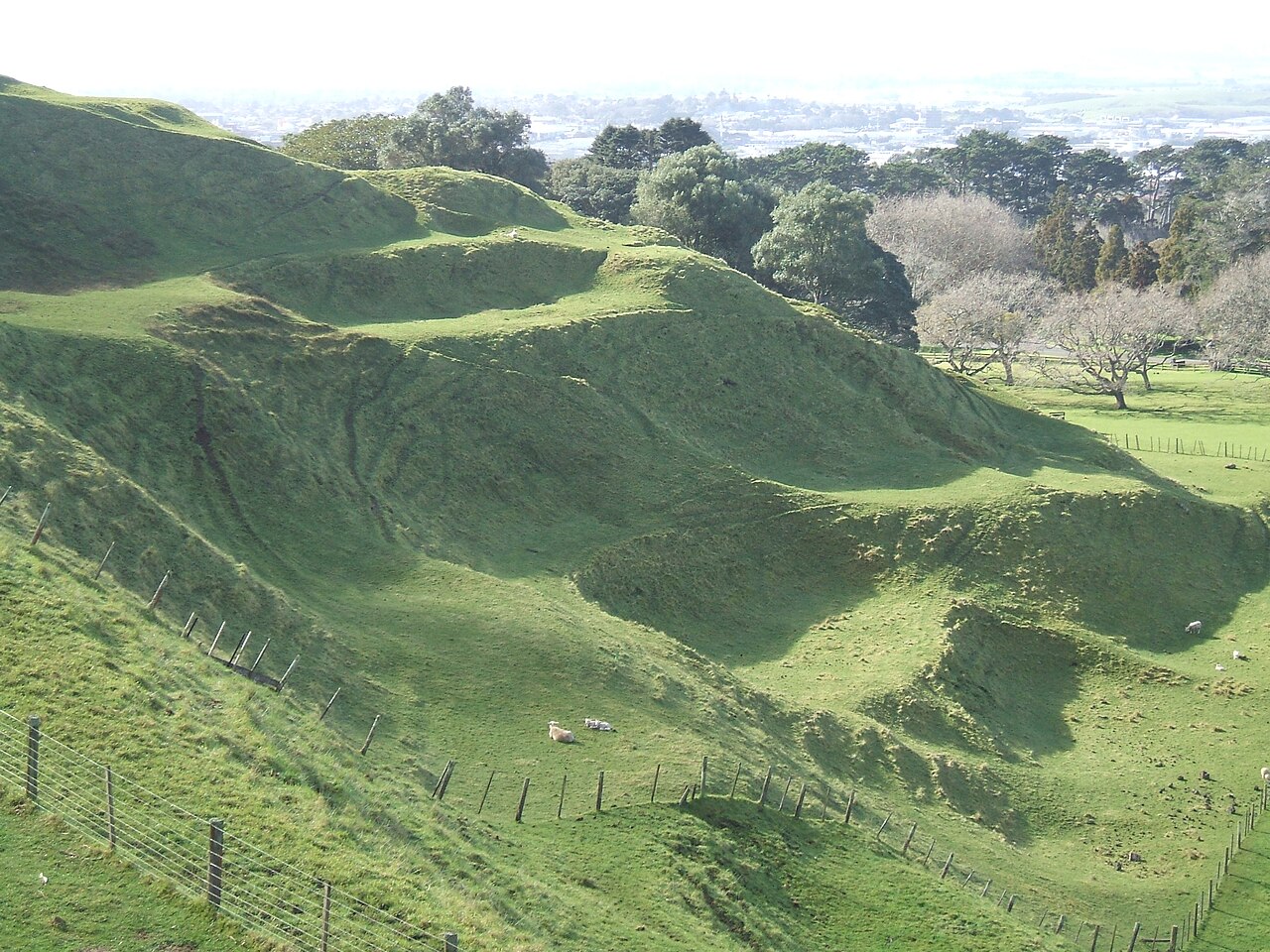
Auckland
City on the North Island, New Zealand
Within 30 km of the centre of Auckland, the nature places people read about most are Auckland volcanic field, Rangitoto Island, Hauraki Gulf / Tīkapa Moana and Maungakiekie / One Tree Hill, and marked walks close to the city include Foreshore Heritage Walk, Te Araroa - 02 Auckland - j Devonport to Onehunga and Coast to Coast Walkway (Manukau to Waitematā).
People have shared 964,853 wildlife records within 50 km of Auckland in the last ten years. The wild animals recorded most often are the monarch, the house sparrow, the common blackbird, the tūī and the common myna. Since the 1980s the area has become about 0.7 °C warmer.
Of the 93 cities on Atlas, Auckland has the 3rd most marked walks. Among the animals people record most around Auckland, the welcome swallow and the african mantis appear on no other city page here.
- Country
- New Zealand
- Population
- 1.5 million
- Area
- 559 km²
- Elevation
- 196 m
- Currency
- New Zealand dollar
- Daylight
- 10 to 15 hours
Figures from Wikidata; population 2020.
Auckland on the map
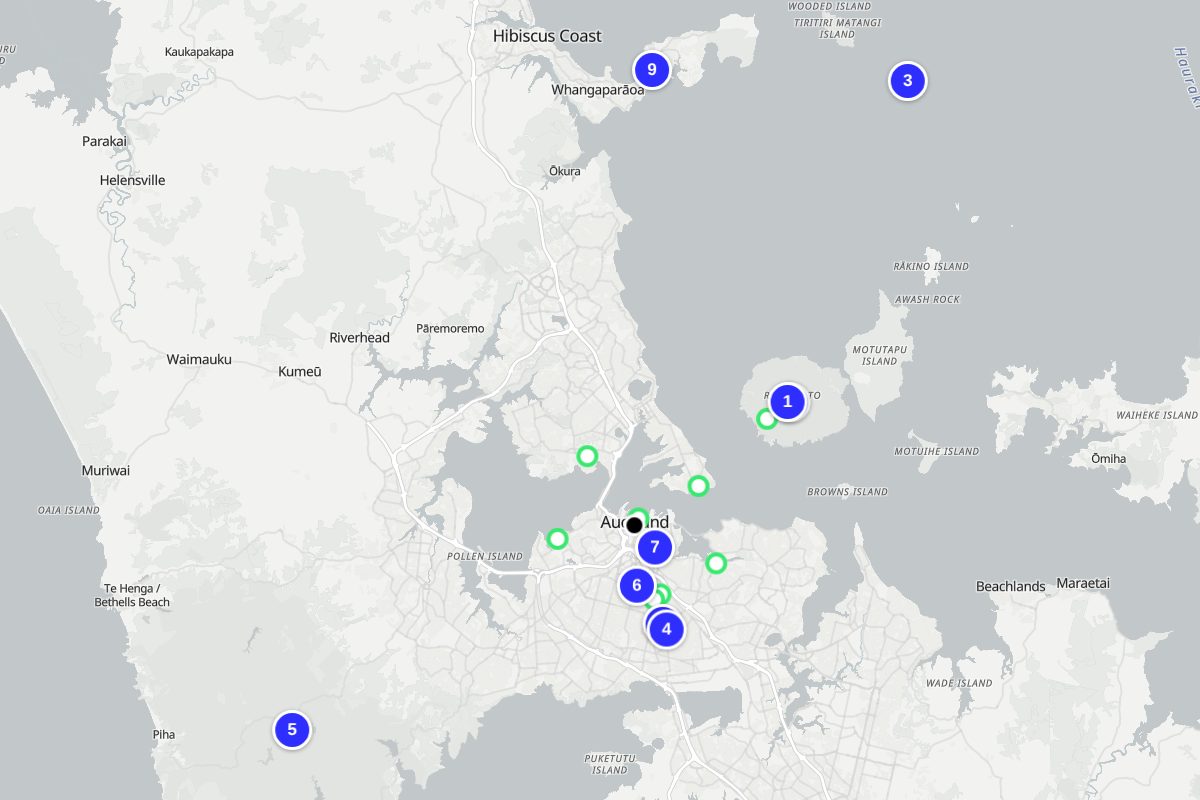
Numbers match the places below. Map: © OpenStreetMap contributors, OpenFreeMap.
- Auckland volcanic field
- Rangitoto Island
- Hauraki Gulf / Tīkapa Moana
- Maungakiekie / One Tree Hill
- Waitākere Ranges
- Maungawhau / Mount Eden
- Auckland Domain
- Auckland isthmus
- Whangaparāoa Peninsula
Nature close to Auckland
The places people read most about, from the centre outwards.
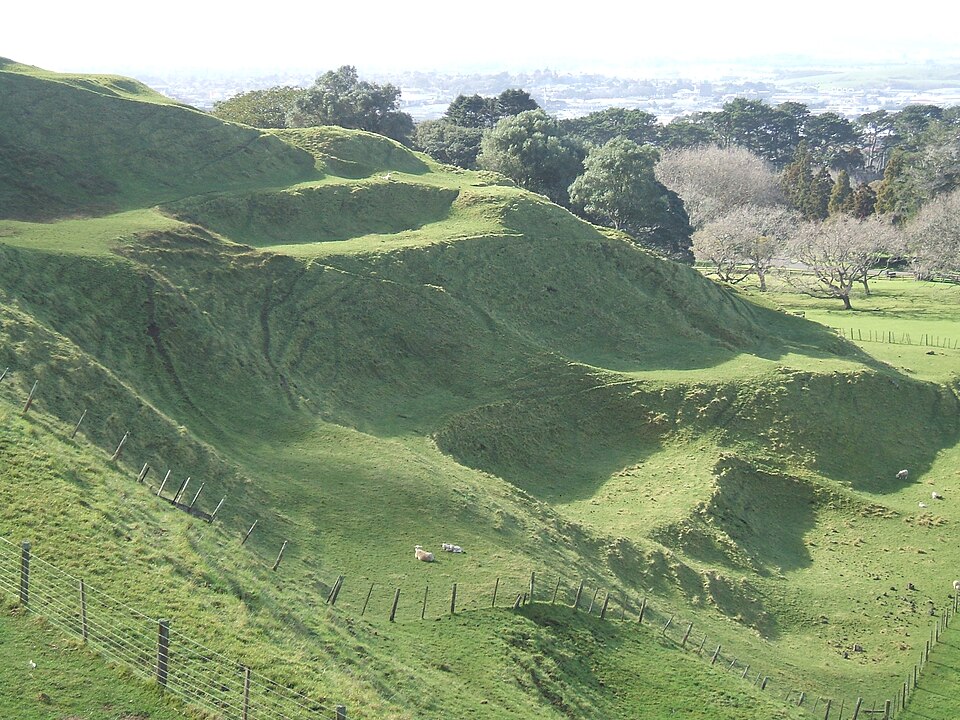

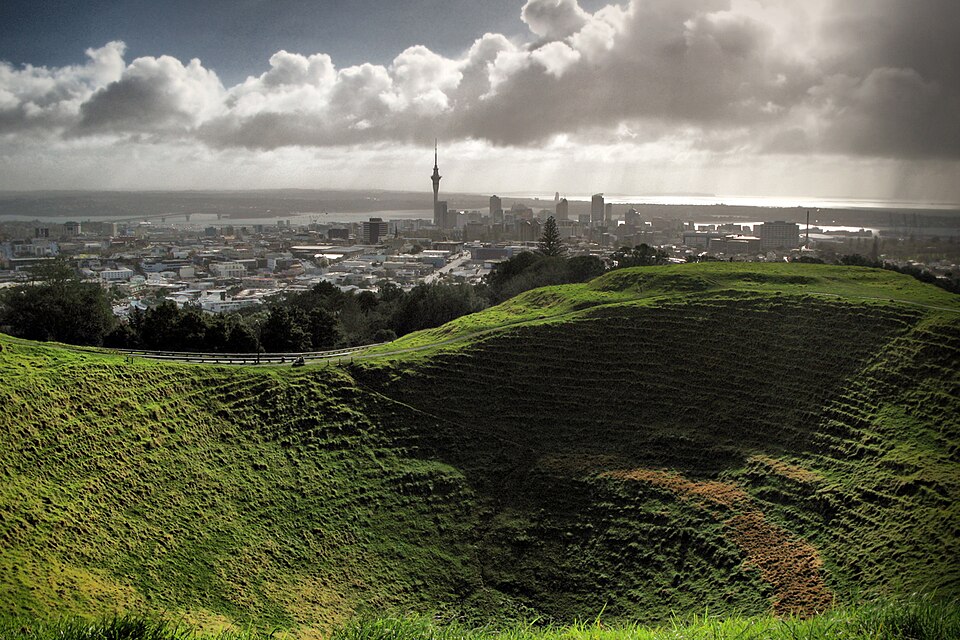
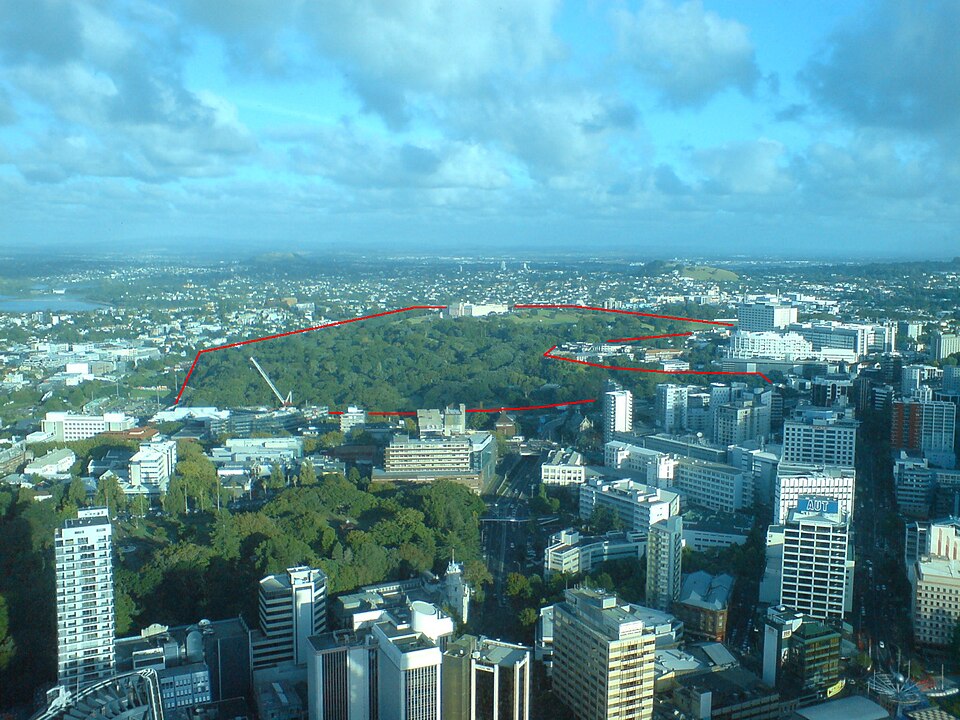


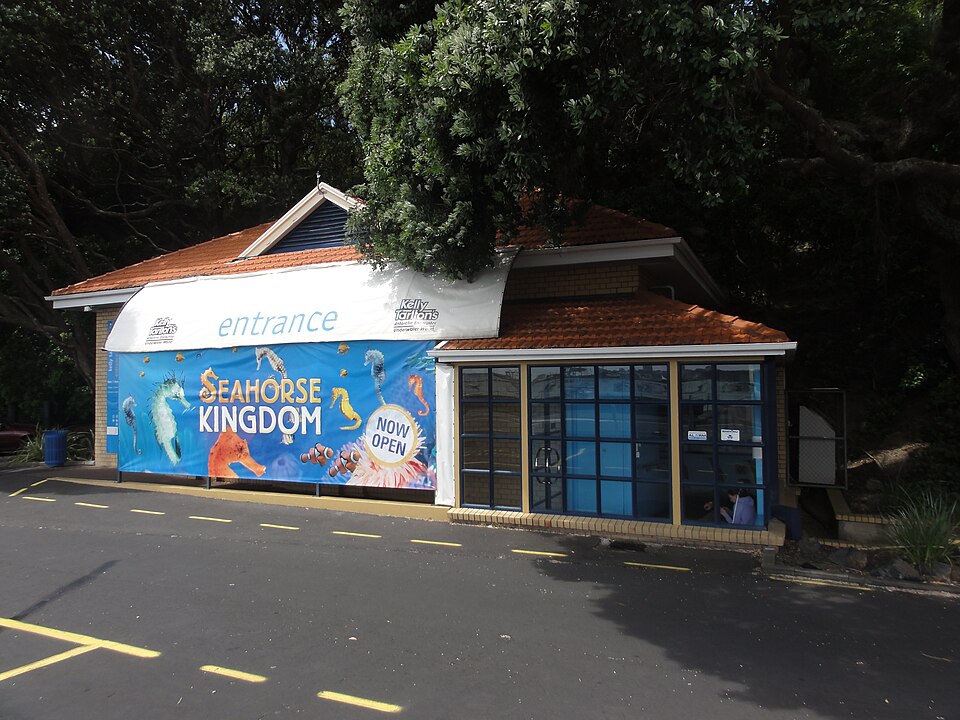

- Rangitoto Island Volcano · 11 km
- Hauraki Gulf / Tīkapa Moana Gulf · 29 km
- Maungakiekie / One Tree Hill Hill · 6 km
- Whangaparāoa Peninsula Peninsula · 25 km
- Tiritiri Matangi Island Island · 30 km
Marked walks
- Foreshore Heritage Walk7.2 km · 1 km from the centre · marked by Auckland Council
- Te Araroa - 02 Auckland - j Devonport to Onehunga19.5 km · 4 km from the centre
- Coast to Coast Walkway (Manukau to Waitematā)17.5 km · 4 km from the centre · marked by Auckland City Council
- North Shore City Coastal Walk1.9 km · 4 km from the centre
- Westmere Coastal Walkway1.2 km · 4 km from the centre
- Ōrākei Basin Path3 km round trip · 5 km from the centre
- Le Roys Bush Path2 km · 5 km from the centre
- Rangitoto Lighthouse to Summit Walk8.3 km · 9 km from the centre
Long-distance trails through the area: Te Araroa - North Island / Te Ika-a-Māui (1,764 km), Te Araroa - 02 Auckland (251 km), Hillary Trail (74 km).
Routes from OpenStreetMap via Waymarked Trails. Not checked by 4Planet: follow local signs and conditions.
Wildlife around Auckland
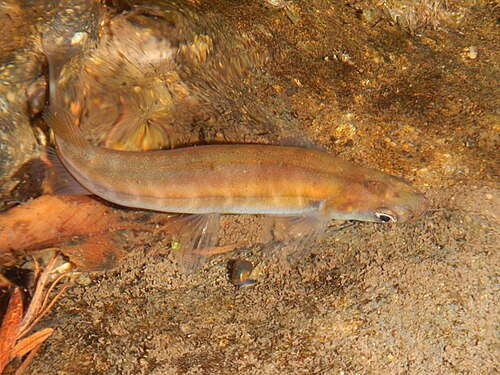
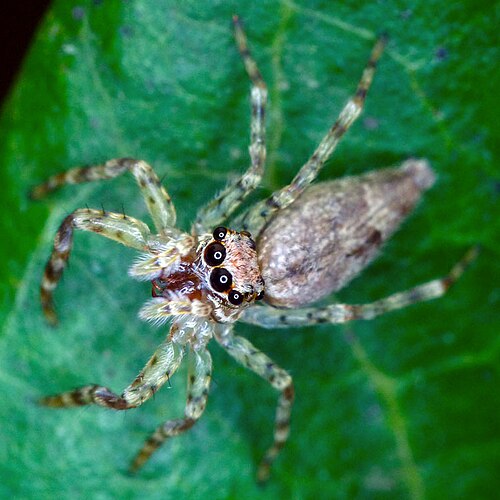
The wild animals people record most within 50 km, 2016–2025. Tick the ones you have seen to build your own list.


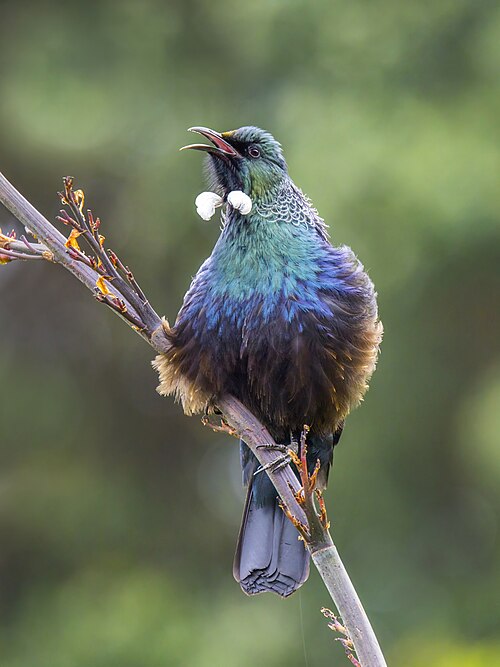

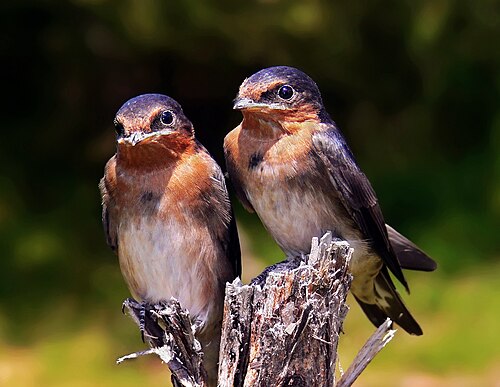




Seen in the last 30 days
What can you see near Auckland now?
Month by month, from 964,853 records people shared within 50 km, 2016–2025.
At their peak in January


Most seen in January
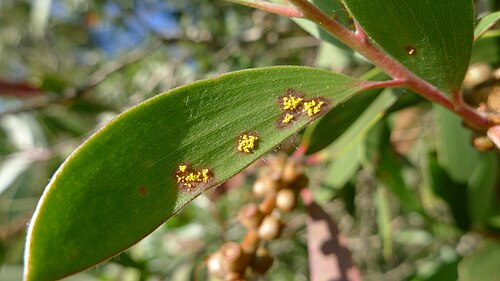
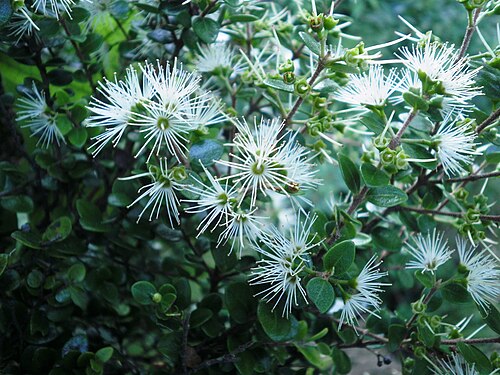
Plants and fungi at their peak in January


94,916 animal records in January.
At their peak in February
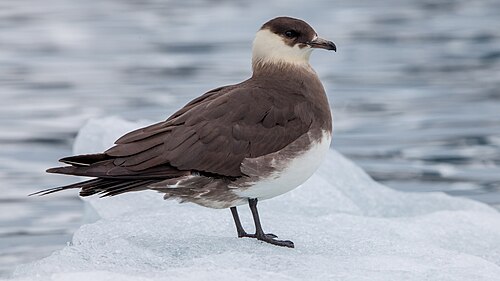
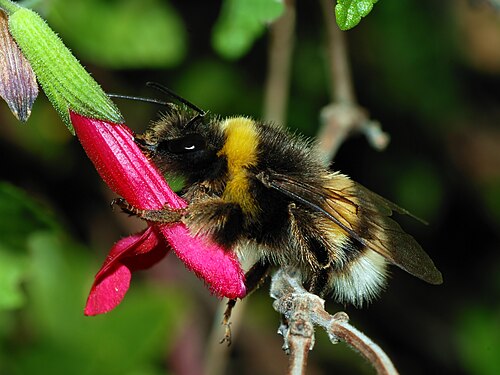
Most seen in February

Plants and fungi at their peak in February


69,812 animal records in February.
At their peak in March

Most seen in March
Plants and fungi at their peak in March


71,534 animal records in March.
At their peak in April


Most seen in April
Plants and fungi at their peak in April


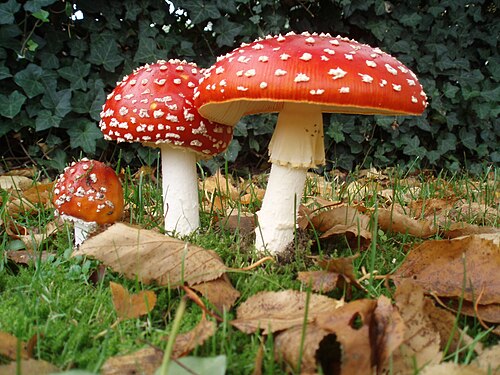

66,729 animal records in April.
At their peak in May

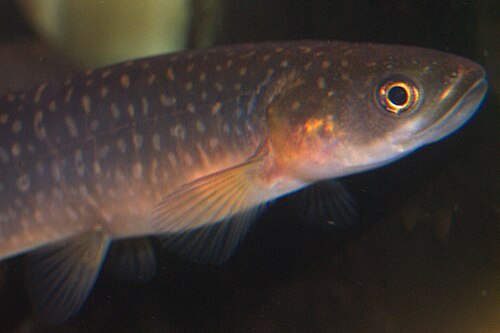
Most seen in May
Plants and fungi at their peak in May
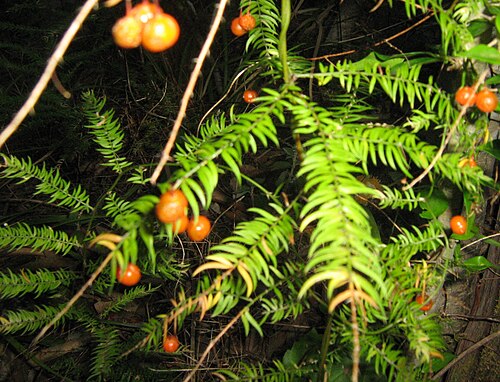
66,240 animal records in May.
Most seen in June
Plants and fungi at their peak in June


73,034 animal records in June.
At their peak in July


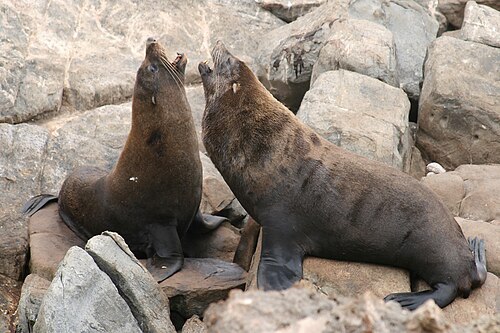
Most seen in July
Plants and fungi at their peak in July

68,899 animal records in July.
At their peak in August
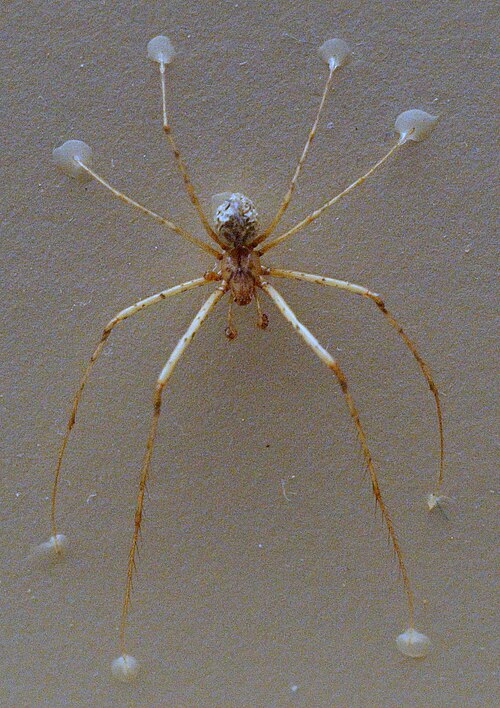
Most seen in August
Plants and fungi at their peak in August
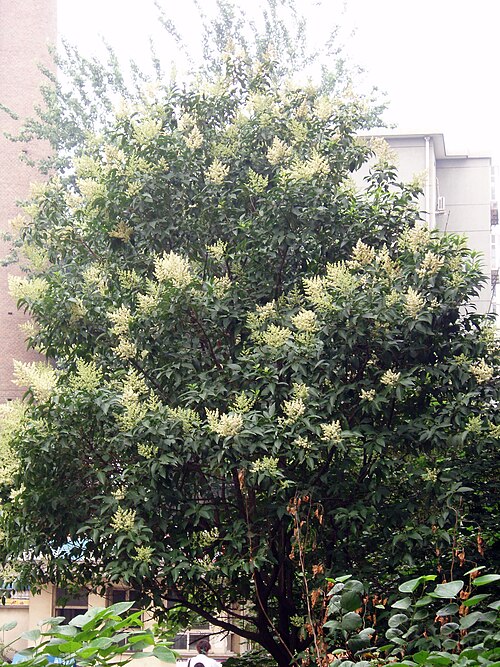

67,003 animal records in August.
At their peak in September

Most seen in September
Plants and fungi at their peak in September


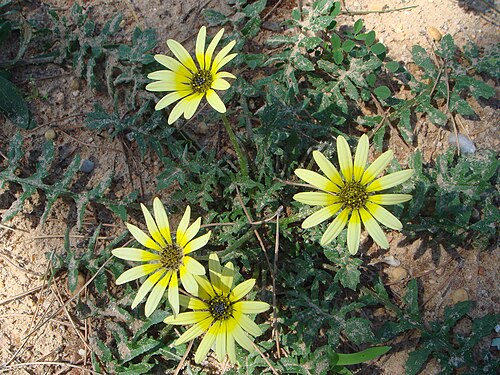
81,277 animal records in September.
At their peak in October

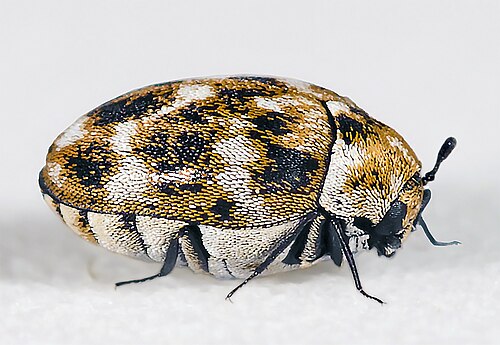

Most seen in October
Plants and fungi at their peak in October


97,994 animal records in October.
At their peak in November


Most seen in November
Plants and fungi at their peak in November


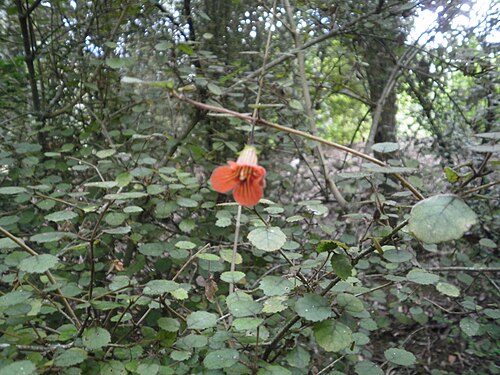
113,785 animal records in November.
At their peak in December


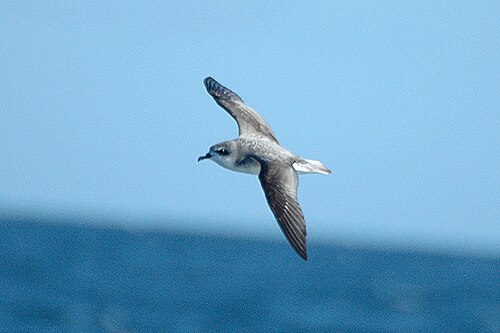
Most seen in December
Plants and fungi at their peak in December

93,630 animal records in December.
Auckland is getting warmer
+0.7 °CAverage temperature around Auckland in 2016–2025, compared with 1981–1990.
Daylight: about 15 hours in December and 10 in June.
Seen something near Auckland?
Share a photo of it on iNaturalist. Other naturalists help name it, and confirmed records go to GBIF, where scientists use them. That is where the lists on this page come from.
Auckland on the living planet
More places near Auckland
Sources and photo credits
- Wikidata · Auckland (Q37100), facts and nature places
- Wikipedia page views · how well known each nature place is
- OpenStreetMap contributors via Waymarked Trails · marked walking routes (ODbL)
- GBIF · human observations within 50 km, 2016–2025 (964,853 animal records)
- NASA POWER · yearly temperature from satellite and model data (MERRA-2)
- MET Norway · weather now (shown live)
- Natural Earth · populated place 1159151703, public domain
- Auckland volcanic field, Auckland: German302, Public domain
- Auckland volcanic field, Auckland: German302, Public domain
- Waitākere Ranges, Auckland: Peter Harrison, CC BY 2.0
- Maungawhau / Mount Eden, Auckland: Etherbug, Alan Collins, CC BY 3.0
- Auckland Domain, Auckland: Ingolfson at English Wikipedia (Original text: Uploader.), Public domain
- Auckland isthmus, Auckland: Planet Labs, Inc., CC BY-SA 4.0
- Lake Pupuke, Auckland: Avenue, CC BY-SA 3.0
- Kelly Tarlton's Sea Life Aquarium, Auckland: Andy king50, CC BY-SA 3.0
- Motutapu Island, Auckland: Ingolfson, Public domain
- Monarch: Didier Descouens, CC BY-SA 4.0
- House sparrow: Rhododendrites, CC BY-SA 4.0
- Common blackbird: Hobbyfotowiki, CC0
- Tūī: Charles J. Sharp, CC BY-SA 4.0
- Common myna: Tisha Mukherjee, CC BY-SA 4.0
- Welcome swallow: Benjamint444, CC BY-SA 3.0
- African mantis: Bryce McQuillan, CC BY 2.0
- Auckland tree weta: Emily Roberts, CC BY 4.0
- Banded kokopu: Blueether, CC BY-SA 4.0
- Bronze hopper: Robert Whyte from Brisbane, Australia, CC BY 2.0
- Steel blue lady beetle: Raewyn, CC BY 2.0
- New zealand nursery web spider: Bryce McQuillan, CC BY 2.0
- Sharp-tailed sandpiper: Alnus, CC BY-SA 3.0
- Swan plant moth: Birgit E. Rhode, Landcare Research New Zealand Ltd., CC BY 4.0
- Red-necked stint: JJ Harrison (https://www.jjharrison.com.au/), CC BY-SA 3.0
- Myrtle rust: John Tann from Mullumbimby, Australia, CC BY 2.0
- Climbing dock: Cas Liber, Public domain
- Climbing rātā: Rudolph89, CC BY-SA 3.0
- New zealand-blueberry: Mike Dickison, CC BY 4.0
- Kelp gull: hyper7pro, CC BY 2.0
- Parasitic jaeger: AWeith, CC BY-SA 4.0
- Buff-tailed bumblebee: Alvesgaspar, CC BY-SA 3.0
- Blackberry: Ivar Leidus, CC BY-SA 4.0
- Krauss's clubmoss: JMK, CC BY-SA 3.0
- Tropical pokeweed: Stan Shebs, CC BY-SA 3.0
- Himalayan honeysuckle: No machine-readable author provided. MPF assumed (based on copyright claims)., CC BY 2.5
- Green lacewing: Auckland War Memorial Museum, CC BY 4.0
- Canary island date palm: Krzysztof Ziarnek, Kenraiz, CC BY-SA 4.0
- Bushy needlewood: Edoarado, CC BY-SA 3.0
- Asian cotton leafworm: Donald Hobern from Canberra, Australia, CC BY 2.0
- Asian paper wasp: photographer=User:Opencage, CC BY 2.0
- Spectacular rustgill: Tony Wills, CC BY 2.5
- Orange ping-pong bat: Kris Connor, CC0
- Fly agaric: Onderwijsgek, CC BY-SA 3.0 nl
- Graceful parasol: JJ Harrison (https://www.jjharrison.com.au/), CC BY-SA 3.0
- Ocellate sea hare: Philippe Bourjon, CC BY-SA 3.0
- Giant kōkopu: Blueether, CC BY-SA 3.0
- Asparagus-fern: S Molteno, Public domain
- Kahila garland-lily: JJ Harrison (https://www.jjharrison.com.au/), CC BY-SA 3.0
- Earleaf nightshade: Peter Greenwell, CC BY-SA 3.0
- Dendrodoris gunnamatta: Keisotyo, CC BY-SA 4.0
- Detritus moth: dhobern, CC BY 2.0
- Australasian fur seal: Mike Lehmann, Mike Switzerland 09:10, 25 February 2007 (UTC), CC BY-SA 3.0
- Basket fungus: Andre Goble from Wellington, New Zealand, CC BY-SA 2.0
- Crinoline spider: Toby Hudson, CC BY-SA 3.0 au
- Glossy privet: Taken by Fanghong, CC BY 2.5
- Sydney golden wattle: josh jackson, CC BY 2.0
- Common rough woodlouse: Yug, CC BY-SA 3.0
- Gundigger's soap: Ewen Cameron, Auckland War Memorial Museum, CC BY 4.0
- Threecorner leek: Meneerke bloem, CC BY-SA 3.0
- Thin-leaved coprosma: Rudolph89, CC BY-SA 3.0
- Capeweed: User:Xemenendura, CC BY-SA 3.0
- Shining bronze cuckoo: James Niland from Brisbane, Australia, CC BY 2.0
- Varied carpet beetle: Didier Descouens, CC BY-SA 4.0
- Blue soldier fly: russellstreet, CC BY-SA 2.0
- Tutukiwi: Rudolph89, CC BY-SA 3.0
- Daisy: m.dolores paderne sanchez, CC BY-SA 3.0
- Common redcoat damselfly: Auckland War Memorial Museum, CC BY 4.0
- Australian pug moth: Birgit E. Rhode, Landcare Research New Zealand Ltd., CC BY 4.0
- Blue corn-lily: Daderot, CC0
- Scarlet pimpernel: Ryan Hodnett, CC BY-SA 4.0
- Taurepo: Rudolph89, CC BY-SA 3.0
- Smooth stick insect: Shaun Lee, CC BY 4.0
- Cupcake spider: S.E. Thorpe, Public domain
- Cook's petrel: Aviceda at English Wikipedia (Original text: Tom (talk)), CC BY 3.0
- New zealand christmastree: Ed323 at English Wikipedia, Public domain
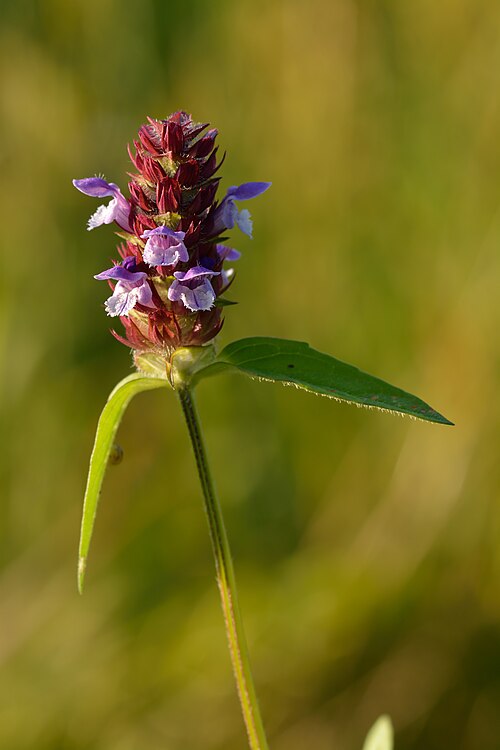
- Heal-all: Ivar Leidus, CC BY-SA 3.0


Wildlife records show where people have seen and shared plants and animals, not everything that lives here; some places and months are recorded more than others. Sensitive species are never shown with a month or as seen recently. Routes come from OpenStreetMap and are not checked by 4Planet: follow local signs and conditions. Climate figures are NASA estimates for the area around Auckland, not a single weather station.
Checked 2026-11-20.