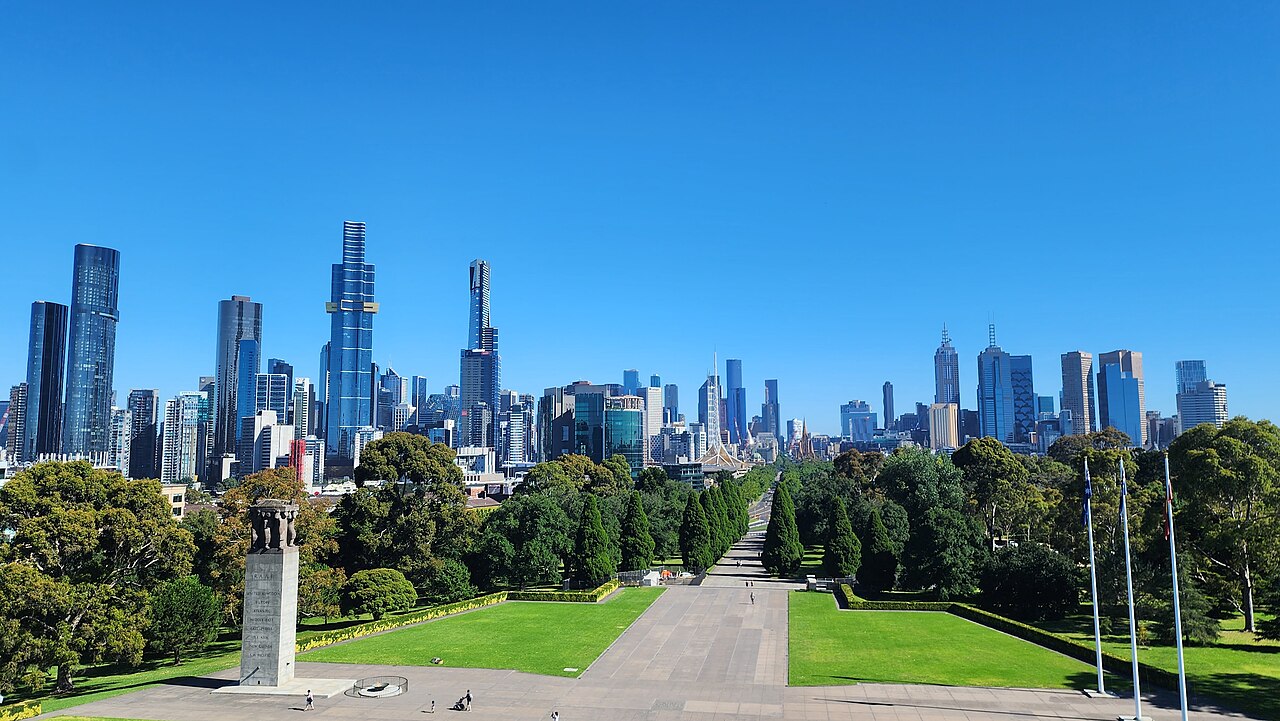
Melbourne
Capital city of Victoria, Australia
Within 30 km of the centre of Melbourne, the nature places people read about most are Yarra River, Waverley Park, Albert Park and Lake and Werribee Park, and marked walks close to the city include Billibellary's Walk.
People have shared 7,004,420 wildlife records within 50 km of Melbourne in the last ten years. The wild animals recorded most often are the Australian magpie, the coconut lorikeet, the little raven, the noisy miner and the red wattlebird. Since the 1980s the area has become about 0.7 °C warmer.
Of the 93 cities on Atlas, Melbourne has the 8th most wildlife records shared within 50 km. Among the animals people record most around Melbourne, the little raven and the red wattlebird appear on no other city page here.
- Country
- Australia
- Population
- 5.4 million
- Area
- 9,993 km²
- Elevation
- 31 m
- Currency
- Australian dollar
- Daylight
- 10 to 15 hours
Figures from Wikidata; population 2024.
Melbourne on the map
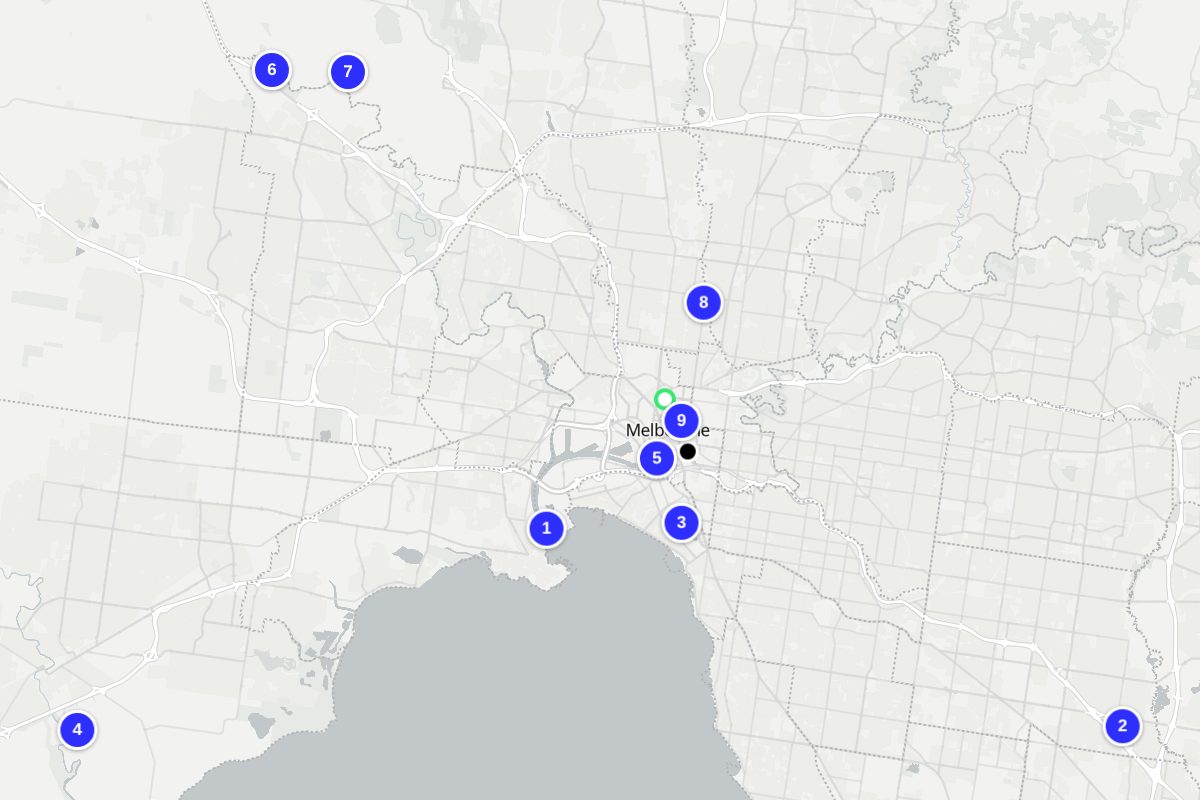
Numbers match the places below. Map: © OpenStreetMap contributors, OpenFreeMap.
- Yarra River
- Waverley Park
- Albert Park and Lake
- Werribee Park
- Melbourne Aquarium
- Organ Pipes National Park
- Maribyrnong River
- Merri Creek
- Carlton Gardens
Nature close to Melbourne
The places people read most about, from the centre outwards.


- Organ Pipes National Park National park · 25 km
- Merri Creek River · 7 km
- Carlton Gardens Park · 1 km
- Fitzroy Gardens Park · 1 km
- Moonee Ponds Creek River · 4 km
- Gardiners Creek River · 6 km
Marked walks
- Billibellary's Walk2.2 km · 2 km from the centre · marked by The University of Melbounre
Routes from OpenStreetMap via Waymarked Trails. Not checked by 4Planet: follow local signs and conditions.
Wildlife around Melbourne
The wild animals people record most within 50 km, 2016–2025. Tick the ones you have seen to build your own list.




Seen in the last 30 days
What can you see near Melbourne now?
Month by month, from 7,004,420 records people shared within 50 km, 2016–2025.
At their peak in January


Most seen in January

Plants and fungi at their peak in January



674,752 animal records in January.
At their peak in February


Most seen in February
Plants and fungi at their peak in February

529,319 animal records in February.
At their peak in March


Most seen in March
Plants and fungi at their peak in March


587,444 animal records in March.
At their peak in April
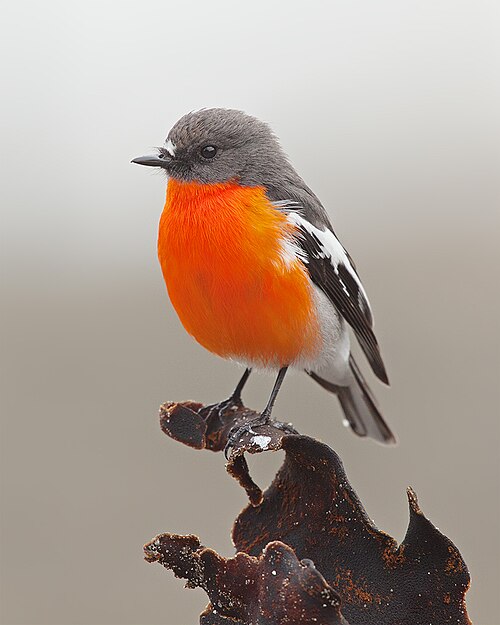


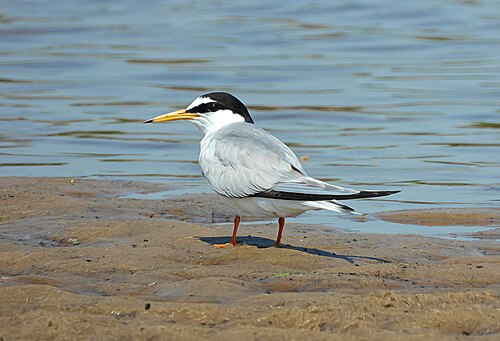
Most seen in April
Plants and fungi at their peak in April


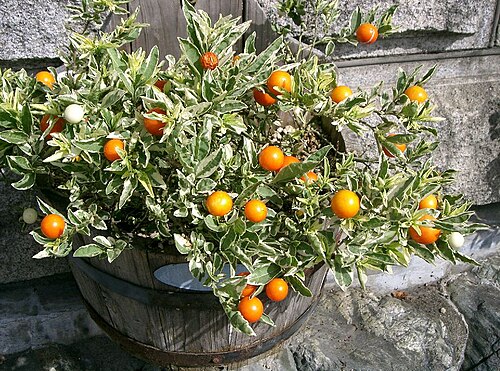
598,556 animal records in April.
At their peak in May


Most seen in May
Plants and fungi at their peak in May
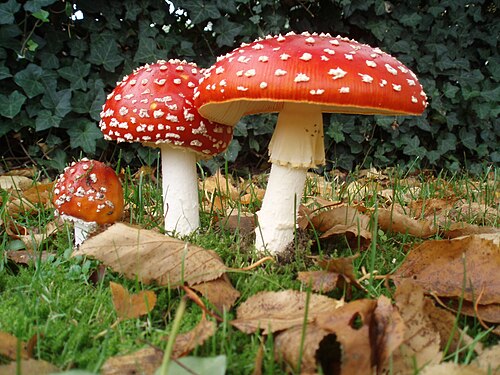
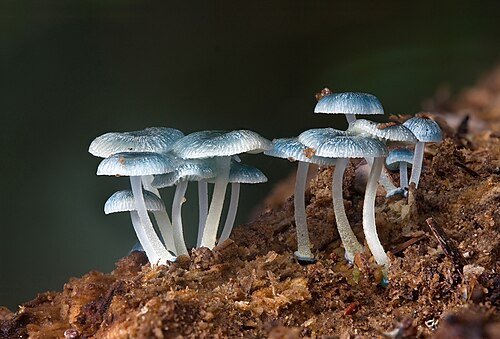
510,927 animal records in May.
At their peak in June
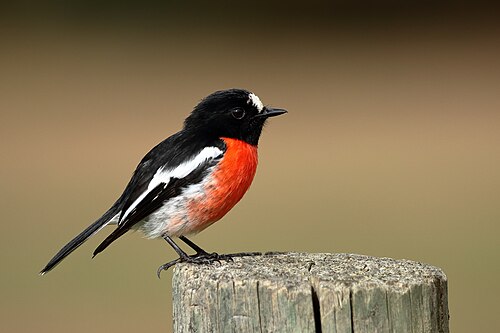

Most seen in June
Plants and fungi at their peak in June
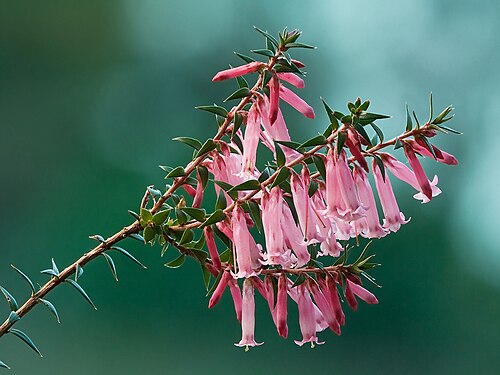
449,450 animal records in June.
At their peak in July
Most seen in July
Plants and fungi at their peak in July
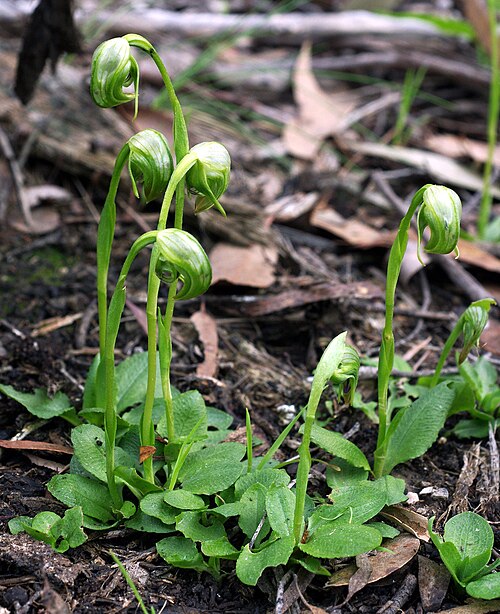

451,136 animal records in July.
Most seen in August
Plants and fungi at their peak in August


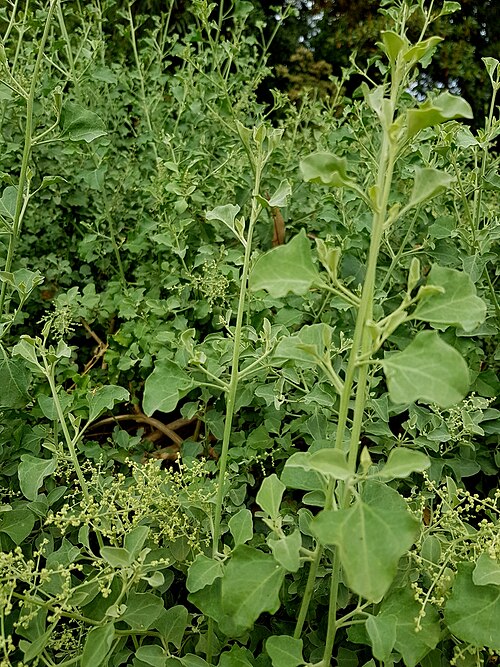
543,040 animal records in August.
At their peak in September


Most seen in September
Plants and fungi at their peak in September


663,467 animal records in September.
At their peak in October


Most seen in October
Plants and fungi at their peak in October


752,806 animal records in October.
At their peak in November
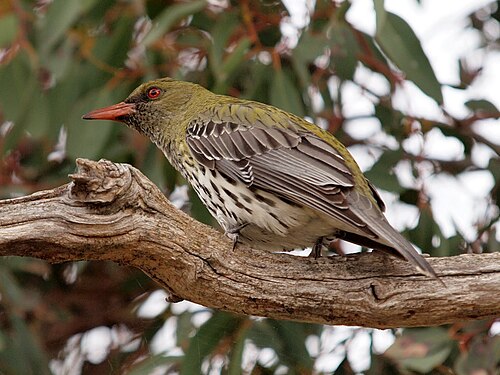
Most seen in November
Plants and fungi at their peak in November


631,111 animal records in November.


Melbourne is getting warmer
+0.7 °CAverage temperature around Melbourne in 2016–2025, compared with 1981–1990.
Daylight: about 15 hours in December and 10 in June.
Seen something near Melbourne?
Share a photo of it on iNaturalist. Other naturalists help name it, and confirmed records go to GBIF, where scientists use them. That is where the lists on this page come from.
Explore next
What puts Melbourne under pressure, what helps, and who works on it.
Melbourne on the living planet
More places near Melbourne
Sources and photo credits
- Wikidata · Melbourne (Q3141), facts and nature places
- Wikipedia page views · how well known each nature place is
- OpenStreetMap contributors via Waymarked Trails · marked walking routes (ODbL)
- GBIF · human observations within 50 km, 2016–2025 (7,004,420 animal records)
- NASA POWER · yearly temperature from satellite and model data (MERRA-2)
- MET Norway · weather now (shown live)
- Natural Earth · populated place 1159151565, public domain
- Melbourne, Australia: Shkuru Afshar, CC BY-SA 4.0
- Yarra River, Melbourne: Diliff, CC BY-SA 3.0
- Waverley Park, Melbourne: Melburnian, CC BY 2.5
- Albert Park and Lake, Melbourne: Donaldytong, Public domain
- Werribee Park, Melbourne: Rexness, CC BY-SA 2.0
- Melbourne Aquarium, Melbourne: Shkuru Afshar, CC BY-SA 4.0
- Maribyrnong River, Melbourne: Nick carson at English Wikipedia, CC BY-SA 3.0
- Flagstaff Gardens, Melbourne: Tangerineduel, CC BY-SA 4.0
- Batman Park, Melbourne: en:User:Nick carson, Public domain
- Australian magpie: JJ Harrison (https://www.jjharrison.com.au/), CC BY-SA 3.0
- Coconut lorikeet: gailhampshire from Cradley, Malvern, U.K, CC BY 2.0
- Little raven: Toby Hudson, CC BY-SA 3.0
- Noisy miner: JJ Harrison (https://www.jjharrison.com.au/), CC BY-SA 3.0
- Red wattlebird: JJ Harrison (https://www.jjharrison.com.au/), CC BY-SA 3.0
- Common brown: Donald Hobern from Copenhagen, Denmark, CC BY 2.0
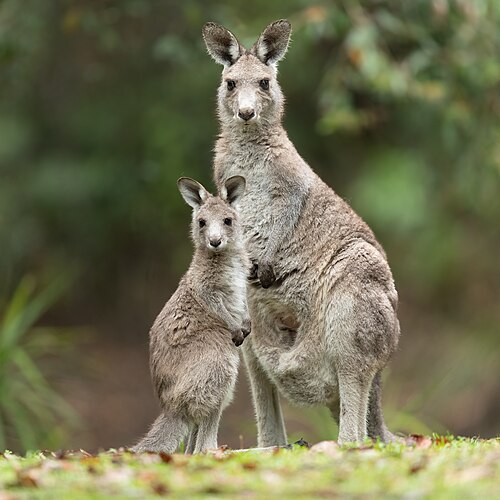
- Eastern grey kangaroo: JJ Harrison (https://www.jjharrison.com.au/), CC BY-SA 4.0
- Large spotted ladybird: Thomas Jaeger, CC BY 4.0
- Common ringtail: Andrew Mercer (www.baldwhiteguy.co.nz), CC BY-SA 4.0
- False garden mantis: Donald Hobern from Canberra, Australia, CC BY 2.0
- Red-headed house hopper: Jean and Fred Hort from Perth, Australia, CC BY 2.0
- Brown garden snail: Zachi Evenor, CC BY 2.0
- Common myna: Tisha Mukherjee, CC BY-SA 4.0
- Sharp-tailed sandpiper: Alnus, CC BY-SA 3.0
- Whiskered tern: Marek Szczepanek, CC BY-SA 3.0
- Curlew sandpiper: JJ Harrison (https://www.jjharrison.com.au/), CC BY-SA 3.0
- Common greenshank: JJ Harrison (https://www.jjharrison.com.au/), CC BY-SA 3.0
- Rosy hyacinth orchid: Nonie, CC BY 2.0
- Sweet bursaria: Margaret Donald, CC BY-SA 2.0
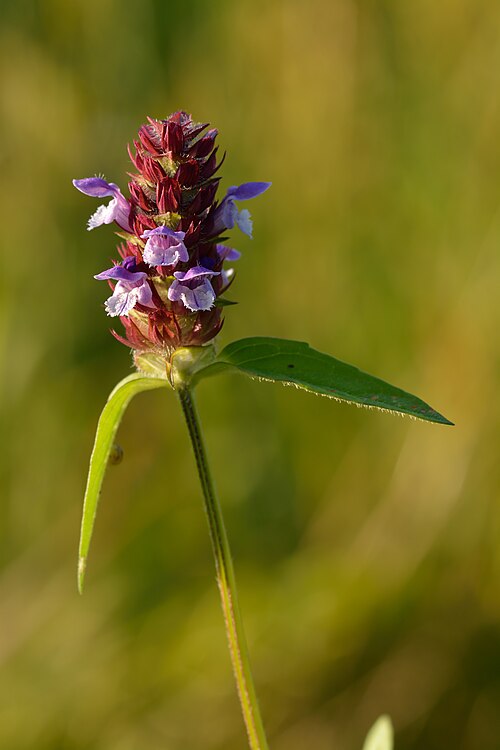
- Heal-all: Ivar Leidus, CC BY-SA 3.0
- Tall flatsedge: Eric in SF, CC BY-SA 3.0
- Latham’s snipe: Jason Girvan, CC BY-SA 3.0
- Rufous fantail: Greg Miles from Australia, CC BY-SA 2.0
- Common tern: Alexis Lours, CC BY 4.0
- Meadow ricegrass: John Tann from Sydney, Australia, CC BY 2.0
- Plantain moth: Birgit E. Rhode, Landcare Research New Zealand Ltd., CC BY 4.0
- Dainty swallowtail: Aviceda, CC BY-SA 3.0
- Gray-headed flying fox: Justin Welbergen, CC BY 3.0
- Australian cheesewood: Louisa Anne Meredith, Public domain
- Sycamore: Christian Pirkl, CC BY-SA 3.0 at
- Tutsan: Didier Descouens, CC BY-SA 4.0
- Flame robin: Tim Collins, CC BY-SA 3.0
- White-winged tern: Charles Lam from Hong Kong, China, CC BY-SA 2.0
- Swift parrot: Charles J. Sharp, CC BY-SA 4.0
- Little tern: PetroKaterynych, CC BY 4.0
- Orange ping-pong bat: Kris Connor, CC0
- Small-leaf spiderwort: Enrique Dans from Madrid, Spain, CC BY 2.0
- Ruby bonnet: Michael (inski), CC BY-SA 3.0
- Jerusalem cherry: KENPEI, CC BY-SA 3.0
- Spiny-cheeked honeyeater: JJ Harrison (https://www.jjharrison.com.au/), CC BY-SA 4.0
- Pink robin: JJ Harrison (https://www.jjharrison.com.au/), CC BY-SA 3.0
- Fly agaric: Onderwijsgek, CC BY-SA 3.0 nl
- Pixie's parasol: JJ Harrison (https://www.jjharrison.com.au/), CC BY-SA 3.0
- Scarlet robin: Summerdrought, CC BY-SA 4.0
- Bassian thrush: JJ Harrison (https://www.jjharrison.com.au/), CC BY-SA 3.0
- Common-heath: JJ Harrison (https://www.jjharrison.com.au/), CC BY-SA 3.0
- Nodding greenhood: Corymb34 from Australia, CC BY-SA 2.0
- Scented sundew: Jan Wieneke, CC BY-SA 3.0
- Coral-pea: KENPEI, CC BY-SA 3.0
- Common hovea: Donald Hobern from Canberra, Australia, CC BY 2.0
- Old-man-saltbush: User:Zenwort, CC BY-SA 4.0
- Fan-tailed cuckoo: JJ Harrison (https://www.jjharrison.com.au/), CC BY-SA 3.0
- Horsfield's bronze cuckoo: Aviceda, CC BY-SA 3.0
- Rose robin: JJ Harrison (https://www.jjharrison.com.au/), CC BY-SA 4.0
- Love creeper: Melburnian, CC BY 3.0
- Threecorner leek: Meneerke bloem, CC BY-SA 3.0
- Rufous whistler: JJ Harrison (https://www.jjharrison.com.au/), CC BY-SA 4.0
- Shining bronze cuckoo: James Niland from Brisbane, Australia, CC BY 2.0
- Milkmaids: Melburnian, CC BY 3.0
- Chocolate-lily: DavidFrancis34 from Australia, CC BY-SA 2.0
- Grey parrot-pea: Melburnian, CC BY 3.0
- Spotted sun-orchid: Caroline Jones, CC0
- Olive-backed oriole: Duncan McCaskill, CC BY 3.0
- Greater quaking-grass: Forest & Kim Starr, CC BY 3.0
- Yellow autumn lily: Margaret Donald, CC BY-SA 2.0
- Blushing bindweed: Harry Rose from South West Rocks, Australia, CC BY 2.0
- Stubble quail: Herbert Goodchild, Public domain
- Matted flax-lily: Raffi Kojian, CC BY-SA 3.0
- American needle-grass: Macleay Grass Man, CC BY 2.0


Wildlife records show where people have seen and shared plants and animals, not everything that lives here; some places and months are recorded more than others. Sensitive species are never shown with a month or as seen recently. Routes come from OpenStreetMap and are not checked by 4Planet: follow local signs and conditions. Climate figures are NASA estimates for the area around Melbourne, not a single weather station.
Checked 2026-11-20.