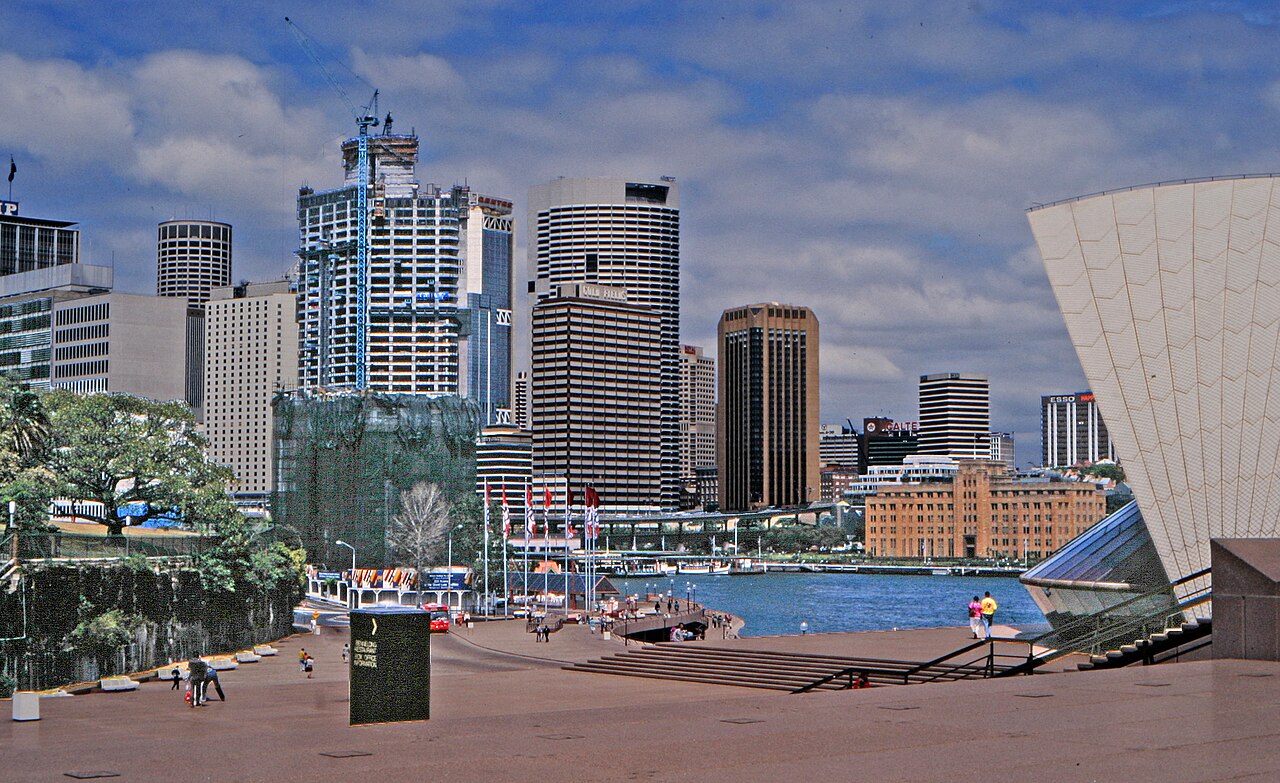
Sydney
Capital city of New South Wales, Australia
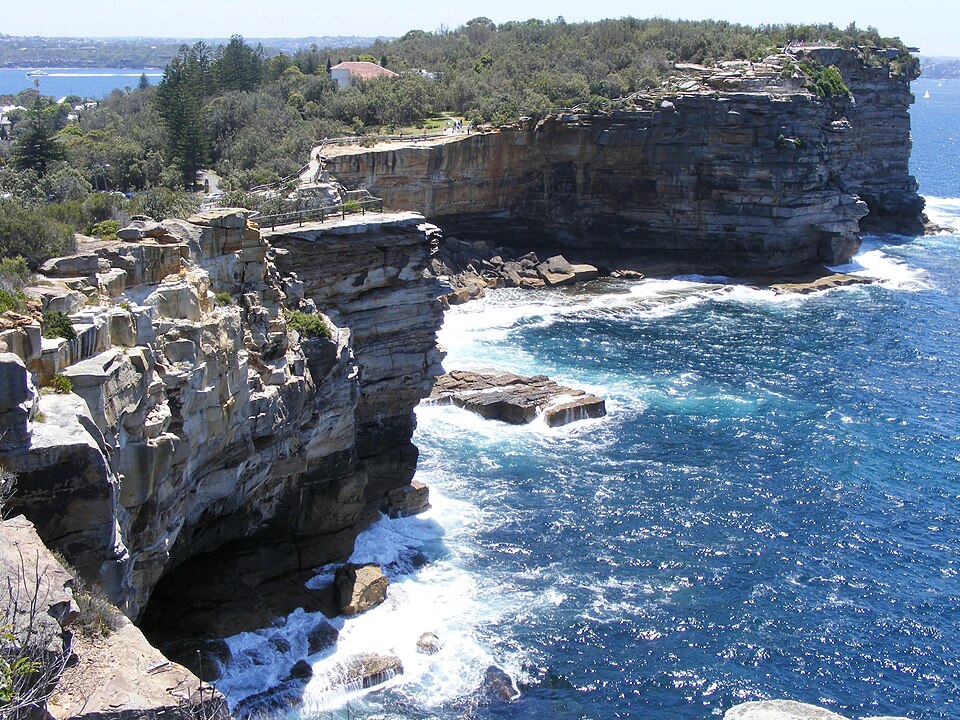
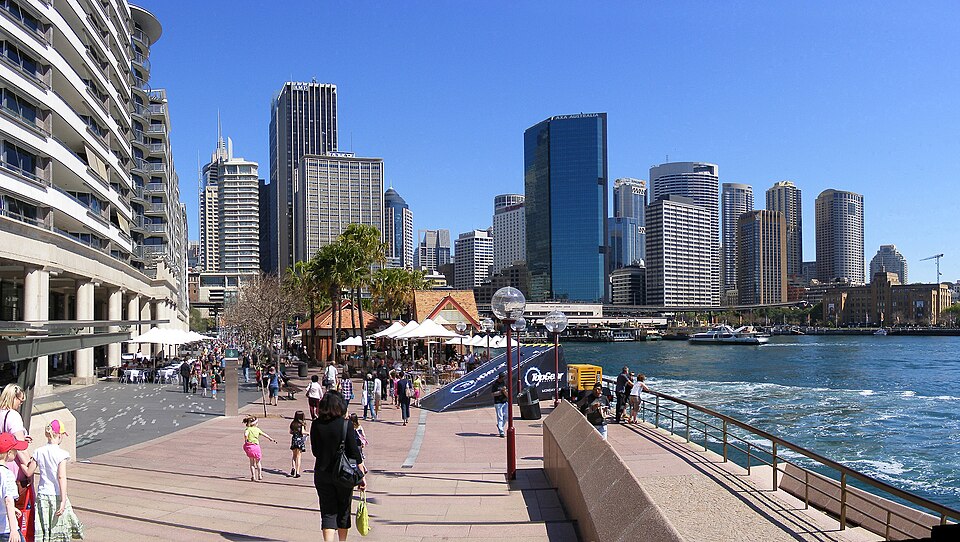
Within 30 km of the centre of Sydney, the nature places people read about most are Botany Bay, Port Jackson, The Gap and Sydney Cove, and marked walks close to the city include Two Valley Trail, Central to Moore Park and Oxford Street - Moore Park.
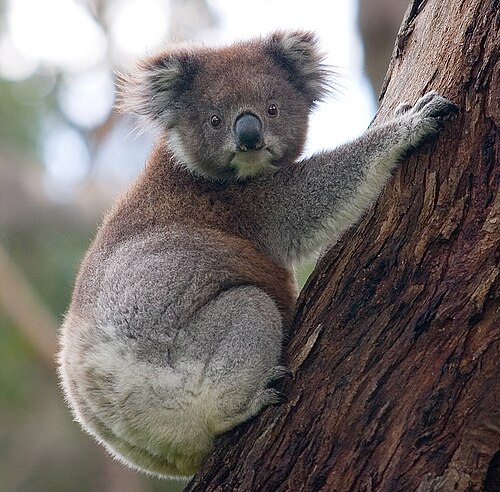
People have shared 3,885,917 wildlife records within 50 km of Sydney in the last ten years. The wild animals recorded most often are the koala, the coconut lorikeet, the noisy miner, the Australian magpie and the Australian raven. Since the 1980s the area has become about 1 °C warmer.
Of the 93 cities on Atlas, Sydney has the 12th most wildlife records shared within 50 km and the 21st most species named on its page. Among the animals people record most around Sydney, the koala and the australian raven appear on no other city page here.
- Country
- Australia
- Population
- 5.5 million
- Area
- 12,145 km²
- Elevation
- 6 m
- Currency
- Australian dollar
- Daylight
- 10 to 14 hours
Figures from Wikidata; population 2023.
Sydney on the map
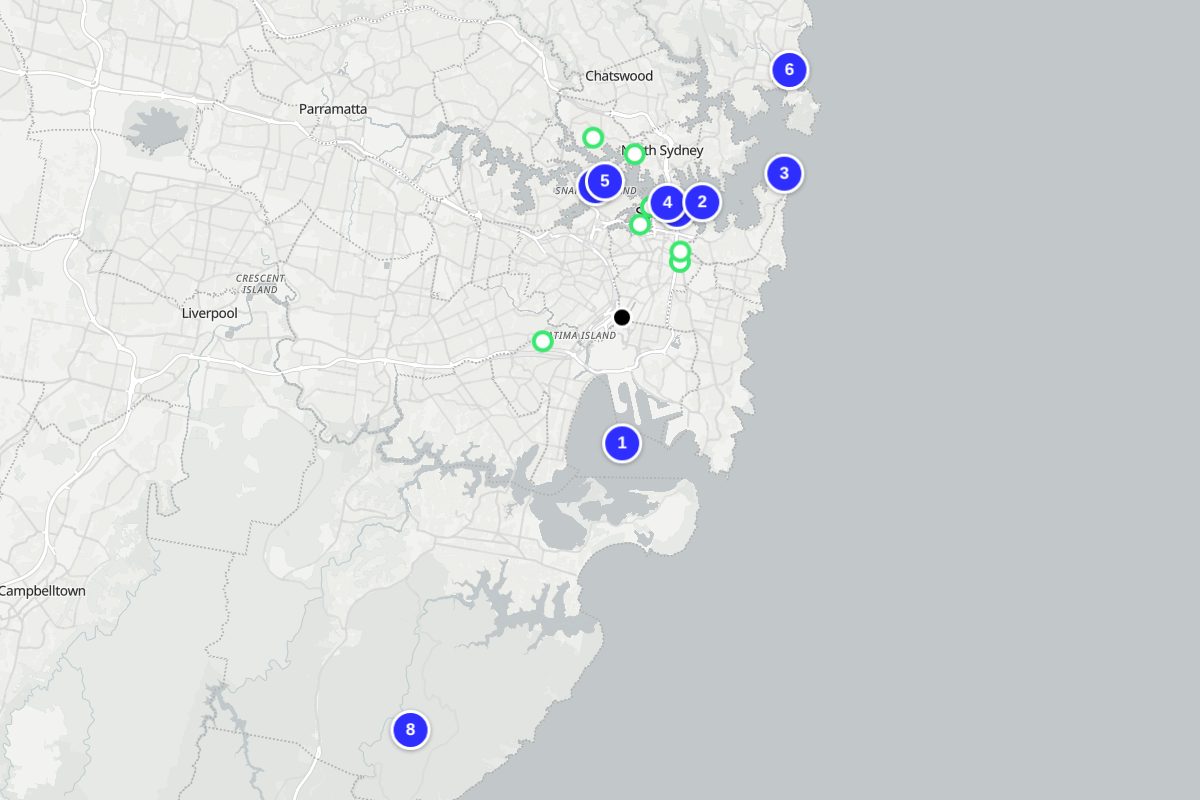
Numbers match the places below. Map: © OpenStreetMap contributors, OpenFreeMap.
- Botany Bay
- Port Jackson
- The Gap
- Sydney Cove
- Cockatoo Island
- Manly Beach
- Parramatta River
- Royal National Park
- Royal Botanic Gardens, Sydney
Nature close to Sydney
The places people read most about, from the centre outwards.



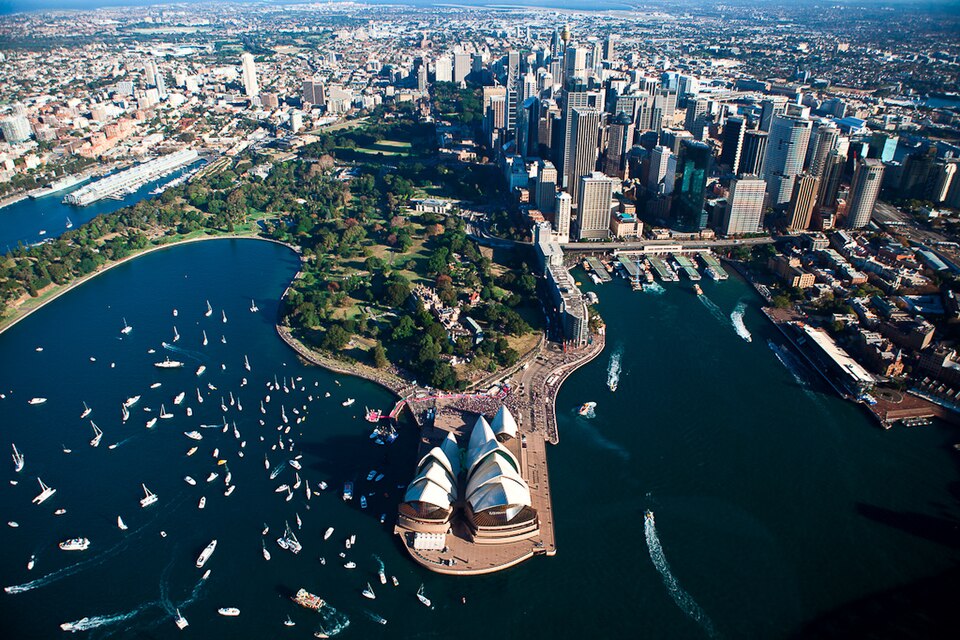


- Manly Beach Beach · 17 km
- Parramatta River River · 8 km
- Royal National Park National park · 27 km
- The Domain Park · 7 km
- Georges River River · 10 km
Marked walks
- Two Valley Trail5 km · 5 km from the centre
- Central to Moore Park1.3 km · 5 km from the centre
- Oxford Street - Moore Park1 km · 5 km from the centre
- Pyrmont1 km · 5 km from the centre · marked by City of Sydney
- Yananurala9.1 km · 7 km from the centre
- Wulugul Walk1.6 km · 7 km from the centre
- The Gore Cove Track3 km · 9 km from the centre
- Tambourine Bay to Warraroon Reserve Bushwalk1.9 km · 10 km from the centre · marked by Lane Cove Council
Long-distance trails through the area: Great North Walk (269 km), Harbour to Hawkesbury Track (59 km).
Routes from OpenStreetMap via Waymarked Trails. Not checked by 4Planet: follow local signs and conditions.
Wildlife around Sydney
The wild animals people record most within 50 km, 2016–2025. Tick the ones you have seen to build your own list.


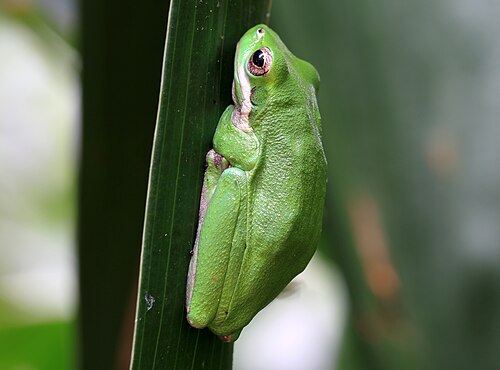
Seen in the last 30 days
What can you see near Sydney now?
Month by month, from 3,885,917 records people shared within 50 km, 2016–2025.
At their peak in January
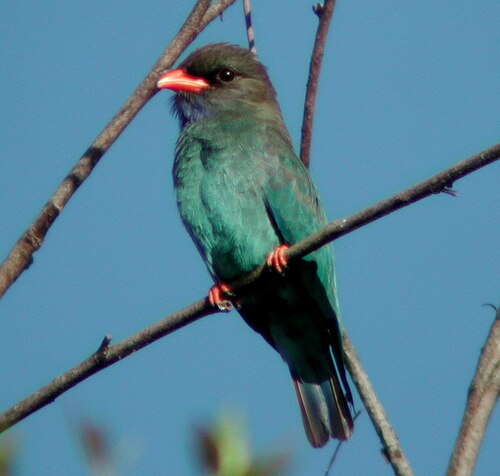
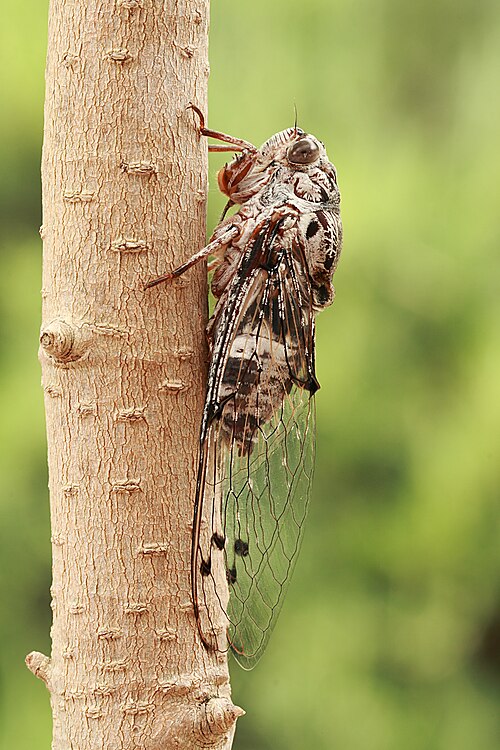

Most seen in January
Plants and fungi at their peak in January

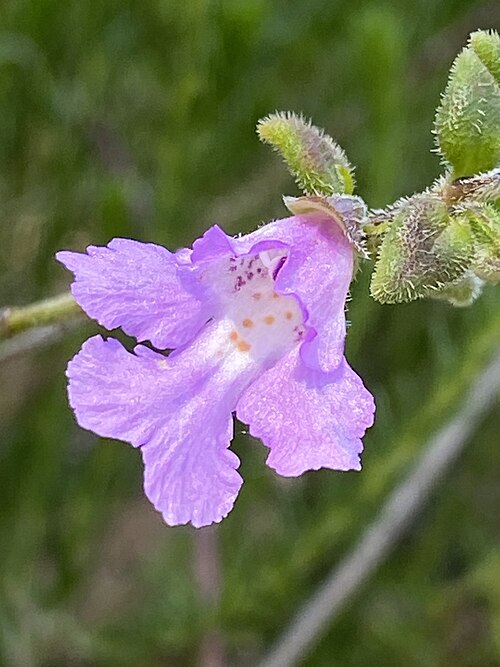

339,195 animal records in January.
At their peak in February

Most seen in February
Plants and fungi at their peak in February


272,064 animal records in February.
At their peak in March


Most seen in March
Plants and fungi at their peak in March


287,603 animal records in March.
At their peak in April

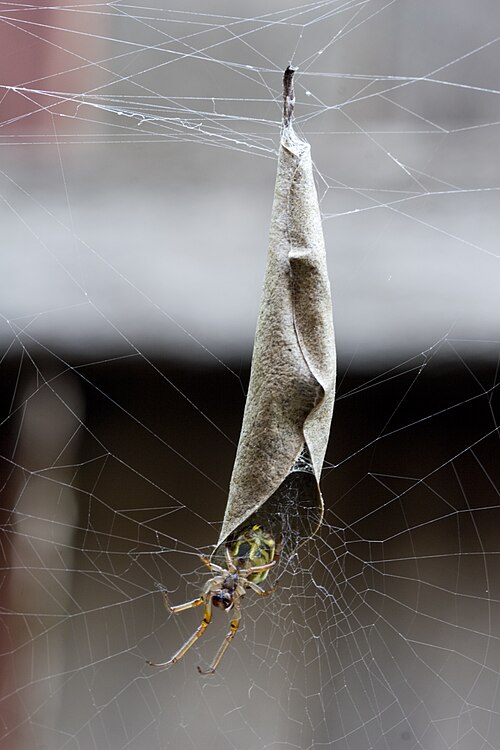

Most seen in April
Plants and fungi at their peak in April
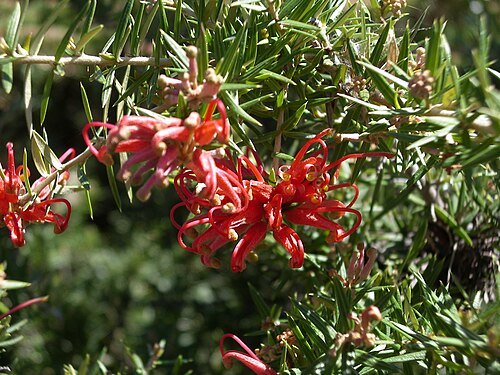

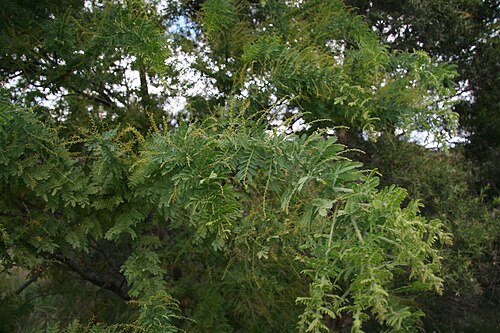

298,585 animal records in April.
At their peak in May
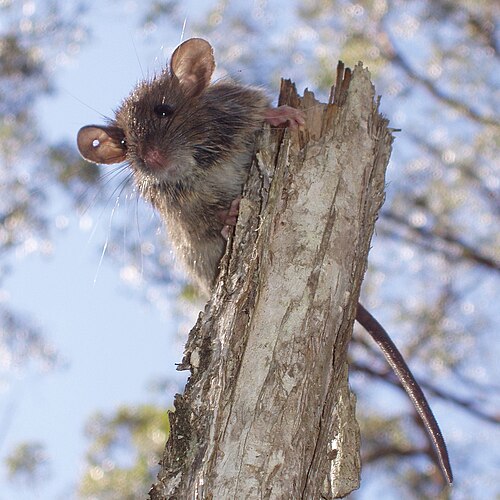


Most seen in May
Plants and fungi at their peak in May


278,499 animal records in May.
At their peak in June
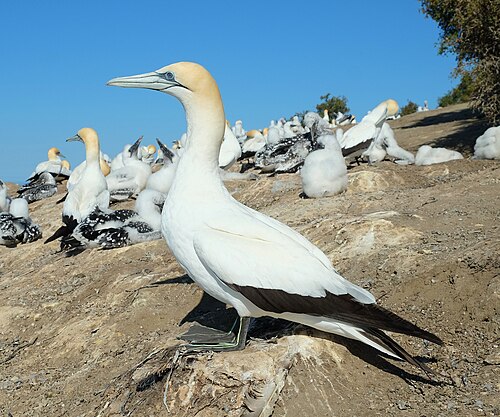
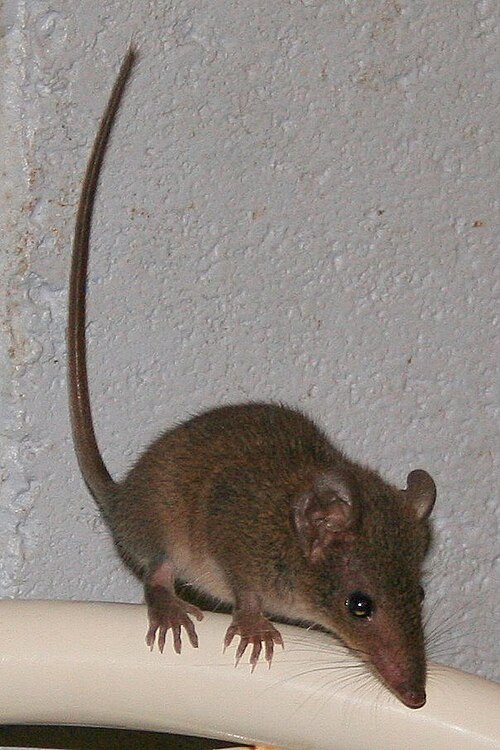
Most seen in June
Plants and fungi at their peak in June


254,364 animal records in June.
At their peak in July


Most seen in July
Plants and fungi at their peak in July


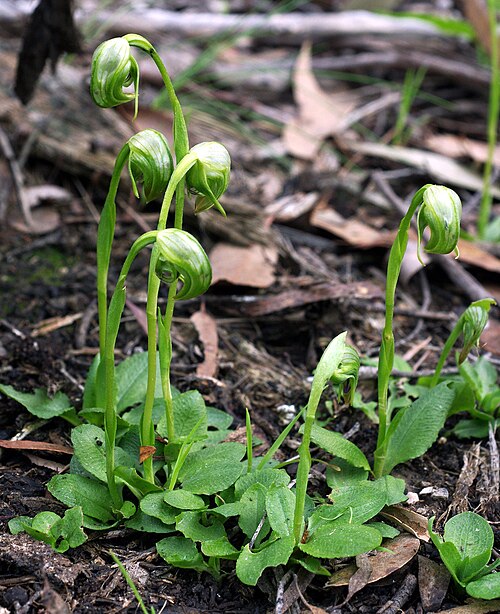
265,311 animal records in July.
At their peak in August

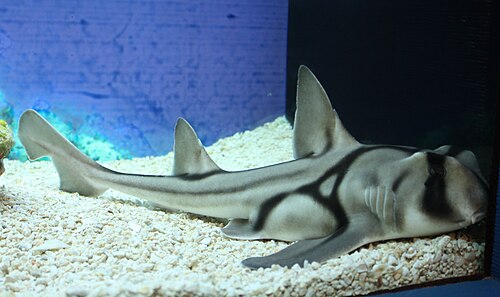

Most seen in August
Plants and fungi at their peak in August


307,136 animal records in August.
At their peak in September

Most seen in September
Plants and fungi at their peak in September


377,806 animal records in September.
At their peak in October

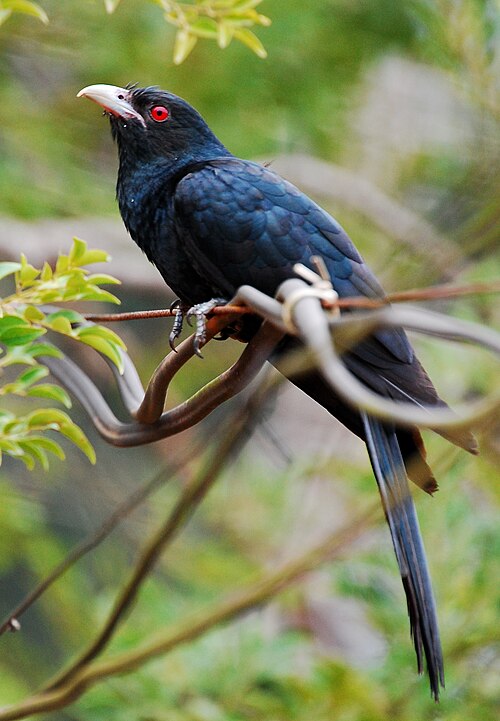

Most seen in October
Plants and fungi at their peak in October


479,080 animal records in October.
At their peak in November
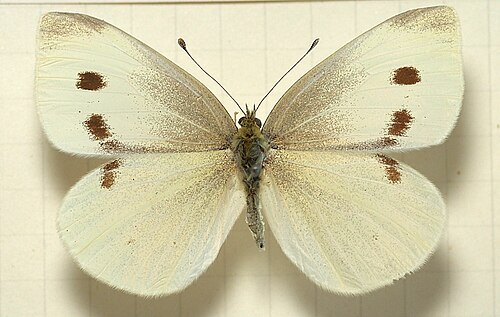
Most seen in November
Plants and fungi at their peak in November

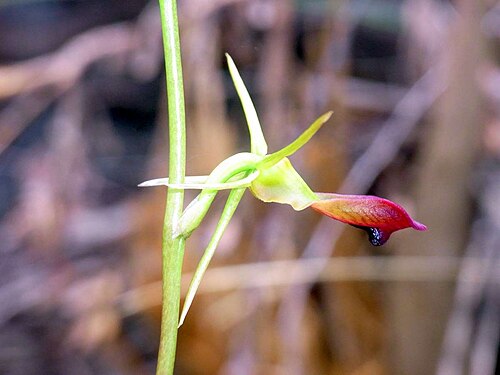
382,338 animal records in November.


Sydney is getting warmer
+1.0 °CAverage temperature around Sydney in 2016–2025, compared with 1981–1990.
Daylight: about 14 hours in December and 10 in June.
Seen something near Sydney?
Share a photo of it on iNaturalist. Other naturalists help name it, and confirmed records go to GBIF, where scientists use them. That is where the lists on this page come from.
Explore next
What puts Sydney under pressure, what helps, and who works on it.
Sydney on the living planet
More places near Sydney
Sources and photo credits
- Wikidata · Sydney (Q3130), facts and nature places
- Wikipedia page views · how well known each nature place is
- OpenStreetMap contributors via Waymarked Trails · marked walking routes (ODbL)
- GBIF · human observations within 50 km, 2016–2025 (3,885,917 animal records)
- NASA POWER · yearly temperature from satellite and model data (MERRA-2)
- MET Norway · weather now (shown live)
- Natural Earth · populated place 1159151623, public domain
- Sydney, Australia: W. Bulach, CC BY-SA 4.0
- Botany Bay, Sydney: Cnes - Spot Image, CC BY-SA 3.0
- Port Jackson, Sydney: NASA, Public domain
- The Gap, Sydney: Adam.J.W.C., CC BY-SA 3.0
- Sydney Cove, Sydney: Adam.J.W.C., CC BY 3.0
- Cockatoo Island, Sydney: spud murphy from Sydney, Australia, CC BY-SA 2.0
- Royal Botanic Gardens, Sydney, Sydney: Pavel from Sydney, AU, CC BY 2.0
- Hyde Park, Sydney: Jorge Láscar from Melbourne, Australia, CC BY 2.0
- Bare Island, Sydney: Adam.J.W.C., CC BY-SA 2.5
- Koala: Diliff, CC BY-SA 3.0
- Coconut lorikeet: gailhampshire from Cradley, Malvern, U.K, CC BY 2.0
- Noisy miner: JJ Harrison (https://www.jjharrison.com.au/), CC BY-SA 3.0
- Australian magpie: JJ Harrison (https://www.jjharrison.com.au/), CC BY-SA 3.0
- Australian raven: JJ Harrison (https://tiny.jjharrison.com.au/t/ZoQvcc05qhmjQ9eE), CC BY-SA 4.0
- Sulphur-crested cockatoo: JJ Harrison (https://www.jjharrison.com.au/), CC BY-SA 3.0
- Common ringtail: Andrew Mercer (www.baldwhiteguy.co.nz), CC BY-SA 4.0
- Common brushtail: Andrew Mercer (www.baldwhiteguy.co.nz), CC BY-SA 4.0
- Eastern blue-tongued lizard: Peripitus, CC BY-SA 3.0
- Gray-headed flying fox: Justin Welbergen, CC BY 3.0
- Australian water dragon: Matt from Melbourne, Australia, CC BY 2.0
- Eastern dwarf tree frog: Stu's Images, CC BY-SA 4.0
- Oriental dollarbird: Aviceda, CC BY-SA 3.0
- Floury baker: Toby Hudson, CC BY-SA 3.0
- Black prince: Moonlight0551 from Australia, CC BY 2.0
- Caley's grevillea: Melburnian, CC BY 3.0
- Seaforth mint-bush: Allthingsnative, CC BY-SA 4.0
- Hyacinth orchid: Rkitko, CC BY-SA 3.0
- Striped marsh frog: LiquidGhoul at English Wikipedia, CC BY-SA 3.0
- Cabbage gum: Poyt448, CC0
- Night and afternoon: Douglas Goldman, CC BY-SA 4.0
- European rabbit: JJ Harrison, CC BY-SA 3.0
- Rufous fantail: Greg Miles from Australia, CC BY-SA 2.0
- Knotroot bristle-grass: Forest & Kim Starr, CC BY 3.0
- Gray mangrove: CEphoto, Uwe Aranas, CC BY-SA 3.0
- Spangled drongo: JJ Harrison (https://www.jjharrison.com.au/), CC BY 3.0
- Graeff's leaf-curling spider: Mjoyce, CC BY-SA 4.0
- Wandering ringtail: Kim Tarpey, some rights reserved (CC BY), CC BY 4.0
- Juniper-leaf grevillea: PDH (talk · contribs), CC BY-SA 3.0
- Ghost fungus: Cas Liber, CC BY-SA 2.5
- Downy wattle: Casliber, CC BY-SA 3.0
- Variable bossiaea: Poyt448 Peter Woodard, CC0
- Bush rat: Katrin Solmdorff, CC BY-SA 3.0
- Rose robin: JJ Harrison (https://www.jjharrison.com.au/), CC BY-SA 4.0
- White-naped honeyeater: JJ Harrison (https://www.jjharrison.com.au/), CC BY-SA 4.0
- Swift parrot: Charles J. Sharp, CC BY-SA 4.0
- Bearded bush-pea: Eveline Chan, CC BY 3.0
- Emperor cortinar: JJ Harrison (https://www.jjharrison.com.au/), CC BY-SA 3.0
- Australasian gannet: Pseudopanax at English Wikipedia, CC BY 4.0
- Brown antechinus: Glen Fergus, CC BY-SA 2.5
- Cedar wattle: John Tann from Sydney, Australia, CC BY 2.0
- Pixie caps: Poyt448 Peter Woodard, CC0
- Elegant blue webcap: Casliber, Public domain
- Long-nosed bandicoot: JJ Harrison (https://www.jjharrison.com.au/), CC BY-SA 4.0
- Black-browed albatross: JJ Harrison (https://www.jjharrison.com.au/), CC BY-SA 3.0
- Sydney golden wattle: josh jackson, CC BY 2.0
- Balloonvine: Bernd Sauerwein, CC BY-SA 3.0
- Myrtle wattle: Casliber, Public domain
- Nodding greenhood: Corymb34 from Australia, CC BY-SA 2.0
- Eastern barn owl: Christopher Watson (http://www.comebirdwatching.blogspot.com/), CC BY-SA 3.0
- Port jackson shark: J. Patrick Fischer, CC BY-SA 3.0
- Large-eared pied bat: Doug Beckers, CC BY-SA 2.0
- Coral-pea: KENPEI, CC BY-SA 3.0
- Pink wax flower: Poyt448 Peter Woodard, CC0
- White caladenia: John Tann from Sydney, Australia, CC BY 2.0
- Spotted sun-orchid: Caroline Jones, CC0
- Horsfield's bronze cuckoo: Aviceda, CC BY-SA 3.0
- New south wales waratah: Casliber, CC BY-SA 3.0
- Southern blue-gum: Murray Fagg, CC BY 3.0 au
- Pacific koel: Aviceda, CC BY-SA 3.0
- Asian koel: Challiyan, CC BY-SA 4.0
- Black-faced monarch: Greg Miles from Australia, CC BY-SA 2.0
- Flannel-flower: Philipp Hoenle, CC0
- Red beard orchid: Caroline Jones, CC0
- Black wattle: Edward Minchen (1862-1913), Public domain
- Broad-leaf drumsticks: Melburnian, CC BY 2.5
- Small white: Sarefo, CC BY-SA 3.0
- Ash quandong: ronavery, CC BY 4.0
- Large tongue orchid: Poyt448 Peter Woodard, Public domain
- Channel-billed cuckoo: Aviceda, CC BY-SA 3.0
- Bonnet orchid: Poyt448 Peter Woodard, Public domain
- Villous mint-bush: Allthingsnative, CC BY-SA 4.0


Wildlife records show where people have seen and shared plants and animals, not everything that lives here; some places and months are recorded more than others. Sensitive species are never shown with a month or as seen recently. Routes come from OpenStreetMap and are not checked by 4Planet: follow local signs and conditions. Climate figures are NASA estimates for the area around Sydney, not a single weather station.
Checked 2026-11-20.