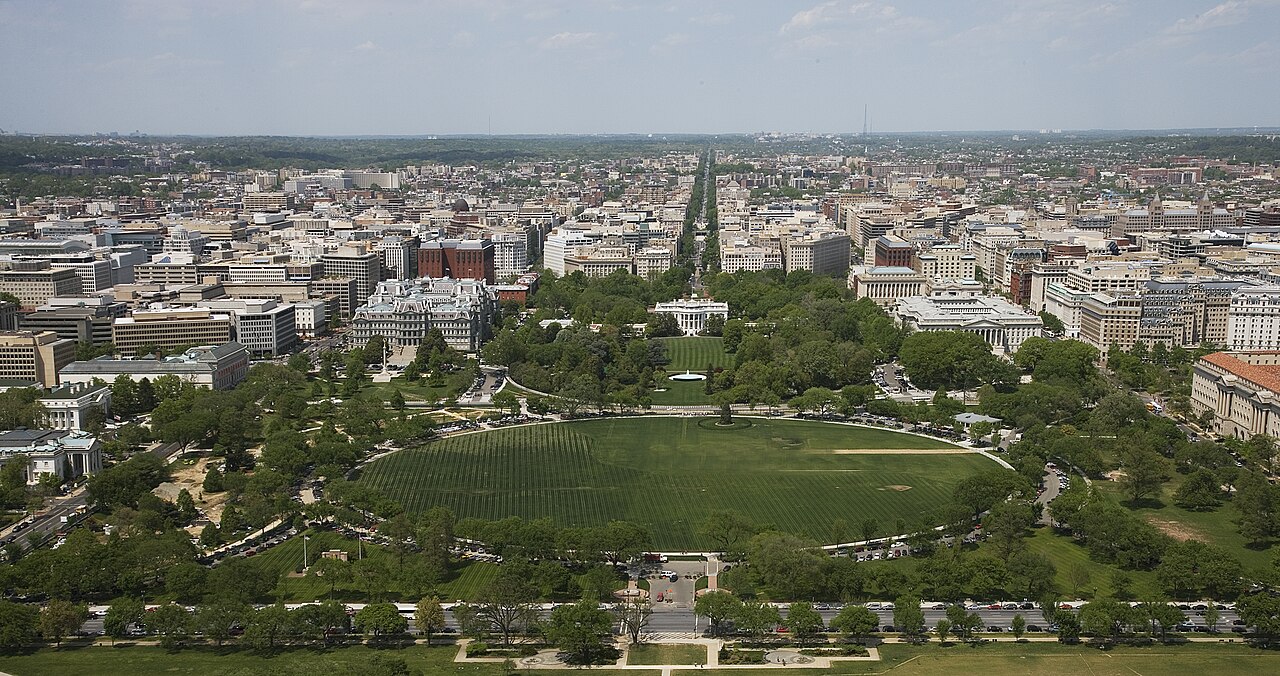
Washington, D.C.
Capital of United States
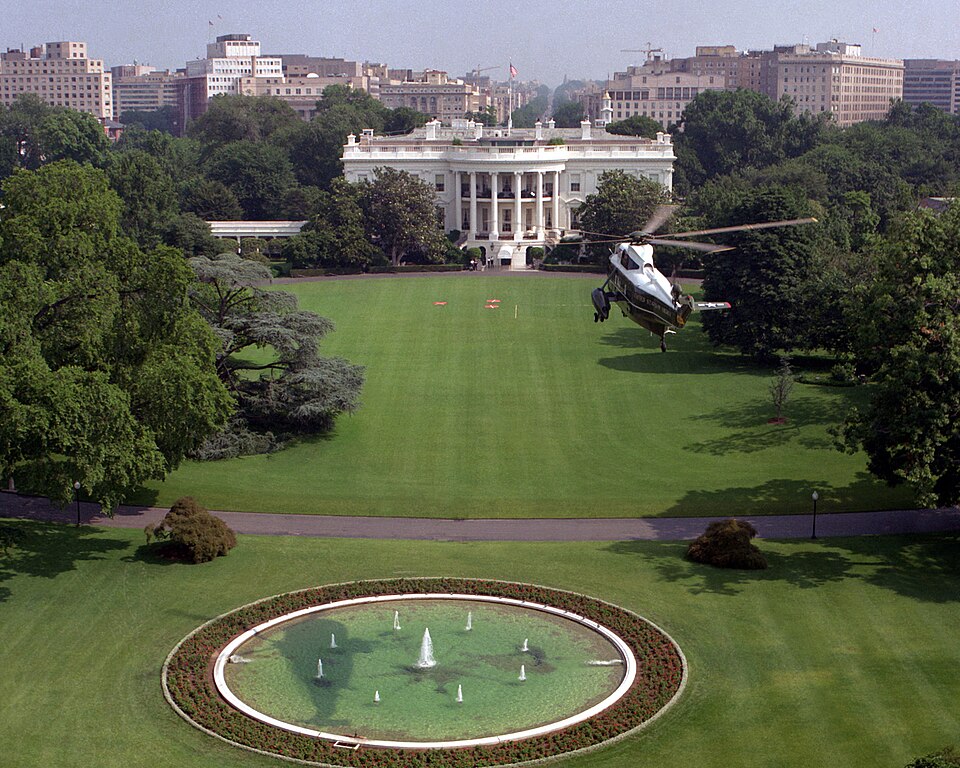
Within 30 km of the centre of Washington, D.C., the nature places people read about most are Lincoln Memorial Reflecting Pool, National Mall, White House Rose Garden and South Lawn, and marked walks close to the city include Rock Creek Trail, Whitehaven Trail and Normanstone Trail.
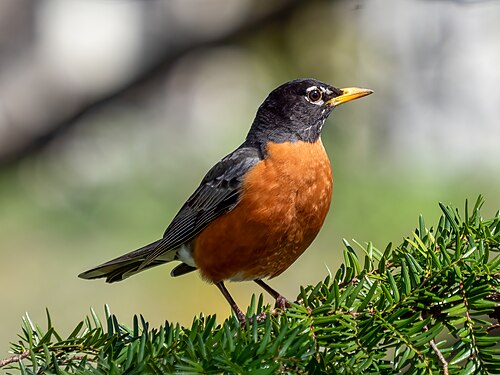
People have shared 19,338,683 wildlife records within 50 km of Washington, D.C. in the last ten years. The wild animals recorded most often are the monarch, the northern cardinal, the American robin, the blue jay and the mourning dove. Since the 1980s the area has become about 1.6 °C warmer.
Of the 93 cities on Atlas, Washington, D.C. has the 2nd most wildlife records shared within 50 km. Among the animals people record most around Washington, D.C., the eastern tiger swallowtail appears on no other city page here.
- Country
- United States
- Population
- 689,545
- Area
- 177 km²
- Elevation
- 72 m
- Currency
- United States dollar
- Daylight
- 10 to 15 hours
Figures from Wikidata; population 2020.
Washington, D.C. on the map
- Lincoln Memorial Reflecting Pool
- National Mall
- White House Rose Garden
- South Lawn
- The Ellipse
- Washington Navy Yard
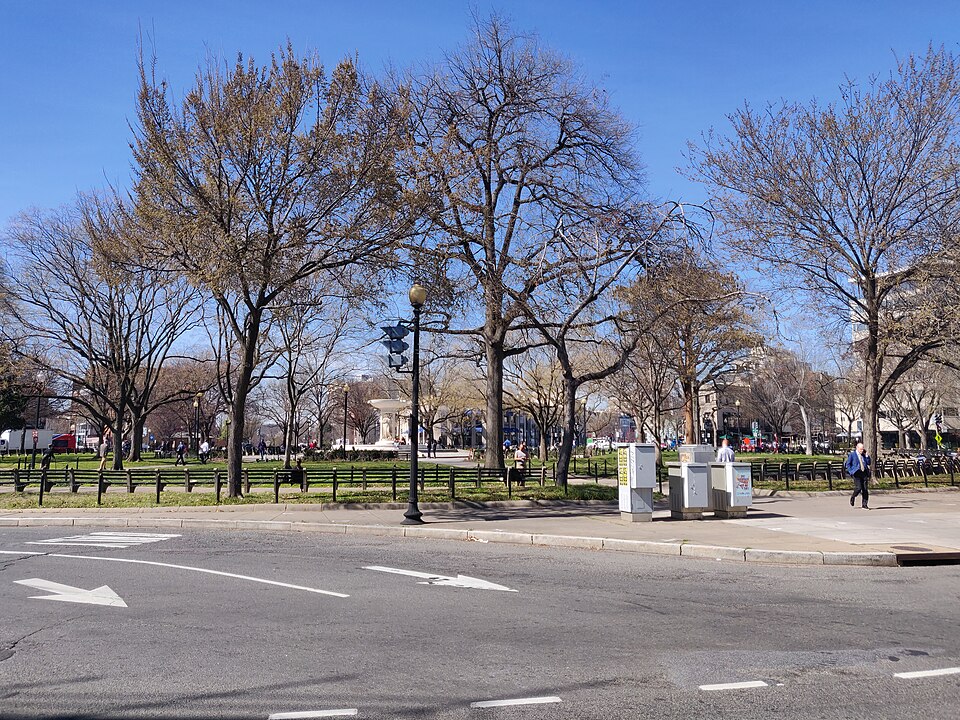
- Dupont Circle
- Lafayette Square
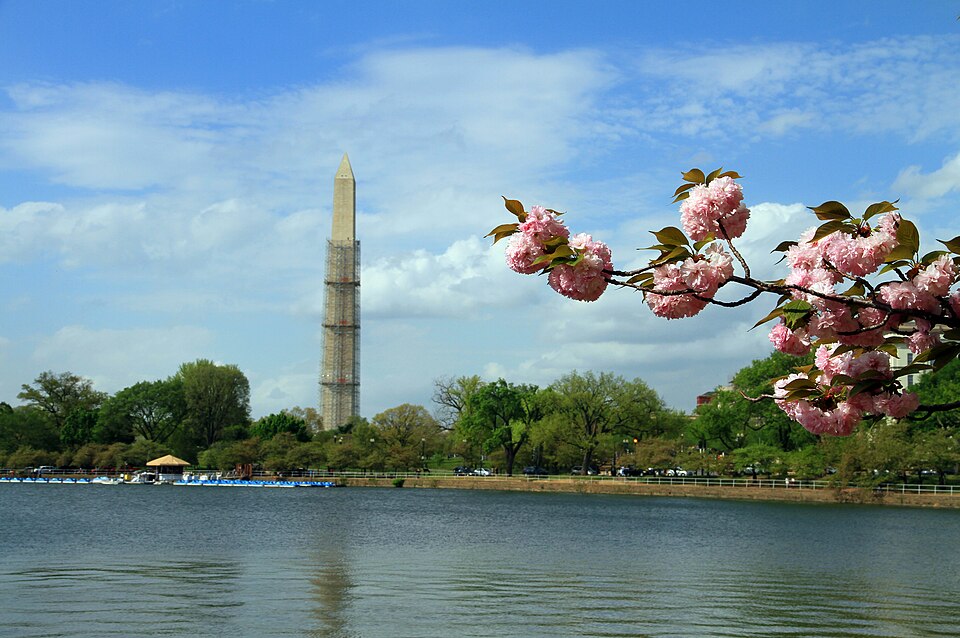
- Tidal Basin
Nature close to Washington, D.C.
The places people read most about, from the centre outwards.




- Lincoln Memorial Reflecting Pool Reflecting pool · 1 km
- White House Rose Garden Park · 1 km
- Washington Navy Yard Naval arsenal · 4 km
Marked walks
- Rock Creek Trail8.1 km · 2 km from the centre · marked by National Park Service
- Whitehaven Trail1.6 km · 4 km from the centre
- Normanstone Trail1.4 km · 4 km from the centre
- Glover-Archbold Trail5 km · 5 km from the centre
- Custis Trail7.1 km · 6 km from the centre
- Battery Kemble Trail1.7 km · 6 km from the centre
- Wesley Heights Trail1.2 km · 6 km from the centre
- Four Mile Run Trail12.2 km · 7 km from the centre
Long-distance trails through the area: American Discovery Trail (8,036 km), Potomac Heritage National Scenic Trail (super) (711 km), Washington & Old Dominion Trail (72 km).
Routes from OpenStreetMap via Waymarked Trails. Not checked by 4Planet: follow local signs and conditions.
Wildlife around Washington, D.C.
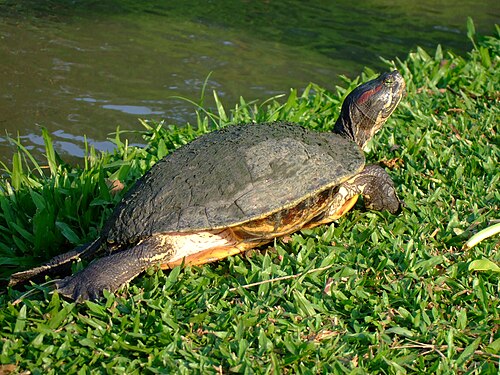
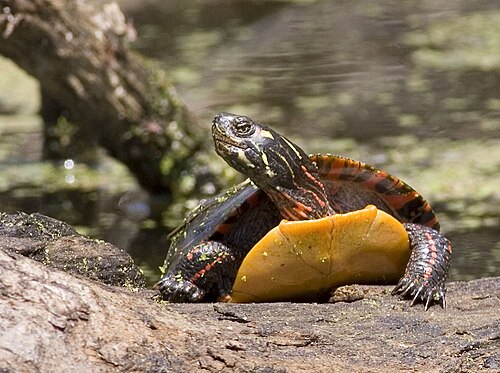
The wild animals people record most within 50 km, 2016–2025. Tick the ones you have seen to build your own list.




Seen in the last 30 days
What can you see near Washington, D.C. now?
Month by month, from 19,338,683 records people shared within 50 km, 2016–2025.


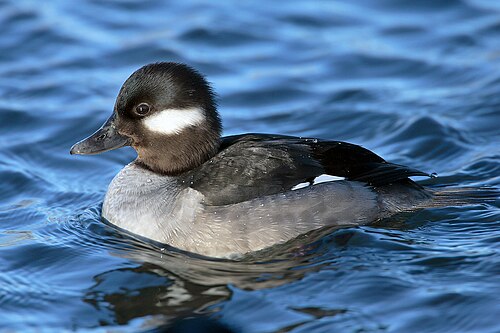

At their peak in March


Most seen in March
Plants and fungi at their peak in March


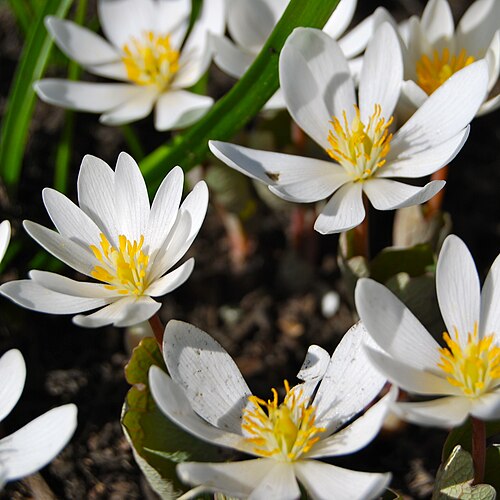

1,635,195 animal records in March.
At their peak in April


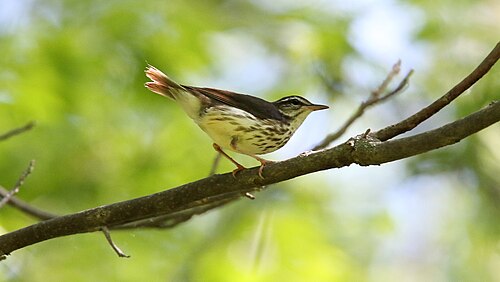

Most seen in April
Plants and fungi at their peak in April


2,616,835 animal records in April.
At their peak in May


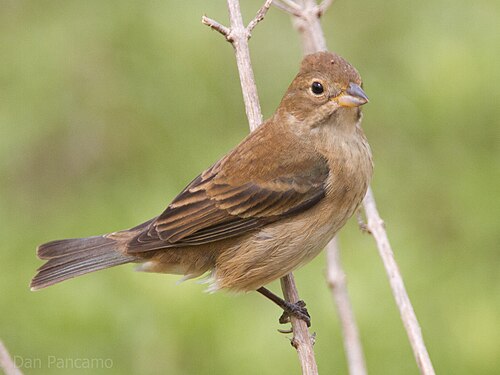
Most seen in May

Plants and fungi at their peak in May


3,316,780 animal records in May.
At their peak in June

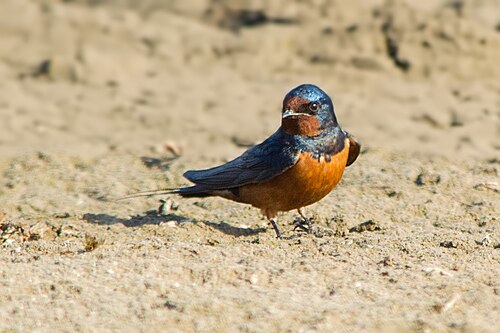
Most seen in June
Plants and fungi at their peak in June

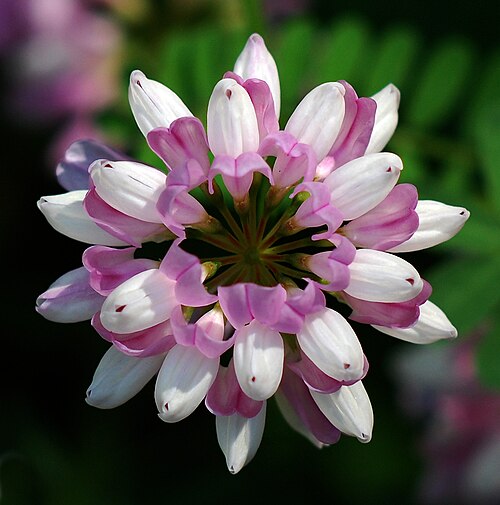
1,486,019 animal records in June.
At their peak in July

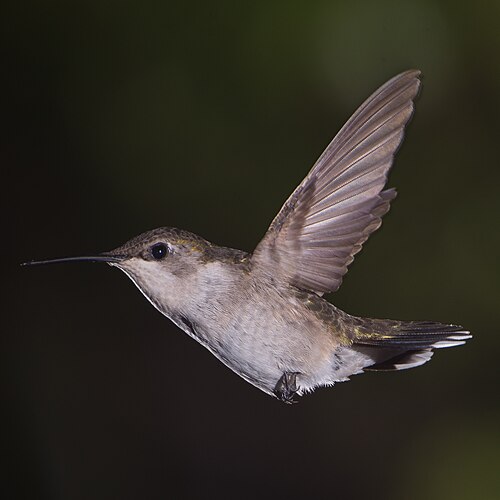
Most seen in July
Plants and fungi at their peak in July

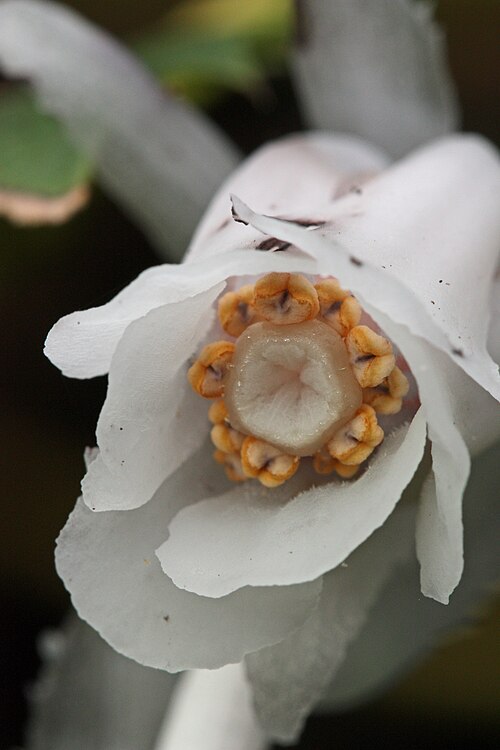

1,233,263 animal records in July.
At their peak in August
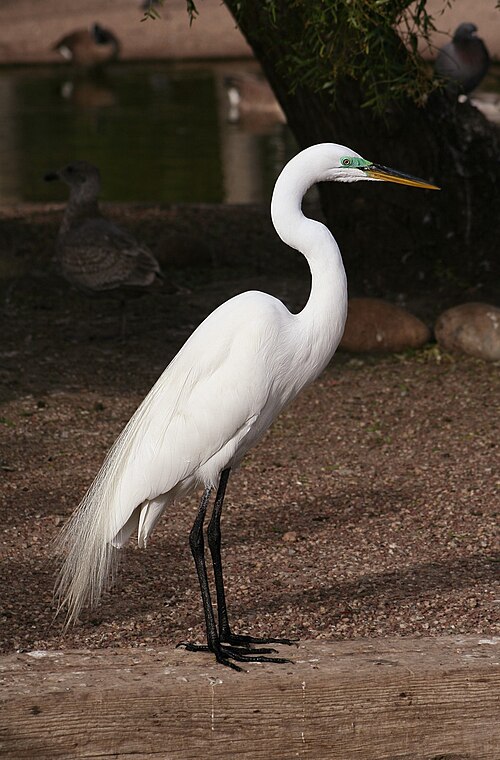
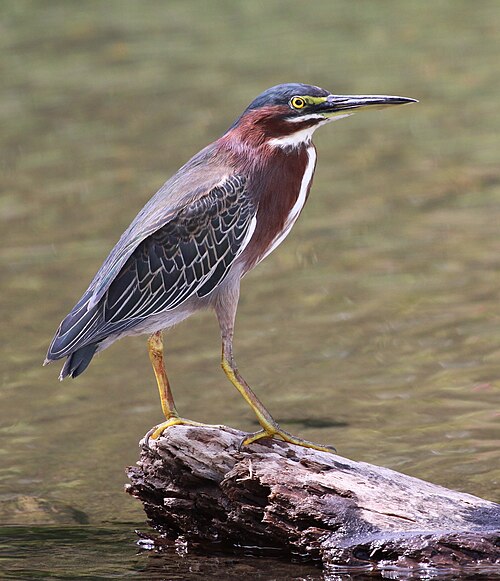
Most seen in August

Plants and fungi at their peak in August
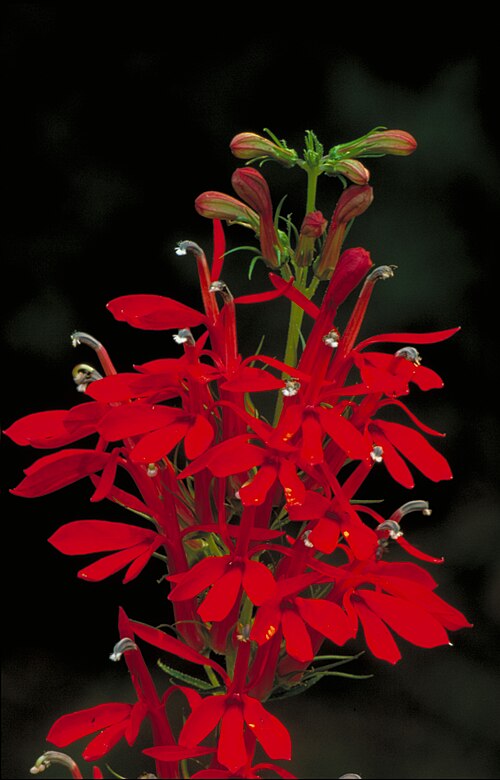


1,174,837 animal records in August.
At their peak in September


Most seen in September

Plants and fungi at their peak in September
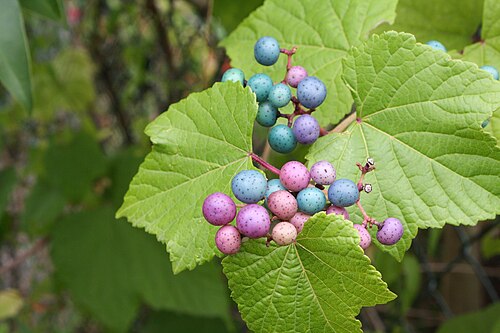
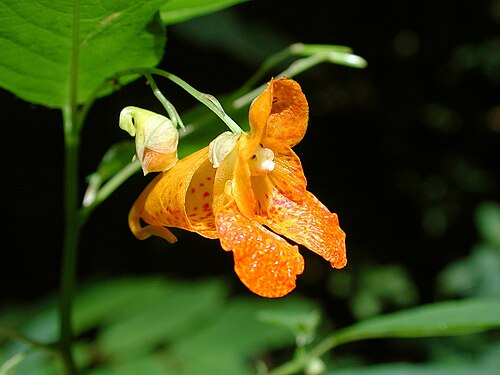
1,533,260 animal records in September.
At their peak in October

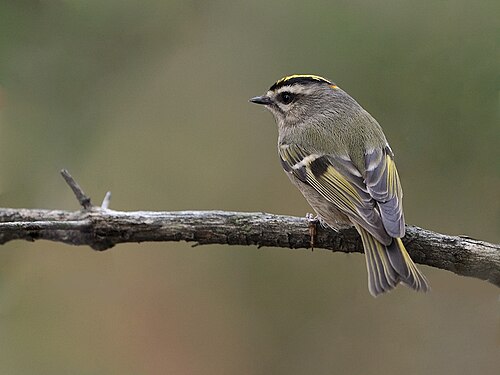

Most seen in October
Plants and fungi at their peak in October
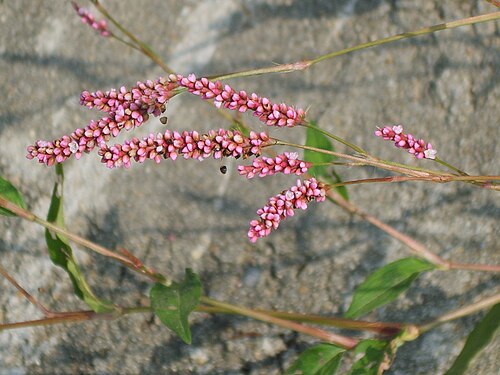

1,419,539 animal records in October.
At their peak in November


Most seen in November
Plants and fungi at their peak in November

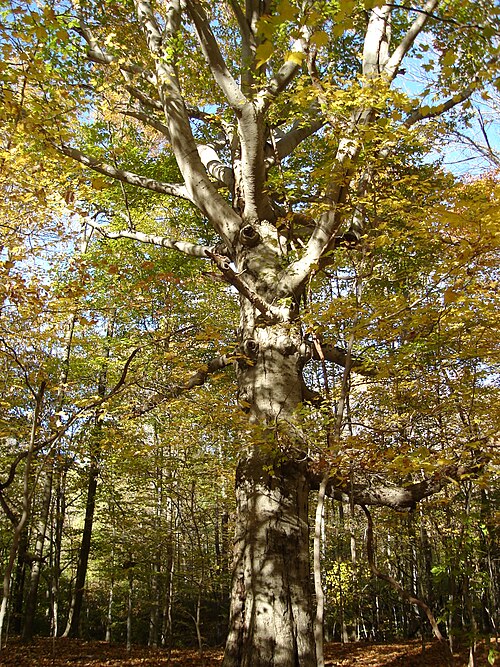

1,152,499 animal records in November.
Washington, D.C. is getting warmer
+1.6 °CAverage temperature around Washington, D.C. in 2016–2025, compared with 1981–1990.
Daylight: about 10 hours in December and 15 in June.
Seen something near Washington, D.C.?
Share a photo of it on iNaturalist. Other naturalists help name it, and confirmed records go to GBIF, where scientists use them. That is where the lists on this page come from.
Explore next
What puts Washington, D.C. under pressure, what helps, and who works on it.
Washington, D.C. on the living planet
More places near Washington, D.C.
Sources and photo credits
- Wikidata · Washington, D.C. (Q61), facts and nature places
- Wikipedia page views · how well known each nature place is
- OpenStreetMap contributors via Waymarked Trails · marked walking routes (ODbL)
- GBIF · human observations within 50 km, 2016–2025 (19,338,683 animal records)
- NASA POWER · yearly temperature from satellite and model data (MERRA-2)
- MET Norway · weather now (shown live)
- Washington, D.C., United States: Carol M. Highsmith, Public domain
- National Mall, Washington, D.C.: Carol M. Highsmith, Public domain
- South Lawn, Washington, D.C.: PHC C.M. Fitzpatrick, Public domain
- The Ellipse, Washington, D.C.: Carol M. Highsmith, Public domain
- Dupont Circle, Washington, D.C.: Kurt Kaiser, CC0
- Lafayette Square, Washington, D.C.: Carol M. Highsmith, Public domain
- Tidal Basin, Washington, D.C.: Ingfbruno, CC BY-SA 3.0
- Anacostia River, Washington, D.C.: Jennifer Boyer from Maryland, USA, CC BY 2.0
- Monarch: Rhododendrites, CC BY-SA 4.0
- Northern cardinal: patricia pierce, CC BY 2.0
- American robin: Rhododendrites, CC BY-SA 4.0
- Blue jay: Rhododendrites, CC BY-SA 4.0
- Mourning dove: Rhododendrites, CC BY-SA 4.0
- White-tailed deer: USDA photo by Scott Bauer, Public domain
- Eastern gray squirrel: Dominic Nelson, CC BY-SA 4.0
- Spotted lanternfly: Rhododendrites, CC BY-SA 4.0
- Eastern tiger swallowtail: HaarFager at English Wikipedia, CC BY-SA 3.0
- Common eastern bumble bee: https://www.flickr.com/photos/gillesgonthier/297487697/, CC BY 2.0
- Pond slider: Happyswissman, CC BY 3.0
- Painted turtle: Jmalik (talk), CC BY-SA 3.0
- White-throated sparrow: Cephas, CC BY-SA 3.0
- Dark-eyed junco: Cephas, CC BY-SA 3.0
- Ring-billed gull: Fabian Roudra Baroi, CC BY-SA 4.0
- Hooded merganser: Rhododendrites, CC BY-SA 4.0
- Bufflehead: Mdf, CC BY-SA 3.0
- Ring-necked duck: Becky Matsubara from El Sobrante, California, CC BY 2.0
- Pied-billed grebe: Channel City Camera Club from Santa Barbara, US, CC BY 2.0
- Eurasian teal: Koshy Koshy from Faridabad, Haryana, India, CC BY 2.0
- Lesser celandine: AnRo0002, CC0
- Virginia springbeauty: Kaldari, Public domain
- Bloodroot: UpstateNYer, CC BY-SA 3.0
- Virginia bluebells: Khan "Sadh" N. Mostafa, CC BY 2.0
- Palm warbler: Rhododendrites, CC BY-SA 4.0
- Pine warbler: Rhododendrites, CC BY-SA 4.0
- Louisiana waterthrush: Dominic Sherony, CC BY-SA 2.0
- Blue-headed vireo: Mykola Swarnyk, CC BY-SA 3.0
- Mayapple: Jennifer Anderson, USDA, Public domain
- Garlic mustard: O. Pichard, CC BY-SA 3.0
- Gray catbird: AMMuench, CC BY 4.0
- Red-eyed vireo: John Benson from Madison WI, CC BY 2.0
- Great crested flycatcher: Mykola Swarnyk, CC BY-SA 3.0
- Northern parula: Rhododendrites, CC BY-SA 4.0
- Indigo bunting: Dan Pancamo, CC BY-SA 2.0
- Multiflora rose: AnRo0002, CC0
- Yellow flag: Jean-Jacques MILAN, CC BY-SA 3.0
- Garden star-of-bethlehem: Meneerke bloem, CC BY-SA 3.0
- Eastern wood pewee: Rhododendrites, CC BY-SA 4.0
- Barn swallow: Morhaf Aljanee, CC BY-SA 3.0
- Trumpet-creeper: Miwasatoshi, CC BY-SA 4.0
- Crownvetch: dw_ross, CC BY 2.0
- Eastern kingbird: Rhododendrites, CC BY-SA 4.0
- Ruby-throated hummingbird: Pslawinski, CC BY-SA 4.0
- Chicory: Zeynel Cebeci, CC BY-SA 4.0
- Ghost pipe: Walter Siegmund (talk), CC BY-SA 3.0
- Buttonbush: Rufino Osorio (also known as Desmodium), CC BY-SA 2.5
- American goldfinch: Mdf, CC BY-SA 3.0
- Great egret: Calibas, CC BY-SA 3.0
- Green heron: Basar, CC BY-SA 3.0
- Cardinal-flower: Barnes, Dr. Thomas G., Public domain
- Late boneset: Jim Kingdon Kingdon, Public domain
- Blue mistflower: KENPEI, CC BY 3.0
- American burnweed: Sphl, CC BY-SA 3.0
- Red-bellied woodpecker: Ken Thomas, Public domain
- American redstart: Dennis G. Jarvis, CC BY-SA 2.0
- Magnolia warbler: Cephas, CC BY-SA 3.0
- Amur peppervine: Olivier Vanpé, CC BY-SA 3.0
- Orange balsam: Fritz Geller-Grimm, CC BY-SA 2.5
- Myrtle warbler: Rhododendrites, CC BY-SA 4.0
- Golden-crowned kinglet: Gary Irwin, CC BY-SA 2.0
- Swamp sparrow: Cephas, CC BY-SA 3.0
- Bristly lady's-thumb: Dalgial, CC BY-SA 3.0
- White snakeroot: Sten Porse, CC BY-SA 3.0
- Yellow-bellied sapsucker: Charles J. Sharp, CC BY-SA 4.0
- Hermit thrush: Rhododendrites, CC BY-SA 4.0
- Amur honeysuckle: Taken by Fanghong, CC BY 2.5
- American beech: Marqqq, CC BY-SA 3.0
- Winged euonymus: Chris Barton/Gif absarnt, CC BY-SA 3.0


Wildlife records show where people have seen and shared plants and animals, not everything that lives here; some places and months are recorded more than others. Sensitive species are never shown with a month or as seen recently. Routes come from OpenStreetMap and are not checked by 4Planet: follow local signs and conditions. Climate figures are NASA estimates for the area around Washington, D.C., not a single weather station.
Checked 2026-11-20.