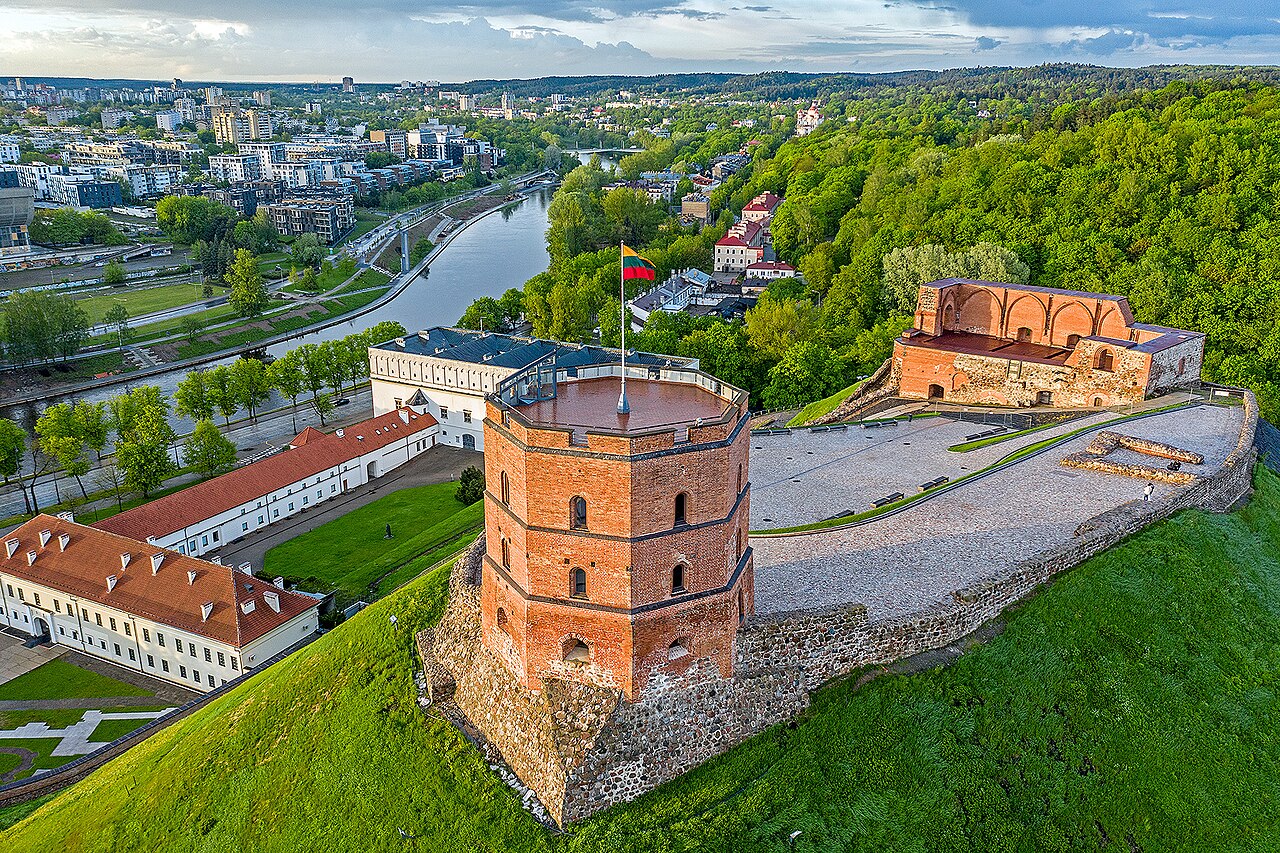
Vilnius
Capital of Lithuania
Within 30 km of the centre of Vilnius, the nature places people read about most are Aukštojas Hill, Vingis Park, Vilnia and Trakai Historical National Park, and marked walks close to the city include L11 Parko takas, L8 Užupio takas and L2 Ozo takas.
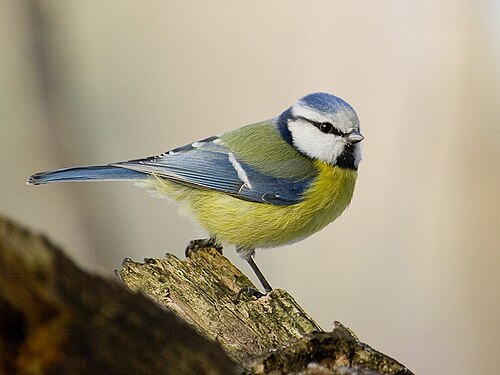
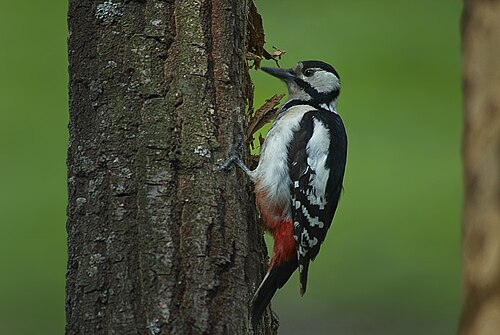
People have shared 184,650 wildlife records within 50 km of Vilnius in the last ten years. The wild animals recorded most often are the great tit, the hooded crow, the Eurasian blue tit, the mallard and the great spotted woodpecker. Since the 1980s the area has become about 1.5 °C warmer.
Among the animals people record most around Vilnius, the great spotted woodpecker and the european striped shield bug appear on no other city page here.
- Country
- Lithuania
- Population
- 619,405
- Area
- 401 km²
- Elevation
- 112 m
- Currency
- Euro
- Daylight
- 7 to 17 hours
Figures from Wikidata; population 2026.
Vilnius on the map
- Aukštojas Hill
- Vingis Park
- Vilnia
- Trakai Historical National Park
- Galvė
- Kalnai Park
- Juozapinė Hill
- Bernardinai Garden
- Green Lakes
Nature close to Vilnius
The places people read most about, from the centre outwards.


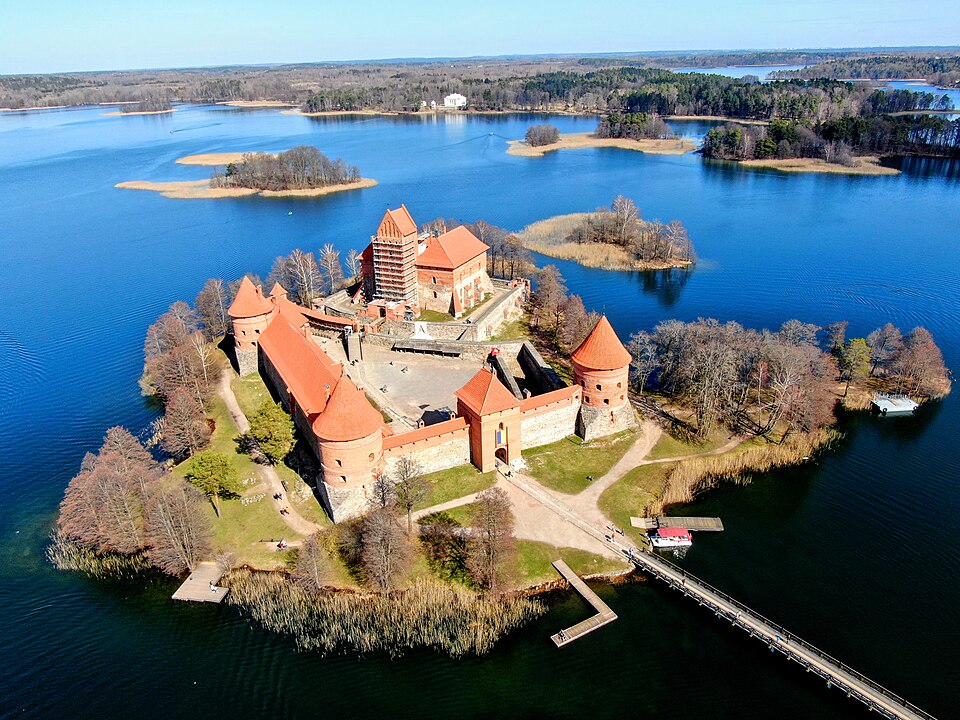


- Aukštojas Hill Hill · 29 km
- Trakai Historical National Park National park · 23 km
- Juozapinė Hill Hill · 28 km
Marked walks
- L11 Parko takas8.3 km · 1 km from the centre
- L8 Užupio takas6.8 km · 1 km from the centre
- L2 Ozo takas4.5 km · 3 km from the centre
- Karoliniškių draustinio pažintiniai takai7.3 km · 4 km from the centre
- L10 Paupio takas7.3 km · 4 km from the centre
- Ribiškių pažintinis takas6.7 km · 4 km from the centre
- Sapieginės pažintinis takas5.6 km · 4 km from the centre
- L1 Sveikatingumo takas17.4 km · 5 km from the centre
Long-distance trails through the area: Vilnius-Vygriai (223 km), Takas aplink Vilnių (108 km).
Routes from OpenStreetMap via Waymarked Trails. Not checked by 4Planet: follow local signs and conditions.
Wildlife around Vilnius
The wild animals people record most within 50 km, 2016–2025. Tick the ones you have seen to build your own list.



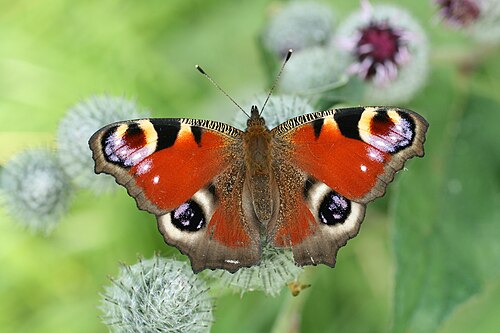


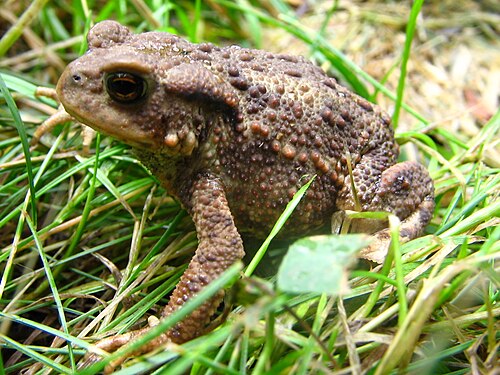
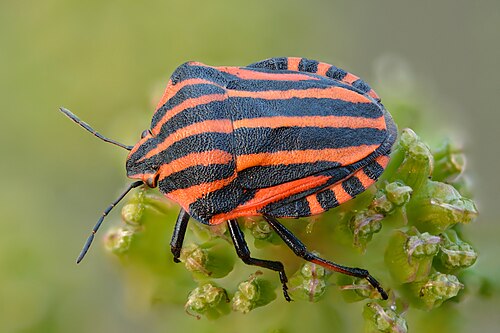
Seen in the last 30 days
What can you see near Vilnius now?
Month by month, from 184,650 records people shared within 50 km, 2016–2025.
At their peak in January


Most seen in January
Plants and fungi at their peak in January


8,842 animal records in January.
At their peak in February

Most seen in February
Plants and fungi at their peak in February

7,613 animal records in February.
At their peak in March


Most seen in March
Plants and fungi at their peak in March

16,041 animal records in March.
At their peak in April
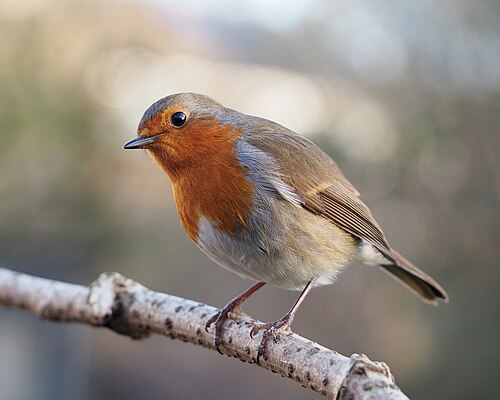


Most seen in April

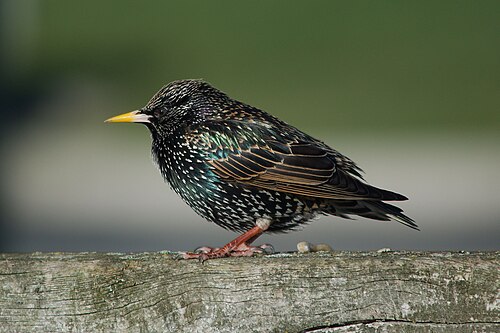
Plants and fungi at their peak in April


21,979 animal records in April.
At their peak in May
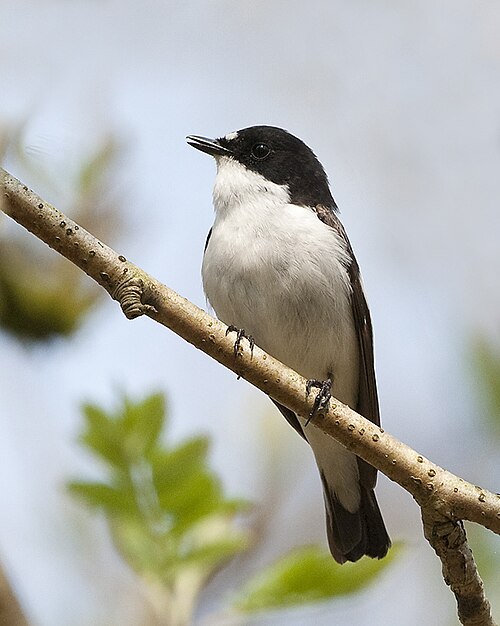


Most seen in May
Plants and fungi at their peak in May
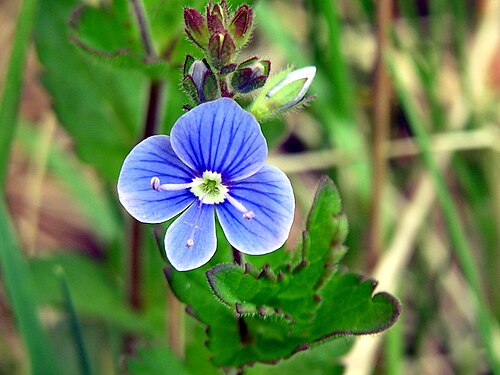


29,600 animal records in May.
At their peak in June


Most seen in June


Plants and fungi at their peak in June

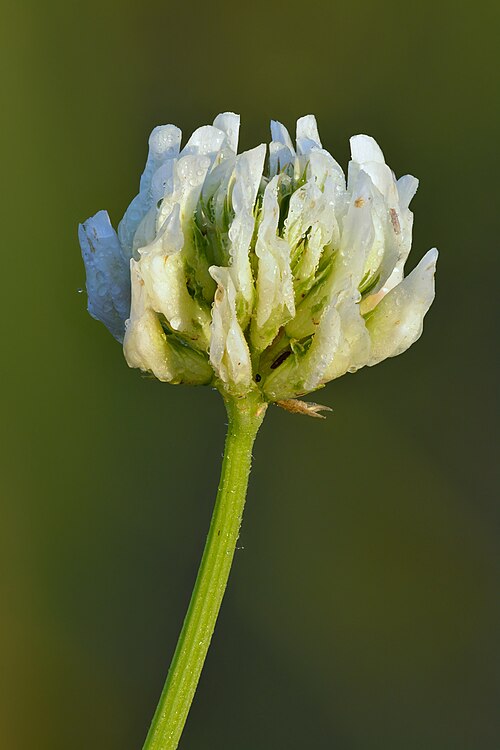

23,469 animal records in June.
At their peak in July

Most seen in July

Plants and fungi at their peak in July


17,890 animal records in July.
At their peak in August


Most seen in August

Plants and fungi at their peak in August
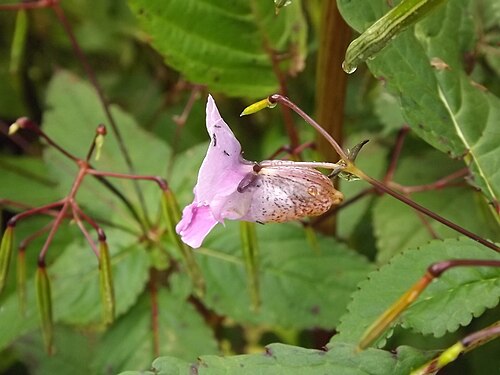


17,825 animal records in August.
At their peak in September


Most seen in September
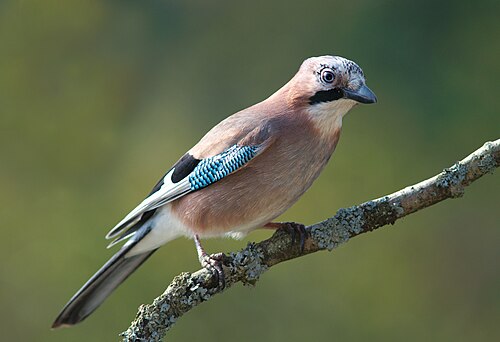
Plants and fungi at their peak in September

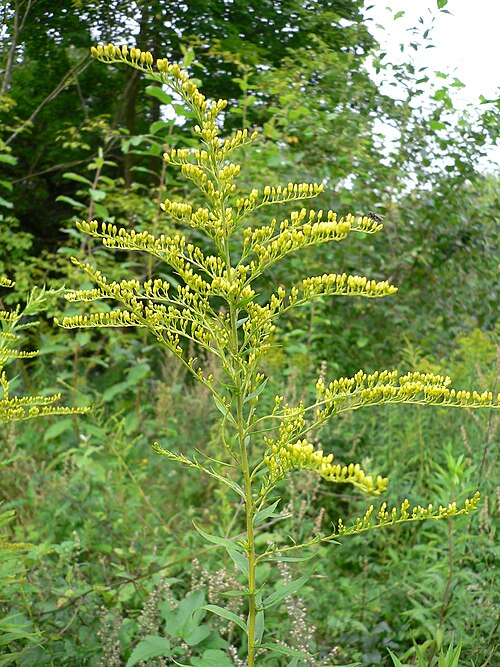

15,449 animal records in September.
At their peak in October
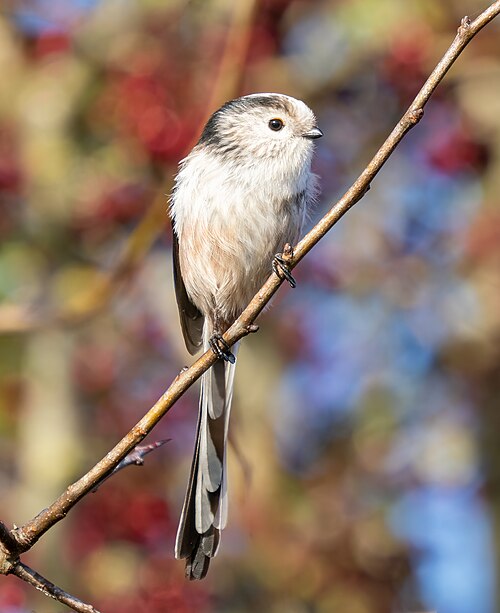


Most seen in October
Plants and fungi at their peak in October
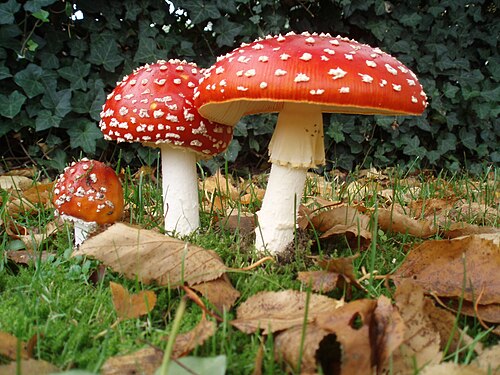

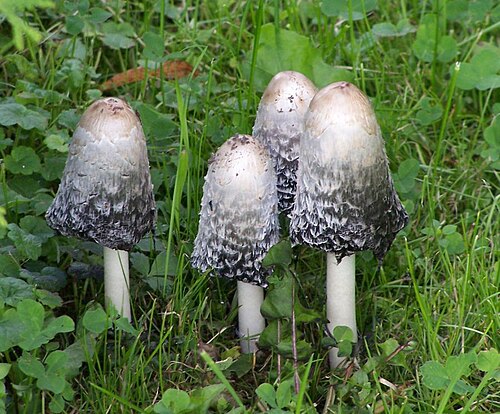
10,072 animal records in October.
At their peak in November

Most seen in November
Plants and fungi at their peak in November


7,774 animal records in November.
At their peak in December
Most seen in December
8,096 animal records in December.
Vilnius is getting warmer
+1.5 °CAverage temperature around Vilnius in 2016–2025, compared with 1981–1990.
Daylight: about 7 hours in December and 17 in June.
Seen something near Vilnius?
Share a photo of it on iNaturalist. Other naturalists help name it, and confirmed records go to GBIF, where scientists use them. That is where the lists on this page come from.
Vilnius on the living planet
More places near Vilnius
Sources and photo credits
- Wikidata · Vilnius (Q216), facts and nature places
- Wikipedia page views · how well known each nature place is
- OpenStreetMap contributors via Waymarked Trails · marked walking routes (ODbL)
- GBIF · human observations within 50 km, 2016–2025 (184,650 animal records)
- NASA POWER · yearly temperature from satellite and model data (MERRA-2)
- MET Norway · weather now (shown live)
- Vilnius, Lithuania: BigHead, CC BY-SA 4.0
- Vingis Park, Vilnius: Stroncis, CC BY-SA 4.0
- Vilnia, Vilnius: Sdkb, CC BY-SA 4.0
- Galvė, Vilnius: Metsavend, CC BY-SA 4.0
- Kalnai Park, Vilnius: Brian Toward from London, United Kingdom, CC0
- Bernardinai Garden, Vilnius: Pofka, CC BY-SA 3.0
- Green Lakes, Vilnius: Juliux, CC BY-SA 3.0
- Kruopinė Hill, Vilnius: Qwarc at Lithuanian Wikipedia, CC BY-SA 3.0
- Neris Regional Park, Vilnius: Šarūnas Šimkus, Public domain
- Great tit: Frank Vassen from Brussels, Belgium, CC BY 2.0
- Hooded crow: Donald Hobern from Copenhagen, Denmark, CC BY 2.0
- Eurasian blue tit: Sławek Staszczuk, CC BY-SA 3.0
- Mallard: Rolf Dietrich Brecher from Germany, CC BY 2.0
- Great spotted woodpecker: Плешков Алексей, CC BY-SA 3.0
- Peacock: Korall, CC BY-SA 3.0
- Ruddy darter: Andreas Eichler, CC BY-SA 4.0
- Vagrant darter: Jörg Hempel, CC BY-SA 3.0 de
- Escargot: Waugsberg, CC BY-SA 3.0
- Firebug: hedera.baltica from Wrocław, Poland, CC BY-SA 2.0
- Common toad: Taka, CC BY-SA 3.0
- European striped shield bug: Ivar Leidus, CC BY-SA 4.0
- Eurasian bullfinch: Francis Franklin, CC BY-SA 3.0
- European greenfinch: Estormiz, CC0
- Eurasian treecreeper: Ekytza, CC BY-SA 4.0
- Common merganser: Frank Schulenburg, CC BY-SA 3.0
- Netted shield lichen: James Lindsey, CC BY-SA 3.0
- Common orange lichen: Holger Krisp, CC BY 3.0
- Whitewash lichen: Density, CC BY-SA 3.0
- Western jackdaw: Darkone, CC BY-SA 2.5
- Dark crottle: Dendrofil, CC BY-SA 3.0
- Eurasian siskin: Sławek Staszczuk (photoss [AT] hotmail.co.uk), CC BY-SA 3.0
- Common crane: Andreas Eichler, CC BY-SA 4.0
- Eurasian skylark: El Golli Mohamed, CC BY-SA 4.0
- Greater white-fronted goose: MPF, CC BY-SA 3.0
- Hazel: MPF, CC BY-SA 3.0
- Eurasian chaffinch: Gilles San Martin from Namur, Belgium, CC BY-SA 2.0
- Common starling: marsupium photography, CC BY-SA 2.0
- European robin: Francis C. Franklin, CC BY-SA 3.0
- Song thrush: Charles J. Sharp, CC BY-SA 4.0
- White stork: Carlos Delgado, CC BY-SA 3.0
- Eurasian bittern: Francesco Veronesi from Italy, CC BY-SA 2.0
- Spring fumewort: Bernd Haynold, CC BY 2.5
- Yellow anemone: Bogdan, CC BY-SA 3.0
- European pied flycatcher: Mark Medcalf, CC BY 2.0
- Eurasian blackcap: Ron Knight from Seaford, East Sussex, United Kingdom, CC BY 2.0
- Lesser whitethroat: User:Aelwyn, CC BY-SA 3.0
- Germander speedwell: Algirdas at Lithuanian Wikipedia, CC BY-SA 3.0
- Ground ivy: AnRo0002, CC0
- Garlic mustard: O. Pichard, CC BY-SA 3.0
- Common swift: Alexis Lours, CC BY 4.0
- Common blackbird: Hobbyfotowiki, CC0
- Azure damselfly: Charles J. Sharp, CC BY-SA 4.0
- Common whitethroat: Steve Garvie from Dunfermline, Fife, Scotland, CC BY-SA 2.0
- Black-tailed skimmer: Charles J. Sharp, CC BY-SA 4.0
- Blueweed: Please report references to kulacgmx.at., CC BY-SA 3.0
- White clover: Ivar Leidus, CC BY-SA 4.0
- Field bindweed: W. Bulach, CC BY-SA 4.0
- White wagtail: Jac. Janssen from BAARLO LB, NL, CC BY 2.0
- Meadow brown: James K. Lindsey, CC BY-SA 3.0
- Soapwort: Img, Public domain
- Chicory: Zeynel Cebeci, CC BY-SA 4.0
- Garden yellow loosestrife: Kristian Peters -- Fabelfroh 15:11, 26 September 2005 (UTC), CC BY-SA 3.0
- Fly honeysuckle: Daniel Fuchs, CC BY-SA 2.5
- Common house martin: MPF, CC BY 2.5
- Common blue: Charles J. Sharp, CC BY-SA 4.0
- Red-backed shrike: Zeynel Cebeci, CC BY-SA 4.0
- Himalayan balsam: Guptaele, CC BY-SA 4.0
- Hemp agrimony: Burkhard Mücke, CC BY-SA 4.0
- Goldenrod: Victor M. Vicente Selvas, CC BY-SA 4.0
- Eurasian jay: Luc Viatour, CC BY-SA 3.0
- Tree pipit: MPF, CC BY-SA 3.0
- Comma: Charles J. Sharp, CC BY-SA 4.0
- Small balsam: André Karwath aka Aka, CC BY-SA 2.5
- Canada goldenrod: Georg Slickers, CC BY-SA 4.0
- European spindletree: AnRo0002, CC0
- Long-tailed tit: Rhododendrites, CC BY-SA 4.0
- Rook: Brian Snelson from Hockley, Essex, England, CC BY 2.0
- Willow tit: keith gallie from Warrington, UK, CC BY 2.0
- Eurasian sparrowhawk: Meneer Zjeroen, CC BY 2.0
- Fly agaric: Onderwijsgek, CC BY-SA 3.0 nl
- Sycamore tarspot: Rhododendrites, CC BY-SA 4.0
- Lawyer's wig: A. Uciechowska, CC BY-SA 3.0
- Marsh tit: Stephan Sprinz, CC BY 4.0
- Tinder bracket: Dr. Hans-Günter Wagner, CC BY-SA 2.0
- Wrinkled crust: Holger Krisp, CC BY 3.0
- Crimped gill: FungiFriendly, CC BY-SA 4.0


Wildlife records show where people have seen and shared plants and animals, not everything that lives here; some places and months are recorded more than others. Sensitive species are never shown with a month or as seen recently. Routes come from OpenStreetMap and are not checked by 4Planet: follow local signs and conditions. Climate figures are NASA estimates for the area around Vilnius, not a single weather station.
Checked 2026-11-20.