St. Louis
City in United States
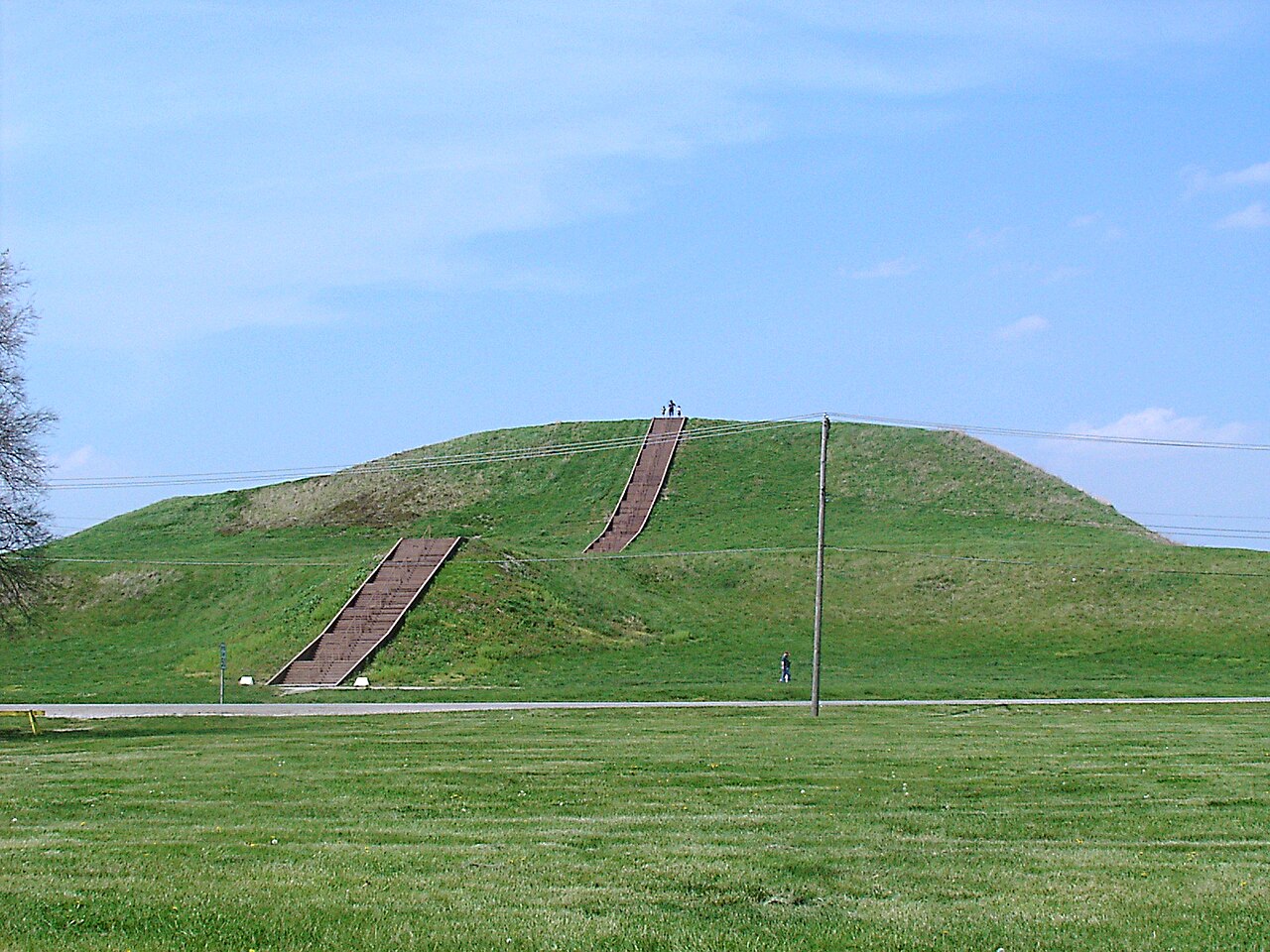
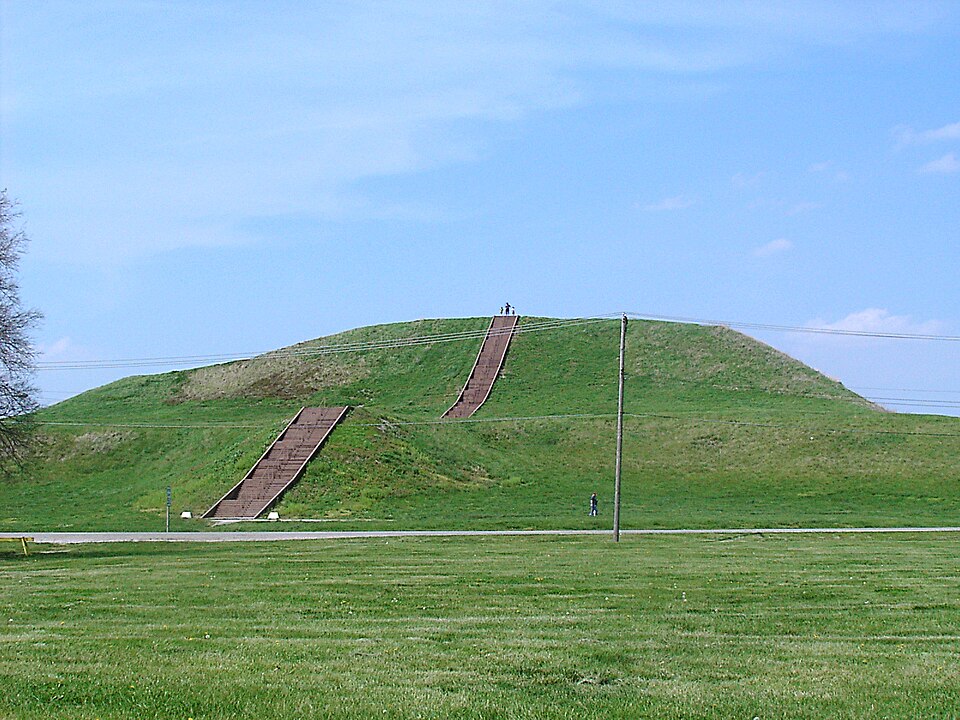
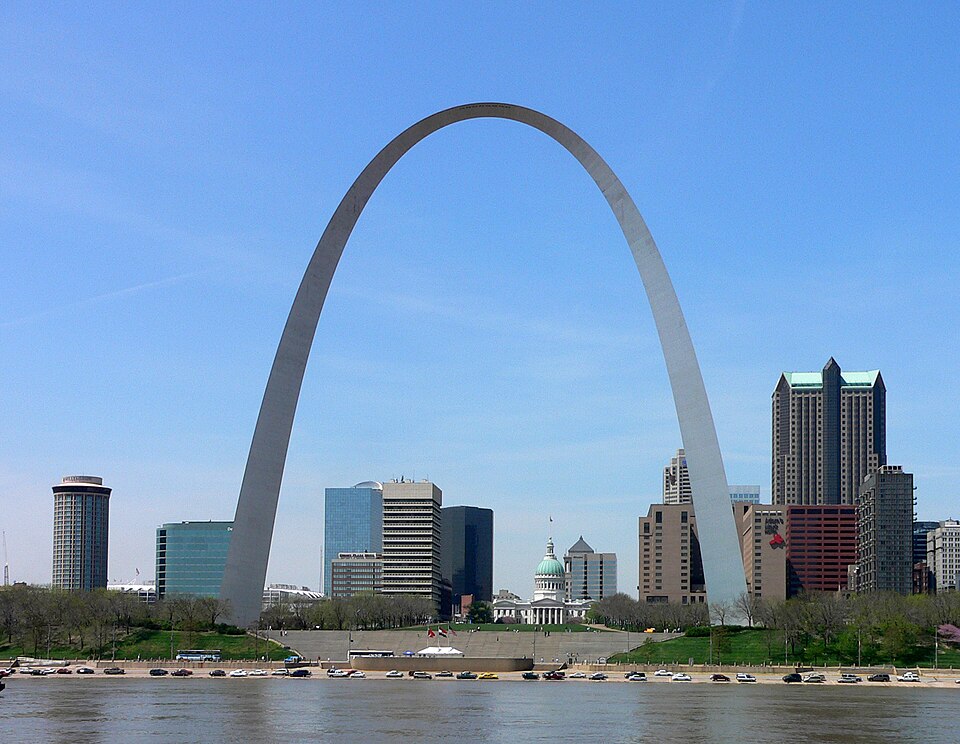
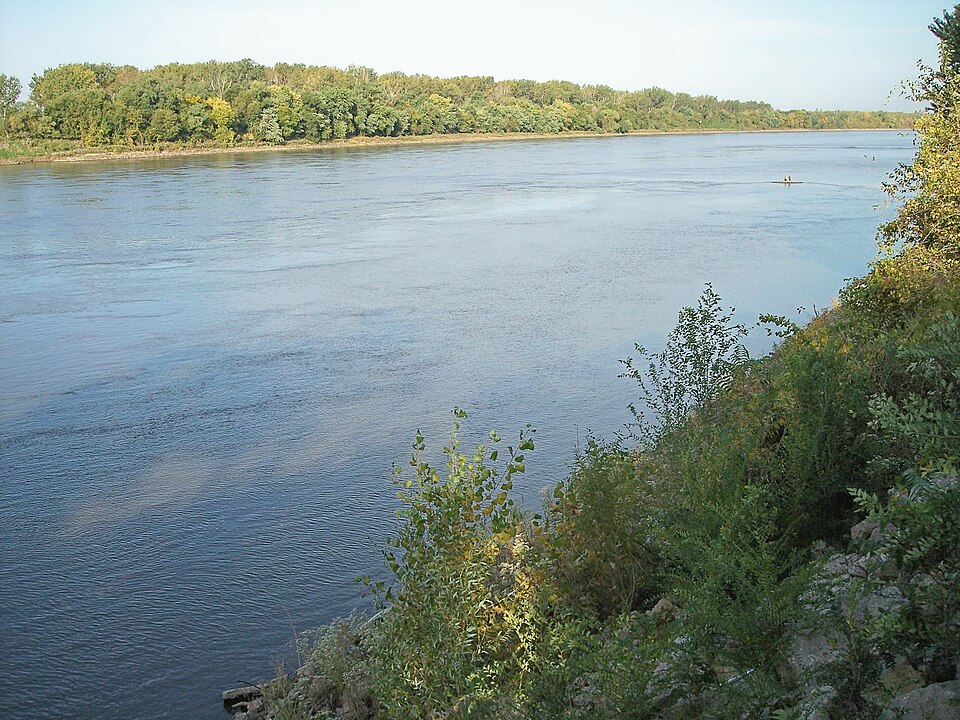
Within 30 km of the centre of St. Louis, the nature places people read about most are Cahokia, Gateway Arch, Missouri River and Gateway Arch National Park.
People have shared 4,031,054 wildlife records within 50 km of St. Louis in the last ten years. The wild animals recorded most often are the northern cardinal, the American robin, the mourning dove, the blue jay and the common starling. Since the 1980s the area has become about 1.2 °C warmer.
- Country
- United States
- Population
- 301,578
- Area
- 171 km²
- Elevation
- 149 m
- Currency
- United States dollar
- Daylight
- 10 to 15 hours
Figures from Wikidata; population 2020.
St. Louis on the map
- Cahokia
- Gateway Arch
- Missouri River
- Gateway Arch National Park
- Monks Mound
- Forest Park
- Missouri Botanical Garden
- Meramec River
- Ulysses S. Grant National Historic Site
Nature close to St. Louis
The places people read most about, from the centre outwards.
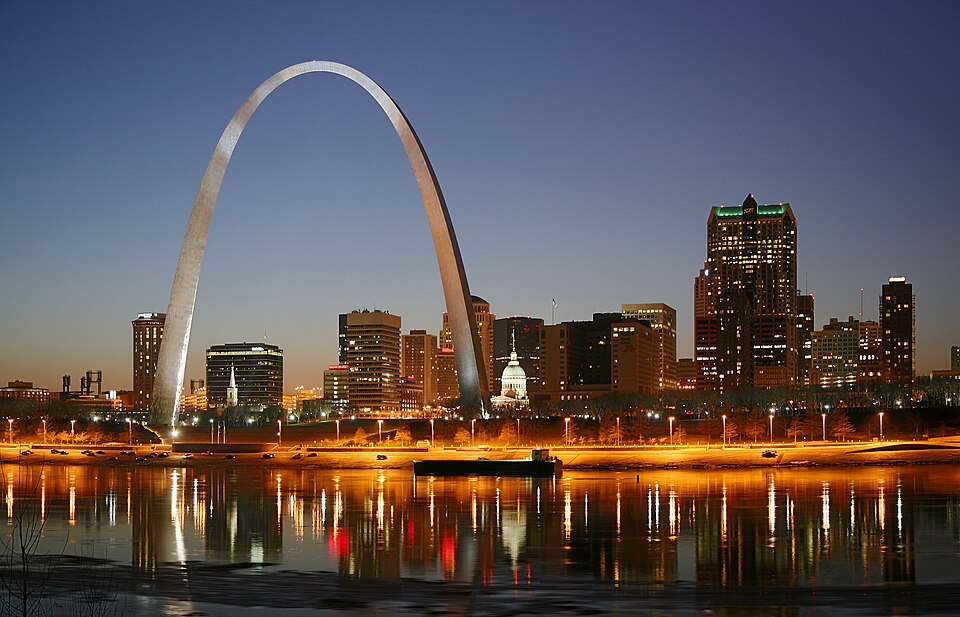
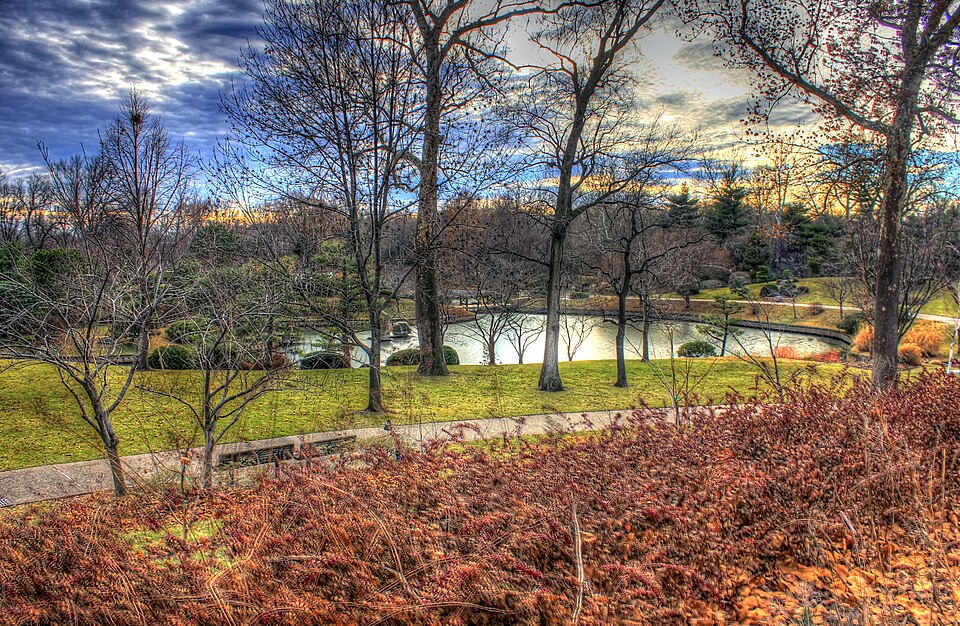
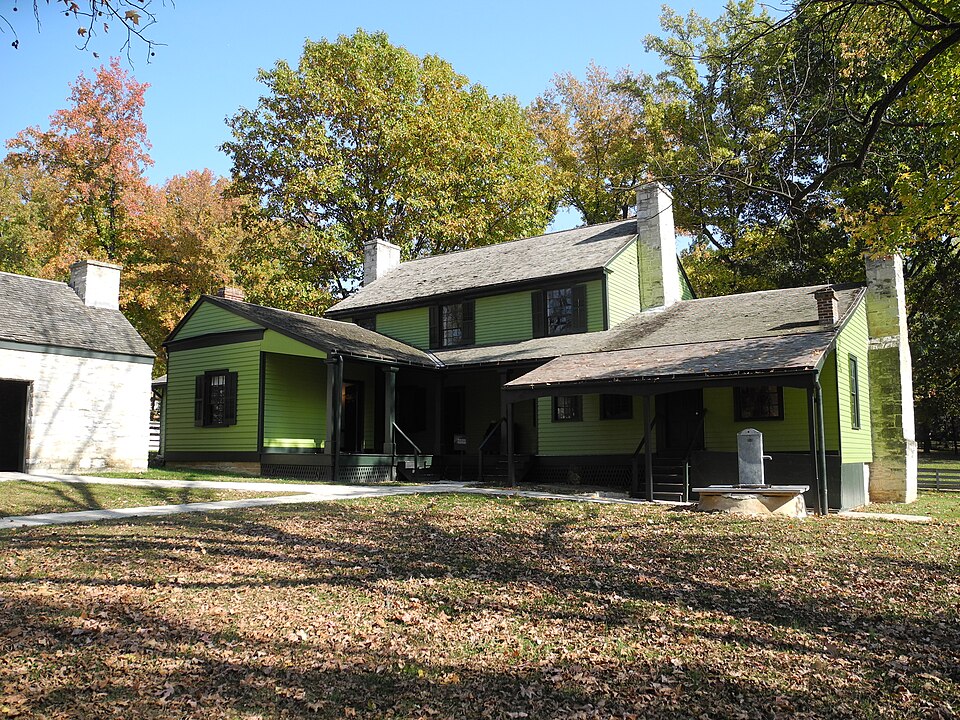
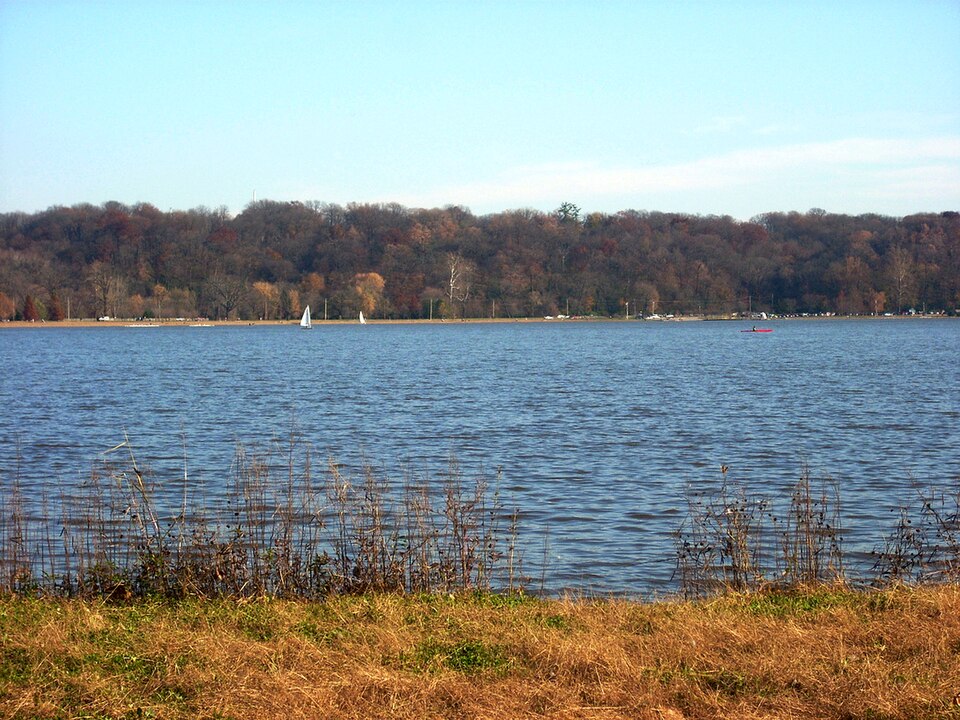
- Forest Park Park · 8 km
- Meramec River River · 29 km
- River des Peres River · 7 km
- Tower Grove Park Park · 5 km
- Gateway Geyser Water well · 3 km
- Chouteau Island Island · 16 km
Long-distance trails through the area: American Discovery Trail (8,036 km).
Routes from OpenStreetMap via Waymarked Trails. Not checked by 4Planet: follow local signs and conditions.
Wildlife around St. Louis
The wild animals people record most within 50 km, 2016–2025. Tick the ones you have seen to build your own list.

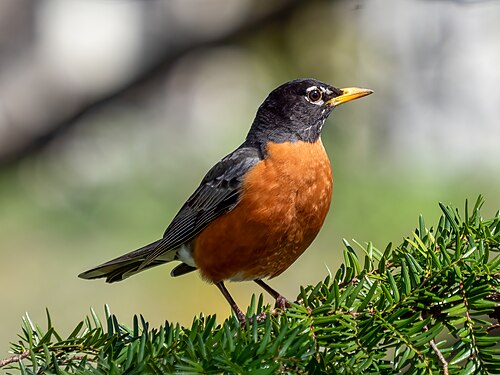


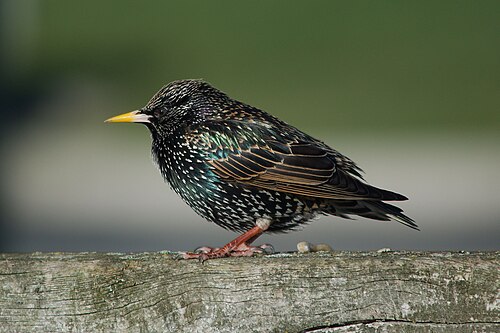


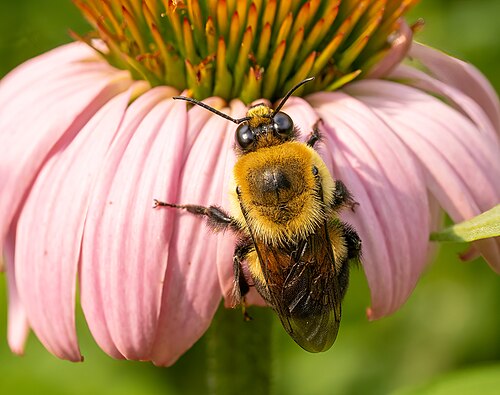


Seen in the last 30 days
What can you see near St. Louis now?
Month by month, from 4,031,054 records people shared within 50 km, 2016–2025.
At their peak in January
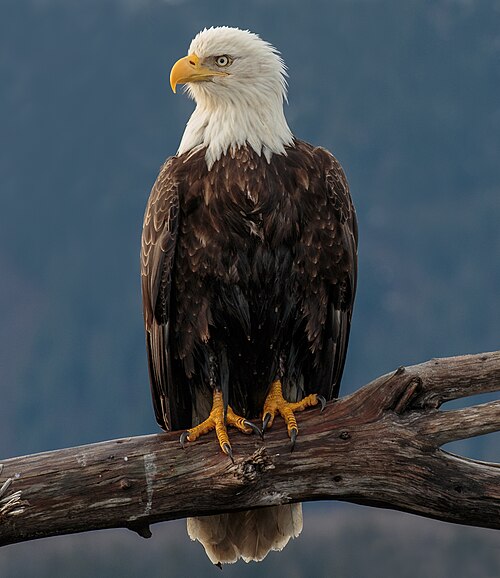


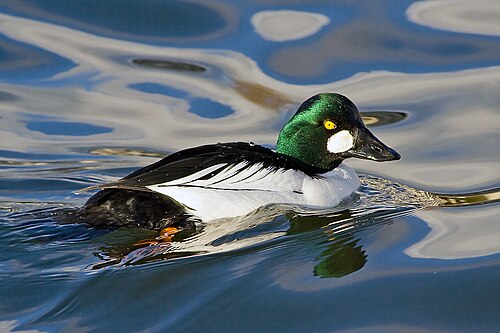
Most seen in January


255,721 animal records in January.
At their peak in February


Most seen in February
272,291 animal records in February.
At their peak in March

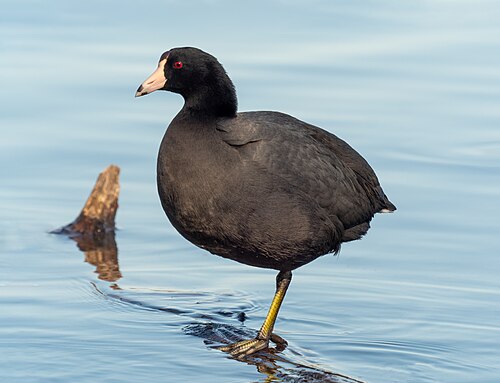
Most seen in March
Plants and fungi at their peak in March


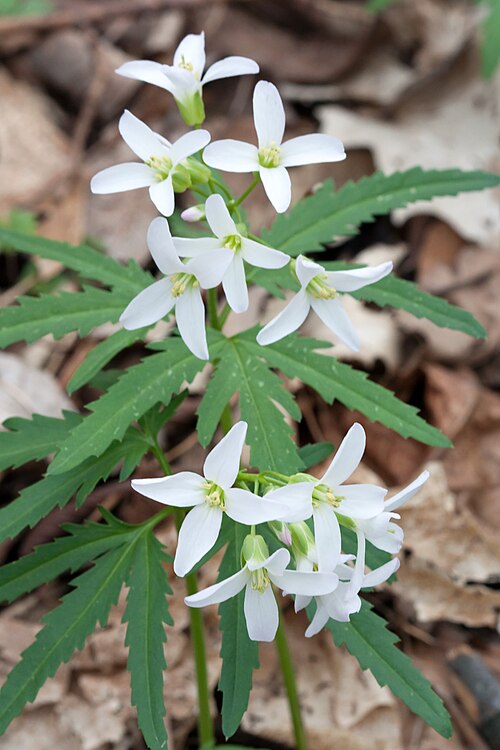
331,073 animal records in March.
At their peak in April


Most seen in April
Plants and fungi at their peak in April

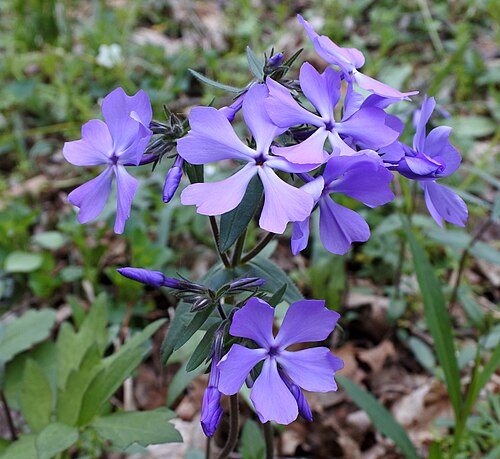
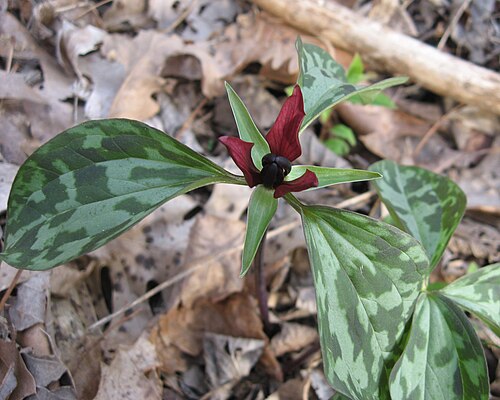
570,924 animal records in April.
At their peak in May


Most seen in May
Plants and fungi at their peak in May
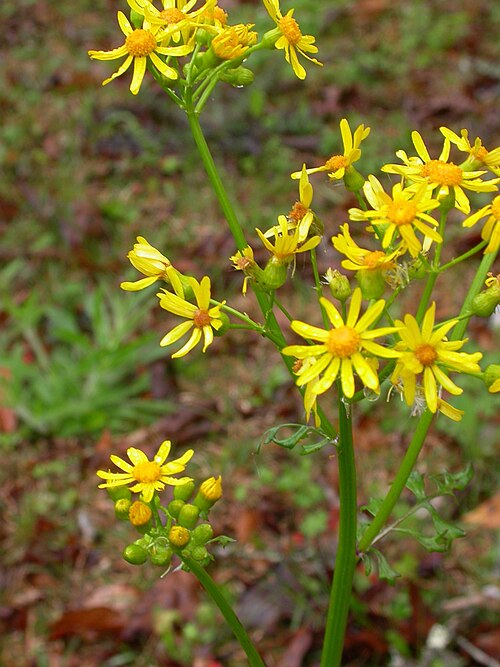


730,827 animal records in May.
At their peak in June
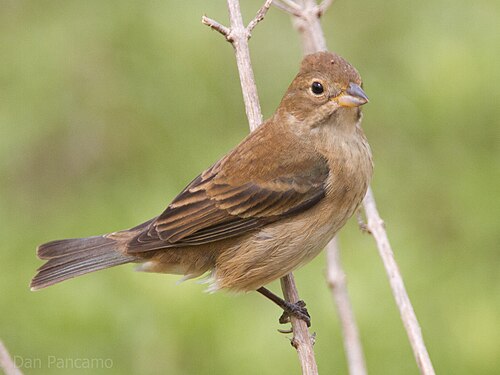


Most seen in June
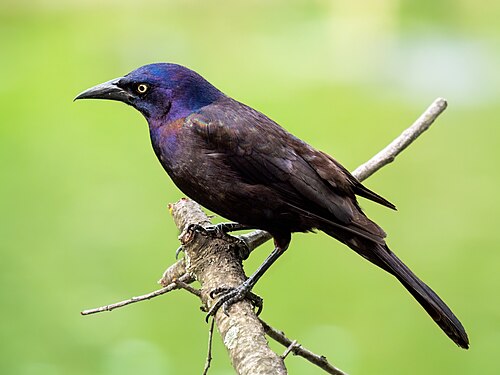
Plants and fungi at their peak in June

306,521 animal records in June.
At their peak in July
Most seen in July

Plants and fungi at their peak in July


283,175 animal records in July.
At their peak in August

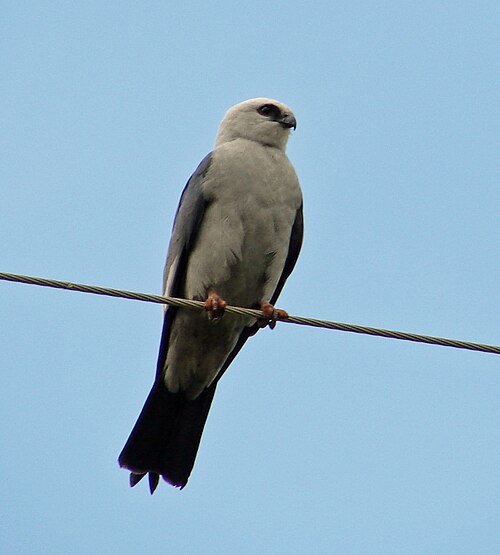
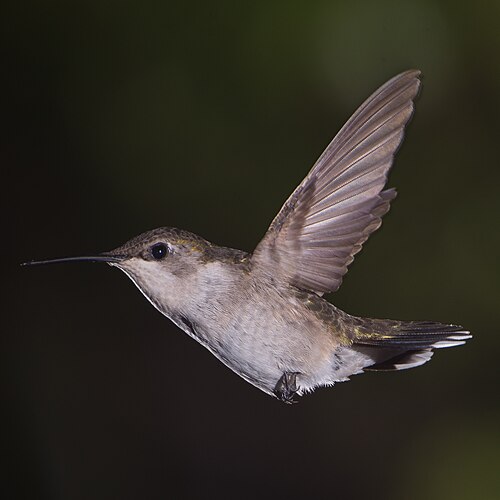
Most seen in August
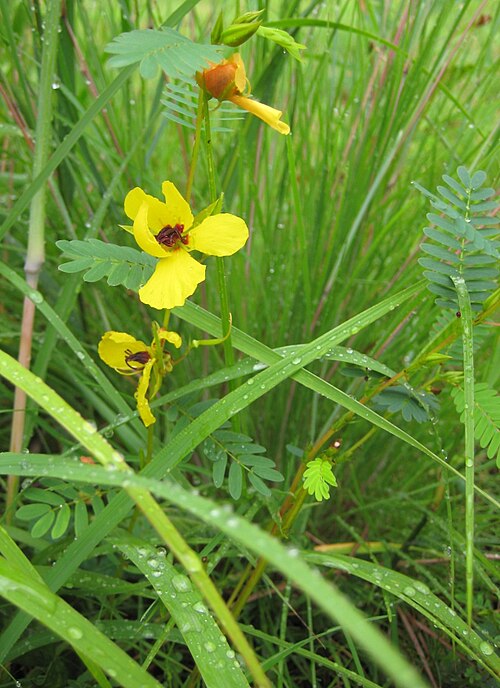
Plants and fungi at their peak in August


263,122 animal records in August.
At their peak in September


Most seen in September

Plants and fungi at their peak in September

296,618 animal records in September.
At their peak in October


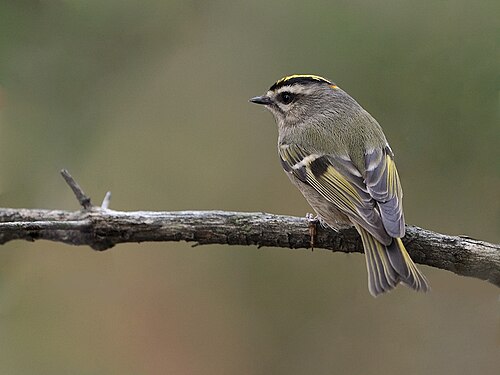
Most seen in October
Plants and fungi at their peak in October

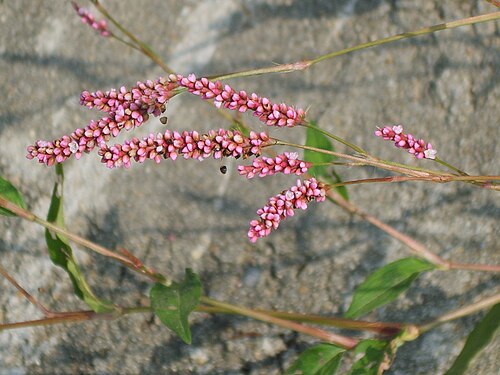

264,812 animal records in October.
At their peak in November

Most seen in November
227,908 animal records in November.

St. Louis is getting warmer
+1.2 °CAverage temperature around St. Louis in 2016–2025, compared with 1981–1990.
Daylight: about 10 hours in December and 15 in June.
Seen something near St. Louis?
Share a photo of it on iNaturalist. Other naturalists help name it, and confirmed records go to GBIF, where scientists use them. That is where the lists on this page come from.
Explore next
What puts St. Louis under pressure, what helps, and who works on it.
St. Louis on the living planet
More places near St. Louis
Sources and photo credits
- Wikidata · St. Louis (Q38022), facts and nature places
- Wikipedia page views · how well known each nature place is
- OpenStreetMap contributors via Waymarked Trails · marked walking routes (ODbL)
- GBIF · human observations within 50 km, 2016–2025 (4,031,054 animal records)
- NASA POWER · yearly temperature from satellite and model data (MERRA-2)
- MET Norway · weather now (shown live)
- Cahokia, St. Louis: Skubasteve834, CC BY-SA 3.0
- Cahokia, St. Louis: Skubasteve834, CC BY-SA 3.0
- Gateway Arch, St. Louis: Bev Sykes from Davis, CA, USA, CC BY 2.0
- Missouri River, St. Louis: Tim Kiser (w:User:Malepheasant), CC BY-SA 2.5
- Gateway Arch National Park, St. Louis: Daniel Schwen, CC BY-SA 4.0
- Missouri Botanical Garden, St. Louis: Yinan Chen, Public Domain
- Ulysses S. Grant National Historic Site, St. Louis: Kbh3rd, CC BY-SA 3.0
- Creve Coeur Lake Memorial Park, St. Louis: Fletcher Commons, CC BY-SA 2.0
- Northern cardinal: patricia pierce, CC BY 2.0
- American robin: Rhododendrites, CC BY-SA 4.0
- Mourning dove: Rhododendrites, CC BY-SA 4.0
- Blue jay: Rhododendrites, CC BY-SA 4.0
- Common starling: marsupium photography, CC BY-SA 2.0
- Common eastern bumble bee: https://www.flickr.com/photos/gillesgonthier/297487697/, CC BY 2.0
- Monarch: Rhododendrites, CC BY-SA 4.0
- White-tailed deer: USDA photo by Scott Bauer, Public domain
- Eastern gray squirrel: Dominic Nelson, CC BY-SA 4.0
- Brown-belted bumblebee: Rhododendrites, CC BY-SA 4.0
- Eastern tiger swallowtail: HaarFager at English Wikipedia, CC BY-SA 3.0
- American toad: Cephas, CC BY-SA 3.0
- Dark-eyed junco: Cephas, CC BY-SA 3.0
- White-throated sparrow: Cephas, CC BY-SA 3.0
- Bald eagle: Andy Morffew from Itchen Abbas, Hampshire, UK, CC BY 2.0
- Ring-billed gull: Fabian Roudra Baroi, CC BY-SA 4.0
- Gadwall: Andreas Trepte, CC BY-SA 2.5
- Common goldeneye: Calibas, CC BY-SA 3.0
- American tree sparrow: Mykola Swarnyk, CC BY-SA 3.0
- Snow goose: Andy Reago & Chrissy McClarren, CC BY 2.0
- American herring gull: Alan D. Wilson, www.naturespicsonline.com, CC BY-SA 2.5
- Northern shoveler: Andreas Trepte, CC BY-SA 2.5
- American coot: Rhododendrites, CC BY-SA 4.0
- Virginia springbeauty: Kaldari, Public domain
- Virginia bluebells: Khan "Sadh" N. Mostafa, CC BY 2.0
- Cut-leaf toothcup: Ryan Kaldari, Public domain
- Chipping sparrow: Mdf, Edited by Fir0002, CC BY-SA 3.0
- Blue-winged teal: ADJ82, CC BY 3.0
- Northern parula: Rhododendrites, CC BY-SA 4.0
- Mayapple: Jennifer Anderson, USDA, Public domain
- Wild blue phlox: Wilson44691, CC0
- Bloody butcher: Mason Brock (Masebrock), Public domain
- Great crested flycatcher: Mykola Swarnyk, CC BY-SA 3.0
- Common yellowthroat: Rhododendrites, CC BY-SA 4.0
- Red-eyed vireo: John Benson from Madison WI, CC BY 2.0
- Tennessee warbler: Jerry Oldenettel, CC BY-SA 2.0
- Butterweed: Pieter Pelser, CC BY 3.0
- Garden star-of-bethlehem: Meneerke bloem, CC BY-SA 3.0
- Multiflora rose: AnRo0002, CC0
- Common grackle: Rhododendrites, CC BY-SA 4.0
- Indigo bunting: Dan Pancamo, CC BY-SA 2.0
- Warbling vireo: Rhododendrites, CC BY-SA 4.0
- Eastern kingbird: Rhododendrites, CC BY-SA 4.0
- Butterfly milkweed: Ragesoss, CC BY-SA 3.0
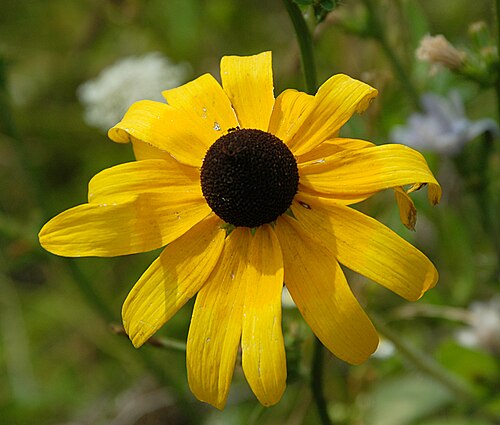
- Black-eyed susan: G. Edward Johnson, CC BY-SA 3.0
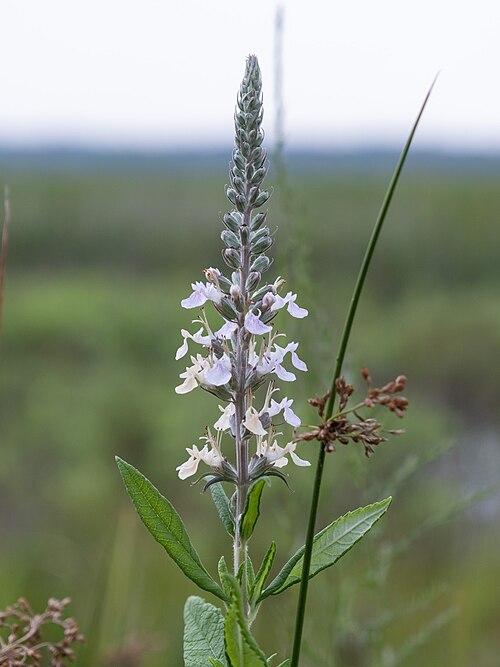
- American germander: [https://www.inaturalist.org/users/alex_abair Alex Abair}, CC BY 4.0
- American goldfinch: Mdf, CC BY-SA 3.0
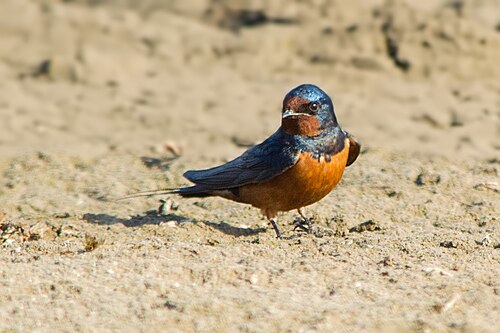
- Barn swallow: Morhaf Aljanee, CC BY-SA 3.0
- Wild bergamot: Hardyplants at English Wikipedia, Public domain
- Chicory: Zeynel Cebeci, CC BY-SA 4.0
- Ruby-throated hummingbird: Pslawinski, CC BY-SA 4.0
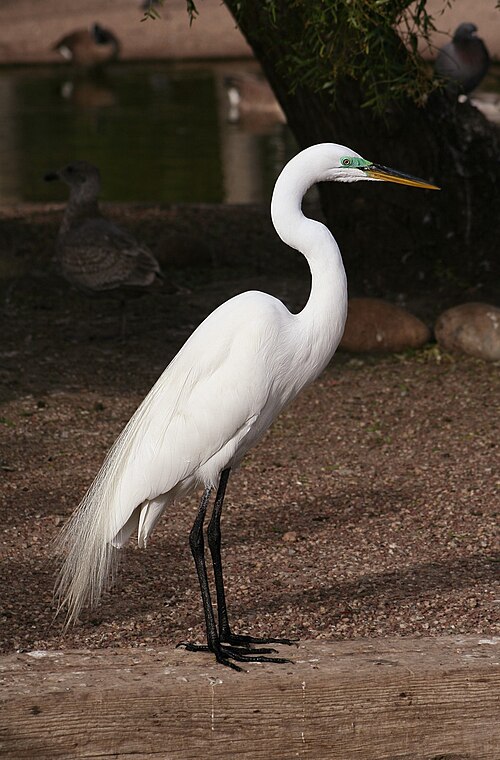
- Great egret: Calibas, CC BY-SA 3.0
- Eastern wood pewee: Rhododendrites, CC BY-SA 4.0
- Mississippi kite: Rescuechick, CC BY 3.0
- Partridge pea: Crazytwoknobs, CC BY 3.0
- Late boneset: Jim Kingdon Kingdon, Public domain
- Blue mistflower: KENPEI, CC BY 3.0
- Downy woodpecker: Wolfgang Wander, CC BY-SA 3.0
- Gray catbird: AMMuench, CC BY 4.0
- American redstart: Dennis G. Jarvis, CC BY-SA 2.0
- White snakeroot: Sten Porse, CC BY-SA 3.0
- Myrtle warbler: Rhododendrites, CC BY-SA 4.0
- Swamp sparrow: Cephas, CC BY-SA 3.0
- Golden-crowned kinglet: Gary Irwin, CC BY-SA 2.0
- Ringless honey mushroom: Tom Sisan, CC BY-SA 4.0
- Bristly lady's-thumb: Dalgial, CC BY-SA 3.0
- New england aster: Andrew Sebastian, CC BY 4.0
- Cedar waxwing: Jason Quinn, CC BY-SA 3.0
- American kestrel: Gregory "Slobirdr" Smith, CC BY-SA 2.0


Wildlife records show where people have seen and shared plants and animals, not everything that lives here; some places and months are recorded more than others. Sensitive species are never shown with a month or as seen recently. Routes come from OpenStreetMap and are not checked by 4Planet: follow local signs and conditions. Climate figures are NASA estimates for the area around St. Louis, not a single weather station.
Checked 2026-11-28.