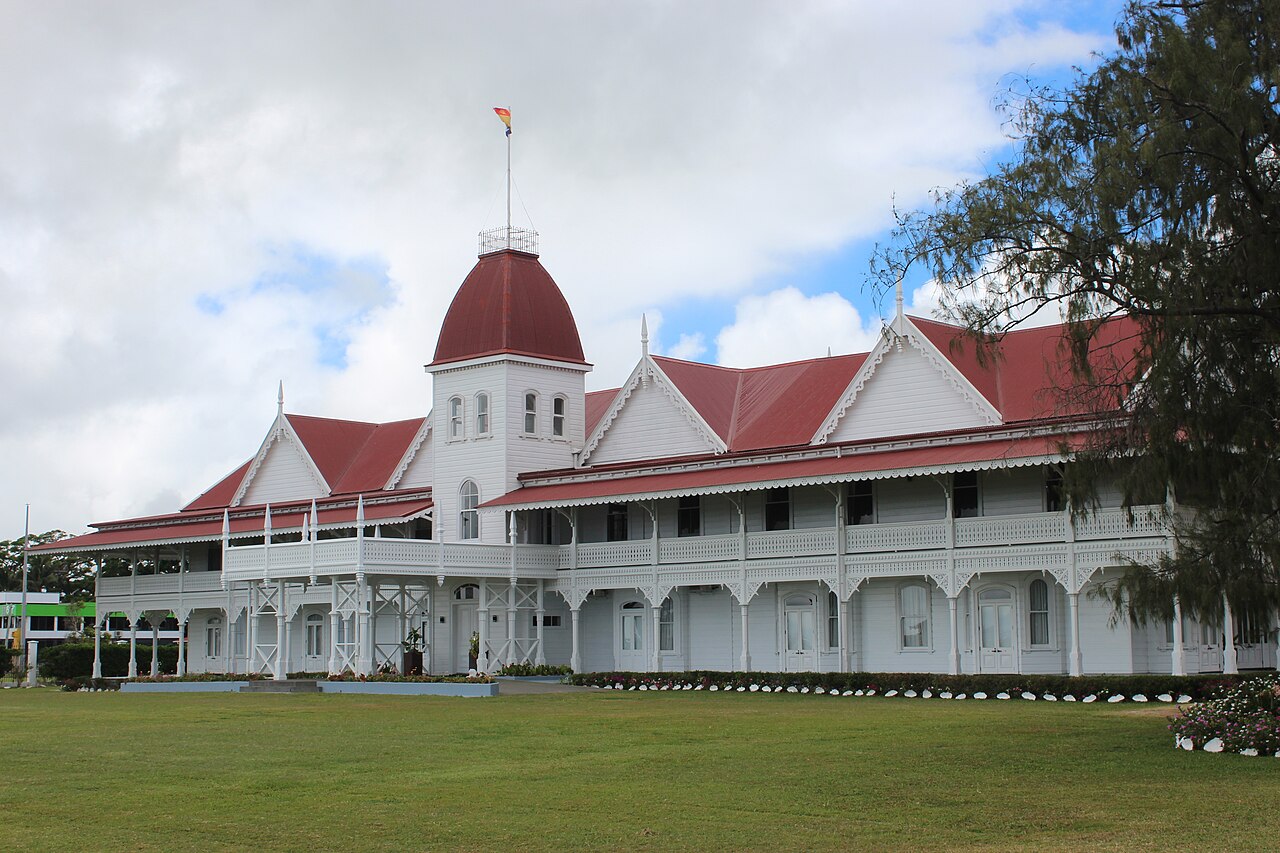
Nukuʻalofa
Capital of Tonga
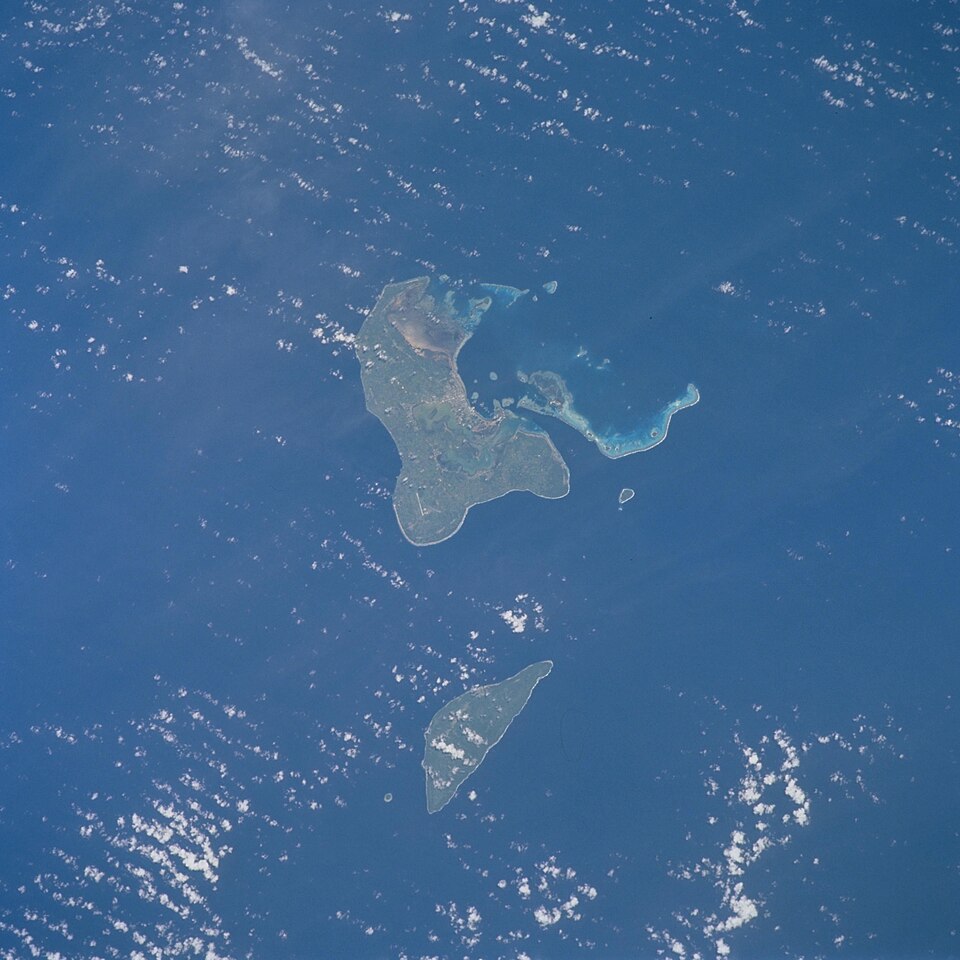
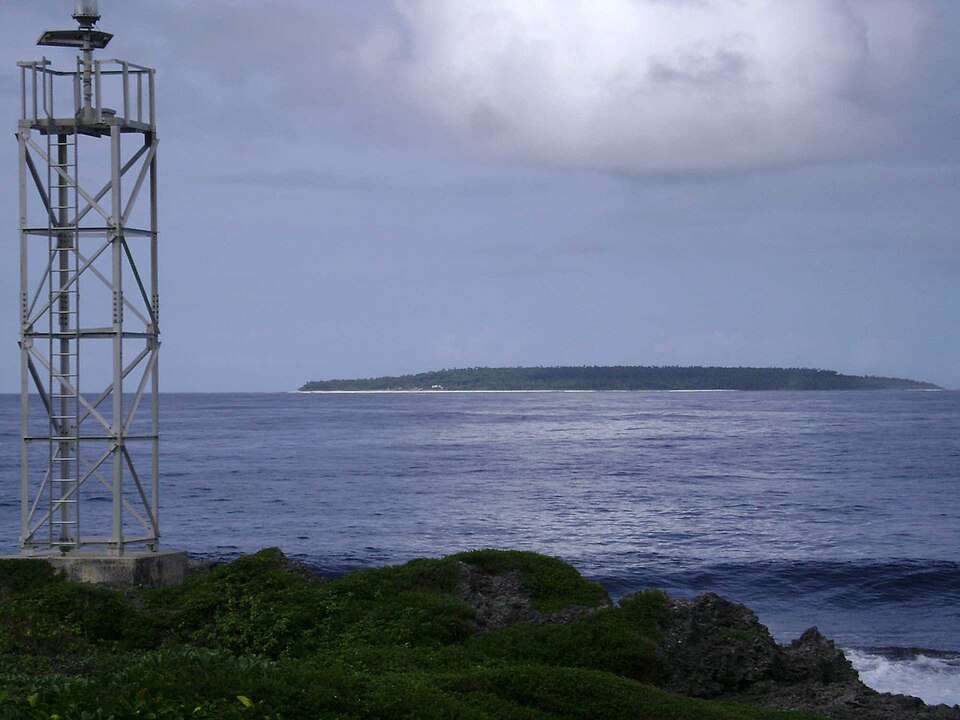
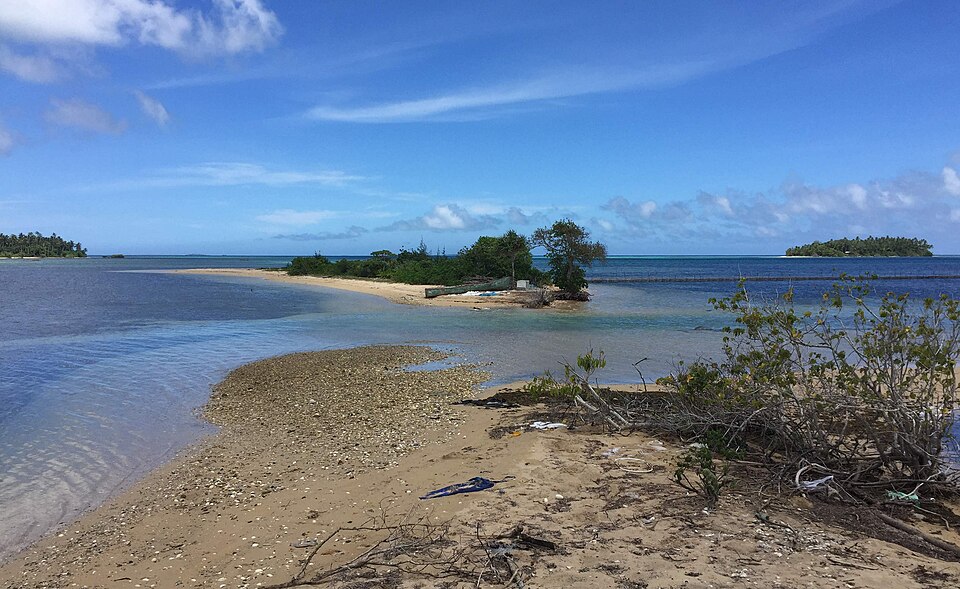
Within 30 km of the centre of Nukuʻalofa, the nature places people read about most are Tongatapu, ʻAtā, Pangaimotu and ʻAtatā.
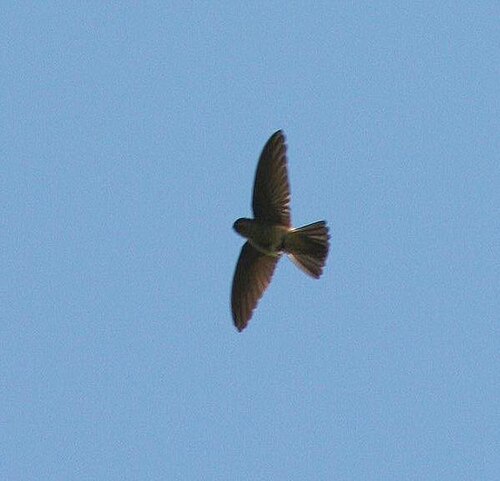
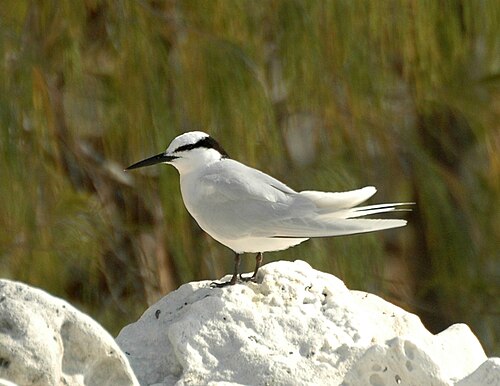
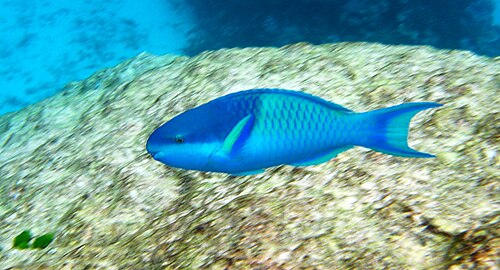
People have shared 20,722 wildlife records within 50 km of Nukuʻalofa in the last ten years. The wild animals recorded most often are the humpback whale, the striated surgeonfish, the white-rumped swiftlet, the polynesian triller and the polynesian starling. Since the 1980s the area has become about 0.9 °C warmer.
Among the animals people record most around Nukuʻalofa, the striated surgeonfish and the white-rumped swiftlet appear on no other city page here.
- Country
- Tonga
- Population
- 23,221
- Area
- 11 km²
- Elevation
- 3 m
- Currency
- Tongan paʻanga
- Time zone
- UTC+13
- Daylight
- 11 to 13 hours
Figures from Wikidata; population 2016.
Nukuʻalofa on the map
- Tongatapu
- ʻAtā
- Pangaimotu
- ʻAtatā
- Fukave
- Monūafe
- Nukunukumotu
- ʻEueiki
- Tongatapu Islands
Nature close to Nukuʻalofa
The places people read most about, from the centre outwards.


- ʻAtatā Island · 11 km
- Nukunukumotu Island · 6 km
- Tongatapu Islands Archipelago · 10 km
- Motutapu Island · 16 km
- Toketoke Island · 12 km
- Poloʻa Island · 6 km
- ʻAlakipeau Island · 7 km
Routes from OpenStreetMap via Waymarked Trails. Not checked by 4Planet: follow local signs and conditions.
Wildlife around Nukuʻalofa
The wild animals people record most within 50 km, 2016–2025. Tick the ones you have seen to build your own list.




Seen in the last 30 days
What can you see near Nukuʻalofa now?
Month by month, from 20,722 records people shared within 50 km, 2016–2025.
At their peak in January

Most seen in January


173 animal records in January.
Most seen in February

136 animal records in February.
Most seen in March

46 animal records in March.
Most seen in April
207 animal records in April.
At their peak in May
Most seen in May

172 animal records in May.
At their peak in June
Most seen in June
202 animal records in June.
At their peak in July


Most seen in July

481 animal records in July.
At their peak in August

Most seen in August
1,197 animal records in August.




At their peak in December
Most seen in December
333 animal records in December.
Nukuʻalofa is getting warmer
+0.9 °CAverage temperature around Nukuʻalofa in 2016–2025, compared with 1981–1990.
Daylight: about 13 hours in December and 11 in June.
Seen something near Nukuʻalofa?
Share a photo of it on iNaturalist. Other naturalists help name it, and confirmed records go to GBIF, where scientists use them. That is where the lists on this page come from.
Nukuʻalofa on the living planet
More places near Nukuʻalofa
Sources and photo credits
- Wikidata · Nukuʻalofa (Q38834), facts and nature places
- Wikipedia page views · how well known each nature place is
- OpenStreetMap contributors via Waymarked Trails · marked walking routes (ODbL)
- GBIF · human observations within 50 km, 2016–2025 (20,722 animal records)
- NASA POWER · yearly temperature from satellite and model data (MERRA-2)
- MET Norway · weather now (shown live)
- Nukuʻalofa, Tonga: Uhooep, CC BY-SA 4.0
- Tongatapu, Nukuʻalofa: NASA Johnson Space Center - Earth Sciences and Image Analysis, Public domain
- ʻAtā, Nukuʻalofa: Arne Müseler, CC BY-SA 3.0 de
- Pangaimotu, Nukuʻalofa: Fongafale, CC BY-SA 4.0
- Fukave, Nukuʻalofa: Arne Müseler, CC BY-SA 3.0 de
- Monūafe, Nukuʻalofa: The original uploader was Tauʻolunga at Tongan Wikipedia., CC BY-SA 2.5
- ʻEueiki, Nukuʻalofa: Tauʻolunga, CC BY-SA 3.0
- Manima, Nukuʻalofa: Tauʻolunga, CC BY-SA 4.0
- Humpback whale: Dr. Louis M. Herman., Public domain
- Striated surgeonfish: Diego Delso, CC BY-SA 4.0
- White-rumped swiftlet: Duncan Wright, CC BY-SA 4.0
- Polynesian triller: Duncan Wright, CC BY-SA 3.0
- Polynesian starling: Duncan Wright, CC BY-SA 3.0
- Red-vented bulbul: K. Hari Krishnan, CC BY-SA 3.0
- Common myna: Tisha Mukherjee, CC BY-SA 4.0
- Blue moon: Anitava Roy, CC BY-SA 4.0
- Pacific flying fox: Charles J. Sharp, CC BY-SA 4.0
- Ant: Philipp Hoenle, CC0
- Mourning gecko: Pseudopanax at English Wikipedia, Public domain
- Ruggie hermit crab: Michael Quigley Quigabyte, CC BY 3.0
- Rock dove: william_stephens, CC BY 4.0
- Pacific golden plover: Bering Land Bridge National Preserve, CC BY 2.0
- White-faced heron: Russ, CC BY 2.0
- Pacific reef heron: Glen Fergus, CC BY-SA 2.5
- Black-naped tern: Aviceda, CC BY-SA 3.0
- Pacific swallow: Charles J. Sharp, CC BY-SA 4.0
- Pacific kingfisher: JJ Harrison, CC BY-SA 3.0
- Polynesian wattled honeyeater: Duncan, CC BY-SA 2.0
- Brown booby: Danilo da Castro, CC BY-SA 3.0
- White-tailed tropicbird: Dreizung, CC BY-SA 3.0
- Pacific imperial pigeon: Pseudopanax at English Wikipedia, Public domain
- Bluntnosed spinefish: David Burdick, Public domain
- Moon wrasse: Leonard Low from Australia, CC BY 2.0
- Whitetail dascyllus: Photo2222 at English Wikipedia, Public domain
- Daisy parrotfish: Jaroslaw Barski, CC BY-SA 3.0
- Ocellate damselfish: Julie Bedford, NOAA PA, Public domain
- Fiji damselfish: NPS photo by Paul Brown, Public domain
- Bicolor goatfish: Izuzuki, CC BY-SA 2.5
- Dark-capped parrotfish: Toby Hudson, CC BY-SA 3.0
- Reticulated damselfish: Rickard Zerpe, CC BY 2.0


Wildlife records show where people have seen and shared plants and animals, not everything that lives here; some places and months are recorded more than others. Sensitive species are never shown with a month or as seen recently. Routes come from OpenStreetMap and are not checked by 4Planet: follow local signs and conditions. Climate figures are NASA estimates for the area around Nukuʻalofa, not a single weather station.
Checked 2026-11-21.