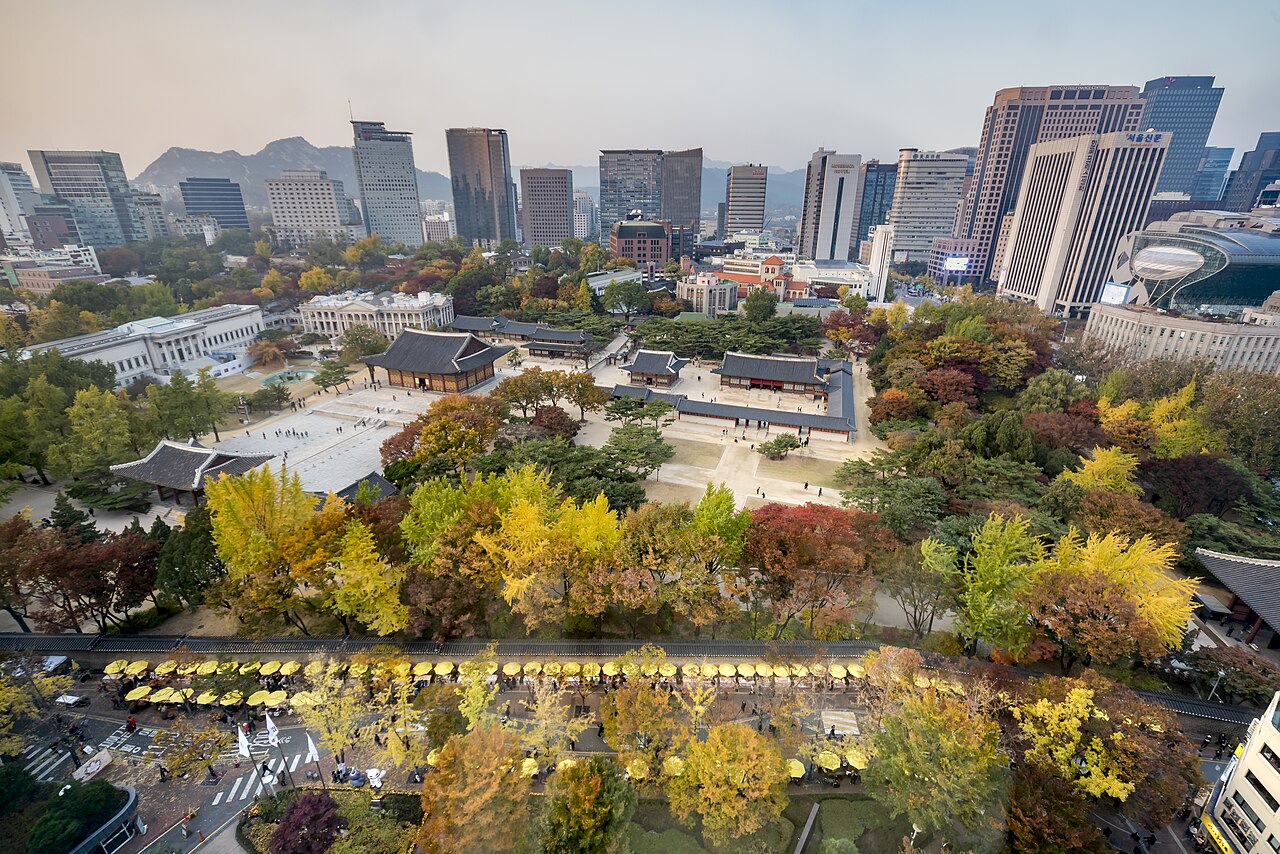
Seoul
Capital and largest city of South Korea
Within 30 km of the centre of Seoul, the nature places people read about most are Han River, Cheonggyecheon, Korean Peninsula and Yeouido, and marked walks close to the city include 서울로 7017, 안산자락길 and [북한산둘레길] 6구간 평창마을길.
People have shared 706,707 wildlife records within 50 km of Seoul in the last ten years. The wild animals recorded most often are the oriental magpie, the brown-eared bulbul, the cinereous tit, the Eurasian tree sparrow and the oriental turtle dove. Since the 1980s the area has become about 1.4 °C warmer.
Among the animals people record most around Seoul, the cinereous tit and the oriental turtle dove appear on no other city page here.
- Country
- South Korea
- Population
- 9.7 million
- Area
- 605 km²
- Elevation
- 38 m
- Currency
- Won
- Daylight
- 10 to 15 hours
Figures from Wikidata; population 2020.
Seoul on the map
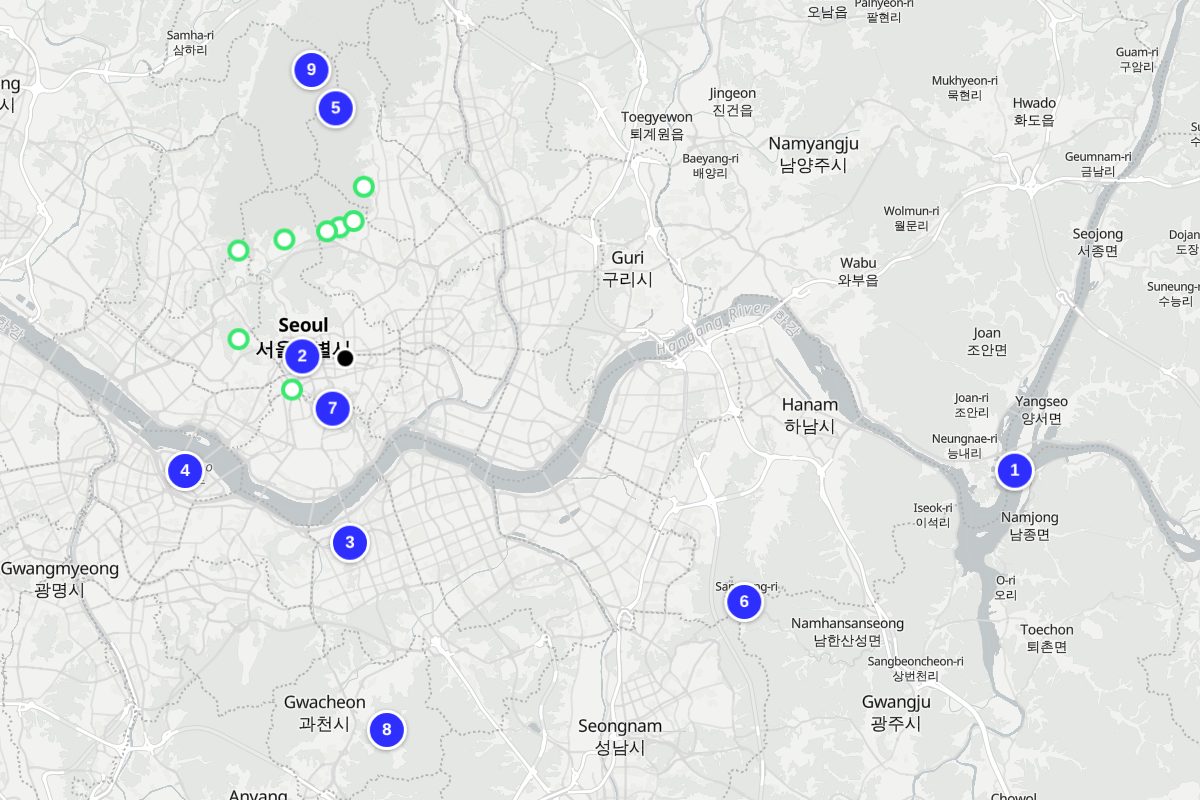
Numbers match the places below. Map: © OpenStreetMap contributors, OpenFreeMap.
- Han River
- Cheonggyecheon
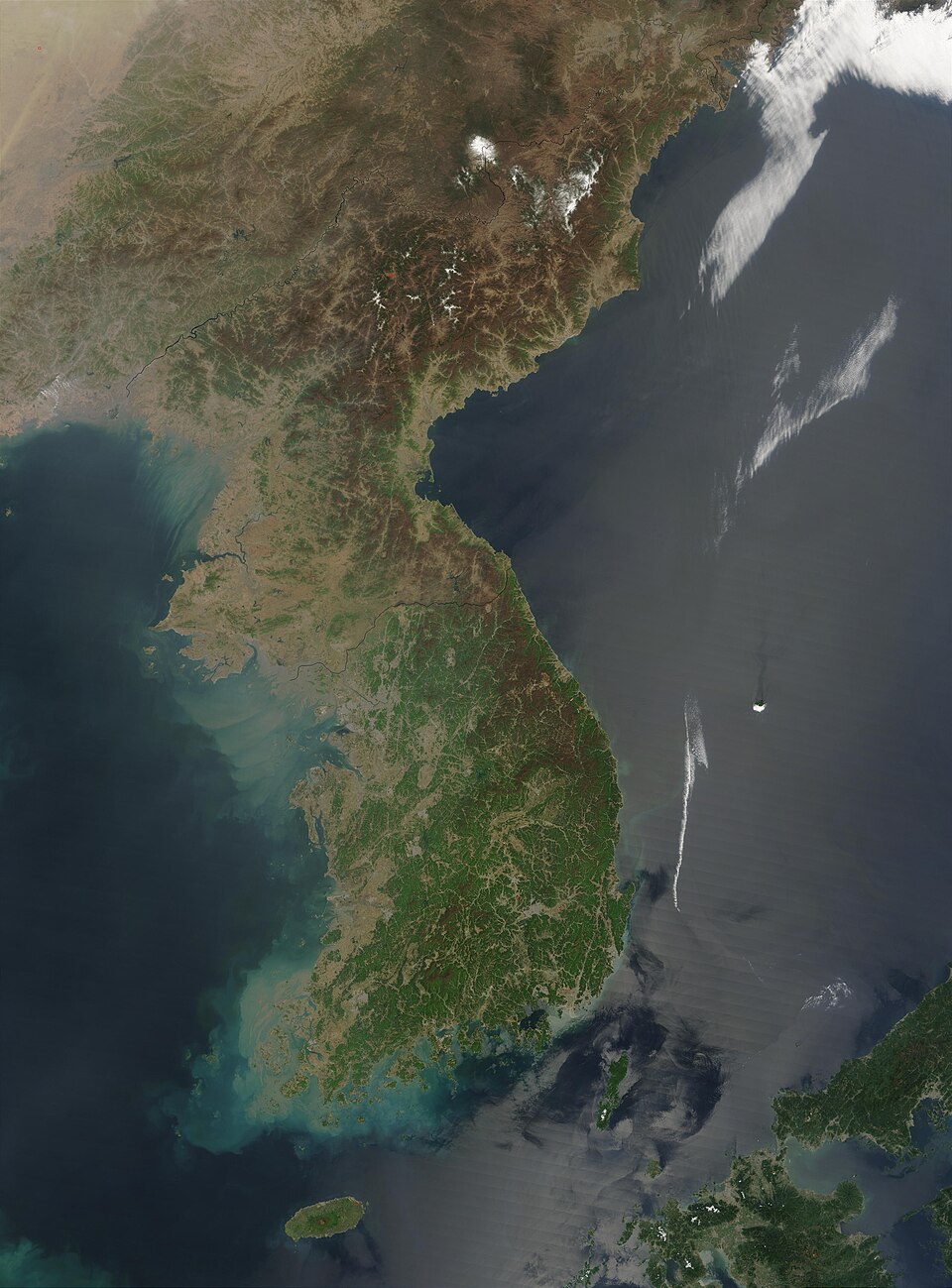
- Korean Peninsula
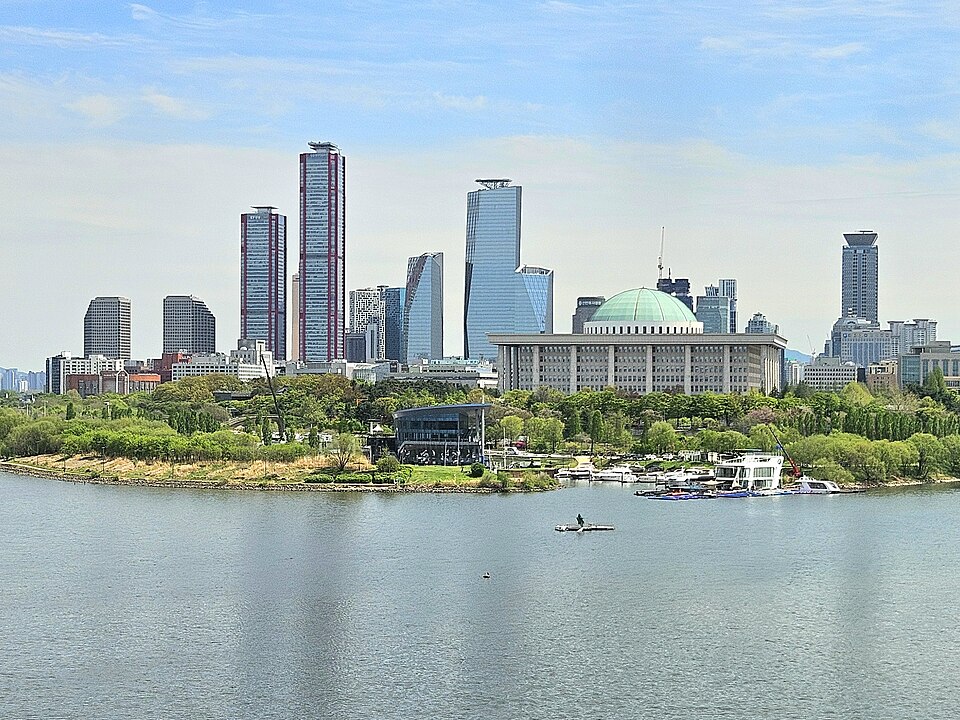
- Yeouido
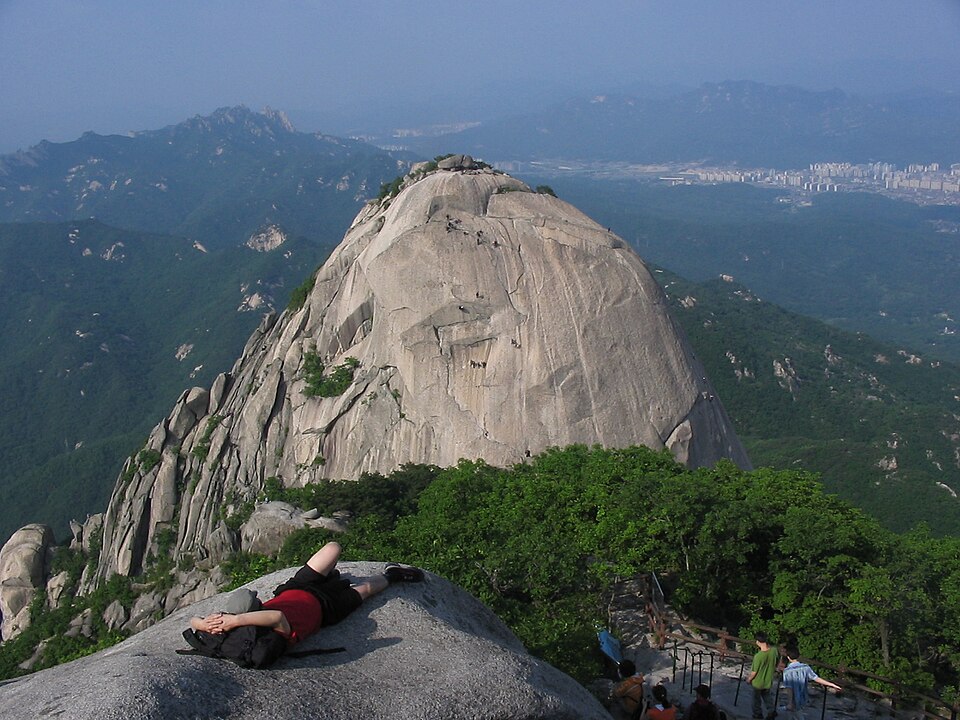
- Bukhansan
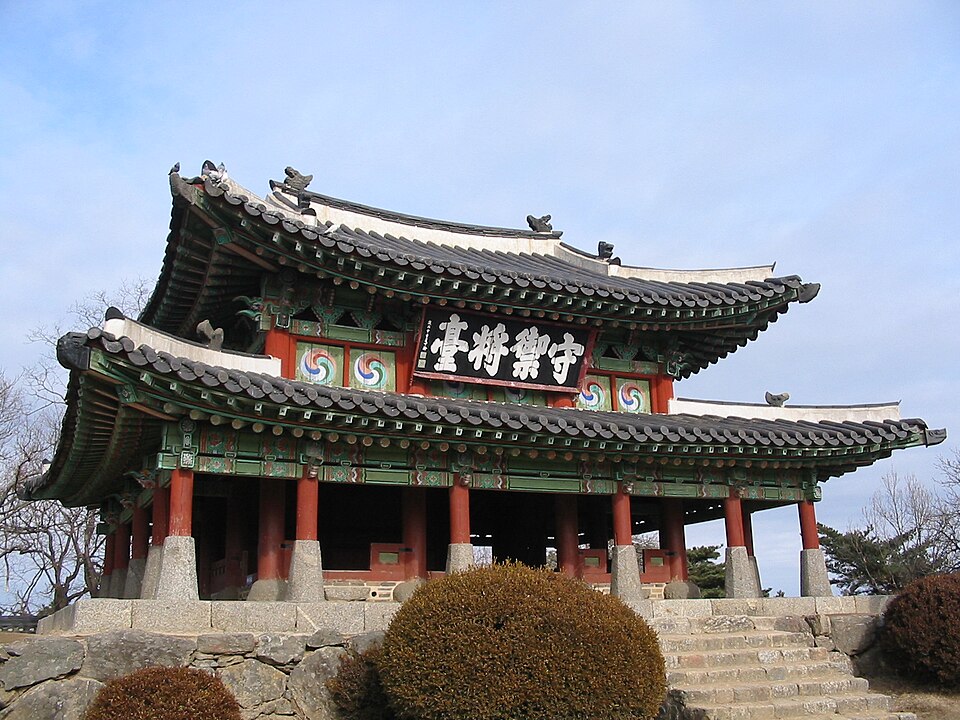
- Namhansanseong
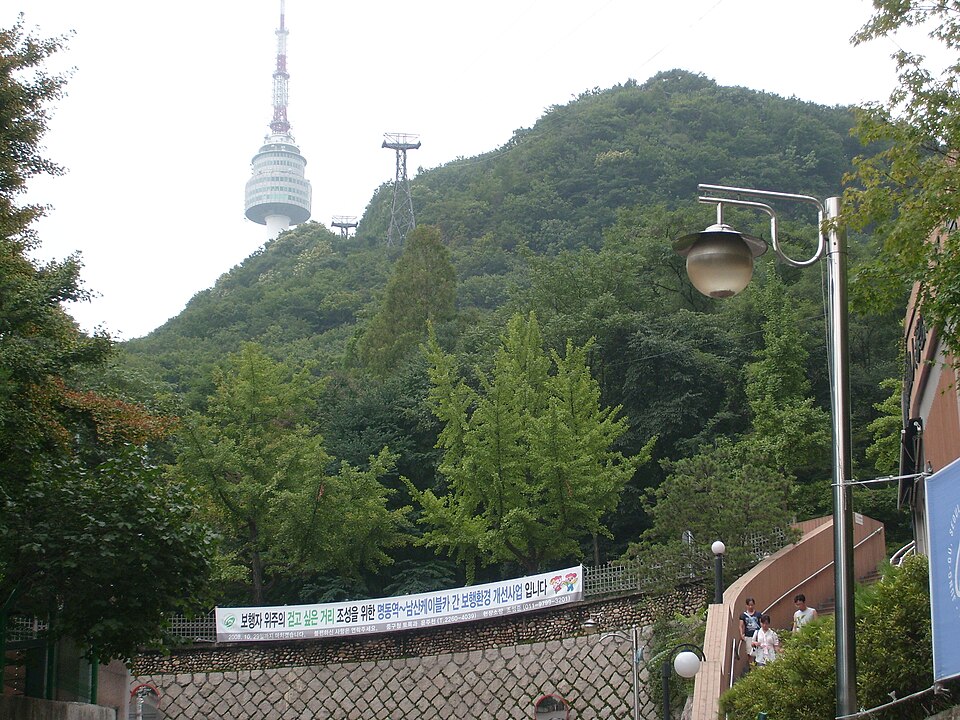
- Namsan
- Seoul Grand Park
- Bukhansan National Park
Nature close to Seoul
The places people read most about, from the centre outwards.


- Han River River · 28 km
- Seoul Grand Park Park · 15 km
- Bukhansan National Park National park · 12 km
- Namsangol Hanok Village Park · 1 km
Marked walks
- 서울로 70171.1 km · 3 km from the centre
- 안산자락길6.7 km · 4 km from the centre · marked by 서대문구 푸른도시과
- [북한산둘레길] 6구간 평창마을길4.5 km · 5 km from the centre · marked by 북한산국립공원관리공단
- 북한산둘레길3.7 km · 5 km from the centre · marked by 북한산국립공원관리공단
- [북한산둘레길] 5구간 명상길2.1 km · 5 km from the centre · marked by 북한산국립공원관리공단
- [북한산둘레길] 7구간 옛성길2.9 km · 6 km from the centre
- [북한산둘레길] 4구간 솔샘길1.5 km · 6 km from the centre · marked by 북한산국립공원관리공단
- [북한산둘레길] 3구간 흰구름길4.1 km · 7 km from the centre
Long-distance trails through the area: 한국 트레킹 노선 (592 km), 한북정맥 (174 km).
Routes from OpenStreetMap via Waymarked Trails. Not checked by 4Planet: follow local signs and conditions.
Wildlife around Seoul
The wild animals people record most within 50 km, 2016–2025. Tick the ones you have seen to build your own list.


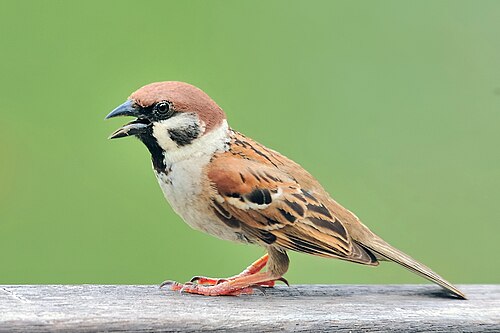


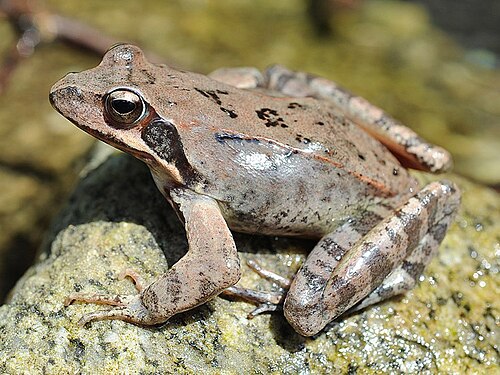

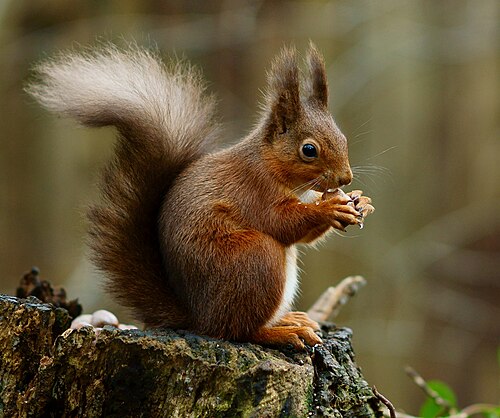
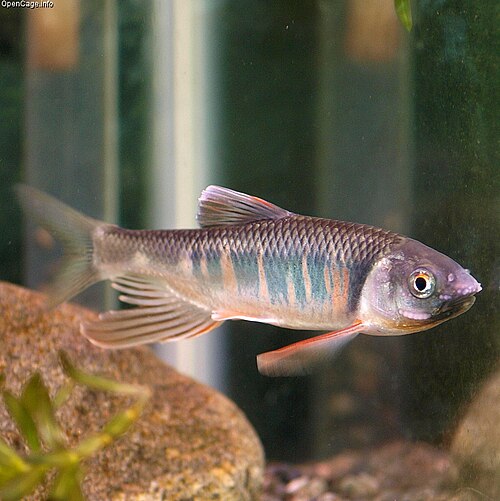

Seen in the last 30 days
What can you see near Seoul now?
Month by month, from 706,707 records people shared within 50 km, 2016–2025.
At their peak in January


Most seen in January
60,580 animal records in January.
At their peak in February
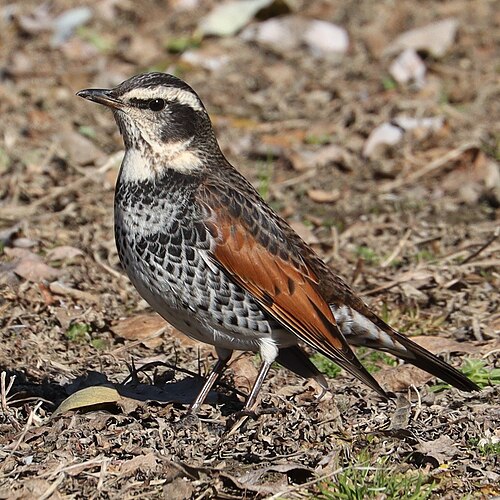

Most seen in February
58,038 animal records in February.
At their peak in March


Most seen in March
76,853 animal records in March.
At their peak in April

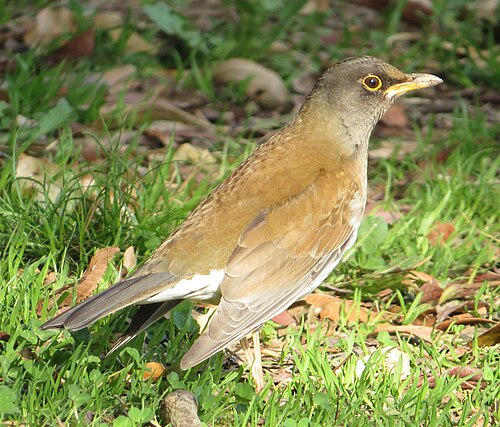
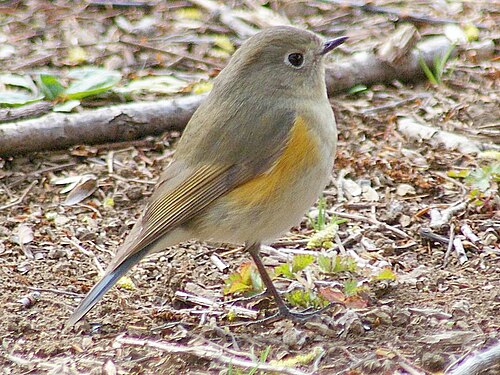
Most seen in April
Plants and fungi at their peak in April


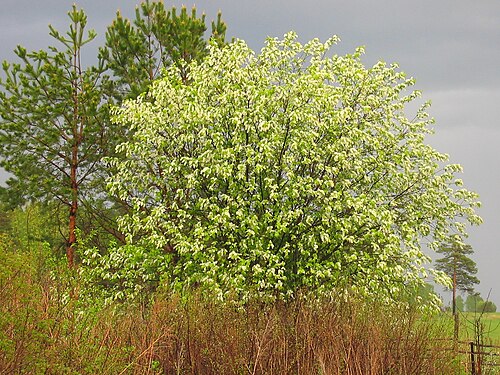
60,506 animal records in April.
At their peak in May

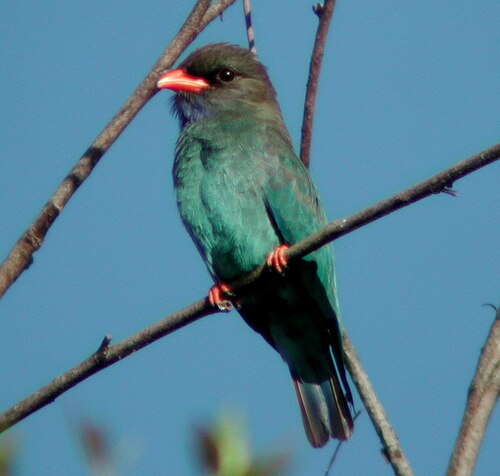
Most seen in May
Plants and fungi at their peak in May

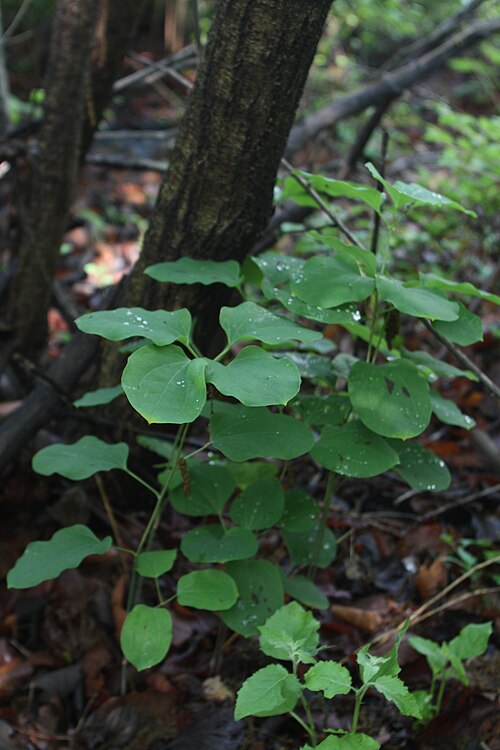

69,563 animal records in May.
At their peak in June
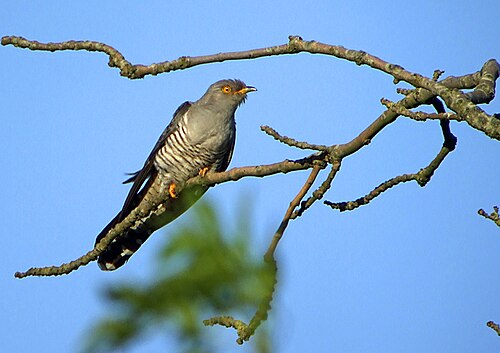
Most seen in June
Plants and fungi at their peak in June


58,838 animal records in June.
At their peak in July
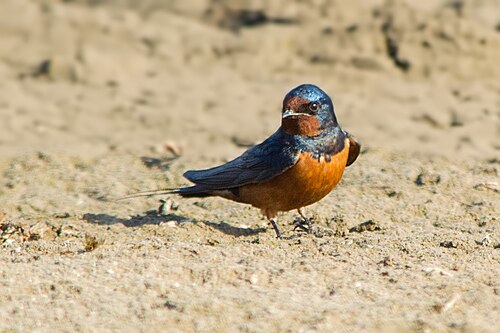

Most seen in July
Plants and fungi at their peak in July


37,133 animal records in July.
At their peak in September


Most seen in September

Plants and fungi at their peak in September


48,561 animal records in September.
At their peak in October

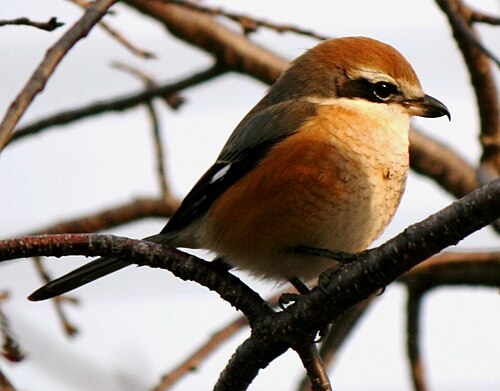

Most seen in October
Plants and fungi at their peak in October
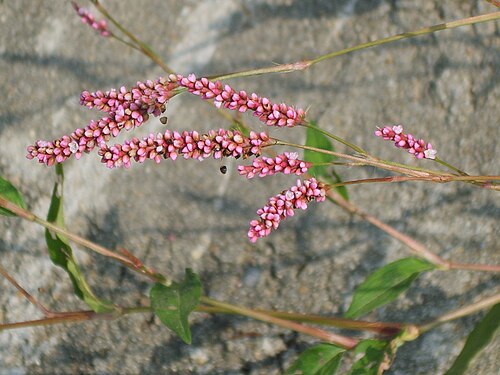


70,269 animal records in October.
At their peak in November


Most seen in November
65,836 animal records in November.
At their peak in December
Most seen in December
67,226 animal records in December.
Seoul is getting warmer
+1.4 °CAverage temperature around Seoul in 2016–2025, compared with 1981–1990.
Daylight: about 10 hours in December and 15 in June.
Seen something near Seoul?
Share a photo of it on iNaturalist. Other naturalists help name it, and confirmed records go to GBIF, where scientists use them. That is where the lists on this page come from.
Seoul on the living planet
More places near Seoul
Sources and photo credits
- Wikidata · Seoul (Q8684), facts and nature places
- Wikipedia page views · how well known each nature place is
- OpenStreetMap contributors via Waymarked Trails · marked walking routes (ODbL)
- GBIF · human observations within 50 km, 2016–2025 (706,707 animal records)
- NASA POWER · yearly temperature from satellite and model data (MERRA-2)
- MET Norway · weather now (shown live)
- Natural Earth · populated place 1159151523, public domain
- Seoul, South Korea: 라성민, CC BY-SA 3.0
- Cheonggyecheon, Seoul: kallerna This photo was taken with Fujifilm X-T30, CC BY-SA 4.0
- Korean Peninsula, Seoul: Jeff Schmaltz, MODIS Rapid Response Team, NASA/GSFC, Public domain
- Yeouido, Seoul: Kimhs5400, CC BY 4.0
- Bukhansan, Seoul: Jkp008, Public domain
- Namhansanseong, Seoul: Khitai (a flickr user), CC BY-SA 2.0
- Namsan, Seoul: Anthony Jackson, Public domain
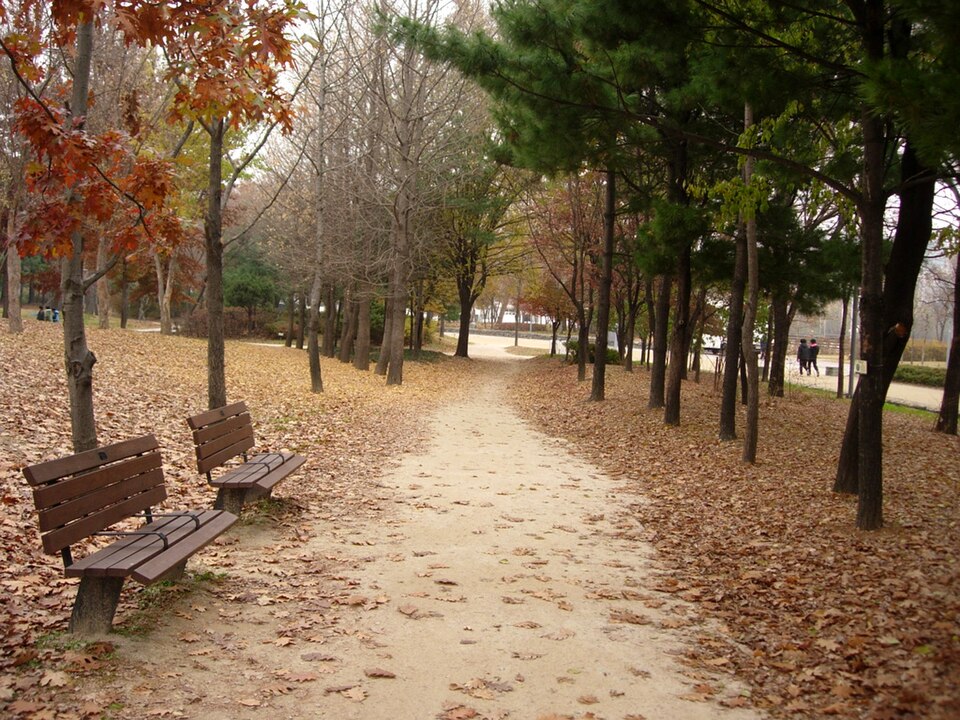
- Olympic Park, Seoul: by nagyman (a flickr user), CC BY-SA 2.0
- Seoul Forest, Seoul: Enigma7seven, CC BY-SA 3.0
- Oriental magpie: Daniel Case, CC BY-SA 3.0
- Brown-eared bulbul: Alpsdake, CC BY-SA 3.0
- Cinereous tit: Imran Shah from Islamabad, Pakistan, CC BY-SA 2.0
- Eurasian tree sparrow: Yiwenyiwen, CC BY-SA 4.0
- Oriental turtle dove: J. Patrick Fischer, CC BY-SA 4.0
- Water deer: Altaileopard, Public domain
- Japanese mole: A. C. Tatarinov, CC BY-SA 3.0
- Prevernal brown frog: Kim, Hyun-tae, CC BY 4.0
- Joro spider: Christina Butler from Georgia, United States, CC BY 2.0
- Eurasian red squirrel: Peter Trimming, CC BY 2.0
- Freshwater sprat: http://opencage, CC BY-SA 3.0
- Asian comma: Alpsdake, CC BY-SA 3.0
- Naumann's thrush: H yamaguchi, CC BY 2.0
- Eastern buzzard: NOZO, CC BY 3.0
- Common merganser: Frank Schulenburg, CC BY-SA 3.0
- Whooper swan: Pascal Aleixandre, CC BY-SA 3.0
- Dusky thrush: Alpsdake, CC BY-SA 4.0
- Vega gull: ALAN SCHMIERER, CC0
- Common pochard: Hunter Desportes, CC BY 2.0
- Great crested grebe: caroline legg, CC BY 2.0
- Tufted duck: Alexis Lours, CC BY 4.0
- Grey-backed thrush: Charles Lam from Hong Kong, China, CC BY-SA 2.0
- Pale thrush: Alpsdake, CC BY-SA 3.0
- Red-flanked bluetail: Materialscientist (talk), CC BY-SA 3.0
- Cucumber-herb: Sphl, CC BY-SA 3.0
- Korean corydalis: bastus917, CC BY-SA 2.0
- Korean rhododendron: Daderot, CC0
- Bird cherry: Игоревич, Public domain
- Black-naped oriole: J.M.Garg, CC BY 3.0
- Oriental dollarbird: Aviceda, CC BY-SA 3.0
- Blood iris: katorisi, CC BY 2.5
- Japanese greenbrier: Dalgial, CC BY-SA 3.0
- Oriental false hawksbeard: Sphl, CC BY-SA 3.0
- Common cuckoo: GabrielBuissart, CC BY-SA 3.0
- Eastern daisy fleabane: W. Bulach, CC BY-SA 4.0
- Soft rush: Photo by David J. Stang, CC BY-SA 4.0
- Asiatic tearthumb: Dalgial, CC BY 3.0
- Korean willow: bastus917, CC BY-SA 2.0
- Barn swallow: Morhaf Aljanee, CC BY-SA 3.0
- Black-crowned night heron: Rhododendrites, CC BY-SA 4.0
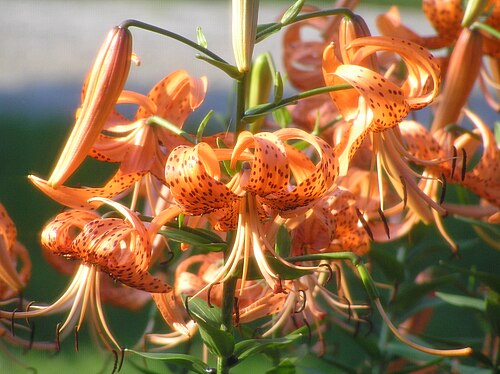
- Tiger lily: Andrew Van Houten., CC BY-SA 3.0
- Ragweed: Dalgial, CC BY-SA 3.0
- Bull nettle: The original uploader was Richardelainechambers at English Wikipedia., CC BY-SA 3.0
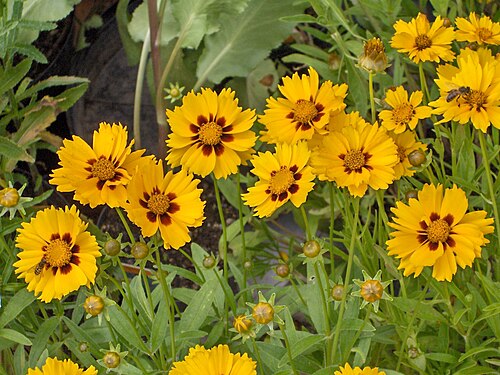
- Lanceleaf tickseed: User:Qwertzy2, CC BY-SA 3.0
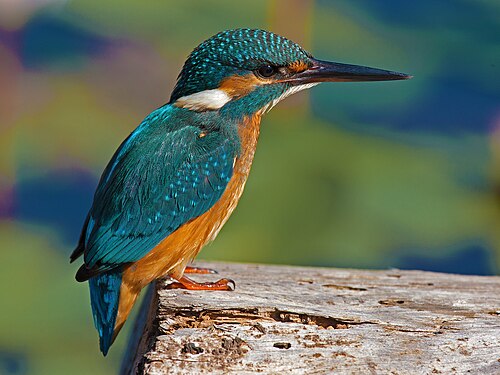
- Common kingfisher: Artemy Voikhansky, CC BY-SA 4.0
- Large-billed crow: Tisha Mukherjee, CC BY-SA 4.0
- Black-faced spoonbill: Charles Lam, CC BY-SA 2.0
- Arctic warbler: Arctic_Warbler_4683.jpg: Alnus derivative work: Osado, CC BY-SA 3.0
- American burnweed: Sphl, CC BY-SA 3.0
- Mountain teacost: KENPEI, CC BY 3.0
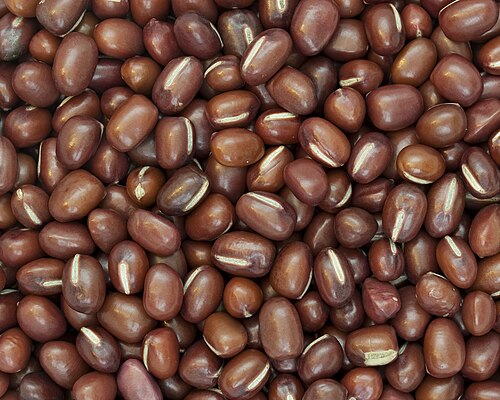
- Adzuki bean: Sanjay Acharya, CC BY-SA 3.0
- Yellow-browed warbler: Wich’yanan (Jay) Limparungpatthanakij, CC BY 4.0
- Bull-headed shrike: Alpsdake, CC BY-SA 3.0
- Black-faced bunting: Materialscientist (talk), CC BY-SA 3.0
- Bristly lady's-thumb: Dalgial, CC BY-SA 3.0
- White snakeroot: Sten Porse, CC BY-SA 3.0
- Shaggy soldier: sarefo, CC BY-SA 3.0
- Goldcrest: Missy Osborn from New Forest, England, CC BY-SA 2.0
- Winter wren: Alpsdake, CC BY-SA 3.0
- Eurasian spoonbill: Andreas Trepte, CC BY-SA 2.5
- Ruddy shelduck: J.M.Garg, CC BY-SA 3.0


Wildlife records show where people have seen and shared plants and animals, not everything that lives here; some places and months are recorded more than others. Sensitive species are never shown with a month or as seen recently. Routes come from OpenStreetMap and are not checked by 4Planet: follow local signs and conditions. Climate figures are NASA estimates for the area around Seoul, not a single weather station.
Checked 2026-11-20.