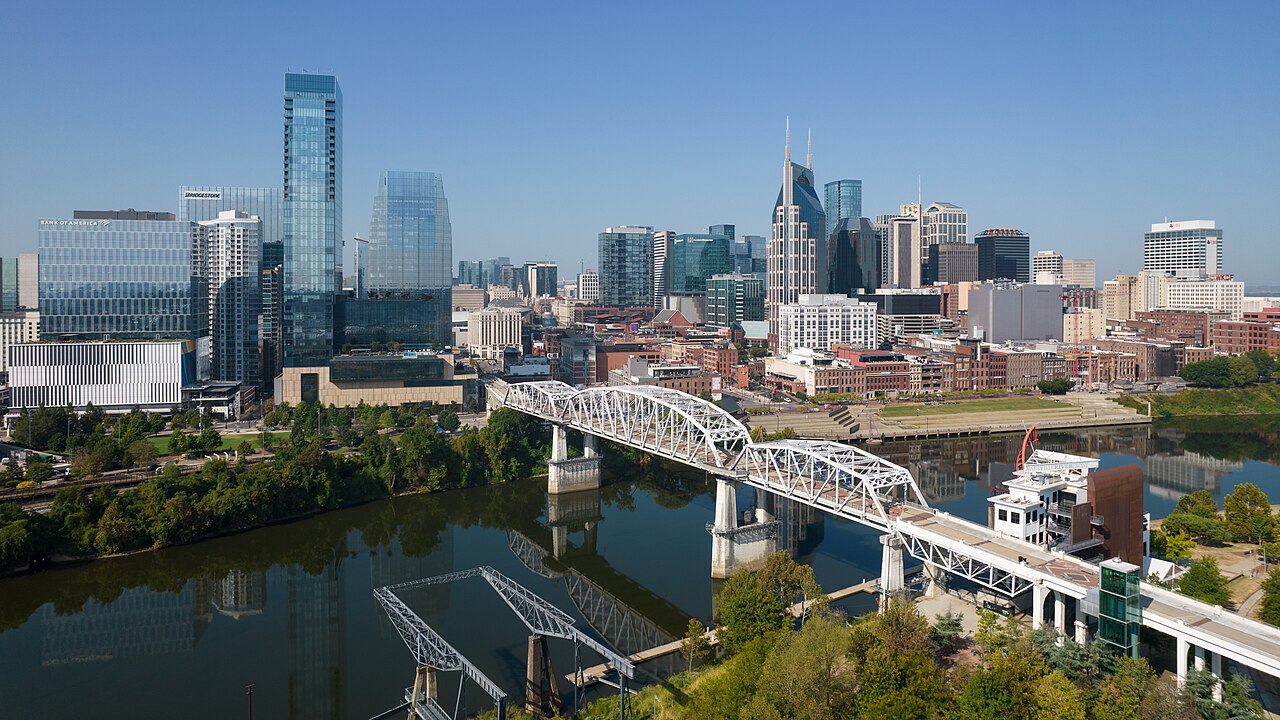
Nashville
City in United States
Within 30 km of the centre of Nashville, the nature places people read about most are Bicentennial Mall State Park, Percy Priest Lake, Centennial Park and Nashville Basin.
People have shared 2,721,068 wildlife records within 50 km of Nashville in the last ten years. The wild animals recorded most often are the northern cardinal, the American robin, the blue jay, the white-tailed deer and the pond slider. Since the 1980s the area has become about 1.2 °C warmer.
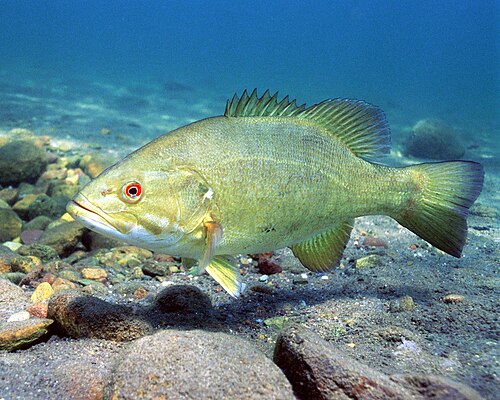
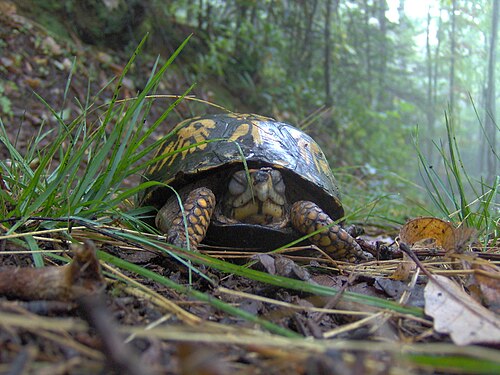
Of the 234 cities on Atlas, Nashville has the 32nd most wildlife records shared within 50 km and the 39th most species named on its page. Among the animals people record most around Nashville, the smallmouth bass and the common box turtle appear on no other city page here.
- Country
- United States
- Population
- 689,447
- Area
- 1,362 km²
- Elevation
- 182 m
- Currency
- United States dollar
- Daylight
- 10 to 15 hours
Figures from Wikidata; population 2020.
Nashville on the map
- Bicentennial Mall State Park
- Percy Priest Lake
- Centennial Park
- Nashville Basin
- Stones River
- Radnor Lake State Natural Area
- Long Hunter State Park
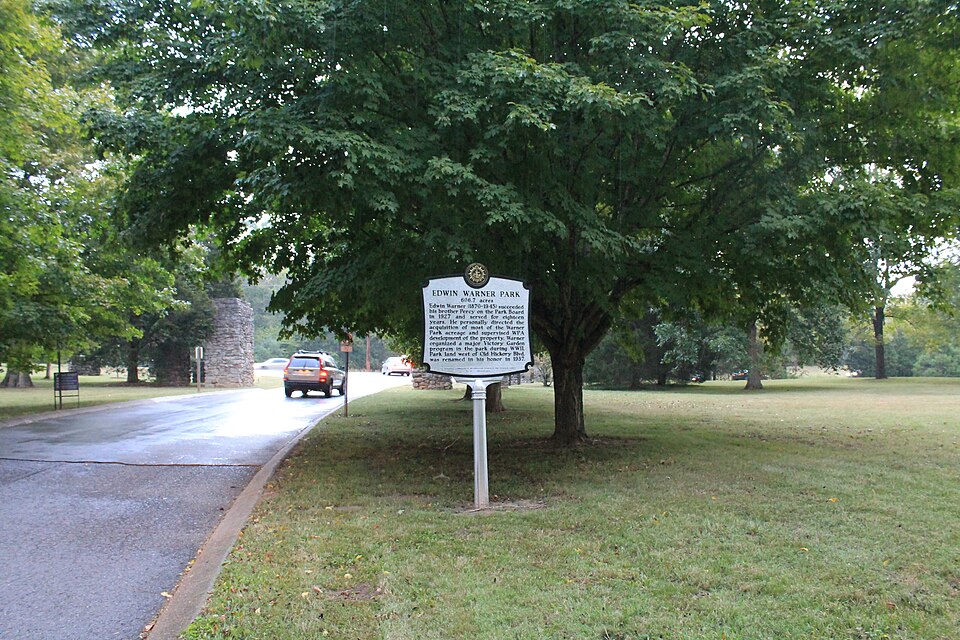
- Warner Parks
- Richland Creek
Nature close to Nashville
The places people read most about, from the centre outwards.


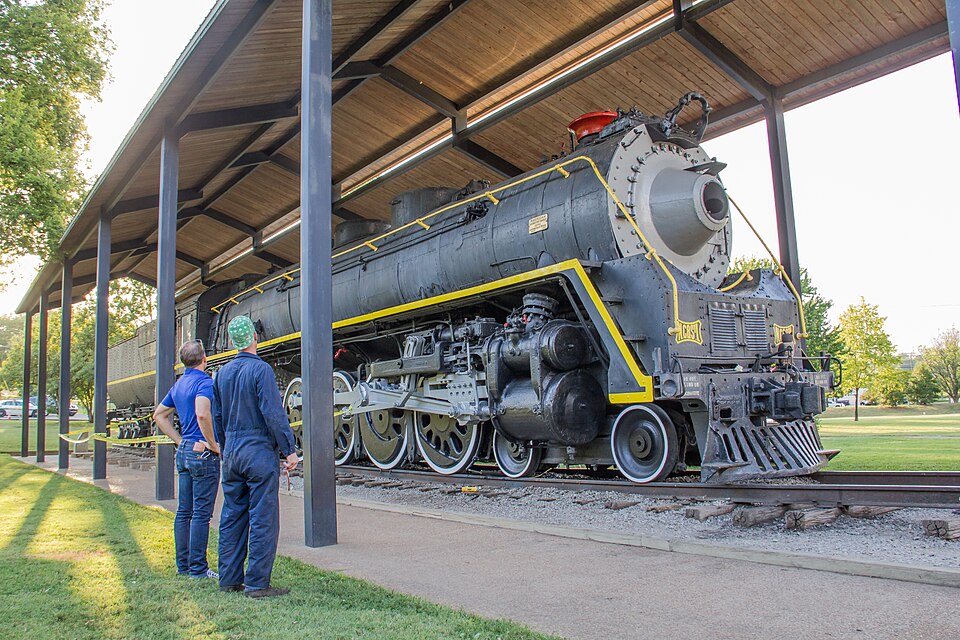

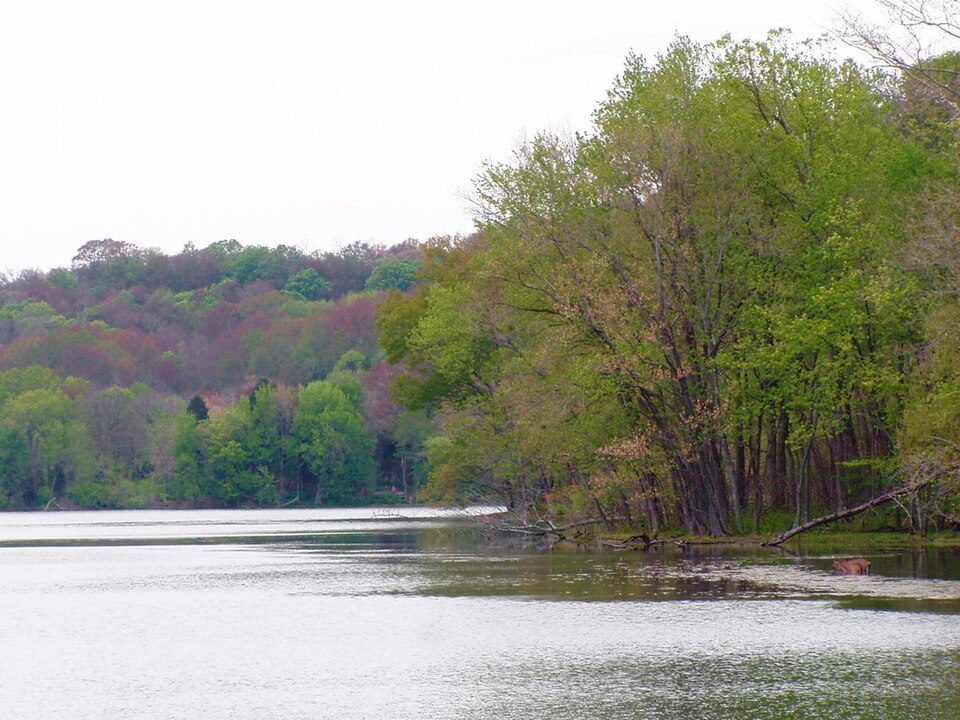
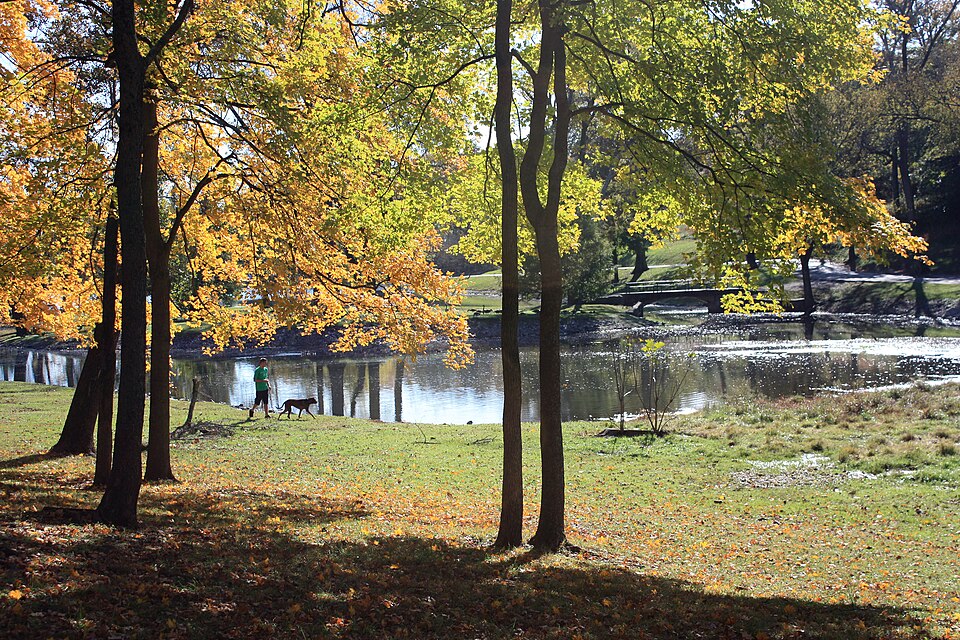
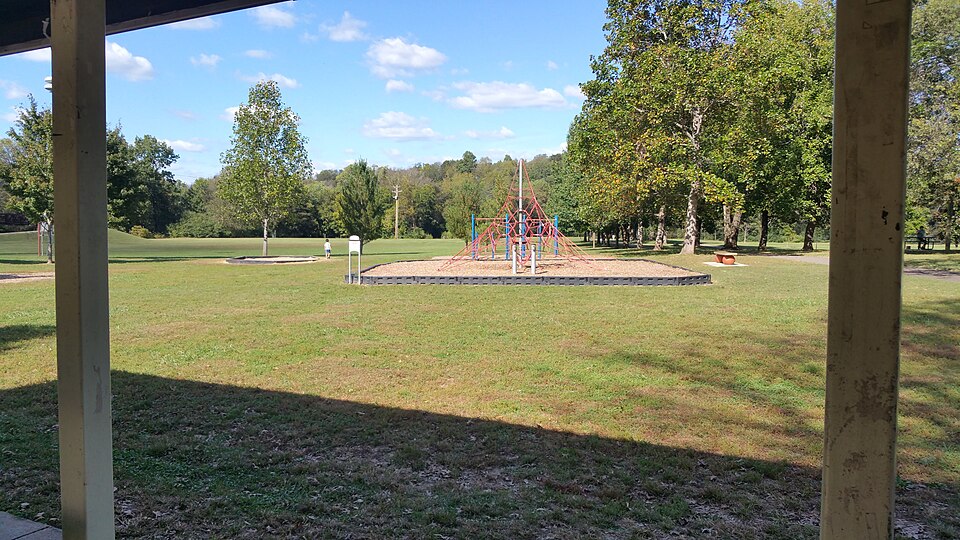
- Stones River River · 11 km
- Long Hunter State Park Park · 23 km
- Richland Creek River · 10 km
- Eighth Avenue South Reservoir Reservoir · 3 km
- Mill Creek River · 6 km
Routes from OpenStreetMap via Waymarked Trails. Not checked by 4Planet: follow local signs and conditions.
Wildlife around Nashville
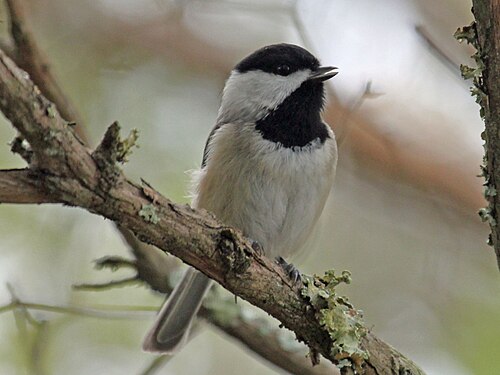
The wild animals people record most within 50 km, 2016–2025. Tick the ones you have seen to build your own list.

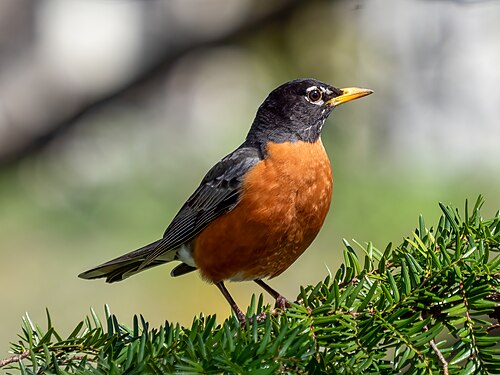


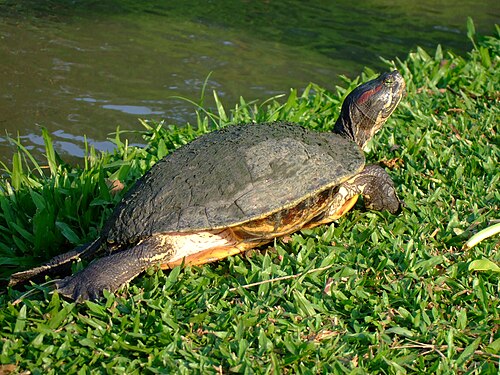



Seen in the last 30 days
What can you see near Nashville now?
Month by month, from 2,721,068 records people shared within 50 km, 2016–2025.


At their peak in February


Most seen in February
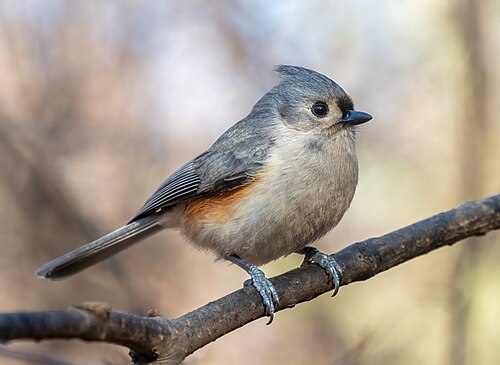
209,794 animal records in February.
At their peak in March
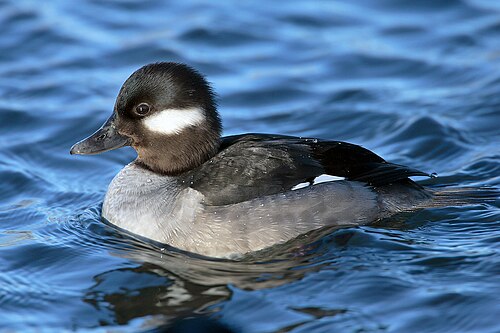

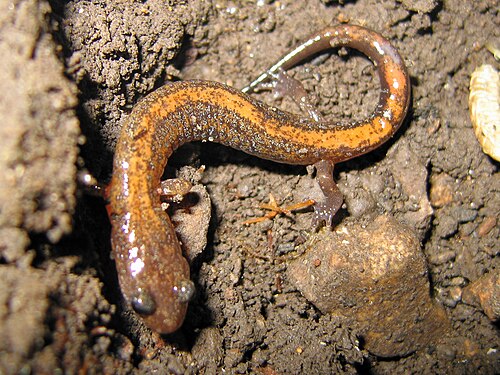
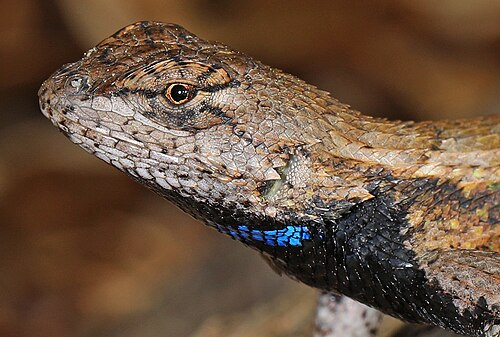
Most seen in March
Plants and fungi at their peak in March

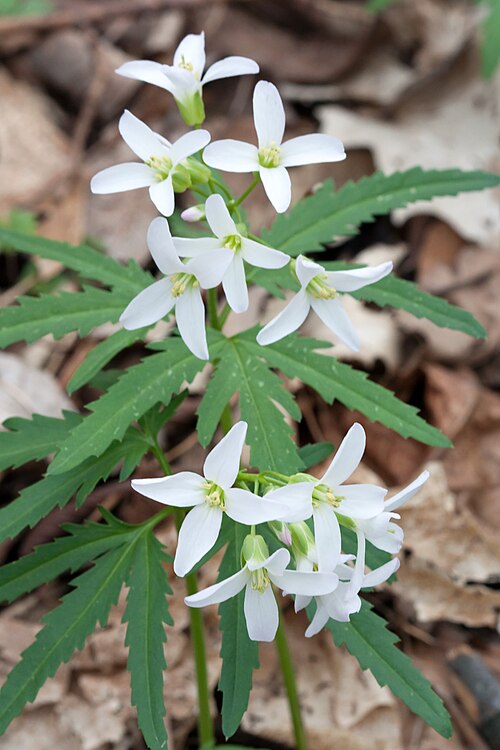

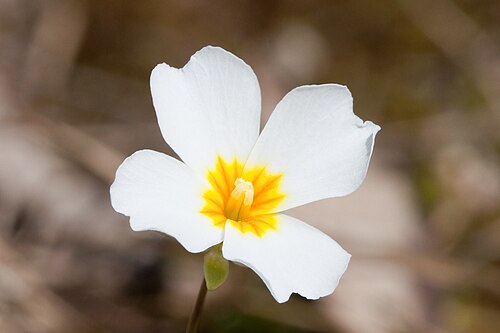
235,369 animal records in March.
At their peak in April


Most seen in April
Plants and fungi at their peak in April


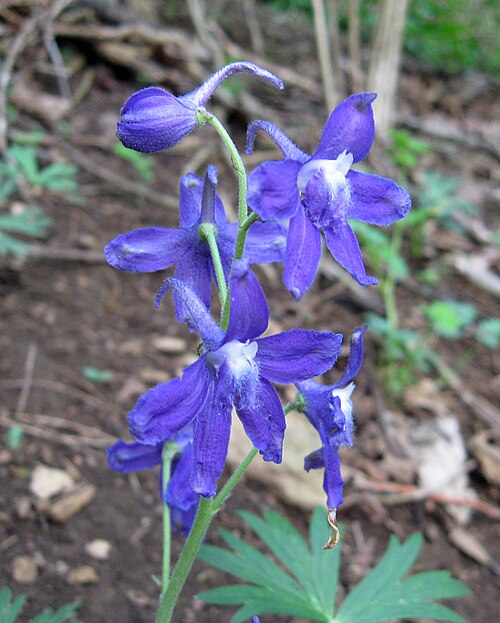
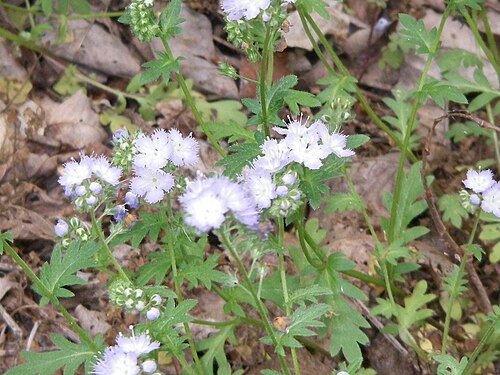
402,928 animal records in April.
At their peak in May


Most seen in May
Plants and fungi at their peak in May
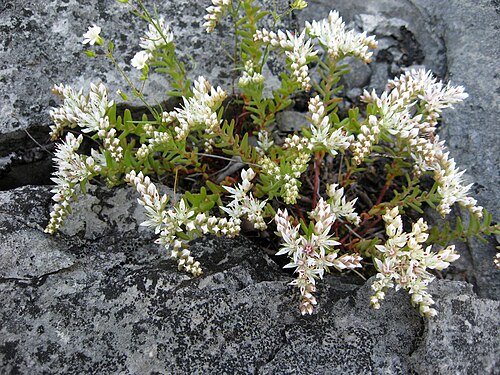
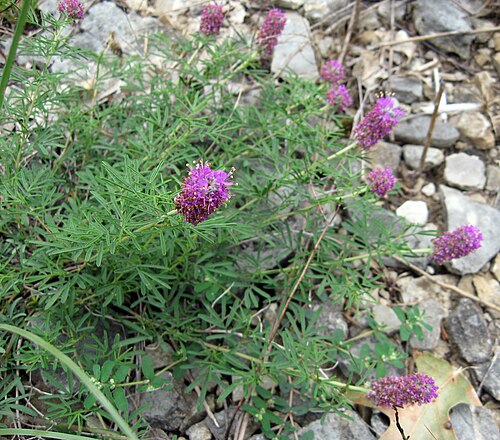


414,645 animal records in May.
At their peak in June
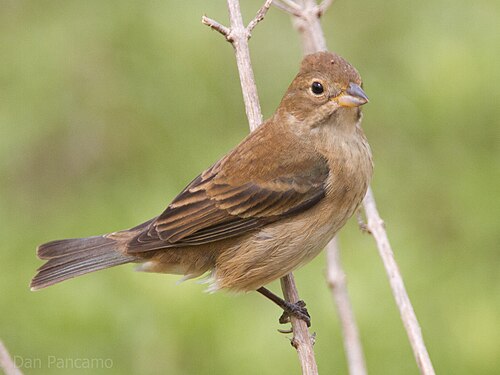
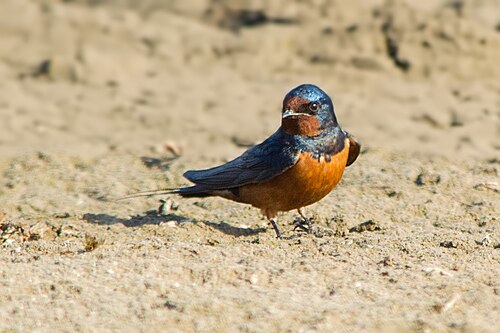

Most seen in June

Plants and fungi at their peak in June
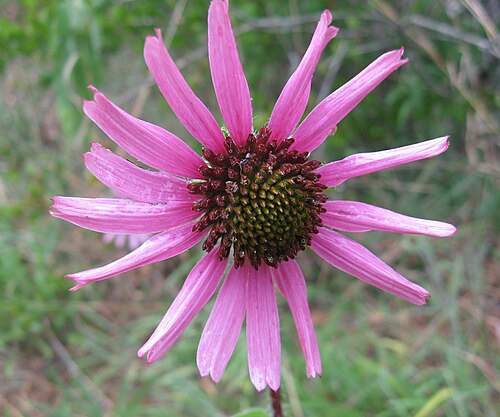

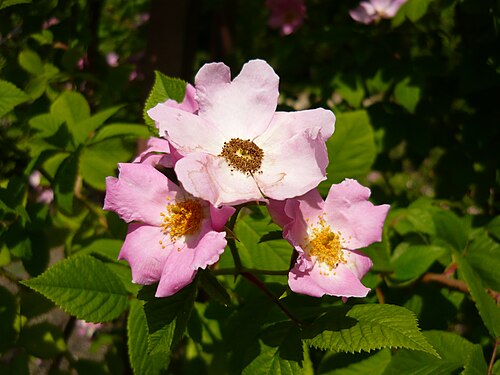
173,770 animal records in June.
At their peak in July
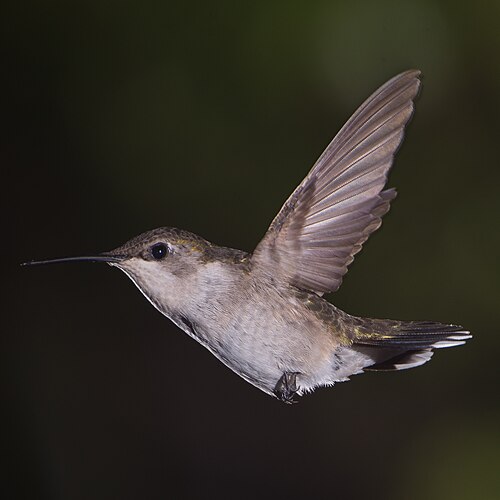

Most seen in July

Plants and fungi at their peak in July
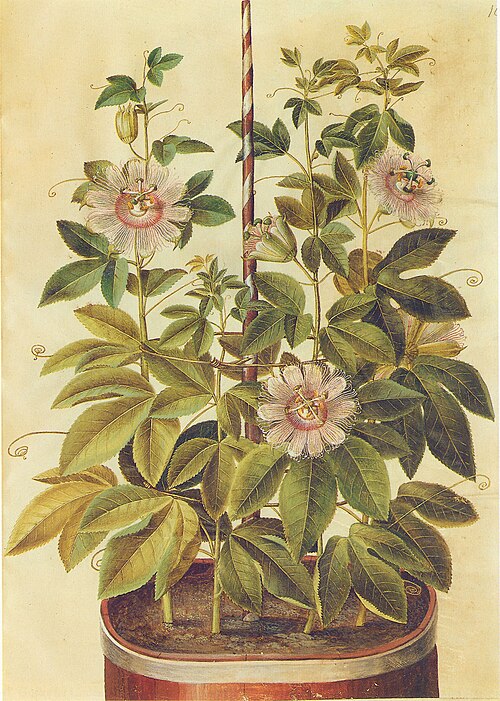
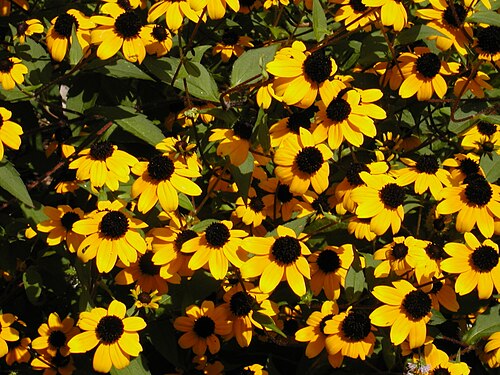
153,311 animal records in July.
At their peak in August
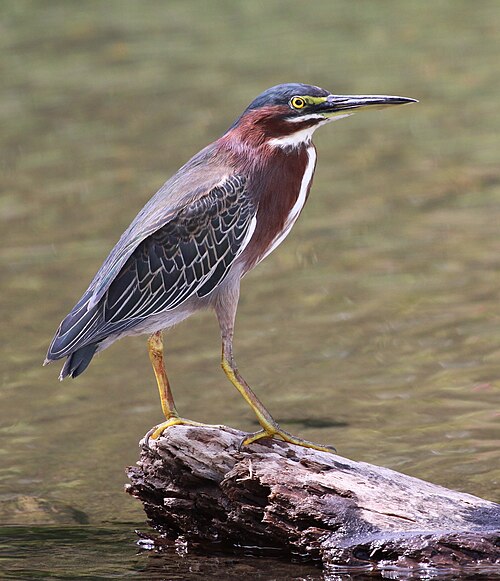
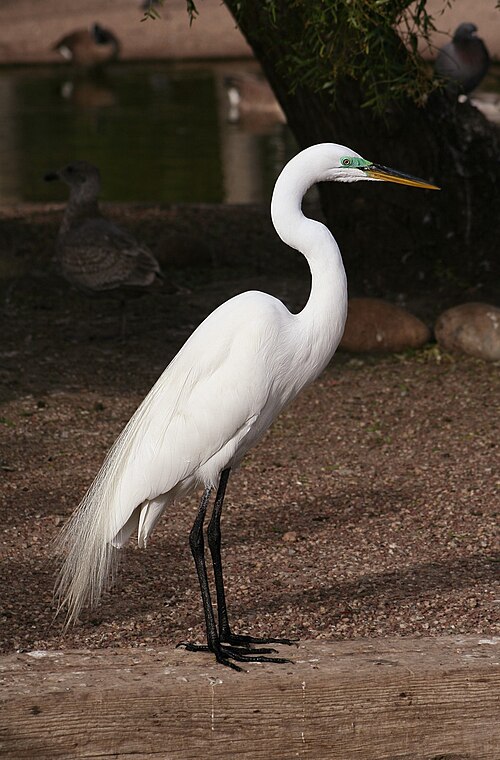
Most seen in August
Plants and fungi at their peak in August


154,556 animal records in August.
At their peak in September

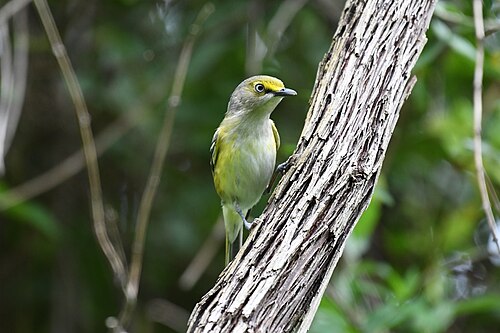
Most seen in September
Plants and fungi at their peak in September
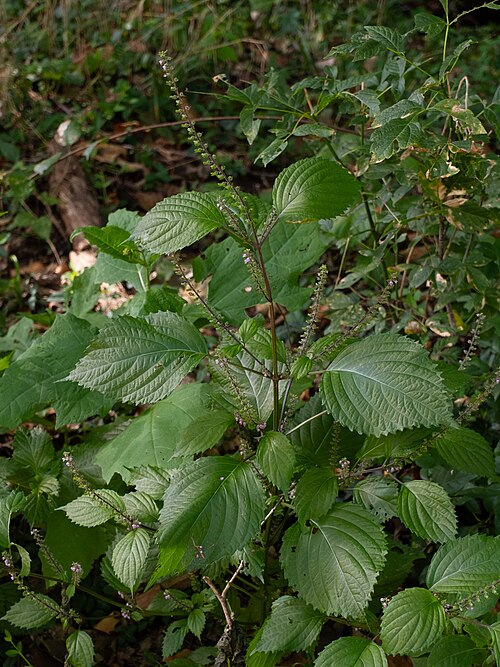
213,964 animal records in September.
At their peak in October
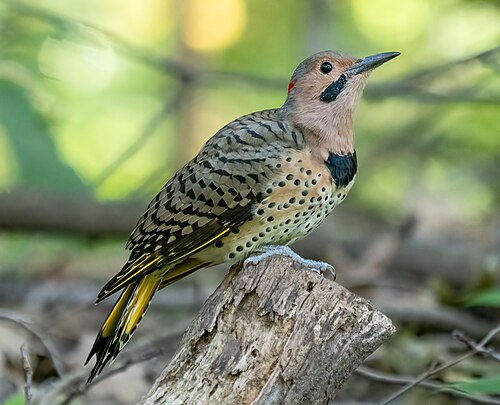


Most seen in October
Plants and fungi at their peak in October


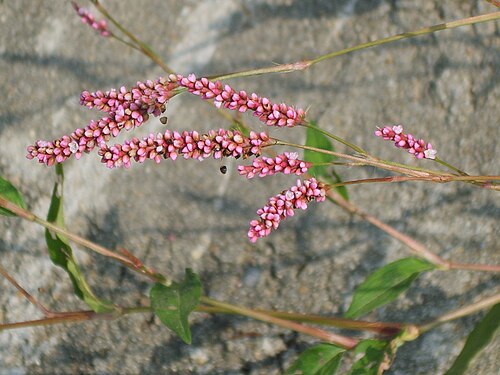
213,001 animal records in October.
At their peak in November

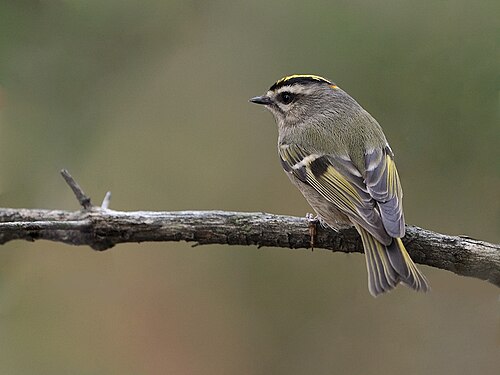
Most seen in November
Plants and fungi at their peak in November
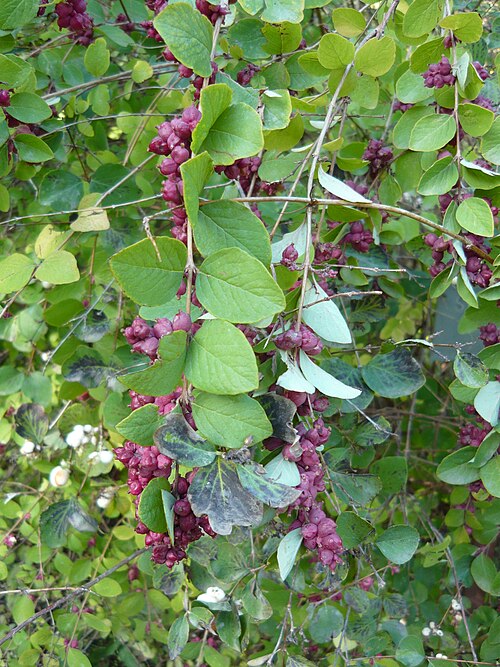
174,463 animal records in November.
Nashville is getting warmer
+1.2 °CAverage temperature around Nashville in 2016–2025, compared with 1981–1990.
Daylight: about 10 hours in December and 15 in June.
Seen something near Nashville?
Share a photo of it on iNaturalist. Other naturalists help name it, and confirmed records go to GBIF, where scientists use them. That is where the lists on this page come from.
Explore next
What puts Nashville under pressure, what helps, and who works on it.
Nashville on the living planet
More places near Nashville
Sources and photo credits
- Wikidata · Nashville (Q23197), facts and nature places
- Wikipedia page views · how well known each nature place is
- OpenStreetMap contributors via Waymarked Trails · marked walking routes (ODbL)
- GBIF · human observations within 50 km, 2016–2025 (2,721,068 animal records)
- NASA POWER · yearly temperature from satellite and model data (MERRA-2)
- MET Norway · weather now (shown live)
- Nashville, United States: King of Hearts, CC BY-SA 4.0
- Bicentennial Mall State Park, Nashville: Thegreenj, CC BY-SA 3.0
- Percy Priest Lake, Nashville: USACE photo by Todd Yann, Public domain
- Centennial Park, Nashville: Ramullins42, CC BY-SA 4.0
- Nashville Basin, Nashville: Mason Brock (Masebrock), Public domain
- Radnor Lake State Natural Area, Nashville: Jonathan James from Nashville, USA, CC BY 2.0
- Warner Parks, Nashville: Peg Duthie, CC BY-SA 4.0
- Shelby Park, Nashville: Kaldari, Public domain
- Pinkerton Park, Nashville: Afewanoncontribs, CC BY-SA 4.0
- Northern cardinal: patricia pierce, CC BY 2.0
- American robin: Rhododendrites, CC BY-SA 4.0
- Blue jay: Rhododendrites, CC BY-SA 4.0
- White-tailed deer: USDA photo by Scott Bauer, Public domain
- Pond slider: Happyswissman, CC BY 3.0
- Eastern gray squirrel: Dominic Nelson, CC BY-SA 4.0
- Monarch: Rhododendrites, CC BY-SA 4.0
- Common eastern bumble bee: https://www.flickr.com/photos/gillesgonthier/297487697/, CC BY 2.0
- Carolina chickadee: DickDaniels (http://carolinabirds.org), CC BY-SA 3.0
- Smallmouth bass: Eric Engbretson, U.S. Fish and Wildlife Service, Public domain
- Gulf fritillary: iNaturalist.org (Dennis Vollmar), CC BY 4.0
- Common box turtle: Brian Stansberry, CC BY 3.0
- Dark-eyed junco: Cephas, CC BY-SA 3.0
- Ring-billed gull: Fabian Roudra Baroi, CC BY-SA 4.0
- Pied-billed grebe: Channel City Camera Club from Santa Barbara, US, CC BY 2.0
- Yellow-bellied sapsucker: Charles J. Sharp, CC BY-SA 4.0
- Tufted titmouse: Rhododendrites, CC BY-SA 4.0
- Gadwall: Andreas Trepte, CC BY-SA 2.5
- Ring-necked duck: Becky Matsubara from El Sobrante, California, CC BY 2.0
- Bufflehead: Mdf, CC BY-SA 3.0
- Red-breasted merganser: Channel City Camera Club from Santa Barbara, US, CC BY 2.0
- Northern zigzag salamander: GregTheBusker, CC BY 2.0
- Eastern fence lizard: Judy Gallagher, CC BY 2.0
- Virginia springbeauty: Kaldari, Public domain
- Cut-leaf toothcup: Ryan Kaldari, Public domain
- Red dead-nettle: Daniel J. Layton, CC BY-SA 4.0
- Cedar gladecress: Kaldari, Public domain
- Blue-grey gnatcatcher: U.S. Fish and Wildlife Service Southeast Region, Public domain
- Northern rough-winged swallow: Basar, CC BY-SA 3.0
- Tree swallow: Rhododendrites, CC BY-SA 4.0
- Northern parula: Rhododendrites, CC BY-SA 4.0
- Mayapple: Jennifer Anderson, USDA, Public domain
- Cancerweed: Kaldari, Public domain
- Dwarf larkspur: Mason Brock (Masebrock), Public domain
- Miami-mist: User:Halpaugh, Public domain
- Eastern wood pewee: Rhododendrites, CC BY-SA 4.0
- Red-eyed vireo: John Benson from Madison WI, CC BY 2.0
- Summer tanager: Mike's Birds, CC BY-SA 2.0
- Great crested flycatcher: Mykola Swarnyk, CC BY-SA 3.0
- Widowscross: Mason Brock (Masebrock), Public domain
- Purpletassels: Mason Brock (Masebrock), CC0
- Multiflora rose: AnRo0002, CC0
- Gattinger's lobelia: Mason Brock (Masebrock), Public domain
- Northern mockingbird: Rhododendrites, CC BY-SA 4.0
- Indigo bunting: Dan Pancamo, CC BY-SA 2.0
- Barn swallow: Morhaf Aljanee, CC BY-SA 3.0
- Yellow-billed cuckoo: Rhododendrites, CC BY-SA 4.0
- Tennessee purple-coneflower: Mason Brock (Masebrock), Public domain
- Trumpet-creeper: Miwasatoshi, CC BY-SA 4.0
- Prairie rose: Cillas, CC BY-SA 4.0
- Mourning dove: Rhododendrites, CC BY-SA 4.0
- Ruby-throated hummingbird: Pslawinski, CC BY-SA 4.0
- Eastern kingbird: Rhododendrites, CC BY-SA 4.0
- Purple passionflower: Hans-Simon Holtzbecker, Public domain
- Thin-leaved coneflower: b:User:SBJohnny, Public domain
- Green heron: Basar, CC BY-SA 3.0
- Great egret: Calibas, CC BY-SA 3.0
- White crownbeard: Mason Brock (Masebrock), Public domain
- Blue mistflower: KENPEI, CC BY 3.0
- Magnolia warbler: Cephas, CC BY-SA 3.0
- White-eyed vireo: lwolfartist, CC BY 2.0
- Beefsteak mint: Alex Abair, CC BY 4.0
- Northern flicker: Rhododendrites, CC BY-SA 4.0
- Tennessee warbler: Jerry Oldenettel, CC BY-SA 2.0
- Black-throated green warbler: Rhododendrites, CC BY-SA 4.0
- Amur honeysuckle: Taken by Fanghong, CC BY 2.5
- Osage-orange: Thomas R Machnitzki (thomasmachnitzki.com), CC BY 3.0
- Bristly lady's-thumb: Dalgial, CC BY-SA 3.0
- Cedar waxwing: Jason Quinn, CC BY-SA 3.0
- Golden-crowned kinglet: Gary Irwin, CC BY-SA 2.0
- Coralberry: Cillas, CC BY-SA 4.0


Wildlife records show where people have seen and shared plants and animals, not everything that lives here; some places and months are recorded more than others. Sensitive species are never shown with a month or as seen recently. Routes come from OpenStreetMap and are not checked by 4Planet: follow local signs and conditions. Climate figures are NASA estimates for the area around Nashville, not a single weather station.
Checked 2026-11-27.