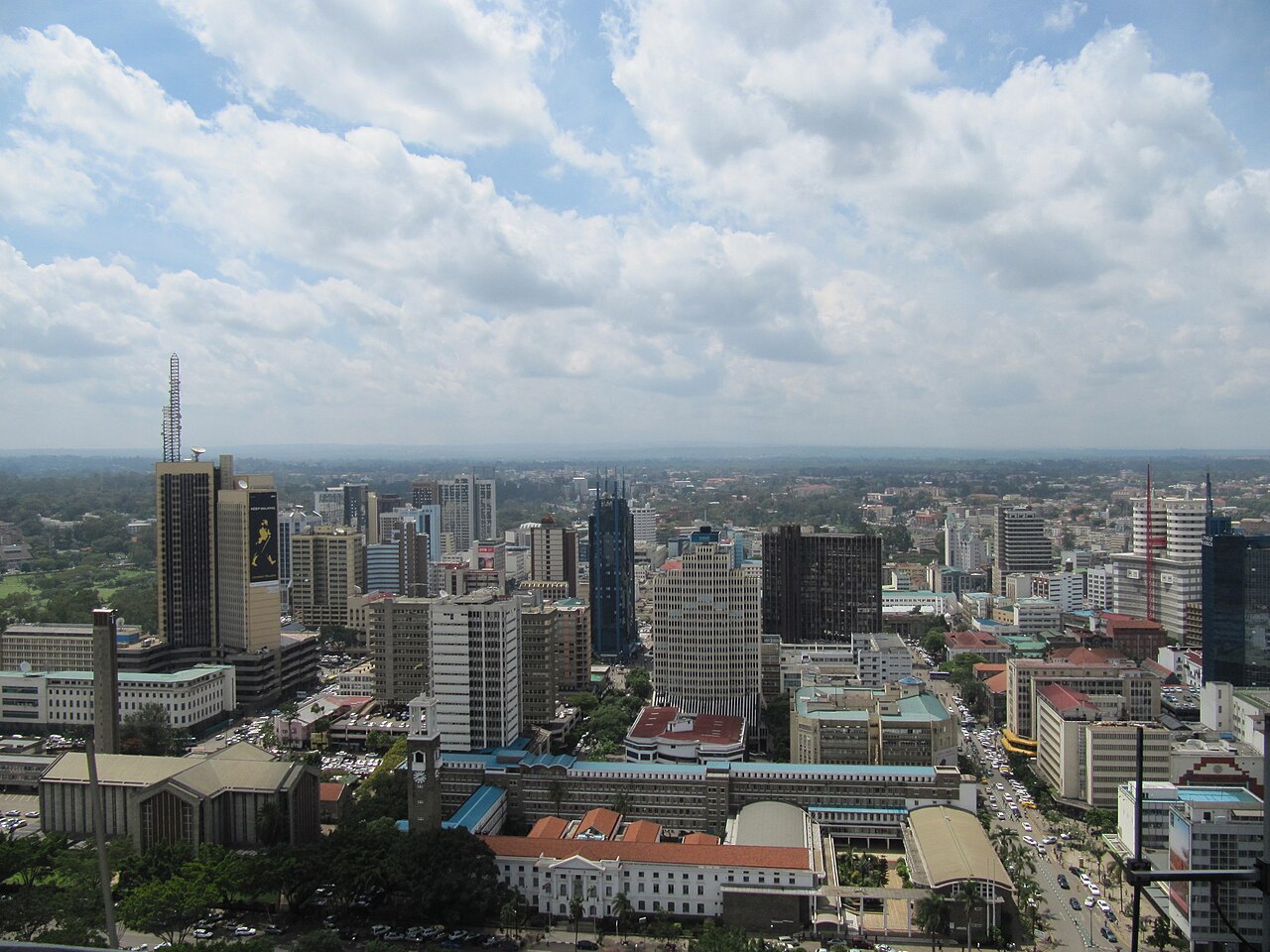
Nairobi
Capital city of Kenya
Within 30 km of the centre of Nairobi, the nature places people read about most are Nairobi National Park, Karura Forest, Ngong Hills and Athi-Galana-Sabaki River.
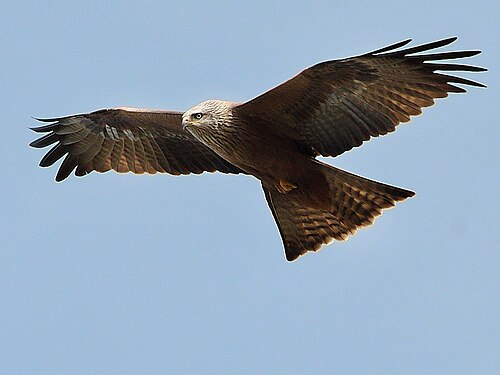
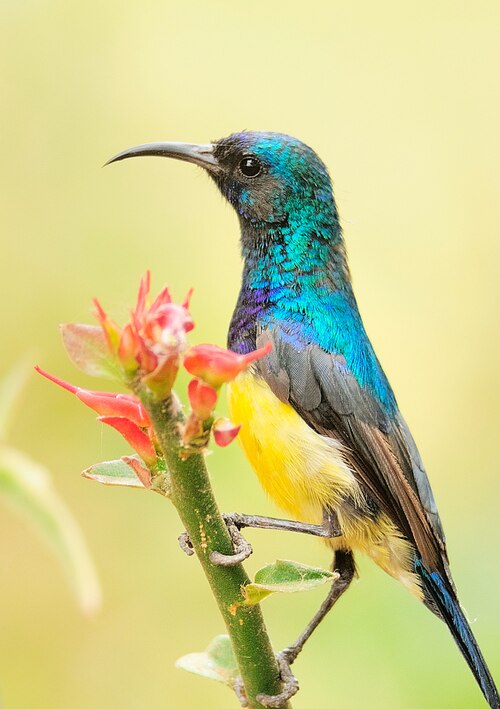
People have shared 773,648 wildlife records within 50 km of Nairobi in the last ten years. The wild animals recorded most often are the pied crow, the hadada ibis, the black kite, the variable sunbird and the speckled mousebird. Since the 1980s the area has become about 0.9 °C warmer.
Of the 93 cities on Atlas, Nairobi has the 13th most species named on its page. Among the animals people record most around Nairobi, the variable sunbird and the speckled mousebird appear on no other city page here.
- Country
- Kenya
- Population
- 5.5 million
- Area
- 696 km²
- Elevation
- 1,661 m
- Currency
- Kenyan shilling
- Time zone
- UTC+3
- Daylight
- About 12 hours all year
Figures from Wikidata; population 2016.
Nairobi on the map
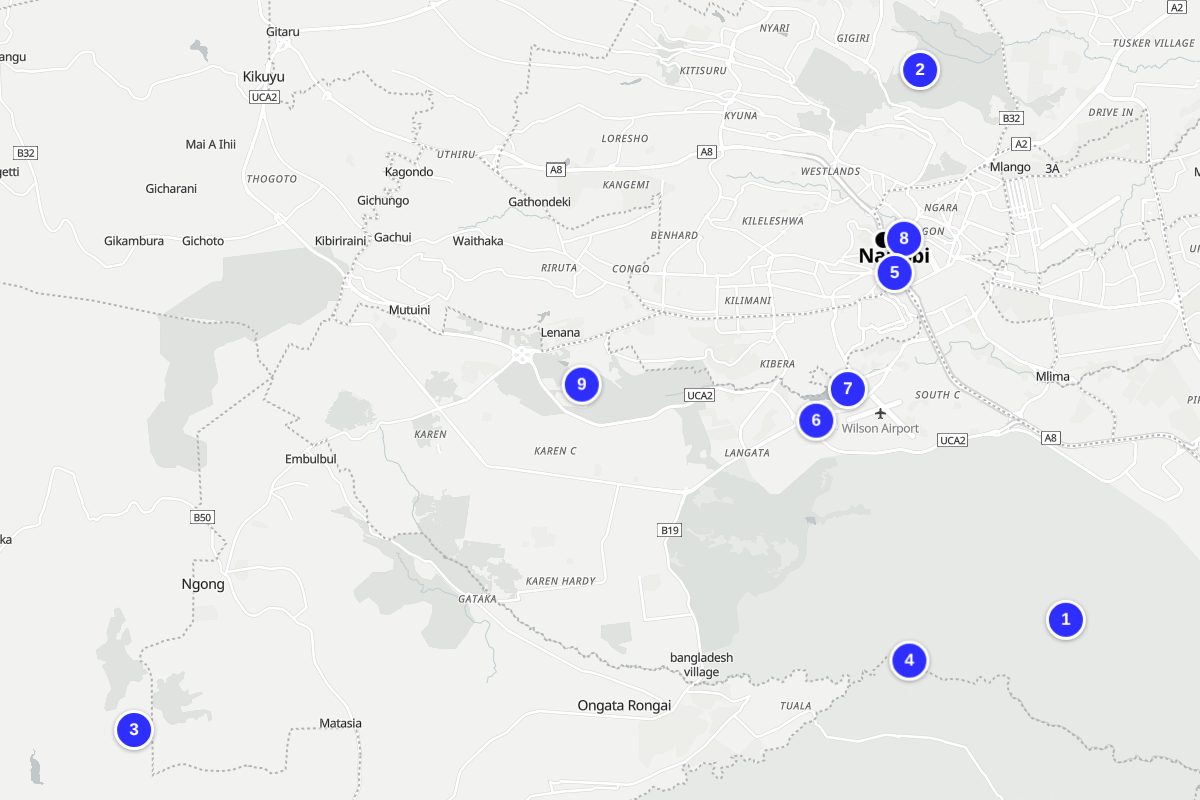
Numbers match the places below. Map: © OpenStreetMap contributors, OpenFreeMap.
- Nairobi National Park
- Karura Forest
- Ngong Hills
- Athi-Galana-Sabaki River
- Uhuru Park
- Uhuru Gardens
- Nairobi Dam
- Jeevanjee Gardens
- Ngong Forest
Nature close to Nairobi
The places people read most about, from the centre outwards.


- Nairobi National Park National park · 11 km
- Uhuru Park Park · 1 km
- Nairobi Dam Embankment dam · 4 km
- Ngong Forest Park · 9 km
- Ngong Hills Forest Reserve Nature reserve · 24 km
- Gitathuru river River · 4 km
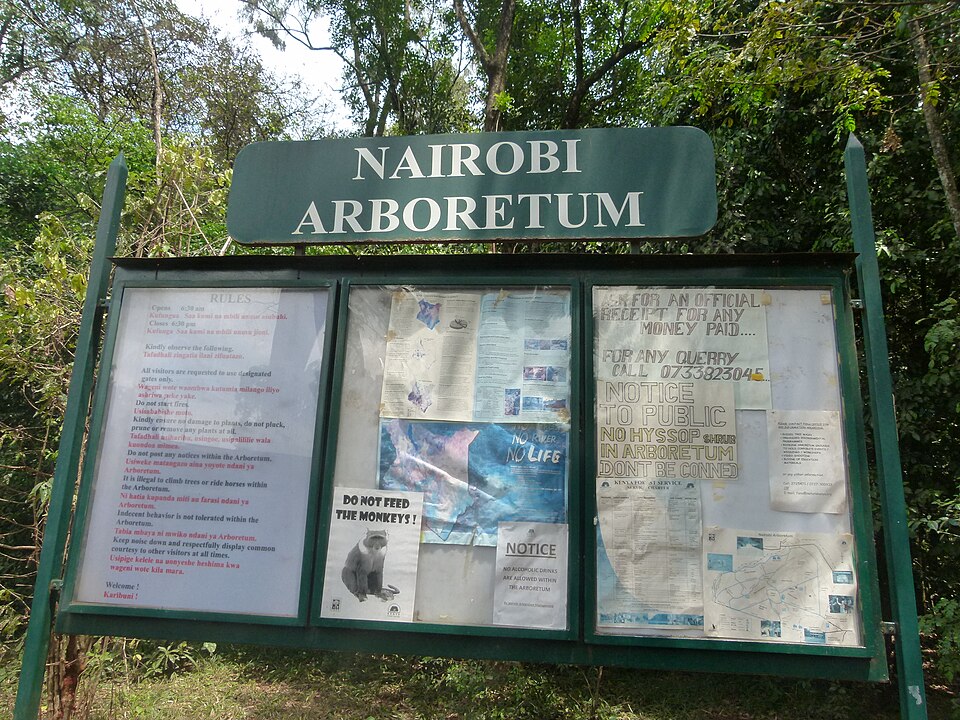
- Nairobi Botanic Garden Park · 1 km
- Kirichwa Kubwa River · 1 km
Routes from OpenStreetMap via Waymarked Trails. Not checked by 4Planet: follow local signs and conditions.
Wildlife around Nairobi
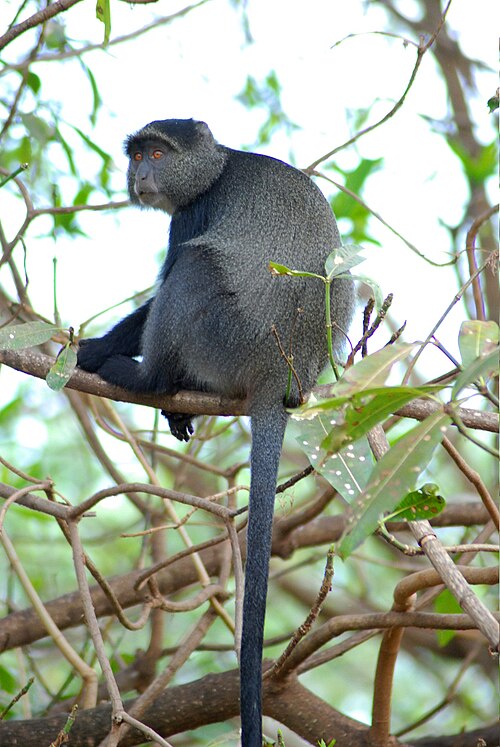
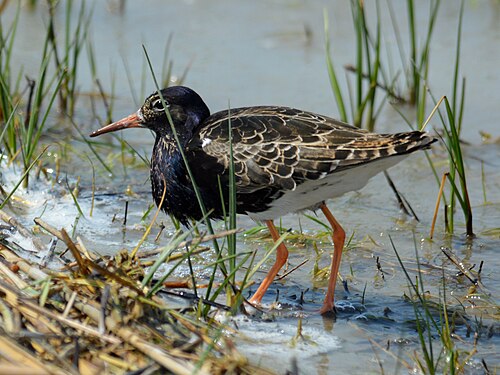
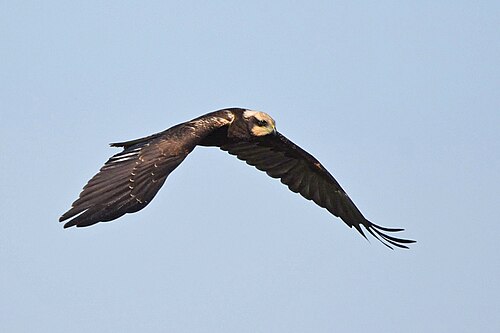
The wild animals people record most within 50 km, 2016–2025. Tick the ones you have seen to build your own list.





Seen in the last 30 days
What can you see near Nairobi now?
Month by month, from 773,648 records people shared within 50 km, 2016–2025.
At their peak in January


Most seen in January
71,584 animal records in January.
At their peak in February


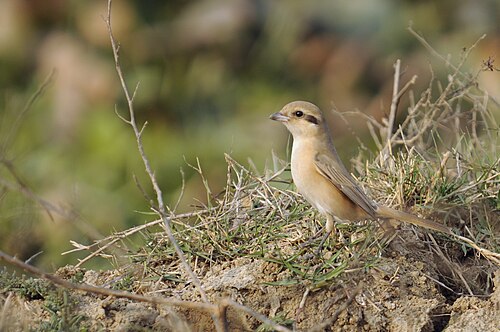
Most seen in February
58,397 animal records in February.
At their peak in March

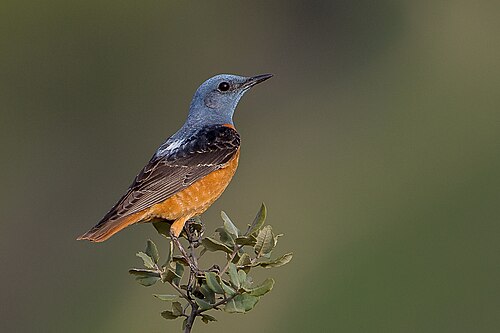


Most seen in March
66,601 animal records in March.


At their peak in May


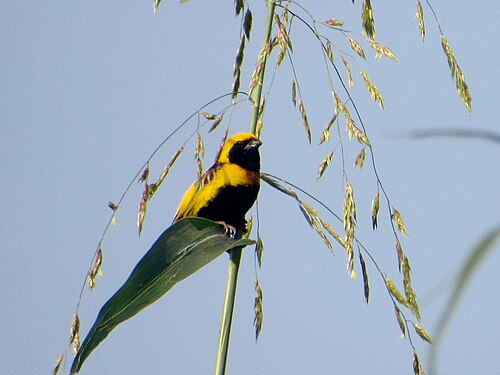
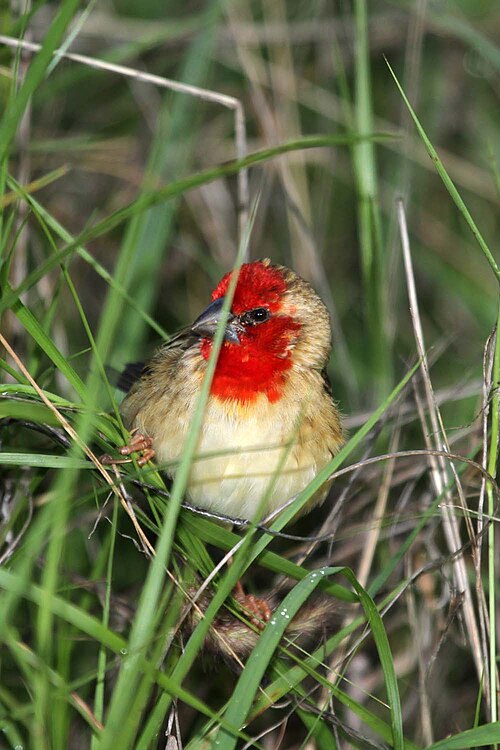
Most seen in May
74,299 animal records in May.
At their peak in June
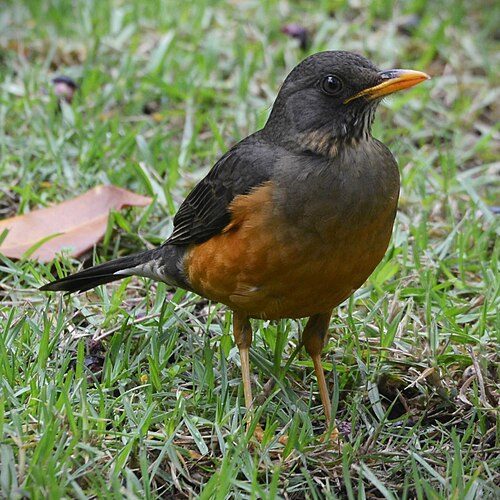

Most seen in June
54,659 animal records in June.
At their peak in July
Most seen in July
54,619 animal records in July.
At their peak in August


Most seen in August
58,071 animal records in August.

At their peak in October
Most seen in October
76,230 animal records in October.
At their peak in November


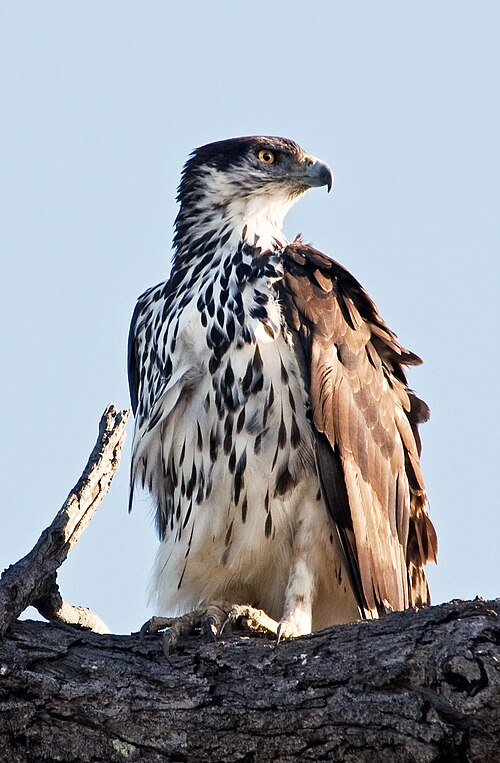
Most seen in November
74,741 animal records in November.
At their peak in December

Most seen in December
62,579 animal records in December.
Nairobi is getting warmer
+0.9 °CAverage temperature around Nairobi in 2016–2025, compared with 1981–1990.
Daylight: about 12 hours in December and 12 in June.
Seen something near Nairobi?
Share a photo of it on iNaturalist. Other naturalists help name it, and confirmed records go to GBIF, where scientists use them. That is where the lists on this page come from.
Explore next
What puts Nairobi under pressure, what helps, and who works on it.
Nairobi on the living planet
More places near Nairobi
Sources and photo credits
- Wikidata · Nairobi (Q3870), facts and nature places
- Wikipedia page views · how well known each nature place is
- OpenStreetMap contributors via Waymarked Trails · marked walking routes (ODbL)
- GBIF · human observations within 50 km, 2016–2025 (773,648 animal records)
- NASA POWER · yearly temperature from satellite and model data (MERRA-2)
- MET Norway · weather now (shown live)
- Natural Earth · populated place 1159151597, public domain
- Nairobi, Kenya: Daryona, CC BY-SA 3.0
- Karura Forest, Nairobi: Ninara, CC BY 2.0
- Ngong Hills, Nairobi: Rotsee2, CC BY-SA 3.0
- Athi-Galana-Sabaki River, Nairobi: Matt and Kim Rudge, CC BY 2.0
- Uhuru Gardens, Nairobi: Luide Kakembo, CC BY-SA 4.0
- Jeevanjee Gardens, Nairobi: Jorge Láscar from Australia, CC BY 2.0
- Nairobi Arboretum, Nairobi: Ahero dala, CC BY-SA 4.0
- Pied crow: Frank Vassen from Brussels, Belgium, CC BY 2.0
- Hadada ibis: Sumeet Moghe, CC BY-SA 3.0
- Black kite: Thomas Kraft (ThKraft), CC BY-SA 2.5
- Variable sunbird: Yathin S Krishnappa, CC BY-SA 3.0
- Speckled mousebird: JerryFriedman, CC BY-SA 3.0
- Blue monkey: Pedro Gonnet, CC BY 2.5
- Impala: Mutari, CC BY-SA 3.0
- Jackson's chameleon: AMMuench, CC BY 4.0
- Masai giraffe: Bjørn Christian Tørrissen, CC BY-SA 3.0
- Nile crocodile: Tim Muttoo, CC BY-SA 2.0
- African caper white: Svdmolen, CC BY 3.0
- Soldier pansy: Diego Delso, CC BY-SA 4.0
- Western yellow wagtail: Kathy2408, CC BY-SA 4.0
- Eurasian blackcap: Ron Knight from Seaford, East Sussex, United Kingdom, CC BY 2.0
- Ruff: Wald1siedel, CC BY-SA 4.0
- Western marsh harrier: Pierre-Marie Epiney, CC BY-SA 2.0
- Northern wheatear: Andreas Trepte, CC BY-SA 2.5
- Isabelline wheatear: Lip Kee Yap, CC BY-SA 2.0
- Isabelline shrike: T. R. Shankar Raman, CC BY-SA 3.0
- Willow warbler: Andreas Trepte, CC BY-SA 2.5
- Common rock thrush: Pierre Dalous, CC BY-SA 3.0
- Whinchat: Artur Mikołajewski, CC BY 2.5
- European roller: Saeed Davari, CC BY-SA 4.0
- Red-backed shrike: Zeynel Cebeci, CC BY-SA 4.0
- Lesser grey shrike: Daniel Bastaja, http://www.birdingfaqs.com/, CC BY 3.0
- Red-collared widowbird: Bernard DUPONT from FRANCE, CC BY-SA 2.0
- Jackson's widowbird: Francesco Veronesi from Italy, CC BY-SA 2.0
- Yellow-crowned bishop: luckyatabo, CC BY 4.0
- Cardinal quelea: Martin Grimm, CC BY 2.0
- Olive thrush: Gouldingken, CC BY 4.0
- Orange-breasted waxbill: Alan Manson, CC BY-SA 2.0
- Black cuckooshrike: Francesco Veronesi from Italy, CC BY-SA 2.0
- Wattled starling: Bernard DUPONT from FRANCE, CC BY-SA 2.0
- Violet-backed starling: Charles J. Sharp, CC BY-SA 4.0
- Lilac-breasted roller: Giles Laurent, CC BY-SA 4.0
- Purple roller: Giles Laurent, CC BY-SA 4.0
- Thrush nightingale: cheloVechek / talk, CC BY-SA 4.0
- Common nightingale: Արարատ Թրվանց, CC BY-SA 4.0
- Pallid harrier: Koshy Koshy from Faridabad, Haryana, India, CC BY 2.0
- African hawk-eagle: Chris Eason, CC BY-SA 3.0
- Tree pipit: MPF, CC BY-SA 3.0


Wildlife records show where people have seen and shared plants and animals, not everything that lives here; some places and months are recorded more than others. Sensitive species are never shown with a month or as seen recently. Routes come from OpenStreetMap and are not checked by 4Planet: follow local signs and conditions. Climate figures are NASA estimates for the area around Nairobi, not a single weather station.
Checked 2026-11-20.