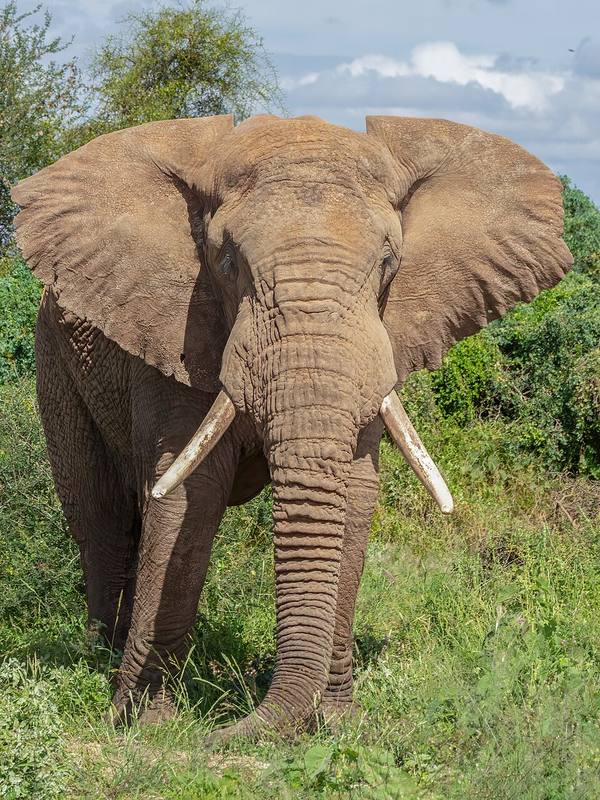
 African savanna elephantLoxodonta africana
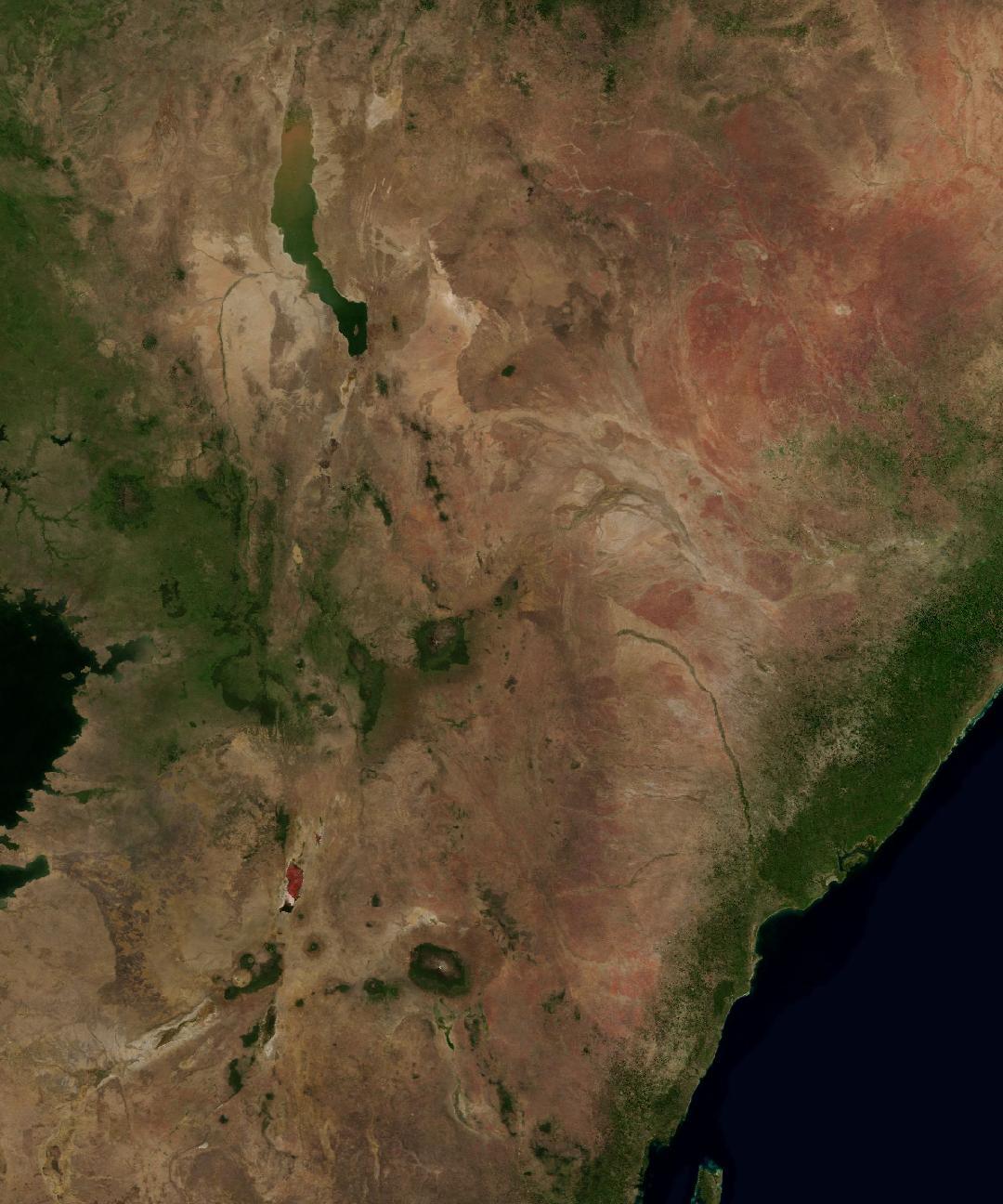
Kenya
A country in East Africa, on the equator.
Image: NASA Blue Marble. Borders: Natural Earth.
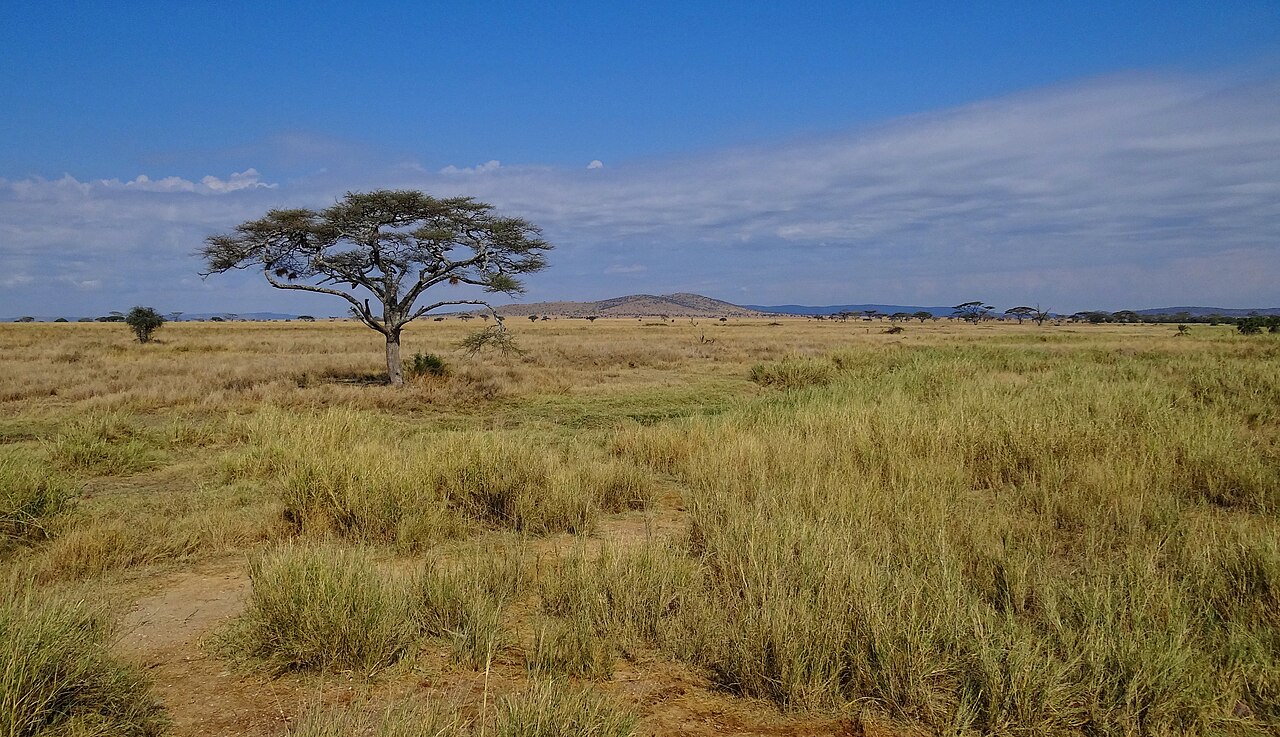
Kenya runs from the coral coast of the Indian Ocean to the glaciers of Mount Kenya. Between them lie open savanna, the Great Rift Valley with its chain of lakes, the dry plains of the north and Lake Turkana, the largest permanent desert lake in the world.
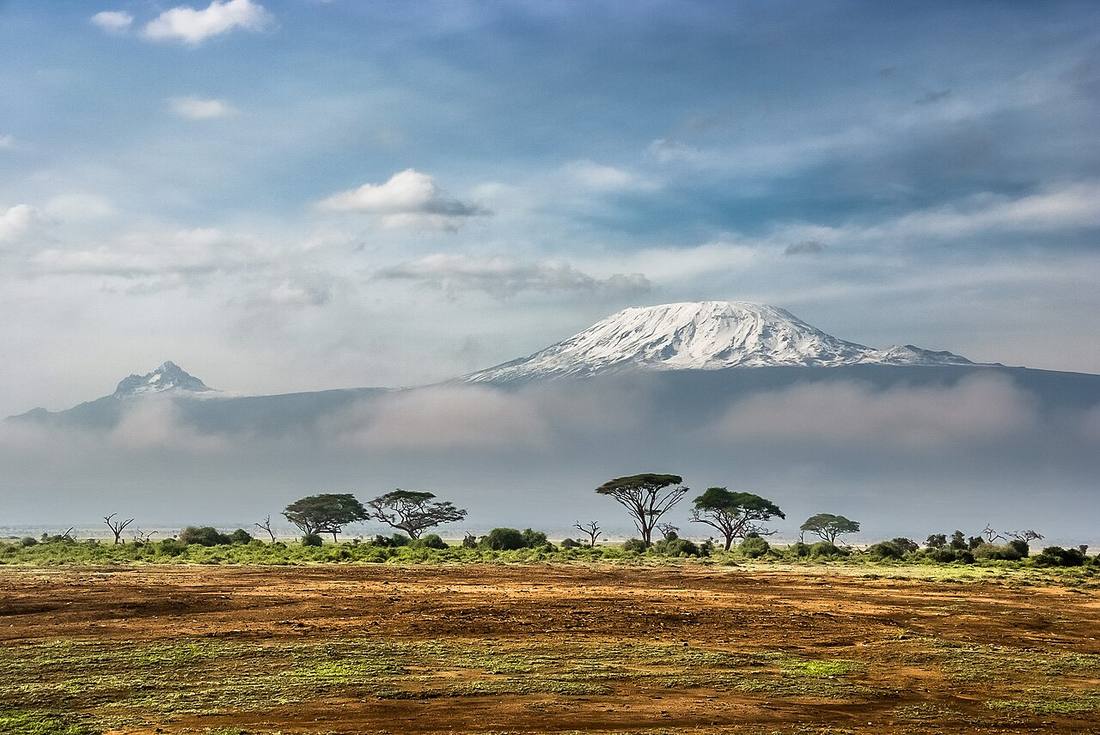
It is one of the best places on Earth to see large wild animals. Each year the Great Migration of wildebeest and zebra moves from Tanzania's Serengeti into the Maasai Mara, and elephants cross the plains of Amboseli with Kilimanjaro on the horizon.
Kenya
- Capital
- Nairobi
- Population
- 47.6 million
- Area
- 580,367 km²
- Continent
- Africa
- Highest point
- Mount Kenya, 5,199 m
- Languages
- Swahili, English
- Currency
- Kenyan shilling
- Time zone
- UTC+3
Population from the 2019 national census.
Kenya in pictures
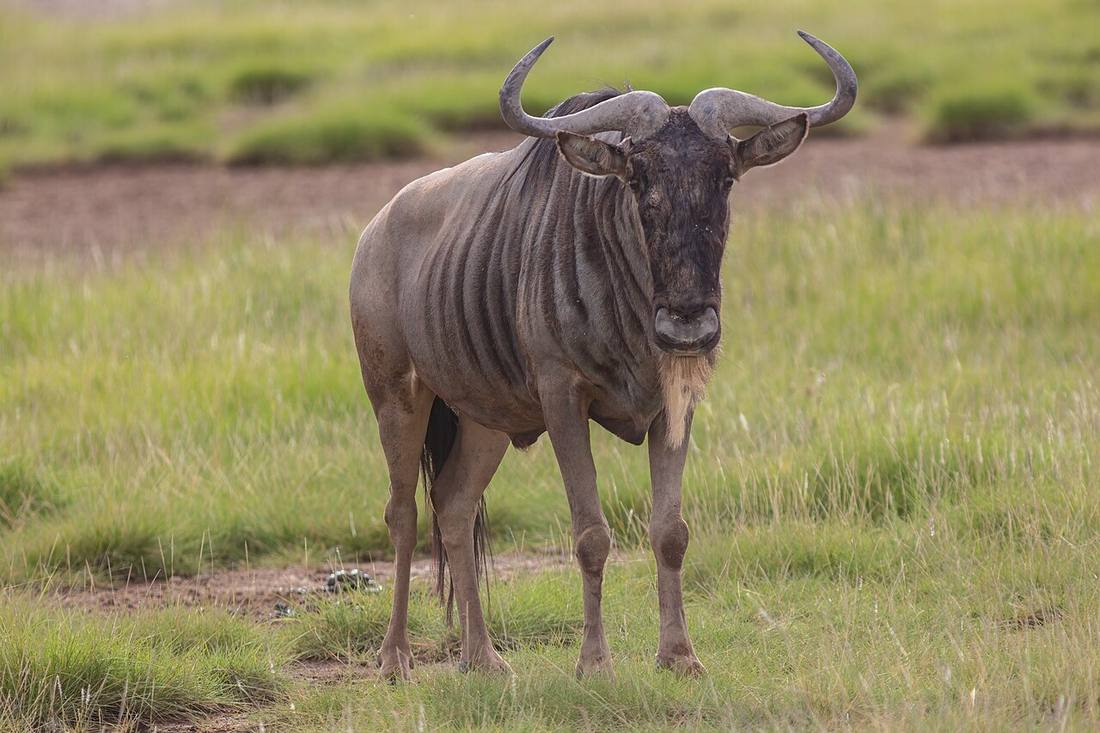
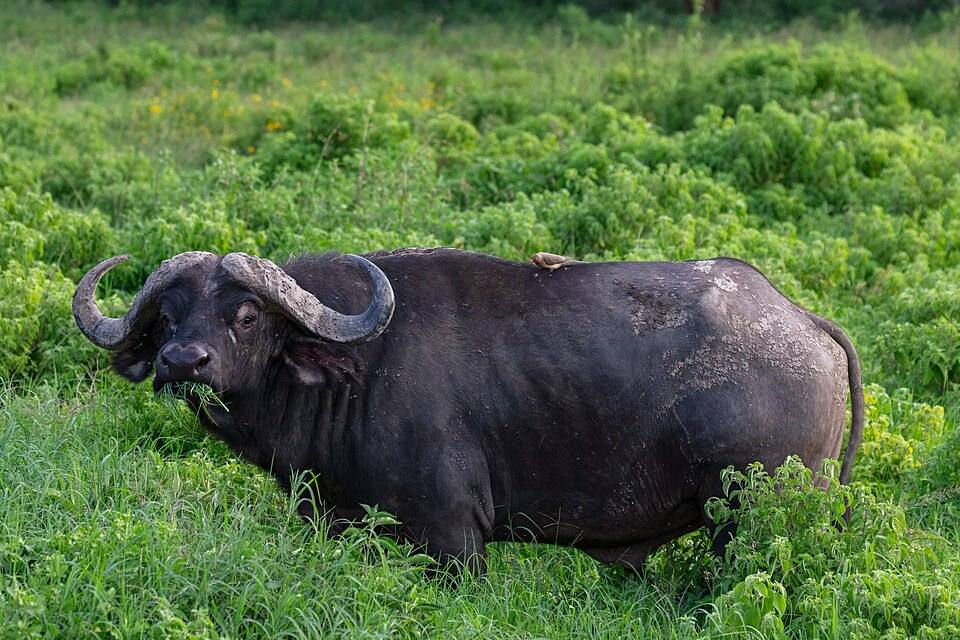
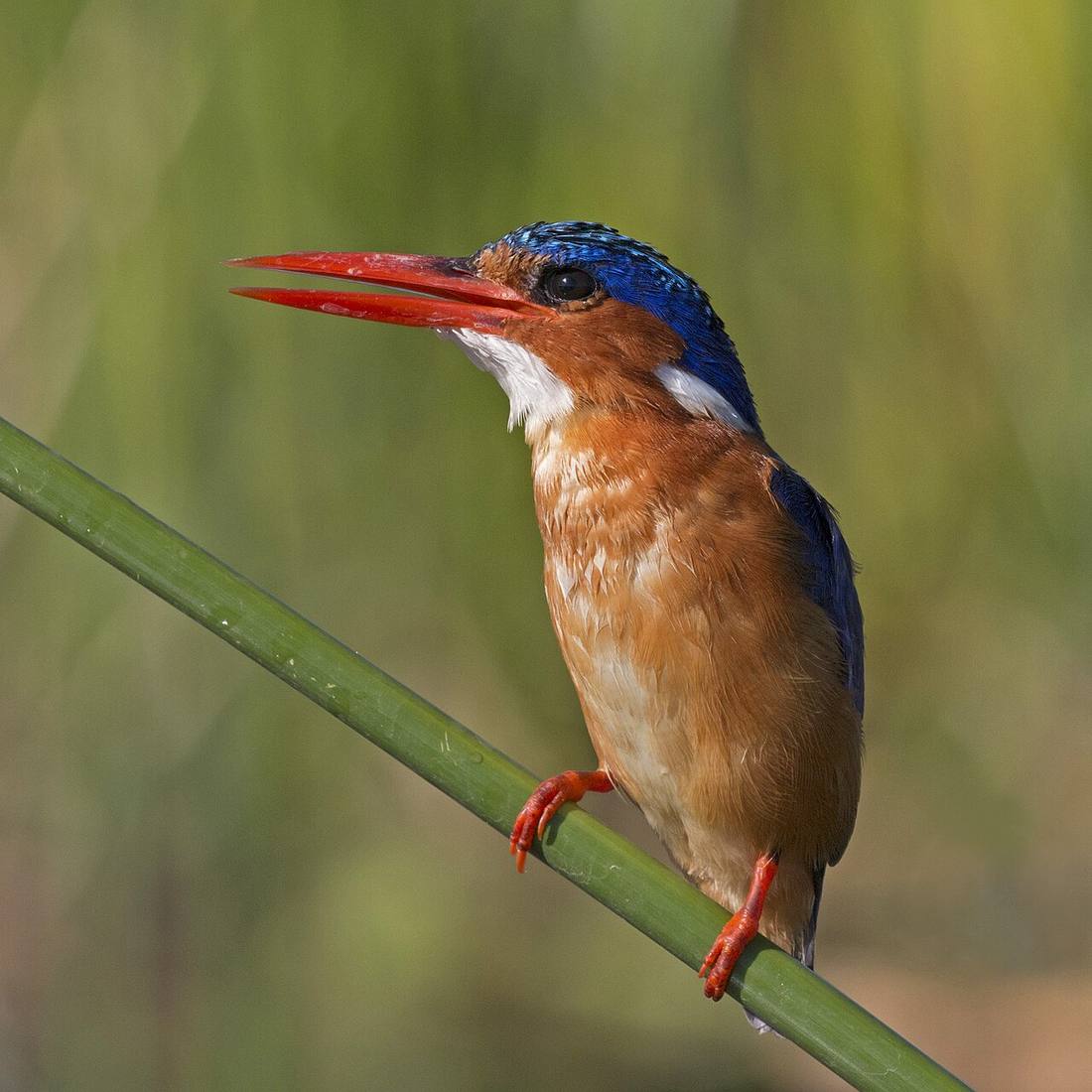
Which animals live in Kenya?
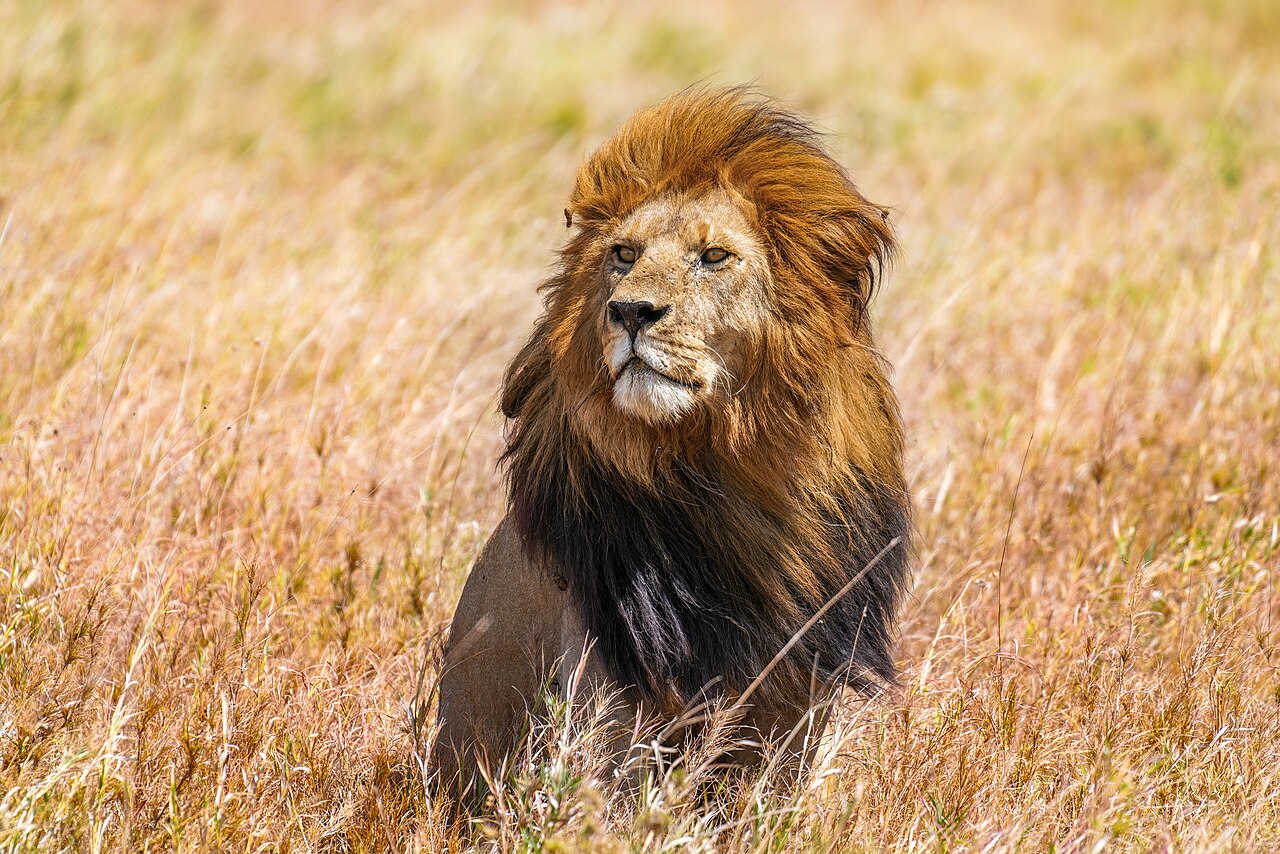
Kenya's savannas, forests and wetlands are home to the African savanna elephant, lion, leopard, cheetah, black rhinoceros, giraffe and hippopotamus. Lions, leopards, elephants and rhinos are four of the Big Five, the animals most people hope to see on a safari.
African savanna elephantLoxodonta africana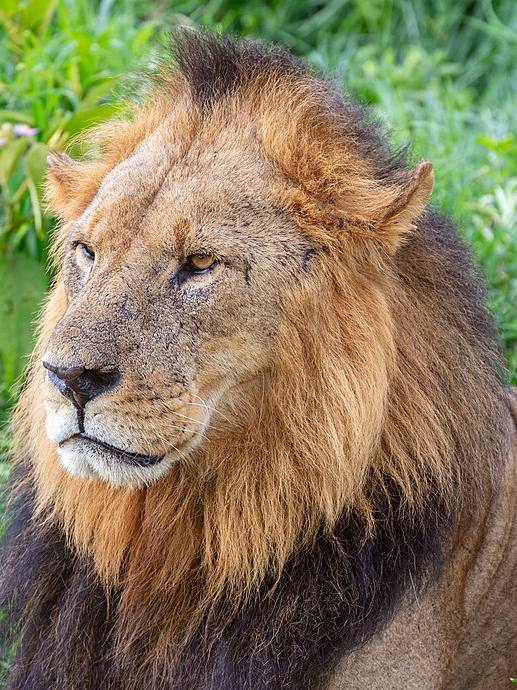 LionPanthera leo
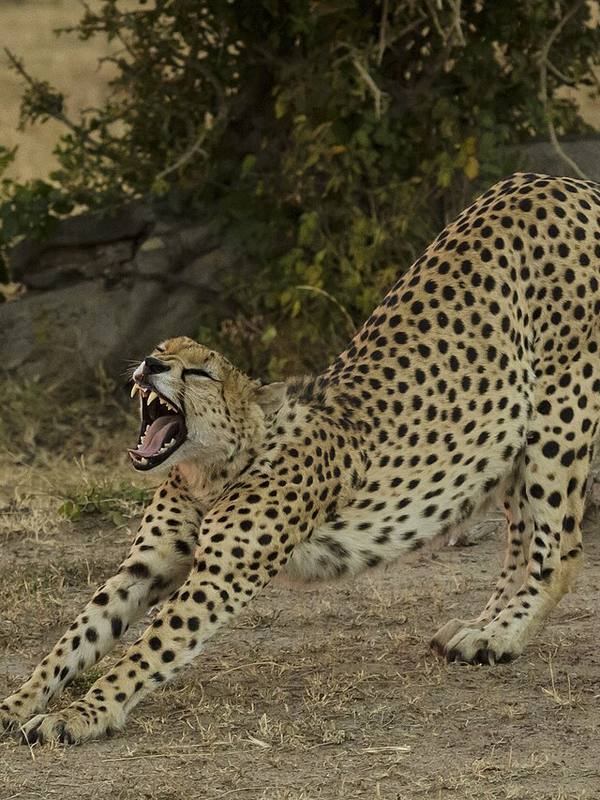 CheetahAcinonyx jubatus
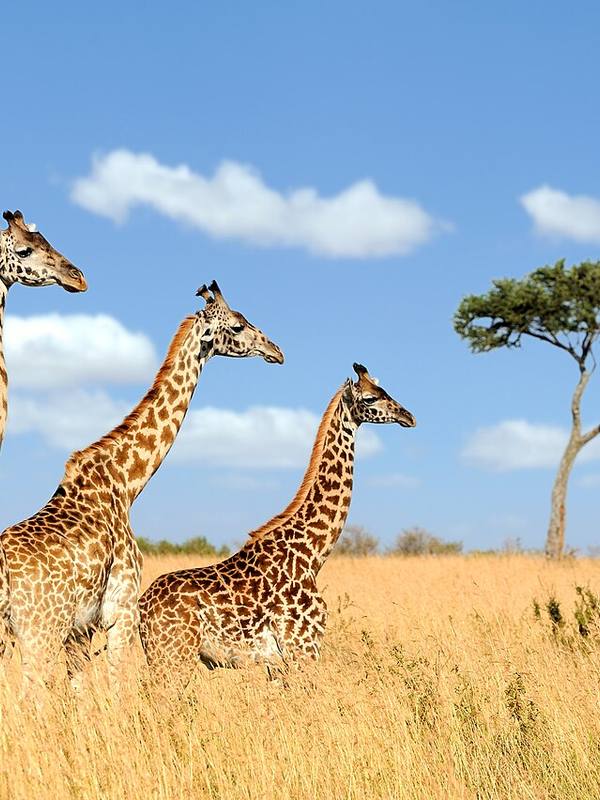 GiraffeGiraffa
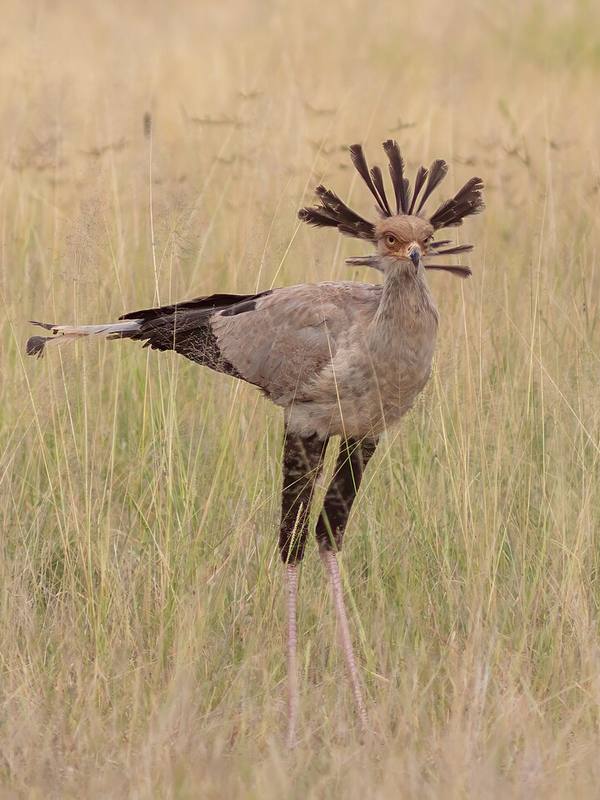 SecretarybirdSagittarius serpentarius
Where can you see them?
- Maasai MaraThe Great Migration
- AmboseliElephants below Kilimanjaro
- Tsavo East and WestOne of Kenya's largest protected areas
- Nairobi National ParkLions and rhinos beside the capital
- Mount KenyaForest, moorland and glaciers. UNESCO
- Lake TurkanaDesert lake and fossil sites. UNESCO
What is putting pressure on nature here?
As farms, towns and roads grow, wild animals have less room to move between the places they need. The Kenya Wildlife Service names four main pressures: habitats broken into pieces, conflict between people and wildlife, poaching and trafficking, and the effects of climate change.
Who is working on it
Towards Ending Drought Emergencies (TWENDE)
Ecosystem-based adaptation across Kenya's dry rangelands: restoration planning, water access and resilience to drought.
Read about the project in ImpactProfiled from public sources. Not a 4Planet partnership.
Learn more about Kenya
Explore next
What puts Kenya under pressure, what helps, and who works on it.
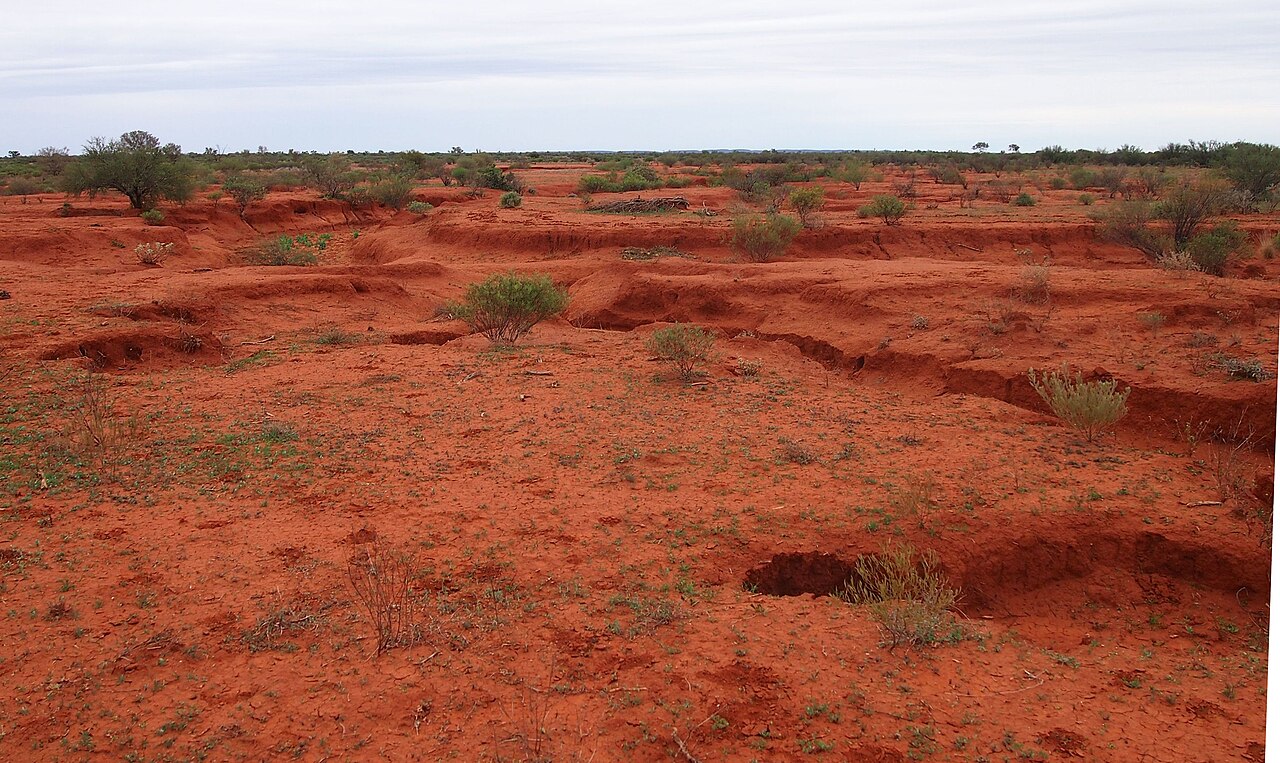
Kenya on the living planet
Keep exploring from Kenya
Cities in Kenya
Species pages with records from Kenya
Pied crowBlack kiteGrey heronBarn swallowGreat egretSecretarybirdHouse sparrowWood sandpiperGreat cormorantCommon greenshankNorthern wheatearWestern yellow wagtail
Countries nearby
Sources and photo credits
- Kenya National Bureau of Statistics · 2019 Population and Housing Census
- Kenya Wildlife Service · parks and conservation
- Kenya Wildlife Service · Strategic Plan 2024–2028 (pressures)
- UNESCO · Mount Kenya National Park and Natural Forest
- UNESCO · Lake Turkana National Parks
- CBD · Kenya country profile
- Protected Planet · Kenya
- GBIF · Kenya
- 4Planet Impact · TWENDE
- Natural Earth · country borders, public domain
- NASA GIBS · Blue Marble imagery, public domain
- Kilimanjaro seen from Amboseli National Park: Sergey Pesterev, CC BY-SA 4.0
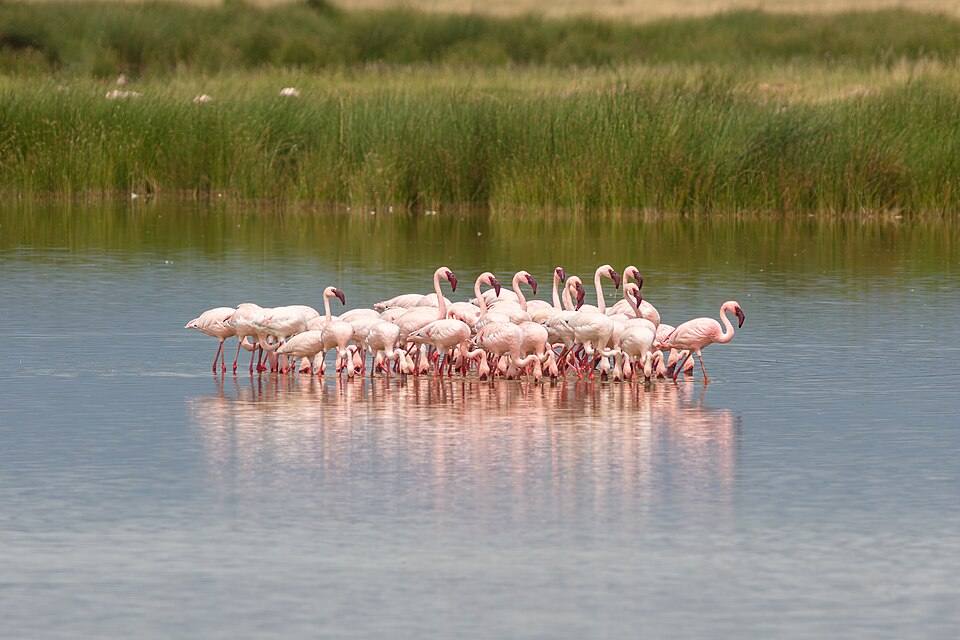
- Lesser flamingos, Amboseli National Park: Diego Delso, CC BY-SA 4.0
- Blue wildebeest, Amboseli National Park: Diego Delso, CC BY-SA 4.0
- African buffalo, Lake Nakuru National Park: Diego Delso, CC BY-SA 4.0
- Malachite kingfisher, Lake Baringo: Charles J. Sharp, CC BY-SA 4.0
- African savanna elephant, Amboseli: Diego Delso, CC BY-SA 4.0
- Lion, Lake Nakuru: Diego Delso, CC BY-SA 4.0
- Cheetah, Maasai Mara: Thomas Fuhrmann, CC BY-SA 4.0
- Giraffes, Maasai Mara: Byrdyak, CC BY-SA 4.0
- Secretarybird, Amboseli: Diego Delso, CC BY-SA 4.0


Borders and the capital show where Kenya is. They do not on their own show where animals live today.
Checked 2026-11-18.