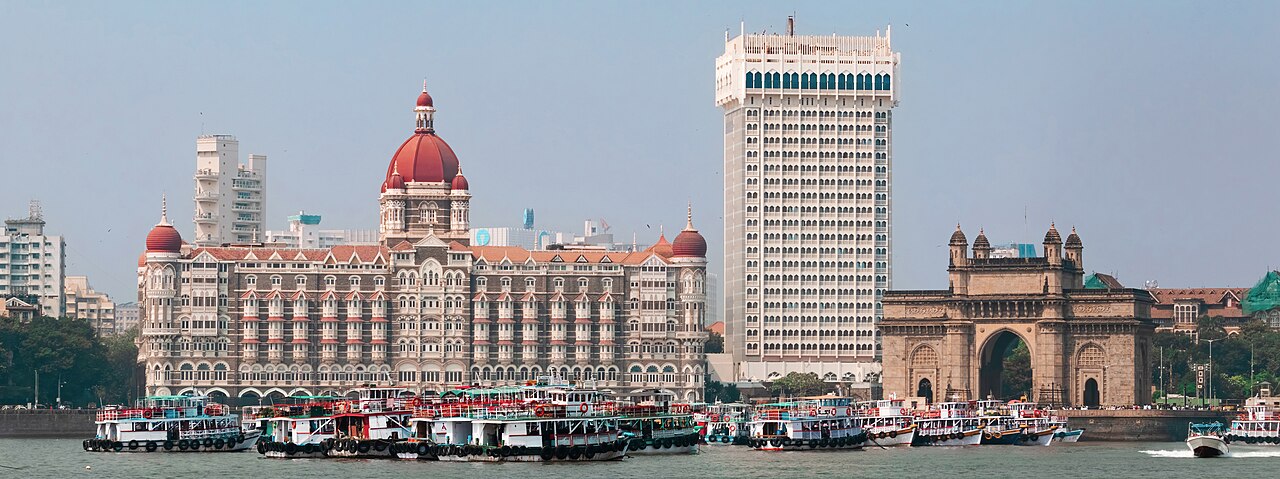
Mumbai
Capital city in Maharashtra, India
Within 30 km of the centre of Mumbai, the nature places people read about most are Elephanta Caves, Nhava Sheva, Salsette and Seven Islands of Bombay.
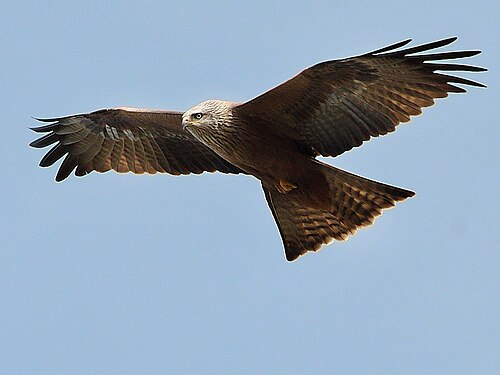
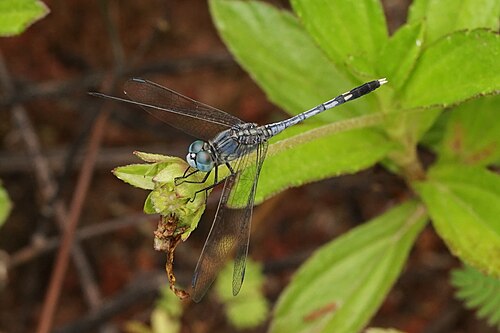
People have shared 1,572,740 wildlife records within 50 km of Mumbai in the last ten years. The wild animals recorded most often are the black kite, the rock dove, the common myna, the red-vented bulbul and the blue moon. Since the 1980s the area has become about 0.4 °C warmer.
Among the animals people record most around Mumbai, the common bamboo viper and the two-striped telamonia appear on no other city page here.
- Country
- India
- Population
- 15.4 million
- Area
- 603 km²
- Elevation
- 14 m
- Currency
- Indian rupee
- Daylight
- 11 to 13 hours
Figures from Wikidata; population 2018.
Mumbai on the map
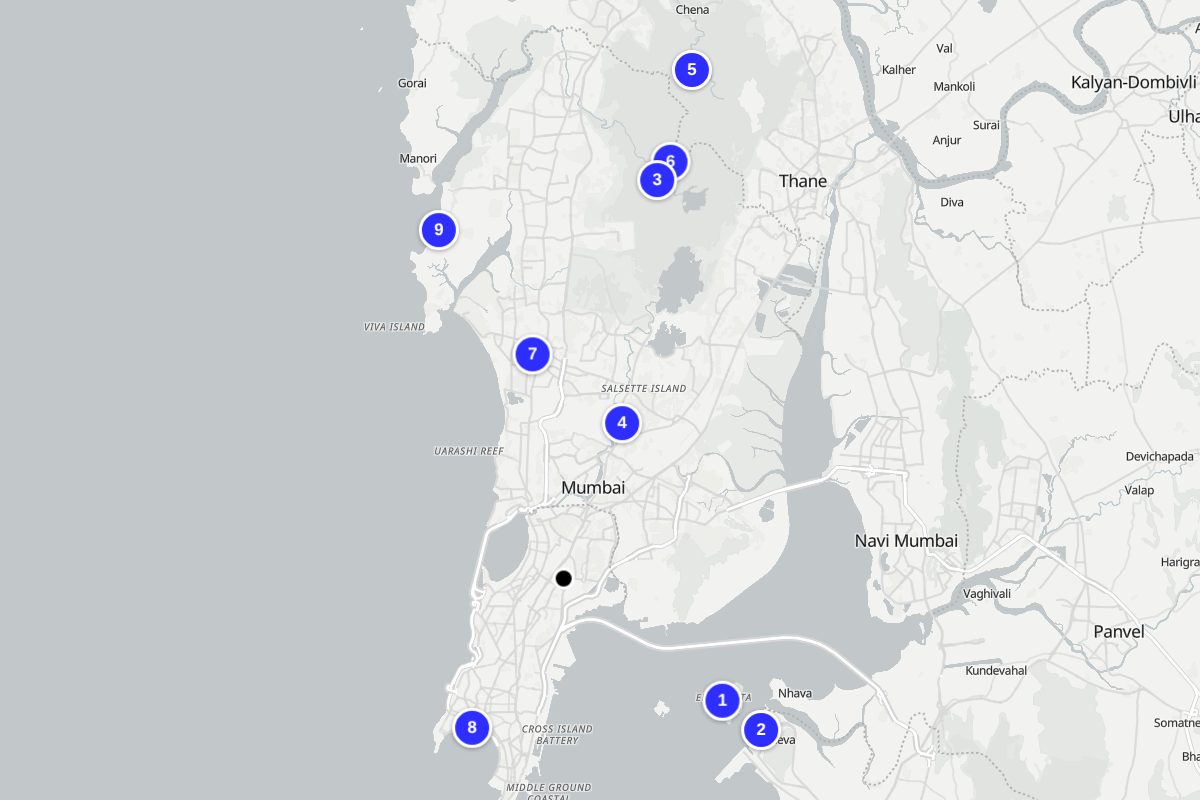
Numbers match the places below. Map: © OpenStreetMap contributors, OpenFreeMap.
- Elephanta Caves
- Nhava Sheva
- Salsette
- Seven Islands of Bombay
- Sanjay Gandhi National Park
- Kanheri Caves
- Gilbert Hill
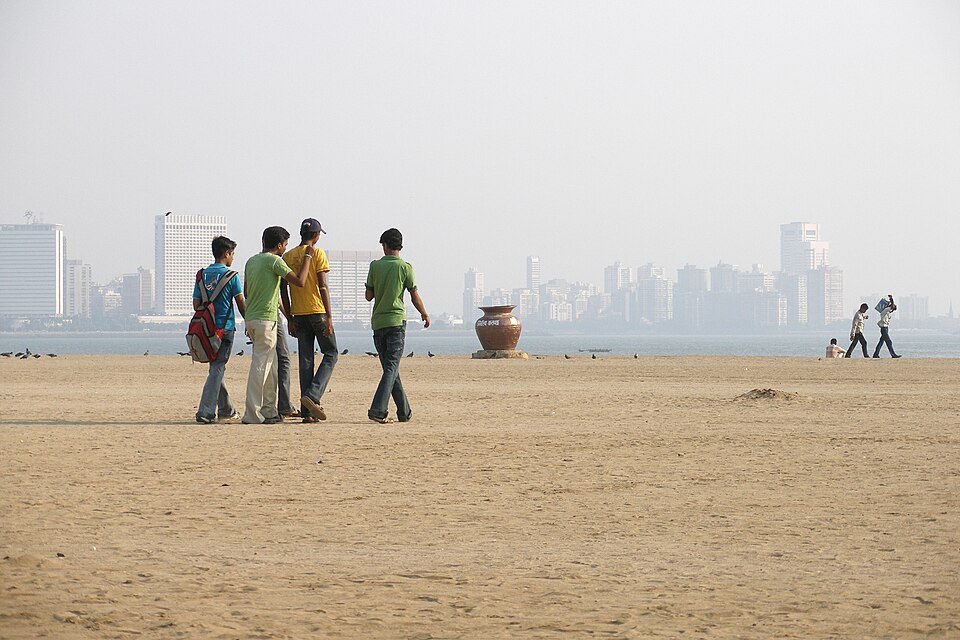
- Girgaum Chowpatty
- Aksa Beach
Nature close to Mumbai
The places people read most about, from the centre outwards.



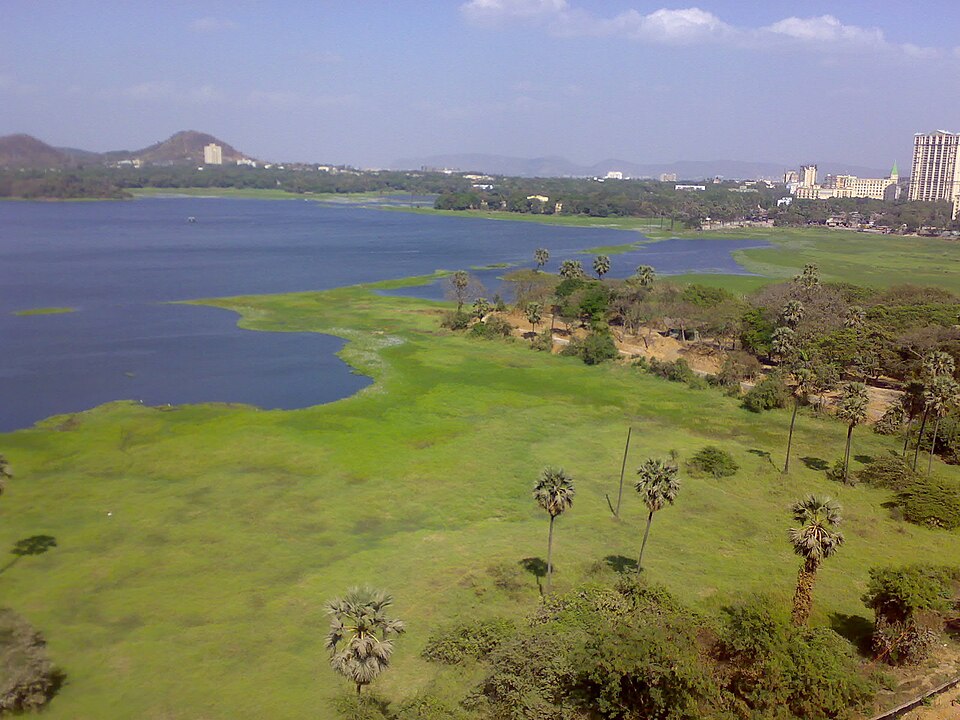

- Nhava Sheva Seaport · 13 km
- Seven Islands of Bombay Island · 8 km
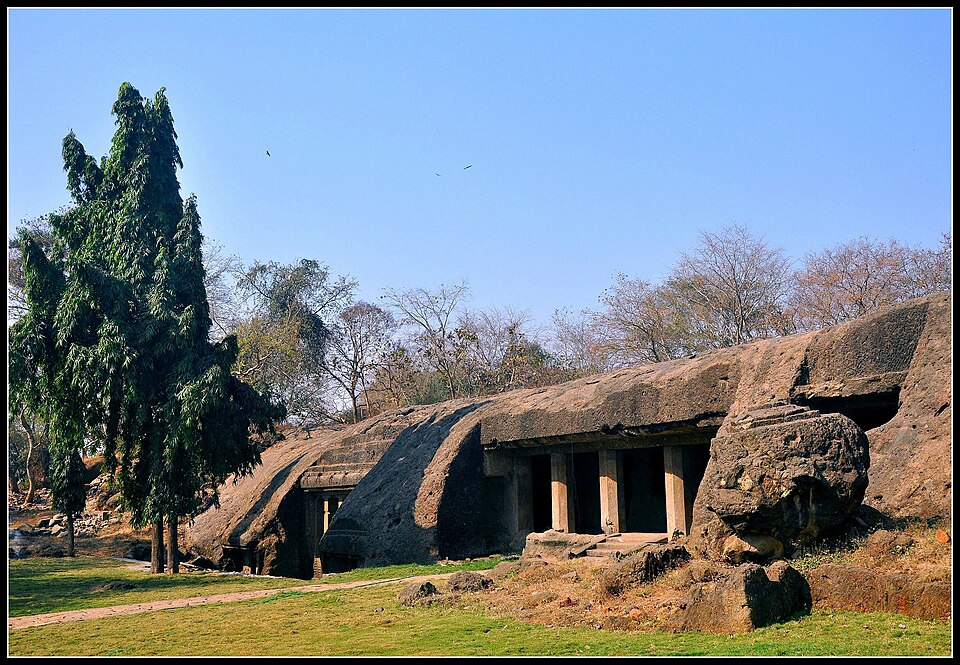
- Kanheri Caves Cave · 22 km
- Gilbert Hill Hill · 11 km
- Elephanta Island Island · 10 km
- Jijamata Udyaan Park · 5 km
Routes from OpenStreetMap via Waymarked Trails. Not checked by 4Planet: follow local signs and conditions.
Wildlife around Mumbai
The wild animals people record most within 50 km, 2016–2025. Tick the ones you have seen to build your own list.





Seen in the last 30 days
What can you see near Mumbai now?
Month by month, from 1,572,740 records people shared within 50 km, 2016–2025.








Mumbai is getting warmer
+0.4 °CAverage temperature around Mumbai in 2016–2025, compared with 1981–1990.
Daylight: about 11 hours in December and 13 in June.
Seen something near Mumbai?
Share a photo of it on iNaturalist. Other naturalists help name it, and confirmed records go to GBIF, where scientists use them. That is where the lists on this page come from.
Explore next
What puts Mumbai under pressure, what helps, and who works on it.
Mumbai on the living planet
More places near Mumbai
Sources and photo credits
- Wikidata · Mumbai (Q1156), facts and nature places
- Wikipedia page views · how well known each nature place is
- OpenStreetMap contributors via Waymarked Trails · marked walking routes (ODbL)
- GBIF · human observations within 50 km, 2016–2025 (1,572,740 animal records)
- NASA POWER · yearly temperature from satellite and model data (MERRA-2)
- MET Norway · weather now (shown live)
- Natural Earth · populated place 1159151611, public domain
- Mumbai, India: iMahesh, CC BY-SA 4.0
- Elephanta Caves, Mumbai: Vyacheslav Argenberg, CC BY 4.0
- Salsette, Mumbai: NASA, Public domain
- Sanjay Gandhi National Park, Mumbai: Patrice78500, CC BY-SA 3.0
- Girgaum Chowpatty, Mumbai: Vyacheslav Argenberg, CC BY 4.0
- Aksa Beach, Mumbai: Sobarwiki, Public domain
- Powai Lake, Mumbai: Packerworld at English Wikipedia, CC BY-SA 3.0
- Mithi River, Mumbai: Nicholas (Nichalp), CC BY-SA 3.0
- Mahakali Caves, Mumbai: Milind13, CC BY-SA 3.0
- Black kite: Thomas Kraft (ThKraft), CC BY-SA 2.5
- Rock dove: william_stephens, CC BY 4.0
- Common myna: Tisha Mukherjee, CC BY-SA 4.0
- Red-vented bulbul: K. Hari Krishnan, CC BY-SA 3.0
- Blue moon: Anitava Roy, CC BY-SA 4.0
- Blue ground skimmer: Vengolis, CC BY-SA 4.0
- Eastern garden lizard: Aris riyanto, CC BY-SA 4.0
- Scarlet skimmer: Jeevan Jose, Kerala, India, CC0
- Common bamboo viper: Jidnesh Doshi, CC BY-SA 4.0
- Asian dwarf honey bee: Rainer Breitling, CC BY 4.0
- Giant honey bee: Original uploader was Bksimonb at en.wikipedia, CC BY-SA 3.0
- Two-striped telamonia: Jeevan Jose, Kerala, India, CC BY-SA 4.0
- Bluethroat: Ragnhild&Neil Crawford from Sweden, CC BY-SA 2.0
- Eurasian teal: Koshy Koshy from Faridabad, Haryana, India, CC BY 2.0
- Asian woolly-necked stork: Kaippally, CC BY 2.5
- Pied avocet: El Golli Mohamed, CC BY-SA 4.0
- Verditer flycatcher: Shiv's fotografia, CC BY 4.0
- Sulphur-bellied warbler: J.M.Garg, CC BY-SA 3.0
- Tickell's thrush: Imran Shah from Islamabad, Pakistan, CC BY-SA 2.0
- Indian blackbird: Deepak Sundar, CC BY-SA 4.0
- White-cheeked barbet: Vimal Rajyaguru, CC BY-SA 4.0
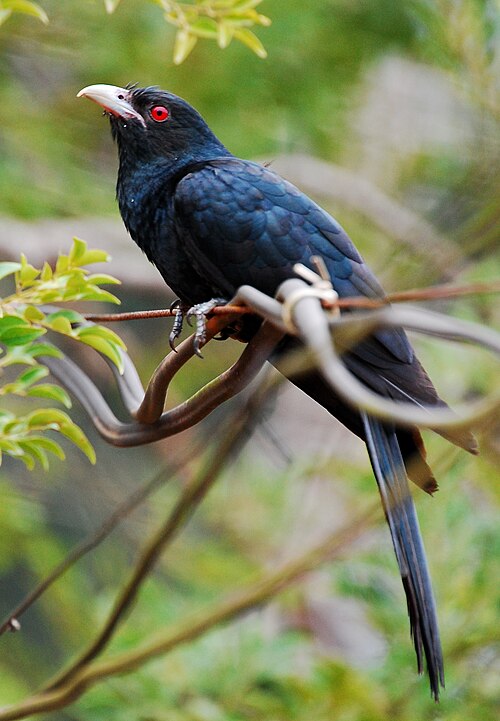
- Asian koel: Challiyan, CC BY-SA 4.0
- Bank myna: Tisha Mukherjee, CC BY-SA 4.0
- Greater painted-snipe: Bernard DUPONT from FRANCE, CC BY-SA 2.0
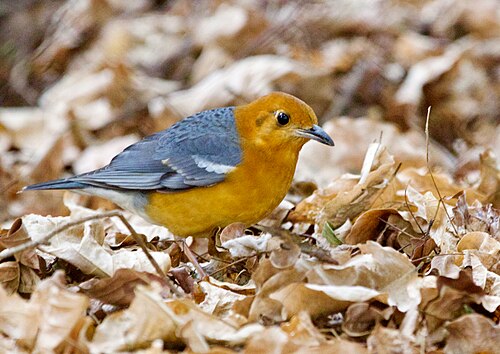
- Orange-headed thrush: Nagarjun, CC BY 2.0
- Puff-throated babbler: JJ Harrison (https://www.jjharrison.com.au/), CC BY-SA 3.0
- Grey-breasted prinia: Tisha Mukherjee, CC BY-SA 4.0
- White-rumped shama: JJ Harrison (https://www.jjharrison.com.au/), CC BY-SA 3.0
- Grey-bellied cuckoo: Mildeep, CC BY-SA 4.0
- Brahminy kite: Charles J. Sharp, CC BY-SA 4.0
- Bridled tern: peterichman, CC BY-SA 2.0
- Tricolored munia: J.M.Garg, CC BY-SA 3.0
- Black-backed dwarf kingfisher: Anup Deodhar, CC BY-SA 4.0
- Black-crowned night heron: Rhododendrites, CC BY-SA 4.0
- Common tern: Alexis Lours, CC BY 4.0
- River tern: Charles J. Sharp, CC BY-SA 4.0
- Jacobin cuckoo: J.M.Garg, CC BY-SA 4.0
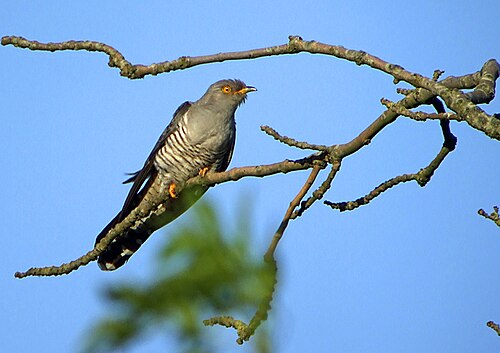
- Common cuckoo: GabrielBuissart, CC BY-SA 3.0
- Brahminy starling: Charles J. Sharp, CC BY-SA 4.0
- Blue-cheeked bee-eater: El Golli Mohamed, CC BY-SA 4.0
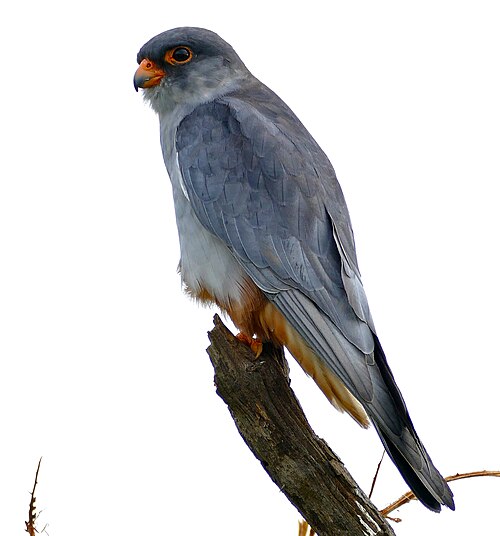
- Amur falcon: Bernard DUPONT from FRANCE, CC BY-SA 2.0
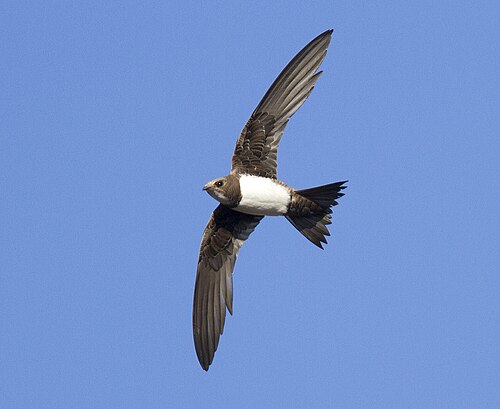
- Alpine swift: Lefteris Stavrakas, CC BY-SA 2.0
- Paddyfield warbler: Dr. Raju Kasambe, CC BY-SA 4.0
- Eastern red-rumped swallow: yvesbas, CC BY 4.0


Wildlife records show where people have seen and shared plants and animals, not everything that lives here; some places and months are recorded more than others. Sensitive species are never shown with a month or as seen recently. Routes come from OpenStreetMap and are not checked by 4Planet: follow local signs and conditions. Climate figures are NASA estimates for the area around Mumbai, not a single weather station.
Checked 2026-11-20.