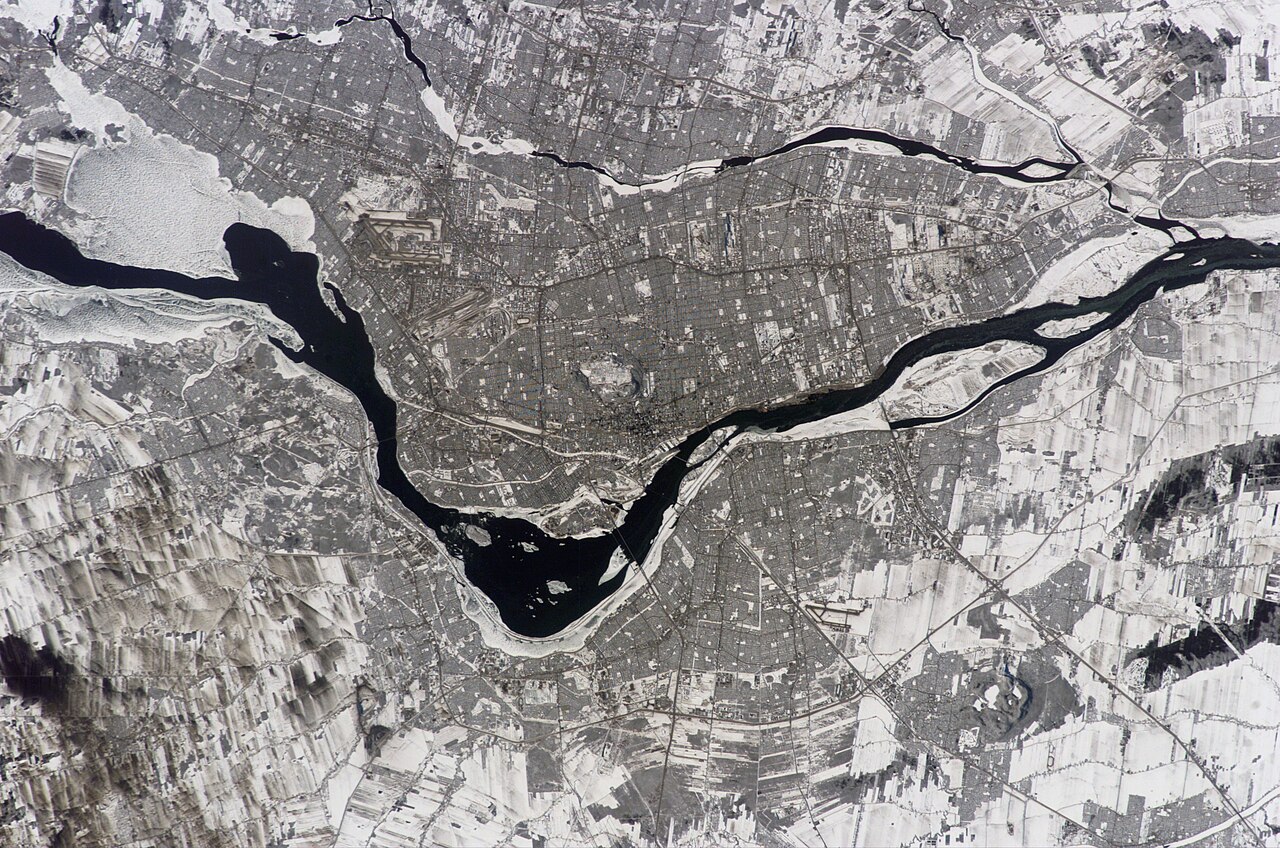
Montreal
City in Canada
Within 30 km of the centre of Montreal, the nature places people read about most are Mount Royal, Island of Montreal, Île Notre-Dame and Lachine Canal, and marked walks close to the city include RESO.
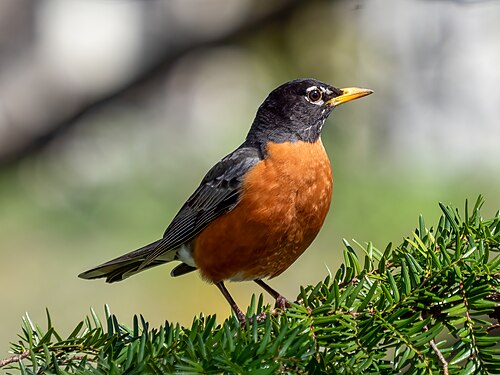
People have shared 7,883,029 wildlife records within 50 km of Montreal in the last ten years. The wild animals recorded most often are the black-capped chickadee, the northern cardinal, the American robin, the song sparrow and the eastern gray squirrel. Since the 1980s the area has become about 1.7 °C warmer.
- Country
- Canada
- Population
- 1.8 million
- Area
- 498 km²
- Elevation
- 31 m
- Currency
- Canadian dollar
- Daylight
- 9 to 16 hours
Figures from Wikidata; population 2021.
Montreal on the map
- Mount Royal
- Island of Montreal
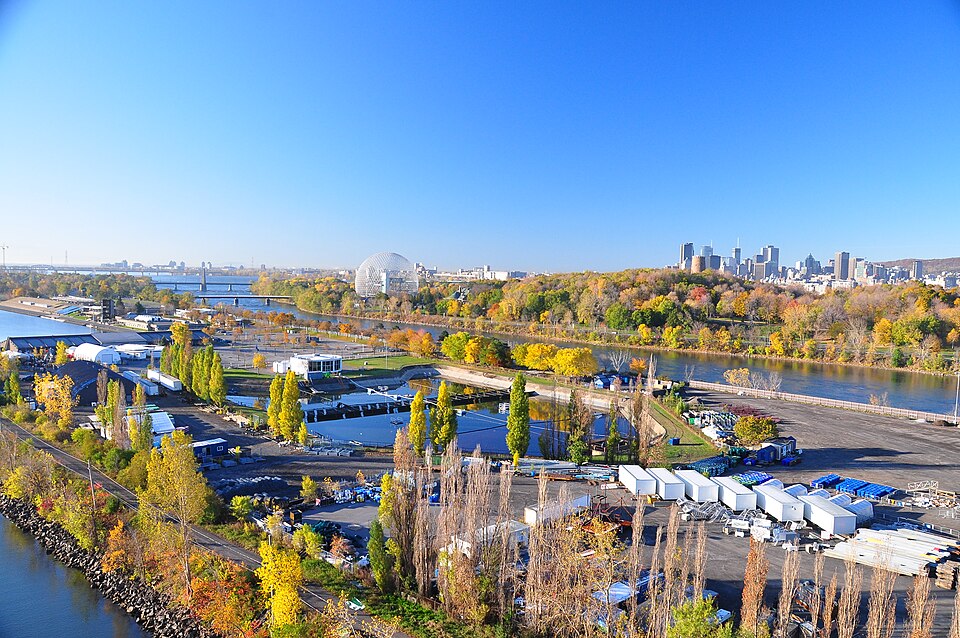
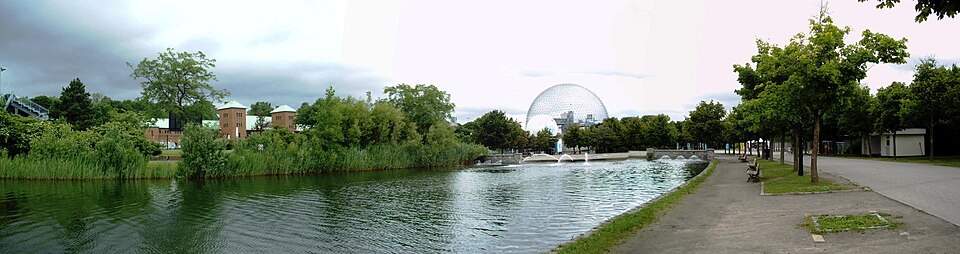
- Île Notre-Dame
- Lachine Canal
- Île des Soeurs
- Montreal Botanical Garden
- Hochelaga Archipelago
- Parc Jean-Drapeau
- Île Bizard
Nature close to Montreal
The places people read most about, from the centre outwards.



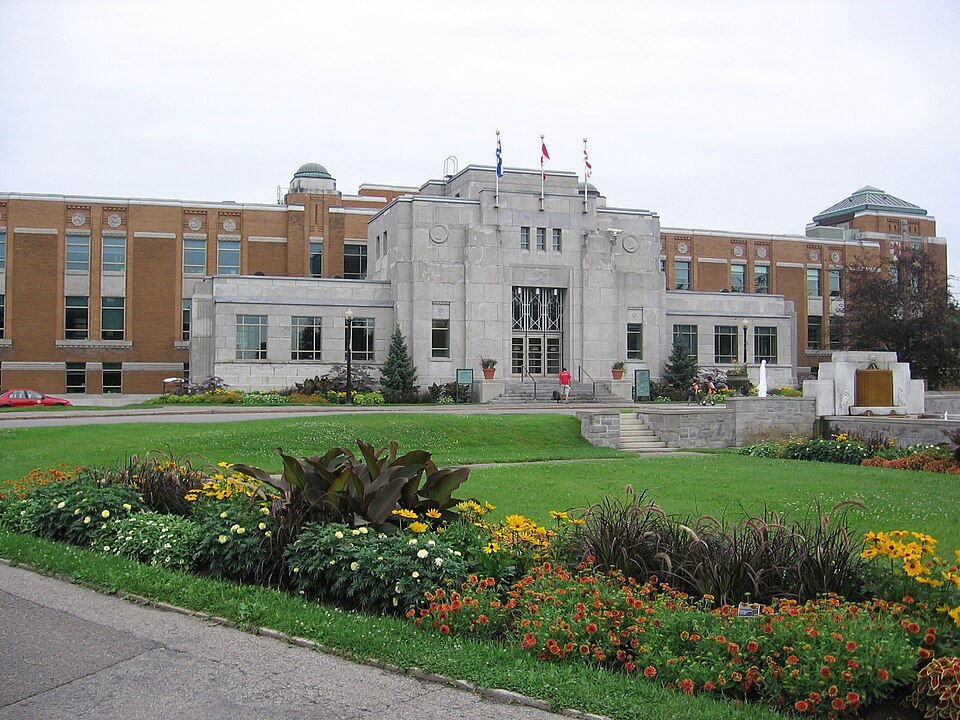


- Mount Royal Hill · 1 km
- Hochelaga Archipelago Archipelago · 7 km
- Île Jésus Island · 16 km
Marked walks
- RESO1 km · 1 km from the centre
Routes from OpenStreetMap via Waymarked Trails. Not checked by 4Planet: follow local signs and conditions.
Wildlife around Montreal
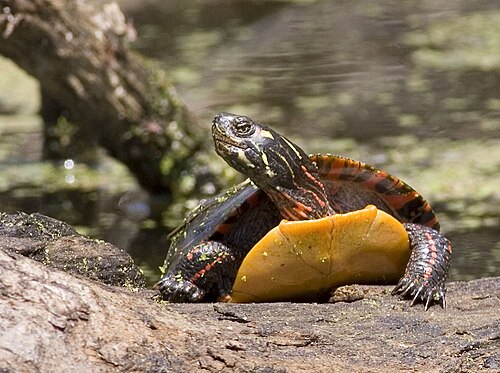
The wild animals people record most within 50 km, 2016–2025. Tick the ones you have seen to build your own list.




Seen in the last 30 days
What can you see near Montreal now?
Month by month, from 7,883,029 records people shared within 50 km, 2016–2025.
At their peak in January


Most seen in January


342,050 animal records in January.




At their peak in April
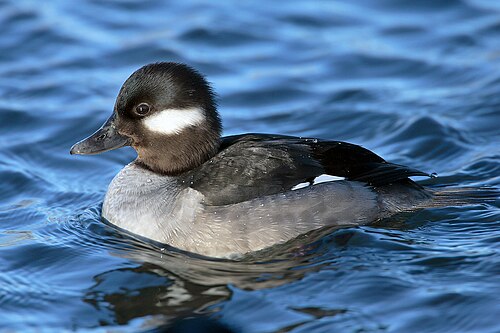

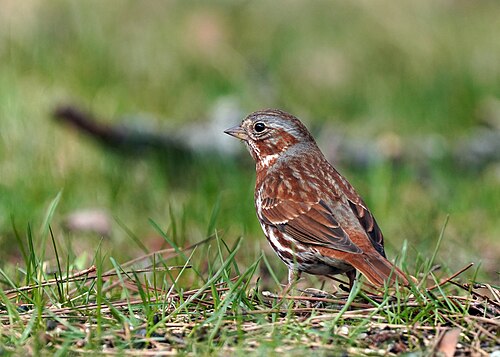
Most seen in April

Plants and fungi at their peak in April
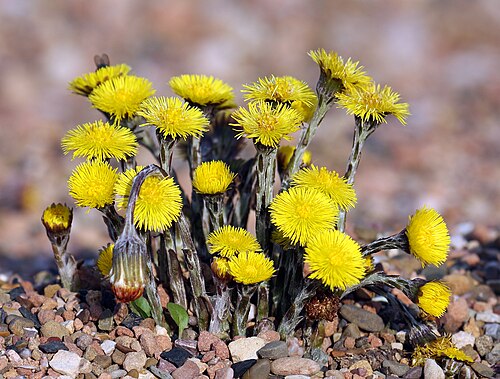

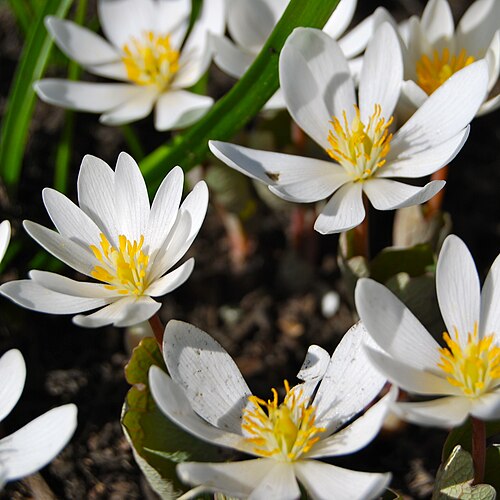
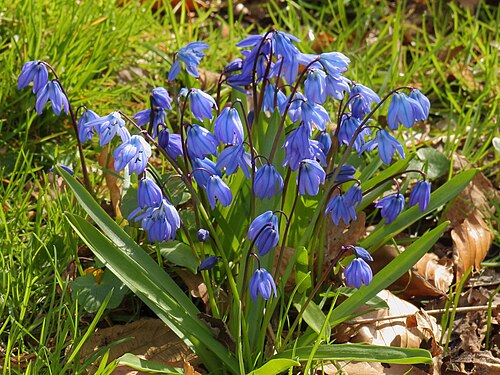
1,148,190 animal records in April.
At their peak in May


Most seen in May

Plants and fungi at their peak in May
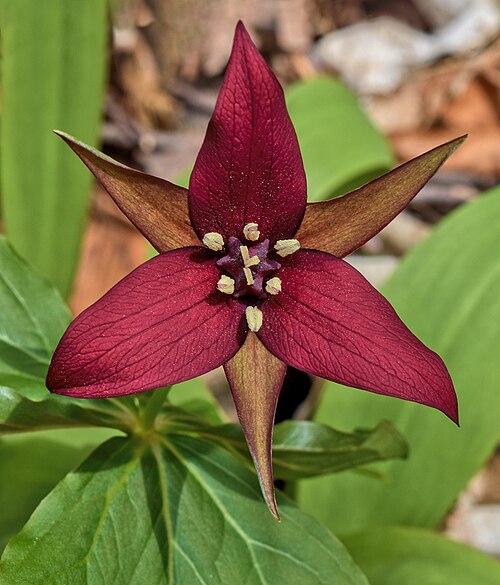
1,706,200 animal records in May.
At their peak in June
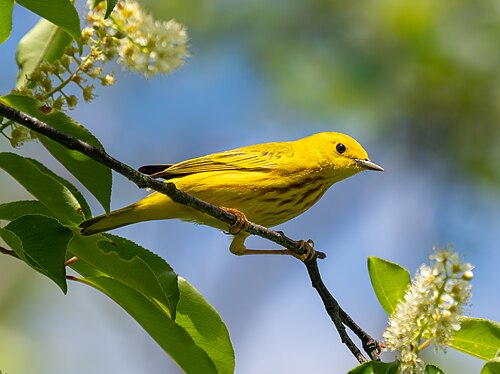


Most seen in June
Plants and fungi at their peak in June
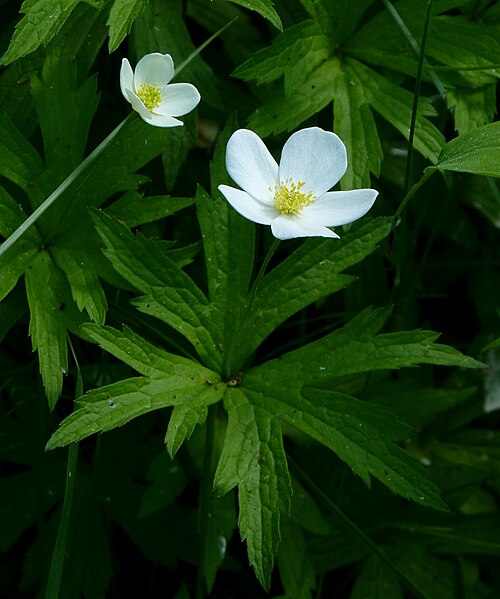


730,937 animal records in June.
At their peak in July

Most seen in July

Plants and fungi at their peak in July


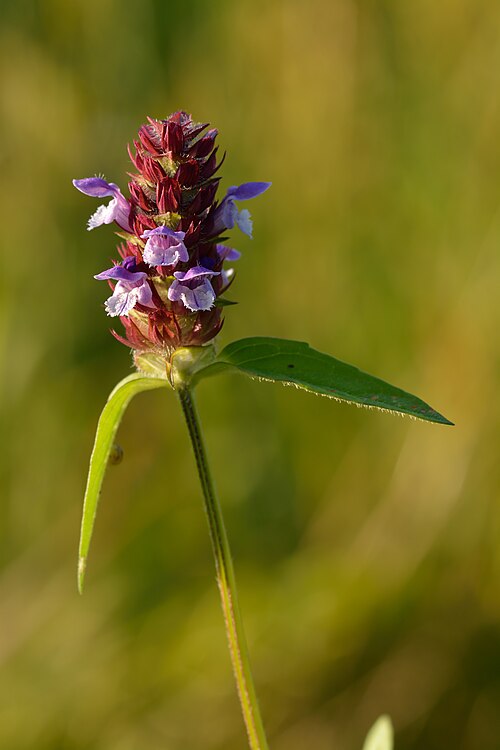

593,762 animal records in July.
At their peak in August
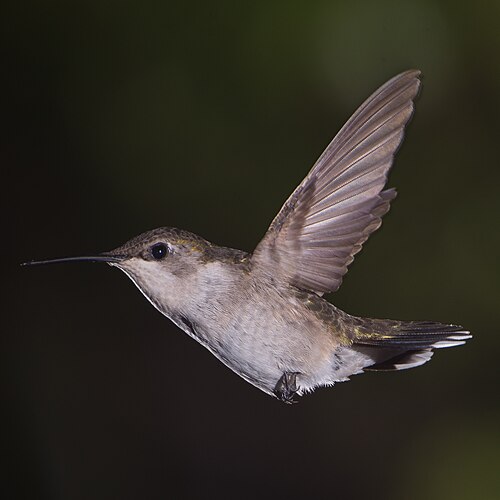
Most seen in August
Plants and fungi at their peak in August

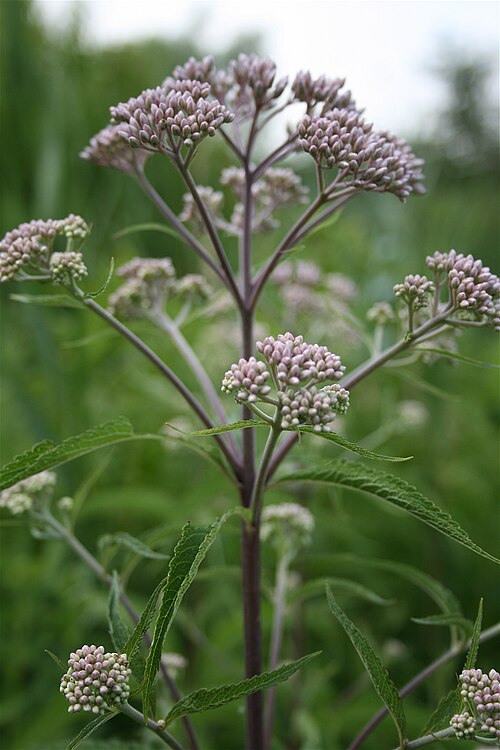
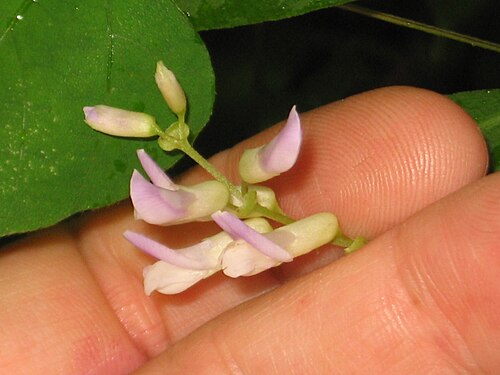
611,616 animal records in August.
At their peak in September


Most seen in September

Plants and fungi at their peak in September


638,051 animal records in September.
At their peak in October

Most seen in October
Plants and fungi at their peak in October


578,563 animal records in October.


Montreal is getting warmer
+1.7 °CAverage temperature around Montreal in 2016–2025, compared with 1981–1990.
Daylight: about 9 hours in December and 16 in June.
Seen something near Montreal?
Share a photo of it on iNaturalist. Other naturalists help name it, and confirmed records go to GBIF, where scientists use them. That is where the lists on this page come from.
Explore next
What puts Montreal under pressure, what helps, and who works on it.
Montreal on the living planet
More places near Montreal
Sources and photo credits
- Wikidata · Montreal (Q340), facts and nature places
- Wikipedia page views · how well known each nature place is
- OpenStreetMap contributors via Waymarked Trails · marked walking routes (ODbL)
- GBIF · human observations within 50 km, 2016–2025 (7,883,029 animal records)
- NASA POWER · yearly temperature from satellite and model data (MERRA-2)
- MET Norway · weather now (shown live)
- Island of Montreal, Montreal: NASA, Public domain
- Island of Montreal, Montreal: NASA, Public domain
- Île Notre-Dame, Montreal: abdallahh from Montréal, Canada, CC BY 2.0
- Lachine Canal, Montreal: Autharite, CC BY-SA 2.0
- Île des Soeurs, Montreal: Maxime Laterreur, CC BY 4.0
- Montreal Botanical Garden, Montreal: GarrettRock at English Wikipedia, CC BY-SA 3.0
- Parc Jean-Drapeau, Montreal: Jeangagnon, CC BY-SA 3.0
- Île Bizard, Montreal: Parcours riverain - Ville de Montréal from Canada, CC BY 2.0
- Saint Helen's Island, Montreal: Guilhem Vellut from Annecy, France, CC BY 2.0
- Black-capped chickadee: No machine-readable author provided. Mdf assumed (based on copyright claims)., CC BY-SA 3.0
- Northern cardinal: patricia pierce, CC BY 2.0
- American robin: Rhododendrites, CC BY-SA 4.0
- Song sparrow: Rhododendrites, CC BY-SA 4.0
- Eastern gray squirrel: Dominic Nelson, CC BY-SA 4.0
- Common eastern bumble bee: https://www.flickr.com/photos/gillesgonthier/297487697/, CC BY 2.0
- Common blue: Charles J. Sharp, CC BY-SA 4.0
- Monarch: Rhododendrites, CC BY-SA 4.0
- White-tailed deer: USDA photo by Scott Bauer, Public domain
- Grove snail: A. Abrahami, CC BY-SA 3.0
- Japanese beetle: Bruce Marlin, CC BY 3.0
- Painted turtle: Jmalik (talk), CC BY-SA 3.0
- Downy woodpecker: Wolfgang Wander, CC BY-SA 3.0
- White-breasted nuthatch: Mike's Birds from Riverside, CA, US, CC BY-SA 2.0
- Dark-eyed junco: Cephas, CC BY-SA 3.0
- Hairy woodpecker: Mdf, CC BY-SA 3.0
- American tree sparrow: Mykola Swarnyk, CC BY-SA 3.0
- Great black-backed gull: Andreas Trepte, CC BY-SA 2.5
- House finch: sergio niebla from Cd. Victoria, Tamaulipas, México, CC BY-SA 2.0
- Ring-billed gull: Fabian Roudra Baroi, CC BY-SA 4.0
- Common merganser: Frank Schulenburg, CC BY-SA 3.0
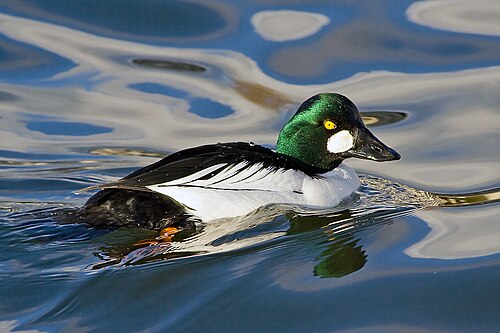
- Common goldeneye: Calibas, CC BY-SA 3.0
- Redpoll: Jyrki Salmi from Finland, CC BY-SA 2.0
- Canada goose: Katja Schulz from Washington, D. C., USA, CC BY 2.0
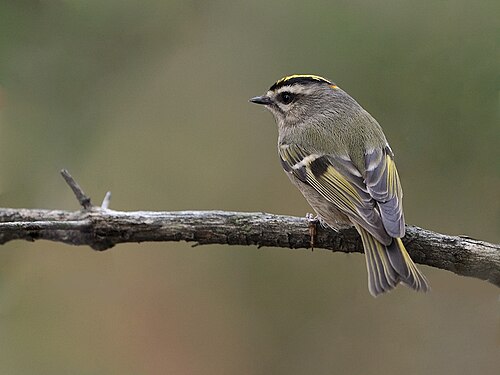
- Golden-crowned kinglet: Gary Irwin, CC BY-SA 2.0
- Bufflehead: Mdf, CC BY-SA 3.0
- Ring-necked duck: Becky Matsubara from El Sobrante, California, CC BY 2.0
- Red fox sparrow: USFWS Midwest Region, Public domain
- Coltsfoot: Andreas Trepte, CC BY-SA 2.5
- Dogtooth violet: Kaldari, Public domain
- Bloodroot: UpstateNYer, CC BY-SA 3.0
- Siberian squill: Dominicus Johannes Bergsma, CC BY-SA 3.0
- Red-winged blackbird: Walter Siegmund (talk), CC BY-SA 3.0
- Baltimore oriole: Mdf, CC BY-SA 3.0
- Least flycatcher: User:Mdf, CC BY-SA 3.0
- Rose-breasted grosbeak: Cephas, CC BY-SA 3.0
- White-crowned sparrow: Wolfgang Wander, CC BY-SA 3.0
- Red trillium: The Cosmonaut, CC BY-SA 2.5 ca
- American yellow warbler: Rhododendrites, CC BY-SA 4.0
- Red-eyed vireo: John Benson from Madison WI, CC BY 2.0
- Cedar waxwing: Jason Quinn, CC BY-SA 3.0
- Warbling vireo: Rhododendrites, CC BY-SA 4.0
- Canada anemone: John B. (Dendroica cerulea), CC BY 2.0
- Tufted vetch: The original uploader was Sannse at English Wikipedia., CC BY-SA 3.0
- Oxeye daisy: Victor M. Vicente Selvas, Public domain
- American goldfinch: Mdf, CC BY-SA 3.0
- Eastern kingbird: Rhododendrites, CC BY-SA 4.0
- Purple loosestrife: Ivar Leidus, CC BY-SA 3.0
- Wild carrot: User:Tigerente, CC BY-SA 3.0
- Heal-all: Ivar Leidus, CC BY-SA 3.0
- Common valerian: Ivar Leidus, CC BY-SA 4.0
- Ruby-throated hummingbird: Pslawinski, CC BY-SA 4.0
- Ragweed: Dalgial, CC BY-SA 3.0
- Spotted joepyeweed: Cody Hough, CC BY-SA 3.0
- Hog peanut: Jomegat, CC BY-SA 3.0
- Blue jay: Rhododendrites, CC BY-SA 4.0
- Myrtle warbler: Rhododendrites, CC BY-SA 4.0
- Belted kingfisher: Kevin Cole from Pacific Coast, USA (en:User:Kevinlcole), CC BY 2.0
- Magnolia warbler: Cephas, CC BY-SA 3.0
- Tennessee warbler: Jerry Oldenettel, CC BY-SA 2.0
- White snakeroot: Sten Porse, CC BY-SA 3.0
- New england aster: Andrew Sebastian, CC BY 4.0
- Pale snapweed: User:SB_Johnny, CC BY-SA 3.0
- Blue wood aster: R. A. Nonenmacher, CC BY-SA 4.0
- White-throated sparrow: Cephas, CC BY-SA 3.0
- Sugar maple: No machine-readable author provided. MPF assumed (based on copyright claims)., CC BY 2.5
- Northern red oak: Nicholas A. Tonelli from Northeast Pennsylvania, USA, CC BY 2.0
- Hooded merganser: Rhododendrites, CC BY-SA 4.0
- American black duck: ALAN SCHMIERER, CC0
- American herring gull: Alan D. Wilson, www.naturespicsonline.com, CC BY-SA 2.5


Wildlife records show where people have seen and shared plants and animals, not everything that lives here; some places and months are recorded more than others. Sensitive species are never shown with a month or as seen recently. Routes come from OpenStreetMap and are not checked by 4Planet: follow local signs and conditions. Climate figures are NASA estimates for the area around Montreal, not a single weather station.
Checked 2026-11-25.