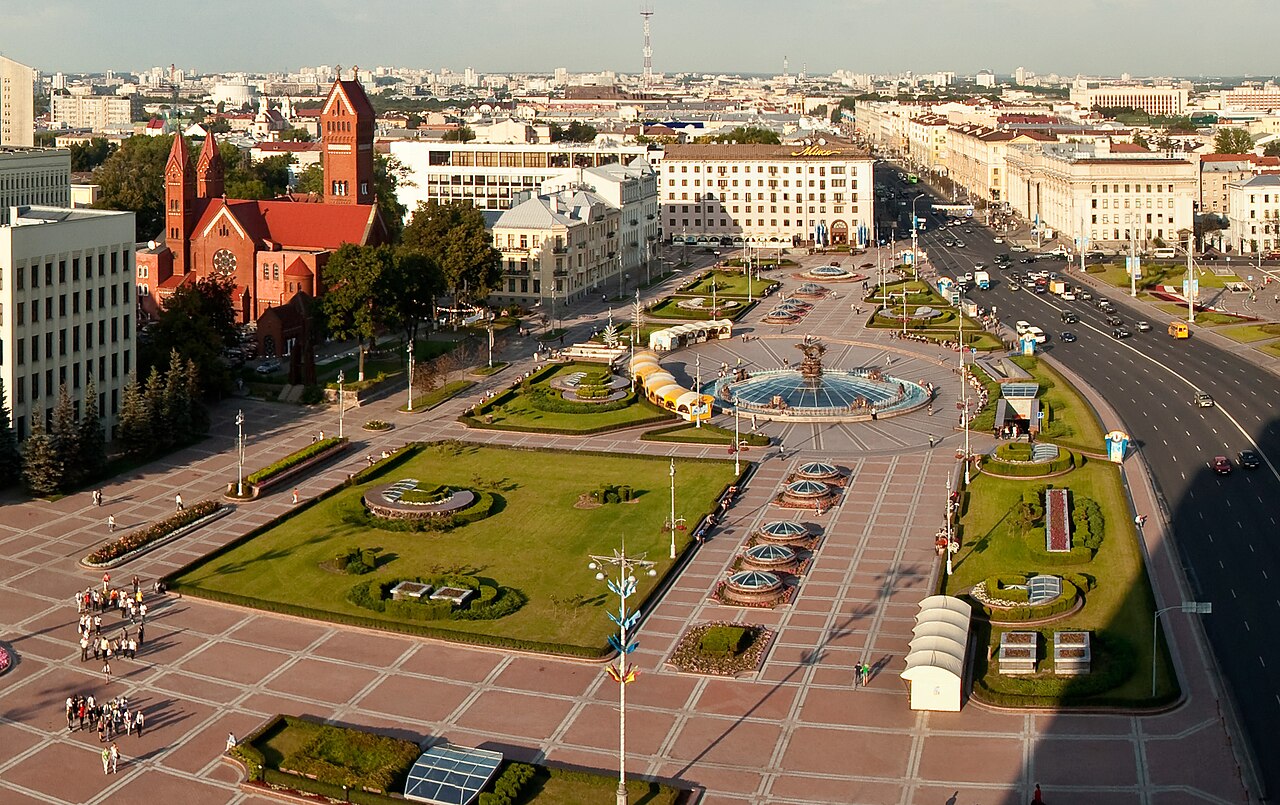
Minsk
Capital of Belarus
Within 30 km of the centre of Minsk, the nature places people read about most are Svislach River, Nyamiha River, Gorky Park and Zaslawye Reservoir, and marked walks close to the city include Экалагічная сцежка «Вакно ў прыроду», Экалагічная сцежка «Маляўкі» and Экалагічная сцежка «У гармоніі з прыродай».
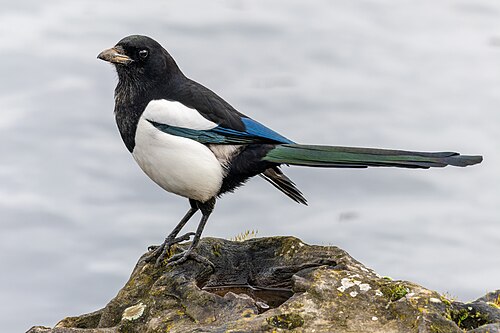
People have shared 213,477 wildlife records within 50 km of Minsk in the last ten years. The wild animals recorded most often are the great tit, the mallard, the hooded crow, the Eurasian magpie and the fieldfare. Since the 1980s the area has become about 1.4 °C warmer.
- Country
- Belarus
- Population
- 2.0 million
- Area
- 410 km²
- Elevation
- 280 m
- Currency
- Belarusian ruble
- Time zone
- UTC+03
- Daylight
- 7 to 17 hours
Figures from Wikidata; population 2026.
Minsk on the map
- Svislach River
- Nyamiha River
- Gorky Park
- Zaslawye Reservoir
- Pcič
- Yanka Kupala Park
- Miensk upland
- Plisa, tributary of Berezina
- Volma
Nature close to Minsk
The places people read most about, from the centre outwards.


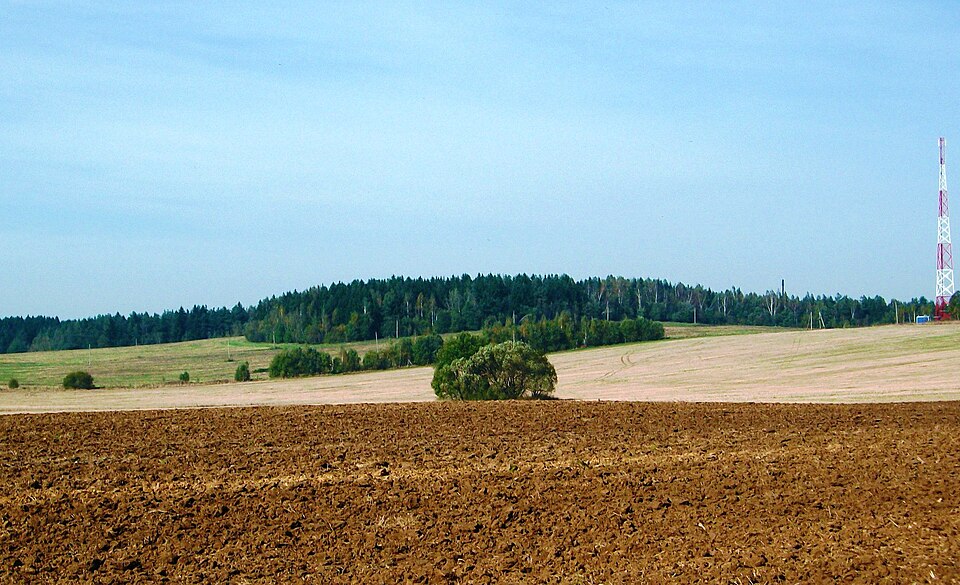


- Gorky Park Park · 1 km
- Pcič River · 29 km
Marked walks
- Экалагічная сцежка «Вакно ў прыроду»1.2 km · 4 km from the centre
- Экалагічная сцежка «Маляўкі»3.1 km · 7 km from the centre
- Экалагічная сцежка «У гармоніі з прыродай»2 km · 7 km from the centre
- Маршрут даследчыкаў1.6 km round trip · 7 km from the centre
- Экасцежка1.3 km · 7 km from the centre
- Маршрут творчасці1.2 km round trip · 7 km from the centre
- Маршрут эрудытаў1.1 km round trip · 7 km from the centre
Routes from OpenStreetMap via Waymarked Trails. Not checked by 4Planet: follow local signs and conditions.
Wildlife around Minsk
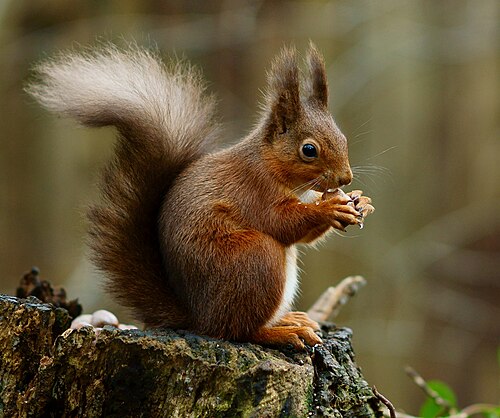
The wild animals people record most within 50 km, 2016–2025. Tick the ones you have seen to build your own list.




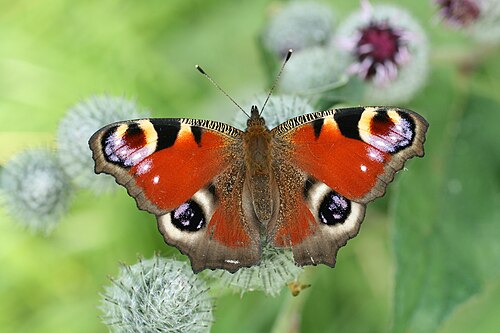


Seen in the last 30 days
What can you see near Minsk now?
Month by month, from 213,477 records people shared within 50 km, 2016–2025.
At their peak in January


Most seen in January
13,702 animal records in January.
At their peak in February

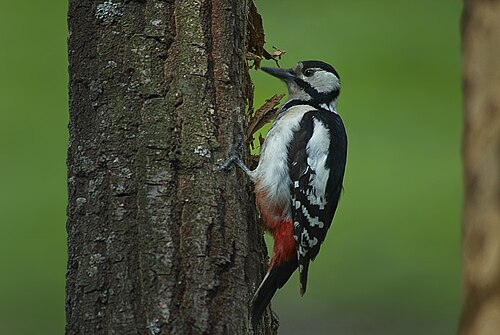
Most seen in February
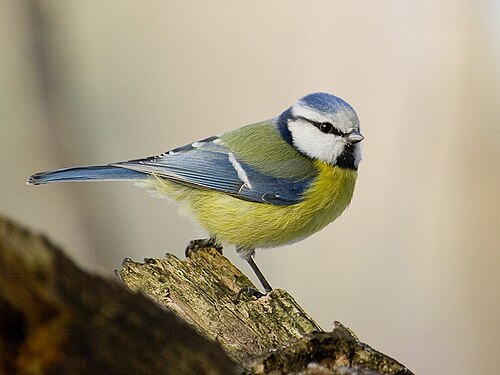
11,614 animal records in February.
At their peak in March
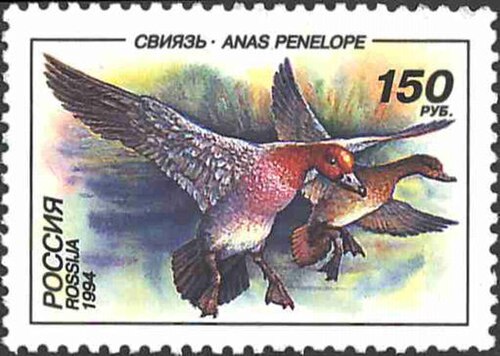


Most seen in March
20,470 animal records in March.
At their peak in April


Most seen in April

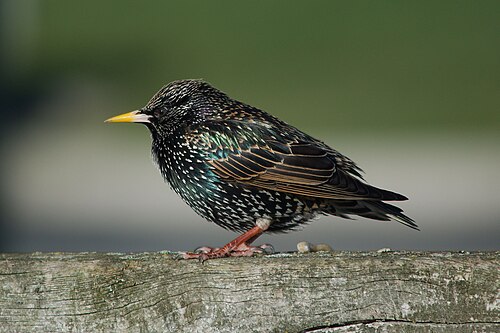
Plants and fungi at their peak in April
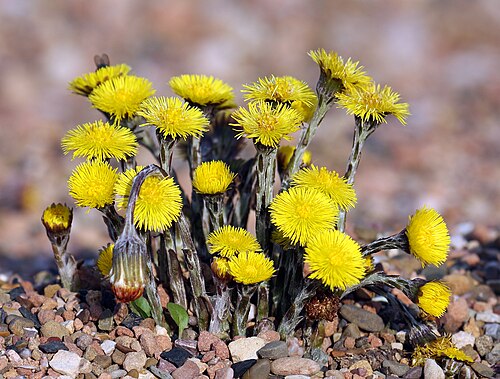


32,670 animal records in April.
At their peak in May


Most seen in May
Plants and fungi at their peak in May


34,141 animal records in May.
At their peak in June


Most seen in June

Plants and fungi at their peak in June


19,340 animal records in June.
At their peak in July
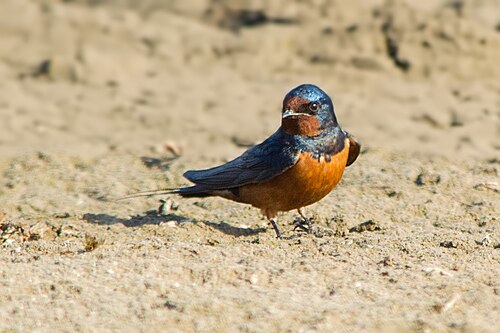

Most seen in July

Plants and fungi at their peak in July

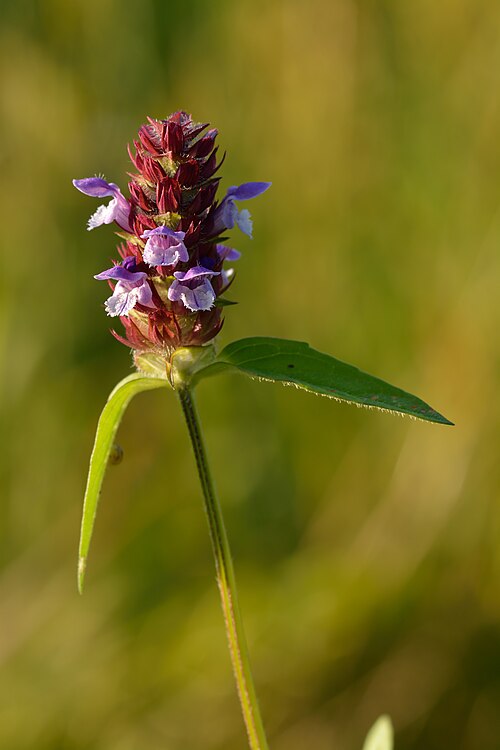

16,091 animal records in July.
At their peak in August
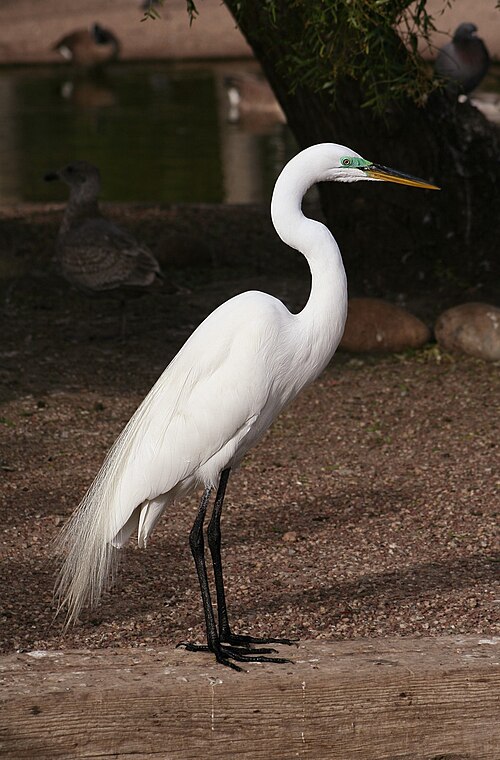
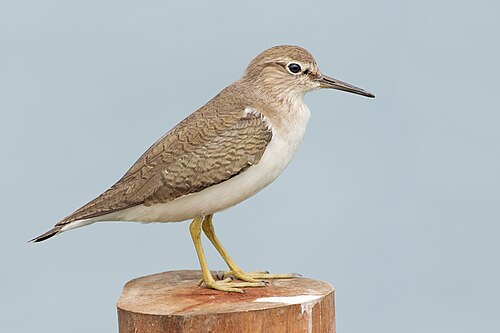

Most seen in August

Plants and fungi at their peak in August
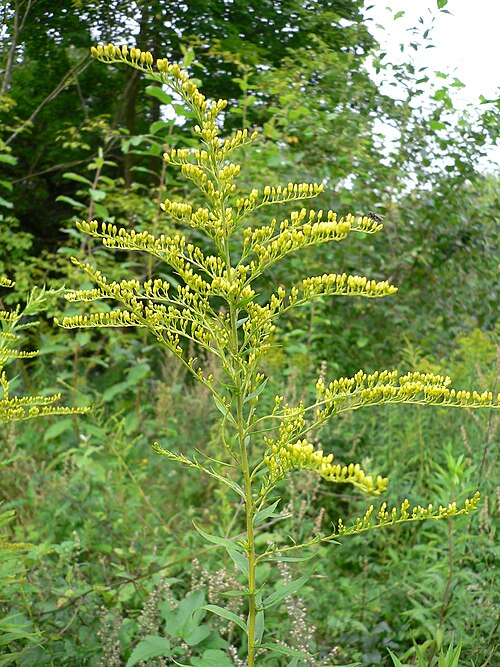
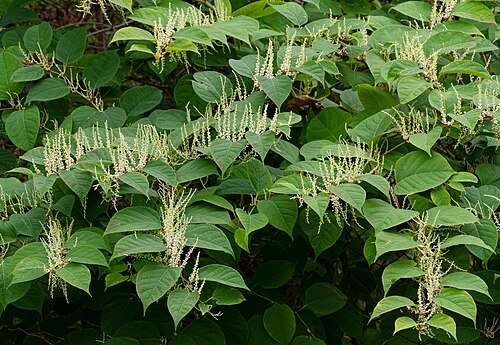


14,372 animal records in August.
At their peak in September


Most seen in September
Plants and fungi at their peak in September

13,380 animal records in September.
At their peak in October
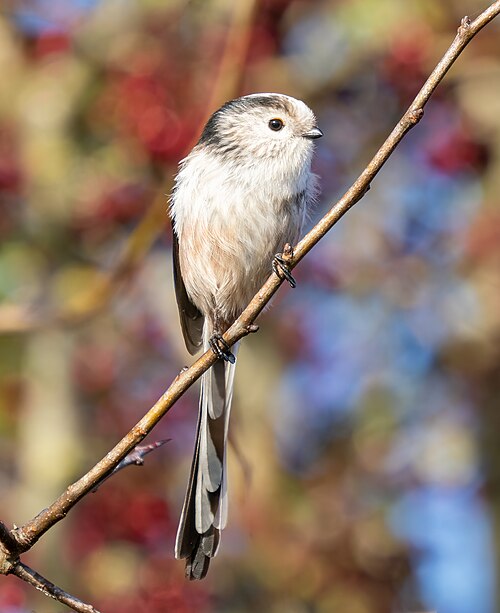


Most seen in October
Plants and fungi at their peak in October


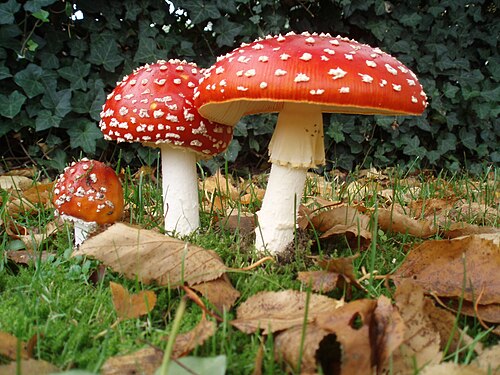
14,513 animal records in October.
At their peak in November
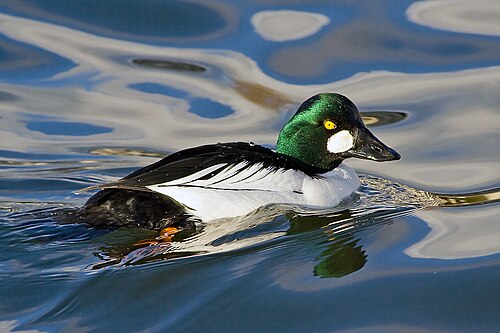
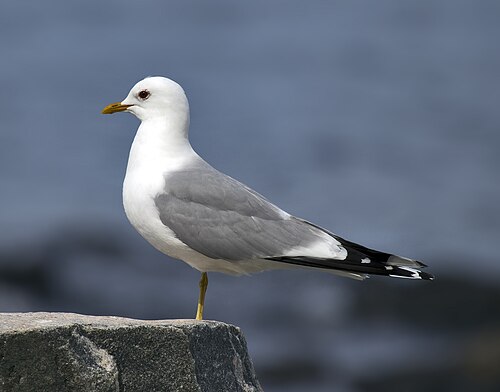
Most seen in November
Plants and fungi at their peak in November

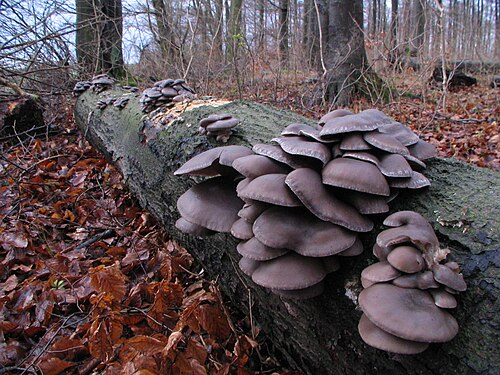
13,857 animal records in November.
At their peak in December
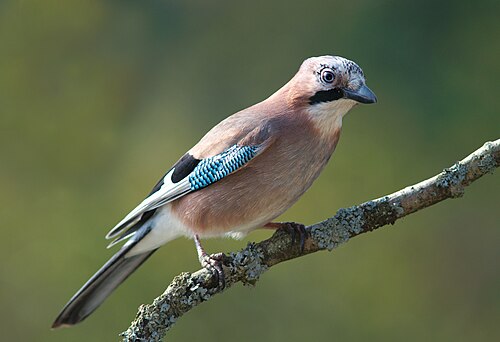
Most seen in December
9,327 animal records in December.
Minsk is getting warmer
+1.4 °CAverage temperature around Minsk in 2016–2025, compared with 1981–1990.
Daylight: about 7 hours in December and 17 in June.
Seen something near Minsk?
Share a photo of it on iNaturalist. Other naturalists help name it, and confirmed records go to GBIF, where scientists use them. That is where the lists on this page come from.
Minsk on the living planet
More places near Minsk
Sources and photo credits
- Wikidata · Minsk (Q2280), facts and nature places
- Wikipedia page views · how well known each nature place is
- OpenStreetMap contributors via Waymarked Trails · marked walking routes (ODbL)
- GBIF · human observations within 50 km, 2016–2025 (213,477 animal records)
- NASA POWER · yearly temperature from satellite and model data (MERRA-2)
- MET Norway · weather now (shown live)
- Minsk, Belarus: Zedlik, CC BY-SA 3.0
- Svislach River, Minsk: Alex Zelenko, CC BY-SA 4.0
- Nyamiha River, Minsk: Homoatrox, CC BY-SA 3.0
- Zaslawye Reservoir, Minsk: European Space Agency, CC BY-SA 3.0 igo
- Yanka Kupala Park, Minsk: Чаховіч Уладзіслаў, CC BY-SA 3.0
- Miensk upland, Minsk: Da voli, CC BY-SA 3.0
- Plisa, tributary of Berezina, Minsk: Zelyoniy.anton, CC BY-SA 4.0
- Volma, Minsk: Da voli, CC BY-SA 3.0
- Lysaja, Minsk: Da voli, CC BY-SA 4.0
- Great tit: Frank Vassen from Brussels, Belgium, CC BY 2.0
- Mallard: Rolf Dietrich Brecher from Germany, CC BY 2.0
- Hooded crow: Donald Hobern from Copenhagen, Denmark, CC BY 2.0
- Eurasian magpie: Alexis Lours, CC BY 4.0
- Fieldfare: Frankie Fouganthin, CC BY-SA 4.0
- Eurasian red squirrel: Peter Trimming, CC BY 2.0
- Escargot: Waugsberg, CC BY-SA 3.0
- Peacock: Korall, CC BY-SA 3.0
- Ruddy darter: Andreas Eichler, CC BY-SA 4.0
- Firebug: hedera.baltica from Wrocław, Poland, CC BY-SA 2.0
- Grove snail: A. Abrahami, CC BY-SA 3.0
- Common frog: Richard Bartz, Munich aka Makro Freak Image:MFB.jpg, CC BY-SA 2.5
- Eurasian bullfinch: Francis Franklin, CC BY-SA 3.0
- Eurasian treecreeper: Ekytza, CC BY-SA 4.0
- Eurasian nuthatch: Chme82, CC BY-SA 4.0
- Eurasian siskin: Sławek Staszczuk (photoss [AT] hotmail.co.uk), CC BY-SA 3.0
- Eurasian blue tit: Sławek Staszczuk, CC BY-SA 3.0
- European greenfinch: Estormiz, CC0
- Great spotted woodpecker: Плешков Алексей, CC BY-SA 3.0
- Eurasian wigeon: Почта России, Public domain
- Greater white-fronted goose: MPF, CC BY-SA 3.0
- Common merganser: Frank Schulenburg, CC BY-SA 3.0
- Northern pintail: Frank Schulenburg, CC BY-SA 4.0
- Eurasian chaffinch: Gilles San Martin from Namur, Belgium, CC BY-SA 2.0
- Common starling: marsupium photography, CC BY-SA 2.0
- Song thrush: Charles J. Sharp, CC BY-SA 4.0
- Northern shoveler: Andreas Trepte, CC BY-SA 2.5
- Redwing: Andreas Trepte, CC BY-SA 2.5
- Garganey: Ferran Pestaña from Barcelona, España, CC BY-SA 2.0
- Coltsfoot: Andreas Trepte, CC BY-SA 2.5
- Wood anemone: W. Bulach, CC BY-SA 4.0
- Sweet violet: AnRo0002, CC0
- Common tern: Alexis Lours, CC BY 4.0
- Thrush nightingale: cheloVechek / talk, CC BY-SA 4.0
- Eurasian blackcap: Ron Knight from Seaford, East Sussex, United Kingdom, CC BY 2.0
- Common whitethroat: Steve Garvie from Dunfermline, Fife, Scotland, CC BY-SA 2.0
- Ground ivy: AnRo0002, CC0
- Garlic mustard: O. Pichard, CC BY-SA 3.0
- Common wood pigeon: Don Loarie, CC BY 4.0
- Common swift: Alexis Lours, CC BY 4.0
- Common house martin: MPF, CC BY 2.5
- Great reed warbler: Andreas Trepte, CC BY-SA 2.5
- Garden lupin: W. Bulach, CC BY-SA 4.0
- Nettle clustercup rust fungus: Jean.claude, CC BY-SA 3.0
- Cocksfoot: W. Bulach, CC BY-SA 4.0
- Black-headed gull: Diliff, CC BY-SA 3.0
- Barn swallow: Morhaf Aljanee, CC BY-SA 3.0
- Red-backed shrike: Zeynel Cebeci, CC BY-SA 4.0
- Chicory: Zeynel Cebeci, CC BY-SA 4.0
- Heal-all: Ivar Leidus, CC BY-SA 3.0
- Field bindweed: W. Bulach, CC BY-SA 4.0
- White wagtail: Jac. Janssen from BAARLO LB, NL, CC BY 2.0
- Great egret: Calibas, CC BY-SA 3.0
- Common sandpiper: JJ Harrison (https://www.jjharrison.com.au/), CC BY 3.0
- Wood sandpiper: Koshy Koshy from Faridabad, Haryana, India, CC BY 2.0
- Canada goldenrod: Georg Slickers, CC BY-SA 4.0
- Japanese knotweed: W.carter, CC0
- Hollyhock: Hanay, CC BY-SA 4.0
- Soapwort: Img, Public domain
- Great cormorant: Mathew Schwartz, CC BY 3.0
- Common ringed plover: óskar elías sigurðsson, CC BY 2.0
- Dunlin: Mdf, edited by Fir0002, CC BY-SA 3.0
- Osprey: El Golli Mohamed, CC BY-SA 4.0
- Jerusalem artichoke: JackyM59, CC BY-SA 4.0
- Long-tailed tit: Rhododendrites, CC BY-SA 4.0
- Winter wren: Alpsdake, CC BY-SA 3.0
- Black-throated loon: Robert Bergman, Public domain
- Black locust: Annabell Hormann / korina.info, CC BY-SA 4.0
- Ashleaf maple: Matt Lavin from Bozeman, Montana, USA, CC BY-SA 2.0
- Staghorn sumac: The original uploader was Muggwort17 at English Wikipedia., Public domain
- Fly agaric: Onderwijsgek, CC BY-SA 3.0 nl
- Common goldeneye: Calibas, CC BY-SA 3.0
- Common gull: Andreas Trepte, CC BY-SA 2.5
- Northern red oak: Nicholas A. Tonelli from Northeast Pennsylvania, USA, CC BY 2.0
- Oyster mushroom: Thomas Pruß, CC BY-SA 3.0
- Eurasian jay: Luc Viatour, CC BY-SA 3.0


Wildlife records show where people have seen and shared plants and animals, not everything that lives here; some places and months are recorded more than others. Sensitive species are never shown with a month or as seen recently. Routes come from OpenStreetMap and are not checked by 4Planet: follow local signs and conditions. Climate figures are NASA estimates for the area around Minsk, not a single weather station.
Checked 2026-11-20.