Milwaukee
City in United States
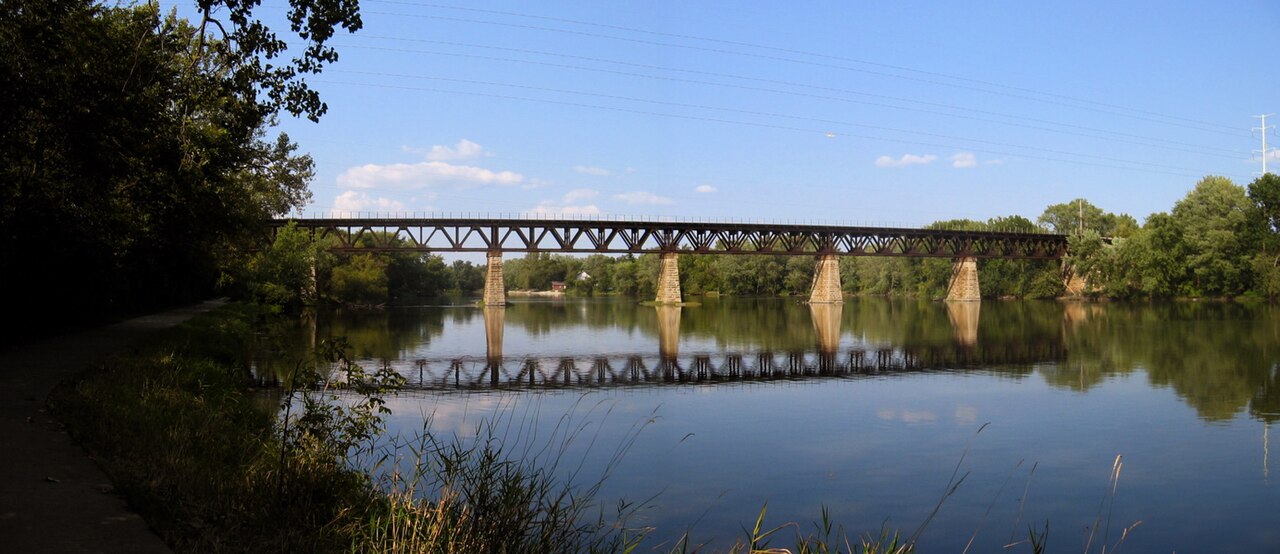
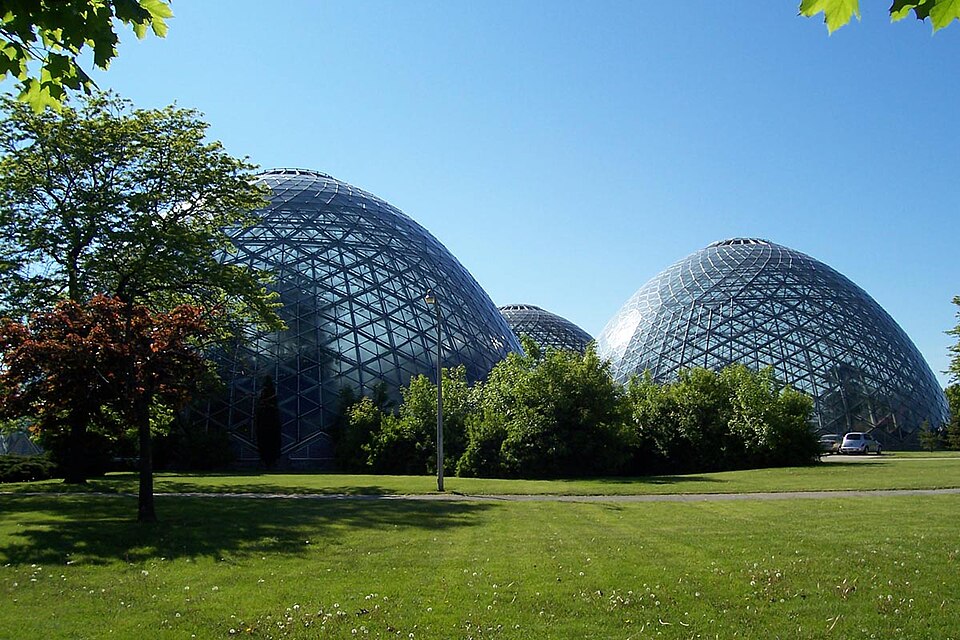
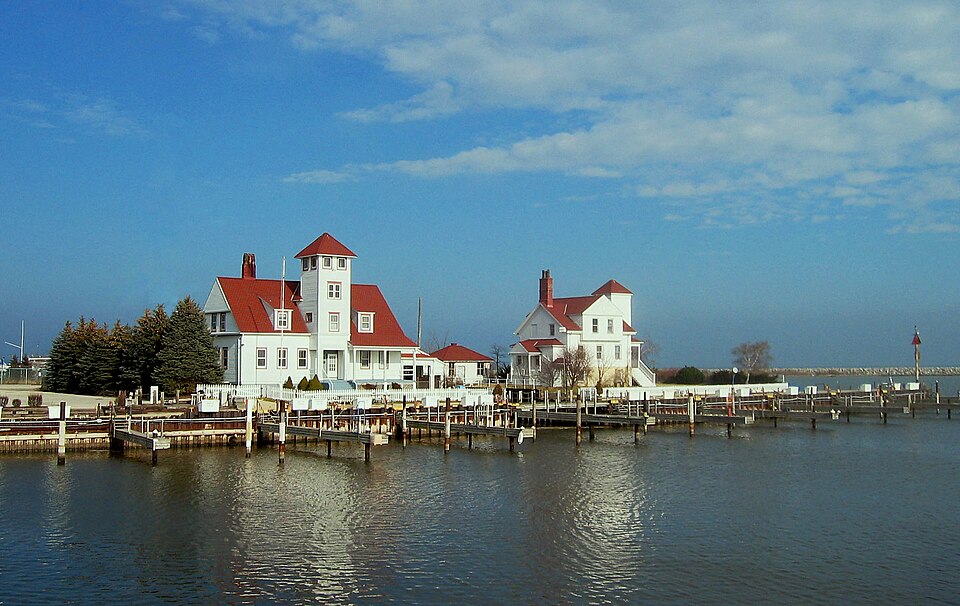
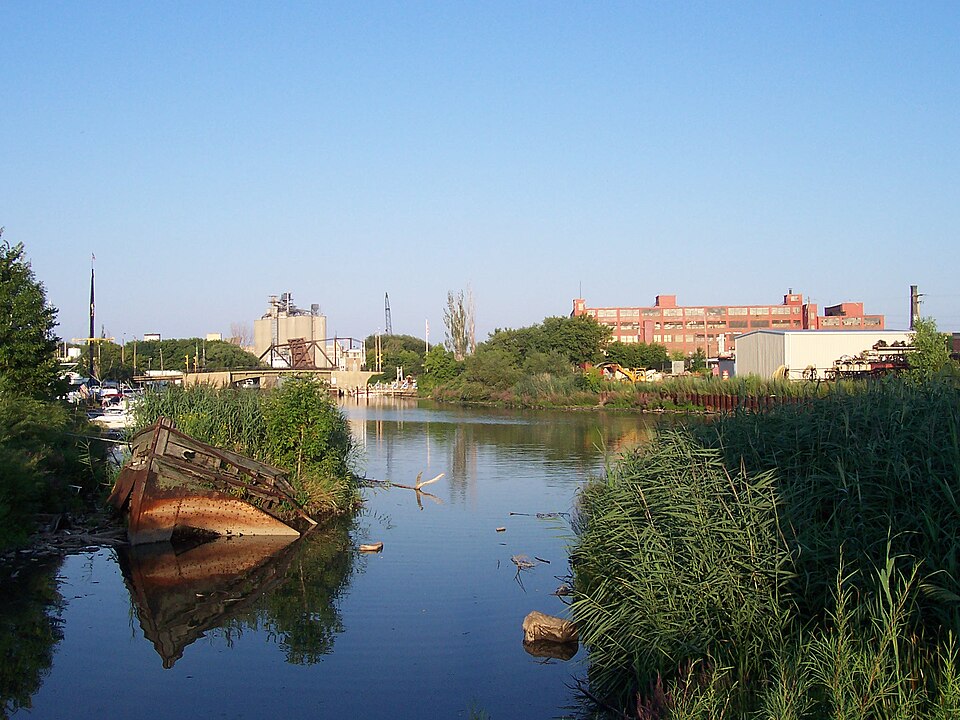
Within 30 km of the centre of Milwaukee, the nature places people read about most are Fox River, Milwaukee River, Grant Park and Mitchell Park Horticultural Conservatory, and marked walks close to the city include Milwaukee RiverWalk and Elm Grove Village Pathways.
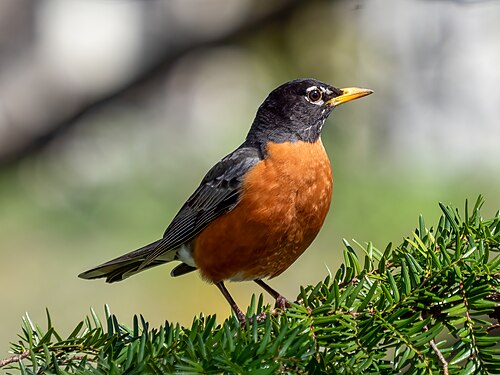
People have shared 4,458,763 wildlife records within 50 km of Milwaukee in the last ten years. The wild animals recorded most often are the northern cardinal, the American robin, the black-capped chickadee, the mourning dove and the common eastern bumble bee. Since the 1980s the area has become about 1.2 °C warmer.
- Country
- United States
- Population
- 577,222
- Area
- 251 km²
- Elevation
- 188 m
- Currency
- United States dollar
- Daylight
- 9 to 15 hours
Figures from Wikidata; population 2020.
Milwaukee on the map
- Fox River
- Milwaukee River
- Grant Park
- Mitchell Park Horticultural Conservatory
- Henry Maier Festival Park
- Waukesha Biota
- Menomonee River
- Root River
- Kinnickinnic River
Nature close to Milwaukee
The places people read most about, from the centre outwards.


- Waukesha Biota Paleontological site · 23 km
Marked walks
- Milwaukee RiverWalk7.8 km · 4 km from the centre · marked by Department of City Development
- Elm Grove Village Pathways1.3 km · 10 km from the centre
Routes from OpenStreetMap via Waymarked Trails. Not checked by 4Planet: follow local signs and conditions.
Wildlife around Milwaukee
The wild animals people record most within 50 km, 2016–2025. Tick the ones you have seen to build your own list.



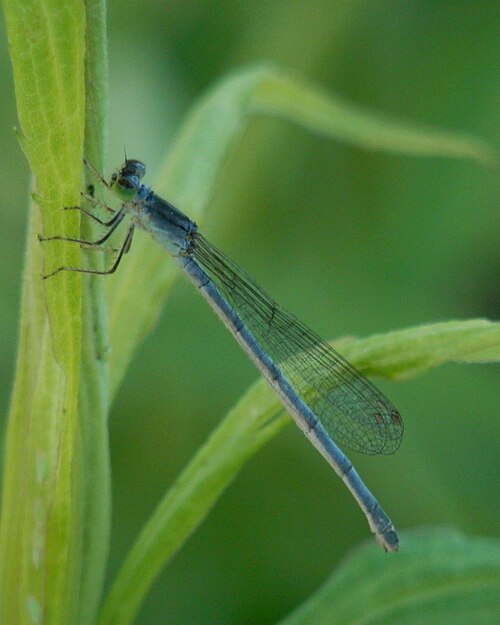

Seen in the last 30 days
What can you see near Milwaukee now?
Month by month, from 4,458,763 records people shared within 50 km, 2016–2025.
At their peak in January

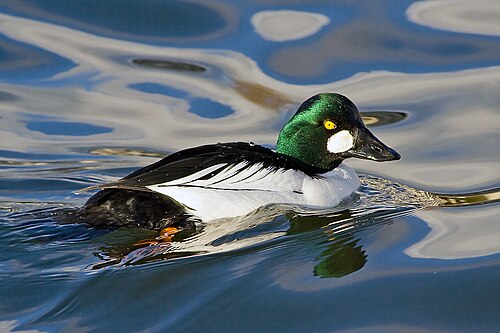


Most seen in January


182,101 animal records in January.

At their peak in March
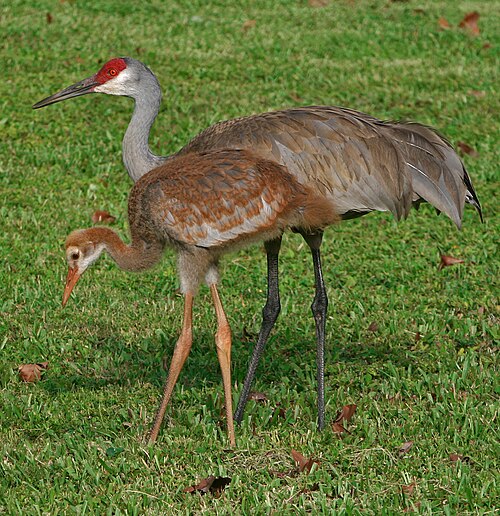
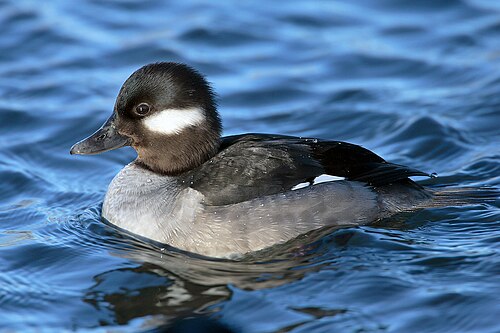
Most seen in March


329,944 animal records in March.
At their peak in April
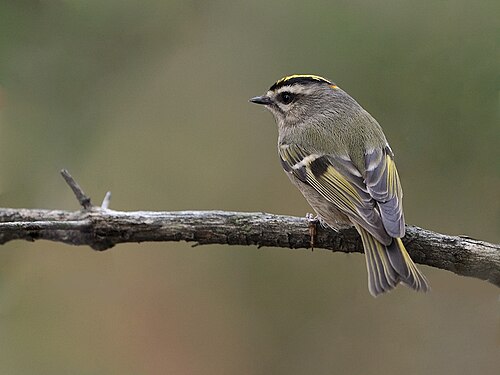


Most seen in April
Plants and fungi at their peak in April
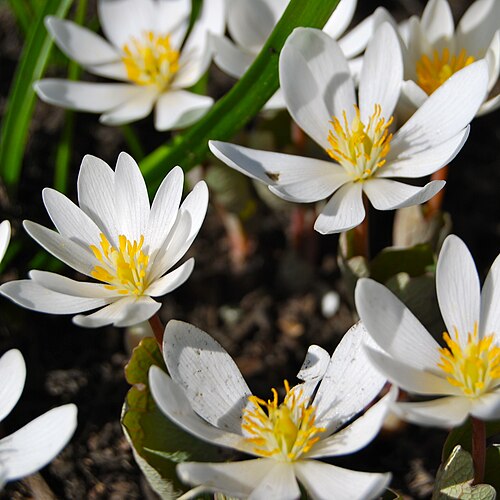

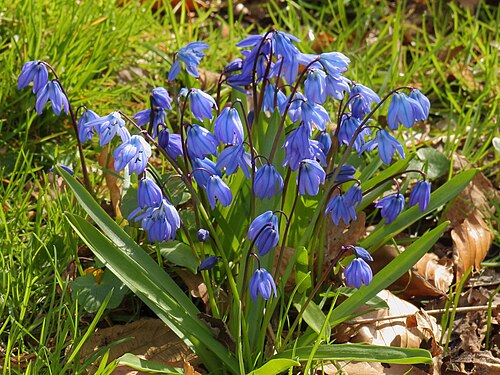

664,670 animal records in April.
At their peak in May

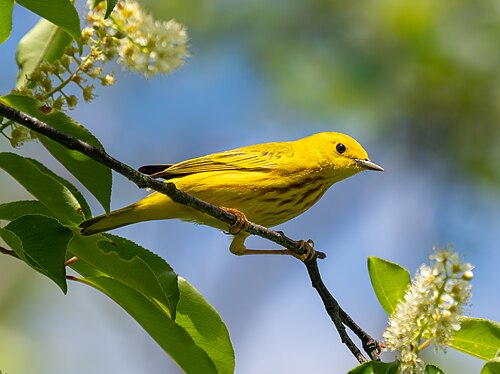


Most seen in May
Plants and fungi at their peak in May

1,200,427 animal records in May.
At their peak in June


Most seen in June
Plants and fungi at their peak in June
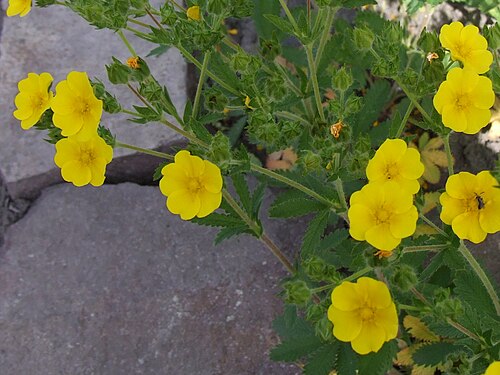
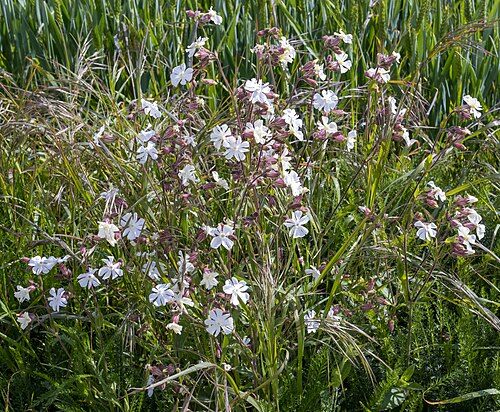

382,326 animal records in June.
At their peak in July
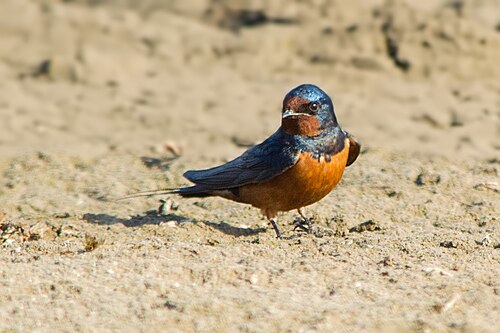
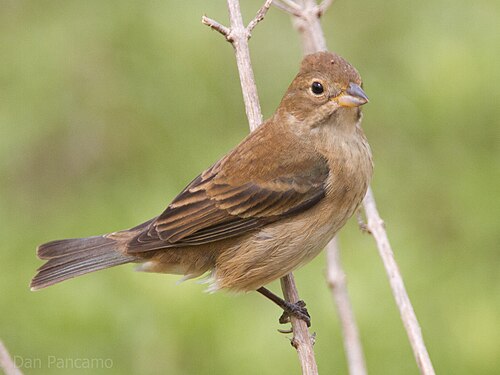
Most seen in July
Plants and fungi at their peak in July

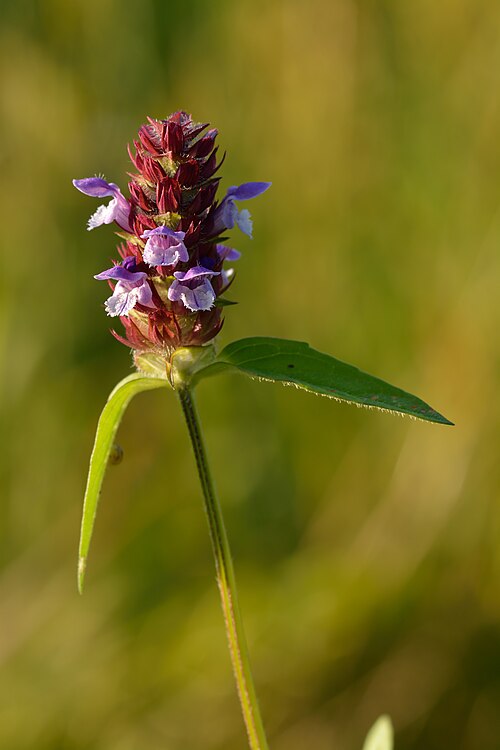
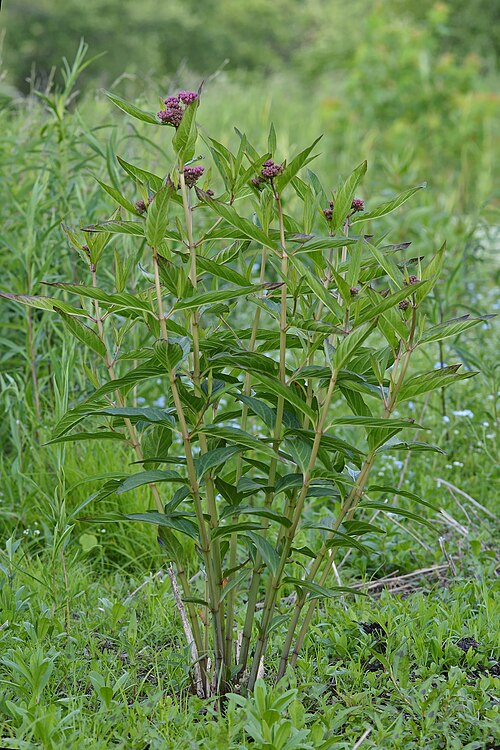
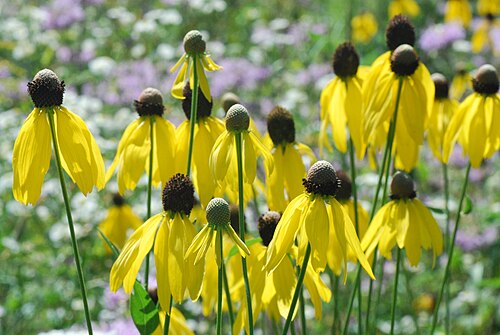
307,593 animal records in July.
At their peak in August

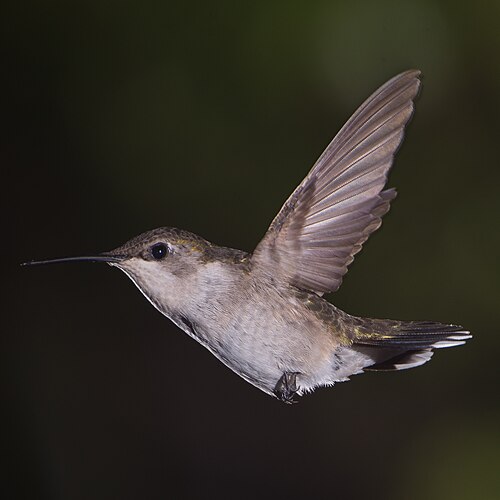
Most seen in August
Plants and fungi at their peak in August
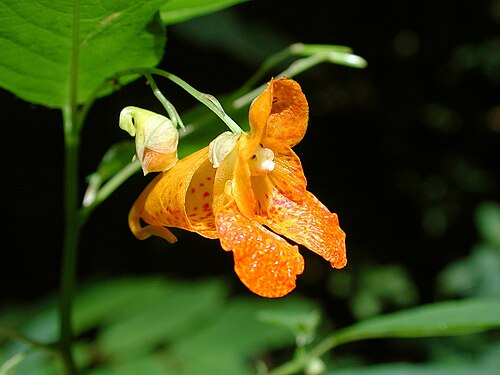
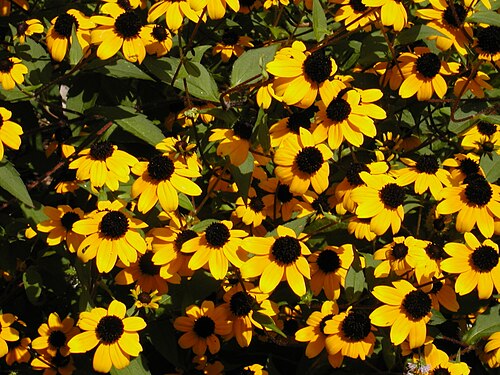

276,073 animal records in August.
At their peak in September


Most seen in September

Plants and fungi at their peak in September


325,945 animal records in September.
At their peak in October


Most seen in October
Plants and fungi at their peak in October

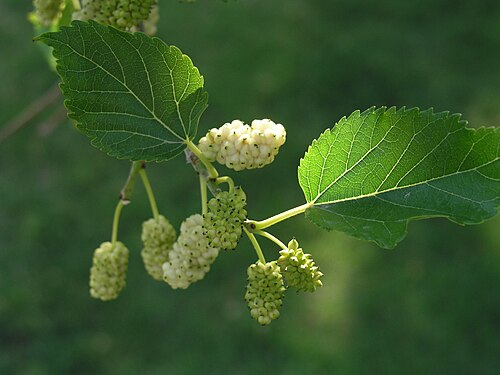
273,278 animal records in October.
At their peak in November
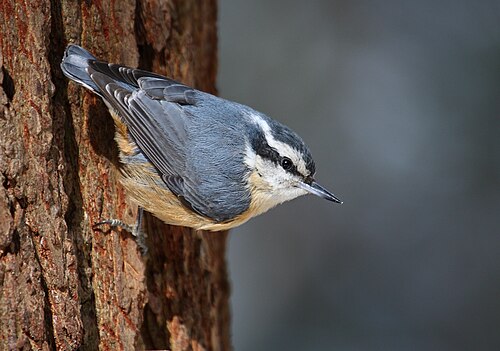
Most seen in November
179,730 animal records in November.
Milwaukee is getting warmer
+1.2 °CAverage temperature around Milwaukee in 2016–2025, compared with 1981–1990.
Daylight: about 9 hours in December and 15 in June.
Seen something near Milwaukee?
Share a photo of it on iNaturalist. Other naturalists help name it, and confirmed records go to GBIF, where scientists use them. That is where the lists on this page come from.
Explore next
What puts Milwaukee under pressure, what helps, and who works on it.
Milwaukee on the living planet
More places near Milwaukee
Sources and photo credits
- Wikidata · Milwaukee (Q37836), facts and nature places
- Wikipedia page views · how well known each nature place is
- OpenStreetMap contributors via Waymarked Trails · marked walking routes (ODbL)
- GBIF · human observations within 50 km, 2016–2025 (4,458,763 animal records)
- NASA POWER · yearly temperature from satellite and model data (MERRA-2)
- MET Norway · weather now (shown live)
- Fox River, Milwaukee: User:JeremyA, CC BY-SA 2.5
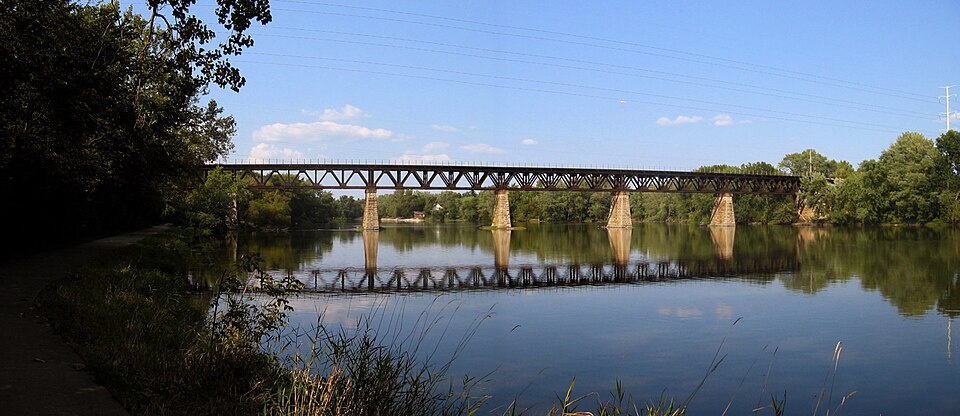
- Fox River, Milwaukee: User:JeremyA, CC BY-SA 2.5
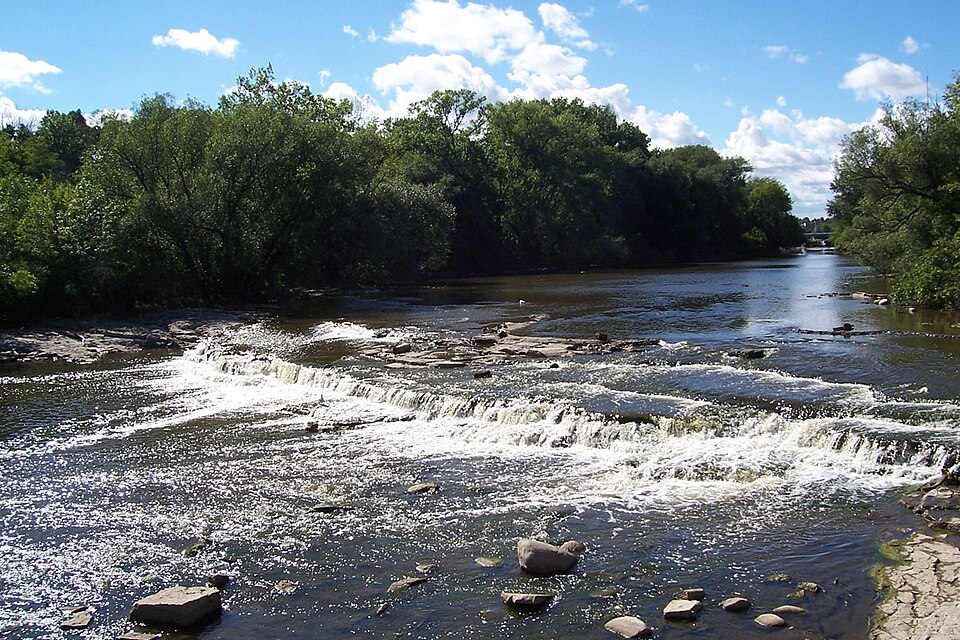
- Milwaukee River, Milwaukee: Original uploader was Sulfur at en.wikipedia, CC BY-SA 3.0
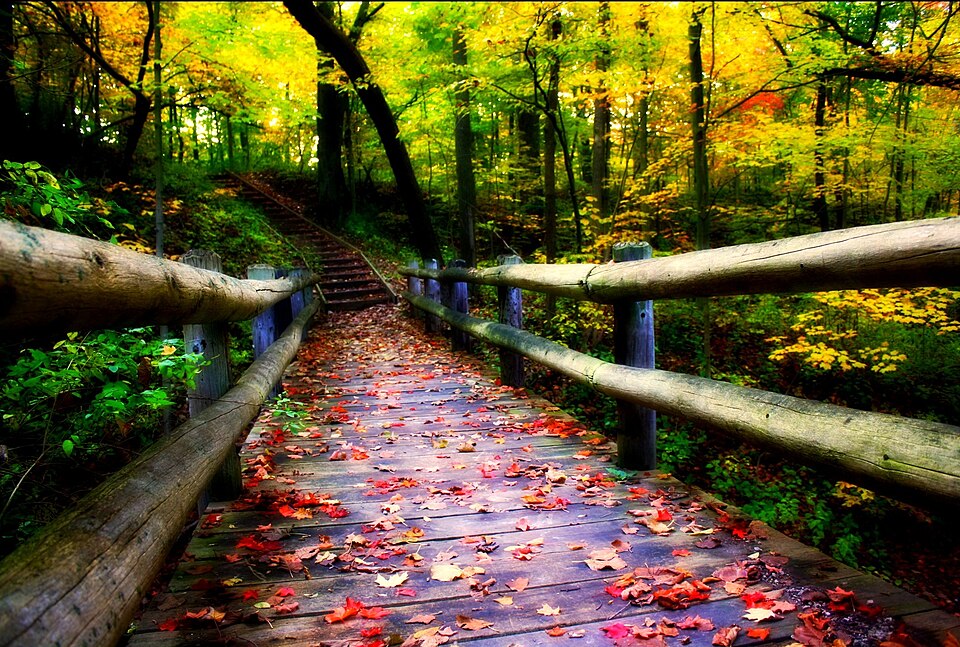
- Grant Park, Milwaukee: https://www.flickr.com/people/indykethdy/, CC BY-SA 2.0
- Mitchell Park Horticultural Conservatory, Milwaukee: Sulfur (Talk / contribs), CC BY-SA 3.0
- Henry Maier Festival Park, Milwaukee: Asher Heimermann, CC BY 3.0
- Menomonee River, Milwaukee: Sulfur, CC BY-SA 3.0
- Root River, Milwaukee: User:JeremyA, CC BY-SA 2.5
- Kinnickinnic River, Milwaukee: Iulus Ascanius at English Wikipedia, Public domain
- Northern cardinal: patricia pierce, CC BY 2.0
- American robin: Rhododendrites, CC BY-SA 4.0
- Black-capped chickadee: No machine-readable author provided. Mdf assumed (based on copyright claims)., CC BY-SA 3.0
- Mourning dove: Rhododendrites, CC BY-SA 4.0
- Common eastern bumble bee: https://www.flickr.com/photos/gillesgonthier/297487697/, CC BY 2.0
- White-tailed deer: USDA photo by Scott Bauer, Public domain
- Eastern gray squirrel: Dominic Nelson, CC BY-SA 4.0
- Monarch: Rhododendrites, CC BY-SA 4.0
- Eastern cottontail: The High Fin Sperm Whale, CC BY-SA 3.0
- American goldfinch: Mdf, CC BY-SA 3.0
- Eastern forktail: Ryan Hodnett, CC BY-SA 4.0
- American toad: Cephas, CC BY-SA 3.0
- Dark-eyed junco: Cephas, CC BY-SA 3.0
- Downy woodpecker: Wolfgang Wander, CC BY-SA 3.0
- American herring gull: Alan D. Wilson, www.naturespicsonline.com, CC BY-SA 2.5
- Common goldeneye: Calibas, CC BY-SA 3.0
- American tree sparrow: Mykola Swarnyk, CC BY-SA 3.0
- Red-breasted merganser: Channel City Camera Club from Santa Barbara, US, CC BY 2.0
- Greater scaup: MPF, CC BY-SA 4.0
- Canada goose: Katja Schulz from Washington, D. C., USA, CC BY 2.0
- Red-winged blackbird: Walter Siegmund (talk), CC BY-SA 3.0
- Sandhill crane: http://www.birdphotos.com, CC BY 3.0
- Bufflehead: Mdf, CC BY-SA 3.0
- Golden-crowned kinglet: Gary Irwin, CC BY-SA 2.0
- Blue-winged teal: ADJ82, CC BY 3.0
- Eastern phoebe: John Benson, CC BY 2.0
- Bloodroot: UpstateNYer, CC BY-SA 3.0
- Mayapple: Jennifer Anderson, USDA, Public domain
- Siberian squill: Dominicus Johannes Bergsma, CC BY-SA 3.0
- Garlic mustard: O. Pichard, CC BY-SA 3.0
- Baltimore oriole: Mdf, CC BY-SA 3.0
- American yellow warbler: Rhododendrites, CC BY-SA 4.0
- Blue-grey gnatcatcher: U.S. Fish and Wildlife Service Southeast Region, Public domain
- Rose-breasted grosbeak: Cephas, CC BY-SA 3.0
- Spotted geranium: Eric in SF, CC BY-SA 3.0
- Northern house wren: Rhododendrites, CC BY-SA 4.0
- Eastern wood pewee: Rhododendrites, CC BY-SA 4.0
- Red-eyed vireo: John Benson from Madison WI, CC BY 2.0
- Sulphur cinquefoil: Jerzy Opioła, CC BY-SA 4.0
- White campion: JackyM59, CC BY-SA 4.0
- Oxeye daisy: Victor M. Vicente Selvas, Public domain
- Barn swallow: Morhaf Aljanee, CC BY-SA 3.0
- Indigo bunting: Dan Pancamo, CC BY-SA 2.0
- Wild bergamot: Hardyplants at English Wikipedia, Public domain
- Heal-all: Ivar Leidus, CC BY-SA 3.0
- Swamp milkweed: Ryan Hodnett, CC BY-SA 4.0
- Pinnate prairie coneflower: Joshua Mayer from Madison, WI, USA, CC BY-SA 2.0
- Cedar waxwing: Jason Quinn, CC BY-SA 3.0
- Ruby-throated hummingbird: Pslawinski, CC BY-SA 4.0
- Orange balsam: Fritz Geller-Grimm, CC BY-SA 2.5
- Thin-leaved coneflower: b:User:SBJohnny, Public domain
- Ragweed: Dalgial, CC BY-SA 3.0
- Blue jay: Rhododendrites, CC BY-SA 4.0
- Swainson's thrush: Cephas, CC BY-SA 4.0
- American redstart: Dennis G. Jarvis, CC BY-SA 2.0
- Palm warbler: Rhododendrites, CC BY-SA 4.0
- New england aster: Andrew Sebastian, CC BY 4.0
- White snakeroot: Sten Porse, CC BY-SA 3.0
- White-throated sparrow: Cephas, CC BY-SA 3.0
- Myrtle warbler: Rhododendrites, CC BY-SA 4.0
- White-crowned sparrow: Wolfgang Wander, CC BY-SA 3.0
- Turkeytail: Ecornerdropshop at en.wikipedia, Public domain
- White mulberry: GerardM, CC BY-SA 2.1 es
- Red-breasted nuthatch: Cephas, CC BY-SA 3.0


Wildlife records show where people have seen and shared plants and animals, not everything that lives here; some places and months are recorded more than others. Sensitive species are never shown with a month or as seen recently. Routes come from OpenStreetMap and are not checked by 4Planet: follow local signs and conditions. Climate figures are NASA estimates for the area around Milwaukee, not a single weather station.
Checked 2026-11-27.