Las Vegas
City in United States
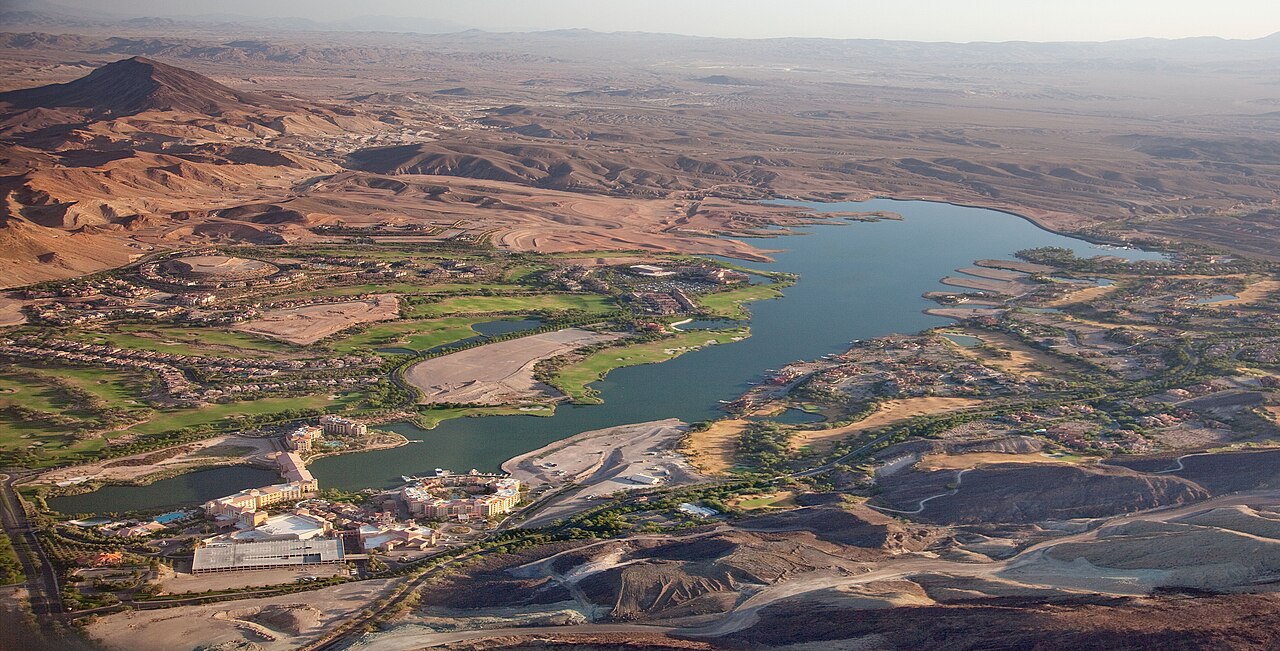
Within 30 km of the centre of Las Vegas, the nature places people read about most are Red Rock Canyon National Conservation Area, Lake Las Vegas, Old Las Vegas Mormon Fort and Wet 'n Wild, and marked walks close to the city include Scenic Byway Trail, Tortoise Trail and Cultural Corridor Trail.
People have shared 1,564,985 wildlife records within 50 km of Las Vegas in the last ten years. The wild animals recorded most often are the verdin, the house finch, the mourning dove, the anna's hummingbird and the great-tailed grackle. Since the 1980s the area has become about 1.8 °C warmer.
- Country
- United States
- Population
- 641,903
- Area
- 348 km²
- Elevation
- 610 m
- Currency
- United States dollar
- Daylight
- 10 to 15 hours
Figures from Wikidata; population 2020.
Las Vegas on the map
- Red Rock Canyon National Conservation Area
- Lake Las Vegas
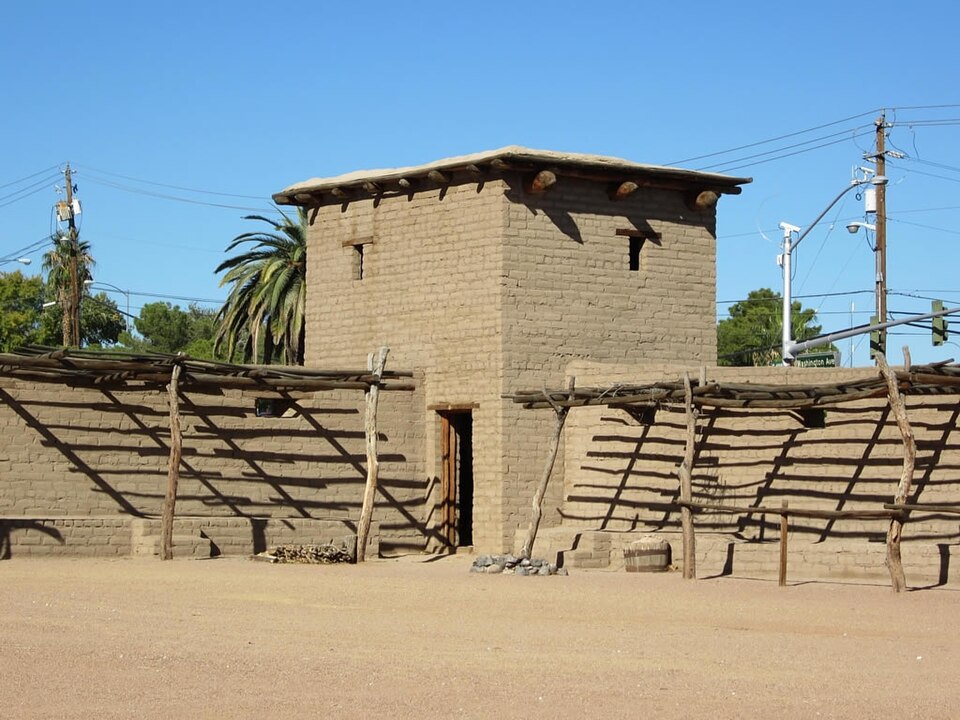
- Old Las Vegas Mormon Fort
- Wet 'n Wild
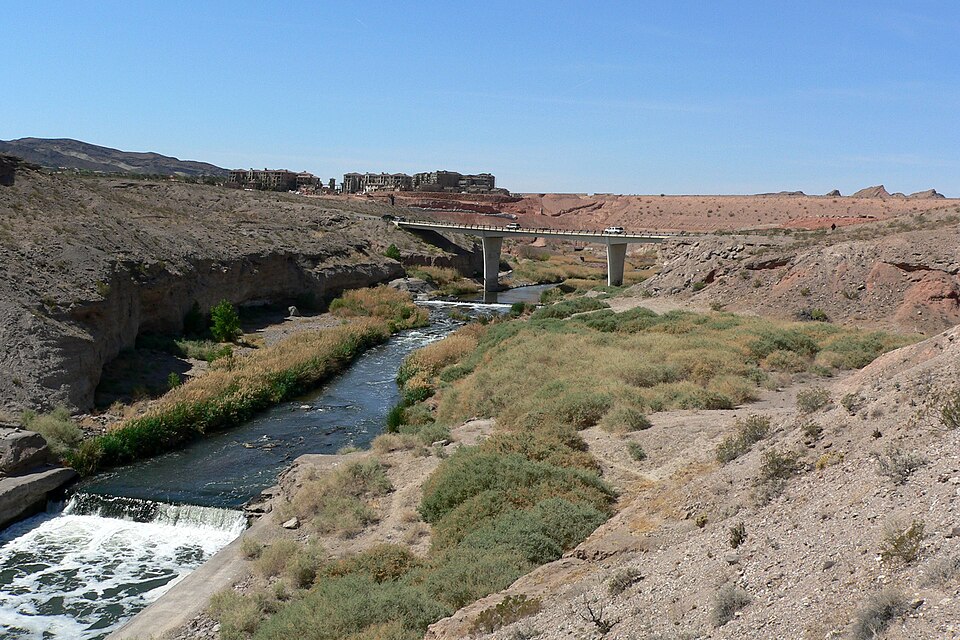
- Las Vegas Wash
- Frenchman Mountain
- Black Mountain
- Tule Springs Fossil Beds National Monument
- Springs Preserve
Nature close to Las Vegas
The places people read most about, from the centre outwards.

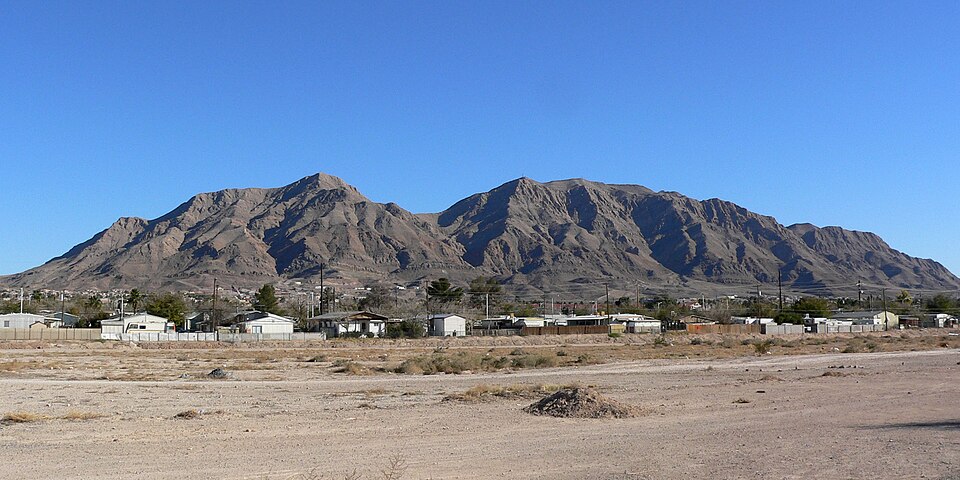
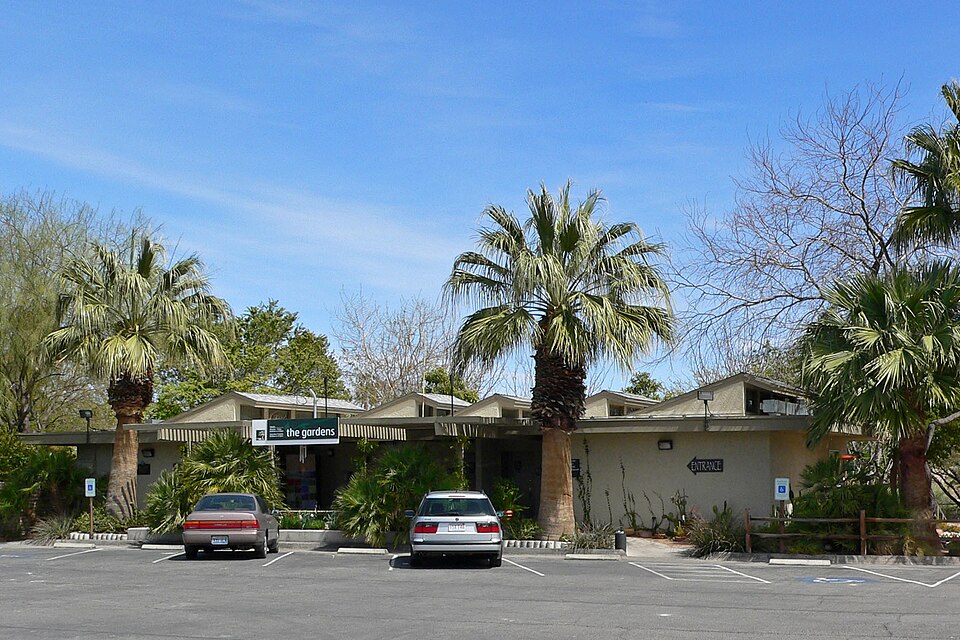
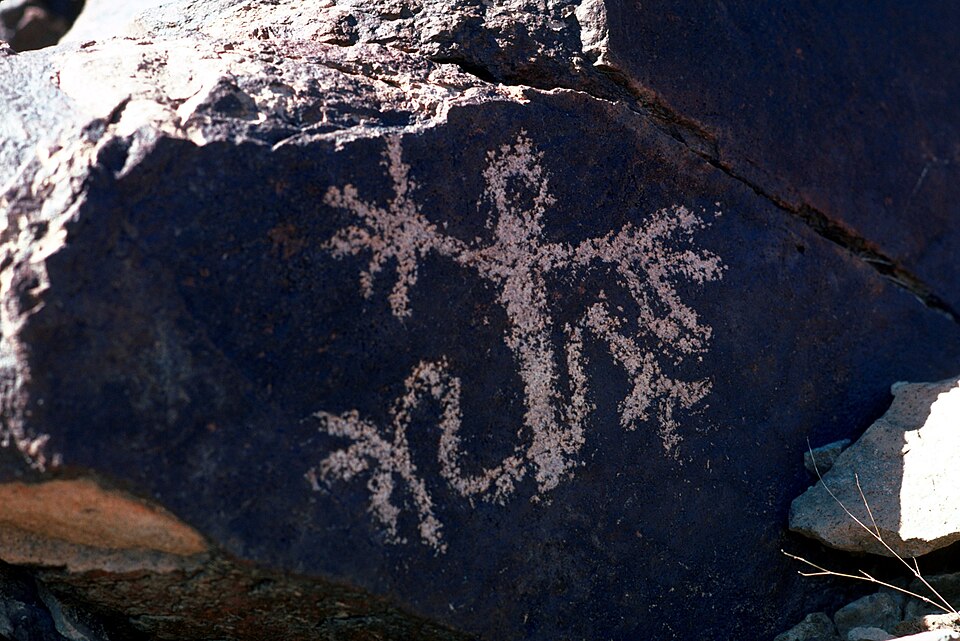
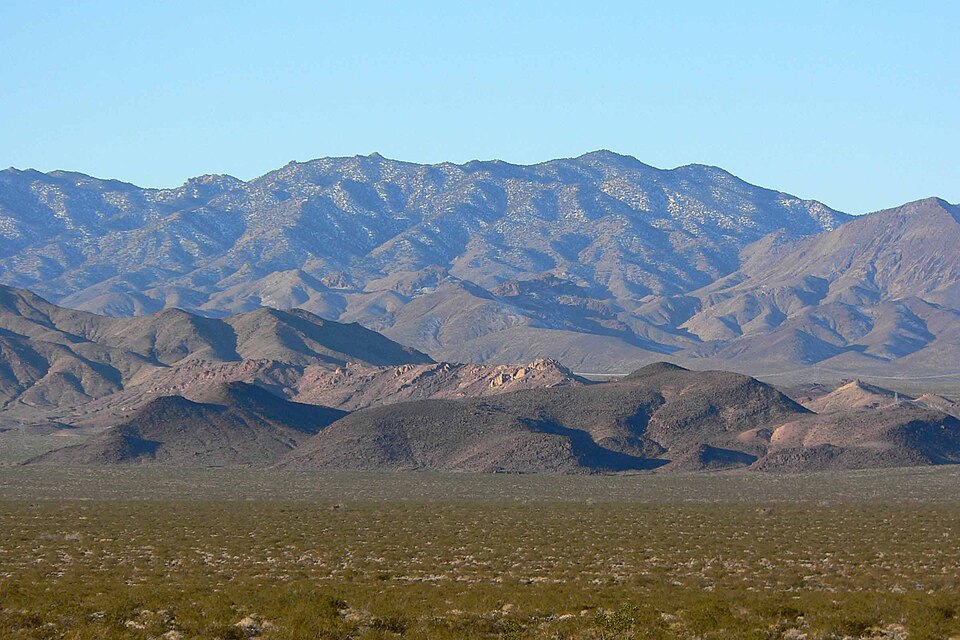
- Wet 'n Wild Park · 3 km
- Black Mountain Hill · 28 km
- Tule Springs Fossil Beds National Monument National monument of the united states · 27 km
- Wet'n'Wild Las Vegas Park · 18 km
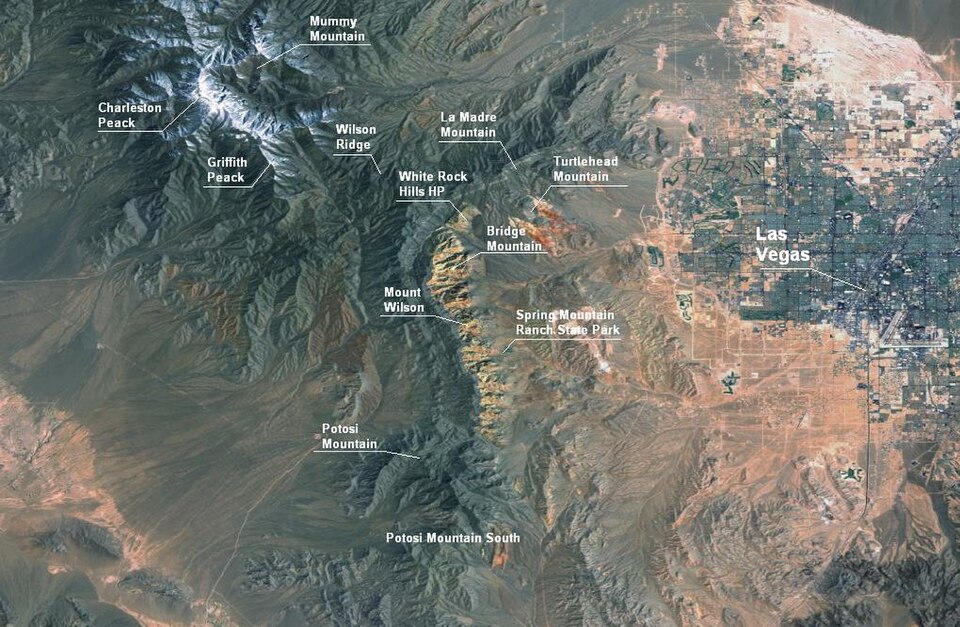
- Spring Mountain Ranch State Park Park · 30 km
Marked walks
- Scenic Byway Trail4.5 km · 1 km from the centre · marked by City of Las Vegas
- Tortoise Trail3.2 km · 1 km from the centre · marked by City of Las Vegas
- Cultural Corridor Trail1.3 km · 1 km from the centre · marked by City of Las Vegas
- Arts Trail1.2 km · 1 km from the centre · marked by City of Las Vegas
- Entertainment Trail1 km · 1 km from the centre · marked by City of Las Vegas
- Exploration Loop2.3 km · 4 km from the centre
- 1-Mile Trail3.5 km · 12 km from the centre
- Peccole Ranch Trail4.3 km · 14 km from the centre
Routes from OpenStreetMap via Waymarked Trails. Not checked by 4Planet: follow local signs and conditions.
Wildlife around Las Vegas
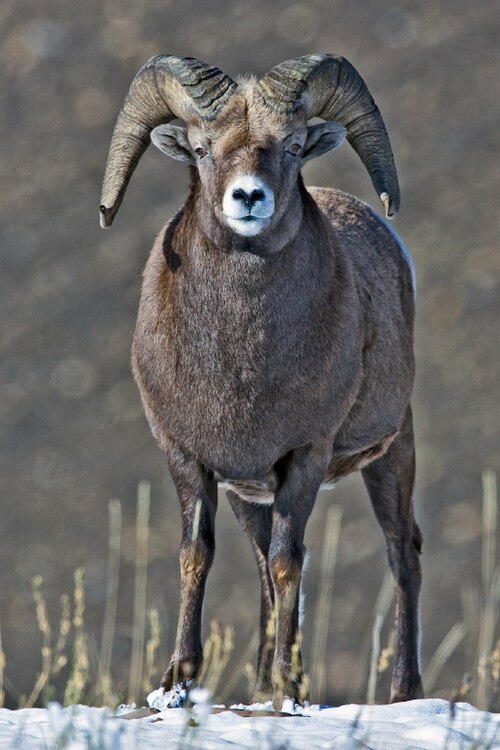
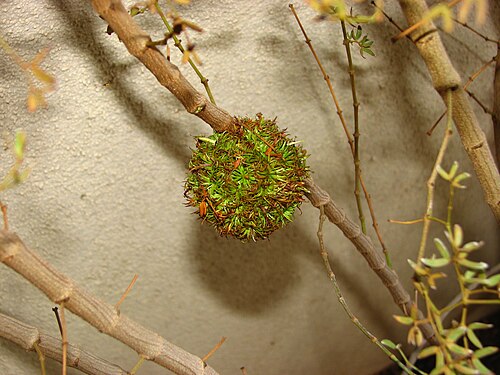
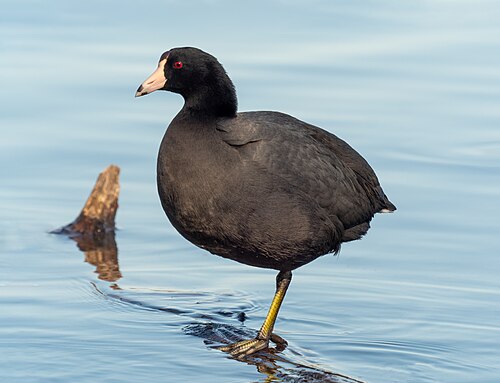
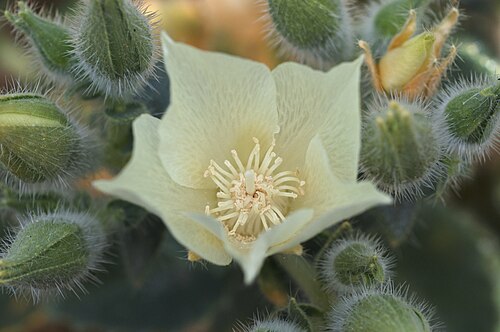
The wild animals people record most within 50 km, 2016–2025. Tick the ones you have seen to build your own list.


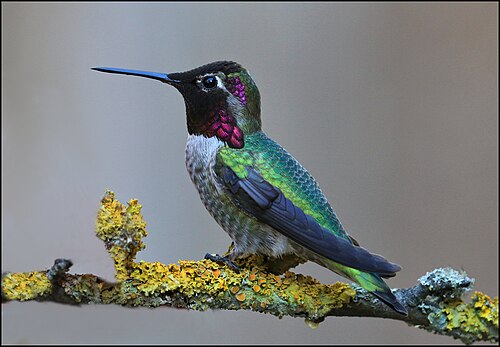


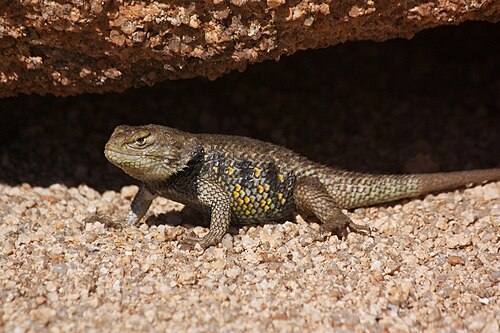
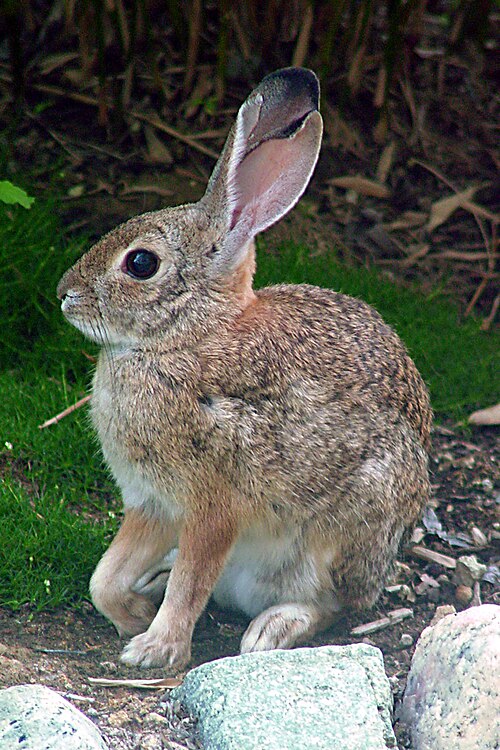
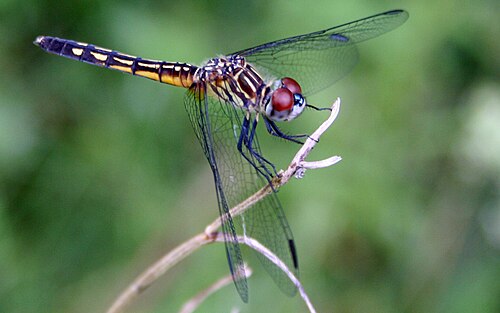
Seen in the last 30 days
What can you see near Las Vegas now?
Month by month, from 1,564,985 records people shared within 50 km, 2016–2025.
At their peak in January


Most seen in January


Plants and fungi at their peak in January

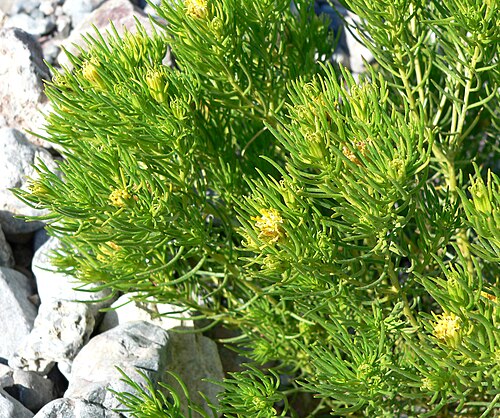
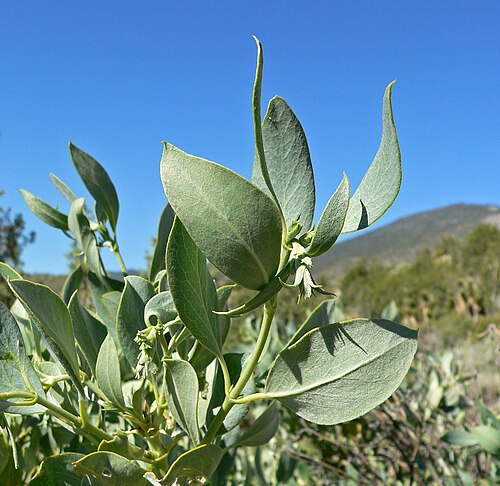
153,562 animal records in January.
At their peak in February
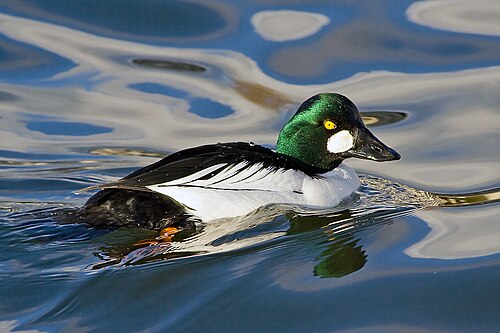

Most seen in February
Plants and fungi at their peak in February

127,412 animal records in February.
At their peak in March

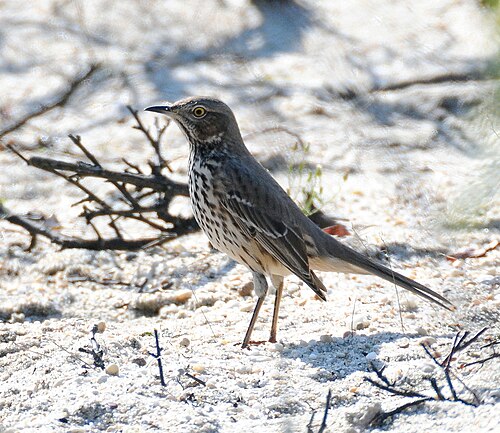
Most seen in March
Plants and fungi at their peak in March

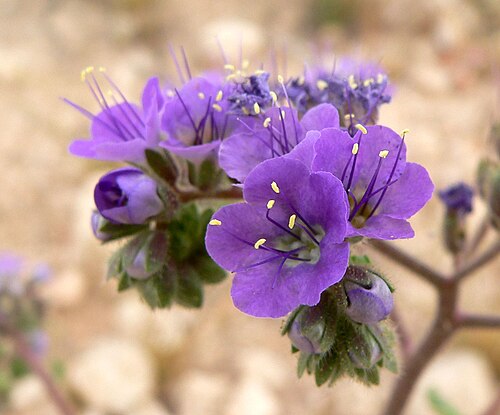
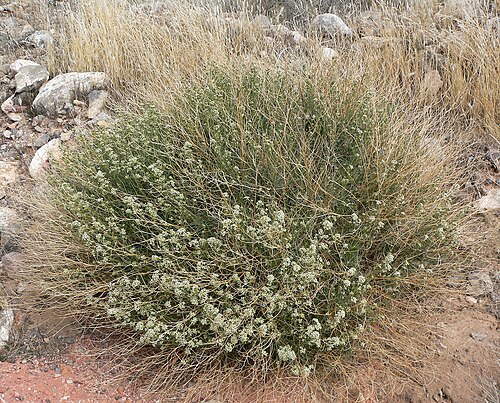
155,127 animal records in March.
At their peak in April

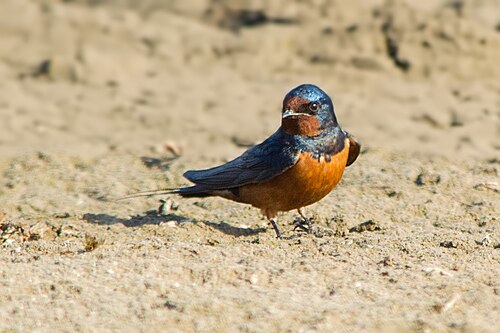

Most seen in April
Plants and fungi at their peak in April

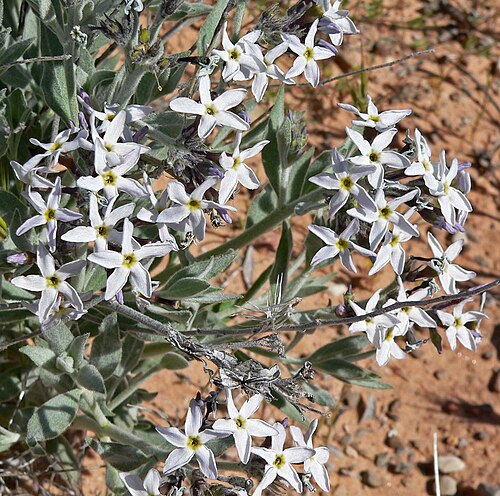

178,531 animal records in April.
At their peak in May
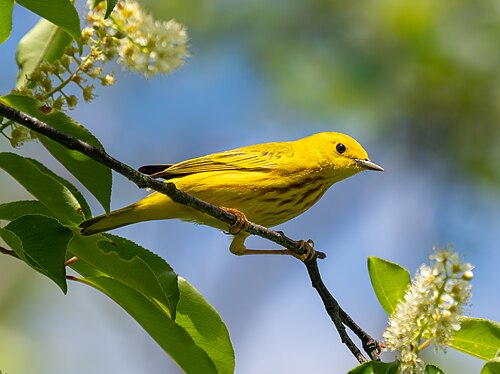


Most seen in May
Plants and fungi at their peak in May


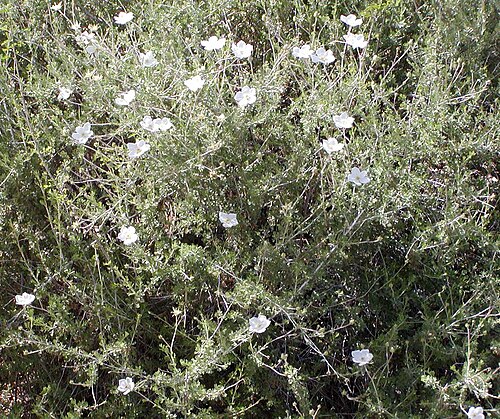
174,851 animal records in May.
At their peak in June
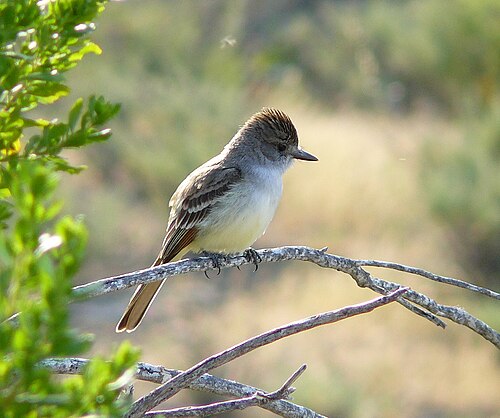
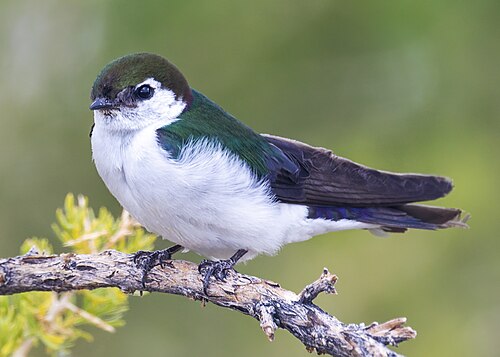
Most seen in June
Plants and fungi at their peak in June
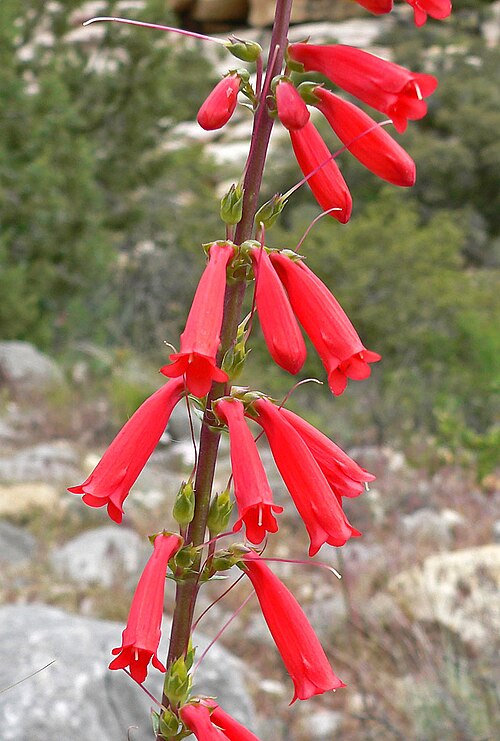
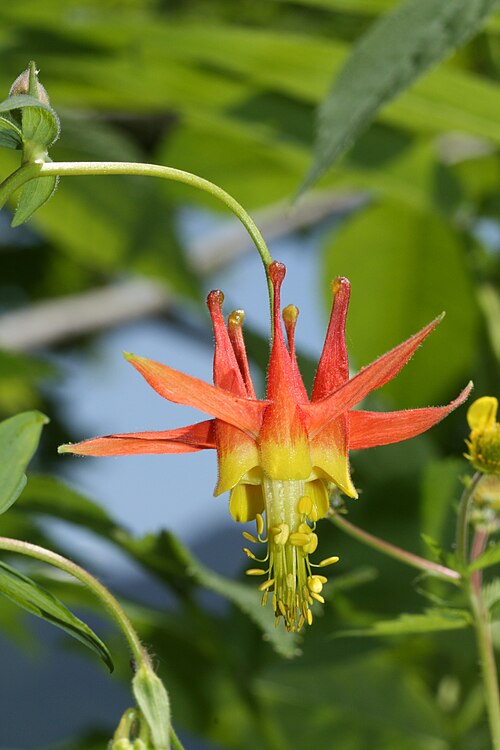
77,178 animal records in June.
At their peak in July


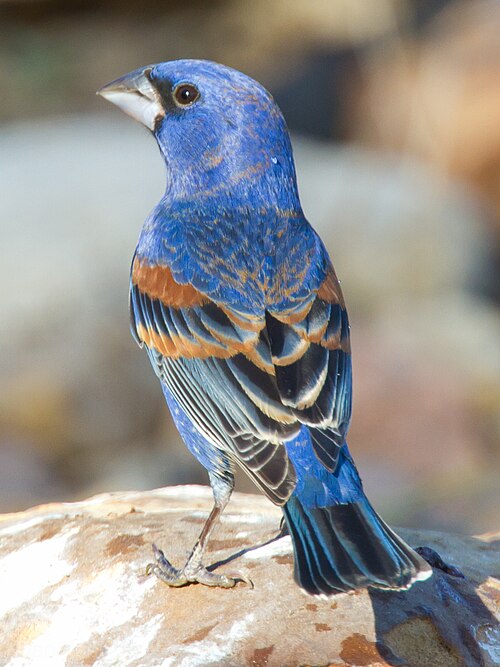
Most seen in July
Plants and fungi at their peak in July
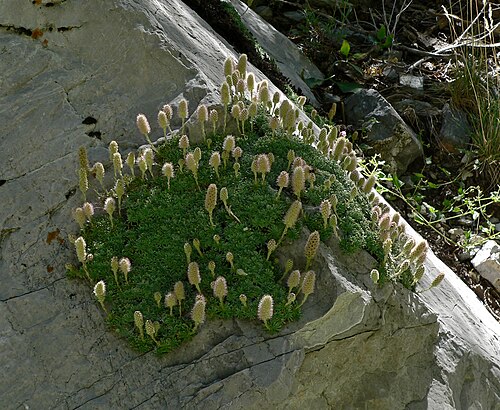
72,113 animal records in July.
At their peak in August


Most seen in August
Plants and fungi at their peak in August
83,456 animal records in August.
At their peak in September

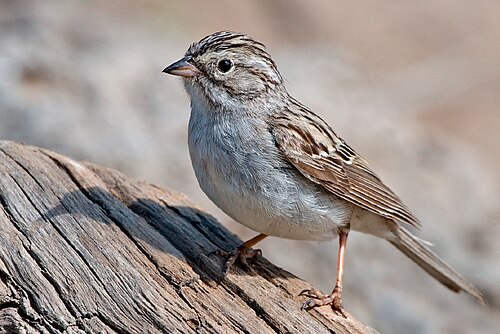
Most seen in September
Plants and fungi at their peak in September
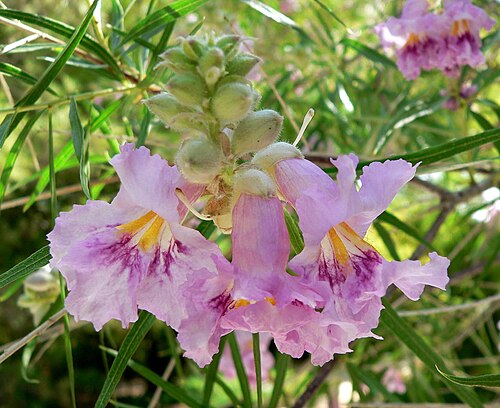
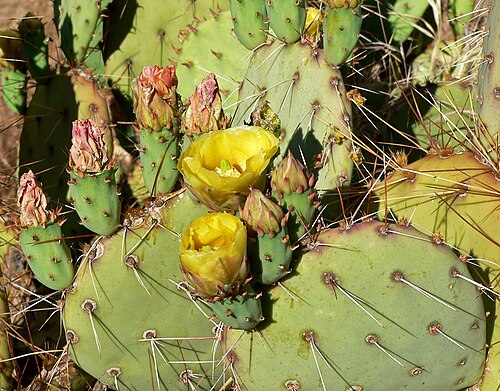

122,250 animal records in September.
At their peak in October
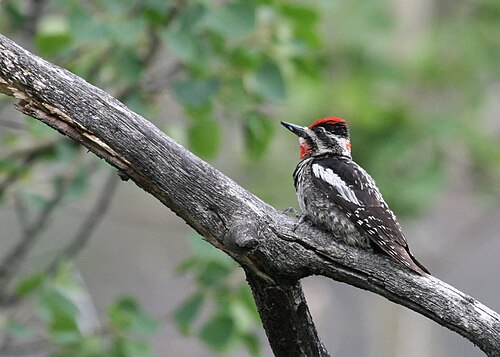
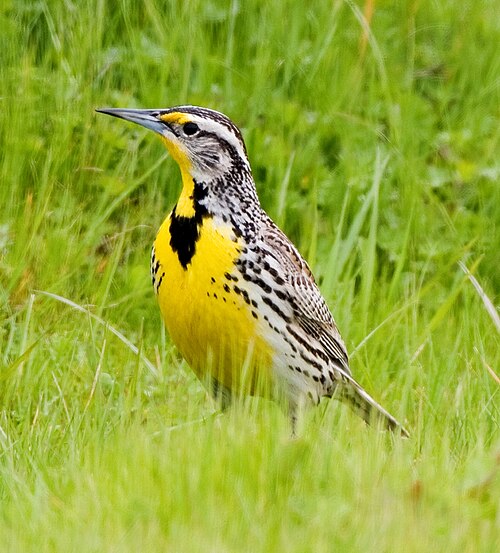
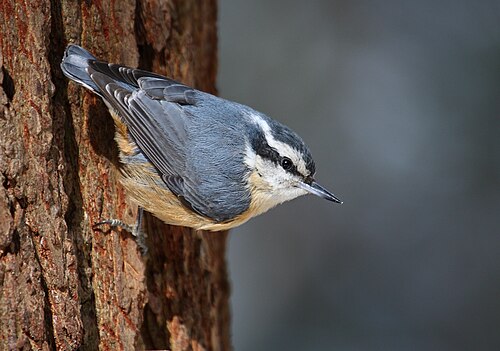
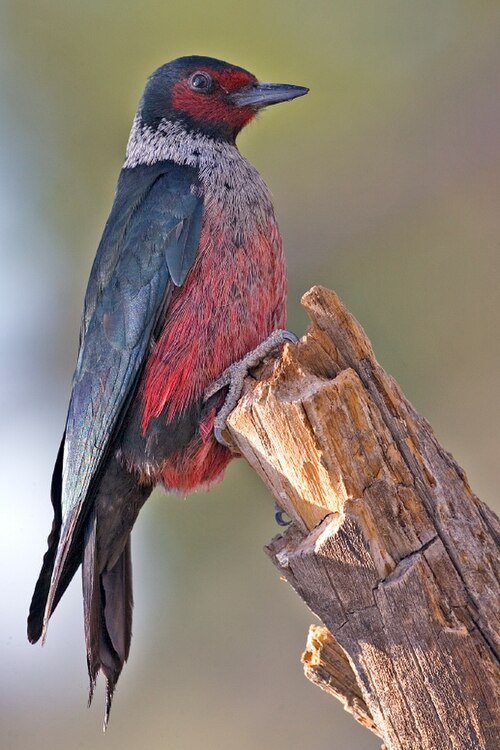
Most seen in October
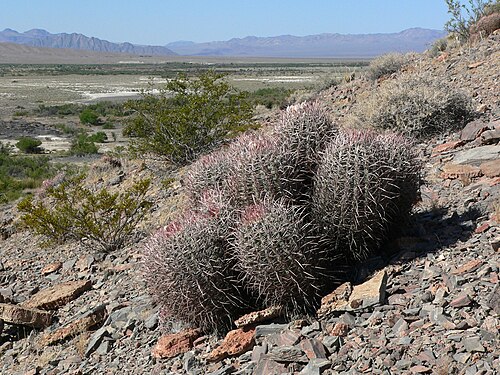
Plants and fungi at their peak in October
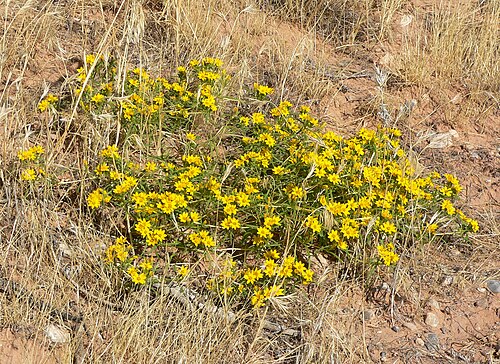
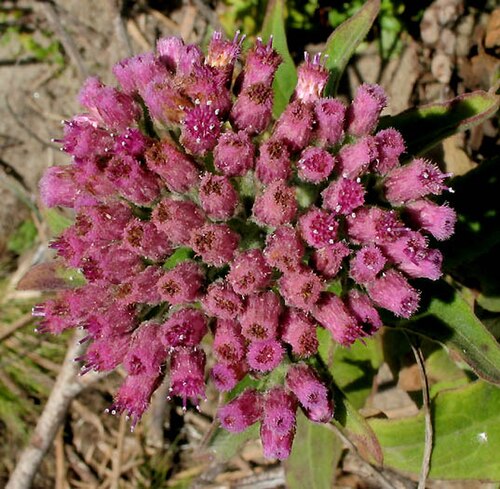
143,758 animal records in October.
At their peak in November


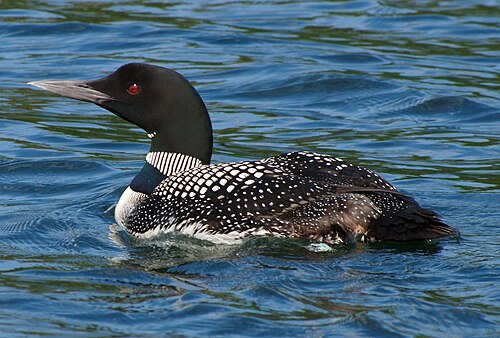
Most seen in November
Plants and fungi at their peak in November
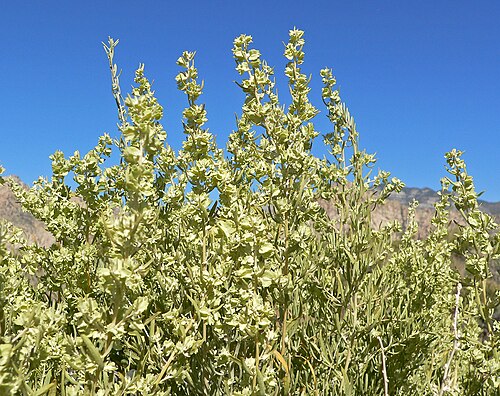
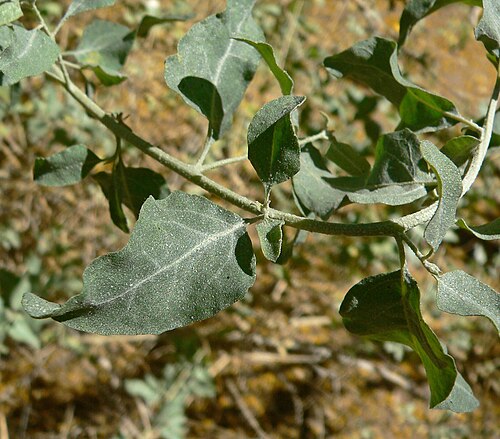

143,501 animal records in November.
At their peak in December

Most seen in December
Plants and fungi at their peak in December

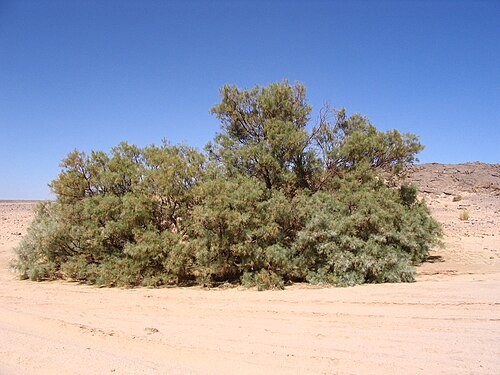

133,246 animal records in December.
Las Vegas is getting warmer
+1.8 °CAverage temperature around Las Vegas in 2016–2025, compared with 1981–1990.
Daylight: about 10 hours in December and 15 in June.
Seen something near Las Vegas?
Share a photo of it on iNaturalist. Other naturalists help name it, and confirmed records go to GBIF, where scientists use them. That is where the lists on this page come from.
Explore next
What puts Las Vegas under pressure, what helps, and who works on it.
Las Vegas on the living planet
More places near Las Vegas
Sources and photo credits
- Wikidata · Las Vegas (Q23768), facts and nature places
- Wikipedia page views · how well known each nature place is
- OpenStreetMap contributors via Waymarked Trails · marked walking routes (ODbL)
- GBIF · human observations within 50 km, 2016–2025 (1,564,985 animal records)
- NASA POWER · yearly temperature from satellite and model data (MERRA-2)
- MET Norway · weather now (shown live)
- Lake Las Vegas, Las Vegas: Carol M. Highsmith, Public domain
- Red Rock Canyon National Conservation Area, Las Vegas: Asybaris01, Public domain
- Lake Las Vegas, Las Vegas: Carol M. Highsmith, Public domain
- Old Las Vegas Mormon Fort, Las Vegas: David Stanley from Nanaimo, Canada, CC BY 2.0
- Las Vegas Wash, Las Vegas: Stan Shebs, CC BY-SA 3.0
- Frenchman Mountain, Las Vegas: Stan Shebs, CC BY-SA 3.0
- Springs Preserve, Las Vegas: Stan Shebs, CC BY-SA 3.0
- Sloan Canyon National Conservation Area, Las Vegas: US gov, Public domain
- McCullough Range, Las Vegas: Stan Shebs, CC BY-SA 3.0
- Verdin: Patrick Coin (Patrick Coin), CC BY-SA 2.5
- House finch: sergio niebla from Cd. Victoria, Tamaulipas, México, CC BY-SA 2.0
- Mourning dove: Rhododendrites, CC BY-SA 4.0
- Anna's hummingbird: Nigel, CC BY 2.0
- Great-tailed grackle: Channel City Camera Club/Susan T. Cook, CC BY 2.0
- Common side-blotched lizard: Andrew Cattoir (Lake Mead National Recreation Area), Public domain
- Southern house mosquito: Own scan, slightly modified. Original by Emil August Goeldi (1859 - 1917)., Public domain
- Yellow-backed spiny lizard: Laura Camp from San Juan Capistrano, CA, CC BY-SA 2.0
- Desert cottontail: Holly Cheng, CC BY-SA 3.0
- Blue dasher: R. A. Nonenmacher, CC BY 2.5
- Bighorn sheep: Alan D. Wilson, CC BY-SA 3.0
- Creosote pom-pom gall midge: Nadando, Public domain
- White-crowned sparrow: Wolfgang Wander, CC BY-SA 3.0
- American coot: Rhododendrites, CC BY-SA 4.0
- Myrtle warbler: Rhododendrites, CC BY-SA 4.0
- Ring-billed gull: Fabian Roudra Baroi, CC BY-SA 4.0
- Common merganser: Frank Schulenburg, CC BY-SA 3.0
- Snow goose: Andy Reago & Chrissy McClarren, CC BY 2.0
- Canvasback: Frank Schulenburg, CC BY-SA 3.0
- Turbinella oak: Stan Shebs, CC BY-SA 3.0
- Desert rock nettle: Eric in SF, CC BY-SA 3.0
- Schott's pygmycedar: Stan Shebs, CC BY-SA 3.0
- Ashy silk-tassel: Stan Shebs, CC BY-SA 3.0
- Common goldeneye: Calibas, CC BY-SA 3.0
- Mountain bluebird: Elaine R. Wilson, CC BY-SA 2.5
- Mohave desertrue: Stan Shebs, CC BY-SA 3.0
- Tree swallow: Rhododendrites, CC BY-SA 4.0
- Sage thrasher: Peter Massas, CC BY-SA 2.0
- Silverleaf sunray: Stan Shebs, CC BY-SA 3.0
- Caterpillarweed: Stan Shebs, CC BY-SA 3.0
- Fremont's pepperwort: Stan Shebs, CC BY-SA 3.0
- Lucy's warbler: Nancy Overholtz, CC BY-SA 4.0
- Barn swallow: Morhaf Aljanee, CC BY-SA 3.0
- Cassin's vireo: Dominic Sherony, CC BY-SA 2.0
- Desert Indian paintbrush: Jim Morefield from Nevada, USA, CC BY-SA 2.0
- Woolly amosonia: Stan Shebs, CC BY-SA 3.0
- Mojave aster: Stan Shebs, CC BY-SA 3.0
- American yellow warbler: Rhododendrites, CC BY-SA 4.0
- Black-chinned hummingbird: User:Mdf, CC BY-SA 3.0
- Wilson's warbler: Dawn Beattie from Morro Bay, CA, USA, CC BY 2.0
- Western tanager: U.S. Fish and Wildlife Service Headquarters, Public domain
- Range ratany: Stan Shebs, CC BY-SA 3.0
- Palmer's penstemon: Stan Shebs, CC BY-SA 3.0
- Apache plume: Stan Shebs, CC BY-SA 3.0
- Ash-throated flycatcher: docentjoyce on Flickr, CC BY 2.0
- Violet-green swallow: Polinova, CC BY-SA 4.0
- Eaton's penstemon: Stan Shebs, CC BY-SA 3.0
- Sitka columbine: Walter Siegmund (talk), CC BY-SA 3.0
- Western kingbird: Rhododendrites, CC BY-SA 4.0
- Brown-headed cowbird: Rhododendrites, CC BY-SA 4.0
- Blue grosbeak: Dan Pancamo, CC BY-SA 2.0
- Rock-spiraea: Stan Shebs, CC BY-SA 3.0
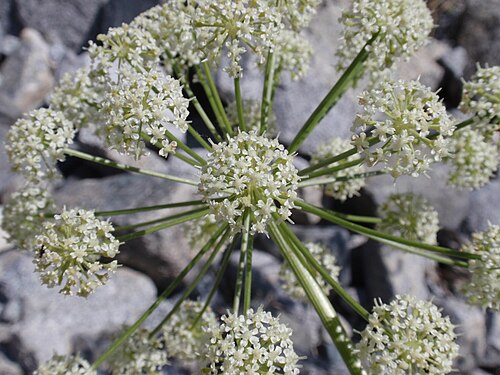
- Poison angelica: tomhilton, CC BY 2.0
- Black-necked stilt: Mike Baird, CC BY 2.0
- Bullock's oriole: Kevin Cole from Pacific Coast, USA (en:User:Kevinlcole), CC BY 2.0
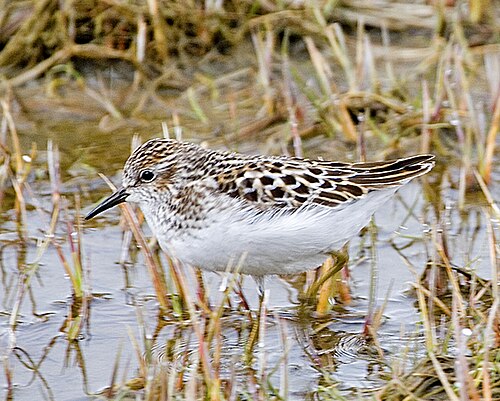
- Least sandpiper: Donna Dewhurst, USFWS, Public domain
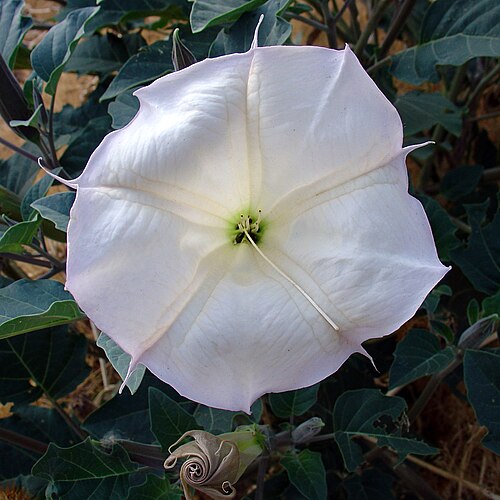
- Sacred thorn-apple: Dlarsen, Public domain
- Ringstem: U.S. Fish and Wildlife Service Headquarters, Public domain
- Belted kingfisher: Kevin Cole from Pacific Coast, USA (en:User:Kevinlcole), CC BY 2.0
- Brewer's sparrow: www.naturespicsonline.com, CC BY-SA 3.0
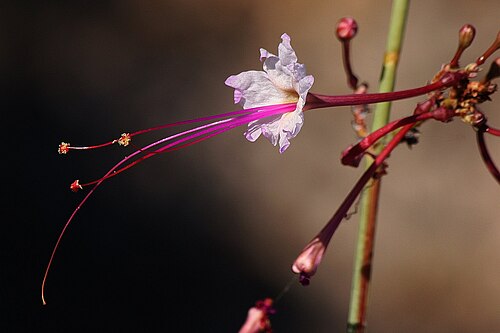
- Desert willow: Stan Shebs, CC BY-SA 3.0
- New mexico prickly-pear: Stan Shebs, CC BY-SA 3.0
- Small caltrops: Forest & Kim Starr, CC BY 3.0
- Red-naped sapsucker: Matt MacGillivray, CC BY 2.0
- Western meadowlark: Kevin Cole from Pacific Coast, USA (en:User:Kevinlcole), CC BY 2.0
- Red-breasted nuthatch: Cephas, CC BY-SA 3.0
- Lewis's woodpecker: http://www.naturespicsonline.com/, CC BY-SA 3.0
- Cottontop cactus: Stan Shebs, CC BY-SA 3.0
- Cinchweed: Stan Shebs, CC BY-SA 3.0
- Saltmarsh fleabane: Anthony Valois and the National Park Service, Public domain
- American pipit: Kathy & Sam from Beaverton OR, USA, CC BY 2.0
- Hooded merganser: Rhododendrites, CC BY-SA 4.0
- Horned grebe: Ekaterina Chernetsova (Papchinskaya) from Saint-Petersburg, Russia, CC BY 2.0
- Common loon: John Picken from Chicago, USA, CC BY 2.0
- Fourwing saltbush: Stan Shebs, CC BY-SA 3.0
- Big saltbush: Stan Shebs, CC BY-SA 3.0
- Skeleton-weed: Stan Shebs, CC BY-SA 3.0
- Ross's goose: JerryFriedman, CC BY-SA 4.0
- Acacia mistletoe: Stan Shebs, CC BY-SA 3.0
- Athel tamarisk: Anthere, CC BY-SA 3.0
- Common reed: Darkone (talk · contribs), CC BY-SA 2.0


Wildlife records show where people have seen and shared plants and animals, not everything that lives here; some places and months are recorded more than others. Sensitive species are never shown with a month or as seen recently. Routes come from OpenStreetMap and are not checked by 4Planet: follow local signs and conditions. Climate figures are NASA estimates for the area around Las Vegas, not a single weather station.
Checked 2026-11-25.