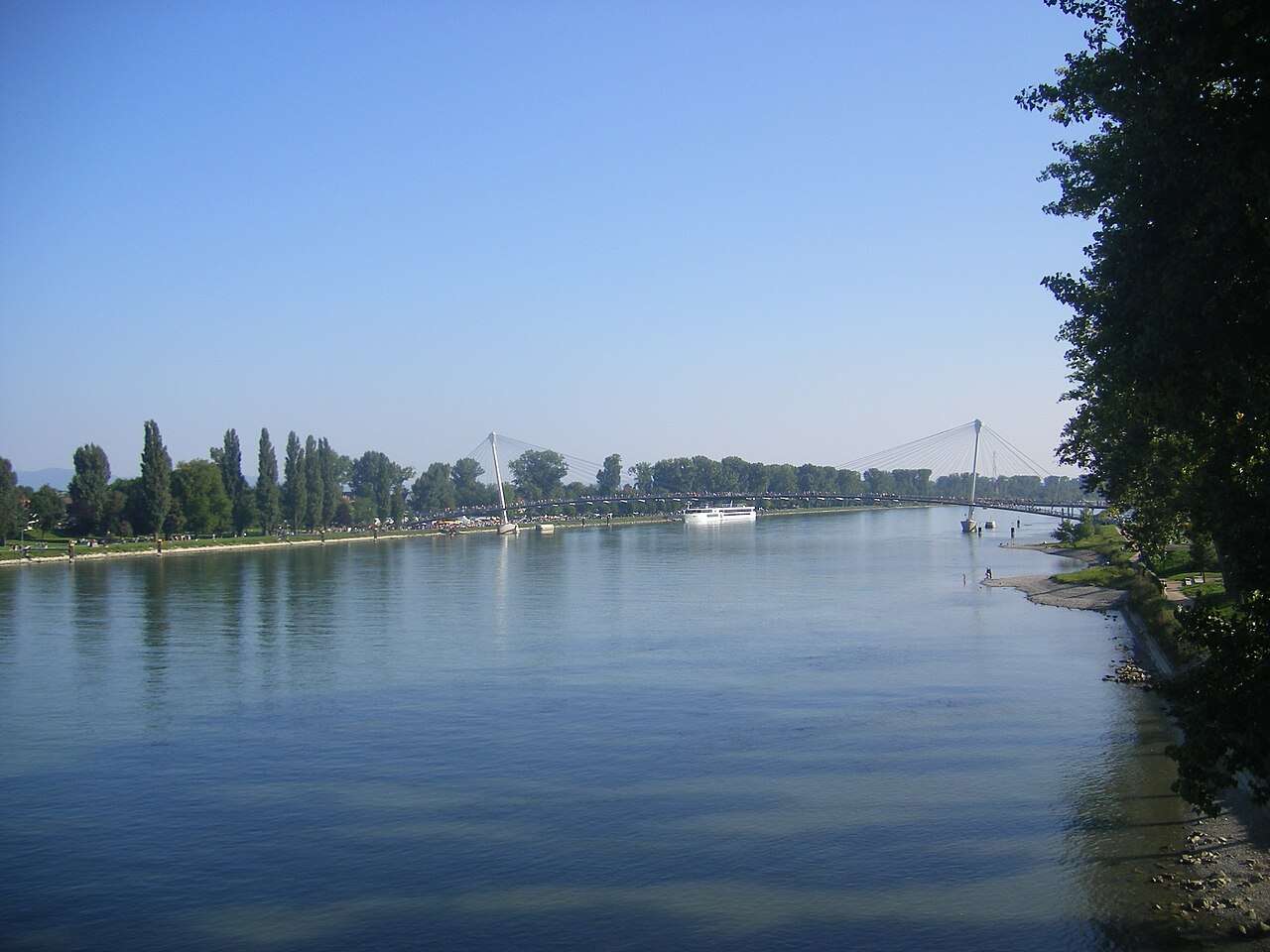
Karlsruhe
City in Germany
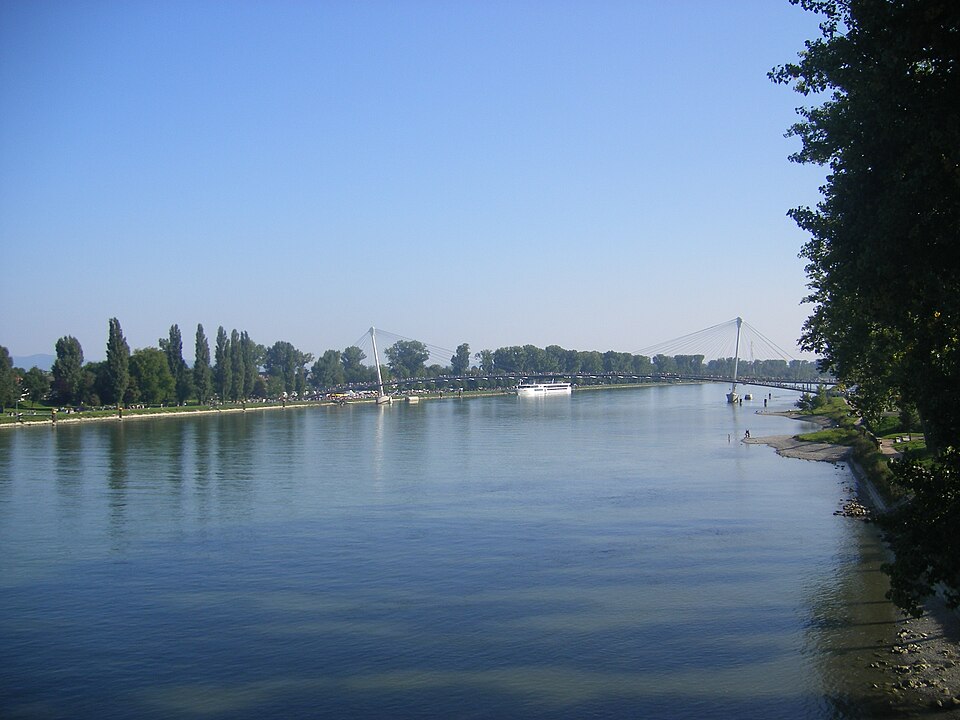
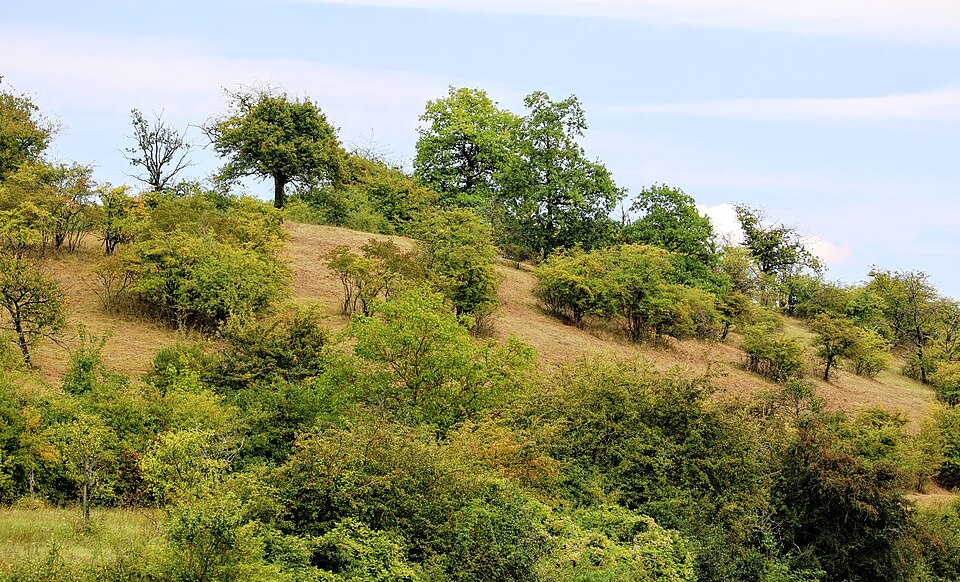
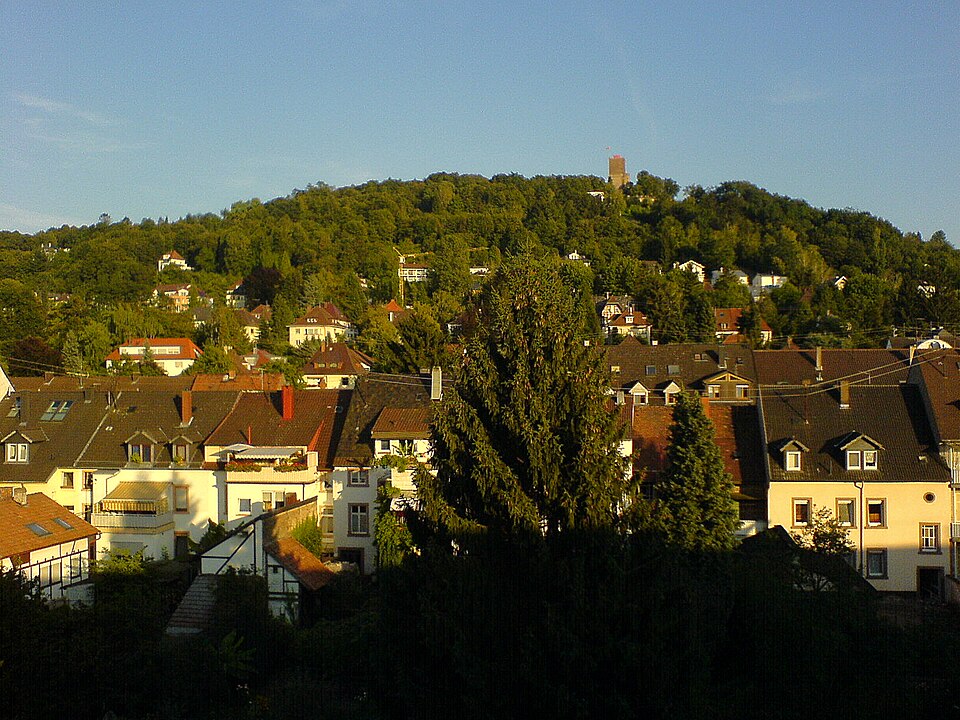
Within 30 km of the centre of Karlsruhe, the nature places people read about most are Upper Rhine, Upper Rhine Plain, Kraichgau and Turmberg, and marked walks close to the city include Ahornweg, Barfußweg and Gedichtpfad.
People have shared 1,321,359 wildlife records within 50 km of Karlsruhe in the last ten years. The wild animals recorded most often are the great tit, the common blackbird, the Eurasian blue tit, the carrion crow and the common wood pigeon. Since the 1980s the area has become about 1.8 °C warmer.
- Country
- Germany
- Population
- 309,247
- Area
- 173 km²
- Elevation
- 121 m
- Currency
- Euro
- Daylight
- 8 to 16 hours
Figures from Wikidata; population 2025.
Karlsruhe on the map
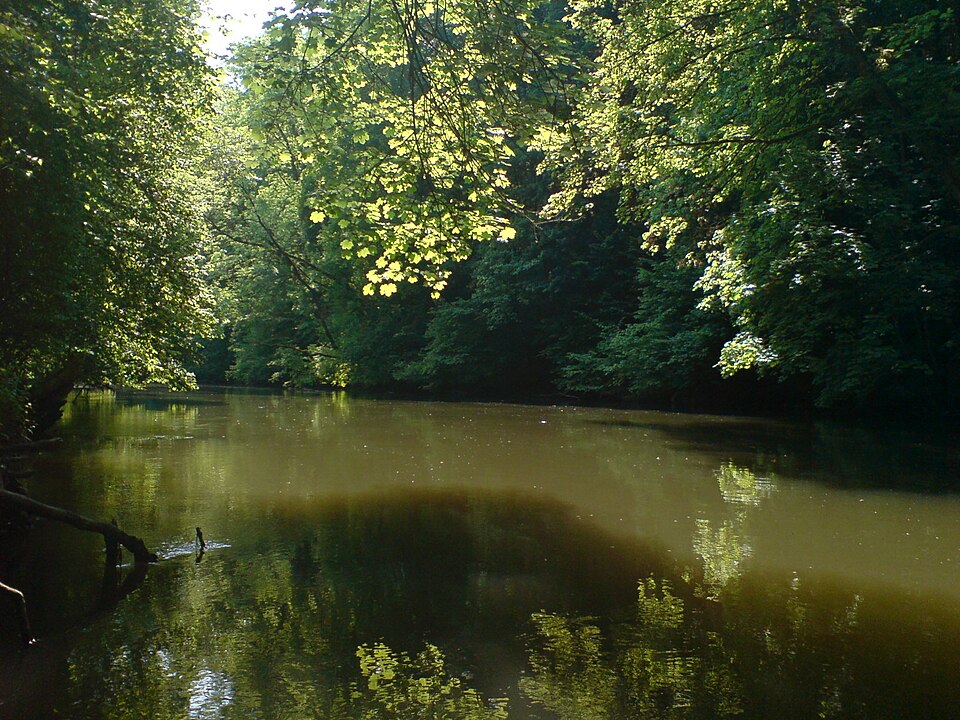
- Upper Rhine
- Upper Rhine Plain
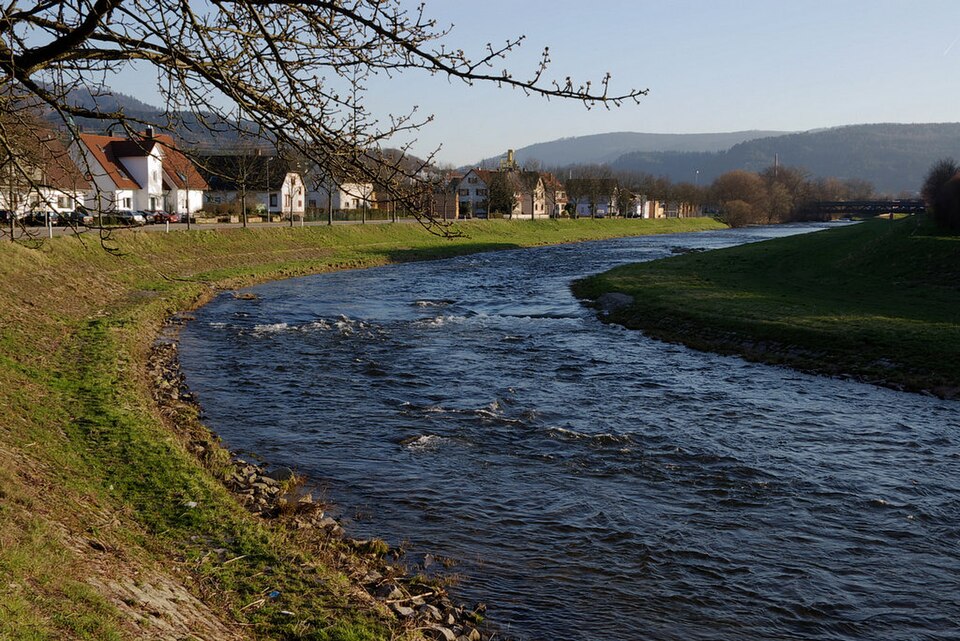
- Kraichgau
- Turmberg
- Enz
- Murg
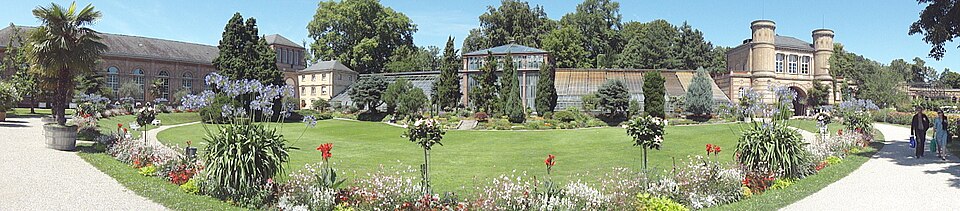
- Botanischer Garten Karlsruhe
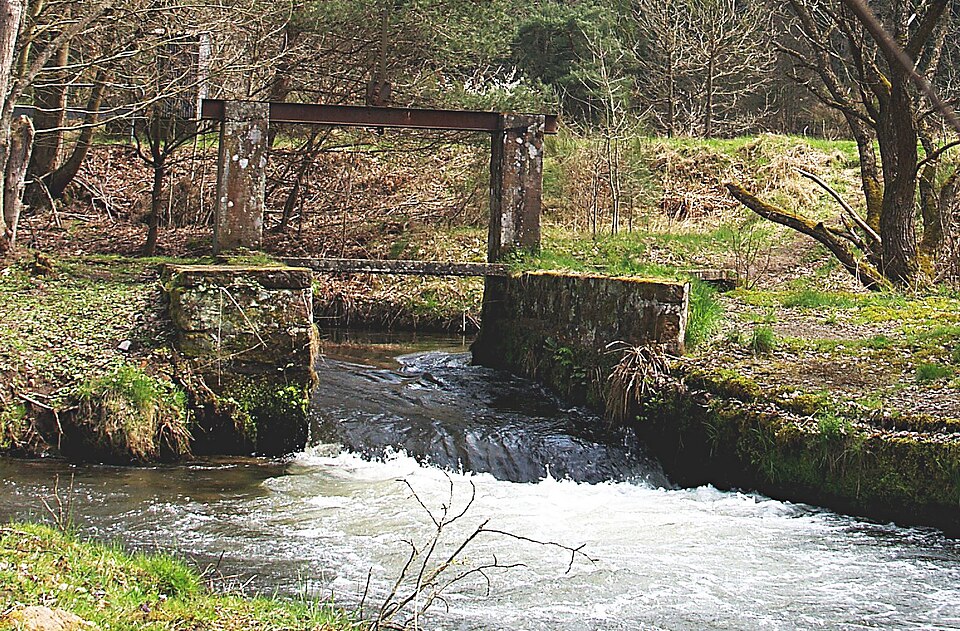
- Lauter
- Queich
Nature close to Karlsruhe
The places people read most about, from the centre outwards.
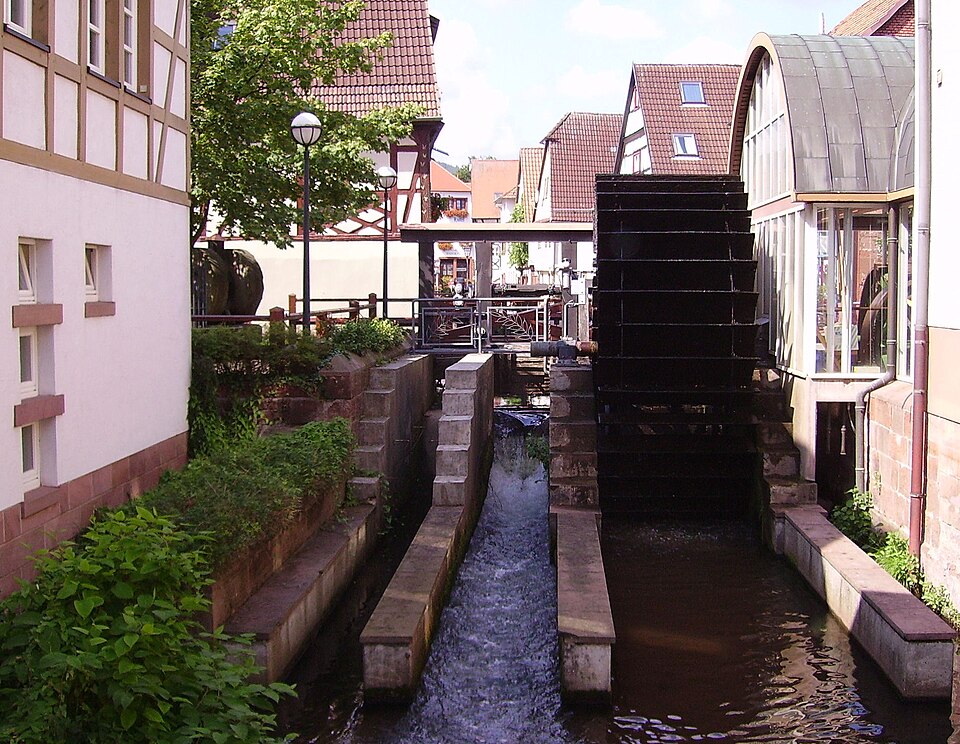
- Upper Rhine Plain Lowland · 13 km
- Nagold River · 26 km
- Alb River · 10 km
Marked walks
- Ahornweg2.6 km round trip · 3 km from the centre
- Barfußweg1.7 km · 3 km from the centre
- Gedichtpfad1.6 km · 3 km from the centre
- Albtalweg19.4 km · 4 km from the centre · marked by Schwarzwaldverein
- Klangpfad Neureut10.3 km · 4 km from the centre
- Eschenweg9.4 km round trip · 4 km from the centre
- Eichenweg6 km round trip · 4 km from the centre
- Hagsfelder Ökumeneweg5.2 km round trip · 4 km from the centre
Long-distance trails through the area: Jakobswege Baden-Württemberg (3,711 km), Nord Süd Trail (3,687 km), Jakobswege Pfalz (343 km).
Routes from OpenStreetMap via Waymarked Trails. Not checked by 4Planet: follow local signs and conditions.
Wildlife around Karlsruhe
The wild animals people record most within 50 km, 2016–2025. Tick the ones you have seen to build your own list.


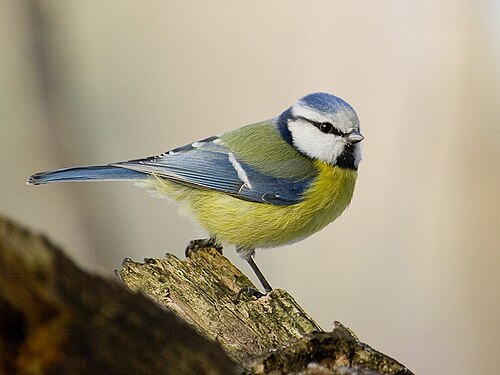


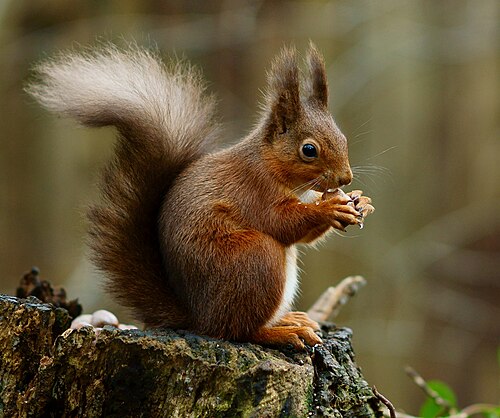
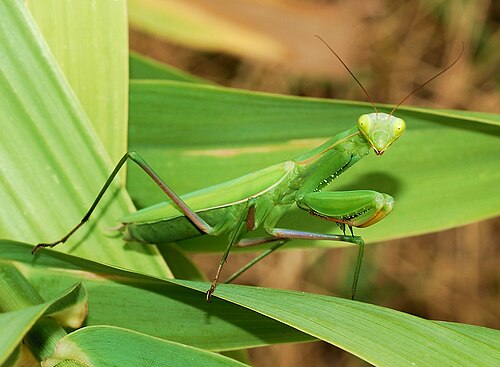
Seen in the last 30 days
What can you see near Karlsruhe now?
Month by month, from 1,321,359 records people shared within 50 km, 2016–2025.
At their peak in January


Most seen in January

107,929 animal records in January.
At their peak in February


Most seen in February
67,307 animal records in February.
At their peak in March


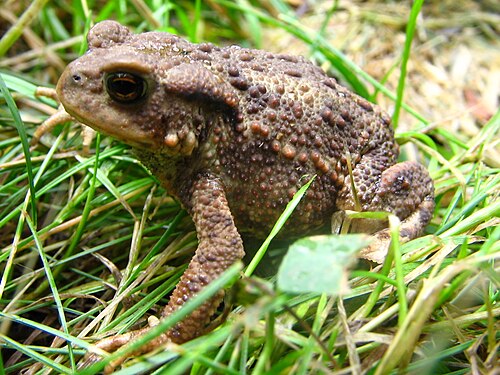
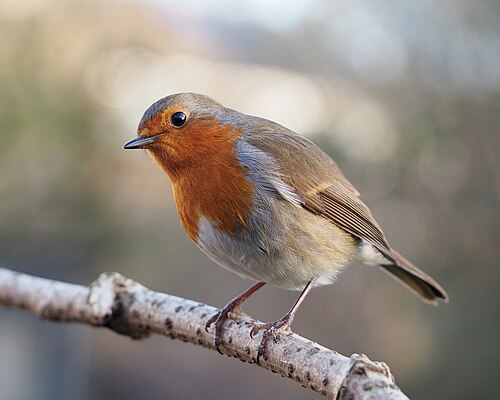
Most seen in March
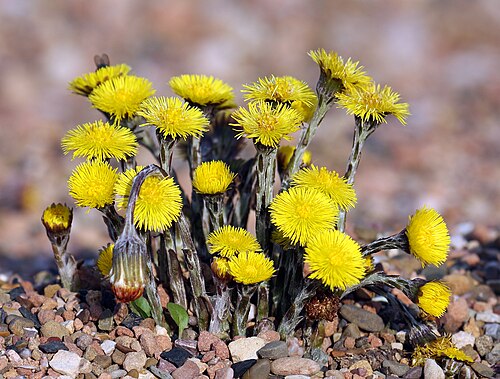
Plants and fungi at their peak in March



108,532 animal records in March.
At their peak in April
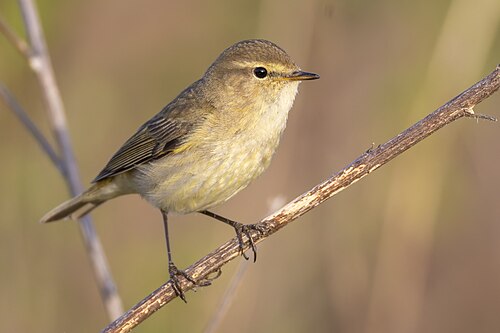

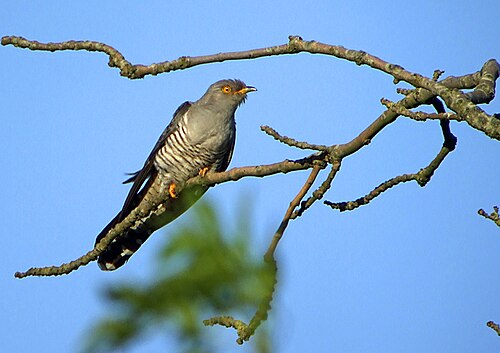
Most seen in April

Plants and fungi at their peak in April


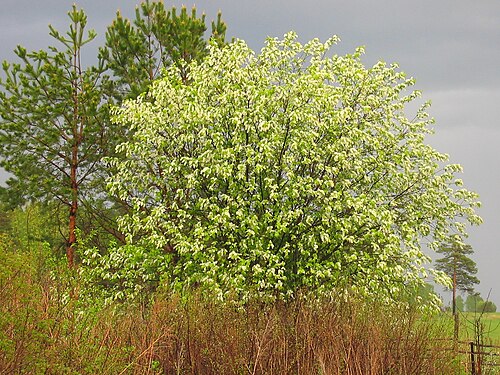
156,597 animal records in April.
At their peak in May


Most seen in May
Plants and fungi at their peak in May


225,907 animal records in May.
At their peak in June
Most seen in June
Plants and fungi at their peak in June

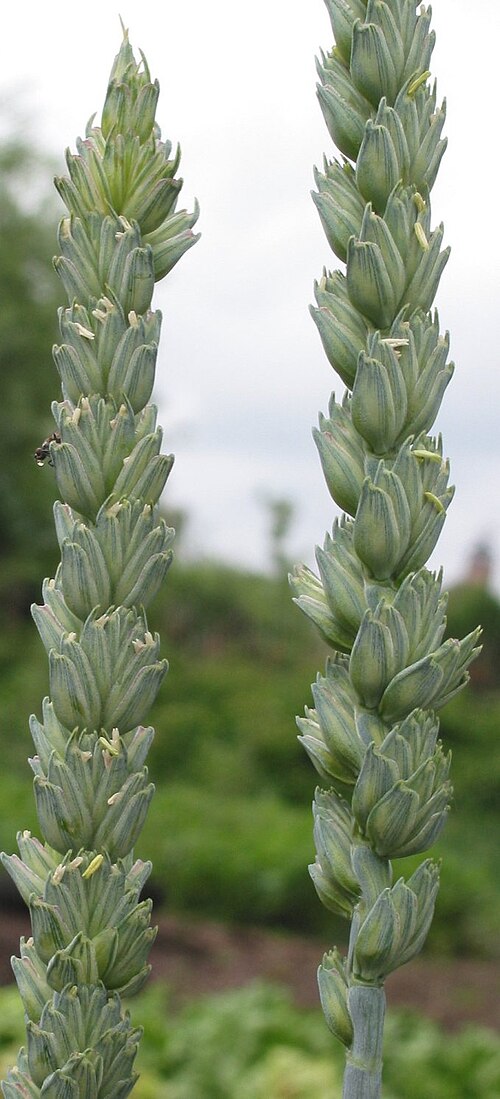
146,829 animal records in June.
At their peak in July
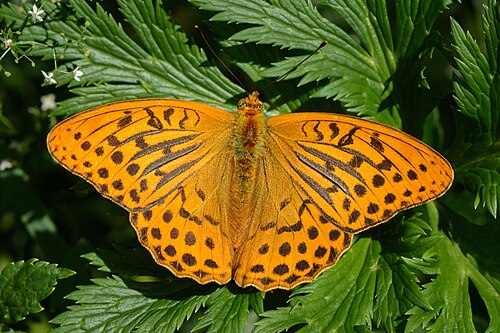

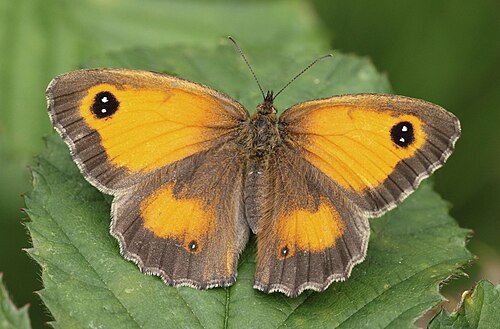
Most seen in July

Plants and fungi at their peak in July


124,920 animal records in July.
At their peak in August
Most seen in August
Plants and fungi at their peak in August
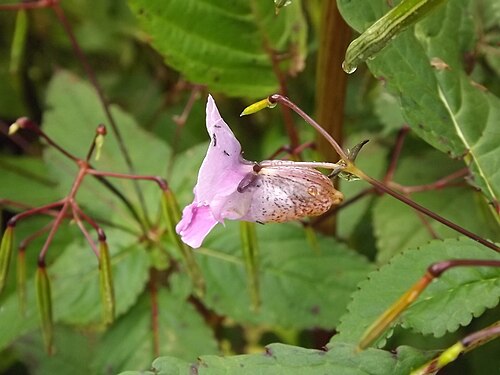


118,843 animal records in August.
At their peak in September

Most seen in September
Plants and fungi at their peak in September


97,184 animal records in September.
At their peak in October

Most seen in October
Plants and fungi at their peak in October
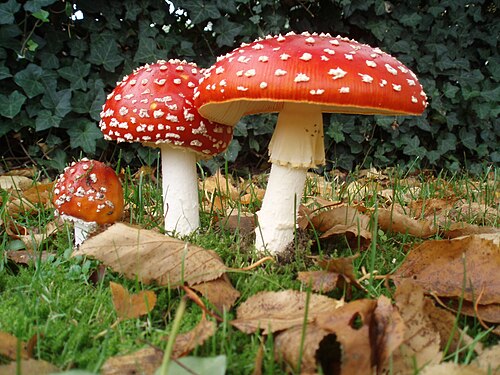

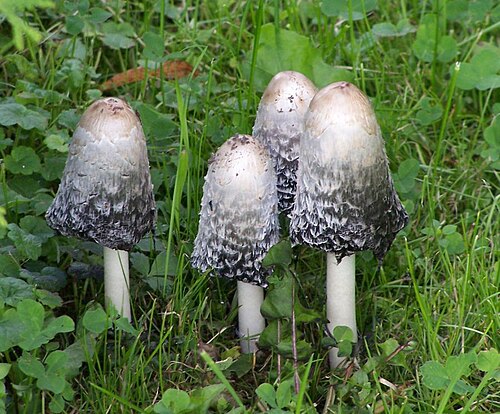

67,875 animal records in October.

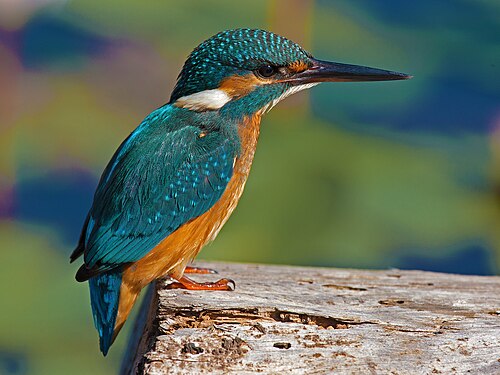
At their peak in December


Most seen in December
52,375 animal records in December.
Karlsruhe is getting warmer
+1.8 °CAverage temperature around Karlsruhe in 2016–2025, compared with 1981–1990.
Daylight: about 8 hours in December and 16 in June.
Seen something near Karlsruhe?
Share a photo of it on iNaturalist. Other naturalists help name it, and confirmed records go to GBIF, where scientists use them. That is where the lists on this page come from.
Explore next
What puts Karlsruhe under pressure, what helps, and who works on it.
Karlsruhe on the living planet
More places near Karlsruhe
Sources and photo credits
- Wikidata · Karlsruhe (Q1040), facts and nature places
- Wikipedia page views · how well known each nature place is
- OpenStreetMap contributors via Waymarked Trails · marked walking routes (ODbL)
- GBIF · human observations within 50 km, 2016–2025 (1,321,359 animal records)
- NASA POWER · yearly temperature from satellite and model data (MERRA-2)
- MET Norway · weather now (shown live)
- Upper Rhine, Karlsruhe: Szeder László, CC BY-SA 4.0
- Upper Rhine, Karlsruhe: Szeder László, CC BY-SA 4.0
- Kraichgau, Karlsruhe: Michael Linnenbach, CC BY-SA 4.0
- Turmberg, Karlsruhe: Robb at German Wikipedia, CC BY-SA 3.0
- Enz, Karlsruhe: Olof Hreiðarsson, CC BY 3.0
- Murg, Karlsruhe: Rainer Lück 1RL.de, CC BY-SA 2.0 de
- Botanischer Garten Karlsruhe, Karlsruhe: Pero.s, CC BY-SA 3.0
- Lauter, Karlsruhe: Engelberger at German Wikipedia (Original text: Ralf Engelberger), CC BY-SA 3.0
- Queich, Karlsruhe: Immanuel Giel, Public domain
- Great tit: Frank Vassen from Brussels, Belgium, CC BY 2.0
- Common blackbird: Hobbyfotowiki, CC0
- Eurasian blue tit: Sławek Staszczuk, CC BY-SA 3.0
- Carrion crow: Alexis Lours, CC BY 4.0
- Common wood pigeon: Don Loarie, CC BY 4.0
- Red admiral: Toni Wöhrl, CC BY-SA 4.0
- Meadow brown: James K. Lindsey, CC BY-SA 3.0
- Common wall lizard: Mariomassone, CC BY-SA 4.0
- Roe deer: Jerzystrzelecki, CC BY 3.0
- Eurasian red squirrel: Peter Trimming, CC BY 2.0
- European mantis: Alvesgaspar, CC BY-SA 3.0
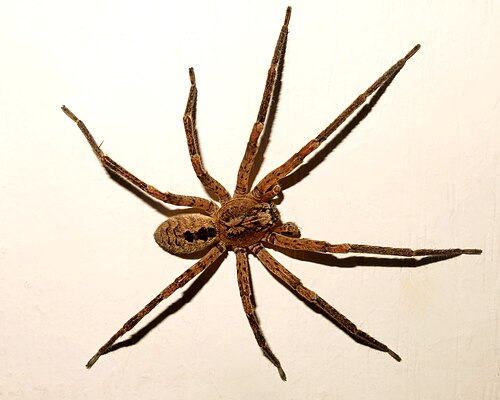
- Zoropsid spider: Sanjay Acharya, CC BY-SA 3.0
- Eurasian chaffinch: Gilles San Martin from Namur, Belgium, CC BY-SA 2.0
- Eurasian nuthatch: Chme82, CC BY-SA 4.0
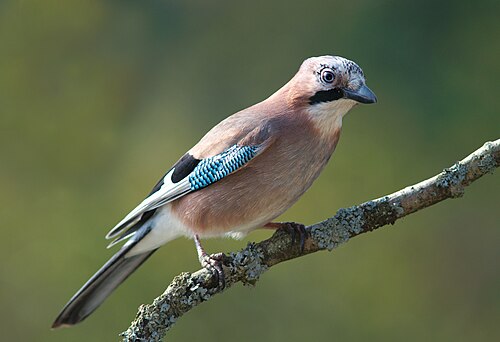
- Eurasian jay: Luc Viatour, CC BY-SA 3.0
- Winter wren: Alpsdake, CC BY-SA 3.0
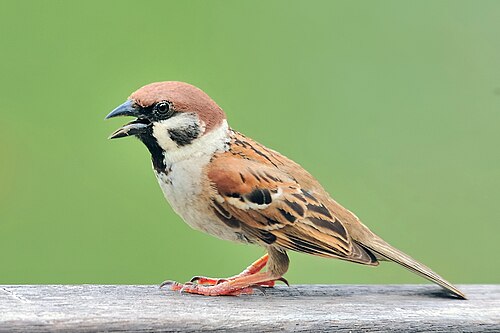
- Eurasian tree sparrow: Yiwenyiwen, CC BY-SA 4.0
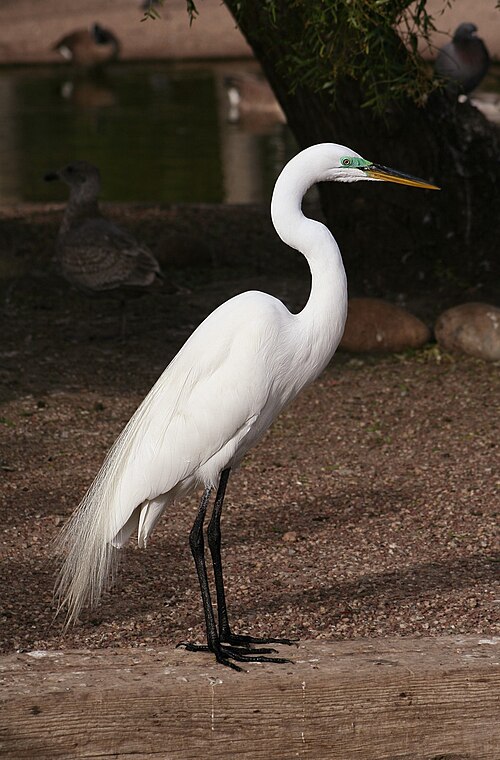
- Great egret: Calibas, CC BY-SA 3.0
- Tufted duck: Alexis Lours, CC BY 4.0
- Eurasian siskin: Sławek Staszczuk (photoss [AT] hotmail.co.uk), CC BY-SA 3.0
- Fieldfare: Frankie Fouganthin, CC BY-SA 4.0
- European robin: Francis C. Franklin, CC BY-SA 3.0
- Song thrush: Charles J. Sharp, CC BY-SA 4.0
- Comma: Charles J. Sharp, CC BY-SA 4.0
- Common toad: Taka, CC BY-SA 3.0
- Red dead-nettle: Daniel J. Layton, CC BY-SA 4.0
- Wood anemone: W. Bulach, CC BY-SA 4.0
- Coltsfoot: Andreas Trepte, CC BY-SA 2.5
- Lesser periwinkle: AnRo0002, CC0
- Eurasian blackcap: Ron Knight from Seaford, East Sussex, United Kingdom, CC BY 2.0
- Common chiffchaff: Alexis Lours, CC BY 4.0
- Common nightingale: Արարատ Թրվանց, CC BY-SA 4.0
- Common cuckoo: GabrielBuissart, CC BY-SA 3.0
- Garlic mustard: O. Pichard, CC BY-SA 3.0
- Ground ivy: AnRo0002, CC0
- Ramsons: Agnes Monkelbaan, CC BY-SA 4.0
- Bird cherry: Игоревич, Public domain
- Common swift: Alexis Lours, CC BY 4.0
- Common redstart: Aconcagua (talk), CC BY-SA 3.0
- Meadow clary: Diego Delso, CC BY-SA 4.0
- Sweet woodruff: Jopi, Public domain
- Lizard orchid: BerndH, CC BY-SA 3.0
- Blueweed: Please report references to kulacgmx.at., CC BY-SA 3.0
- Bread wheat: Rasbak, CC BY-SA 3.0
- House sparrow: Rhododendrites, CC BY-SA 4.0
- Silver-washed fritillary: Uoaei1, CC BY-SA 4.0
- Common blue: Charles J. Sharp, CC BY-SA 4.0
- Gatekeeper: Janet Graham, CC BY 2.0
- Fringed pink: Bernd Haynold, CC BY-SA 2.5
- Wild carrot: User:Tigerente, CC BY-SA 3.0
- Himalayan balsam: Guptaele, CC BY-SA 4.0
- Ragweed: Dalgial, CC BY-SA 3.0
- Hemp agrimony: Burkhard Mücke, CC BY-SA 4.0
- Small copper: Judy Gallagher, CC BY 2.0
- Butter and eggs: Ivar Leidus, CC BY-SA 3.0
- Autumn crocus: Stemonitis, Public domain
- Common darter: Loz (L. B. Tettenborn), CC BY-SA 3.0
- Fly agaric: Onderwijsgek, CC BY-SA 3.0 nl
- European spindletree: AnRo0002, CC0
- Lawyer's wig: A. Uciechowska, CC BY-SA 3.0
- European privet: Victor M. Vicente Selvas, CC BY-SA 3.0
- Common crane: Andreas Eichler, CC BY-SA 4.0
- Common kingfisher: Artemy Voikhansky, CC BY-SA 4.0
- Great cormorant: Mathew Schwartz, CC BY 3.0
- Egyptian goose: Rhododendrites, CC BY-SA 4.0
- Common coot: Zeynel Cebeci, CC BY-SA 4.0


Wildlife records show where people have seen and shared plants and animals, not everything that lives here; some places and months are recorded more than others. Sensitive species are never shown with a month or as seen recently. Routes come from OpenStreetMap and are not checked by 4Planet: follow local signs and conditions. Climate figures are NASA estimates for the area around Karlsruhe, not a single weather station.
Checked 2026-11-28.